28 Vintage Pumpkin Recipes from Grandma’s Kitchen
Long before pumpkin spice became a seasonal personality, pumpkin was a practical, inexpensive ingredient that could keep for months when stored properly in a cool place. Home cooks stewed it, candied it, pickled it, and baked it into nearly everything on the table.
The recipes below reflect the kinds of dishes found in older American kitchens, where measurements were written in teacups and butter was the size of an egg. Some are still familiar, while others are less common in modern home cooking.
Pumpkin Pudding Baked in a Pastry Shell
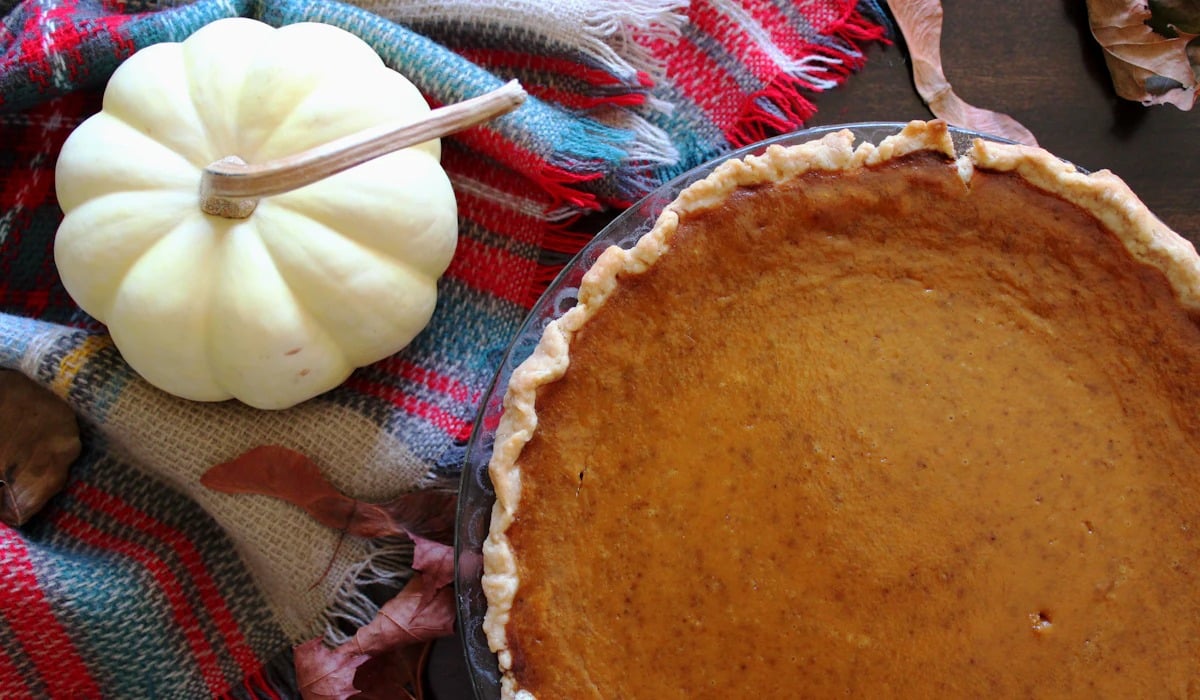
American Cookery by Amelia Simmons, published in 1796, included pumpkin puddings under the old spelling “pompkin.” Her version combined stewed and strained pumpkin with cream and eggs, then seasoned the mixture with mace, nutmeg, and ginger.
The filling was laid into a pastry shell and baked, which makes it a close relative of the modern pie. This early cookbook offers a documented example of pumpkin pie’s historical roots.
Pumpkin Pie Made With Evaporated Milk
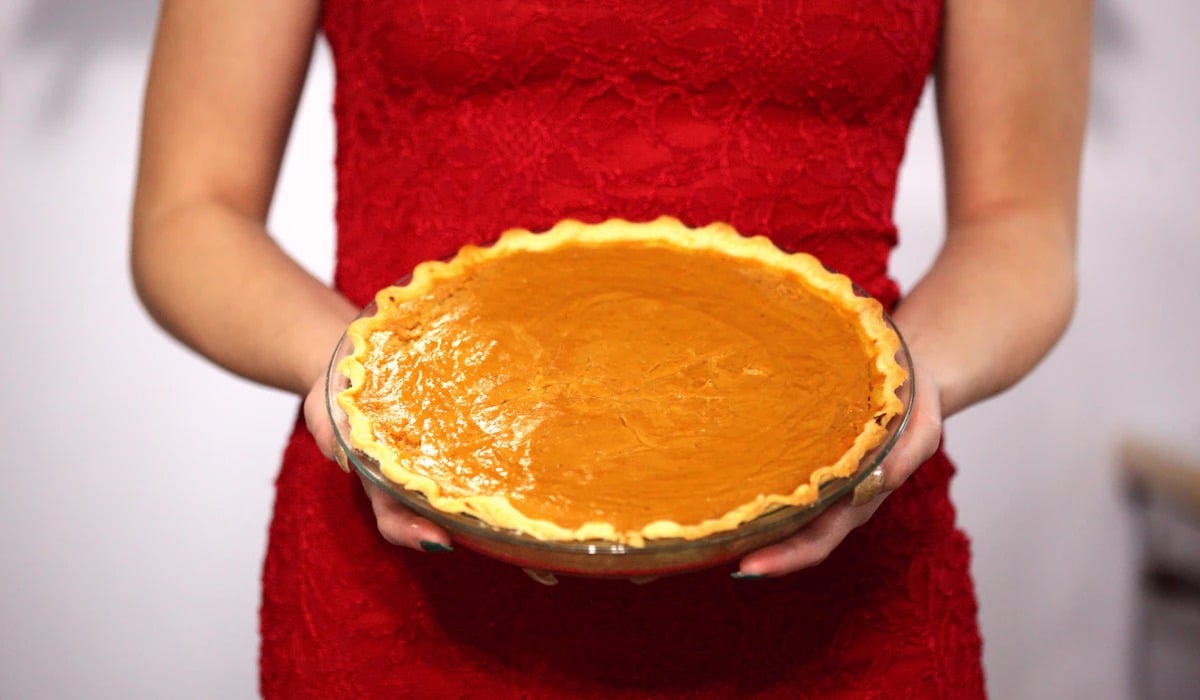
When canned pumpkin and canned milk became pantry staples, the pie got faster and smoother. Evaporated milk replaced fresh cream, making the filling convenient to prepare with shelf-stable ingredients.
The recipe printed on the label of Libby’s canned pumpkin became a familiar version of the classic dessert. Plenty of grandmothers may have followed the label rather than writing out a separate recipe.
Maple-Sweetened Pumpkin Pie From New England
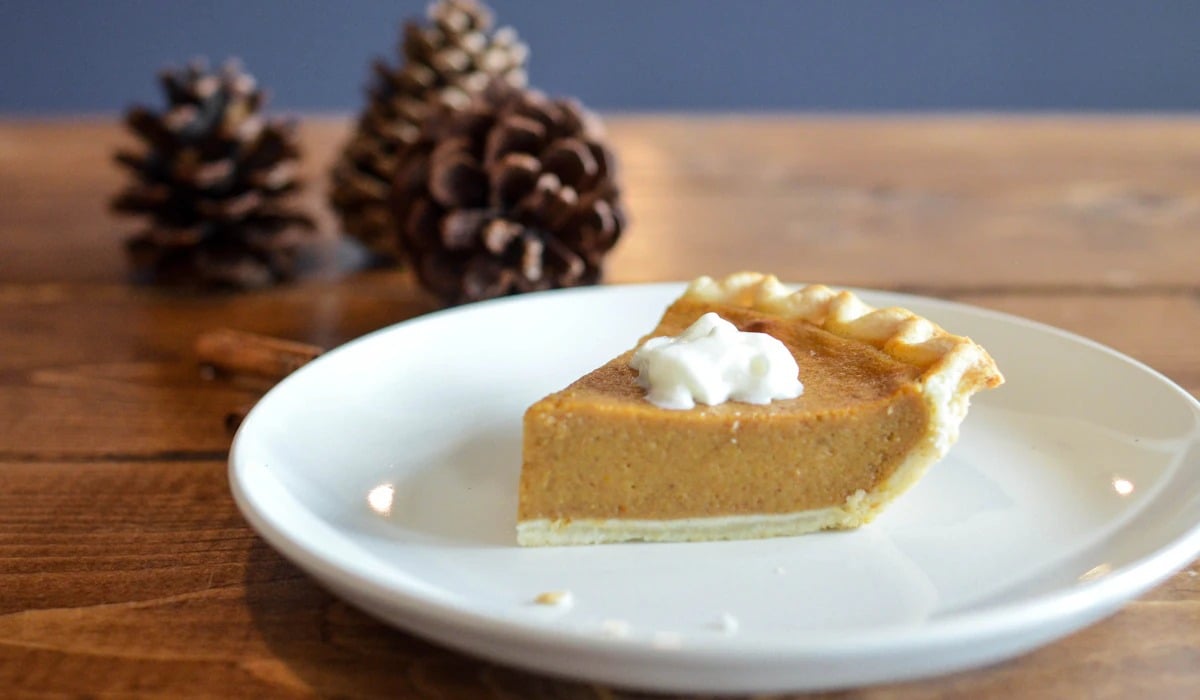
In maple country, syrup from the sugarhouse can take the place of purchased white sugar. Stirred into the filling, it gives the custard a gentle caramel note alongside the cinnamon and ginger.
The pie bakes in an ordinary pastry shell and tastes best served plain or with a spoonful of cream. Maple syrup offers a regional alternative to refined sugar, while winter squash from storage provides the main ingredient.
Pumpkin Chiffon Pie With Gelatin
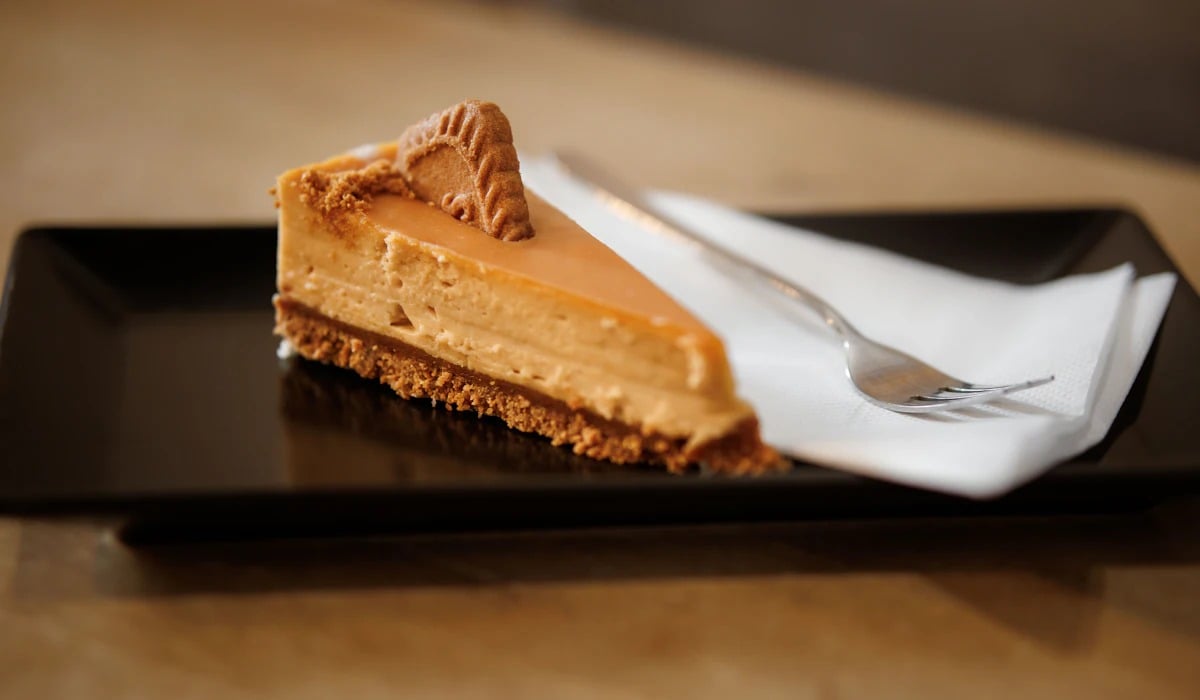
Chiffon pies were a mid-century showpiece, and the pumpkin version was well suited to the holiday table. Gelatin set the cooked pumpkin custard, and whipped egg whites folded in at the end made it airy rather than dense.
The filling chilled in the shell instead of baking, which freed the oven for the turkey. It suited anyone who wanted pumpkin pie without the weight.
Pumpkin Baked Inside Its Own Shell
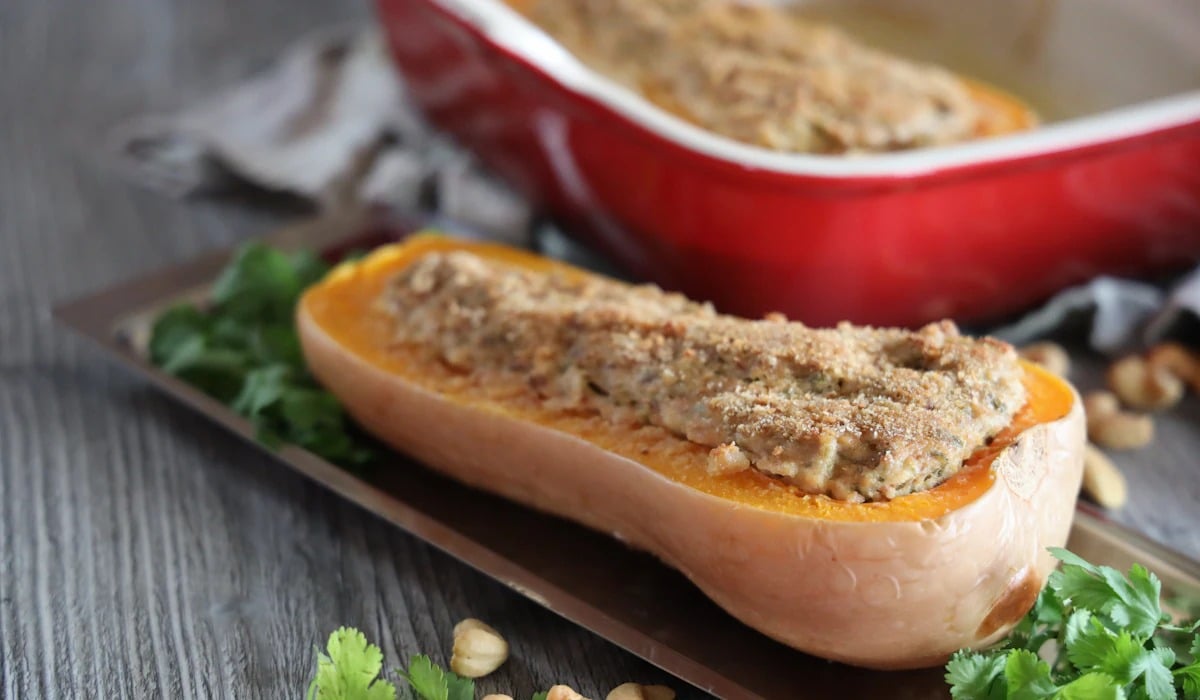
This rustic dish skips the crust altogether by using the pumpkin as the baking dish. The top is cut off like a lid, the seeds are scraped out, and the cavity is filled with milk or cream, sugar, and spice before baking until the flesh turns tender.
Diners scoop out the softened walls along with the custard. The effect is part dessert and part centerpiece, and the pumpkin itself serves as the container, though it should sit in a suitable baking dish for stability.
Warm-Spiced Pumpkin Bread
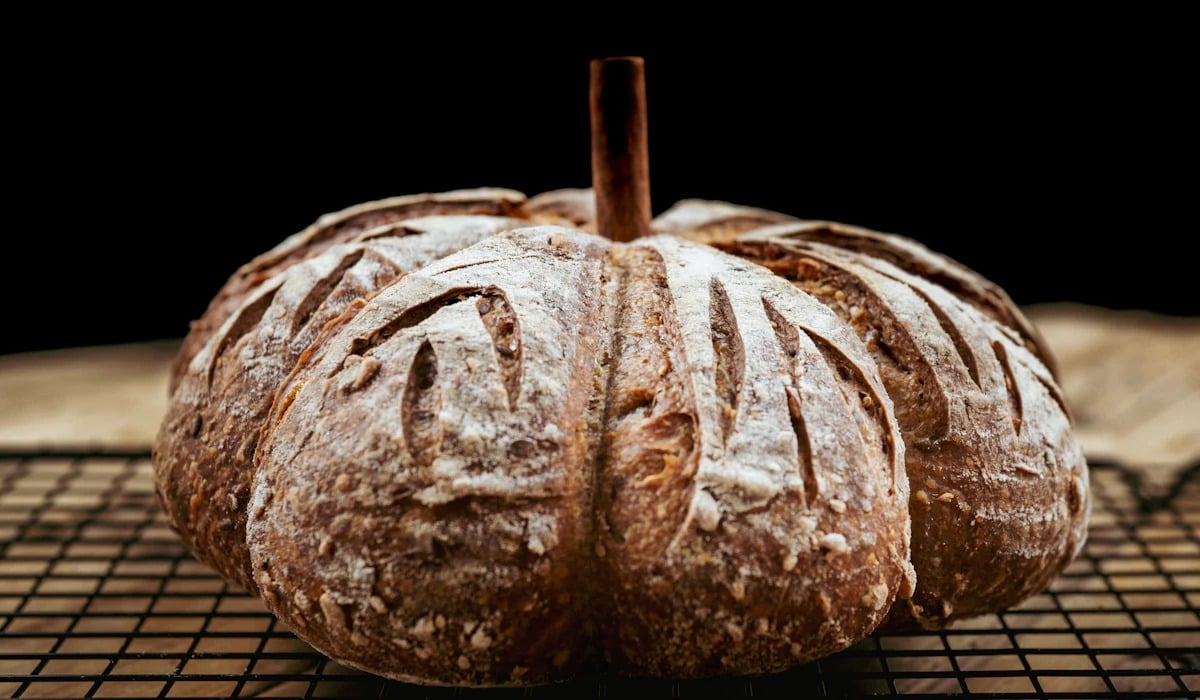
Pumpkin quick bread relies on baking powder or baking soda instead of yeast, so it goes from bowl to oven in minutes. The loaf is moist enough to stay tender for several days when stored properly, which made it a practical choice for sharing with guests.
Cinnamon, nutmeg, and cloves provide the flavor, and a handful of chopped walnuts often shows up in the batter. Many family versions call for oil rather than butter, which can help produce a tender crumb.
Pumpkin Butter on the Back of the Stove
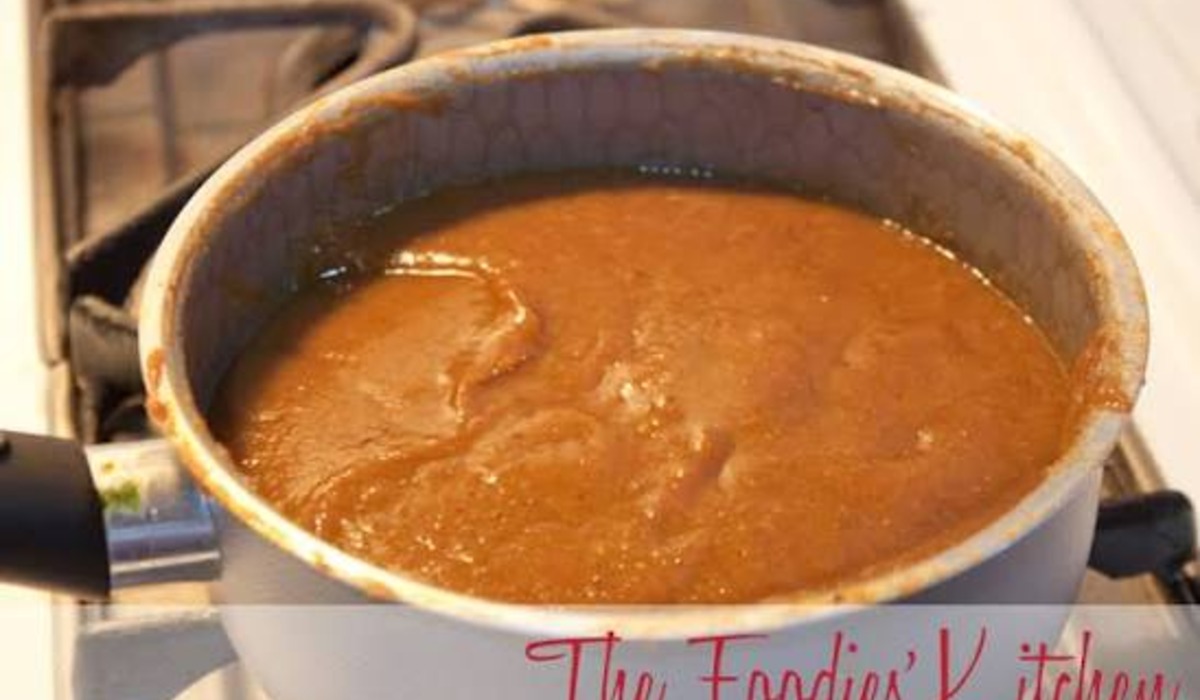
Pumpkin butter contains no dairy at all, because the name describes its spreadable texture. Cooked pumpkin is simmered slowly with sugar, spices, and often a splash of cider or lemon juice until it thickens into something dark and glossy.
It follows the same method as apple butter, only with a milder flavor of its own. A jar on the biscuit table could stand in for jam when other preserves were in short supply.
Individual Pumpkin Custards Baked in Cups
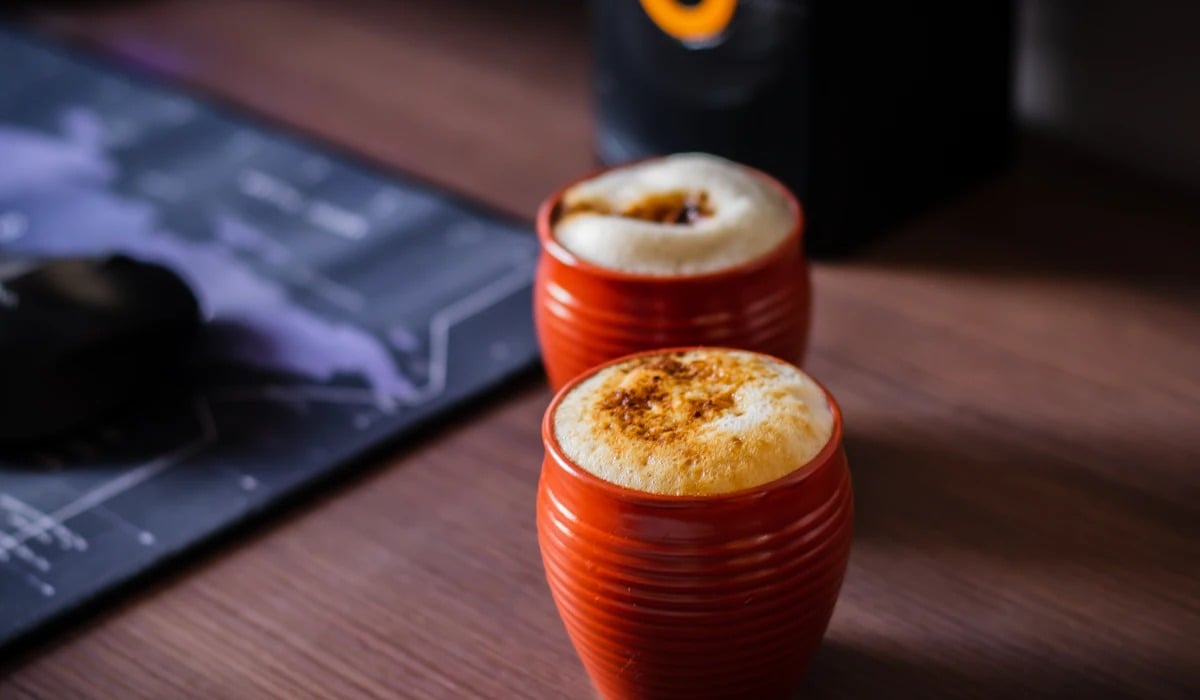
Plain pumpkin custard baked in small cups or a deep dish makes a simple farmhouse dessert. Eggs, milk, sugar, and strained pumpkin are baked in a pan of hot water so the custard cooks gently and evenly.
The water bath, or bain-marie, helps keep the texture silky rather than curdled. It was essentially pumpkin pie filling without the work of rolling a crust.
Soft Pumpkin Cookies With Raisins
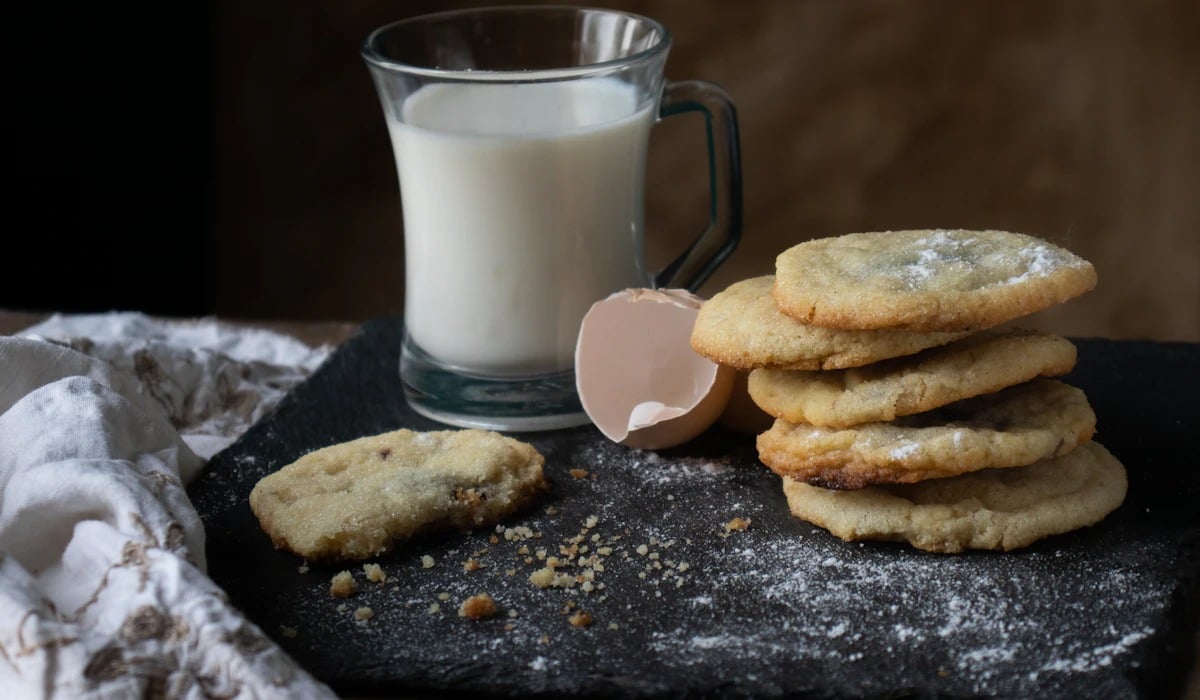
These cookies are closer to little cakes than to crisp rounds, thanks to the moisture in the pumpkin. They can be dropped from a spoon onto a greased sheet and studded with raisins or chopped nuts.
Spices like cinnamon and allspice carry most of the flavor, and a thin glaze of powdered sugar can finish them. Their soft texture makes them a good choice for a lunch box.
Cream of Pumpkin Soup
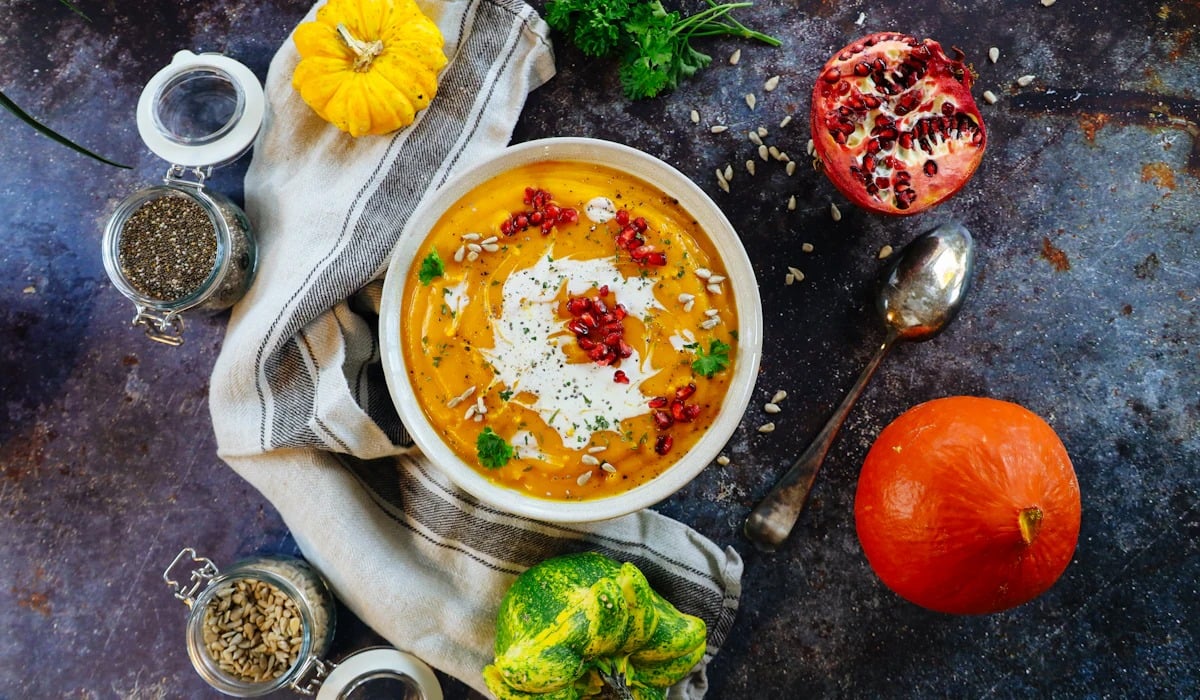
Pumpkin soup is a simple way to cook the vegetable, traditionally made with milk or cream and a little butter. A pinch of nutmeg or mace adds warmth, and some cooks include a bit of onion for depth.
Served in a bowl with crackers, it can make a satisfying meal rather than just a first course. The simplicity was the point, since a single pumpkin can provide several servings, depending on its size.
Candied Pumpkin Chips
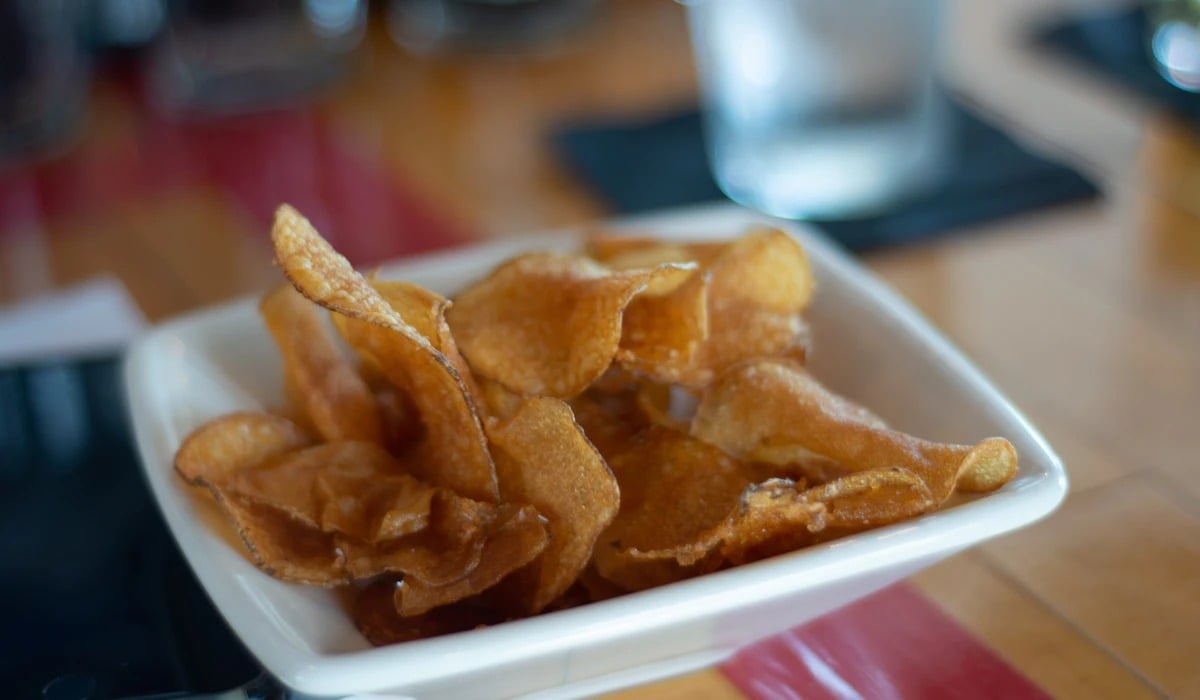
Chips of pumpkin were simmered in sugar syrup, often with lemon peel and ginger, until they turned translucent and amber. The finished pieces could be stored in jars and served as a sweet treat at holiday time.
The method follows the old habit of preserving vegetables and fruits in syrup. A few slices on a saucer could pass for candy.
Pumpkin Marmalade With Oranges
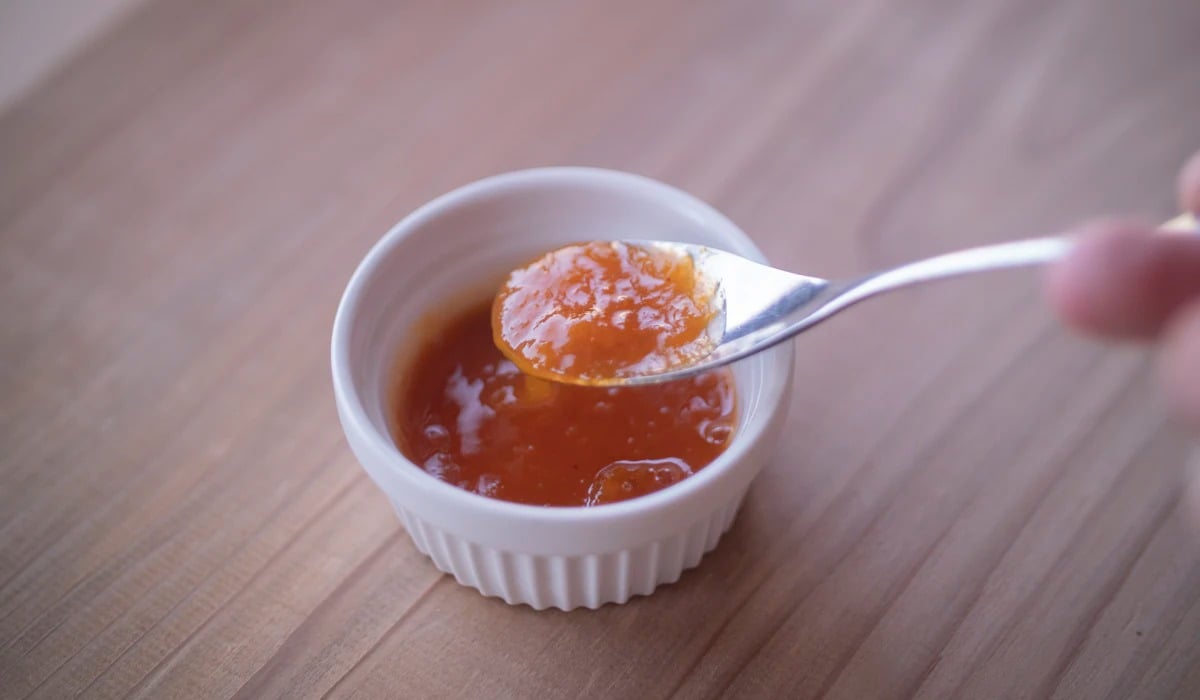
Pumpkin marmalade combines citrus with pumpkin to make a preserve that stretches the fruit. Orange and lemon rind provide the bitter edge that marmalade is known for, and the pumpkin supplies bulk and body.
The mixture is cooked with sugar until it sets, then transferred to jars for storage. On toast, it tastes much more like fruit preserves than anything from the vegetable garden.
Crisp Candied Pumpkin Soaked in Lime Water
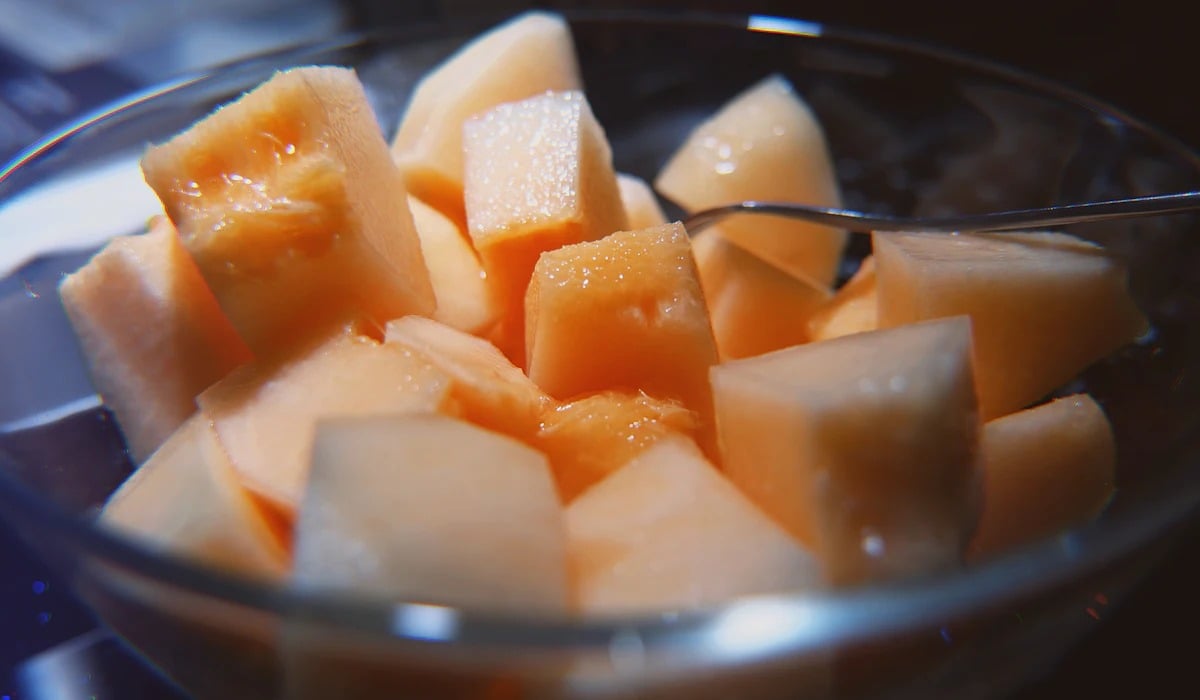
Old-fashioned preserving recipes soak cubes of pumpkin in a solution of pickling lime before cooking them in syrup. The soak helps firm the flesh so the pieces hold their shape and stay pleasantly crisp instead of dissolving.
After a thorough rinse, the cubes simmer in sugar until glassy. The technique is similar to one used for old-fashioned crisp pickles, applied to dessert.
Only food-grade pickling lime should be used, and the pumpkin must be rinsed thoroughly according to a tested recipe before cooking.
Sweet Pickled Pumpkin
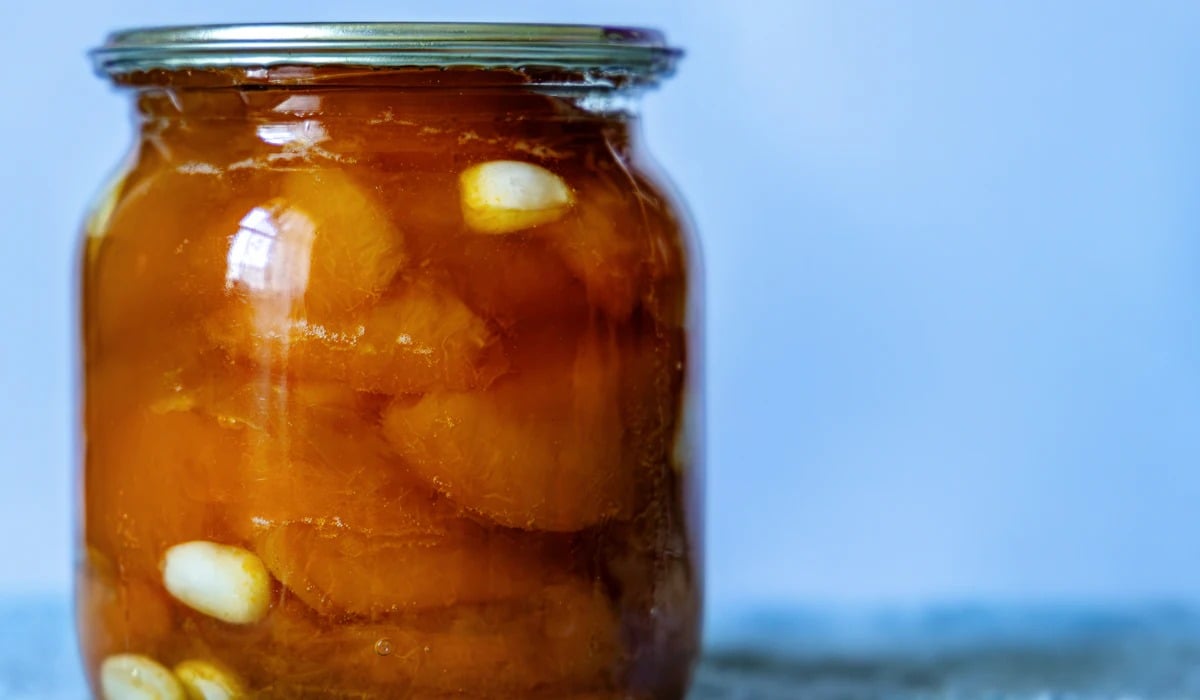
Pumpkin cubes pickled in a spiced vinegar syrup make a traditional-style addition to holiday relish trays. Cinnamon sticks, whole cloves, and sugar balance the sharp vinegar, so the result is both tangy and sweet.
The pieces can remain firm after cooking, giving them a bite that resembles pickled watermelon rind. They pair well with roast meats and cold ham.
Pumpkin Cornbread
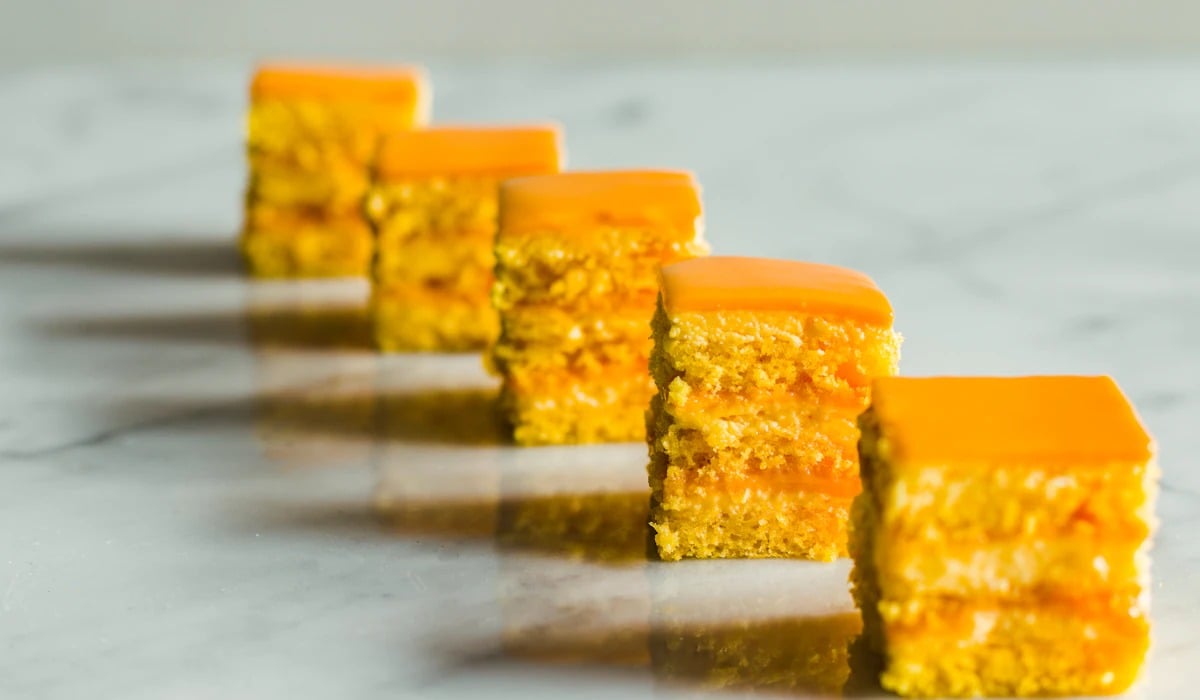
Cornmeal and pumpkin are both rooted in Indigenous American agriculture, where Native communities cultivated these crops long before European colonization. Stirring cooked pumpkin into the batter produces a cornbread that is moist, golden, and slightly sweet.
It can be baked in a hot, greased skillet so the edges turn crisp. A pat of butter melting into a warm wedge is still the best way to eat it.
Old-Fashioned Pumpkin Doughnuts
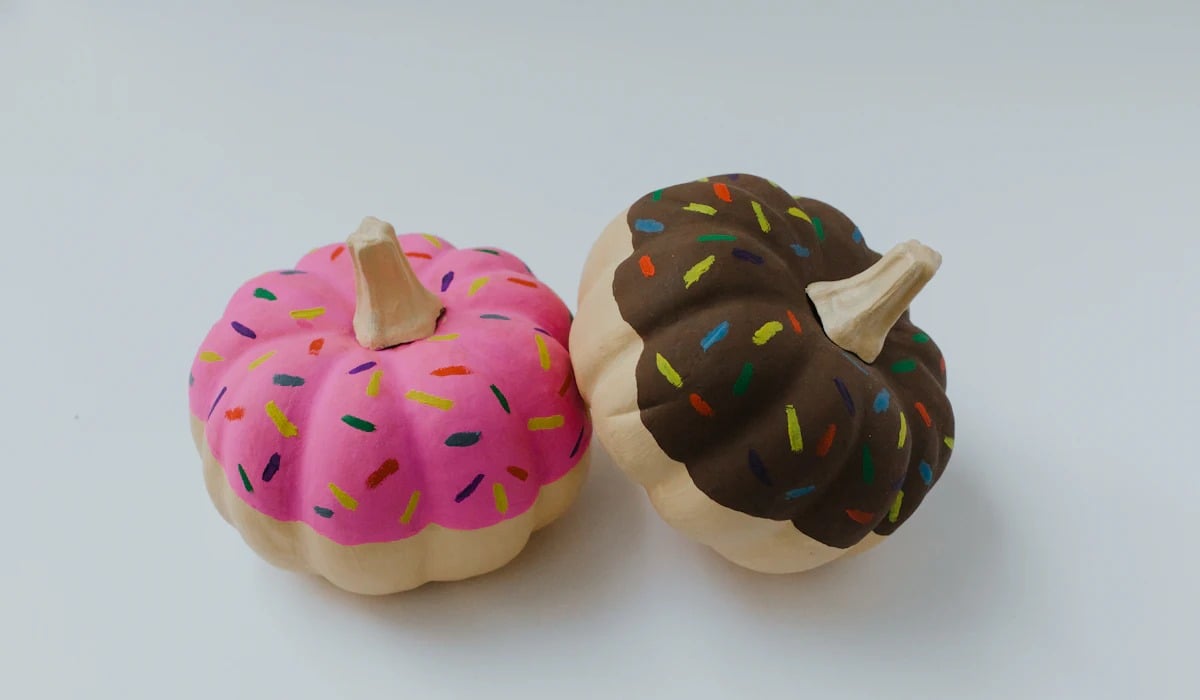
Pumpkin can give fried doughnuts a tender interior and a faint orange cast. The dough is rolled out, cut into rings with a floured cutter, and fried in lard or shortening until deep brown.
A shake in cinnamon sugar finishes them while they are still warm. The combination of warm dough and cinnamon sugar makes these a comforting fall treat.
Pumpkin Fritters
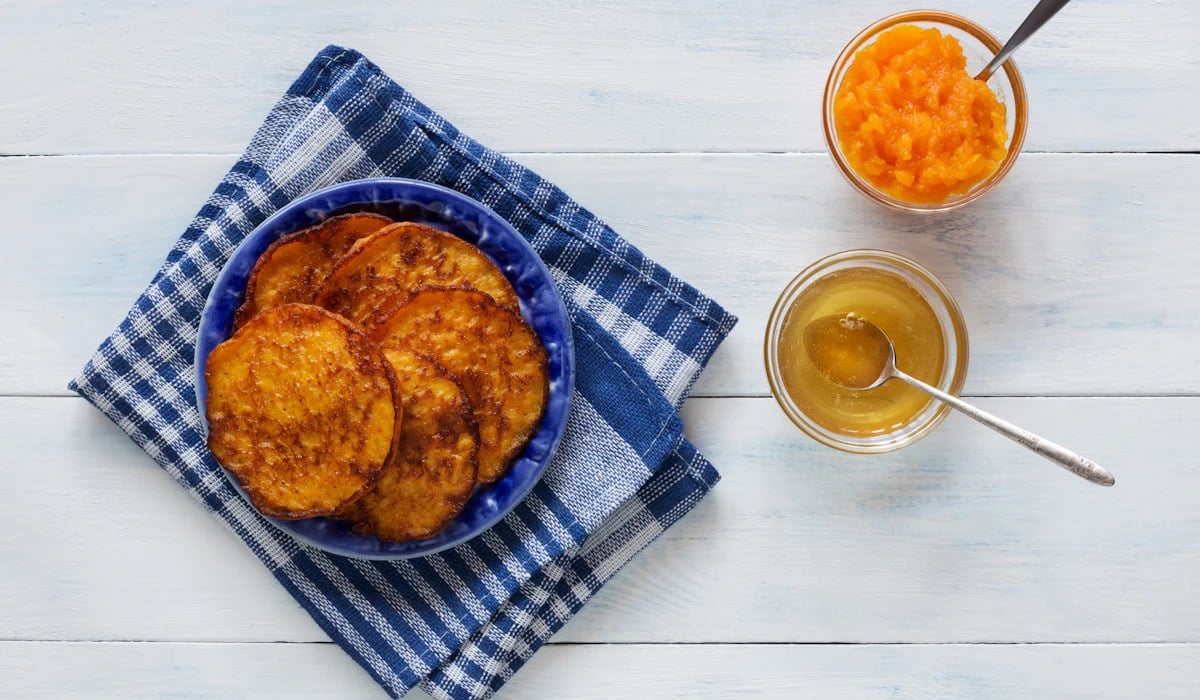
Fritters can turn leftover mashed pumpkin into a quick breakfast or side. A thick batter of flour, egg, and spice is dropped by the spoonful into hot fat and fried until puffed and brown.
A dusting of sugar or a drizzle of syrup is all they need. They are a practical way to use up leftover pumpkin.
Pumpkin Flapjacks for a Cold Morning
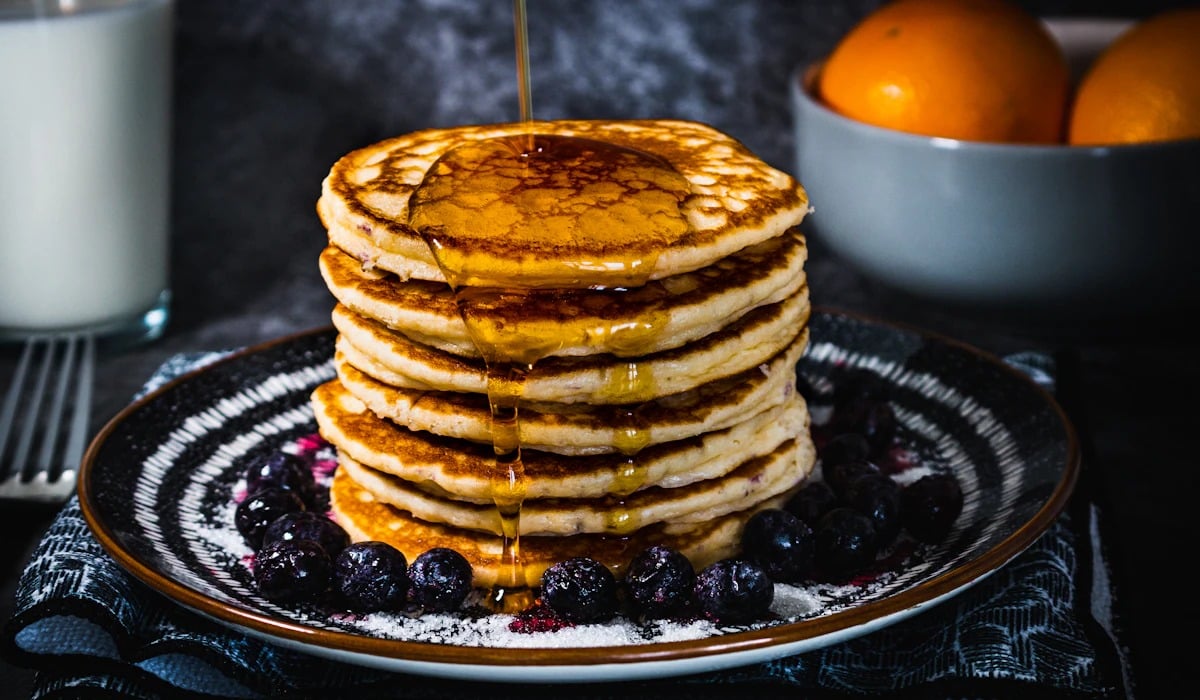
Griddle cakes made with pumpkin offer a way to add body and sweetness without extra sugar. The batter is thick and orange, and the cakes brown well on a lightly greased cast-iron surface.
Syrup or molasses is poured on top, and a pat of butter melts down the stack. On a frosty morning, a stack of them makes a hearty breakfast.
Pumpkin Yeast Rolls
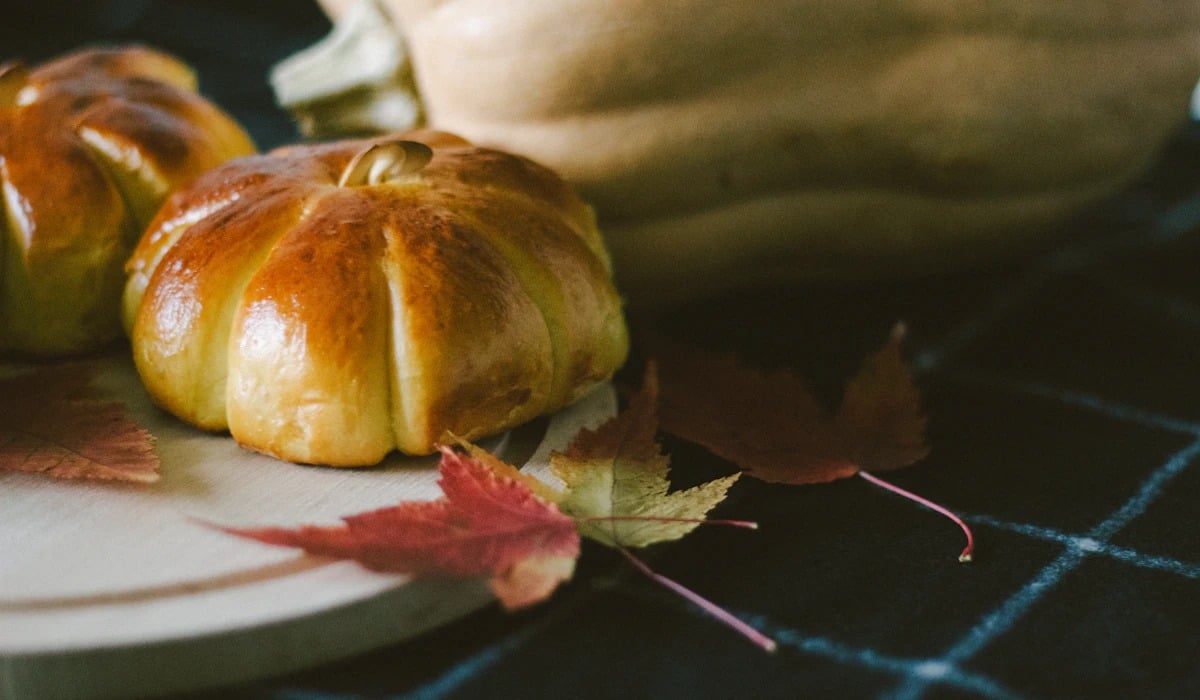
Mashed pumpkin can be added to yeast dough, where it gives the rolls a golden crumb and helps keep them soft. The pumpkin’s moisture and natural sugars also contribute to browning.
Cooks can shape the dough into cloverleafs or pan rolls and brush them with melted butter. Served warm at a holiday dinner, they fit naturally into an autumn menu.
Pumpkin Muffins With Brown Sugar
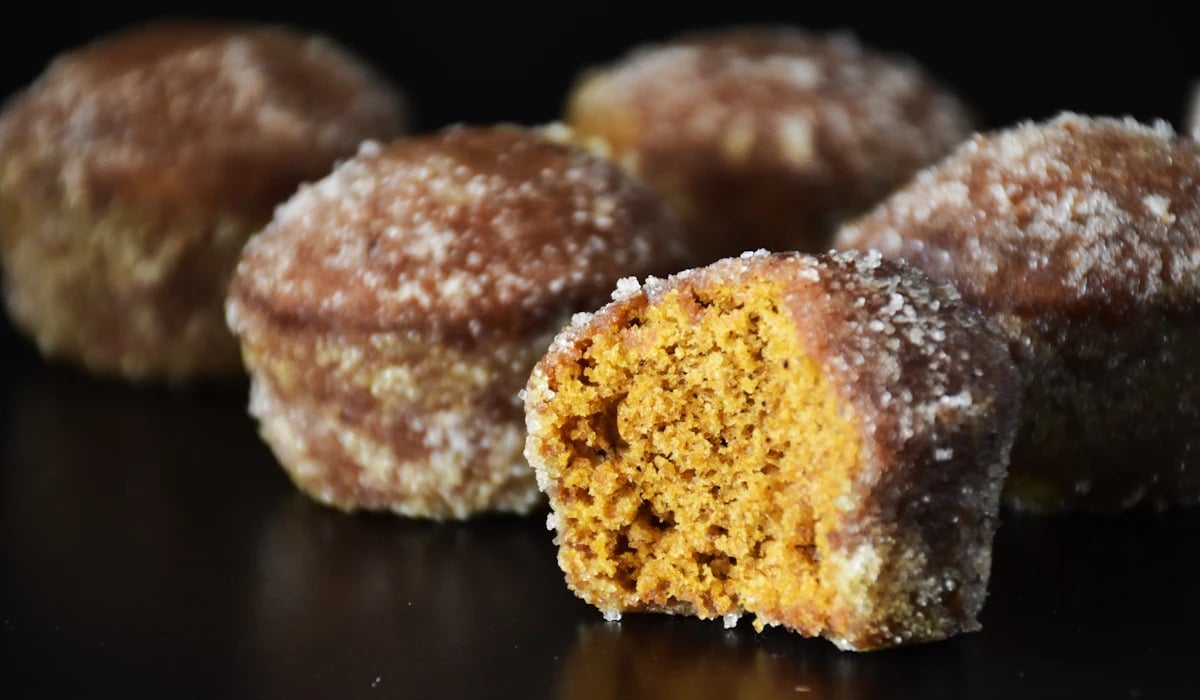
Muffins made with pumpkin are a natural use for leftover puree. They are quick to mix and can stay moist when stored properly.
Brown sugar adds a molasses depth, and chopped dates or raisins are optional additions. A batch cooling on the counter can make a tempting snack before supper.
Pumpkin Ice Cream Churned by Hand
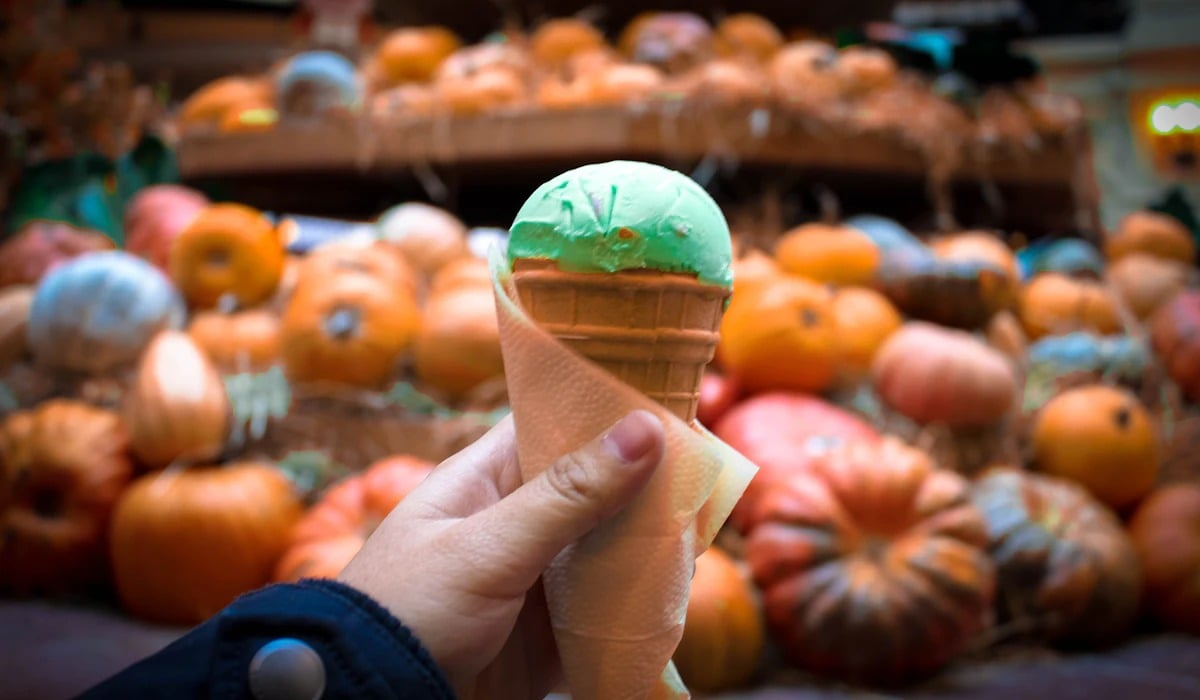
Cooked pumpkin folded into a custard base makes an ice cream that tastes like pie filling in frozen form. The mixture goes into a hand-cranked freezer packed with ice and rock salt.
Taking turns at the crank can be part of the fun of making it with family. The flavor makes a seasonal homemade dessert.
Pumpkin Roll With a Cream Cheese Filling
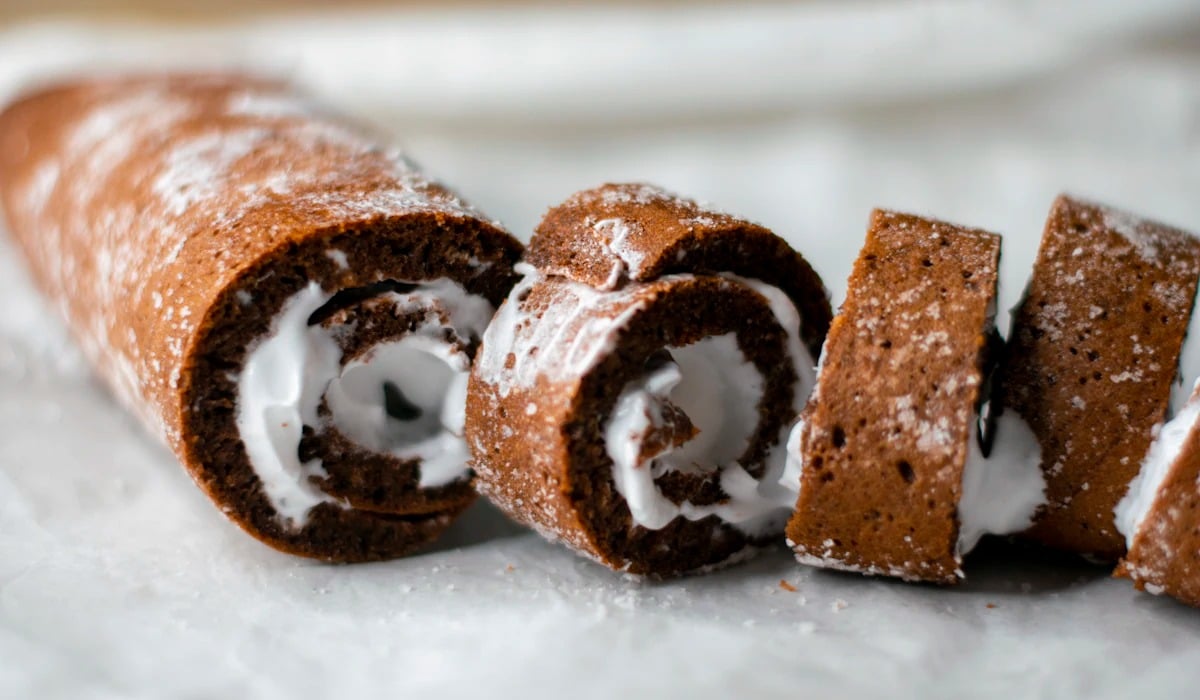
A thin spice sponge made with pumpkin is baked in a sheet pan, turned out onto a towel, and rolled up while still warm. Once cool, it is unrolled, spread with a sweetened cream cheese filling, and rolled again.
The towel trick helps reduce cracking. Sliced, it shows a neat spiral, which makes it a showpiece on a dessert table.
Pumpkin Spice Layer Cake
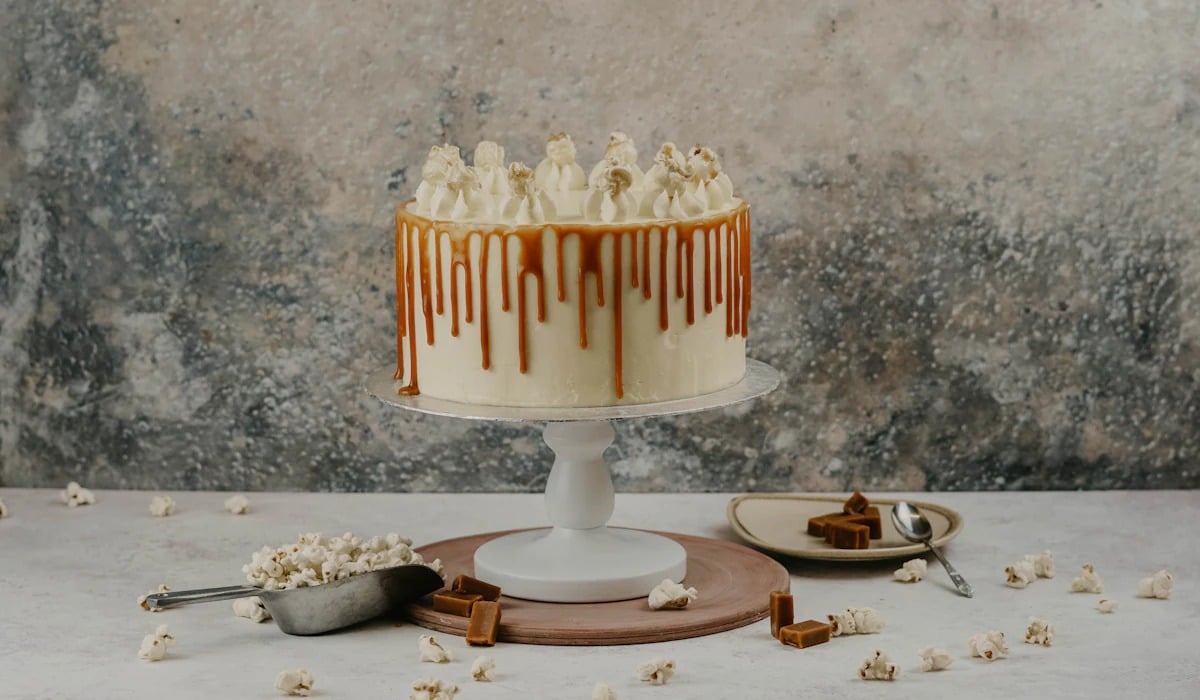
Layer cakes with pumpkin in the batter are a fitting choice for birthdays and autumn gatherings. The pumpkin keeps the crumb tender and adds a gentle color, while cinnamon, ginger, and cloves supply the spice.
A thick coat of cream cheese or caramel frosting finishes it. Slices are easy to share at potlucks and other gatherings.
Pumpkin Gingerbread
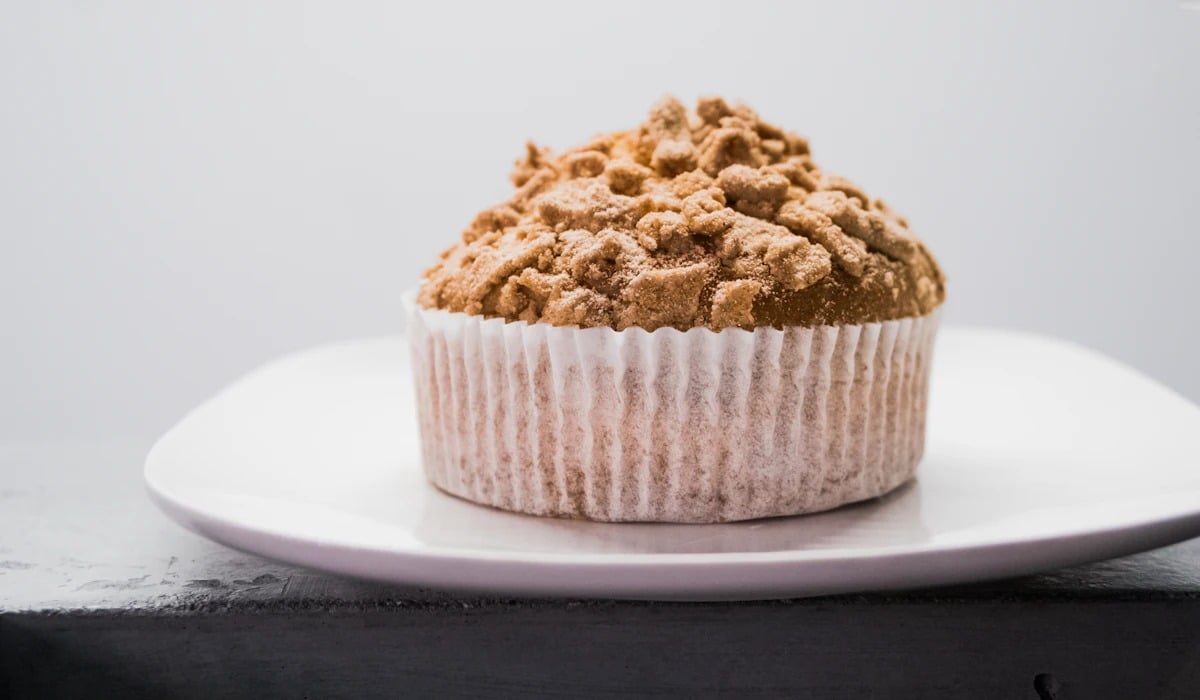
Gingerbread traditionally relies on molasses, and pumpkin can make the crumb even softer and darker. The batter is baked in a square pan and cut into generous squares.
Ginger and cloves supply the heat, and a spoonful of whipped cream or warm lemon sauce often accompanies it. This makes a warming dessert for cooler weather.
Pumpkin Fudge
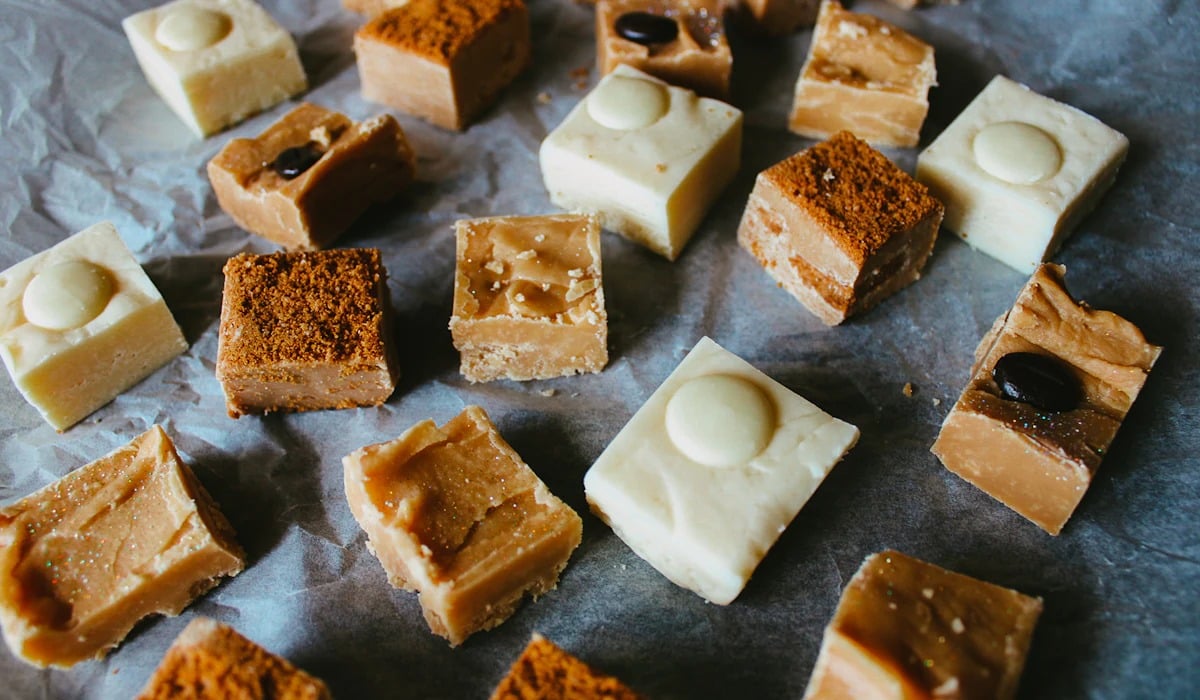
Candy makers sometimes stir pumpkin into a cooked fudge base with sugar, evaporated milk, butter, and pumpkin pie spice. The mixture is cooked to the soft-ball stage, using a candy thermometer or testing a small amount in cold water.
Once beaten and poured into a buttered pan, it sets into creamy squares. Holiday tins can hold layers of fudge separated by wax paper.
Roasted Pumpkin Seeds
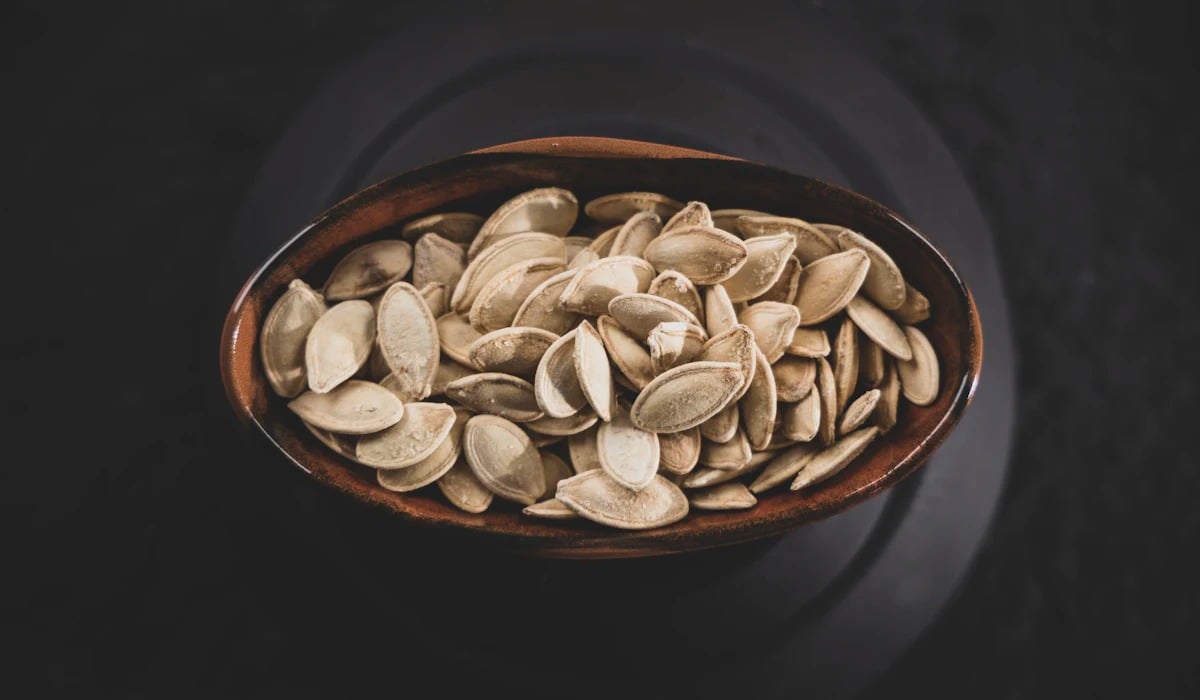
Seeds can be saved rather than discarded in thrifty households. They are rinsed, tossed with melted butter and salt, and roasted on a sheet pan until crisp and golden.
Some cooks boil them briefly in salted water first for more even seasoning. Eaten warm from the oven, they are a crunchy reward for carving a jack-o’-lantern.
Steamed Pumpkin Pudding With Hard Sauce
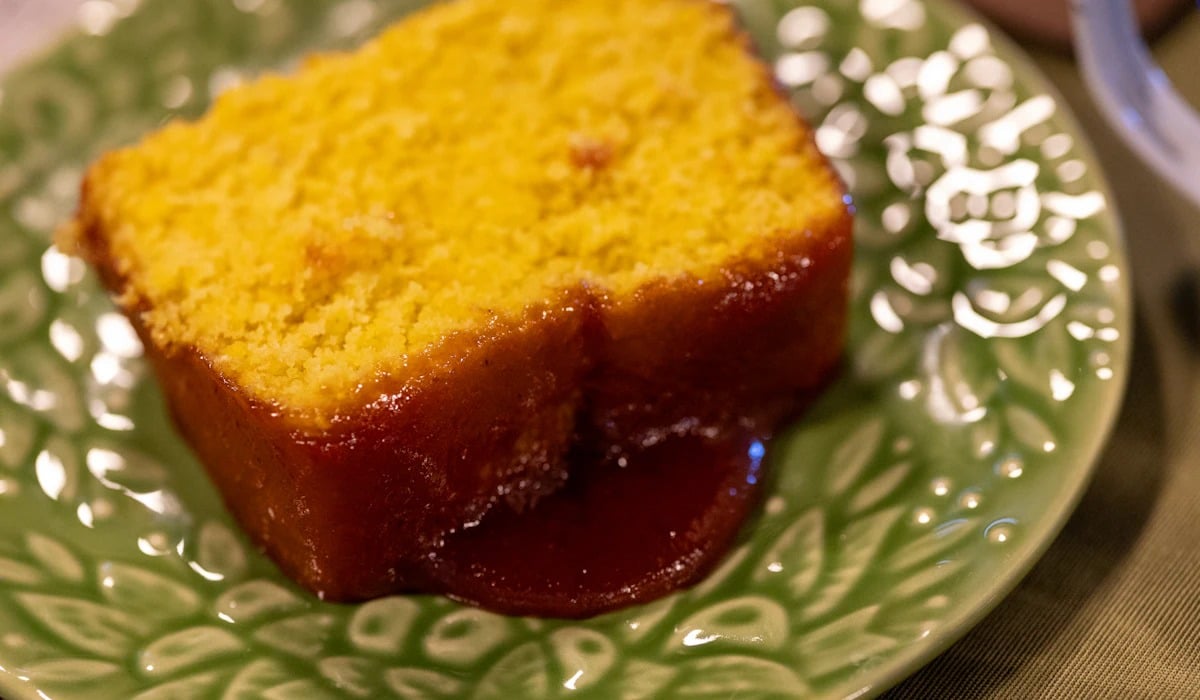
Steamed puddings belong to the Victorian-era dessert tradition, and pumpkin works well in this style of preparation. Pumpkin puree, flour, eggs, sugar, and warm spices go into a covered mold that is steamed or simmered in water until the pudding turns dense and moist.
It comes to the table unmolded and sliced like a cake. A spoonful of vanilla hard sauce melts over each warm piece.
Pumpkin Mincemeat
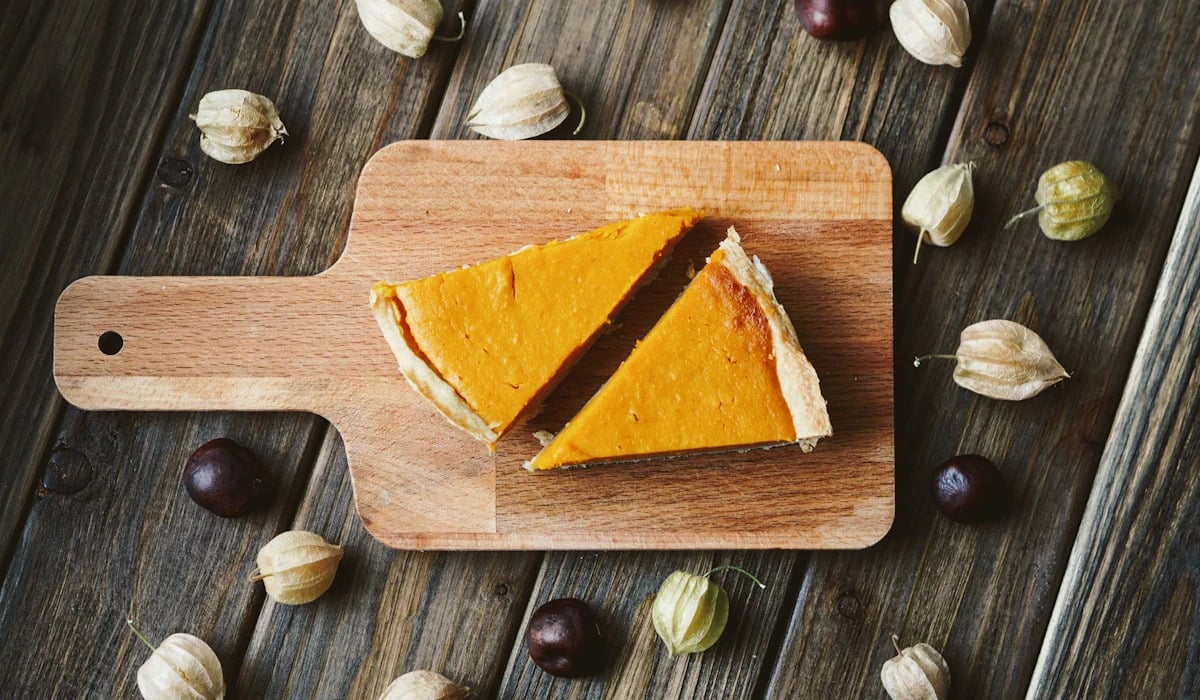
Thrifty cooks could stretch mincemeat by adding pumpkin to the pot. Cooked pumpkin can be combined with raisins, currants, apples, sugar, vinegar, and spices to make a rich filling.
The mixture can be stored using an appropriate tested preservation method for later use in winter pies. A slice at Christmas dinner offers a taste of the autumn harvest well after the vines have died.
What the Old Recipe Cards Understood
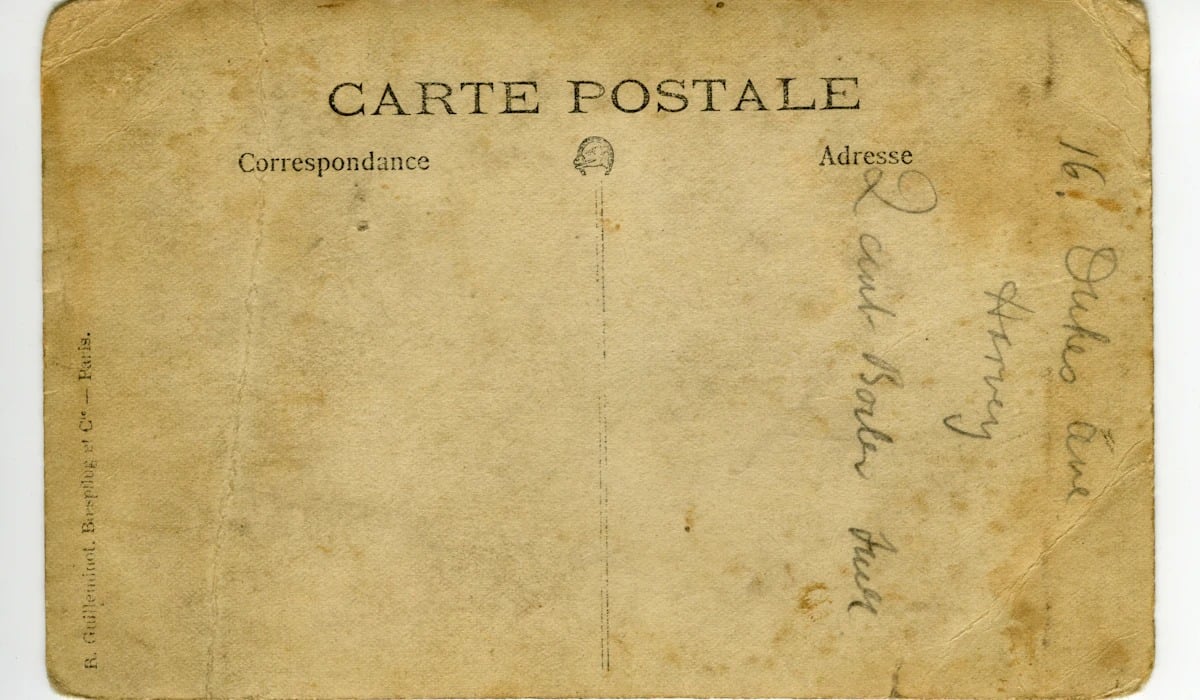
Looking across these dishes, a pattern appears. Pumpkin was more than a seasonal novelty.
It was a dependable crop that could grow abundantly, store well under suitable conditions, and serve many purposes, from soup to dessert to preserves. Cooks working with limited ingredients learned to make a single vegetable do the work of many.
The stained, handwritten cards that survive from those kitchens carry something valuable about resourcefulness. They reflect a tradition of making ingredients go further, including finding uses for the seeds.
Making these recipes again is a small way to explore how earlier generations turned a seasonal harvest into a variety of meals and treats.
MORE FROM GO2TUTORS!

- The Romanov Crown Jewels and Their Tragic Fate
- 13 Historical Mysteries That Science Still Can’t Solve
- Famous Hoaxes That Fooled the World for Years
- 15 Child Stars with Tragic Adult Lives
- 16 Famous Jewelry Pieces in History
Like Go2Tutors’s content? Follow us on MSN.