Rare Traditions Still Alive In Small American Towns
America has plenty of towns where life moves at its own pace and people do things their own way. Some of these places have held onto practices that would make anyone from the outside scratch their head and wonder what’s going on.
These aren’t museum displays or history lessons. They’re living customs that happen every year because the locals decided long ago that this is just what they do.
Whether it started as a practical need, a celebration of local pride, or someone’s wild idea that somehow caught on, these traditions have become part of the fabric of community life. Nobody’s trying to impress tourists or make headlines.
They’re just keeping their town’s unique character alive. Now let’s look at some of these one-of-a-kind traditions scattered across the country.
Turkey bowling after Thanksgiving dinner
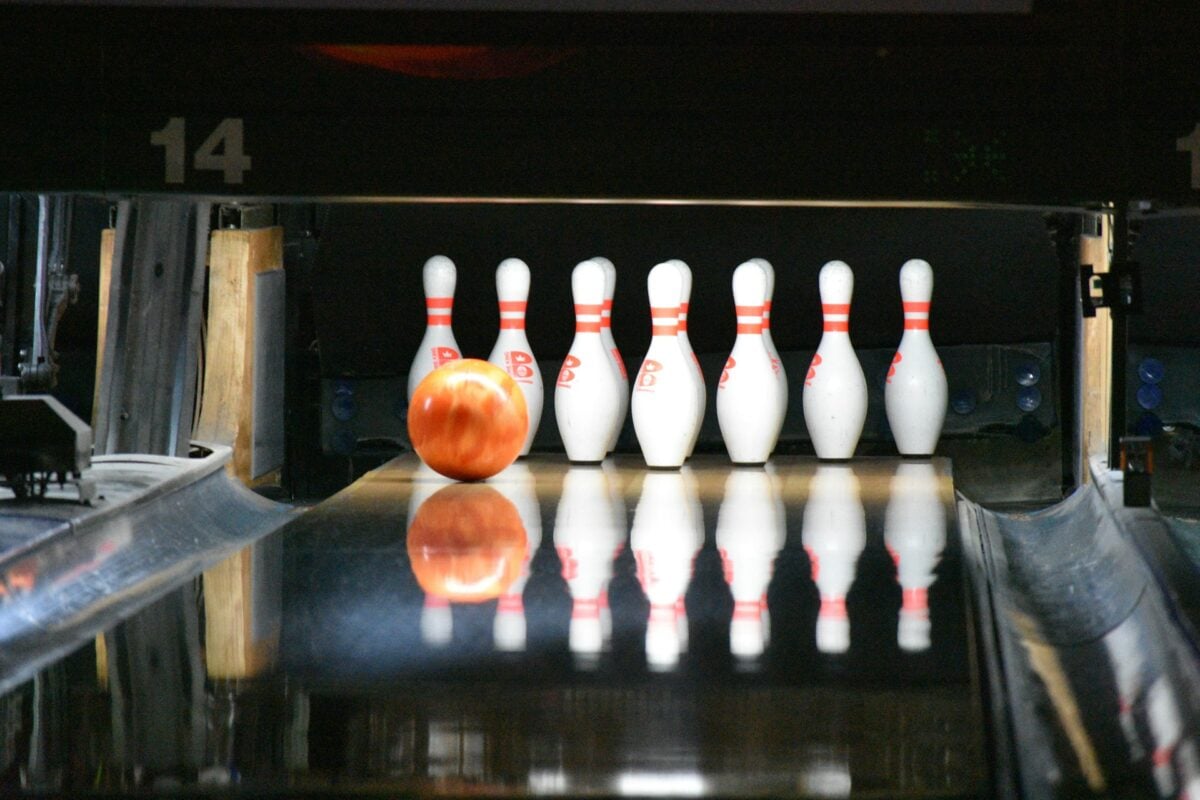
Newport in Kentucky turns frozen turkeys into bowling equipment every year right after Thanksgiving. Someone back in the 1980s thought it would be funny to see if a frozen bird could knock down pins.
It worked just enough to be entertaining but poorly enough to be hilarious. Families return annually to compete, and people get surprisingly competitive about something so absurd.
The turkeys slide unpredictably, pins fly everywhere, and everyone has stories to tell afterward.
Racing through town with coffins

The people of Manitou Springs in Colorado push coffins on wheels through obstacle courses every October. Four runners per team guide these decorated boxes down the main street while a person lies inside for an extra challenge.
This started in the 1990s as a tongue-in-cheek tribute to the town’s mining past and all the danger that came with it. Thousands show up to watch teams crash into barriers and lose control around corners.
It’s become one of those events where the crashes are just as entertaining as the victories.
Like Go2Tutors’s content? Follow us on MSN.
Listening to music below the ocean

Every July, people put on scuba gear and dive down to Looe Key Reef in the Florida Keys for an underwater concert. Waterproof speakers broadcast ocean-themed music while divers float around in costumes.
The whole thing began in 1985 as a way to draw attention to reef conservation. Participants bring fake instruments and pose with them underwater like they’re actually playing.
It’s half an environmental awareness campaign and half an excuse to do something completely absurd.
A whole week dedicated to mules
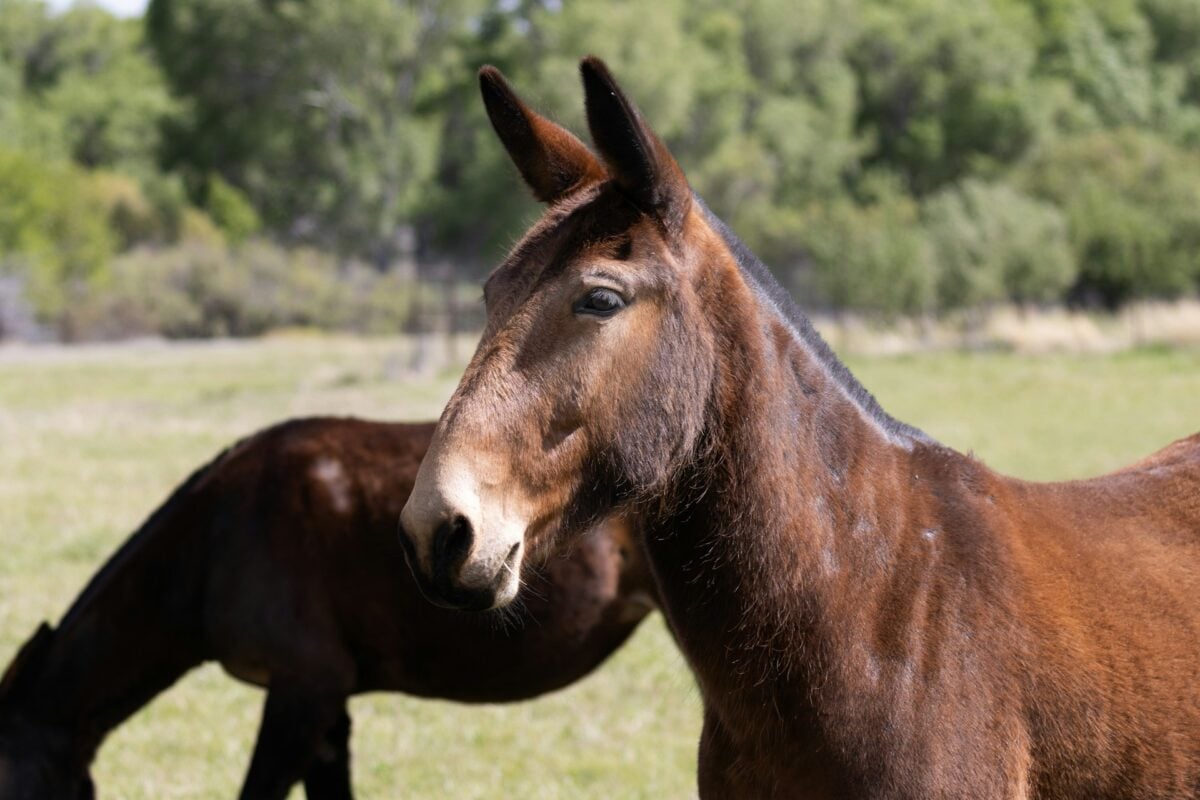
Columbia in Tennessee has thrown a mule celebration every April since 1840. Farmers originally gathered there to trade these work animals when they were essential for agriculture.
Now that mules have mostly retired from farm work, the town still holds parades, contests, and mule shows. Local families mark their calendars around this event and treat it like a major holiday.
The tradition keeps people connected to what farming life used to be like in real, hands-on ways.
Watching armadillos refuse to race properly
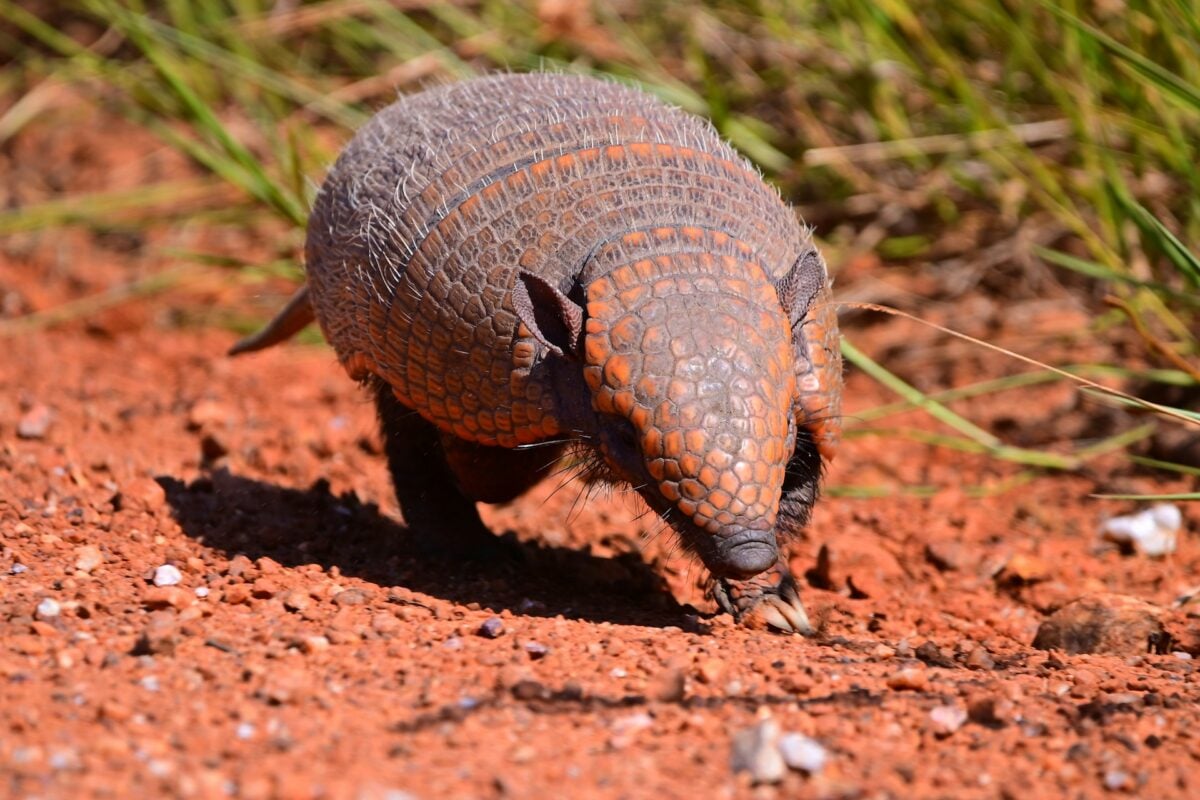
Towns in southern Texas release armadillos onto short tracks and call it racing. These animals have absolutely no interest in running straight or fast.
They stop mid-race, turn around, or just sit there while everyone watches. Handlers can’t touch them, so they just stand there yelling encouragement at confused armadillos.
This has been going on for fifty-plus years because the unpredictability never gets old.
Like Go2Tutors’s content? Follow us on MSN.
Launching blacksmith anvils with explosives
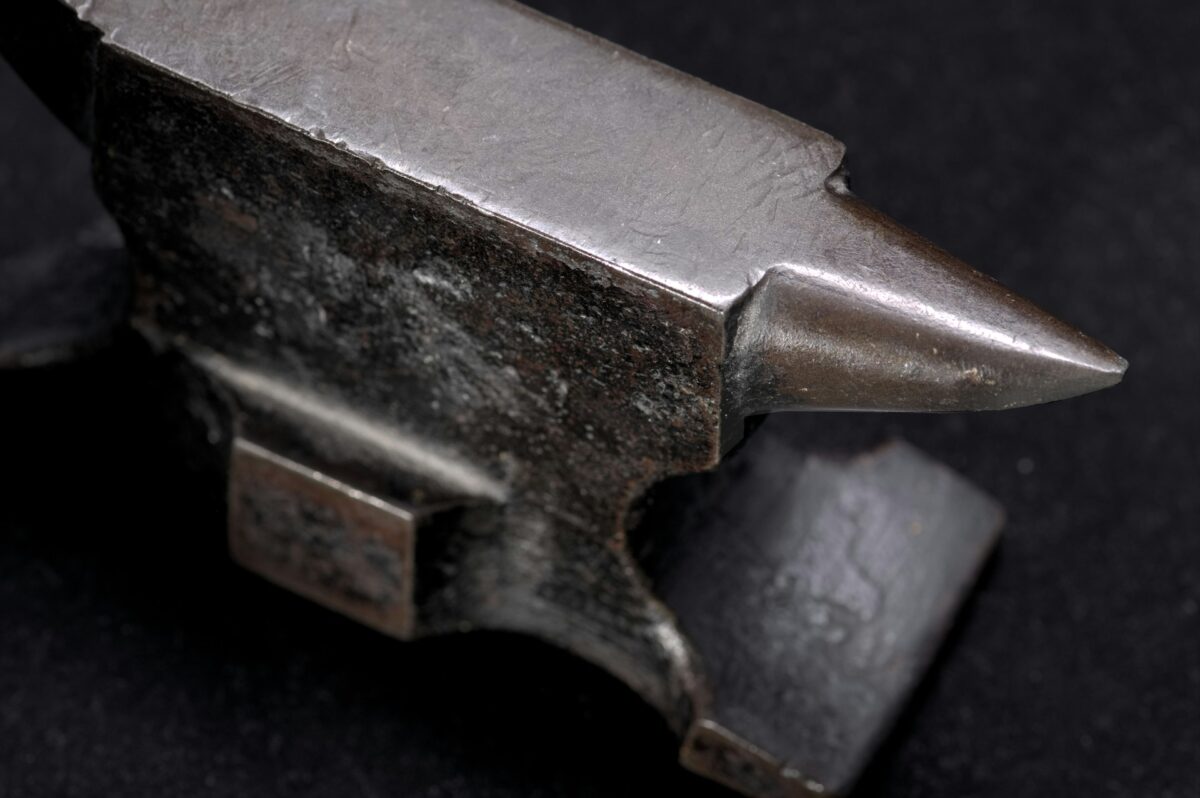
Laurel in Mississippi hosts competitions where people blow anvils into the air using gunpowder. Blacksmiths did this back in the 1800s, and somehow the practice survived into modern times.
Competitors stack two anvils with explosive powder between them, light it, and watch the top one shoot upward. Safety regulations have improved over the years, but the basic idea remains wonderfully reckless.
Spectators keep a safe distance and hope everything goes according to plan.
Bringing farm equipment to church
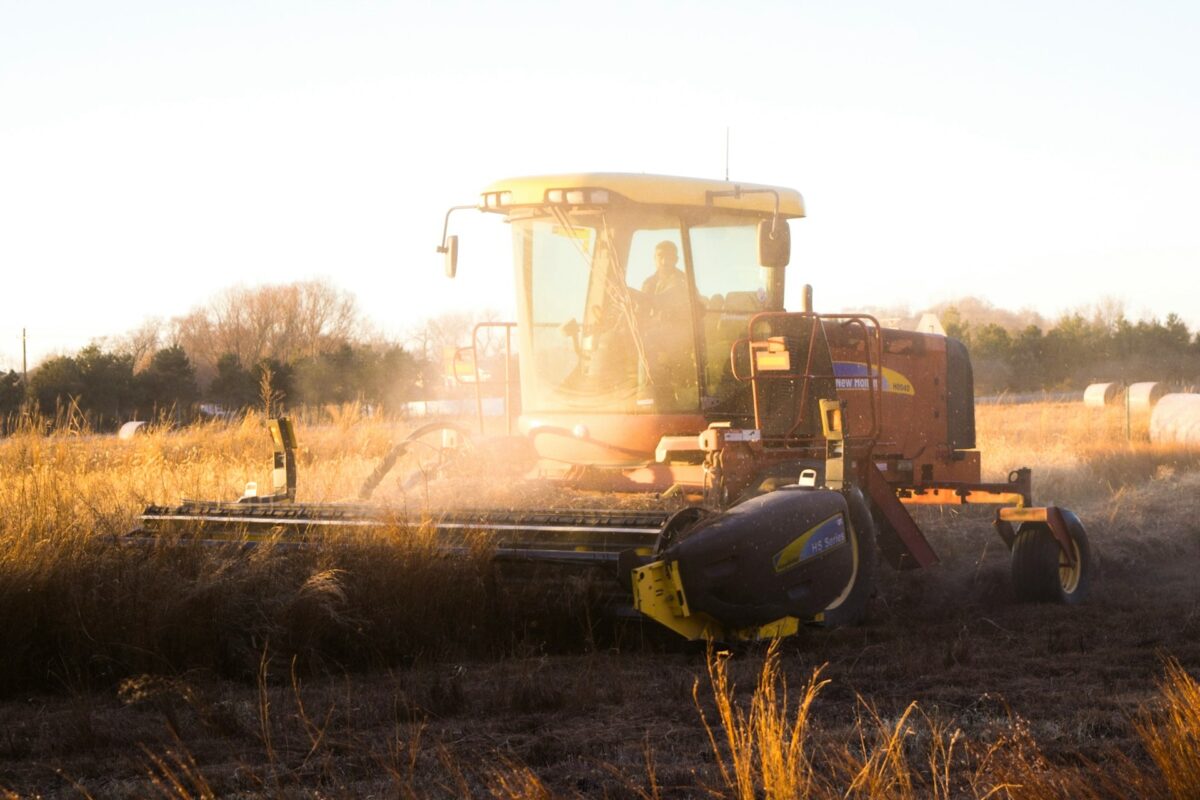
Farming communities around Great Falls in Montana drive their tractors to church parking lots every spring for blessings. Priests move between the machines asking for safety during planting season.
The ceremony blends religious tradition with the practical concerns of families who depend on this equipment. Kids climb on the tractors in their church clothes while waiting.
This has been standard practice since the 1950s when tractors became the main farming tool.
Gathering rattlesnakes for competition
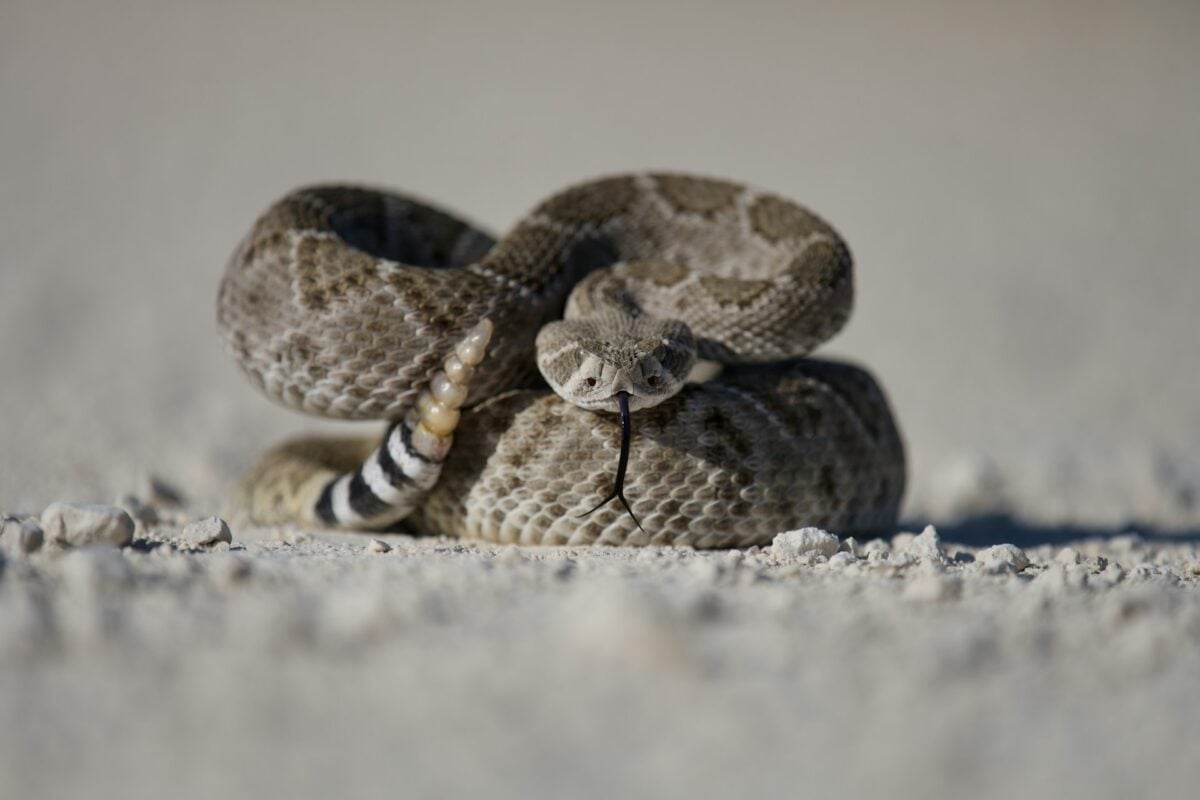
Some Oklahoma towns have organized rattlesnake roundups for more than seventy years. People catch the snakes and bring them in for weighing and measuring contests.
Originally this helped reduce snake numbers in areas where livestock grazed. Now the events include education about snake ecology and venom.
They’re controversial these days, but locals see them as part of their ranching heritage and a practical approach to wildlife.
Like Go2Tutors’s content? Follow us on MSN.
Celebrating mushrooms for one short season
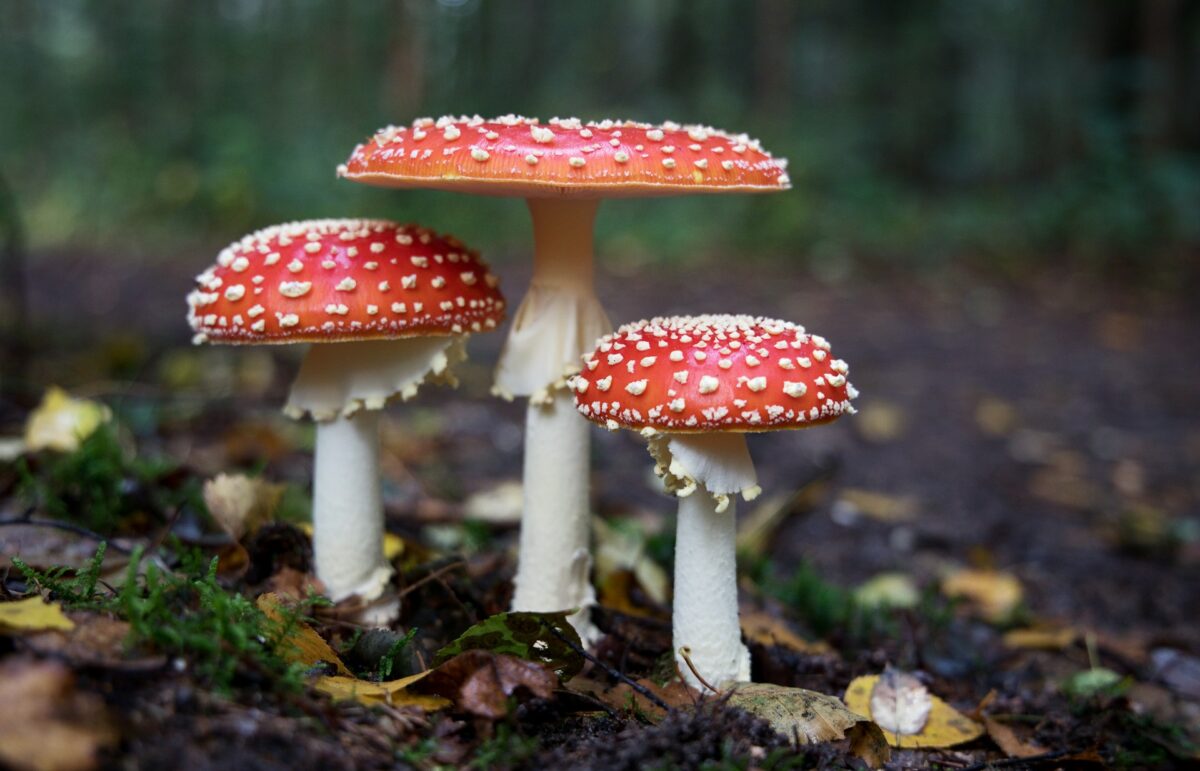
Illinois towns near forests close down their streets every May to honor morel mushrooms. People compete to find the largest ones and swap recipes for cooking them.
The festivals tie communities to the forest’s natural rhythms since morels only appear for a few weeks. Restaurants create special dishes, and experienced foragers protect their secret spots fiercely.
These celebrations have run since the 1960s without missing a year.
Dropping a pickle instead of an orb
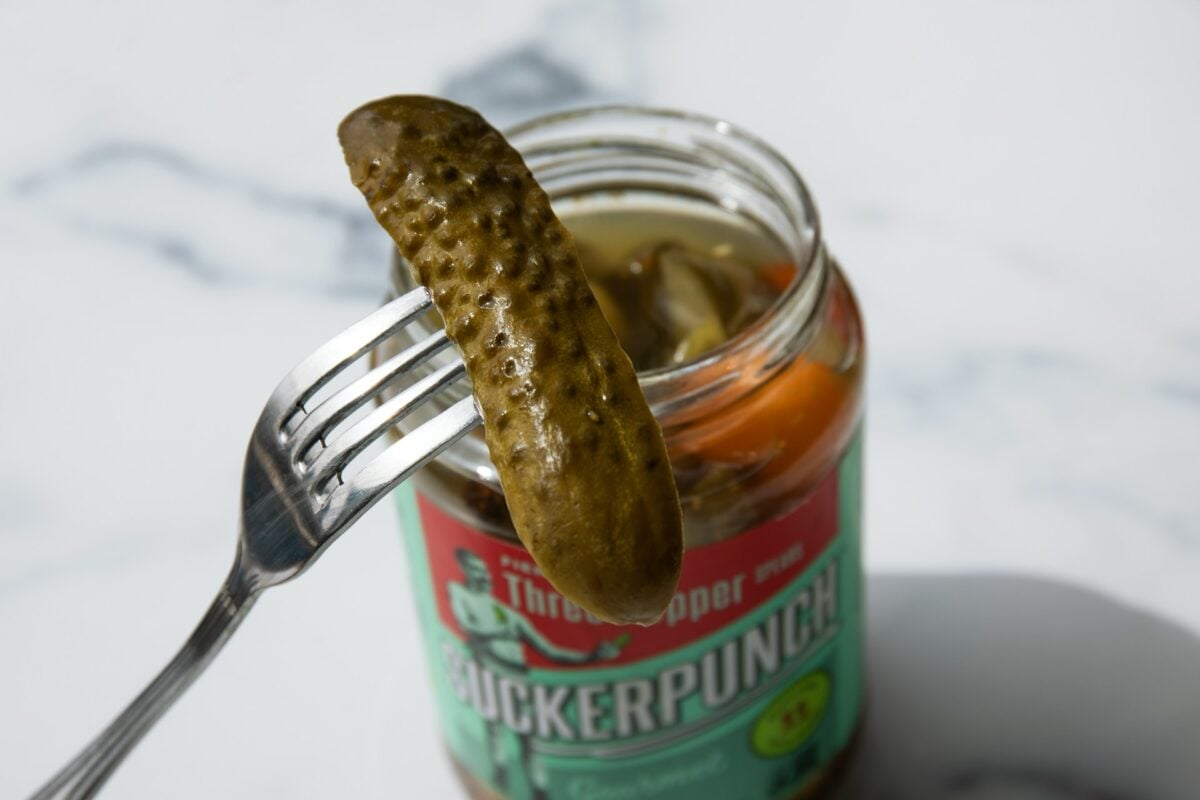
Mount Olive in North Carolina built its economy on pickles, so dropping a giant one at midnight made perfect sense to them. Every New Year’s Eve, crowds watch a glowing pickle descend instead of a crystal orb.
The tradition only started in the early 2000s but has already become a major part of town identity. Local kids grow up thinking this is completely normal and wonder why other places use boring spheres.
Encouraging lizards to move faster
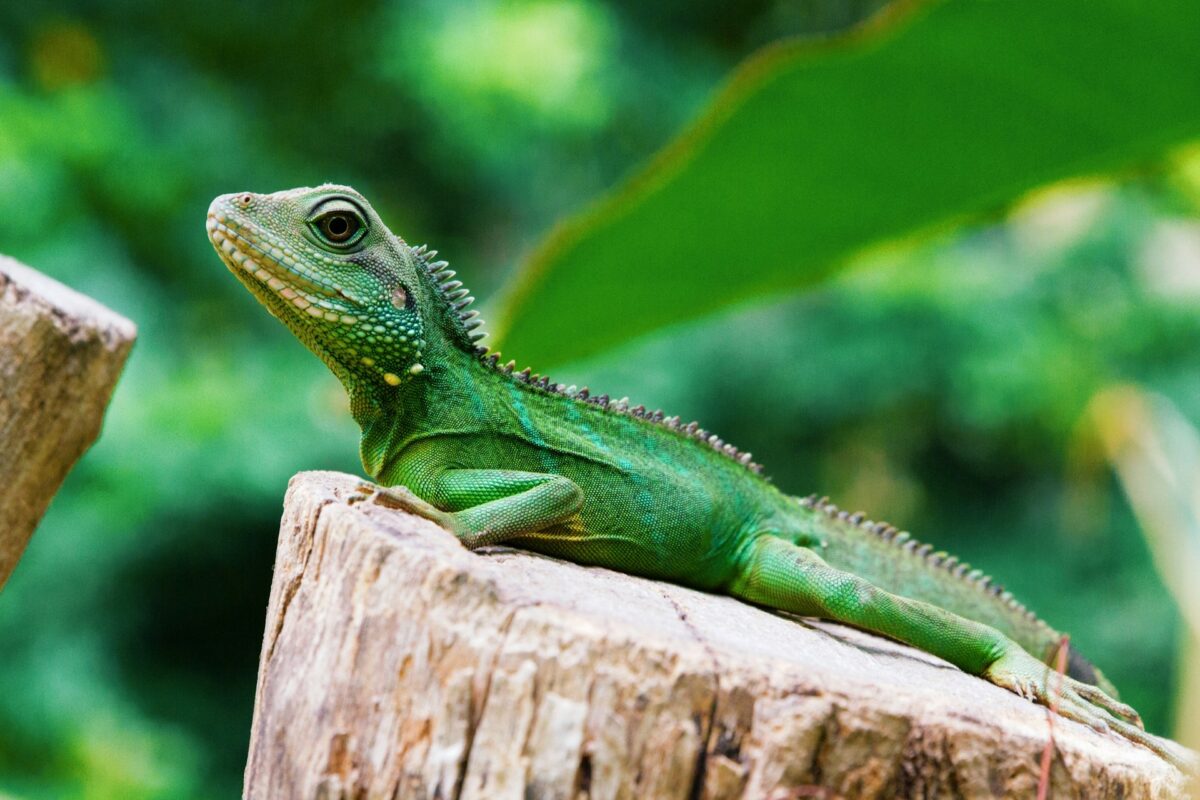
Desert towns in Texas have spent generations trying to make horned lizards race. These reptiles barely move and often go the wrong direction entirely.
Handlers wave their arms and shout while the lizards ignore them completely. It’s the kind of entertainment you invent when there’s not much else happening nearby.
Some competitions date back to the 1920s and have developed serious followings among people who study these animals.
Like Go2Tutors’s content? Follow us on MSN.
Honoring traditional Southern cooking
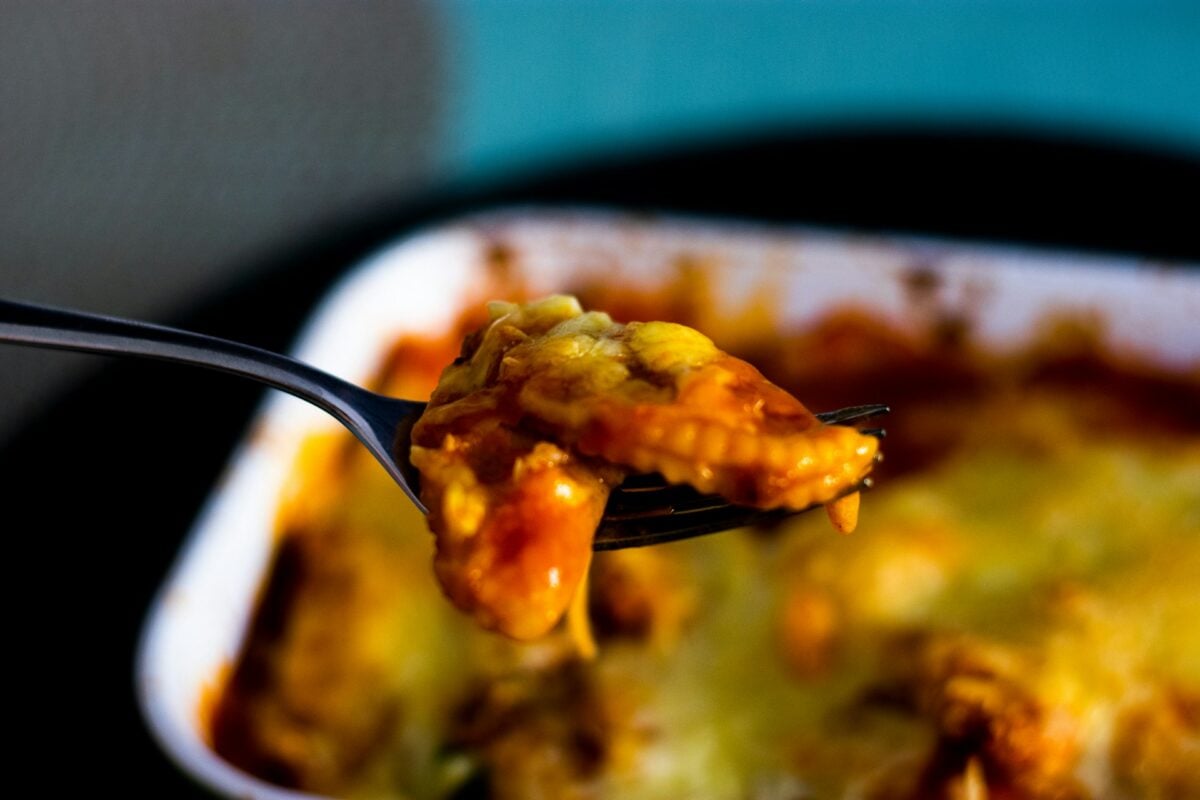
Salley in South Carolina throws an annual festival celebrating chitterlings since 1966. Thousands of people come to honor this soul food made from prepared intestines.
Cooks share techniques and compete for the best preparation. The festival ensures these cooking methods get passed to younger people who might otherwise never learn them.
It’s preservation through celebration rather than through books or formal teaching.
Carving elaborate art from dairy products

Iowa and Ohio farming towns continue making detailed sculptures entirely from butter. Artists carve in cold rooms, creating everything from portraits to building replicas.
State fairs started this over a hundred years ago to promote dairy farming. Modern artists push the complexity further each year.
The sculptures all melt eventually, which somehow makes them feel more valuable than permanent art.
Using caterpillars to predict weather
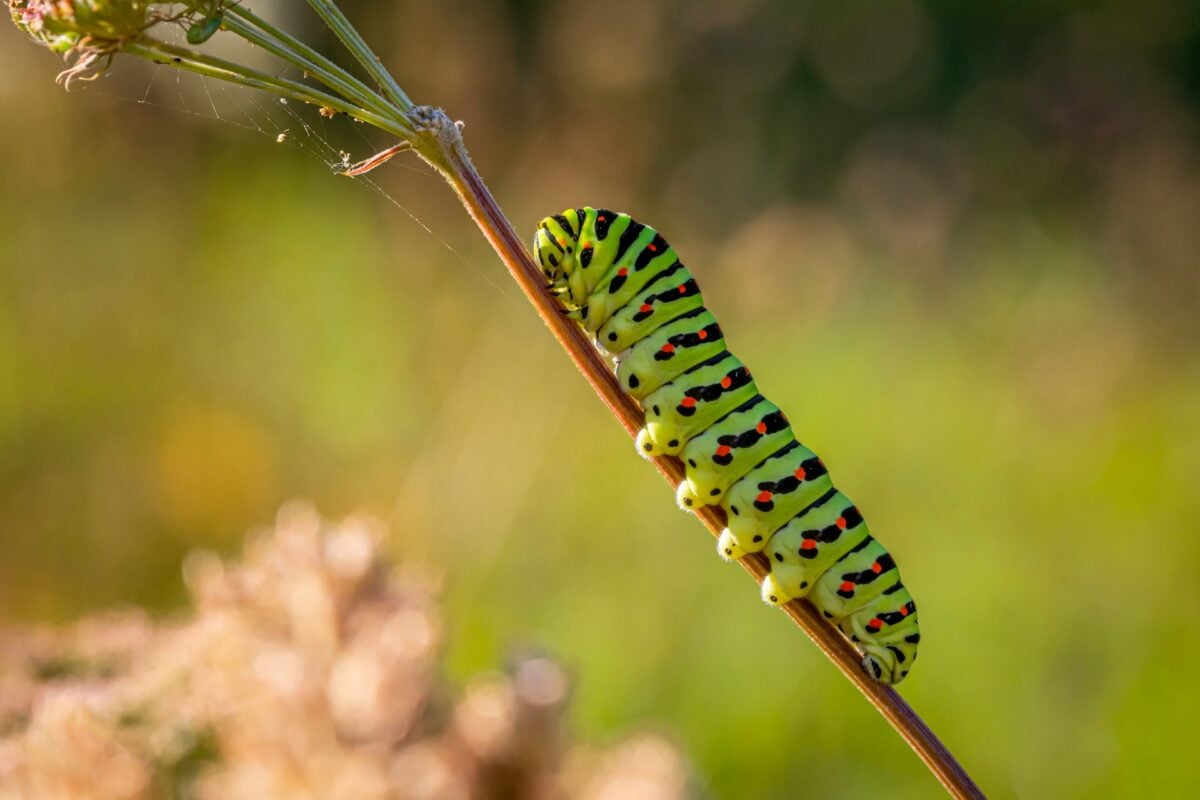
Banner Elk in North Carolina has raced woolly worm caterpillars to forecast winter since 1978. Each caterpillar’s coloring supposedly indicates how cold the coming months will be.
Hundreds race up strings while people bet on winners. The tradition mixes Appalachian folklore with community fun.
Nobody believes the predictions work, but everyone treats the racing competition like it’s serious business.
Like Go2Tutors’s content? Follow us on MSN.
These strange customs connect generations
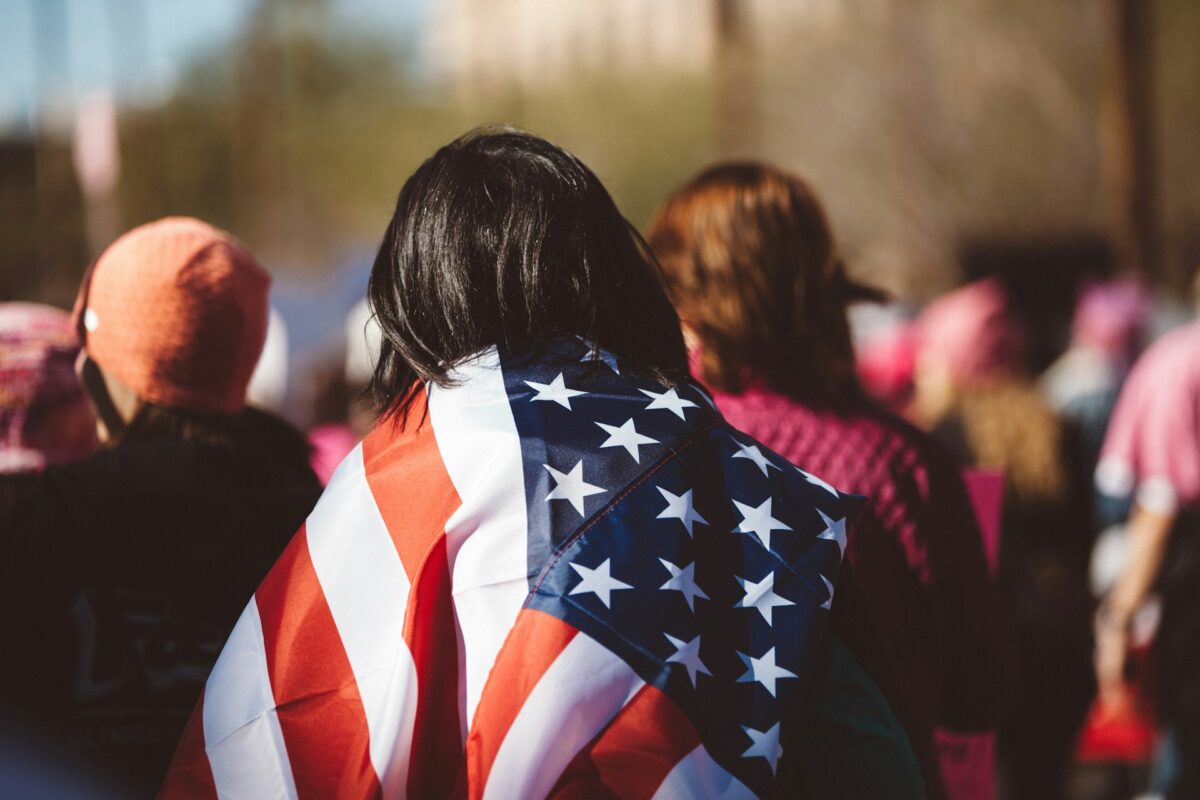
Small towns protect these traditions because they create something unique that belongs only to them. The events link people today with ancestors who started these practices decades or centuries ago.
Young residents might find them embarrassing at first, then end up defending them most passionately later. In a country where every place starts looking the same, these odd local customs provide real difference.
They show that a strong community doesn’t need money or attention from outsiders, just people who keep participating because it matters to them.
More from Go2Tutors!

- 16 Historical Figures Who Were Nothing Like You Think
- 12 Things Sold in the 80s That Are Now Illegal
- 15 VHS Tapes That Could Be Worth Thousands
- 17 Historical “What Ifs” That Would Have Changed Everything
- 18 TV Shows That Vanished Without a Finale
Like Go2Tutors’s content? Follow us on MSN.



