Field Day Events From Grade School
For one day each spring, the usual rules of school were suspended. Desks stayed empty, sneakers replaced dress shoes, and entire grades marched outside to compete for ribbons that meant nothing and mattered enormously.
The events themselves were simple and cheap, and many of them are older than the schools that hosted them. Here are sixteen that defined the day.
Sack Race
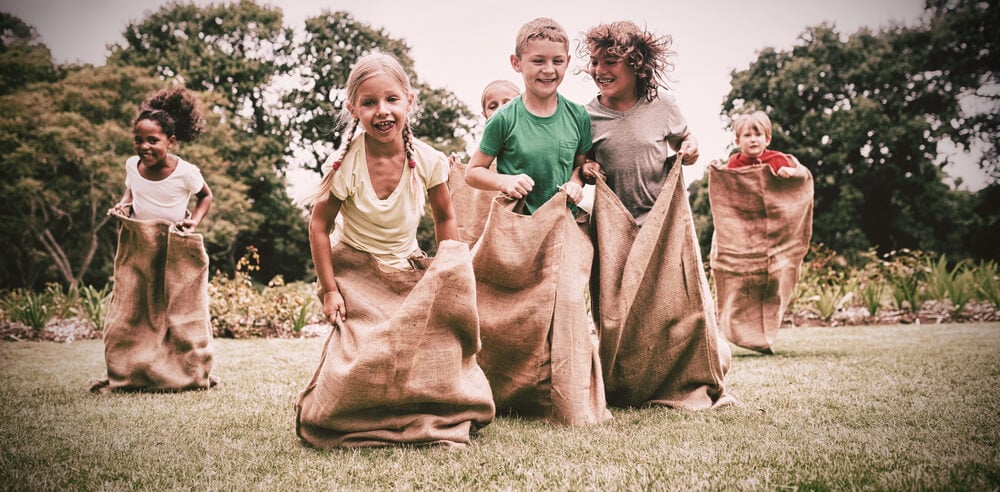
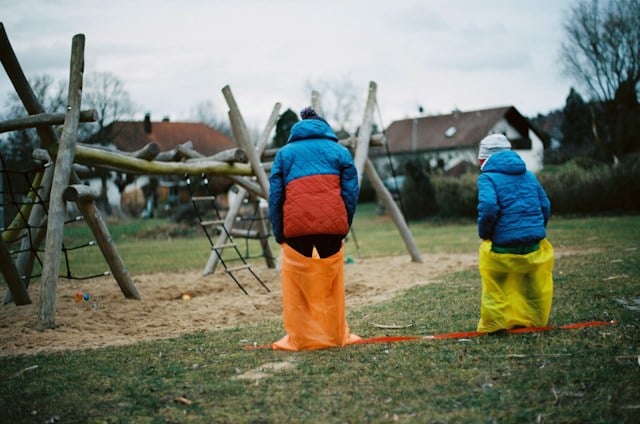
Contestants stand inside a burlap or cloth sack, hold the top at waist height, and hop toward a finish line. The race is a staple of county fairs and picnics as well as school field days, which is why it feels older than the school year itself.
Falling is part of the design, and the winner is often whoever tumbles the least. Burlap sacks gave way to pillowcases and nylon bags in many schools, mostly because burlap itches.
Three-Legged Race
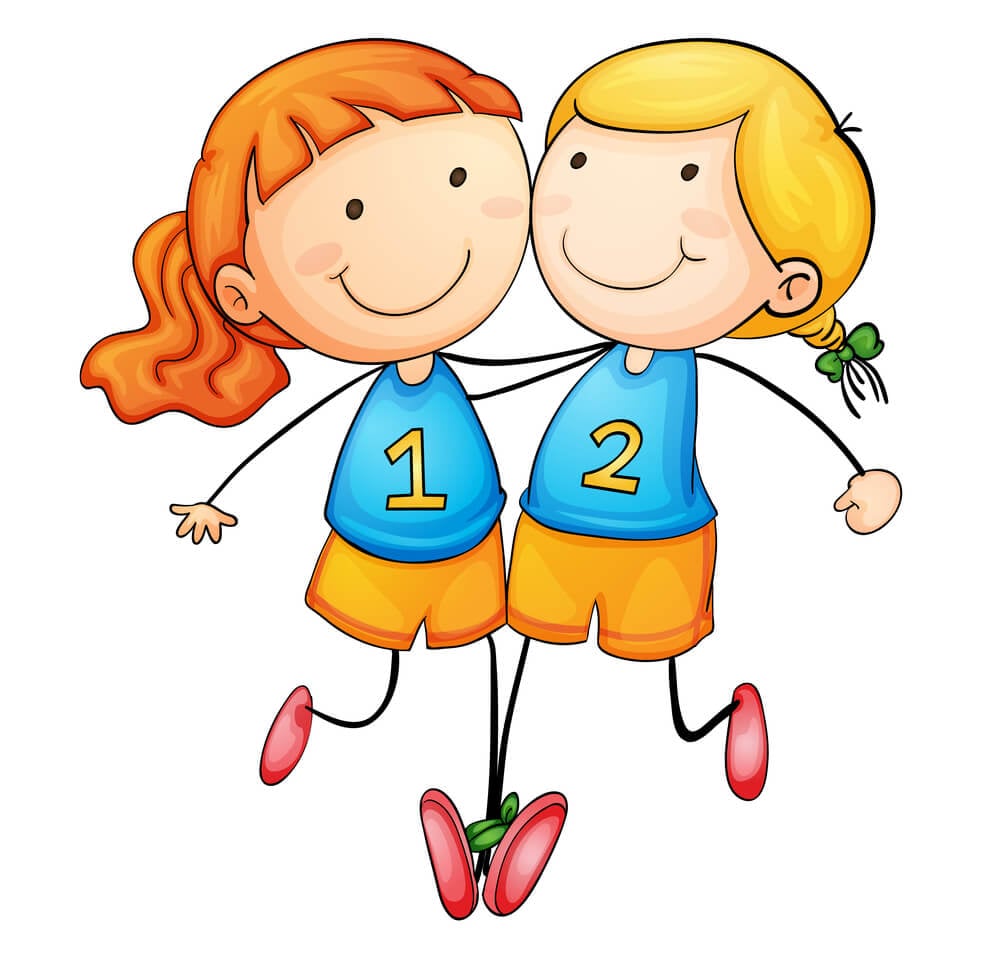
Two runners stand side by side, tie the inner ankles together, and try to move as one. Success depends less on speed than on agreement, since the pair must decide which foot goes first before taking a single step.
Partners who count aloud usually beat partners who rely on instinct. The event is famously good at ending friendships for roughly four minutes.
Egg-and-Spoon Race
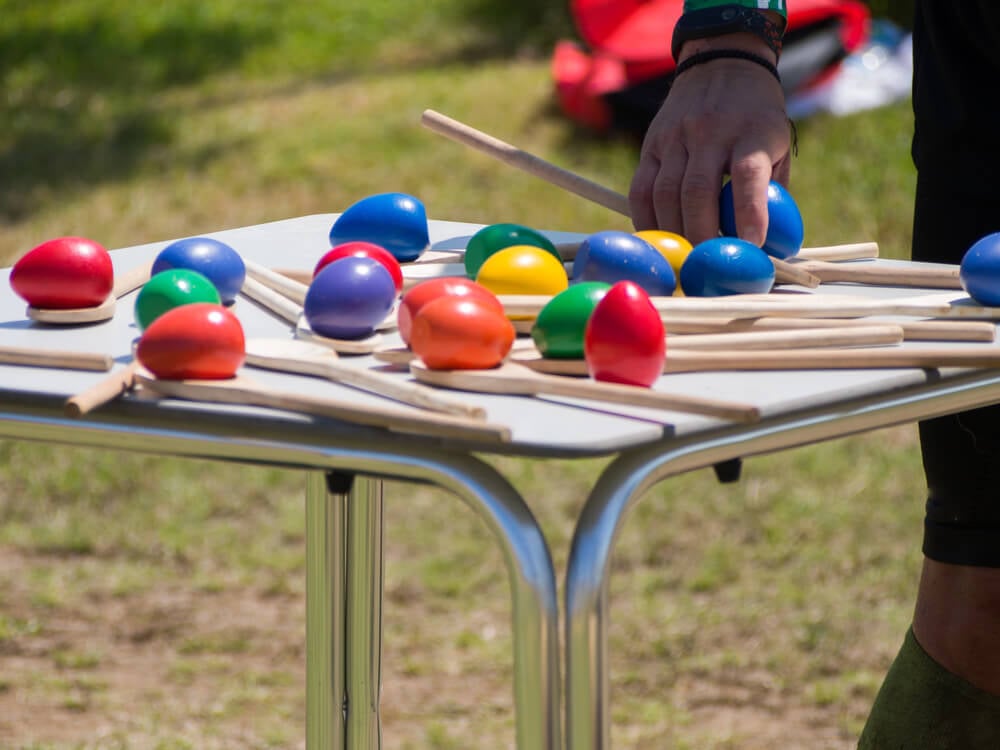
Each runner carries a raw or hard-boiled egg on a spoon and must reach the finish line without dropping it. Walking quickly is allowed, but sprinting almost always ends in a mess.
Teachers tended to choose hard-boiled eggs after the first experience with the other kind. The race rewards patience, which is an odd thing to teach on a day built around running.
Tug of War
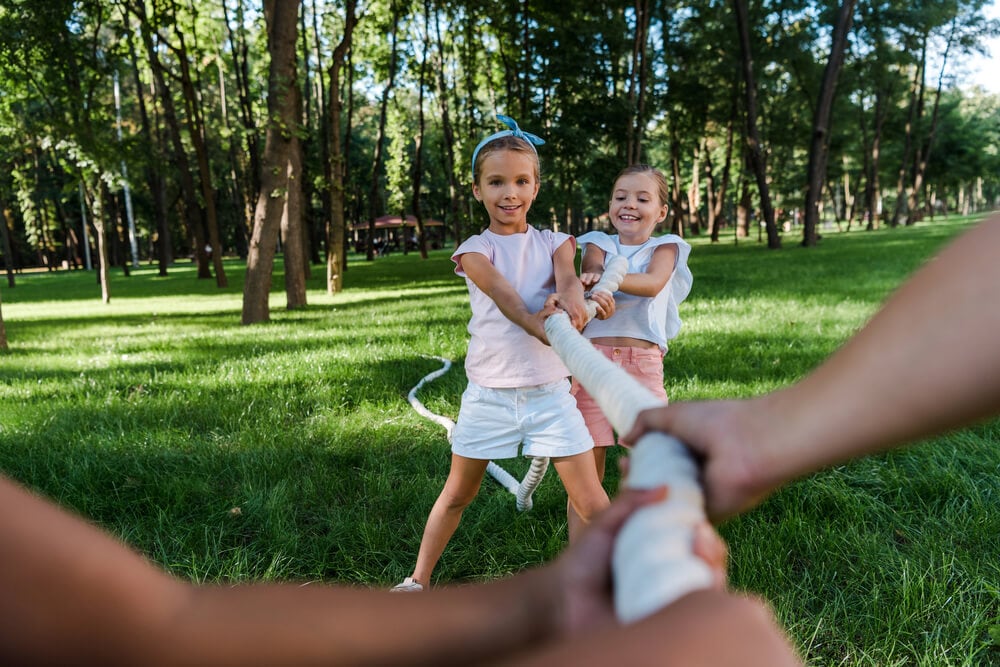
Two teams grip opposite ends of a long rope and try to pull the other across a center line. Tug of war was an Olympic event at the Summer Games from 1900 through 1920.
That means a sport usually relegated to the end of a school field day once had medalists. The best strategy is to lean back, plant the heels, and avoid yanking, since steady weight beats sudden effort.
Parachute Games

A large circular parachute, usually made of colorful nylon, is held at the edges by a ring of children. Kids raise it overhead in unison, creating a dome of air, and then dive underneath or switch places before it settles.
The activity is cooperative rather than competitive, which made it a favorite of teachers and a puzzle to students who preferred ribbons. Shouting is mandatory, and the sound under the canopy is unlike anything else on the playground.
Baton Relay Race
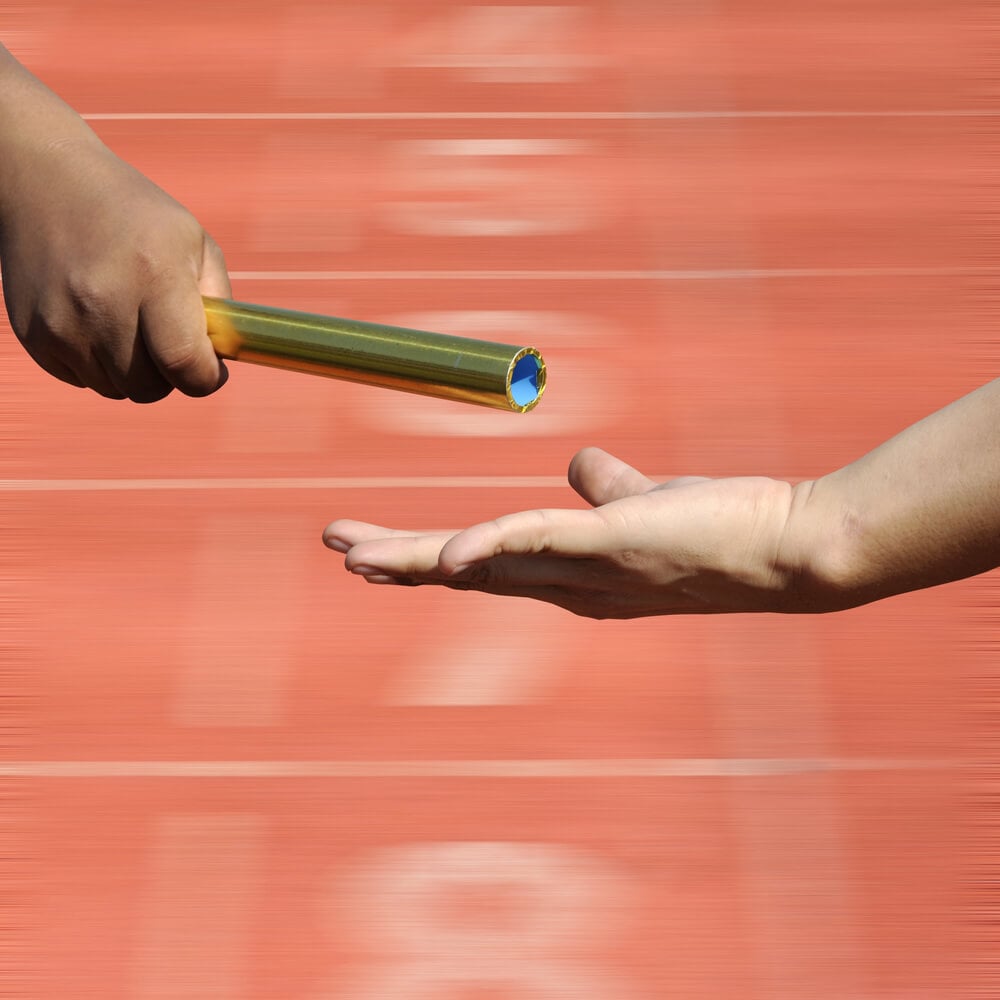
Teams of runners pass a baton from one teammate to the next, and a dropped baton can undo a lead earned over several legs. Relay races entered the Olympics at the 1912 Stockholm Games, where men’s 4×100 and 4×400 meter races debuted.
School versions use a rolled-up sheet of paper, a cardboard tube, or a stick. The skill that matters most is the handoff, which is rarely practiced and frequently botched.
Wheelbarrow Race
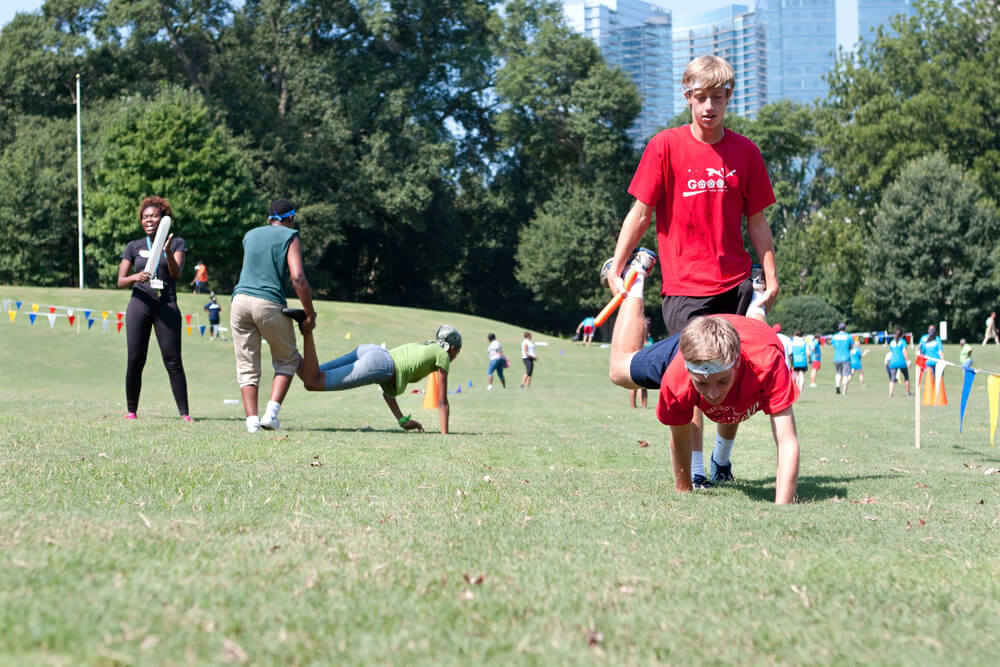
One child walks on their hands while a partner holds their legs and steers from behind. The pair has to decide on a pace, since the person in front can only move as fast as their arms will allow.
It is a hard event on wrists, and most schools limited the course to a short stretch of grass. The race also shows how quickly trust gets tested when somebody else is holding your ankles.
Hula Hoop Contest

Wham-O introduced the plastic hoop in 1958, and it became a national craze in a matter of months. Field day versions asked contestants to keep a hoop spinning around the waist for as long as possible, with the last one standing winning.
Hoops could also be spun on arms, necks, or ankles for bonus admiration. Children who failed at the waist often discovered an unexpected talent for the wrist.
Sponge Relay
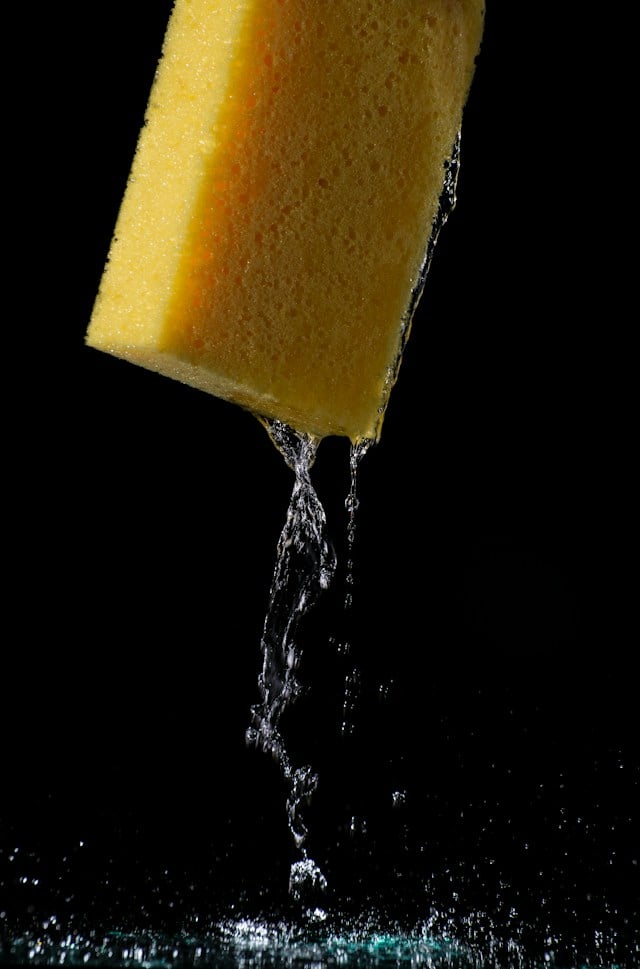
Teams soak a sponge in a bucket, run it to a second bucket, and squeeze it dry, repeating until the second bucket is full. It is one of the few field day events that makes everyone wetter and happier.
The winning team is usually the one that wastes the least water on the grass. In hot weather, the contest was often followed by a very informal session of intentional sponge throwing.
50-Yard Dash

The straight sprint was the simplest event of the day, with runners lined up and a teacher raising a hand or blowing a whistle. The distance was also part of the Presidential Physical Fitness Test, which was given in American schools for decades.
For many students, field day was the only time a stopwatch was used for fun rather than evaluation. The result was usually announced with more drama than the stakes deserved.
Jump Rope Challenge
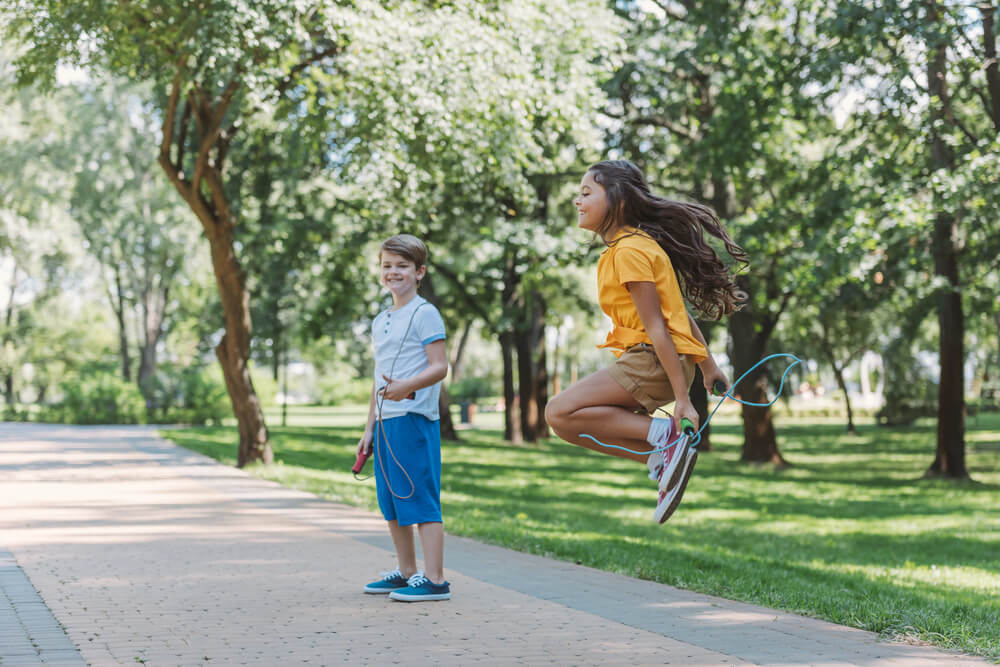
Students counted how many consecutive jumps they could make without catching the rope. Double Dutch, with two ropes turning in opposite directions, is traditionally linked to Dutch settlers in New York.
The American Double Dutch League was founded in 1974 by New York City police officer David Walker, and the sport grew into organized competition. At field day, the more modest version was to keep skipping until everyone else tripped.
Limbo
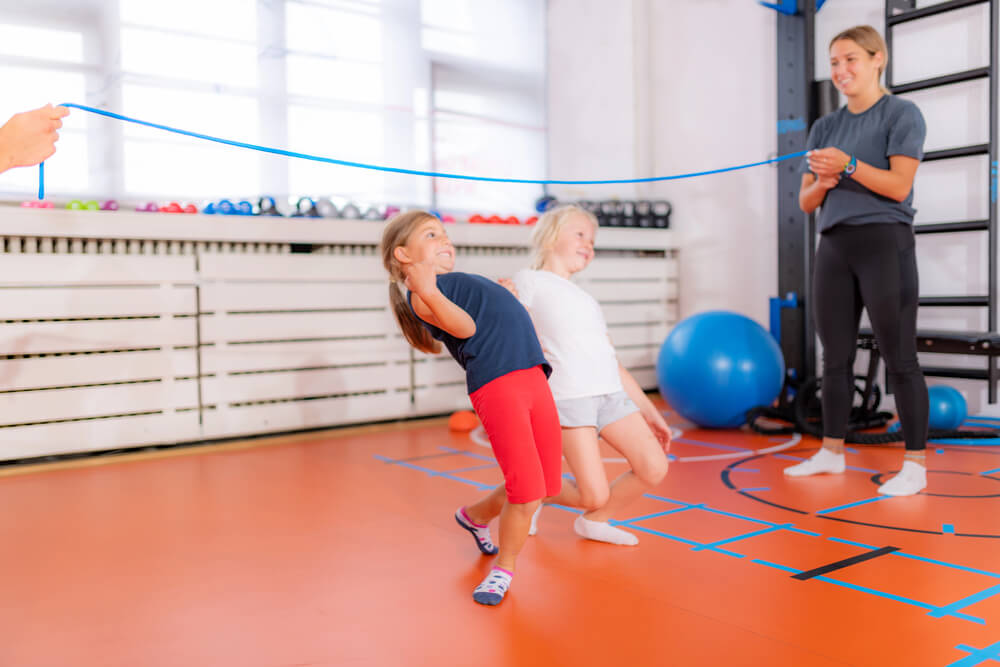
Players shuffle backward under a horizontal bar that lowers after each round, with bending as the only technique allowed. The dance is traditionally linked to Trinidad, where it developed as part of a wake ritual and later became a popular performance.
School versions replaced the dramatic setting with a broom handle and a boom box. The event usually ended when someone fell backward, which was both the rule and the highlight.
Bean Bag Toss
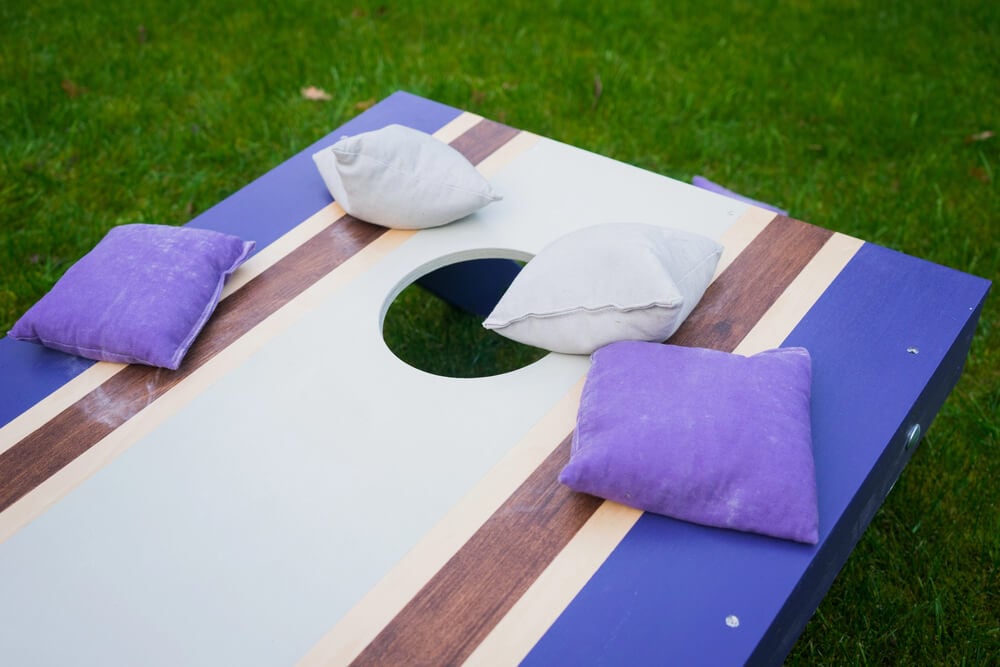
Competitors throw small cloth bags toward a target, with points awarded for accuracy rather than strength. It looks easy until the bag lands somewhere surprising, which happens more often than it should.
Because the bags are soft and safe, the event could be placed anywhere on the grounds without supervision. The toss produced some of the most quietly intense competitors of the entire afternoon.
Obstacle Course
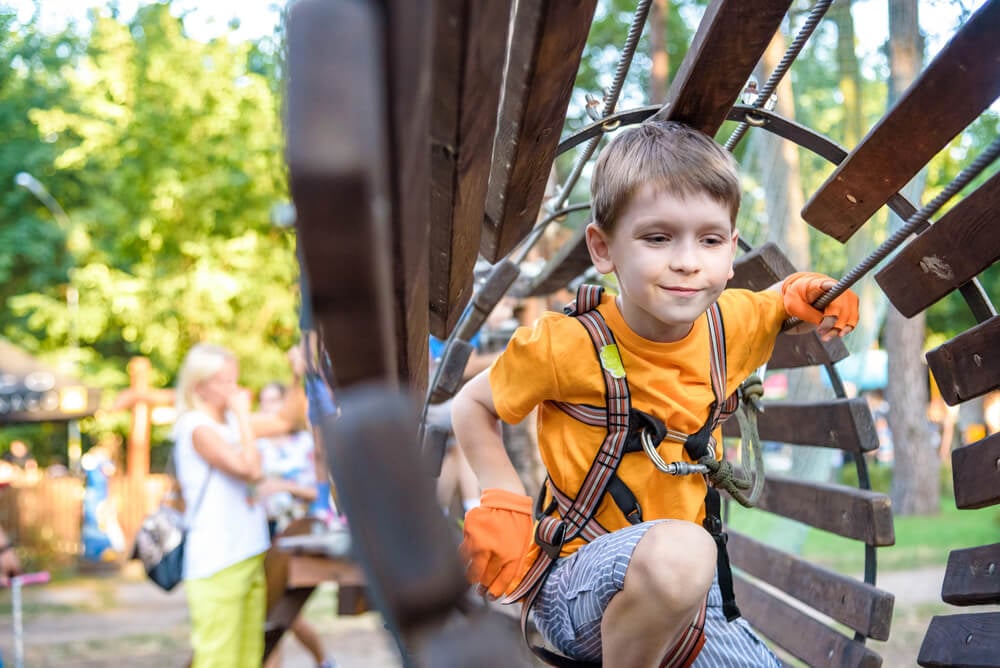
Teachers arranged cones, hoops, ropes, and low benches into a route that students had to complete in order. The course rewarded versatility over raw speed, since a fast runner could be undone by a single wobbly crawl.
Military training has long used obstacle courses for the same reason, with agility often valued more than power. Field day versions added a lot of volunteers and a lot of whistles.
Red Rover
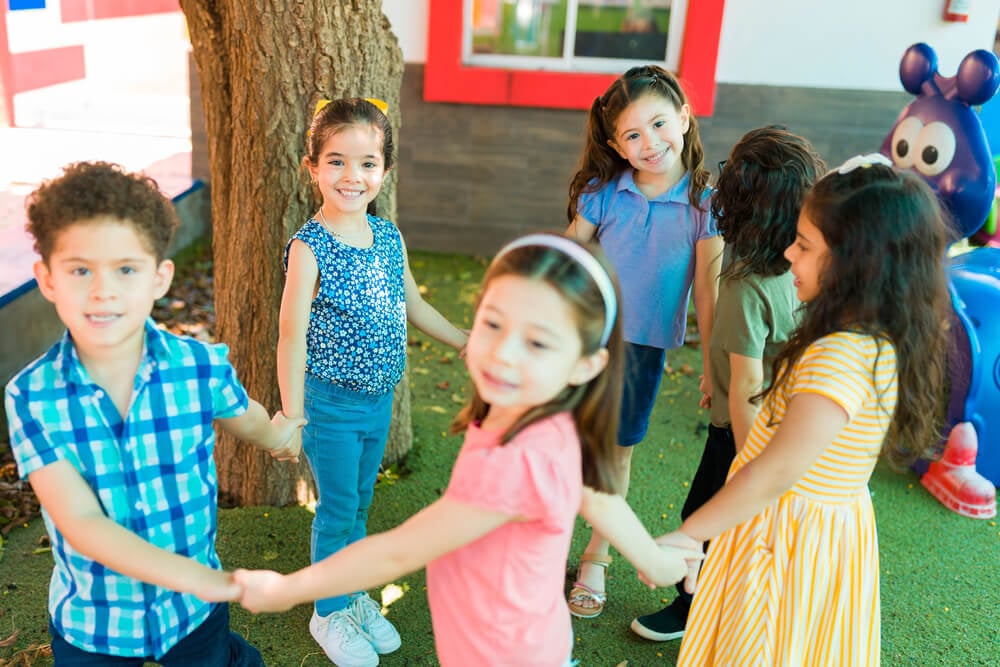
Two lines of children link arms, and one side calls a specific person over to try to break through. The game is a playground tradition that has been banned or discouraged by some schools over injury concerns.
That made its appearance on field day a minor act of rebellion in some places. Those who lived through it tend to remember the call more clearly than the outcome.
Standing Long Jump
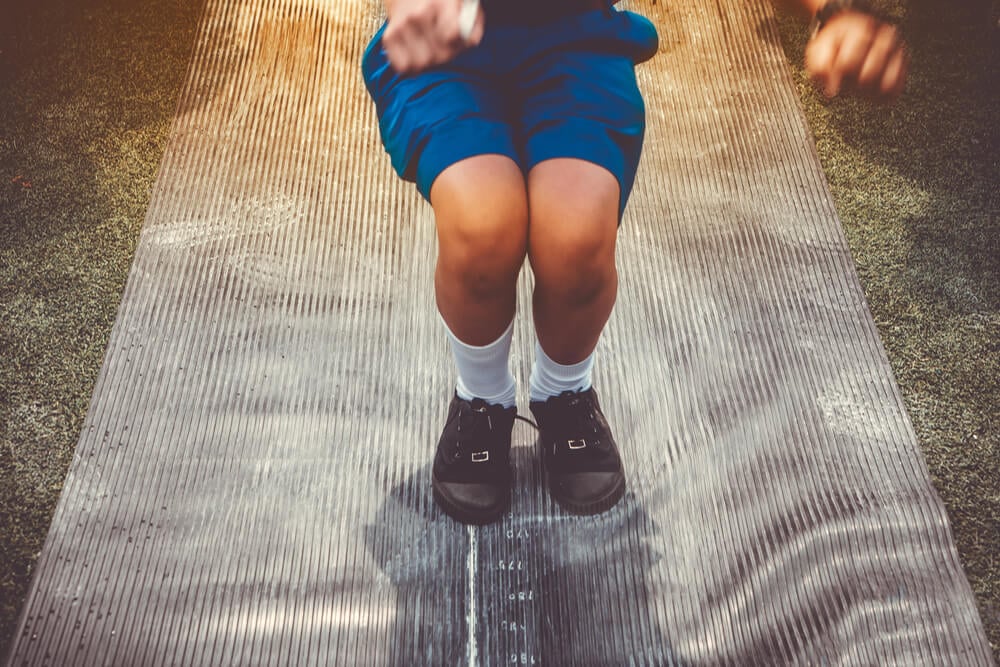
Contestants stand with feet together, swing their arms, and jump as far forward as possible without a running approach. The standing long jump was part of the Olympic program at several early Games, including 1900 through 1912.
The athletic version involved careful technique, though the school version mostly involved belief. Distances were marked with a tape measure and a strong opinion about whose heel had crossed the line.
What a Day Outdoors Leaves Behind
Looking back, the scores and ribbons are the least memorable part. Nobody remembers who placed third in the sack race, but everyone remembers the partner who counted out loud in the three-legged race or the wet sponge that landed on the principal.
The events worked because they let students be bad at something in public and survive.
These games cost almost nothing and required almost no equipment, which is why they have lasted. A rope, a sack, and a spoon are enough to build a memory that holds for decades.
The spring light, the cut grass, and the noise of an entire school outdoors do the rest.
More from Go2Tutors!

- The Romanov Crown Jewels and Their Tragic Fate
- 13 Historical Mysteries That Science Still Can’t Solve
- Famous Hoaxes That Fooled the World for Years
- 15 Child Stars with Tragic Adult Lives
- 16 Famous Jewelry Pieces in History
Like Go2Tutors’s content? Follow us on MSN.