31 Old Coins Dug Up by Metal Detectorists
A coin can sit a few inches below a plowed field for a thousand years while farmers, tractors, and generations of walkers pass directly overhead. Then a hobbyist with a detector and a free weekend sweeps the right patch of ground, and the beep changes history.
The finds below range from single coins worth more than a house to pots holding tens of thousands of pieces. Each was reported by the people who unearthed them or by the museums that later examined them, and every one began with a signal and a shovel.
The Frome Hoard Held 52,503 Roman Coins in One Pot
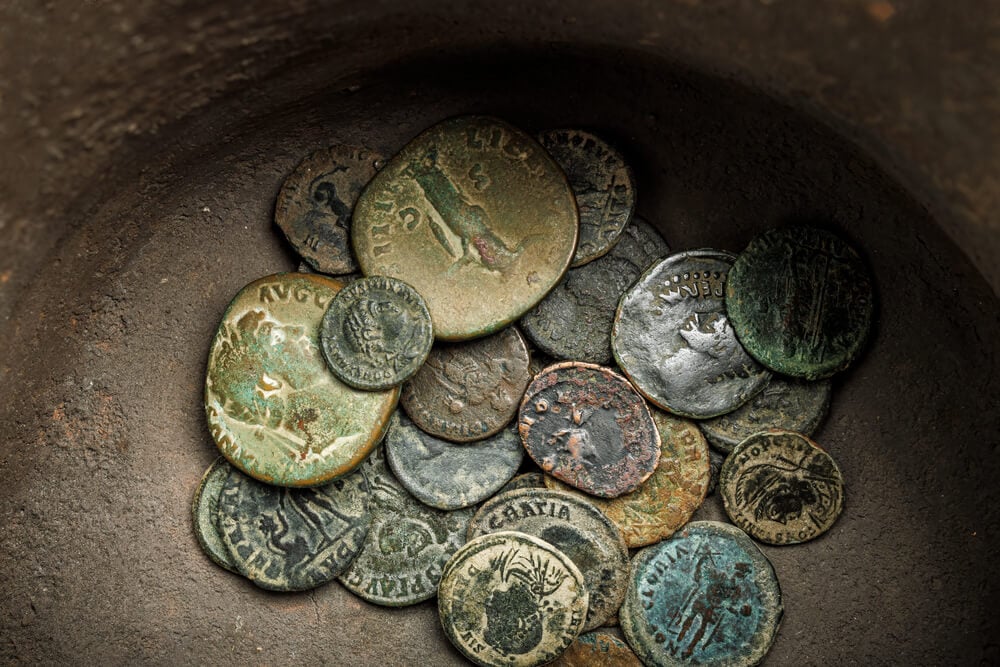
In 2010, Dave Crisp’s detector led him to a field near Frome in Somerset, where a large pottery vessel lay buried. Inside were 52,503 Roman coins, making it the largest Roman hoard found in a single pot in Britain.
Archaeologists lifted the entire container in a block of soil so the contents could be excavated slowly under controlled conditions. Among the coins were 766 bearing the name of Carausius, the breakaway emperor who ruled Britain in the late third century.
The Hoxne Hoard Surfaced While Searching for a Lost Hammer
In November 1992, a Suffolk farmer lost a hammer in a field, and detectorist Eric Lawes agreed to help look for it. Instead of the hammer, his machine found Roman silver and gold, and he stopped digging to call archaeologists.
The excavation recovered 14,865 coins in gold, silver, and bronze, along with spoons, jewelry, and other tableware, all buried around the early fifth century. It remains one of the largest hoards of late Roman gold and silver ever found in Britain.
The Shapwick Hoard Packed More Than 9,200 Silver Denarii
Kevin Elliott was searching a field in Somerset in 1998 when he found a collection of Roman silver coins in a pot. The hoard turned out to hold more than 9,200 silver denarii, with the latest coins dating to the year 224.
It also included two rare coins of types that had not been found in Britain before. The pile was later linked to a Roman villa on the site, suggesting someone with serious money hid it and never came back.
The Cunetio Hoard Reached 54,951 Third-Century Coins
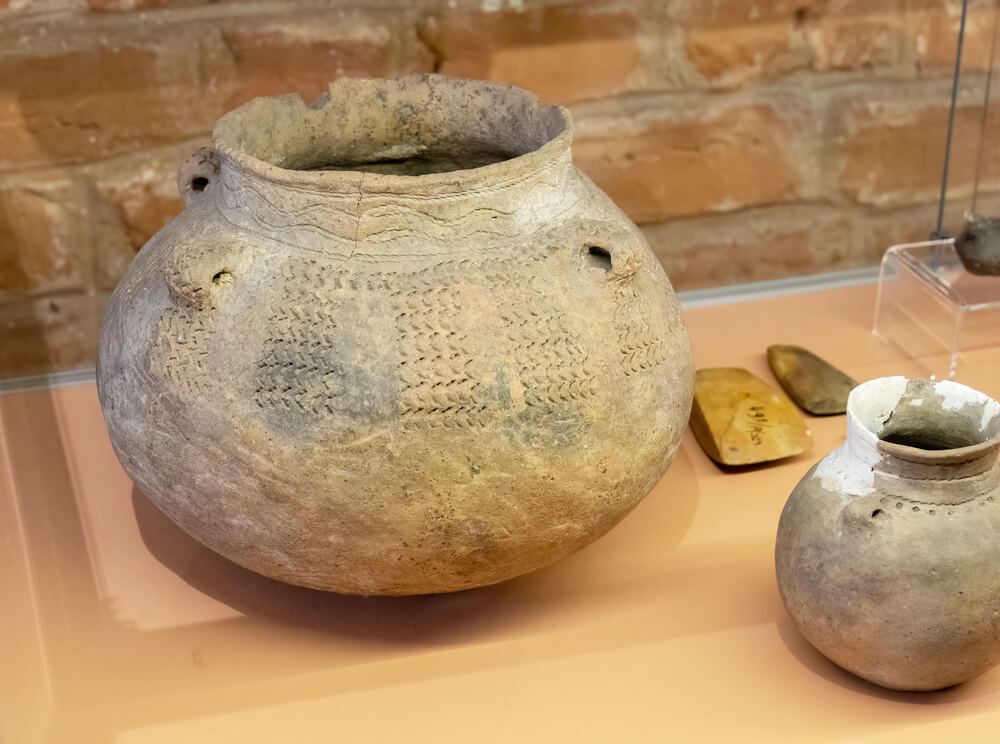
A metal detector located this pot in 1978 near Mildenhall in Wiltshire, close to the site of the Roman town of Cunetio. The hoard contained 54,951 coins, and it is still described as the largest coin hoard ever recovered from Roman Britain.
Most of the coins were low-silver issues from the 260s and 270s, a period when the value of Roman money was falling fast. Wiltshire Museum has since put coins from the hoard on public display.
The Hallaton Treasure Included 5,000 Iron Age Coins and a Roman Helmet
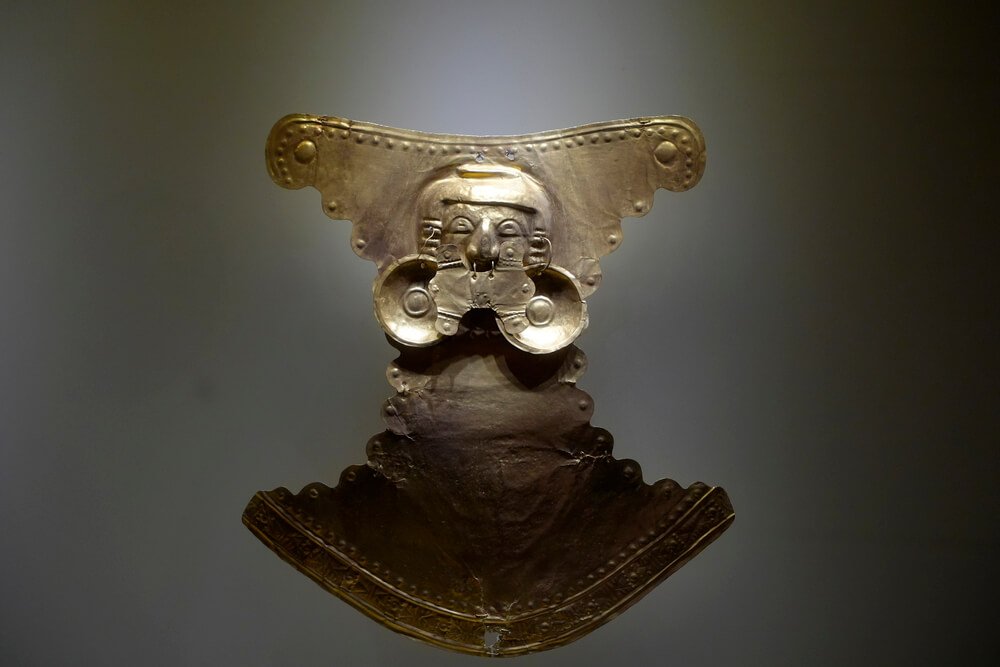
In 2000, Ken Wallace used a metal detector to find the first Iron Age coins at a field in Hallaton, Leicestershire. Excavation followed, and the site yielded more than 5,000 coins left as offerings, plus a silvered Roman cavalry helmet that had been crushed and buried.
Archaeologists concluded the place had been a shrine, where people deposited valuables during religious gatherings. Few coin finds in Britain have changed how historians think about Iron Age worship as much as this one.
A Hoard of More Than 1,000 Gold Coins Came Out of Great Baddow
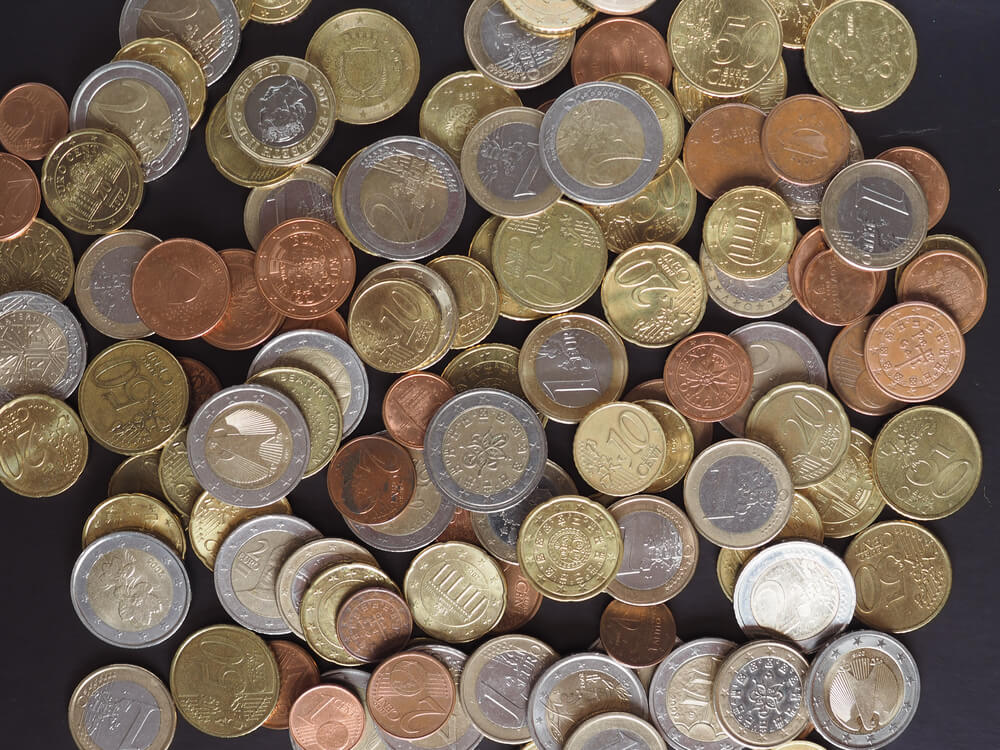
A detector search near Great Baddow in eastern England produced more than 1,000 gold coins from the first century BC. The coins were struck before the Roman conquest of Britain, when tribal leaders paid for alliances and status with gold.
A pile that size would have represented enormous wealth to anyone who lived in that period. Prices for Iron Age gold depend heavily on condition, and tightly dated groups like this are valued by researchers as much as by collectors.
The Grouville Hoard Weighed In at Roughly 70,000 Celtic Coins
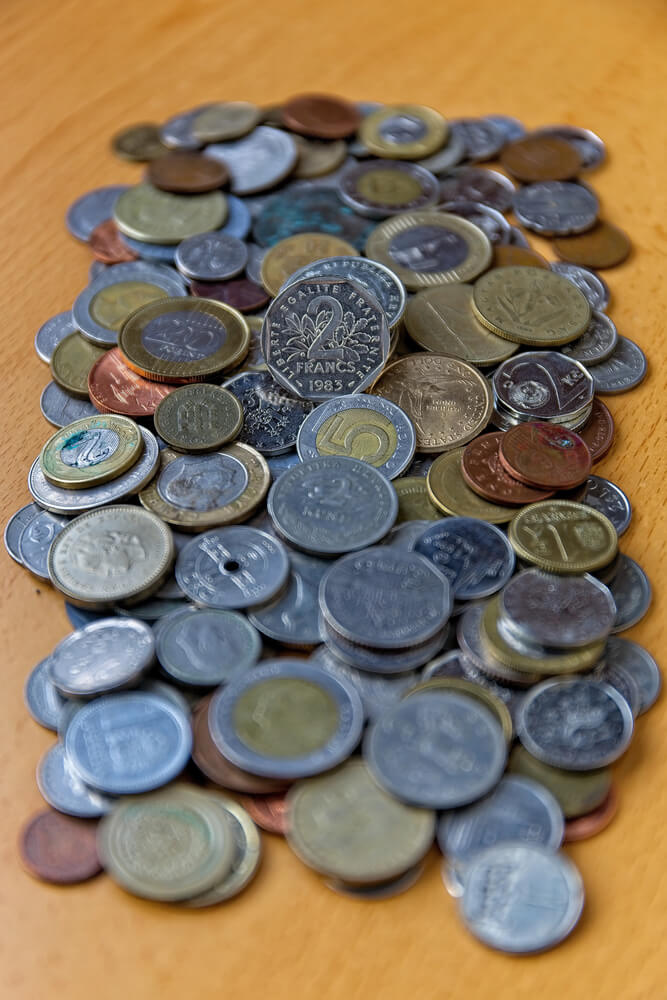
Reg Mead and Richard Miles spent about thirty years detecting together in Jersey before they found the signal that mattered in 2012. Beneath a field in Grouville they uncovered a compacted mass of Celtic coins that archaeologists estimated at around 70,000 pieces. Because the coins were fused together in a block of soil, it took a team several years to excavate and clean them.
The haul was reported to be among the largest Celtic coin hoards ever found, with an estimated value around ten million pounds, a figure that would vary widely depending on the condition of each coin.
The West Norfolk Hoard Gathered 131 Early Anglo-Saxon Gold Coins
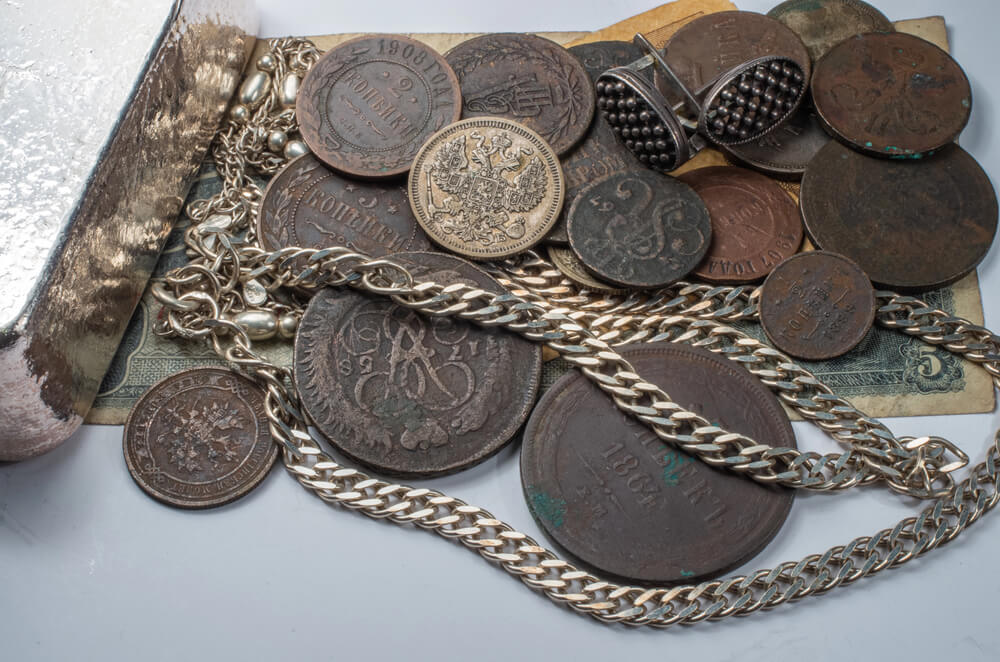
A detectorist working in west Norfolk located a group of gold coins roughly 1,400 years old, and the hoard was declared treasure in 2021. It contained 131 gold coins along with four other gold objects, and it was described as the largest hoard of Anglo-Saxon gold coins ever found in England.
The coins date from the early seventh century, when gold was scarce and often imported from Frankish territory. The exact location was kept quiet to protect the site.
The Watlington Hoard Showed Alfred and Ceolwulf Sharing a Coin
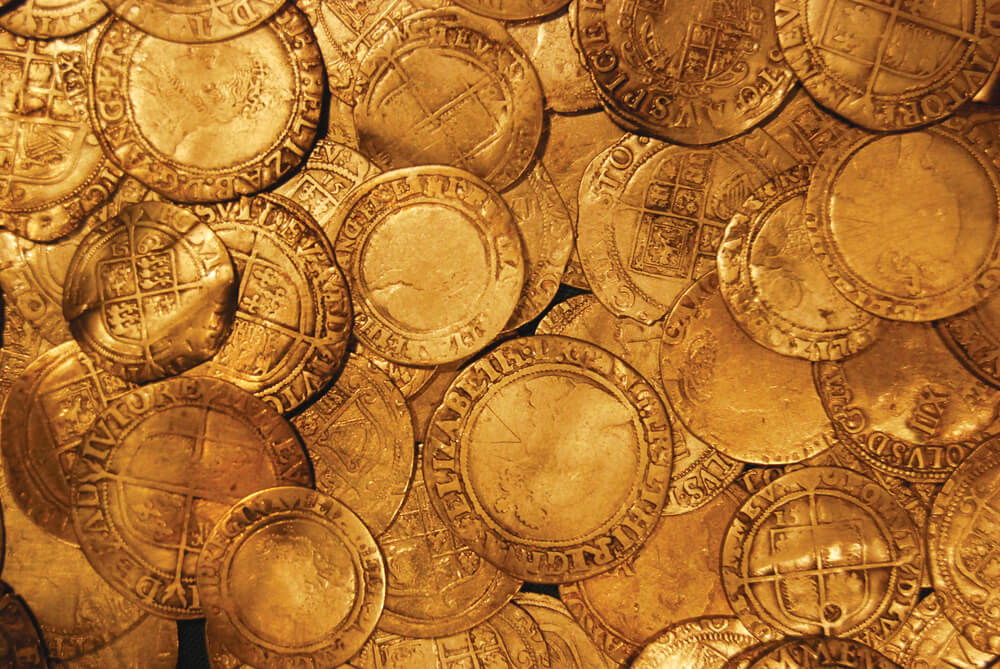
In 2015, a detectorist in Oxfordshire found a Viking-era cache of about 200 silver coins and pieces of jewelry and ingots. Some of the coins carried the names of both Alfred the Great and Ceolwulf II of Mercia on the same piece, a pairing that historians had long doubted.
The hoard was buried around the years 875 to 880, when the Viking Great Army was moving across England. The Ashmolean Museum in Oxford later acquired it for the public.
The Silverdale Hoard Came From a Lancashire Field in 2011
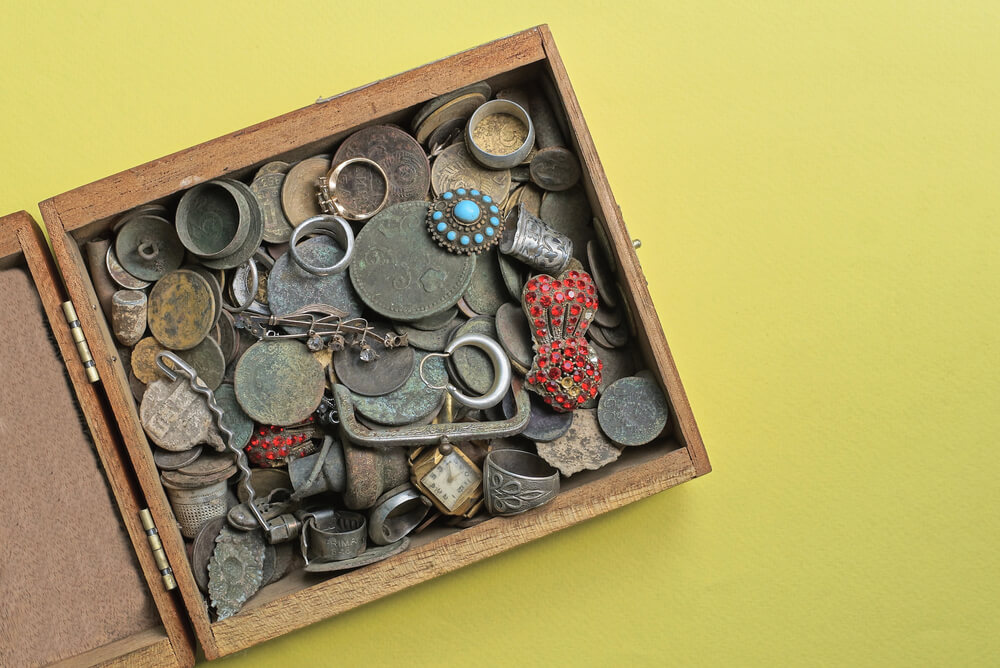
Darren Webster went out with his detector in 2011 and located a Viking silver hoard in a field near Silverdale in Lancashire. The cache included 201 coins as well as jewelry and ingots, buried around the early tenth century.
Webster reported the discovery properly, and the British Museum later examined the contents. The coins and silver pieces gave researchers a rare look at how Vikings stored wealth in northwest England.
The Herefordshire Hoard Ended in Prison Sentences
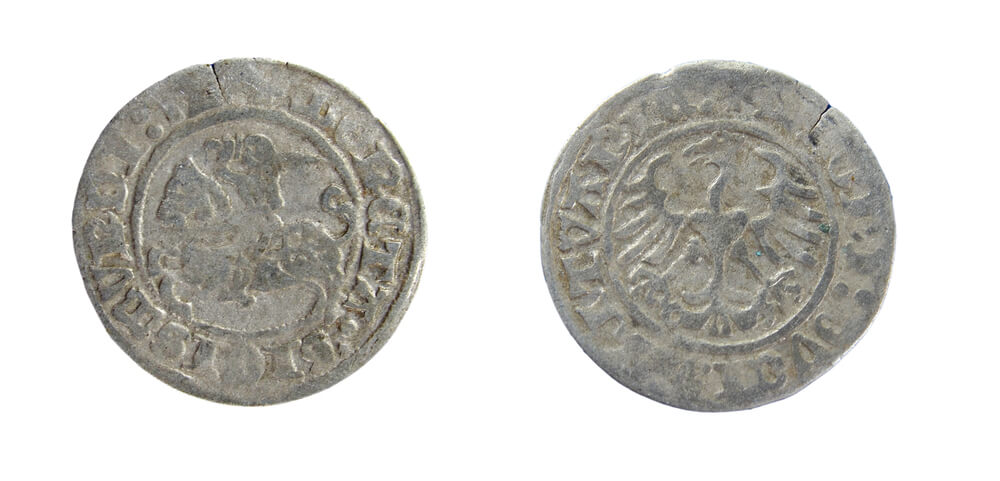
In 2015, George Powell and Layton Davies found a Viking hoard on farmland near Leominster, then hid the discovery and sold parts of it rather than reporting it. The hoard included rare coins naming Alfred the Great and Ceolwulf II, the kind of piece that rewrote ideas about the two kings.
Both men were jailed in 2019 after a trial, and news coverage valued the hoard at several million pounds, though the exact figure is hard to pin down because many items were sold off. The case remains a warning about what happens when treasure never reaches a museum.
The Lenborough Hoard Contained About 5,200 Silver Pennies
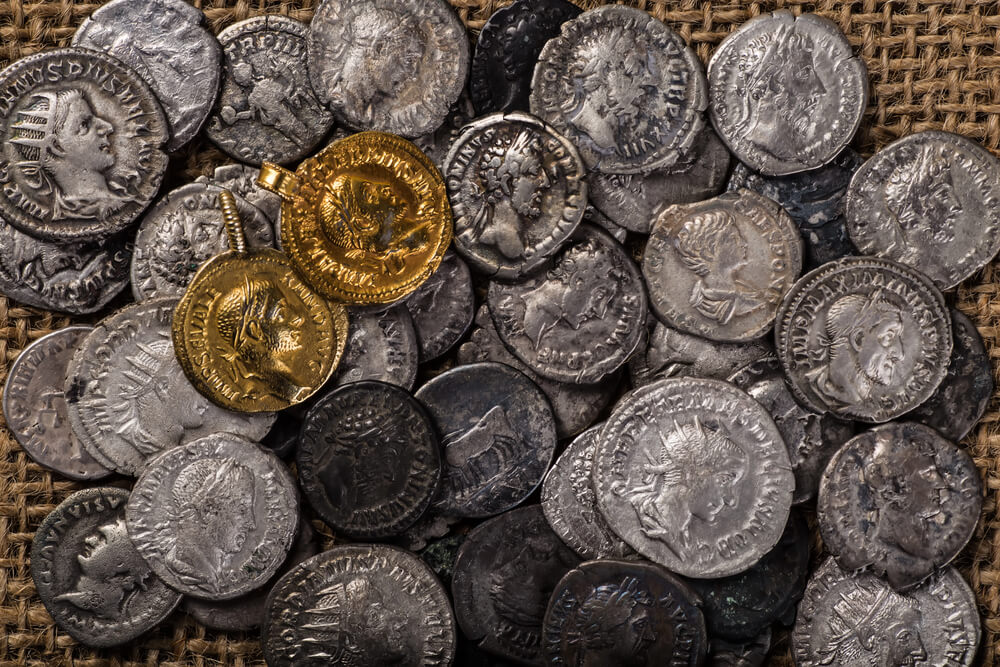
A detectorist discovered the Lenborough hoard in a Buckinghamshire field in 2014, and the British Museum unveiled it in 2015. It held roughly 5,200 silver pennies, mainly of Aethelred II and Cnut, buried in the early eleventh century.
The hoard was described as the largest Anglo-Saxon coin hoard of its kind, and the sheer variety of mints represented gave scholars a snapshot of English money at a troubled time. Its value rested largely on how well the coins survived the centuries underground.
The Chew Valley Hoard Made Norman Coins Britain’s Most Valuable Find
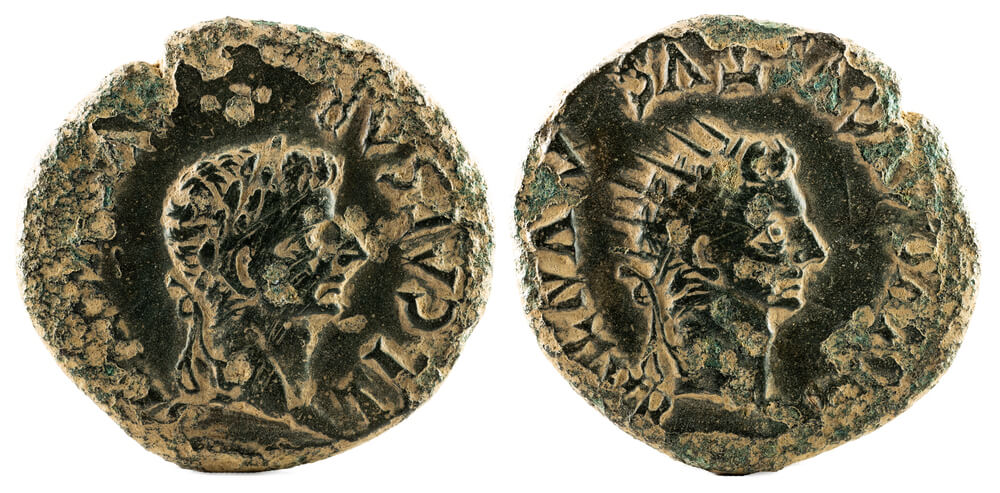
Detectorists working in Somerset in 2019 found 2,528 silver coins buried shortly after the Norman Conquest of 1066. The coins show portraits of both Harold II and William the Conqueror, a mix that reflects the sudden change of rulers.
The hoard was valued at about 4.3 million pounds, making it the most valuable coin find in British history. It was eventually bought for the nation, though the price paid depended on the coins’ survival and rarity.
The Hambleden Hoard Turned Up at a Detecting Rally
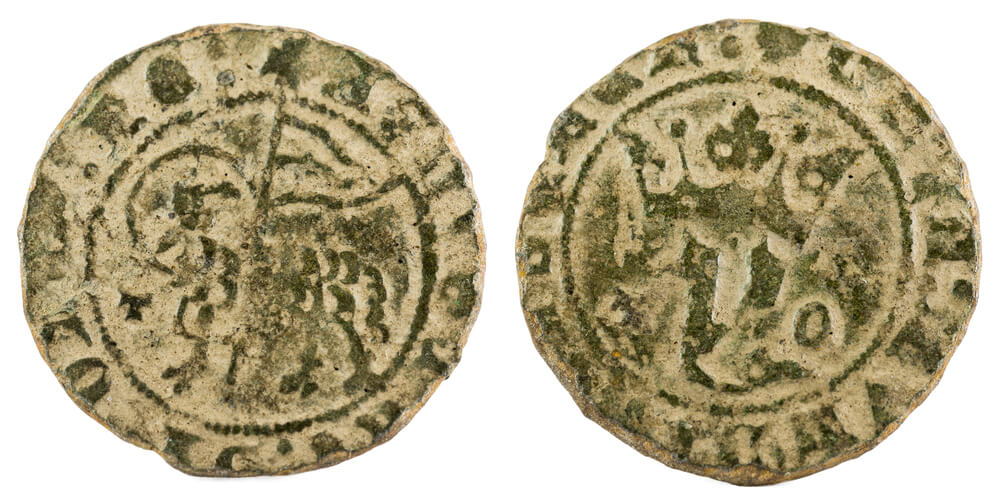
A group of detectorists at a rally in Hambleden, Buckinghamshire, uncovered 557 medieval coins in 2019. Dariusz Fijalkowski, Mateusz Nowak, Andrew Winter, and Tobiasz Nowak were among the group, and the hoard was dated to the fourteenth century.
It included gold nobles of Edward III as well as silver pieces, and it was estimated at around 150,000 pounds. As with all old coins, the final worth depended on the condition of each piece.
A Henry III Gold Penny Sold for 648,000 Pounds
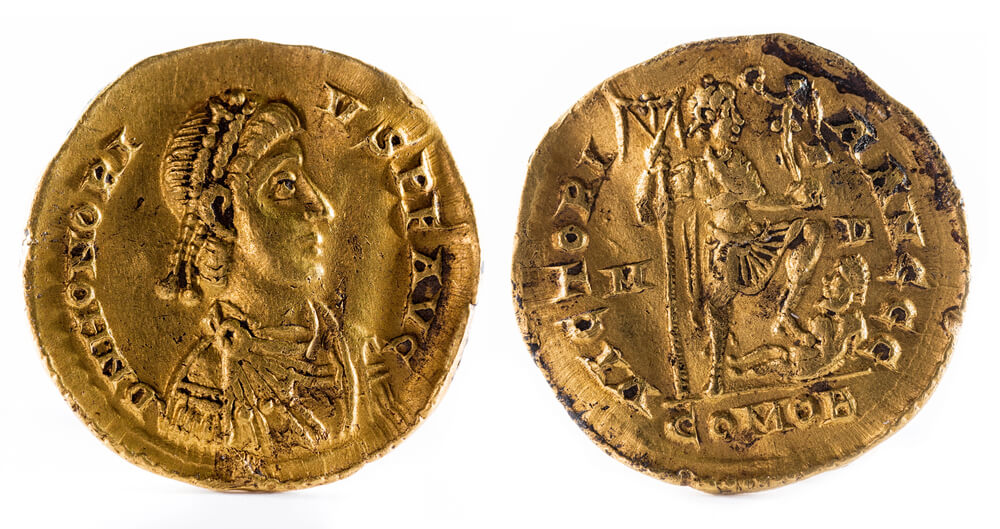
A metal detectorist found a gold penny of Henry III in a field in Devon, and it later became the subject of a world-record auction. The coin was struck in 1257, which makes it a very early example of English gold, and it sold in January 2022 for 648,000 pounds including fees.
Only a handful of such coins are known, so even a single specimen draws serious attention. The sale price reflects the condition of this particular example, which was unusually well preserved.
A Black Death Gold Coin of Edward III Fetched 174,000 Pounds
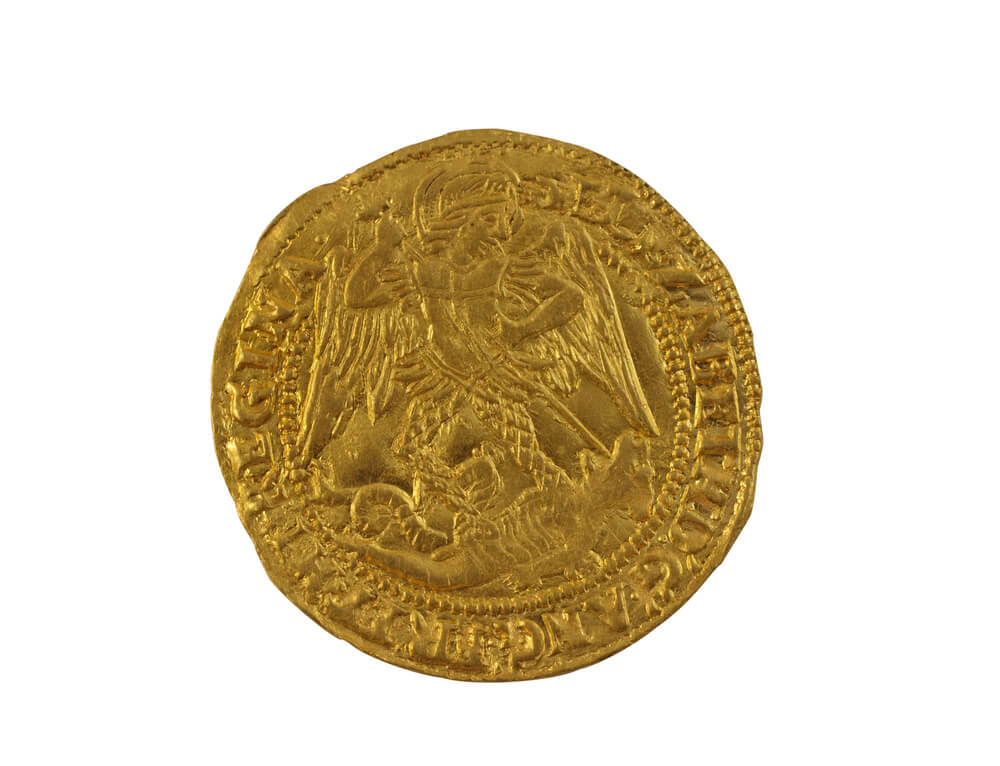
A Norfolk detectorist found a rare gold coin of Edward III dating from the years of the Black Death, and it was reported in 2021 after turning up near Reepham. The piece belonged to a short-lived gold issue from the 1350s, a time when plague had emptied villages across England.
It later sold at auction for about 174,000 pounds, though prices for medieval gold shift greatly with condition. Few coins link so directly to the economic chaos of that era.
The Ewerby Hoard Held Over 1,000 Civil War Coins
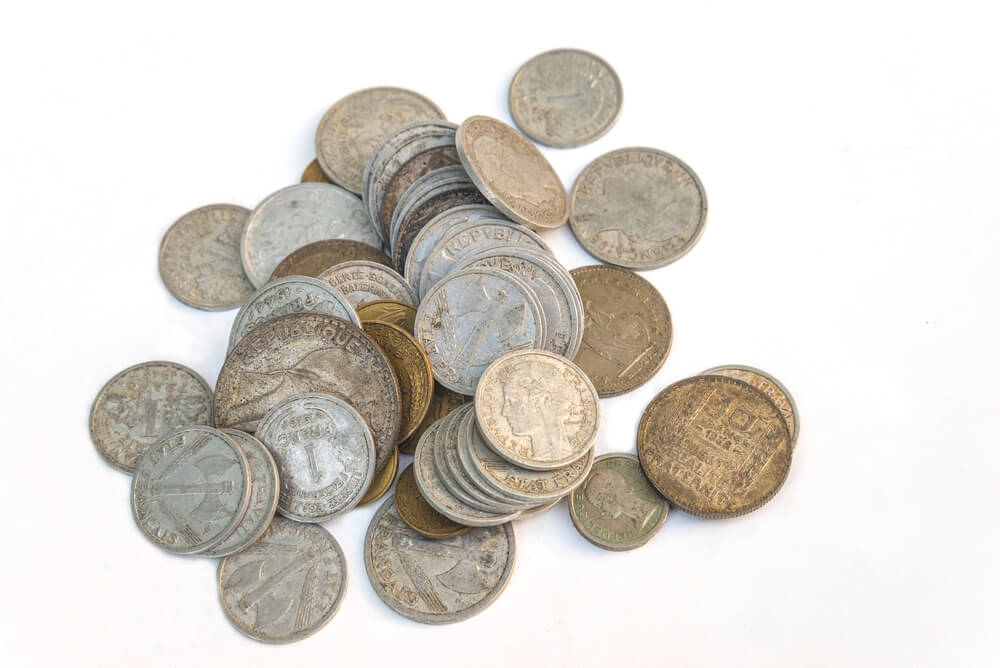
A detectorist working in a field near Sleaford in Lincolnshire found more than 1,000 coins buried during the English Civil War. The pieces were silver and covered several reigns, which suggests they represent savings accumulated over decades.
The owner apparently hid them in the 1640s and never returned, perhaps because of the fighting. Researchers described the group as a monumental find for the county.
The Lindsey Hoard Was Hidden Behind a Suffolk Pub
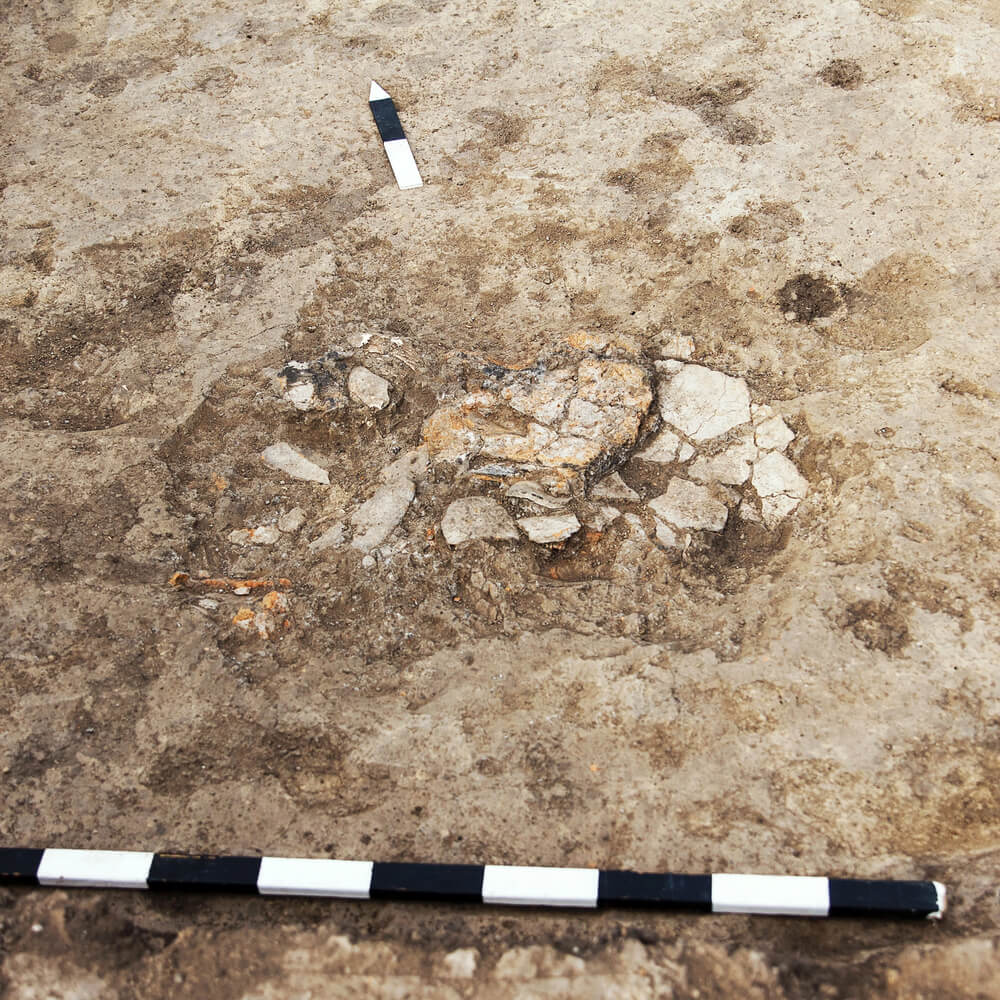
In 2020, a detectorist searching land behind a pub in Lindsey, Suffolk, uncovered a hoard of more than 1,000 coins from the English Civil War. News coverage valued the haul at least 100,000 pounds, though the real figure rested on condition.
The coins were later declared treasure. It is a reminder that valuables were hidden wherever people felt safe, even close to a village inn.
A Suffolk Detectorist Recovered 748 Roman and Iron Age Coins
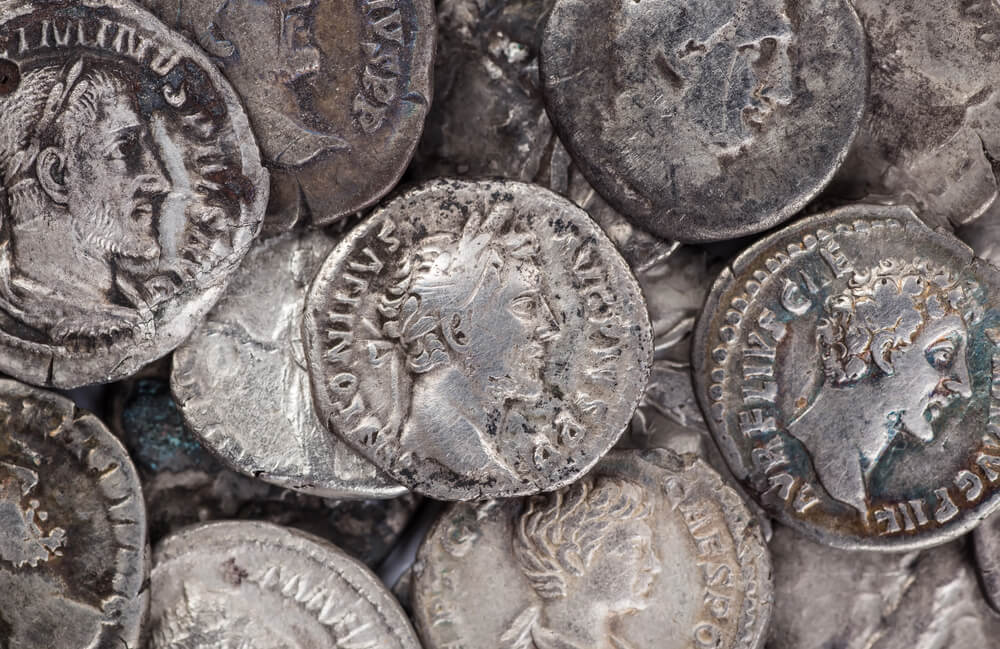
An Indiana Jones fan in Suffolk found a hoard of 748 Roman and Iron Age coins with his detector. The coins were sold at auction in 2024 for 132,000 pounds, a sum that relied on the pieces’ condition and rarity.
Coverage of the find drew attention to the period around the reign of Claudius, when Roman and local coinage circulated side by side. The finder had long cited the film hero as his inspiration for taking up the hobby.
The Isle of Man Viking Hoard Was Declared Treasure in 2024
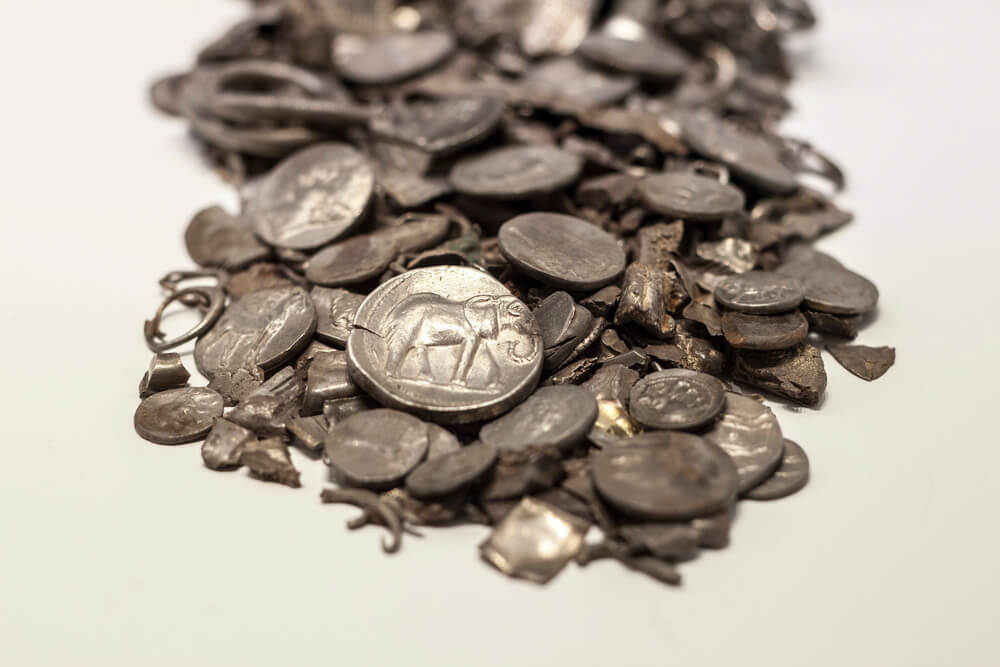
Metal detectorists on the Isle of Man located a hoard of Viking-era silver coins, and an inquest at Douglas Courthouse declared it treasure in 2024. Some news coverage described the stash as a kind of Viking piggy bank, a small group of coins hidden by someone who meant to come back for it.
The island sits in the middle of the Irish Sea, where Norse settlers left a strong imprint. The coins are about 1,000 years old.
A Teenager and an Amateur Archaeologist Found Harald Bluetooth’s Silver on Rügen
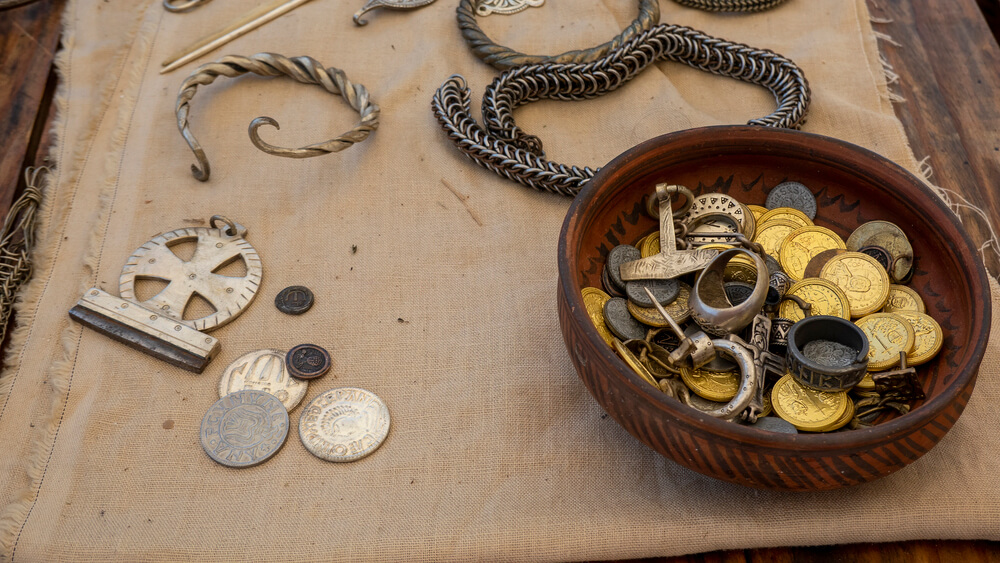
In 2018, an amateur archaeologist named Rene Schon and a thirteen-year-old student named Luca Malaschnitschenko searched a field on the German island of Rügen. They discovered a hoard of more than 600 pieces of silver, including coins linked to the Danish king Harald Bluetooth from the 980s.
The find also included jewelry, and the coins helped date the burial to a period of conflict in the Baltic. It is among the better-known examples of a young person making a major discovery.
Two Hoards Turned Up Near Harald Bluetooth’s Fortress in Denmark
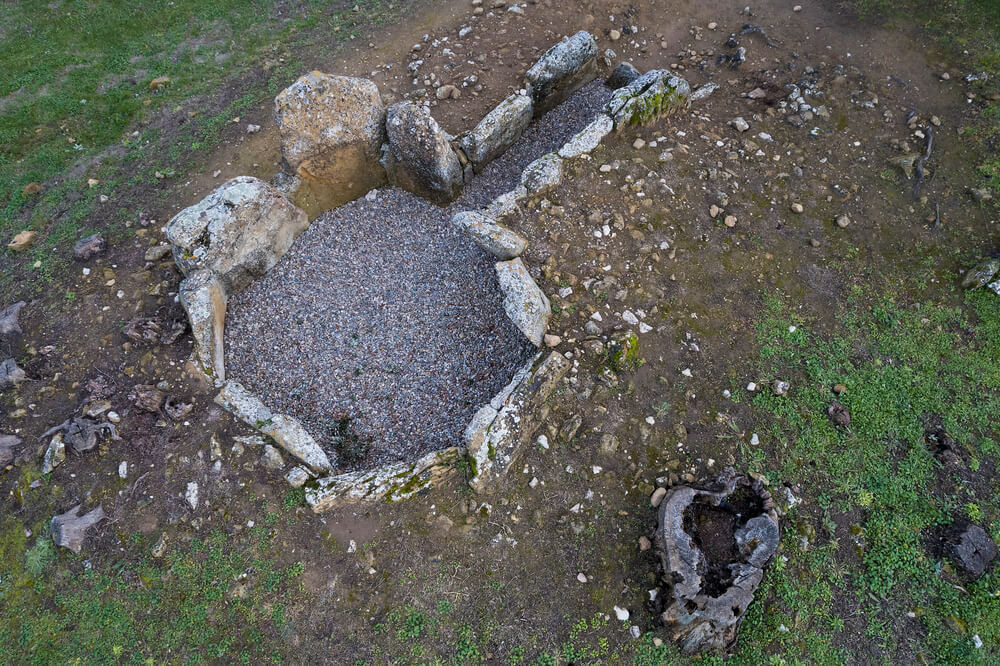
In 2023, detectorists in northern Denmark found two separate silver hoards close to a fortress built by Harald Bluetooth. The coins and jewelry came from the Viking Age, about 1,000 years ago, and were tied to the king’s reign.
Finding two caches near the same site suggested that wealth was concentrated around royal power. Experts said the pieces helped fill gaps in knowledge about trade and tribute.
Norway’s Largest Viking Coin Hoard Appeared in an Innlandet Field
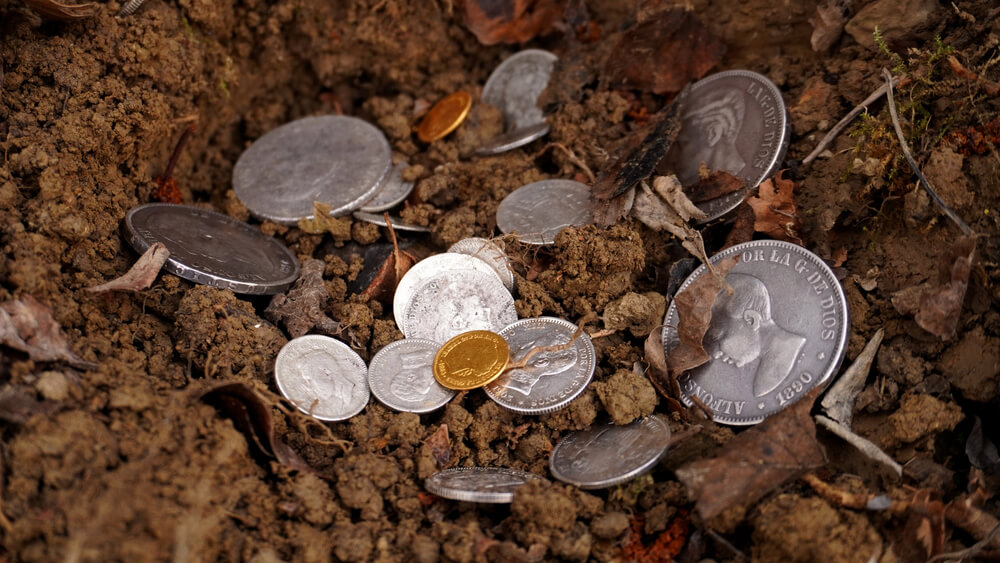
Metal detectorists uncovered nearly 3,000 silver coins in a field in Innlandet County, Norway, in a find reported in 2026. Authorities described it as the largest Viking Age coin hoard on record in the country, and the count was still climbing as the cache was examined.
The sheer number of pieces gave researchers a chance to study trade routes across northern Europe. One news account summed up the day by noting that the detectors never stopped beeping.
Finland’s Largest Viking Age Silver Hoard Came From a Hobbyist’s Hometown
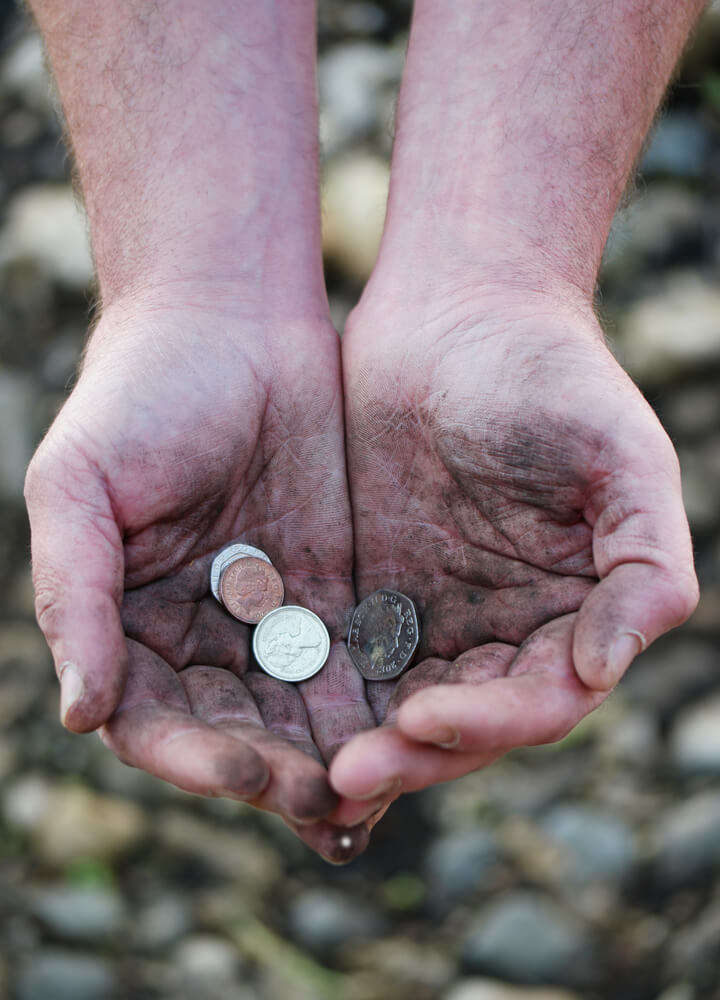
A metal detectorist in Finland discovered a Viking Age silver hoard in his hometown in 2026, and it contained thousands of coins and pieces of jewelry. After the first discovery, his detector went off again, leading to more silver nearby.
Reports called it the largest Viking Age silver hoard ever found in the country. The finder was an amateur, and the find was reported to the authorities.
Over 400 Roman Gold and Silver Coins Were Found in the Netherlands
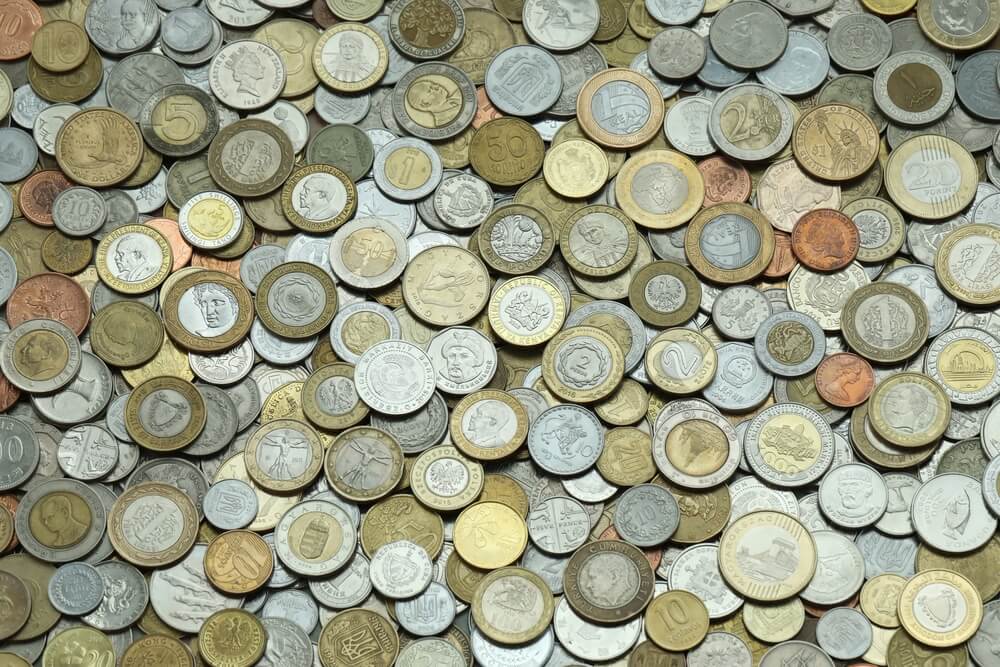
Two friends with metal detectors uncovered more than 400 gold and silver Roman-era coins near Utrecht in the Netherlands, reported in January 2025. The coins depict rulers from Rome, Britain, and Africa, showing how widely Roman money moved across the empire.
Coverage linked the coins to the Roman conquest of Britain, which gave a quiet field in the Dutch countryside a surprisingly far-flung story. The find joined a long list of Dutch discoveries made by hobbyists rather than professionals.
A Father and Son Dug Up 1,000 Silver Coins in a Polish Forest

In 2023, a father and son searching a forest in eastern Poland with a metal detector found a hoard of more than 1,000 silver coins. The pieces dated from the sixteenth and seventeenth centuries and were found near Boratynki.
They had been buried in a period of war and unrest, and the owner never reclaimed them. The coins now add to local knowledge of an era that left few written records of everyday money.
Germany’s Biggest Hoard of Roman Silver Coins Came From an Amateur Archaeologist
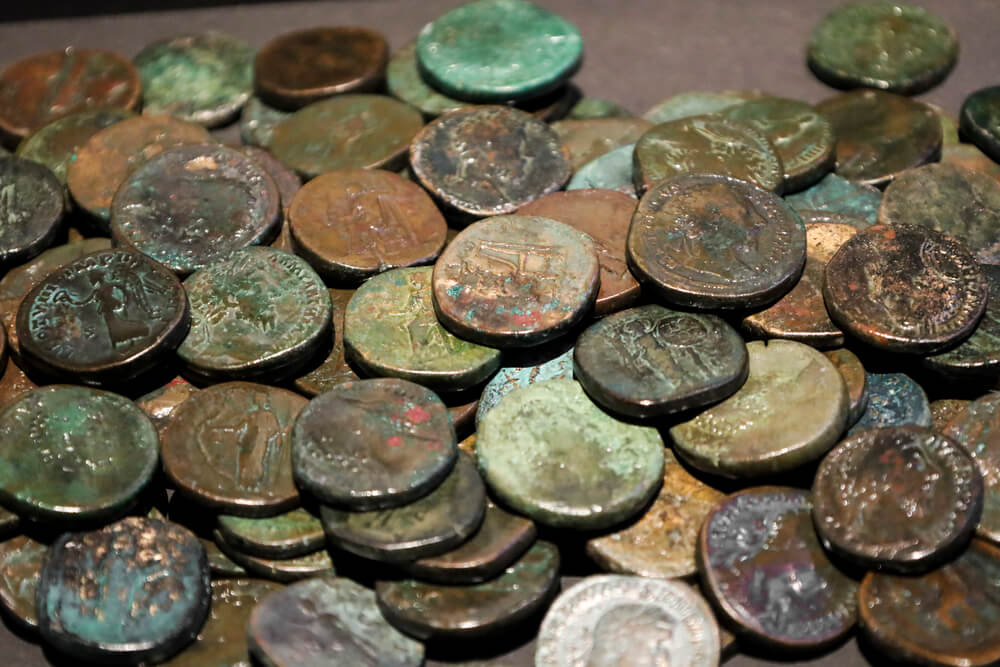
In September 2026, reports described the largest hoard of Roman silver coins ever found in Germany, discovered by an amateur archaeologist. Coverage put the number at 934 silver coins from the era of the emperor Hadrian.
The coins lay in a region far from the center of Roman power, which raised questions about who buried them and why. Experts were still studying the hoard when it was announced.
A Rare 1930 Australian Penny Surfaced on a New Zealand Beach
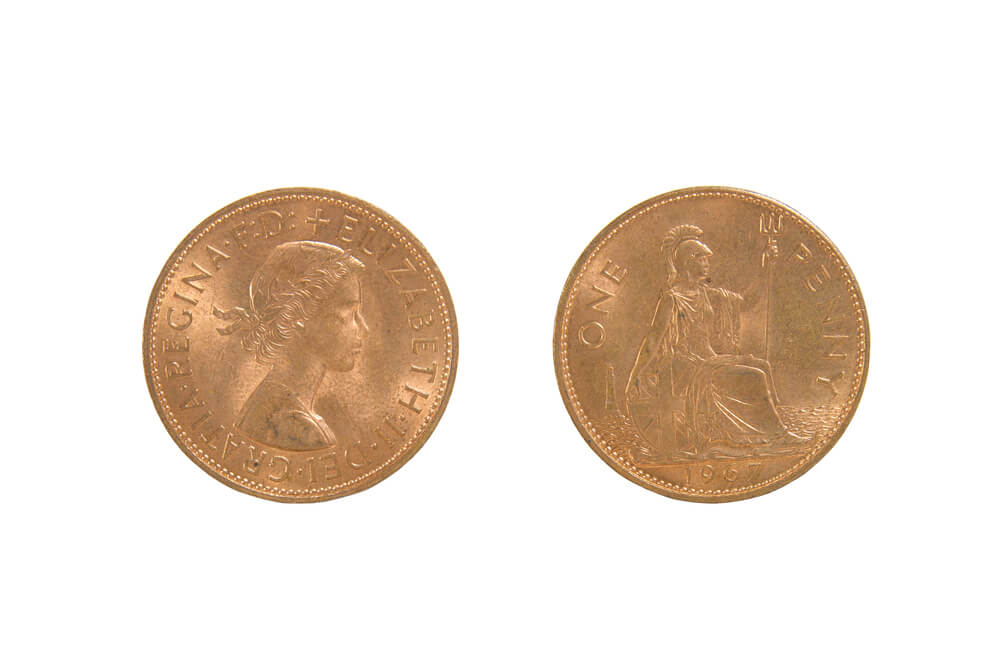
A metal detectorist in Tauranga, New Zealand, found an Australian 1930 penny on a beach in 2020. The 1930 penny is one of the best-known rarities in Australian coinage, because very few were released during the Great Depression.
News coverage put its worth around 46,000 dollars, though what a penny like this fetches depends heavily on condition. A coin that crossed the Tasman and ended up in beach sand made for one of the stranger stories in the hobby.
The Abergavenny Hoard Counted 199 Silver Pennies
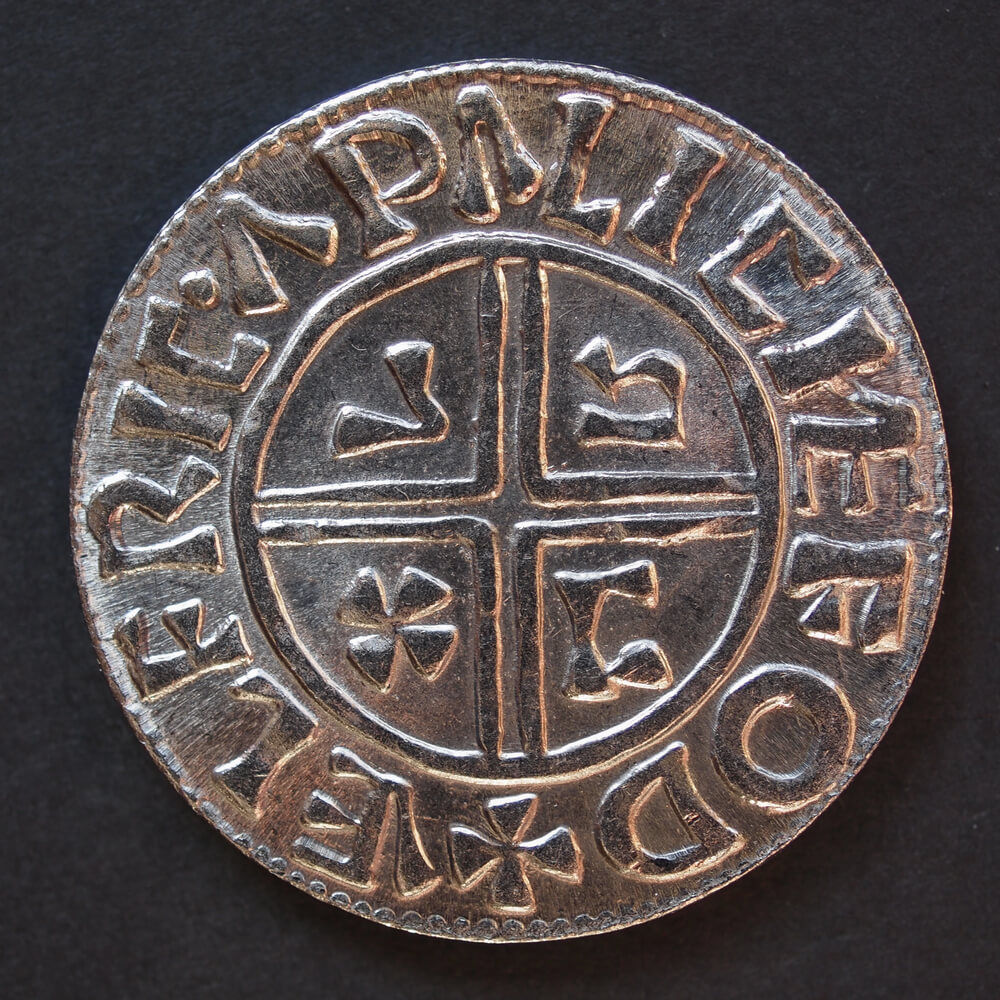
Museum Wales describes a hoard of 199 silver pennies that turned up in the Abergavenny area of Wales. The coins were small, thin, and easy to hide, which is probably why someone tucked them away in the first place.
The collection was studied and recorded, and it now sits among the national museum’s holdings. For historians, a group of nearly 200 pennies provides a cross-section of money in circulation at the time of burial.
An American Preacher Found an Anglo-Saxon Coin Hoard in Shropshire
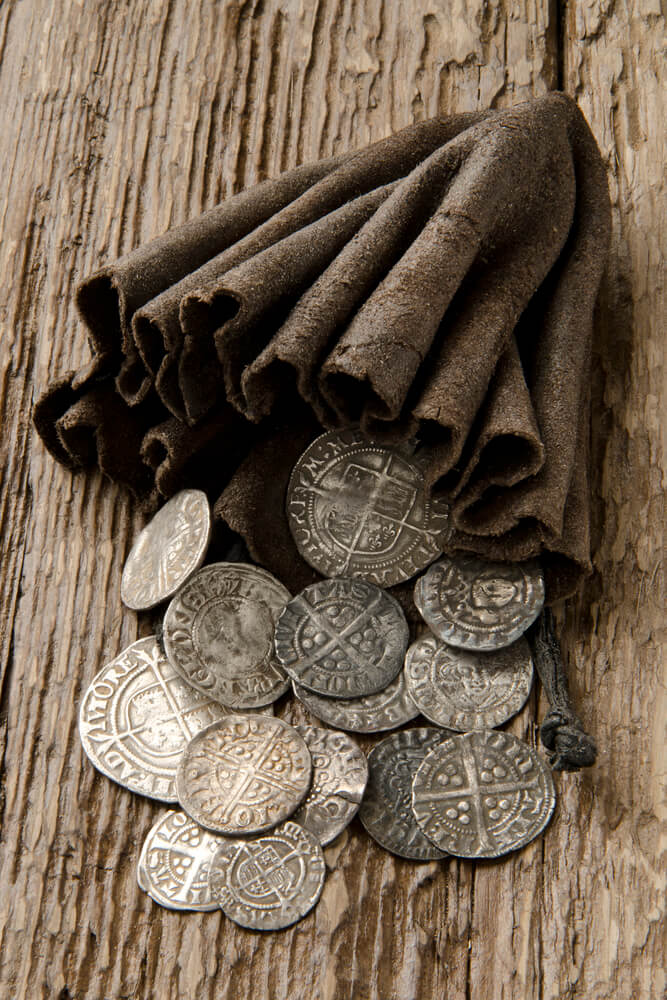
In November 2019, news broke that an American preacher on a metal detecting holiday had uncovered an Anglo-Saxon coin hoard in Shropshire. A visitor from the United States turning up a hoard of that age in English farmland made the story stand out in an already unusual hobby.
Finds like this are reported to the local coroner and recorded rather than kept, which is how the coins entered the public record. It was a reminder that a stranger with a detector can sometimes find what locals have walked past for years.
The Vale of York Hoard Paired 617 Coins With a Silver Cup
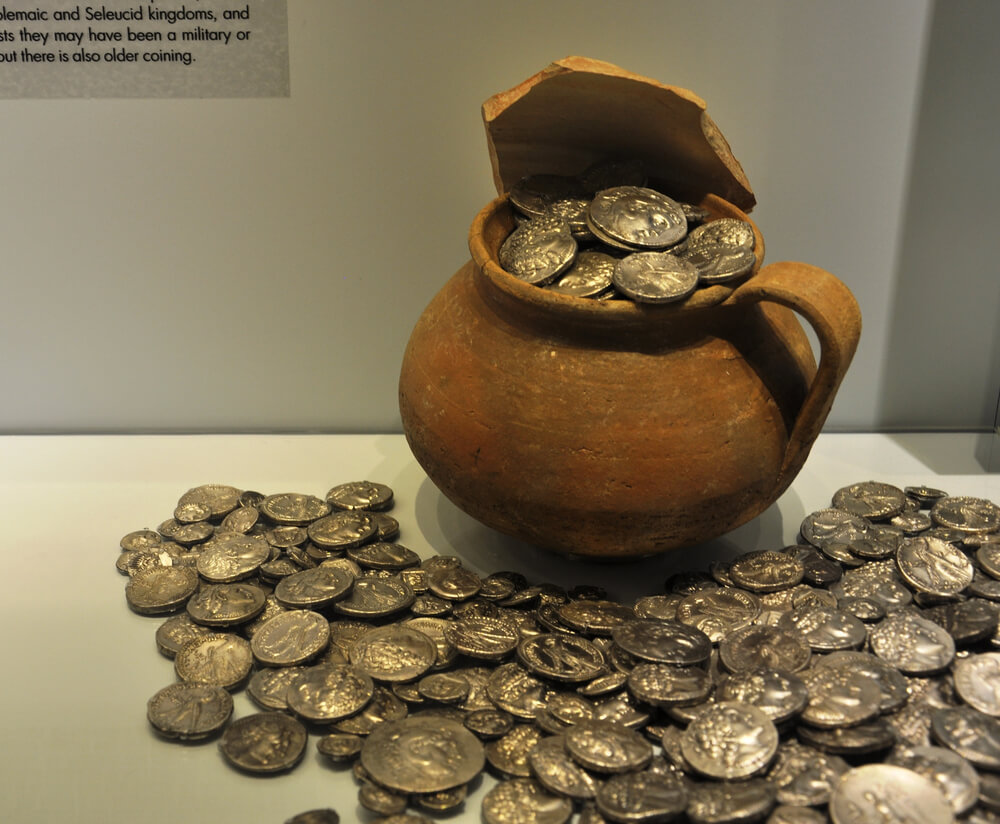
In January 2007, David Whelan and his son Andrew found a Viking hoard near Harrogate in North Yorkshire. It contained 617 silver coins as well as a silver-gilt cup of Frankish origin and other precious objects.
The hoard was buried around 927, shortly before the English kingdom took shape under Athelstan. The British Museum and York Museums Trust later acquired it for the nation.
What the Ground Remembers
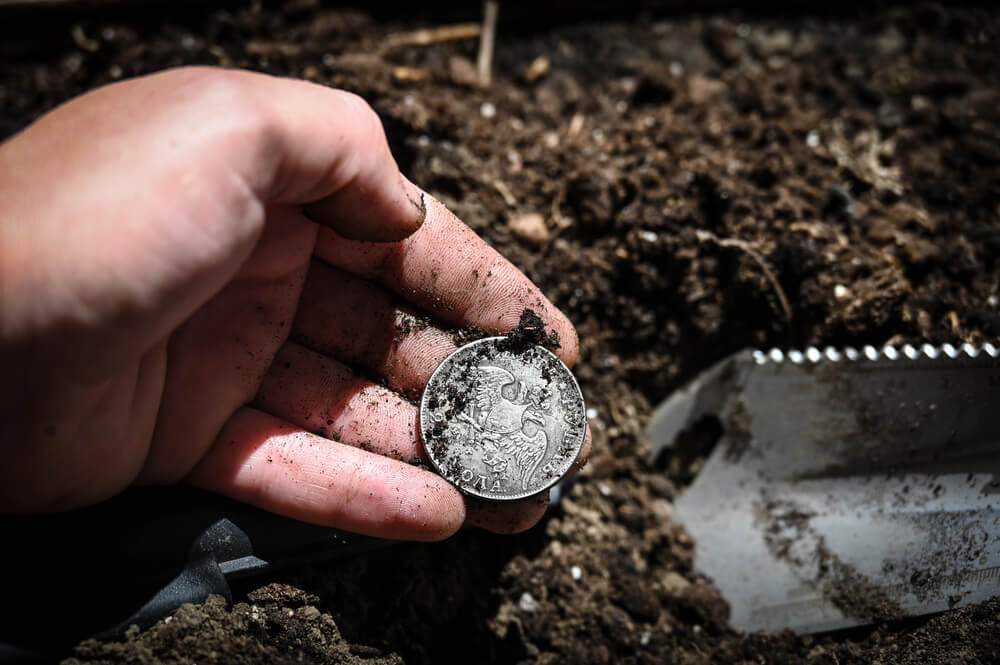
Most of these finds were not buried by thieves or kings but by ordinary people who expected to come back for their savings. War, plague, invasion, and sudden death meant they never did, and the coins stayed in place for centuries.
The detectorists who found them have often become unlikely historians, supplying evidence that written records leave out. The most useful finds are the ones that were reported rather than sold off.
A coin without a findspot is a curiosity, but a coin with a recorded location tells researchers where wealth gathered and when fear took over. The hoards on this list prove that the hobby can add real knowledge to the story of the past, one signal at a time.
More from Go2Tutors!

- 27 Silver Dollars and Half Dollars Worth Keeping
- 28 Restaurant Menu Items Nobody Orders Anymore
- 17 Places Built in Seemingly Impossible Spots
- 27 Vintage Rings Worth More Than They Look
- 25 Restricted Sites Tourists Can’t Enter
Like Go2Tutors’s content? Follow us on MSN.