Photos Of What Everyday Objects Used To Look Like
It is easy to think that many objects have looked the same for as long as anyone can remember. Phones, kitchen utensils, household appliances, and even simple office supplies have become so refined in their current state that early versions may seem unrecognizable.
Taking a step back to think about early versions of many objects that people use every day shows how much design has changed. Materials, safety, and convenience have improved over time to turn clunky inventions into the sleek tools people use today.
Let’s take a look at some everyday objects and what they looked like in their early forms.
Telephones
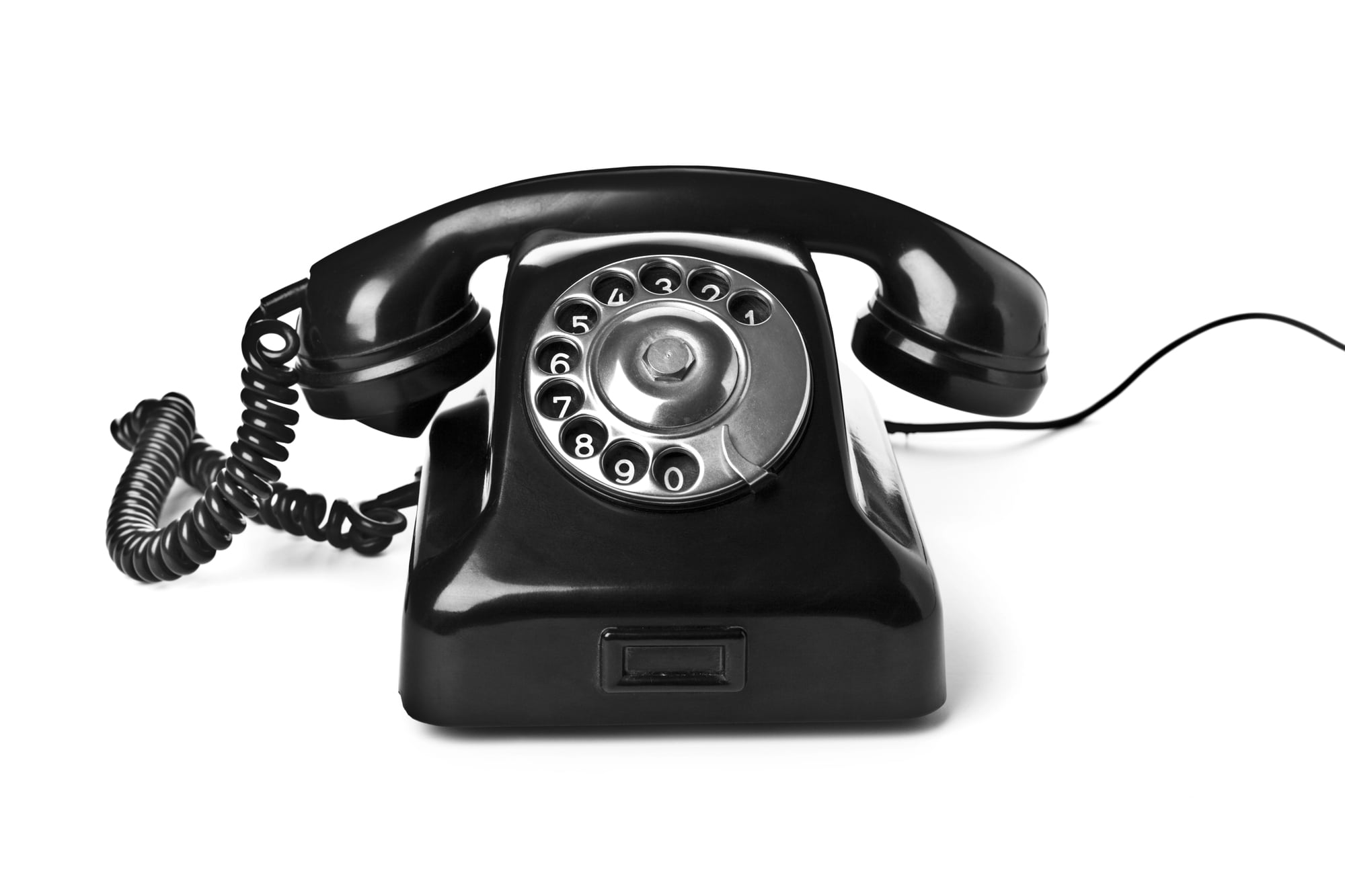
Early telephones from the late nineteenth century looked nothing like modern smartphones. The first widely used designs featured separate pieces for speaking and listening.
Users typically spoke into a fixed mouthpiece mounted on a wall unit while holding a separate receiver to their ear. Many of these early devices were made of wood with visible wiring and mechanical parts.
Later designs combined the mouthpiece and receiver into a single handheld unit, eventually leading to the familiar rotary phone that dominated households through much of the twentieth century.
Cameras
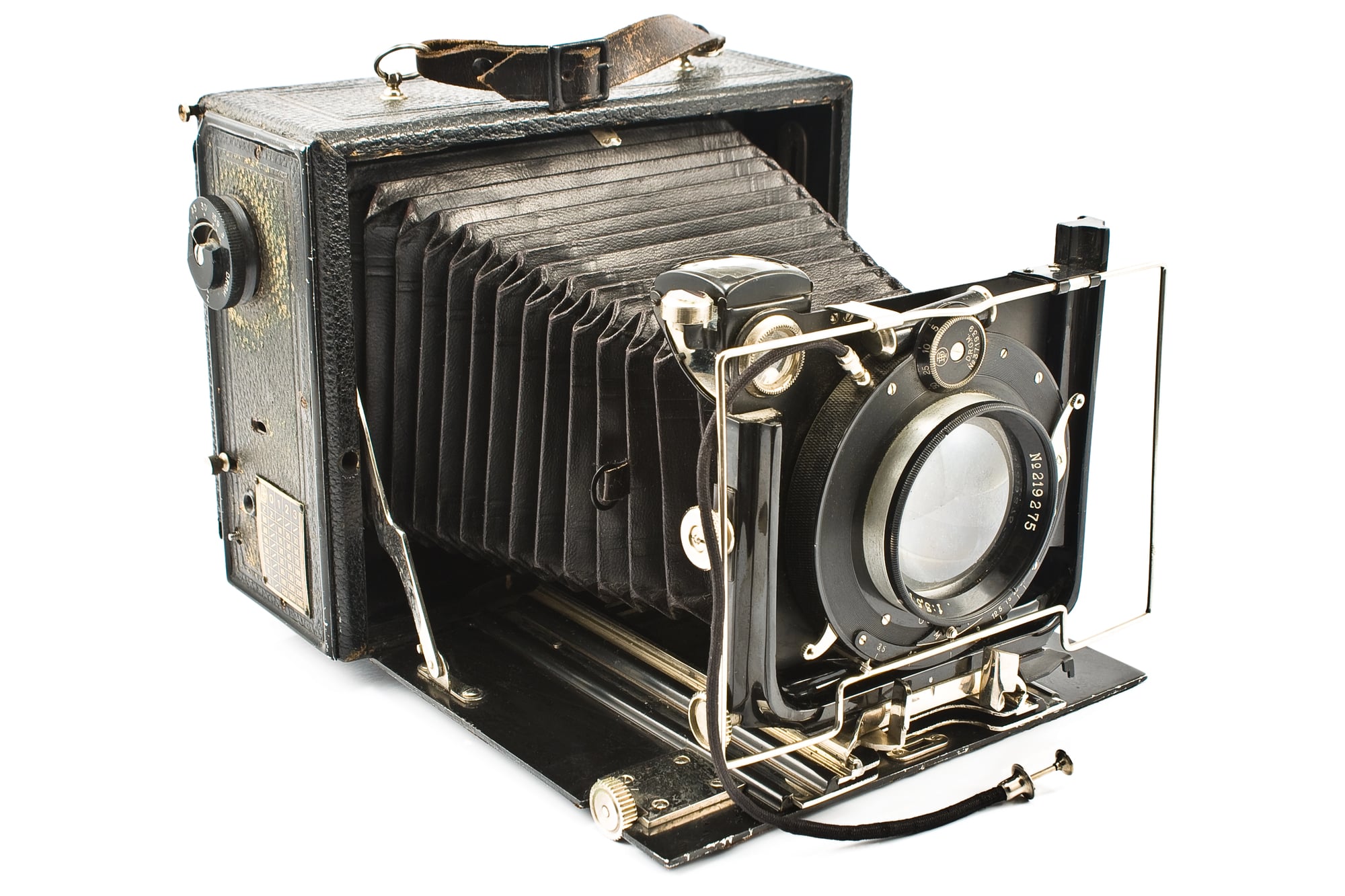
Early cameras were large wooden boxes mounted on tripods. Photographers in the nineteenth century often worked under cloth coverings to shield the lens from light while preparing the shot.
Exposure times were slow, sometimes requiring subjects to remain still for several seconds. Over time, cameras became smaller and easier to use as film technology improved.
By the mid-twentieth century, handheld cameras were common, and the later arrival of digital photography transformed cameras into compact devices built into everyday electronics.
Refrigerators

Before modern refrigerators became common, early models were large metal cabinets that relied on mechanical cooling systems. Many homes originally used iceboxes, which required large blocks of ice to keep food cold.
Early electric refrigerators from the 1920s and 1930s were bulky and often had exposed coils or compressors mounted on top. Over time, designers refined the technology, hiding the mechanical components and creating the sleek kitchen appliances people recognize today.
Vacuum Cleaners

The earliest vacuum cleaners were enormous machines that were far from portable. Some early models from the early twentieth century were so large that they were mounted on carts pulled by horses.
Long hoses ran from the machine into buildings so operators could clean carpets indoors. As technology improved, manufacturers developed smaller electric versions that could be used inside the home.
Eventually, vacuum cleaners evolved into lightweight upright models and compact handheld devices designed for convenience.
Washing Machines
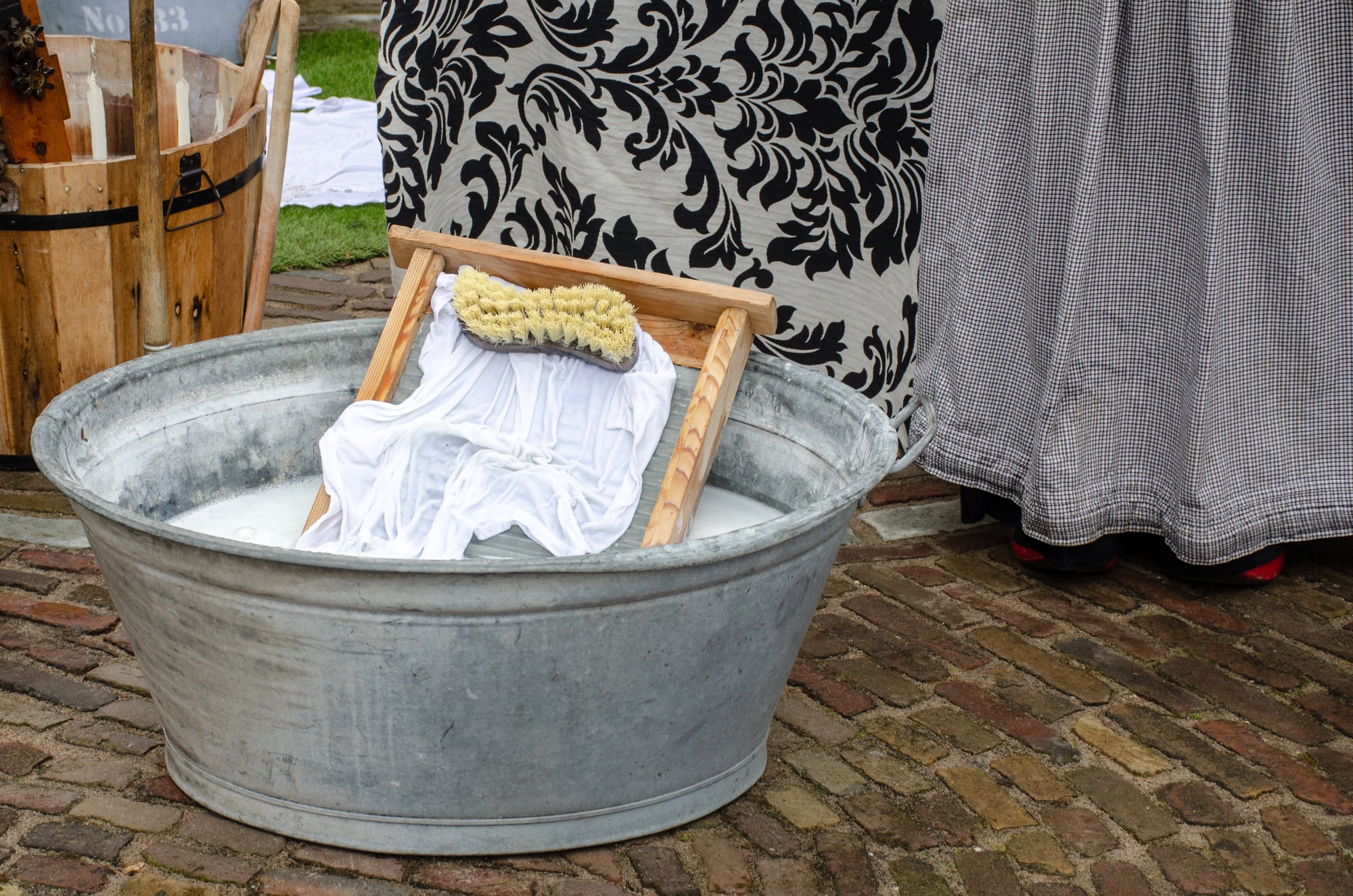
Early washing machines were entirely manual. People scrubbed clothing against washboards inside large tubs filled with water and soap.
This process required significant effort and time. Later machines introduced hand-powered rollers and mechanical agitators that helped move clothing through the water.
By the mid-twentieth century, electric washing machines automated much of the process, turning a once exhausting chore into a relatively simple household task.
Light Bulbs
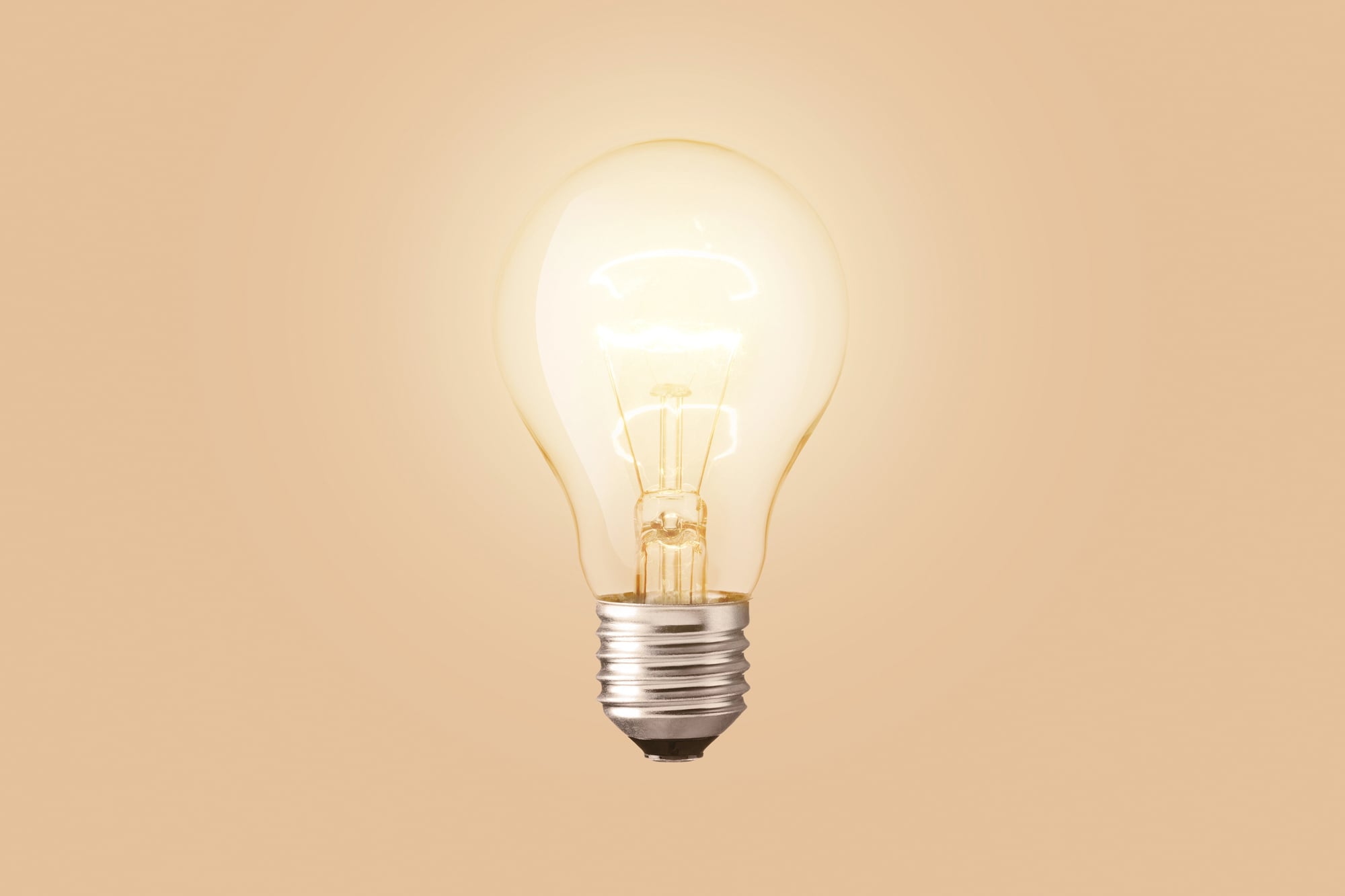
The earliest practical light bulbs, developed in the late nineteenth century, were fragile devices with visible filaments and simple glass enclosures. They produced relatively dim light compared with modern bulbs and had shorter lifespans.
Over time, improvements in filament materials and manufacturing techniques made bulbs brighter and more efficient. Today’s lighting options include compact LEDs and energy-saving designs that last far longer than the earliest electric bulbs.
Computers
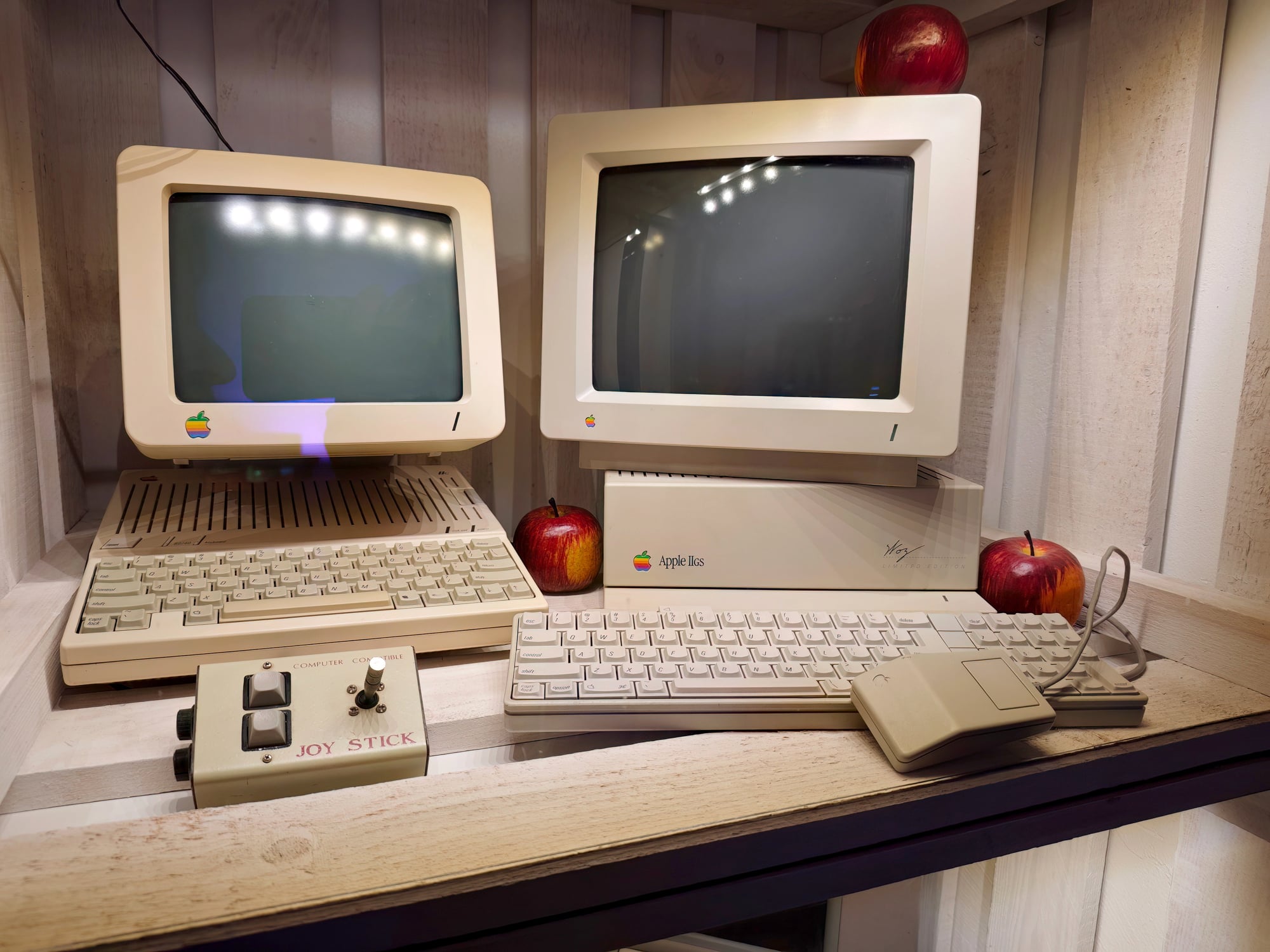
Early computers were enormous machines that filled entire rooms. Built during the mid-twentieth century, these systems used vacuum tubes and required extensive cooling systems to operate properly.
The power of those early machines was tiny compared with modern devices, yet they laid the foundation for the digital age. Over time, computers shrank dramatically in size, eventually becoming personal devices that fit comfortably on a desk or even in a pocket.
Television Sets
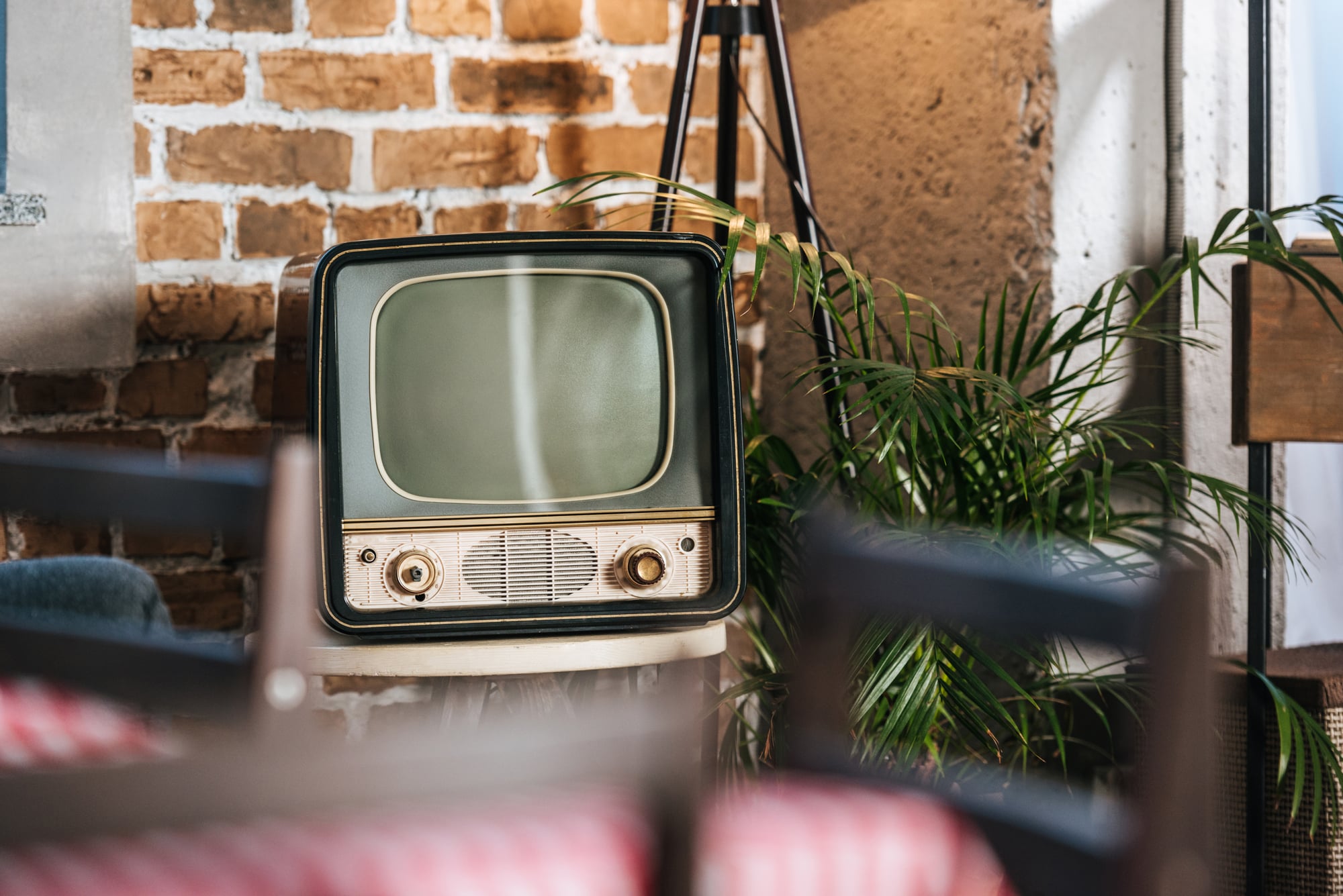
The first television sets from the 1930s and 1940s were small devices with tiny screens housed in large wooden cabinets. Early broadcasts were limited, and picture quality was relatively basic.
As television technology improved, screens became larger and clearer. By the late twentieth century, flat-screen displays replaced the bulky tube televisions that once dominated living rooms around the world.
Alarm Clocks

Early mechanical alarm clocks relied entirely on springs and gears. These clocks required regular winding to keep time accurately, and the alarm mechanism typically rang a small metal bell mounted on top of the clock.
Despite their simplicity, these devices were surprisingly durable and reliable. Modern alarm clocks have largely moved into digital form, often integrated into smartphones that combine timekeeping with countless other functions.
Kitchen Mixers
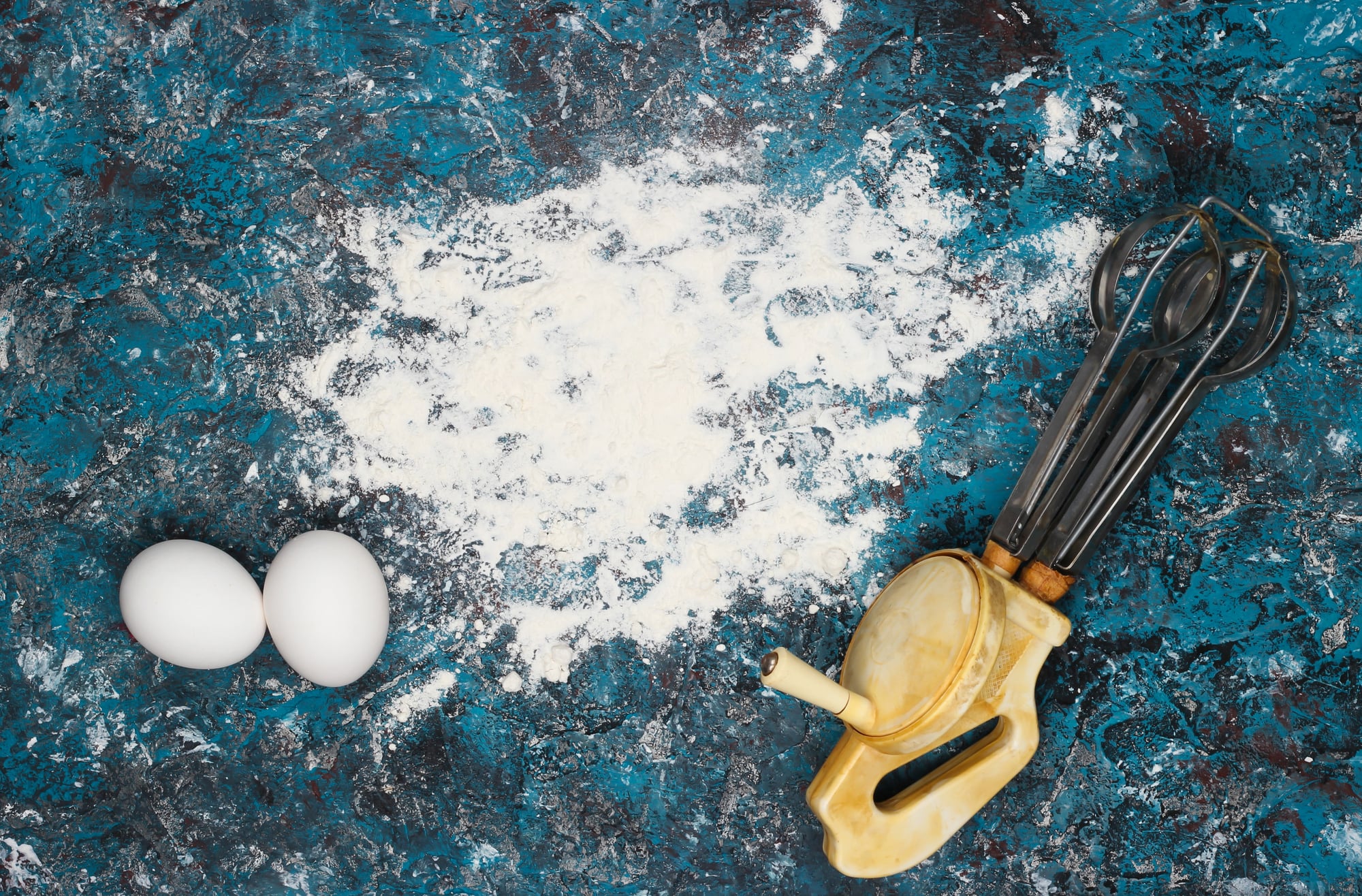
Before electric mixers became common, preparing dough or batter required hand-powered tools. Early mixers often featured rotating beaters attached to a crank handle that users turned manually.
Electric stand mixers eventually replaced these designs, allowing people to mix ingredients quickly with minimal effort. The familiar countertop mixers found in many kitchens today evolved directly from those early hand-cranked devices.
Lawn Mowers
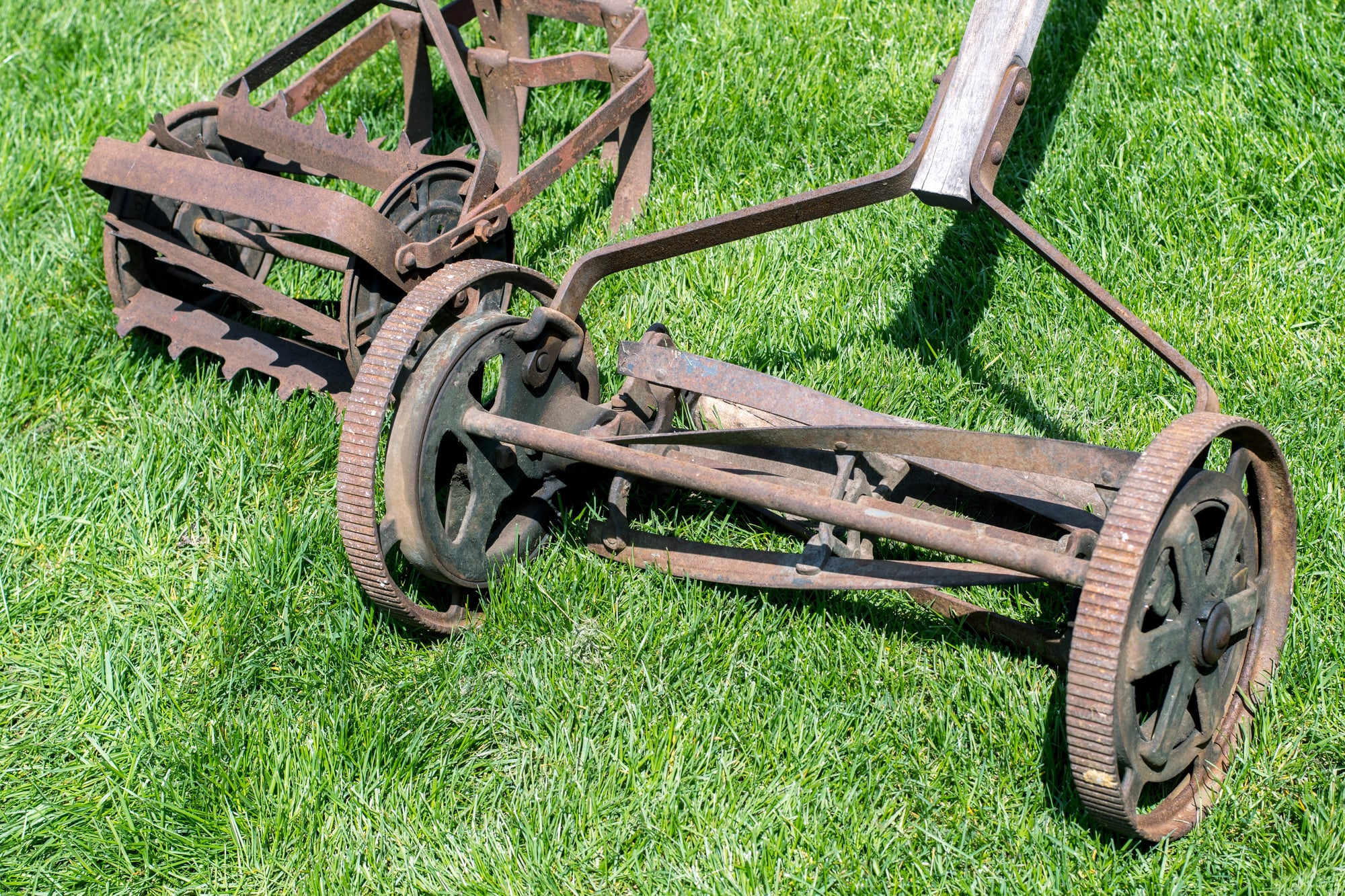
The first mechanical lawn mowers appeared in the nineteenth century and used rotating blades powered by large wheels. Pushing these early machines required significant physical effort, particularly on thick grass.
Later designs introduced gasoline engines that powered the blades automatically. Today’s lawn mowers range from lightweight electric models to robotic versions that trim grass without human guidance.
Toasters

Early electric toasters looked very different from the compact appliances found in modern kitchens. Many early models toasted only one side of the bread at a time, requiring the user to flip the slice manually.
Later designs introduced spring-loaded mechanisms that automatically lifted the bread once it was toasted. This simple improvement made the toaster far more convenient and helped shape the familiar appliance used today.
Ironing Irons

Before electric irons existed, people used heavy metal irons heated on stoves. These solid iron blocks retained heat long enough to press clothing before needing to be reheated again.
Although effective, they were cumbersome and sometimes inconsistent in temperature. Electric irons eventually replaced these early designs, providing steady heat and far greater convenience for household tasks.
Typewriters

Typewriters were once essential tools in offices and homes before computers became widespread. Early models from the late nineteenth century featured exposed metal arms that struck ink ribbons to imprint letters onto paper.
Typing required firm pressure and careful alignment of paper in the machine. Despite their mechanical complexity, typewriters were the primary method for producing written documents for decades before word processors transformed the writing process.
Why Old Designs Still Fascinate

Early forms of common items show how clever we’ve become in making life easier. Today’s gadgets seem obvious only after years of people tweaking, testing, failing, learning.
Each change small, yet adding up across decades into what now feels natural. Out of old sketches comes proof that common gadgets had wild beginnings.
Picture those first clumsy versions sitting on desks long ago – each one a stubborn try at something new. Look close and you notice how effort piled up, quietly building what today feels automatic.
What we barely think about started with someone poking at ideas that almost failed.
More from Go2Tutors!

- The Romanov Crown Jewels and Their Tragic Fate
- 13 Historical Mysteries That Science Still Can’t Solve
- Famous Hoaxes That Fooled the World for Years
- 15 Child Stars with Tragic Adult Lives
- 16 Famous Jewelry Pieces in History
Like Go2Tutors’s content? Follow us on MSN.