28 Album Covers That Were Banned or Changed
A record sleeve is supposed to sell an album from across a crowded shop. Occasionally it works too well, and a label, a retailer, or a government steps in with a sticker, a paper bag, or a brand-new design.
Some of these covers were swapped before the first copy shipped. Others were pulled after launch, pasted over by hand, or sold only in plain wrapping. All of them proved that the artwork can cause more trouble than the music inside.
Blind Faith Sends an Airplane Model Across the Atlantic
The 1969 self-titled debut by Blind Faith pictured a young girl holding a silver aircraft-like model, a concept photographer Bob Seidemann meant as a symbol of innocence meeting technology. The girl was shown unclothed from the waist up, and that was enough to make the cover a problem for American retailers.
Atco, the band’s US label, offered an alternate sleeve built around a group photograph, while the original stayed in use elsewhere. Copies with the original artwork in good condition remain the more collectible pressings, with prices swinging sharply on sleeve wear.
Virgin Killer Gets a Band Photo and an Internet Standoff
Scorpions released Virgin Killer in 1976 with a cover showing a young girl in a pose that many retailers found indefensible. RCA replaced it with a plain band photograph in several markets, and the original became a notorious collectible.
In December 2008 the Internet Watch Foundation briefly blocked UK access to the album’s Wikipedia page because of the image, then reversed course within days. The story kept the cover in the news decades after the band had moved on.
Electric Ladyland Arrives With Nineteen Unexpected Guests
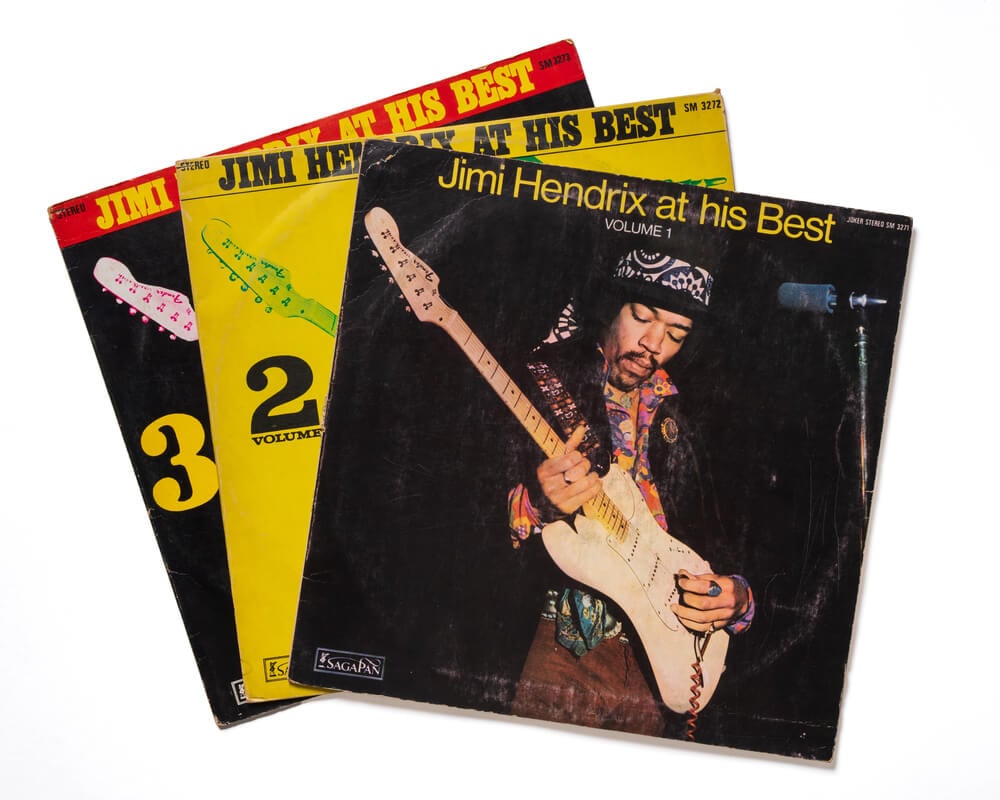
The British edition of Jimi Hendrix’s Electric Ladyland, released on Track Records in 1968, wrapped its front and back in a photograph of nineteen unclothed women. Hendrix reportedly disliked the choice, and plenty of record stores declined to stock it or hid it behind the counter.
Later editions substituted a portrait of the guitarist. The women photographed for the original sleeve are now more famous than most session players of the era.
The Beatles Pose as Butchers on Yesterday and Today
Capitol Records issued Yesterday and Today in the US in June 1966 with a Robert Whitaker photograph of the band in white smocks, draped with raw meat and dismembered doll parts. Retailers and radio programmers reacted with alarm, and Capitol recalled shipped copies and pasted a photograph of the group around a steamer trunk over the original.
Some of those paste-over sleeves were later steamed open to reveal the butcher image underneath. Prices for original sealed copies vary enormously, and condition decides nearly everything.
Two Virgins Ships in a Brown Paper Bag
— Photo by lumaso
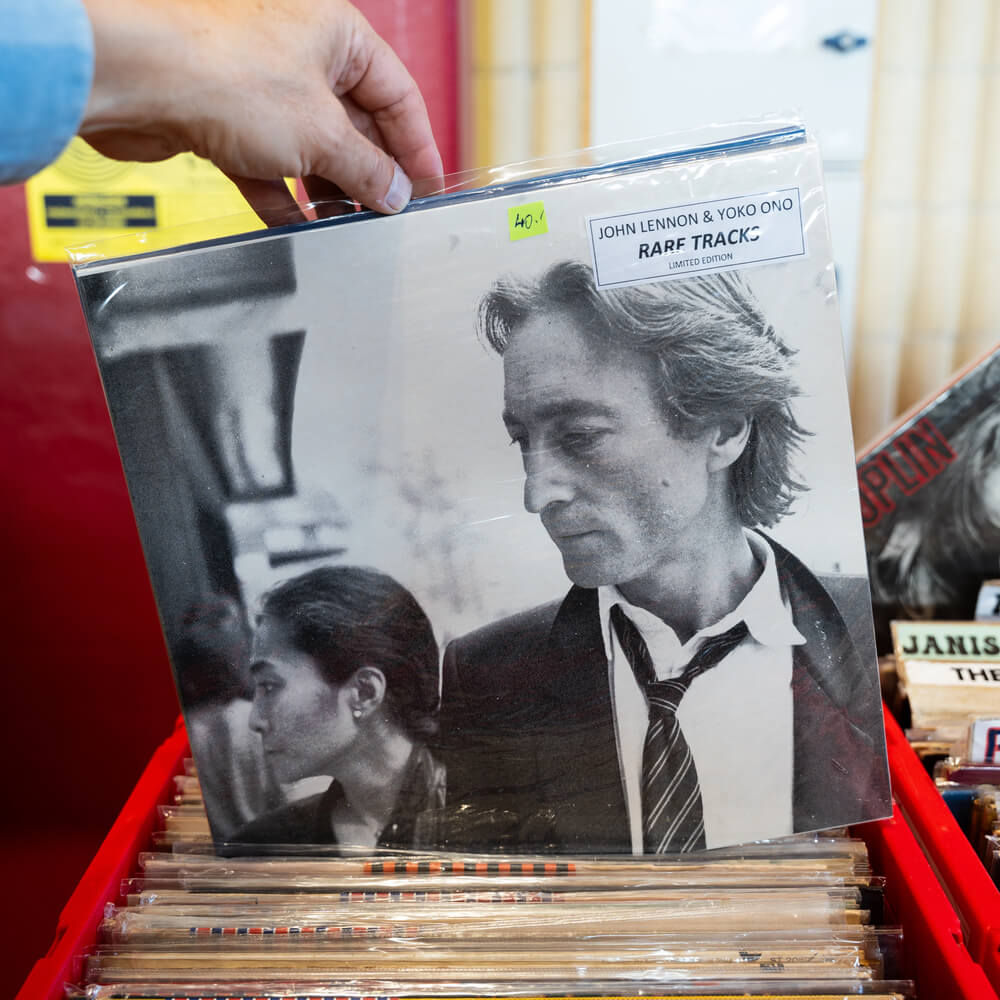
John Lennon and Yoko Ono posed unclothed for the 1968 album Unfinished Music No. 1: Two Virgins, and the photograph stunned the industry. EMI declined to distribute it in Britain, so the small label Track Records handled the job.
In the US, Tetragrammaton sold the album in a plain brown paper wrapper with only the faces visible through a cutout. Authorities in New Jersey reportedly seized about 30,000 copies in December 1968.
Guns N’ Roses Trade a Painting for a Cross
— Photo by sirylok
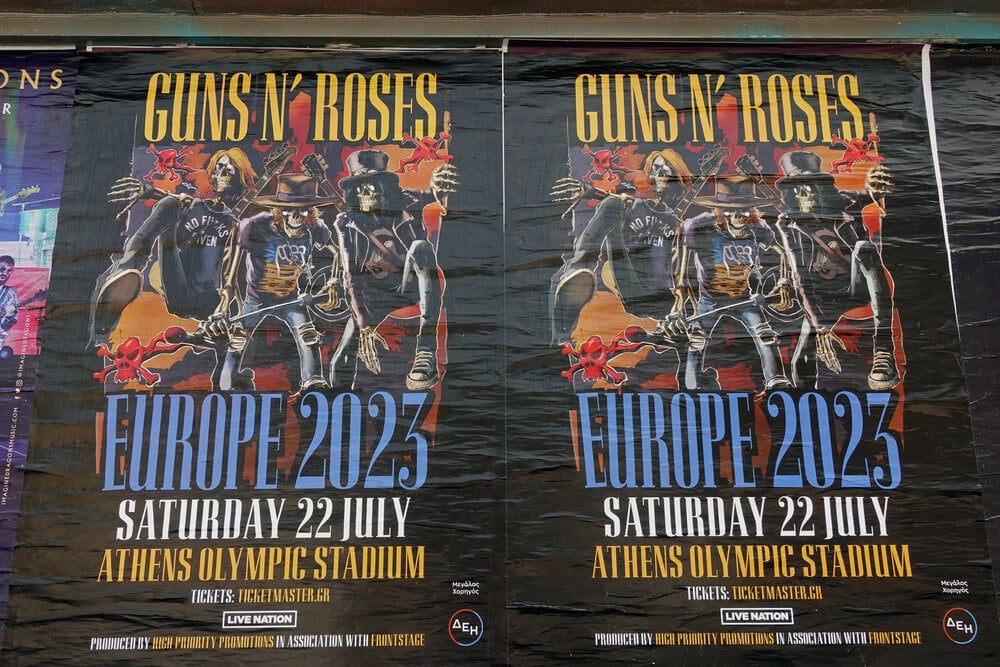
Appetite for Destruction, released by Geffen in 1987, originally carried Robert Williams’s painting of a robot and an assault scene, and retailers and distributors balked. The label replaced it with a cross of five skulls, each representing a band member, drawn by Billy White Jr. as a tattoo-style design.
Williams’s painting was moved to the inner sleeve, where it remained for the album’s long run as a bestseller. The skull cross has since become the band’s emblem on far more merchandise than the painting ever touched.
Nothing’s Shocking Comes With a First Amendment Cover
— Photo by s_bukley
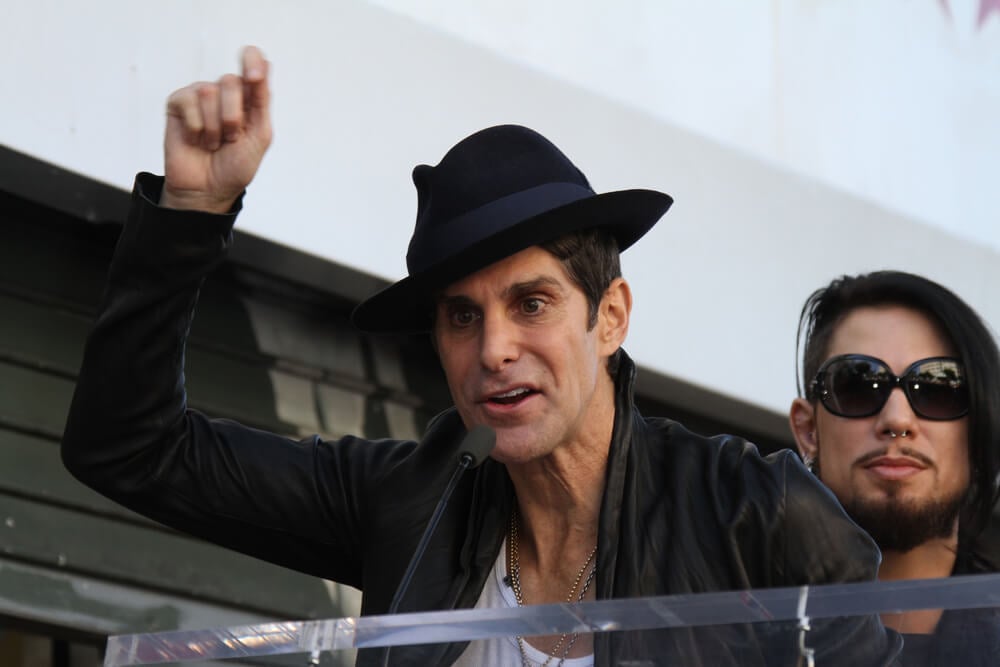
Jane’s Addiction’s 1988 Warner Bros. debut Nothing’s Shocking featured a sculpture by singer Perry Farrell of two seated women with their heads on fire. Some retailers refused to stock it, so the label supplied an alternate sleeve that was plain white, with text from the First Amendment printed on it.
The substitute cover was a rare case of a censorship workaround that doubled as a protest. Both versions circulated widely, and the sculpture is still the one fans remember.
Beggars Banquet Gets Invited by Mail Instead
— Photo by ifeelstock
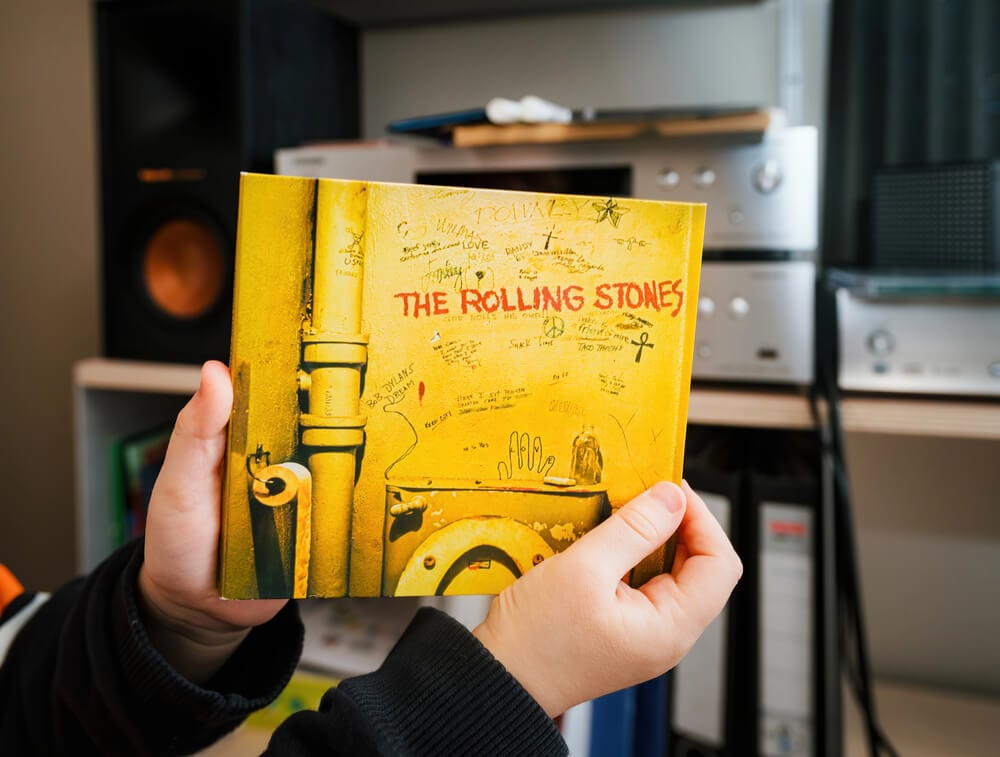
The Rolling Stones planned a 1968 cover for Beggars Banquet showing a graffiti-covered bathroom wall, photographed by Barry Feinstein. Decca in the UK and London Records in the US refused to release it, delaying the album from October until December.
The band substituted a plain white sleeve styled like a formal invitation. The original bathroom cover did not appear commercially until the album’s 1984 reissue.
Some Girls Faces Legal Pressure
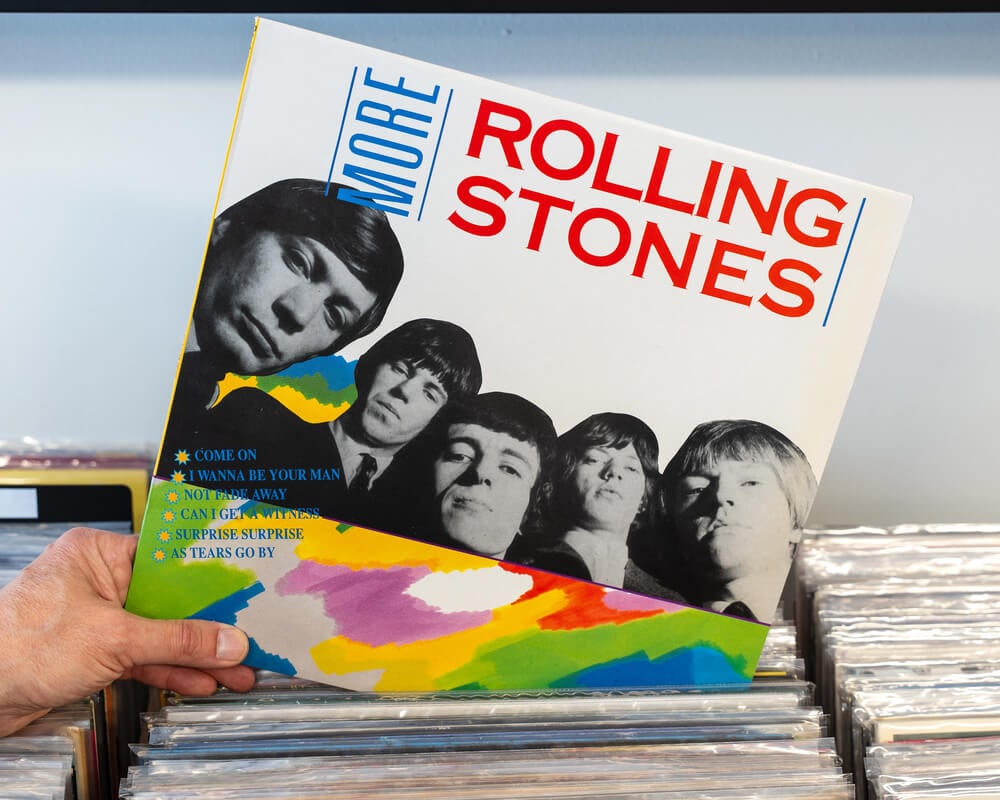
The 1978 Rolling Stones album Some Girls shipped with a die-cut sleeve showing the band in wigs alongside printed images of Farrah Fawcett, Raquel Welch, and other famous women. Several of the women or their estates objected, and lawyers got involved quickly.
The cover was redesigned with the objecting celebrities’ faces replaced by blank space or recolored artwork. The sleeve, designed by Peter Corriston, still became one of the band’s most recognizable.
Roxy Music Hides Country Life in Green Plastic
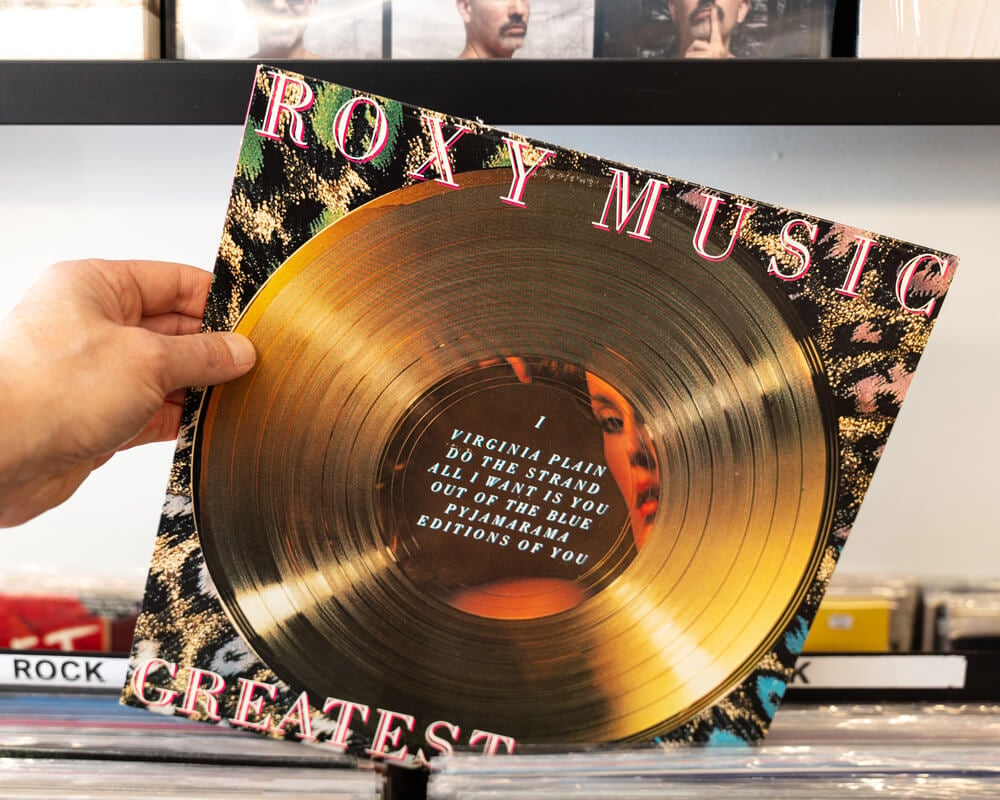
Roxy Music’s 1974 album Country Life features a photograph by Eric Boman of two women in intimate clothing standing in a forest. In the US, Atco sold the album in opaque green shrink-wrap to cover the image, and some releases cropped the image down to just the trees.
One of the two models, Constanze Karoli, was the sister of Can guitarist Michael Karoli. The sleeve ended up as a minor collector favorite, with wear and shrink condition affecting pricing.
The Mothers of Invention Parody Sgt. Pepper and Pay for It
Frank Zappa’s 1968 album We’re Only in It for the Money, released through Verve, featured a Cal Schenkel parody of the Beatles’ Sgt. Pepper cover. Verve worried about legal action and published early pressings with the parody inside the gatefold instead of on the front.
The front of the sleeve was left plain, which suited the album’s reputation for needling everyone in sight. Cal Schenkel’s design has since been reproduced on the outside of many reissues.
Sgt. Pepper Loses Gandhi and Hides Hitler
— Photo by ifeelstock
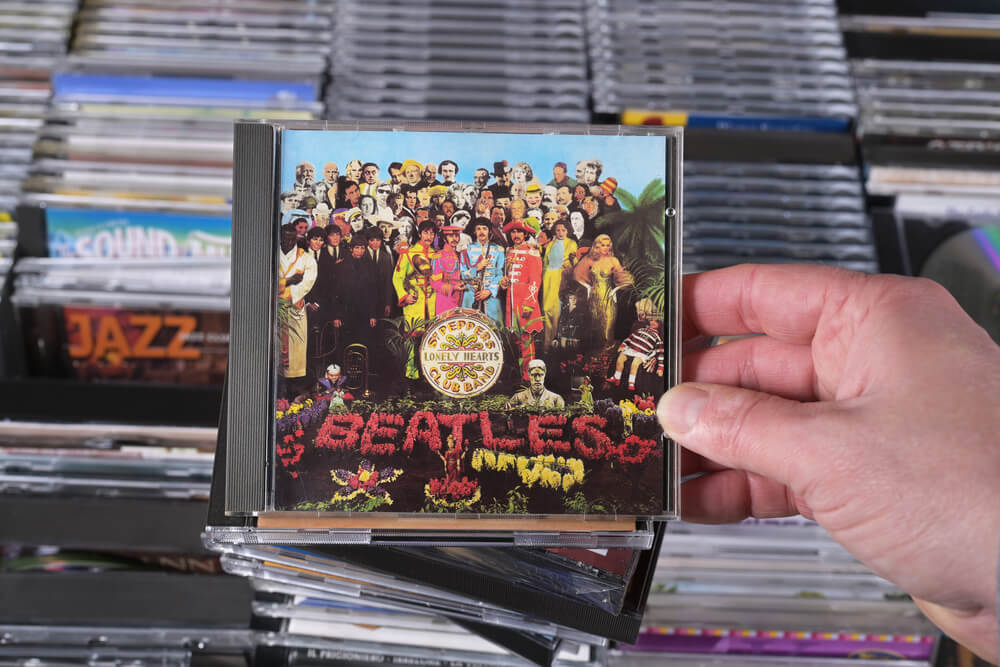
The crowded collage on the 1967 Beatles cover Sgt. Pepper’s Lonely Hearts Club Band, designed by Peter Blake and Jann Haworth, had to be edited before release. A cutout of Mahatma Gandhi was removed after EMI worried about offending customers in India.
A figure of Hitler had been assembled for the scene but was set aside and never appeared. The finished collage still carries dozens of faces, from Marilyn Monroe to Karl Marx.
Kanye West’s Phoenix Painting Gets Pulled
— Photo by Mirroni
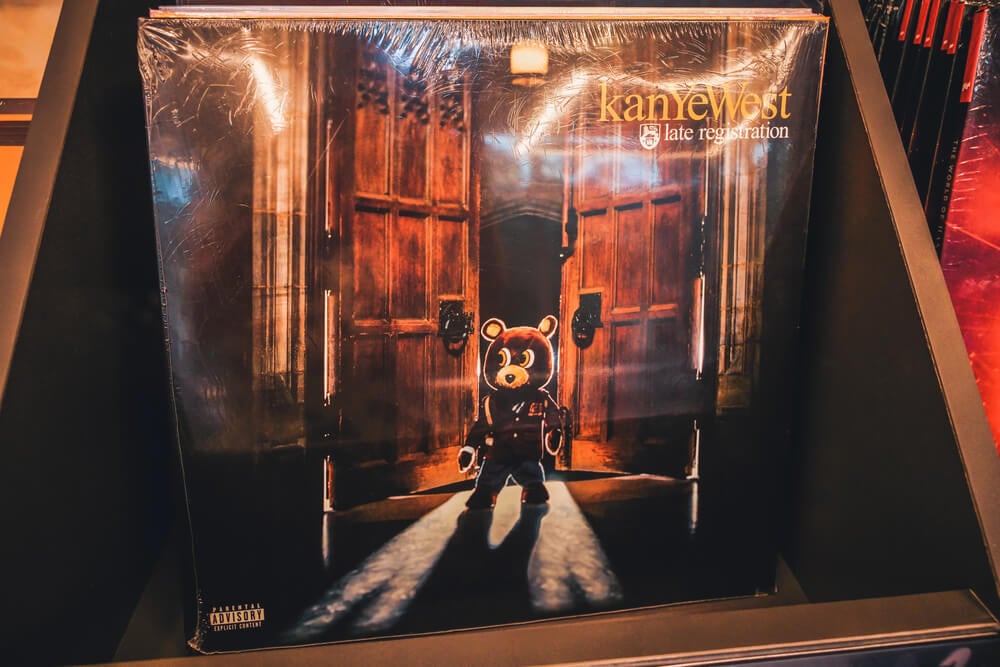
For the 2010 album My Beautiful Dark Twisted Fantasy, Kanye West commissioned painter George Condo for a cover showing the rapper in an intimate pose with a winged female figure. Walmart and Best Buy would not stock it, and West announced on Twitter that the artwork had been banned in the USA.
The album shipped with one of the several alternate covers Condo painted for the release. The retailer ban turned a painting few had seen into a headline within hours.
Reign in Blood Loses Its Distributor
Slayer’s third album, released on Def Jam in 1986, depicted a horned figure presiding over a hall of tortured souls, a design by Larry Carroll. Columbia Records, which distributed Def Jam, refused to handle the record over its cover and subject matter.
Geffen Records picked up the distribution instead. Slayer’s reputation for extremity was set before the first copy was sold.
Sticky Fingers Gets a Can of Treacle in Spain
The Rolling Stones’ 1971 album Sticky Fingers, with an Andy Warhol-designed photograph of a man’s jeans and a working zipper, was considered unacceptable under Franco’s Spain. The Spanish edition replaced it with an image of fingers emerging from a tin of treacle.
The substitute is now a collector’s item, often priced much higher than the standard copy. It stands as a rare case of a censored cover becoming more valuable than the original.
The Black Crowes Find Amorica Unwelcome on Store Shelves
The Black Crowes’ 1994 album Amorica, released by American Recordings, used a close-up photograph of a marine life styled in an American flag pattern, shot by Mark Seliger. Several retail chains refused to stock it as designed.
The image overshadowed what the band considered one of its most adventurous records. It remains one of the more peculiar sleeves of the 1990s.
Diamond Dogs Gets an Airbrush Treatment
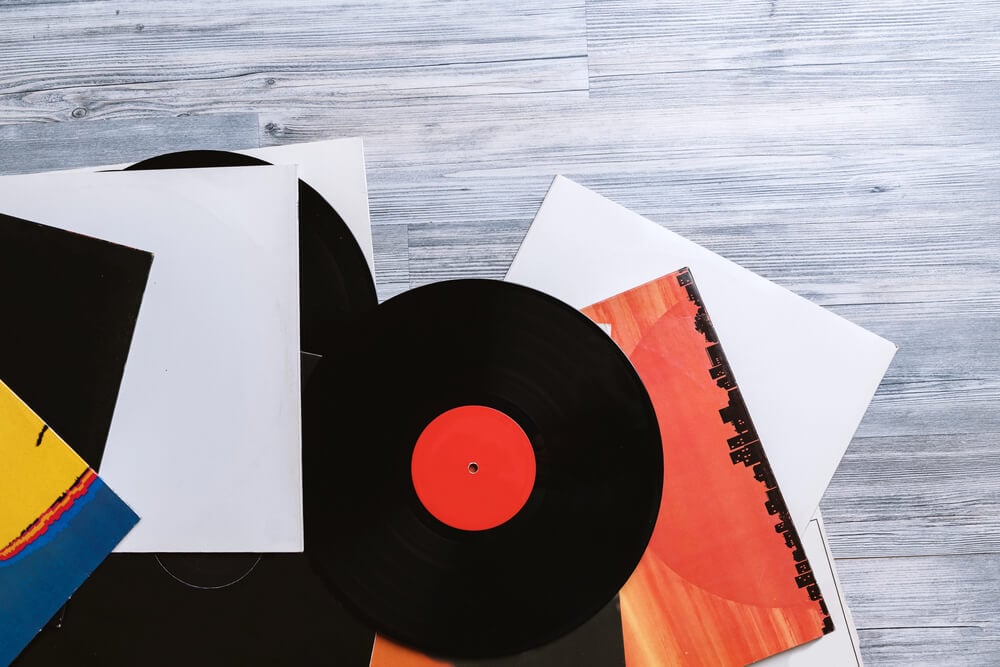
David Bowie’s 1974 album Diamond Dogs featured a Guy Peellaert painting of Bowie as a half-man, half-dog creature. RCA airbrushed out an anatomical detail on the copies that reached stores. The few copies that escaped the retouching became prized by collectors.
As with all rare variants, prices depend heavily on the sleeve’s condition.
In Utero Gets a Waif Instead
— Photo by esthermm
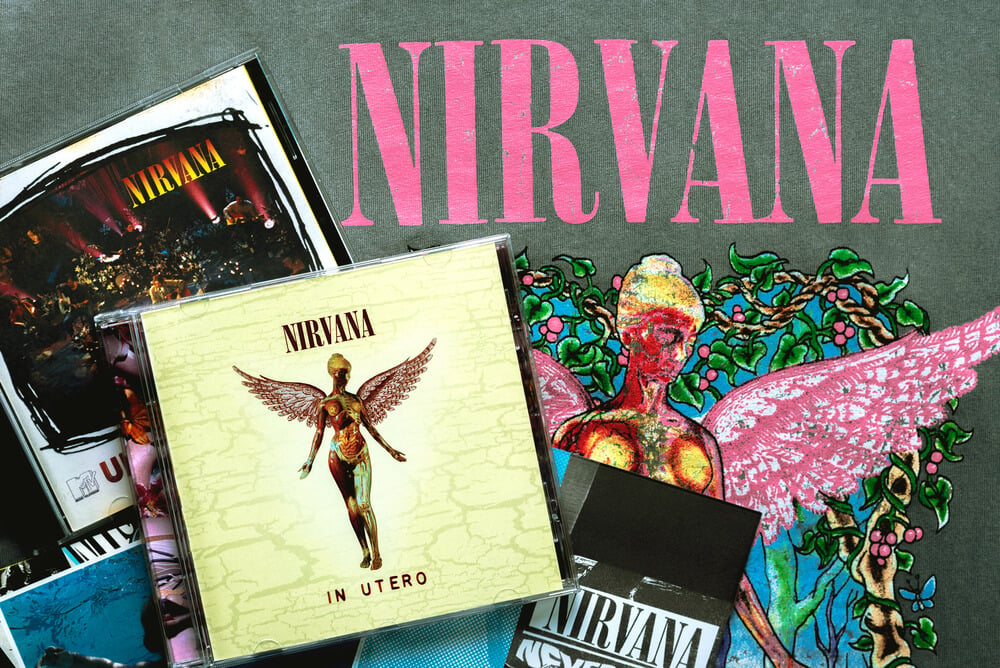
Nirvana’s 1993 album In Utero had a back cover collage of anatomical models and flowers that Walmart and Kmart found unacceptable. The chains declined to carry the record unless it was altered, and Geffen’s DGC label produced a revised edition.
One song title on the back was changed to Waif Me for those stores. The revision is a reminder of how much power big-box retailers had over mainstream music in the early 1990s.
Butchered at Birth Gets Banned in Germany
Cannibal Corpse’s 1991 album Butchered at Birth, released by Metal Blade, carried a graphic painting by Vincent Locke depicting a gruesome scene of cadavers. Germany banned the album outright.
Locke went on to illustrate several more of the band’s sleeves, and the group’s artwork became inseparable from its brand. The ban only added to the band’s notoriety.
Slippery When Wet Swaps a Soaked Shirt for a Trash Bag
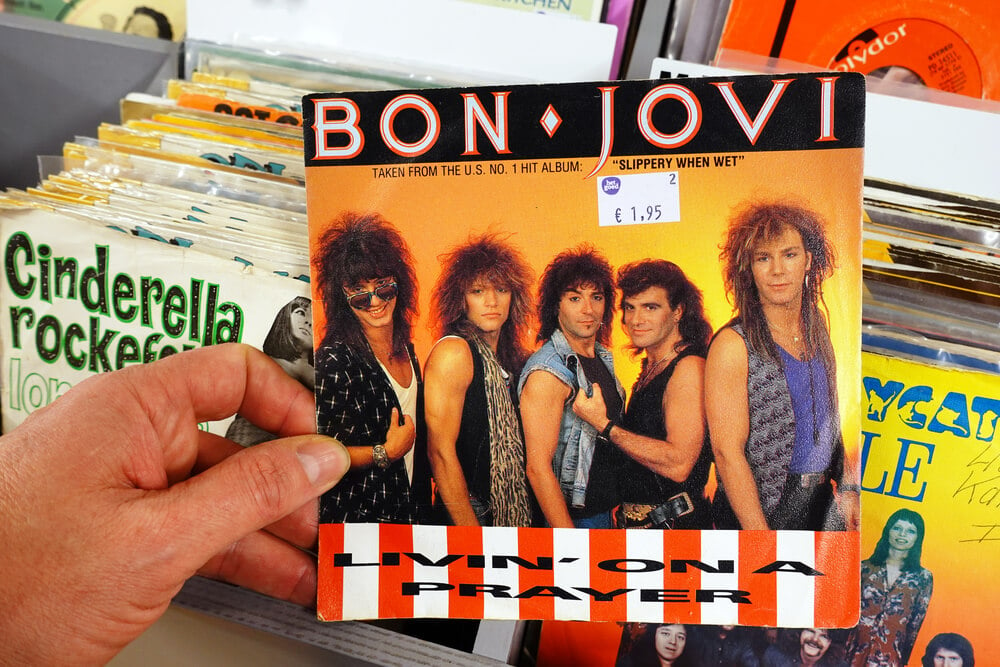
Bon Jovi’s 1986 album Slippery When Wet was originally to have a cover showing a woman in a soaked white shirt. The idea was dropped as too intriguing, and the band instead used a black plastic bag with the title written in water drops.
The album became a runaway hit for Mercury Records. The bag is now more recognizable than the shirt would have been.
Frankenchrist Ends Up in Court
The Dead Kennedys’ 1985 album Frankenchrist, released on Alternative Tentacles, came with a poster of H.R. Giger’s painting Landscape XX. In 1986 the Los Angeles city attorney charged singer Jello Biafra and others with distributing harmful matter to minors.
The case ended in a hung jury in 1987, and the charges were dropped. The label added a warning sticker to the album, and the legal costs weighed on Alternative Tentacles for years.
The Strokes Swap a Gloved Hand for Particle Tracks
The Strokes’ 2001 debut Is This It originally carried a Colin Lane photograph of a gloved hand resting on a woman’s bottom. In the US, RCA substituted an image of particle tracks in a bubble chamber.
The British edition kept the original. Both covers became associated with the album, which helped define early 2000s indie rock.
Houses of the Holy Faces a Facebook Ban
Led Zeppelin’s 1973 album Houses of the Holy used a Hipgnosis photograph of unclothed children climbing the rocks at Northern Ireland’s Giant’s Causeway. The front of the sleeve carried no band name or title.
In 2019 Facebook removed the artwork under its nudity policy before reversing course. The decision was widely mocked, since the sleeve had been a mainstream classic for decades.
Street Survivors Puts Out the Fire
Lynyrd Skynyrd’s 1977 album Street Survivors featured a cover of the band standing in flames. Three days after its release, a plane crash killed singer Ronnie Van Zant and two others.
MCA recalled the original sleeve and replaced it with a plain black background. The flame cover returned only on a later reissue.
Moby Grape Loses a Finger
Moby Grape’s 1967 self-titled debut for Columbia pictured the band posed around a washboard, with drummer Don Stevenson extending a rude finger. The label airbrushed the gesture out of later pressings.
Columbia also released five singles from the album on the same day, a marketing stunt that backfired. Early copies with the original photograph are the more valuable ones, though sleeve condition drives the price.
Boy Gets a Second Face
U2’s 1980 debut Boy was released with a cover photograph of Peter Rowen, a young boy who was the brother of a friend of the band. Island Records’ North American edition used an alternate cover image.
The original photo is now the one associated with the album worldwide. Rowen reappeared on later U2 releases.
Brain Salad Surgery Gets Repainted
Emerson, Lake and Palmer’s 1973 album Brain Salad Surgery has a cover by H.R. Giger, the Swiss artist later famous for the creature design in Alien. A suggestive detail in the painting was altered at the request of the band’s Manticore label before release.
The final version, a woman’s face with a skull, became one of the era’s most recognizable designs. It also introduced Giger to a wide rock audience.
Love It to Death Loses a Thumb
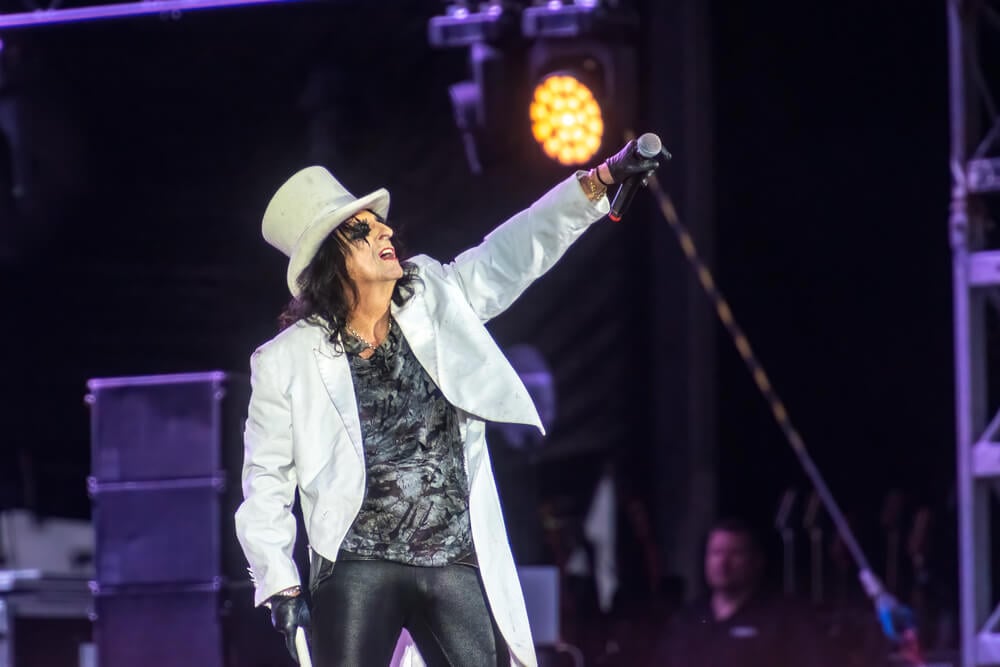
Alice Cooper’s 1971 album Love It to Death, released by Warner Bros., originally had a cover in which the singer’s thumb protruded from his pants in an embarrassing way. The label airbrushed the detail out of later pressings.
The change was minor, but the original is the more sought-after version. The record was the first to carry the sound that made Cooper a household name.
When the Sleeve Becomes the Story
— Photo by bertys30
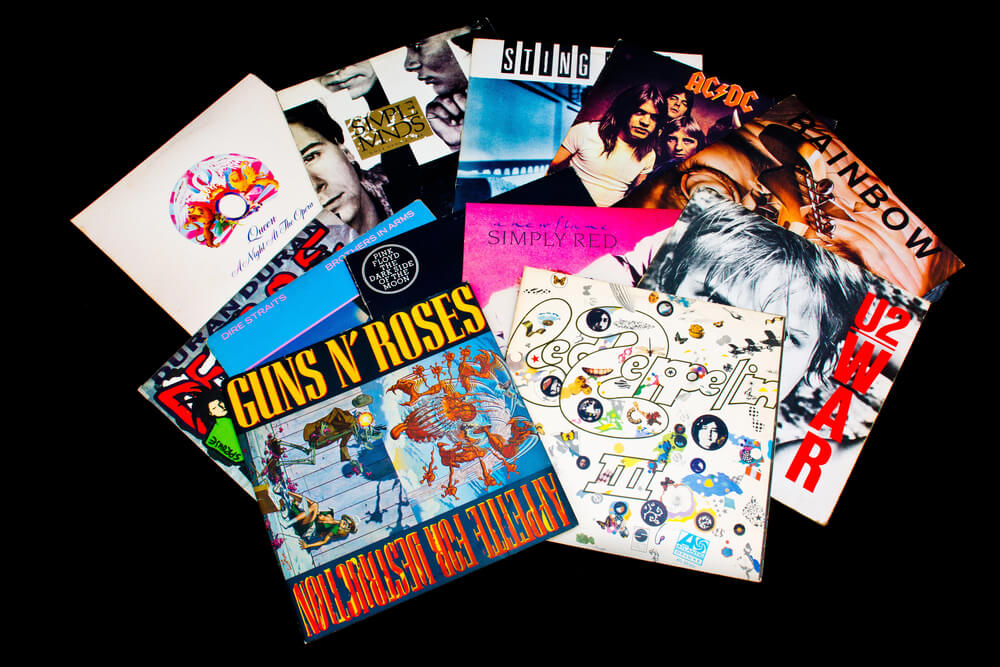
Across these covers, the pattern is remarkably consistent. A designer or photographer pushes a boundary, a retailer or distributor objects, and the label reaches for the quickest fix: a paper bag, a pasted label, an airbrush, or a plain white sleeve.
The fix almost never kills the controversy, and it often turns the original into the version collectors want. The decisions also reveal who held power in the music business.
Chains such as Walmart could shape what the public saw, while labels often weighed fear of lost sales more heavily than the artists’ intent. Decades later, the original images usually survive in reissues and museum shows, while the replacements are remembered mainly as evidence of the argument.
More from Go2Tutors!

- 27 Silver Dollars and Half Dollars Worth Keeping
- 28 Restaurant Menu Items Nobody Orders Anymore
- 17 Places Built in Seemingly Impossible Spots
- 27 Vintage Rings Worth More Than They Look
- 25 Restricted Sites Tourists Can’t Enter
Like Go2Tutors’s content? Follow us on MSN.