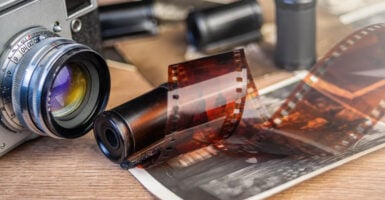
27 Vintage Camera Lenses With Lasting Resale Demand
Digital sensors did not kill the market for old glass; they rescued it. Adapters turned lenses from film-era SLRs and rangefinders into tools for mirrorless bodies, and buyers keep paying for rendering that modern lenses are engineered to avoid.
Condition decides the price more than the name on the barrel. Haze, fungus, cleaning marks on the coatings, stiff focusing helicals, and missing caps can cut a price sharply, and the lenses below hold their appeal because of optical character, rarity, or both.
Pentax Super-Takumar 50mm f/1.4 (Seven-Element)
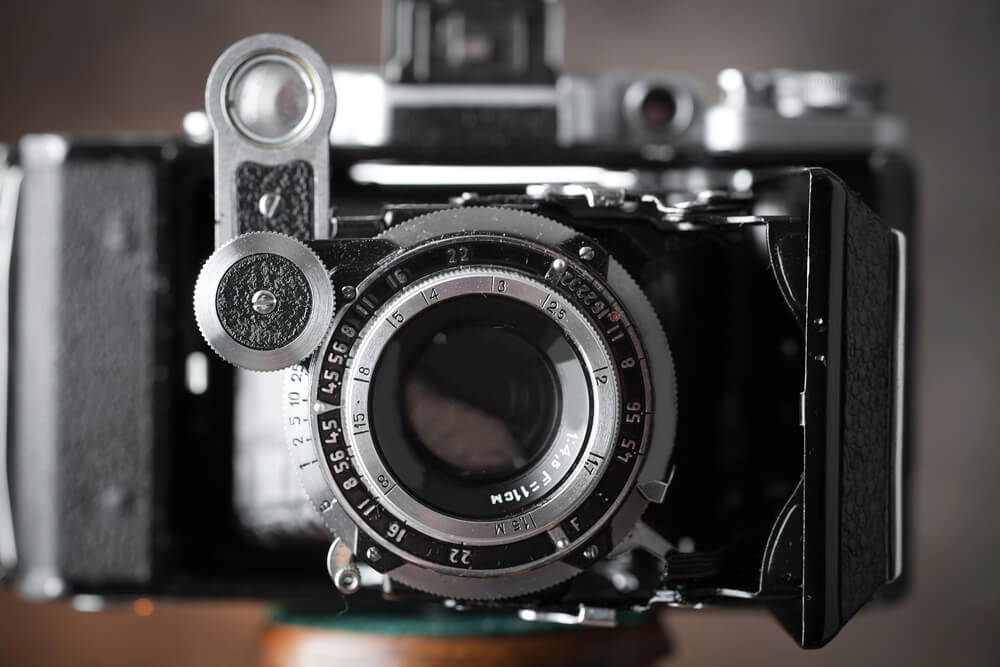
Asahi’s M42-mount 50mm f/1.4 Super-Takumar appeared in the 1960s, and the seven-element version is famous for glass containing thorium, which makes it mildly radioactive. That same glass can yellow with age, so buyers often treat copies with ultraviolet light, and a clear, untinted example sells for noticeably more than a warm-toned one.
The earlier eight-element version is not radioactive, yet many collectors still pay more for the seven-element lens.
Carl Zeiss Jena Biotar 58mm f/2
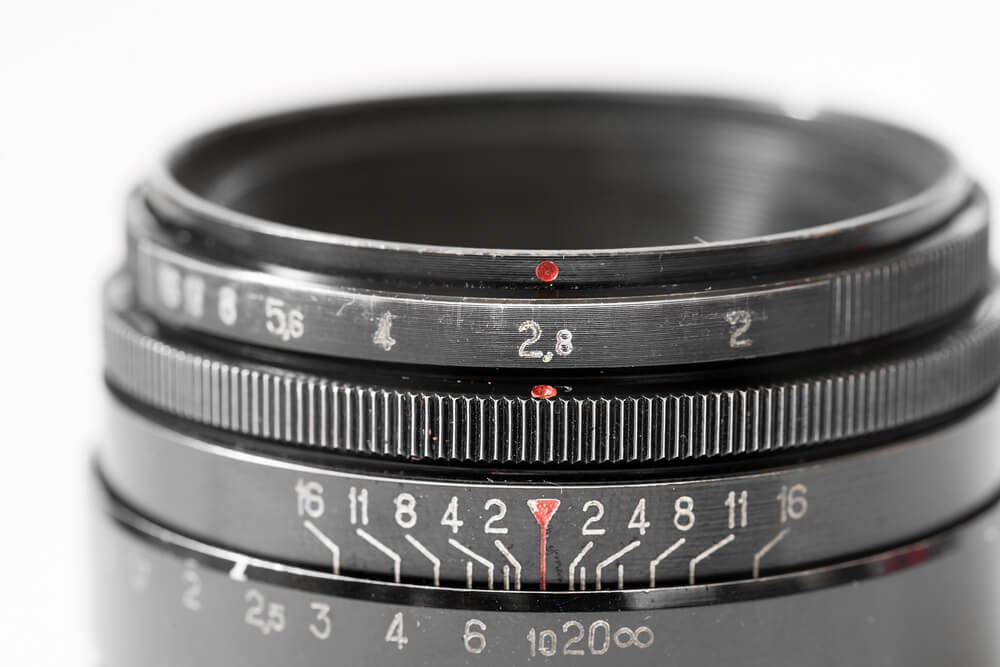
The Biotar descends from a 1927 design by Willy Merté and became the East German lens people buy for its swirling, spinning background blur. Early black-and-silver “zebra” copies in good cosmetic shape draw the most interest.
Because internal haze and balsam separation are common in old copies, a clean specimen is the real prize.
Helios 44-2 58mm f/2
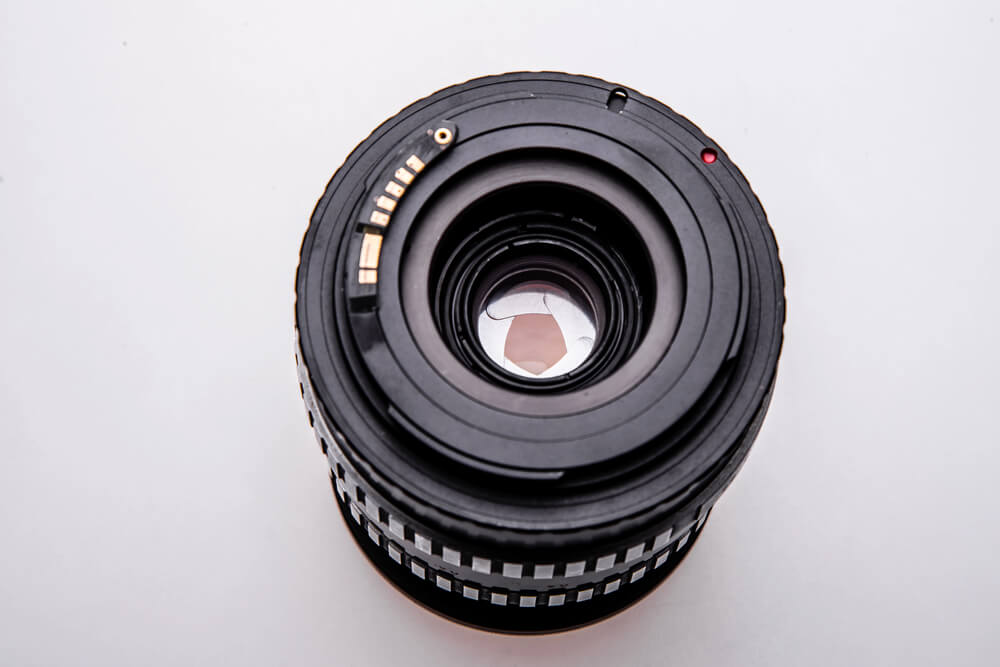
This Soviet descendant of the Biotar was produced in huge numbers by several factories over decades, which keeps ordinary copies cheap. Its reputation rests on the same twisting blur as its German ancestor, and that reputation keeps demand steady.
Early, well-matched copies with clean glass and smooth focusing bring more than the typical worn lens found in bulk listings.
Leica Summicron 50mm f/2
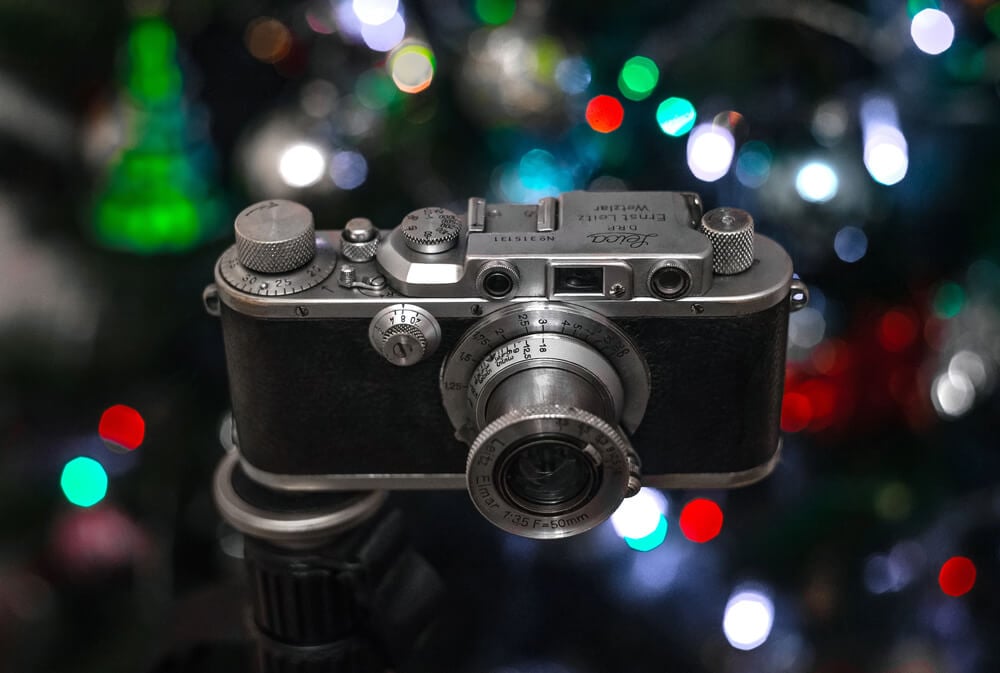
Leitz introduced the first Summicron in 1953 as a collapsible lens for the M-series rangefinders. The name became shorthand for an f/2 lens built to a very high standard, and early copies are valued for the way they render in black and white.
Cleaning marks on the front element are the usual flaw, and they affect price more than most buyers expect.
Leica Summilux 35mm f/1.4
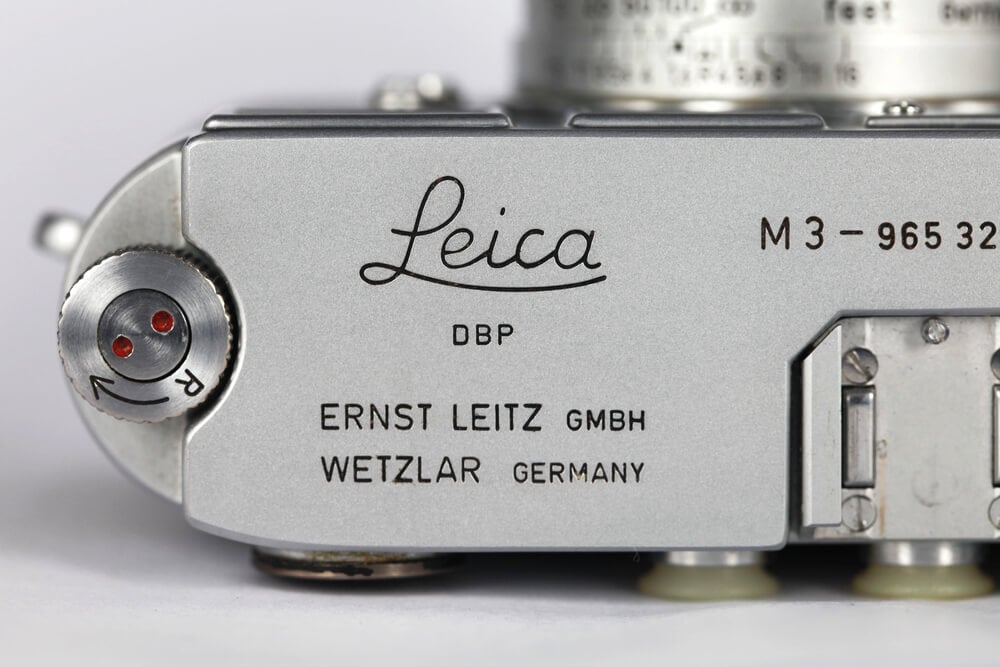
The first 35mm Summilux arrived in 1961, and collectors nicknamed that early version the “steel rim” for its distinctive mount ring. It gave rangefinder shooters a fast wide-angle with a soft glow when used wide open.
Clean, unscratched glass is uncommon, so copies without haze or coating wear sell at a premium.
Canon 50mm f/0.95
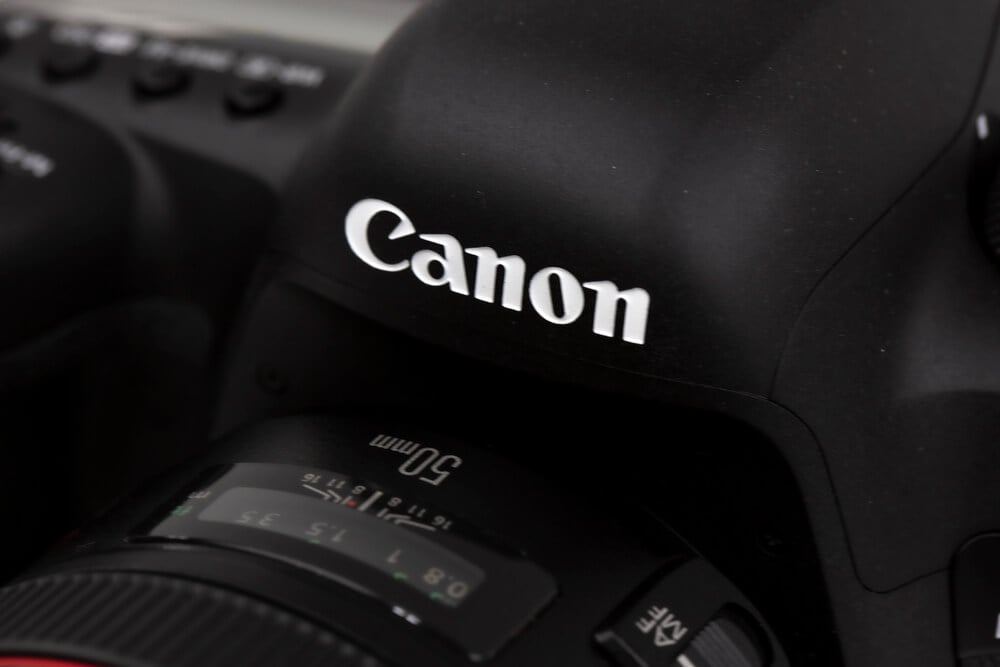
Canon released this lens in 1961 alongside the Canon 7 rangefinder, and its f/0.95 aperture gave it the nickname “Dream Lens.” Wide open it is soft and dreamy, which is exactly why portrait shooters hunt for it.
It is heavy, scarce, and sensitive to condition, since internal haze and a cleaned-away coating can erase much of its value.
Nikkor 105mm f/2.5
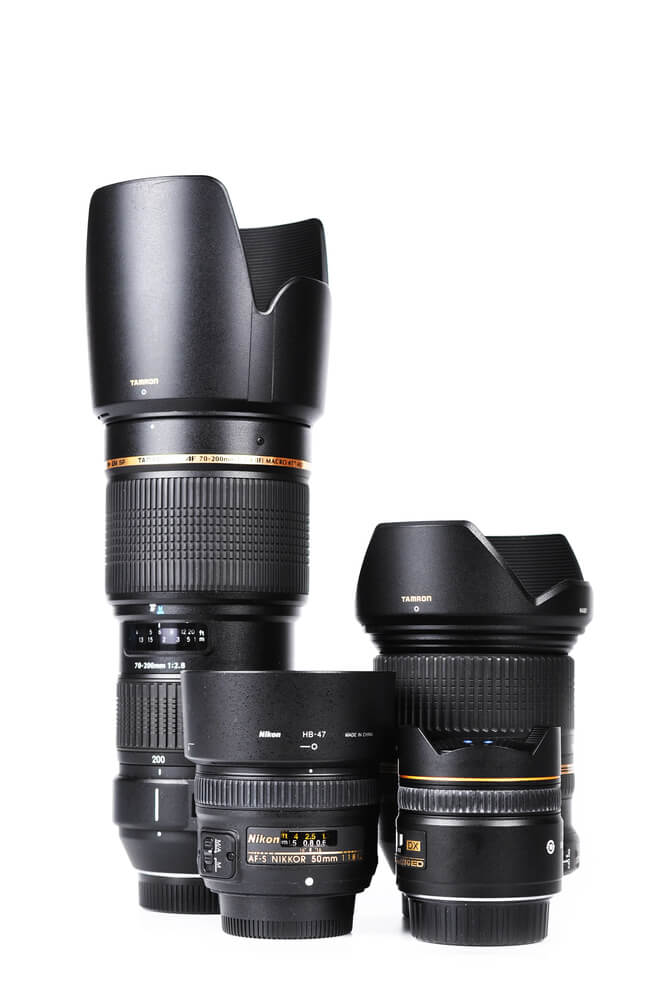
Nikon’s 105mm f/2.5 was designed in the 1950s and stayed in production in updated forms for decades, a rare lifespan for any lens. Portrait photographers still praise its sharpness and gentle rendering.
Because several versions exist, price depends on which generation is on offer and whether the aperture blades are clean and the focusing is smooth.
Canon FL 58mm f/1.2
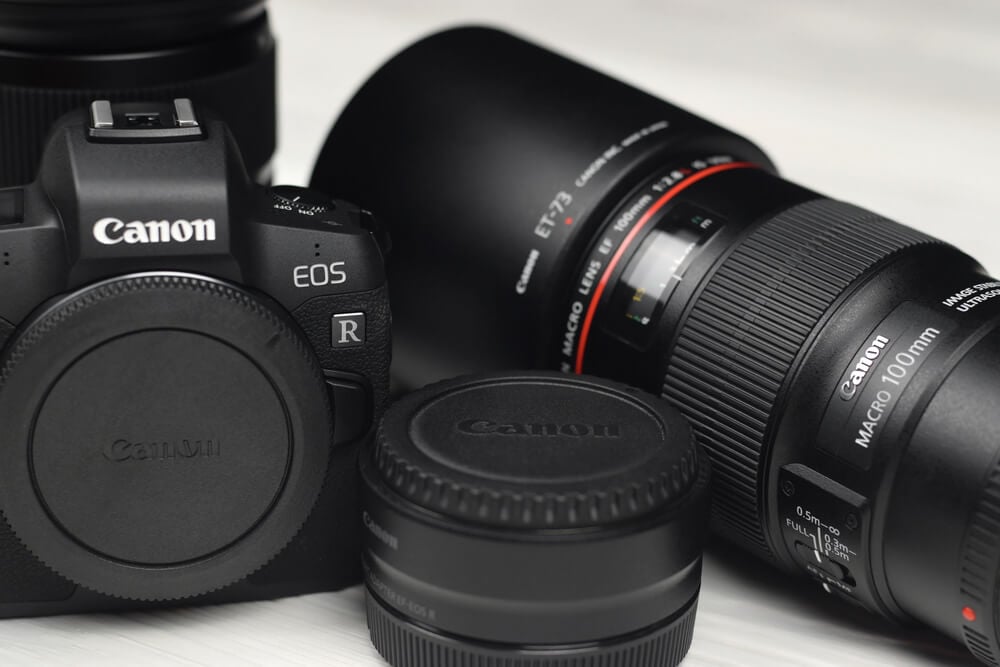
Canon used thorium glass to wrangle the optical problems of an f/1.2 aperture, so this lens is radioactive and also a cult favorite among portrait photographers. Its dreamy rendering wide open is the main draw.
Yellowing from the thorium glass is common, and collectors pay more for copies that have been treated and cleaned.
Konica Hexanon AR 57mm f/1.2
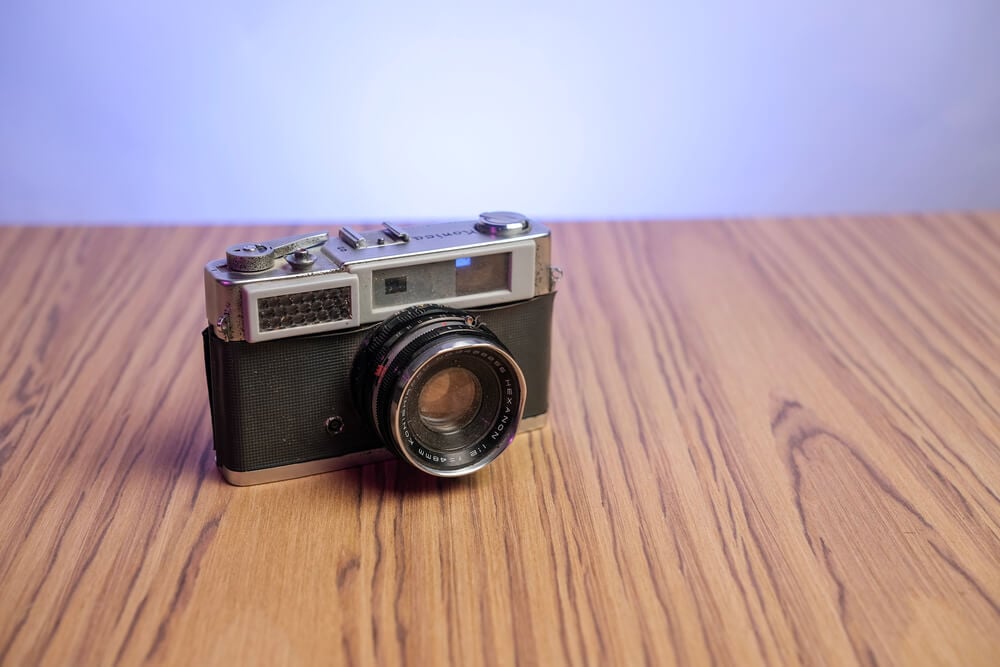
Collectors often cite this Konica as one of the most popular consumer lenses ever made because of the radioactive glass inside it. It is also a fast, characterful lens for the Konica AR mount, which keeps it in demand despite the warnings.
Copies that are tinted or hazy sell for much less than clear ones.
Carl Zeiss Jena Flektogon 35mm f/2.8
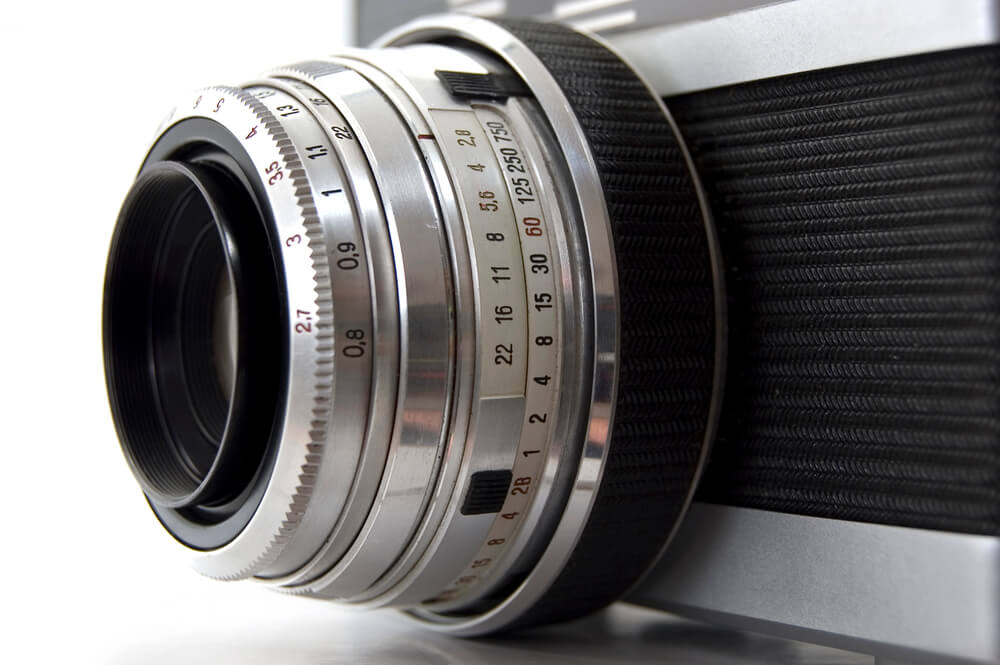
The Flektogon was an early wide-angle designed so that SLR mirrors could clear the rear element, and its East German builds remain popular on adapted mirrorless cameras. The sharp rendering and compact size keep demand alive.
Early zebra-pattern versions in clean condition command more than later black barrels.
Contax Zeiss Planar T* 50mm f/1.4
Made for the Contax/Yashica mount that arrived in the 1970s, this lens wears Zeiss’s T* anti-reflection coating and a long reputation. Collectors distinguish between copies built in West Germany and those built in Japan, with the German-made lenses usually priced higher.
Check the aperture blades for oil, which is a common fault.
Carl Zeiss Jena Pancolar 50mm f/1.8
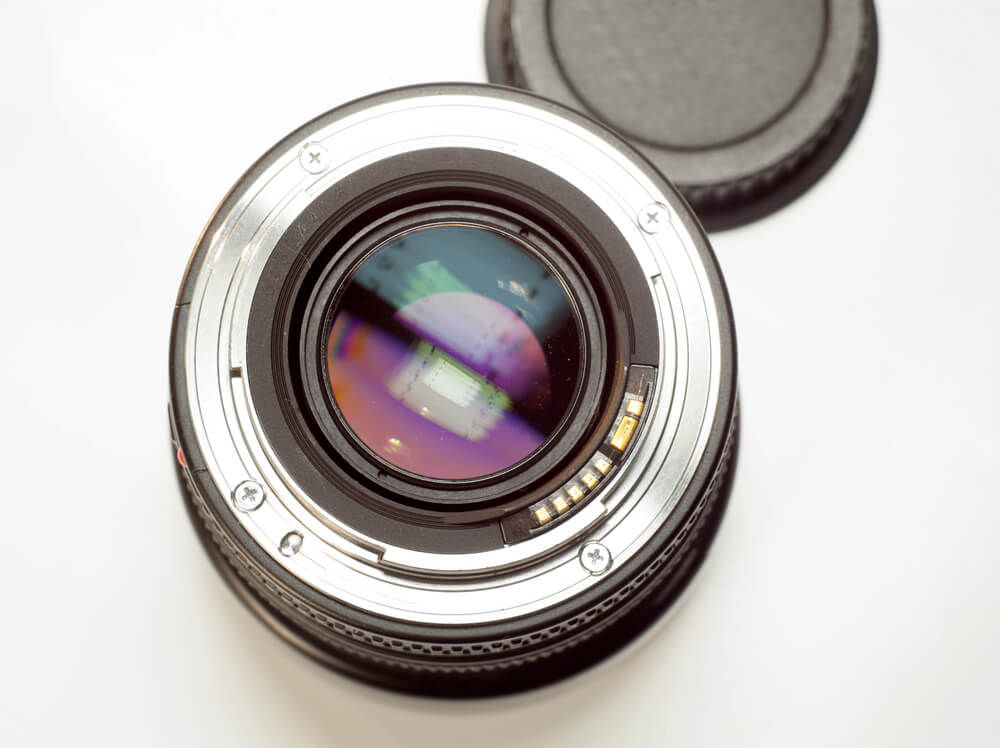
The Pancolar was a standard lens on East German Exakta and M42 cameras, and it is valued today for crisp images and an affordable price. Early zebra-pattern copies carry a small premium over later multi-coated barrels.
Fungus is the usual enemy, and a clear lens is easy to sell.
Meyer-Optik Görlitz Trioplan 100mm f/2.8
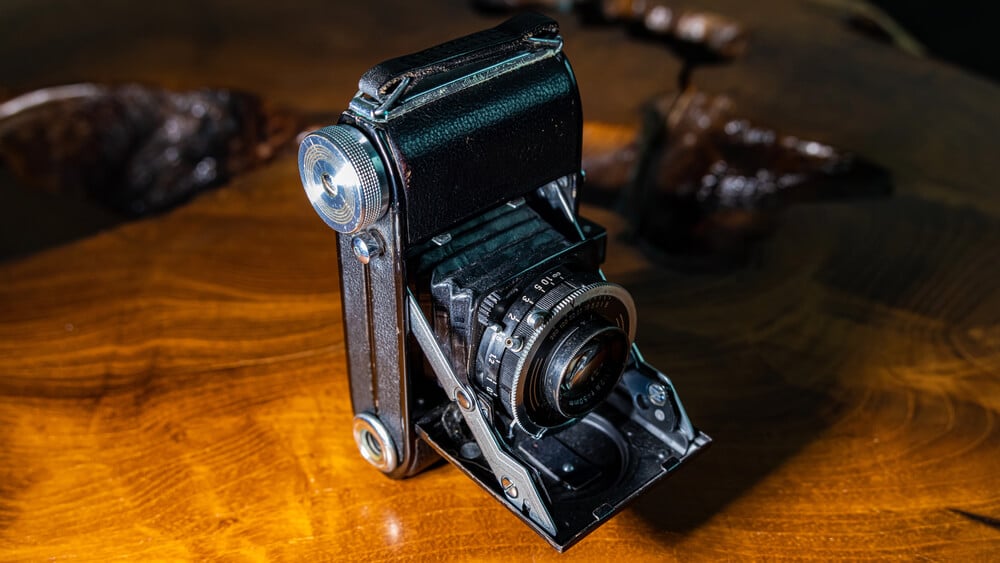
The Trioplan is the lens people buy for its soap-bubble blur, which turns bright highlights in the background into rings. Its simple triplet design is the reason, since the optical flaws that engineers normally remove are the very thing that creates the effect.
Originals are scarce, and copies free of haze and with smooth aperture rings are the ones that hold value.
Carl Zeiss Jena Sonnar 135mm f/3.5
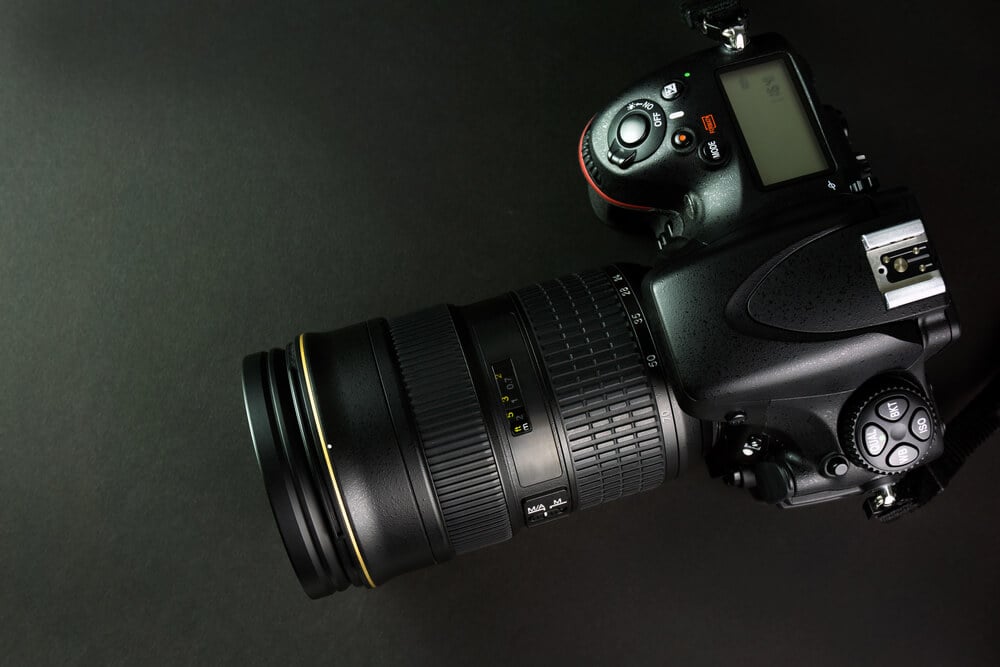
This telephoto was made for M42 and Exakta cameras and offers a smooth, tidy rendering that portrait shooters appreciate. It is less famous than the Biotar yet stays in steady demand because of its handling and compact size.
Dirty aperture blades and stiff focus are the typical issues that lower a price.
Jupiter-9 85mm f/2
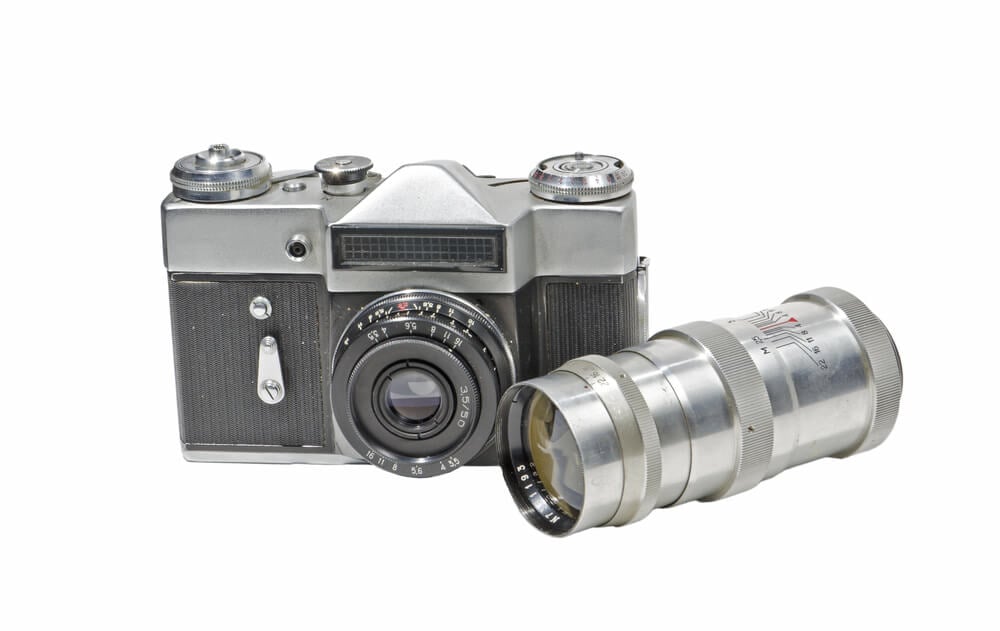
The Jupiter-9 is a Soviet adaptation of the Zeiss Sonnar design, produced for the Contax rangefinder mount used on Kiev cameras and for M42. It remains a favorite cheap portrait lens, and its rendering is smooth when shot wide open.
Early aluminum-barrel copies with clean glass attract more attention than later versions.
Mir-1 37mm f/2.8
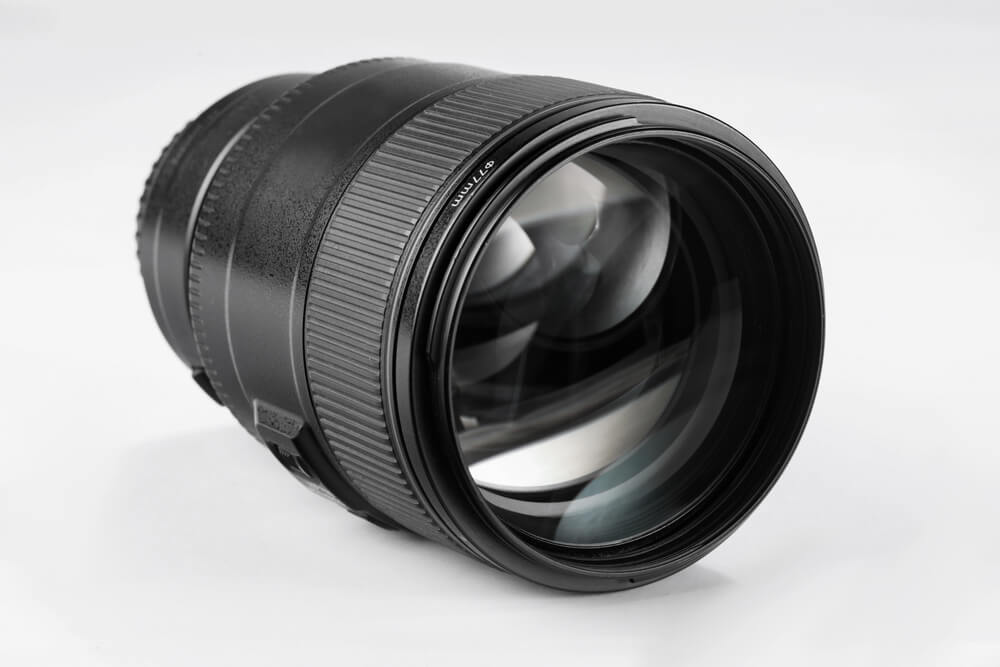
The Mir-1 is a Soviet wide-angle that turned up on adapted mirrorless cameras and earned a following for its sharp center and compact size. It is plentiful, but clean copies with working aperture rings are less common than they appear.
Condition, particularly the presence of cleaning marks, shapes its price.
Noct-Nikkor 58mm f/1.2
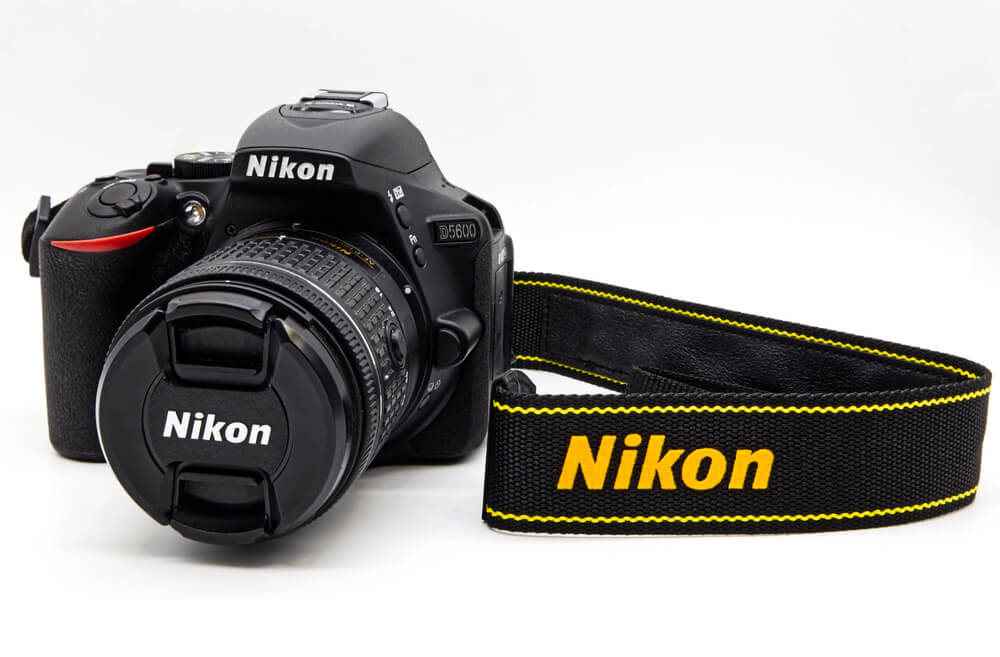
Introduced in 1977, the Noct-Nikkor was designed to control coma so that point lights, such as streetlamps, stay crisp at night. It carries a specially ground aspherical front element, which was costly to make and is a main reason the lens remains expensive.
Condition of the front element and a clean aperture are key factors for resale.
Olympus OM Zuiko 50mm f/1.2
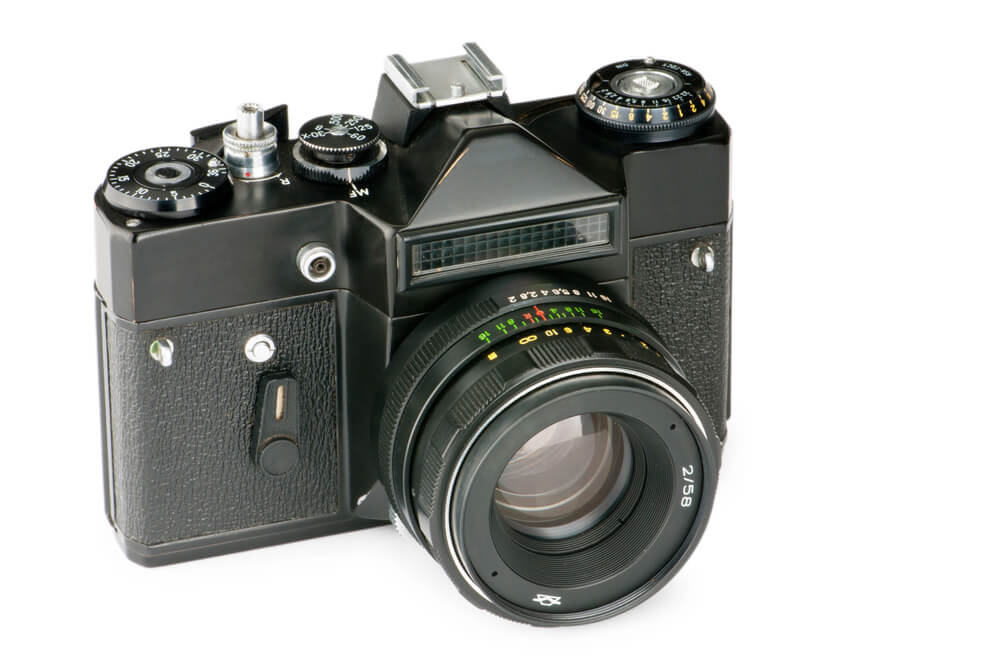
Olympus built this lens for its compact OM system, and it offers an extremely fast aperture in a relatively small body. It is a favorite of collectors who like the OM line and of photographers who want a bright, characterful 50mm.
Fungus and cleaning marks are the usual problems, and a clean example is worth hunting for.
Minolta MC Rokkor-PF 58mm f/1.2
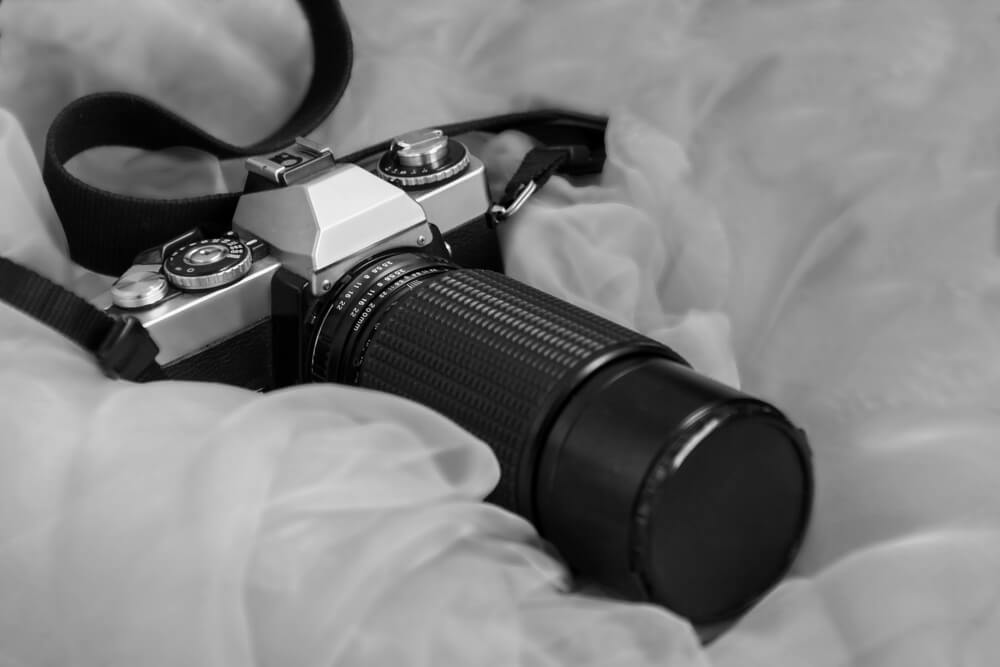
This Rokkor was among the fastest lenses made for Minolta’s SLRs in the 1960s, and its warm rendering has earned it a loyal following. Collectors prize copies in clean, unscratched condition because haze affects image quality in a fast lens.
The aperture mechanism should be checked for sticky blades before buying.
Cooke Speed Panchro
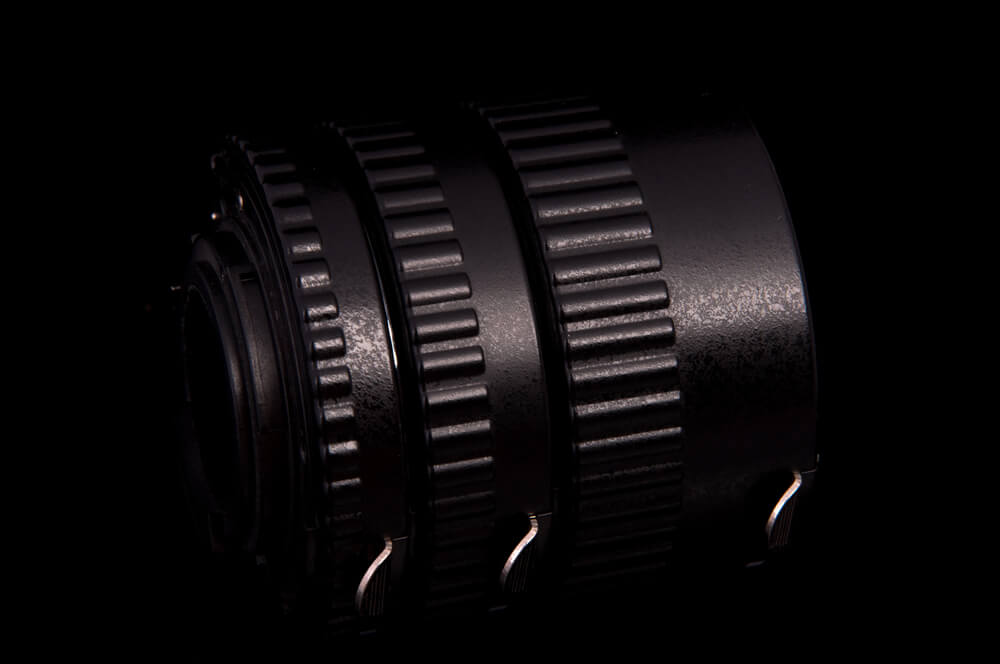
Designed in the 1920s by Horace William Lee for Taylor, Taylor & Hobson, the Speed Panchro became a staple on Hollywood sets for decades. Its gentle contrast and rounded focus fall-off are why cinematographers still request it.
Original lenses are often rehoused for modern digital cameras, and the condition of the glass determines how much work the rehousing takes.
Vivitar Series 1 70-210mm f/3.5
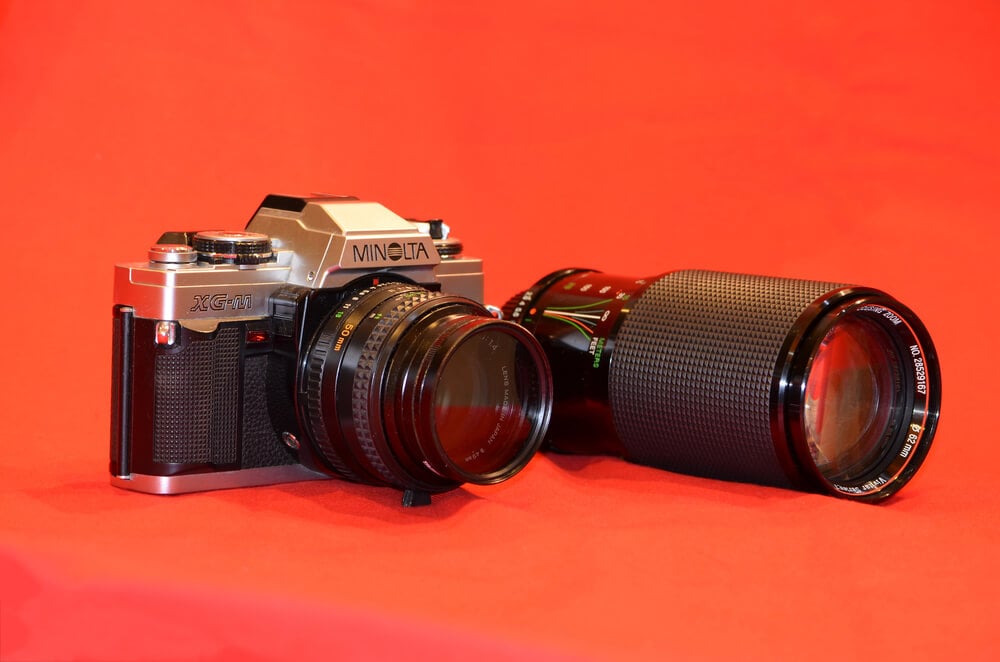
Built by Komine for Vivitar, this push-pull zoom earned a reputation as one of the best zoom lenses of its day. Its constant aperture and sturdy build keep it in demand among collectors.
Look for smooth zooming and clear glass, because internal haze is common in lenses of that age.
Rodenstock Imagon
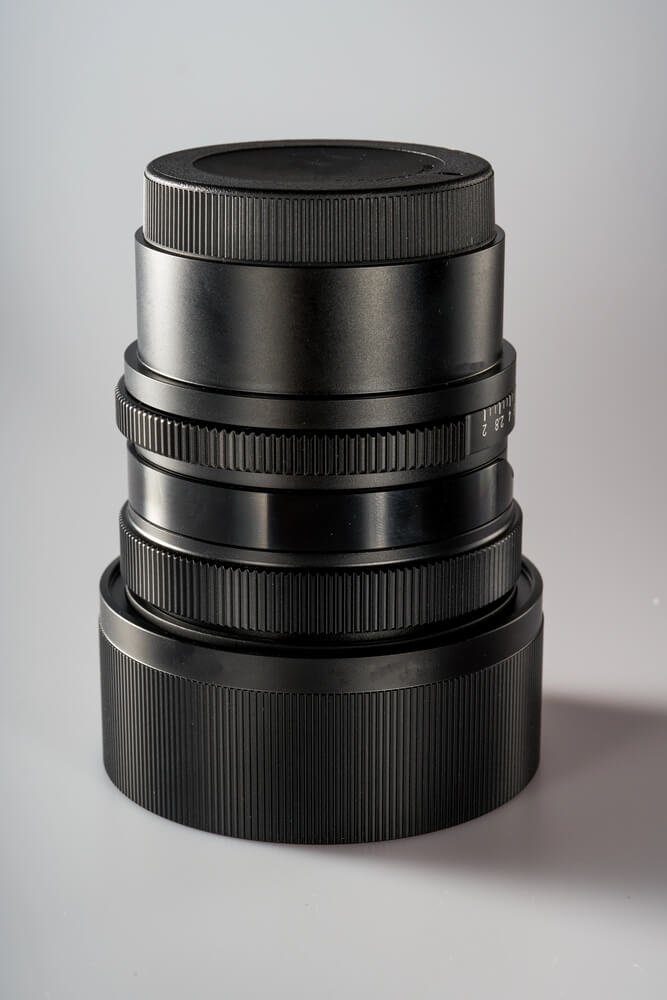
The Imagon is a soft-focus lens that produces a glowing image, and it uses interchangeable perforated aperture discs to control the effect. It was made for large-format cameras, and its look is hard to imitate with software.
Complete sets with all the original discs are far more valuable than a lens sold without them.
Wollensak Verito
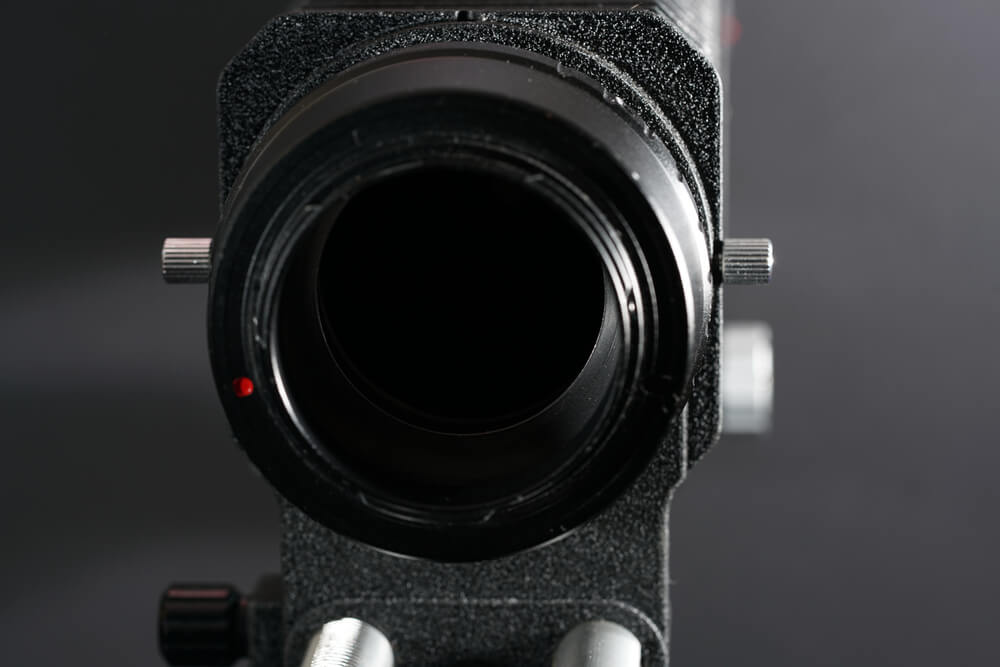
Made in Rochester, New York, the Verito was a diffused-focus portrait lens popular in the early 1900s. Its images carry a gentle softness that pictorial photographers admired.
Collectors look for clean brass or black barrels, intact glass, and complete mounting hardware.
Voigtländer Petzval
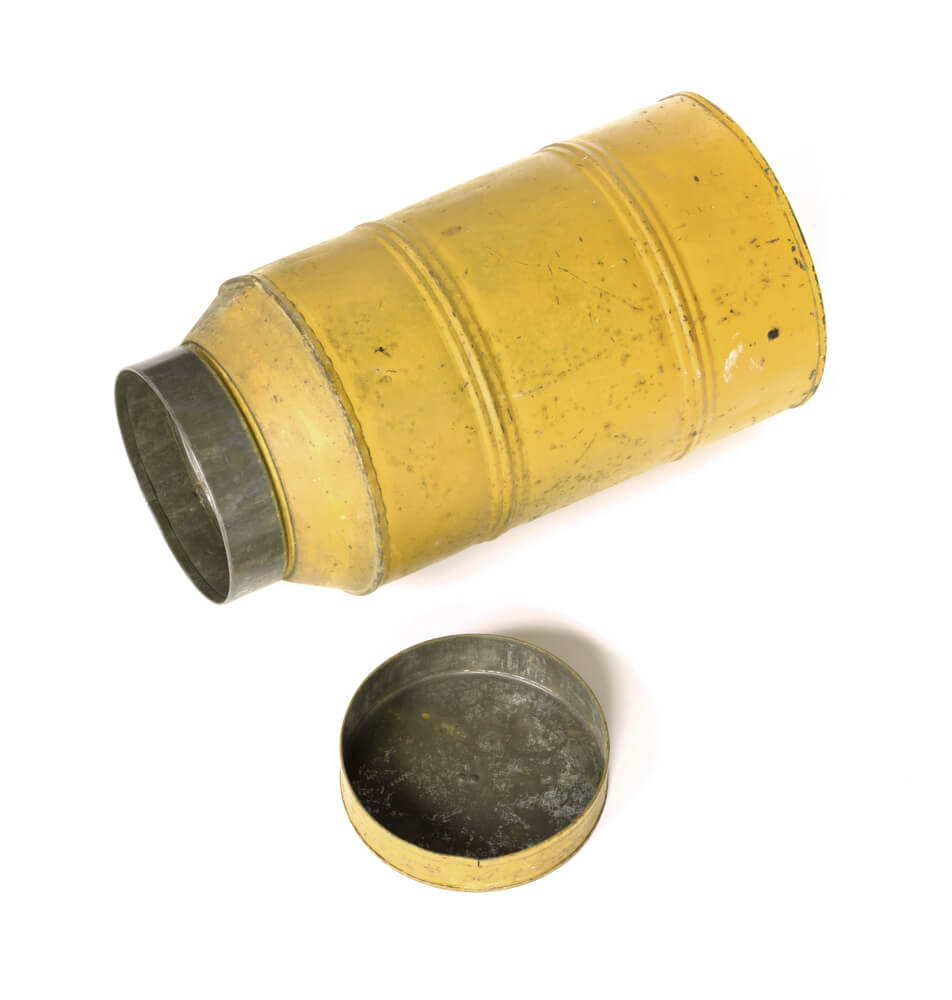
The Petzval portrait lens was designed in 1840 by Joseph Petzval in Vienna and built by Voigtländer, and it was one of the first lenses calculated mathematically. Brass barrels, swirling backgrounds, and a sharp center make it a favorite among large-format and adapted-lens users.
Original brass examples with undamaged glass are rare and valued.
Kodak Aero-Ektar 178mm f/2.5
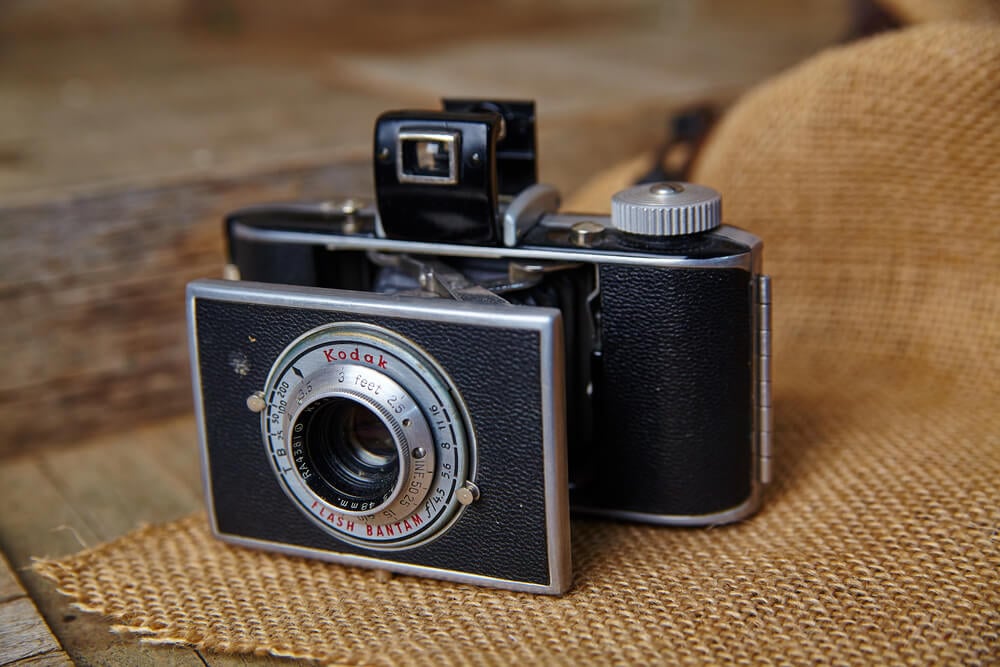
The Aero-Ektar was made for military aerial cameras during the Second World War, and surplus copies later found their way onto large-format cameras. Its wide aperture is the draw, but its size and weight make it unusual.
Coating wear and cleaning marks are the main factors that affect a sale.
Leitz Elmar 50mm f/3.5
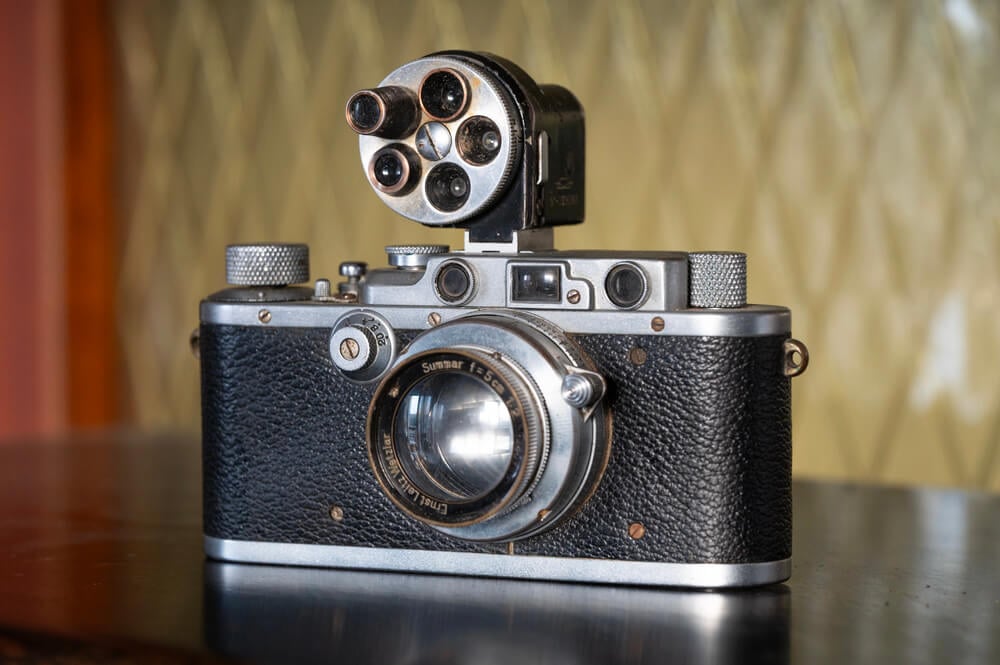
Max Berek designed the Elmar for the original Leica camera of 1925, and it was the first lens many Leica owners ever used. Collectors value early copies with clear glass and original finishes, particularly those with bright nickel barrels.
Haze and cleaning scratches are common, so a clean one stands out.
Leica Noctilux 50mm f/1.2
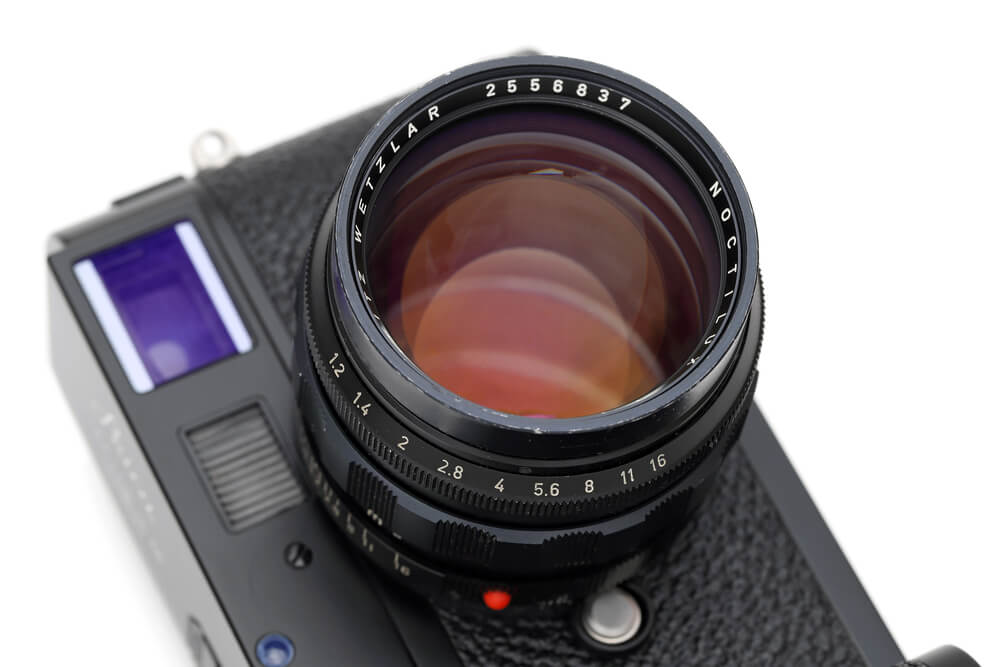
Introduced in 1966, the first Noctilux gave Leica rangefinder shooters a lens that could work in near darkness and included aspherical surfaces in its design. It remains a collector favorite for its glow and for the status of the name.
Because the lens is relatively rare, condition of the glass and the original finish largely set its price.
Glass That Outlives the Camera
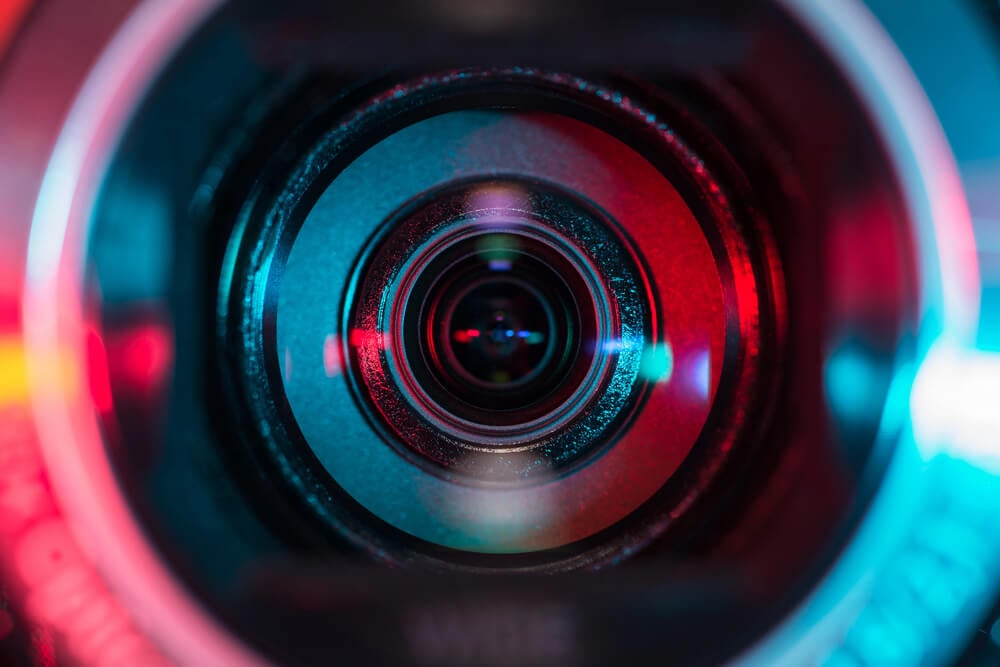
Most of the lenses above outlasted the cameras they were built for by half a century or more. Their appeal is partly sentimental, but it is also practical, since a well-made lens can be adapted to a new body and still produce a look that current designs do not attempt.
That longevity is why the used market behaves differently from most electronics. A clean, working lens keeps its value because the rendering it offers cannot be downloaded or updated, and the supply of undamaged copies only shrinks over time.
More from Go2Tutors!

- 27 Silver Dollars and Half Dollars Worth Keeping
- 28 Restaurant Menu Items Nobody Orders Anymore
- 17 Places Built in Seemingly Impossible Spots
- 27 Vintage Rings Worth More Than They Look
- 25 Restricted Sites Tourists Can’t Enter
Like Go2Tutors’s content? Follow us on MSN.