15 Medieval Objects Farmers Found in Their Fields
Farmland keeps secrets better than most vaults. For more than a thousand years the soil has been turning over on top of things nobody planned to recover, and most of them stayed put.
Every so often a plow, a spade, or a peat cutter reaches one. The finds below surfaced because someone was simply putting in a day’s work on the land, and not one of them was looking for treasure.
The Ardagh Chalice and a Potato Patch
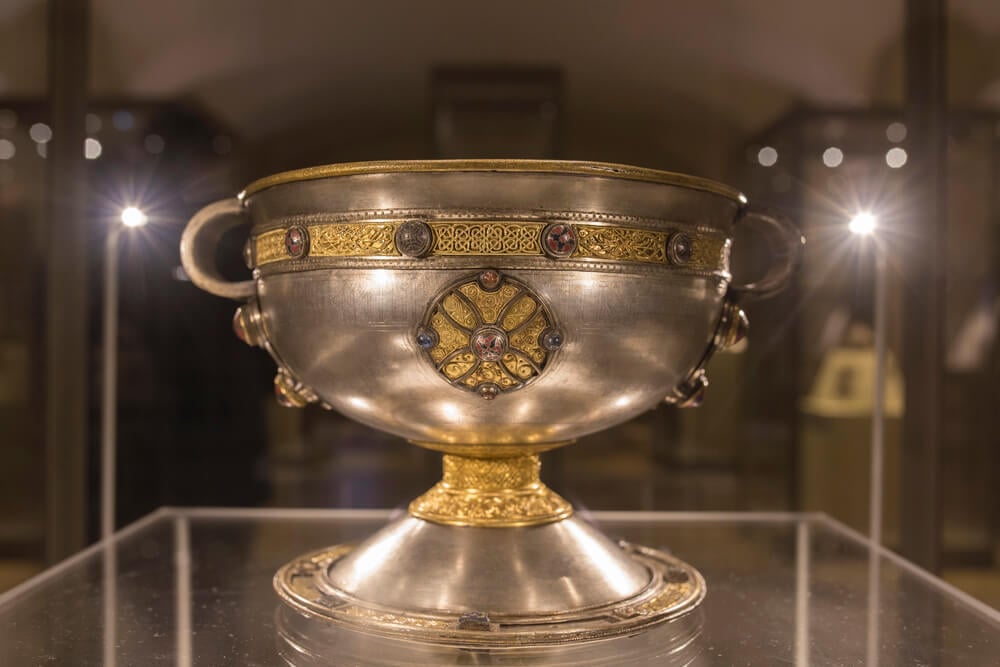
In 1868, two boys digging potatoes in a ringfort near Ardagh, County Limerick, struck an eighth-century silver chalice decorated with gold, amber, and glass. The cup stands about 18 centimeters tall, and the names of the twelve apostles are engraved around its bowl.
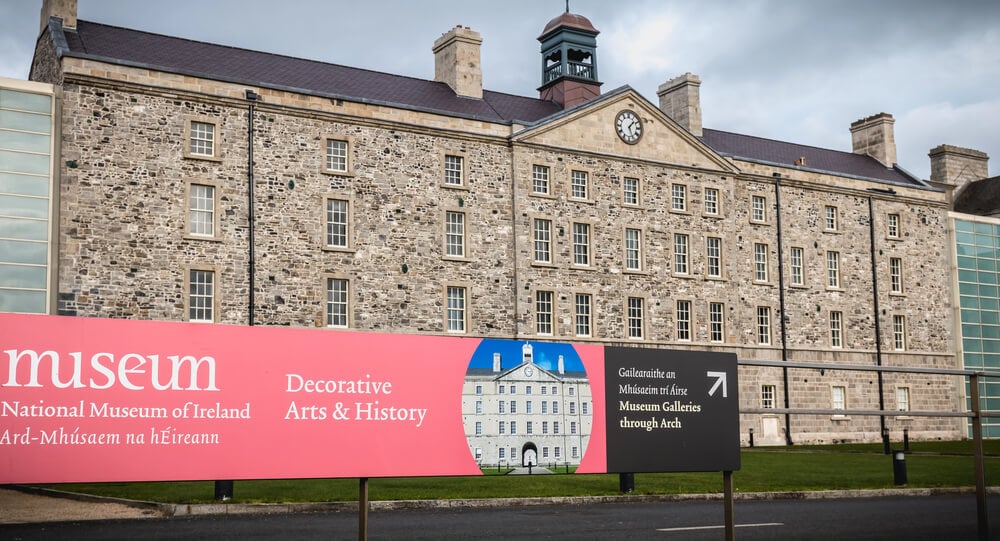
It had been buried alongside a bronze cup and four brooches. Today it is among the best-known objects in the National Museum of Ireland.
Sixty-Seven Kilograms of Silver at Spillings Farm
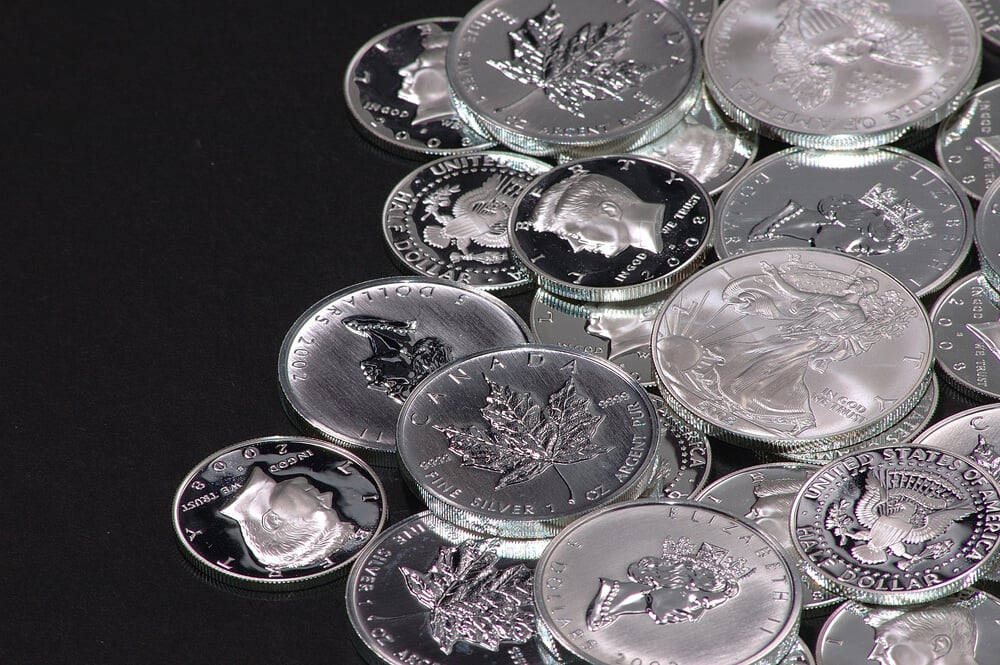
In 1999, farmer Björn Engström turned up silver on his land at Spillings on the Swedish island of Gotland. The hoard grew to roughly 67 kilograms of silver, including more than 14,000 coins, most of them Arabic dirhams, buried around the year 870.
It is widely described as the largest Viking Age hoard ever found. Today it is held by the Swedish History Museum in Stockholm.
The Peasant Who Dug Up Avar Gold
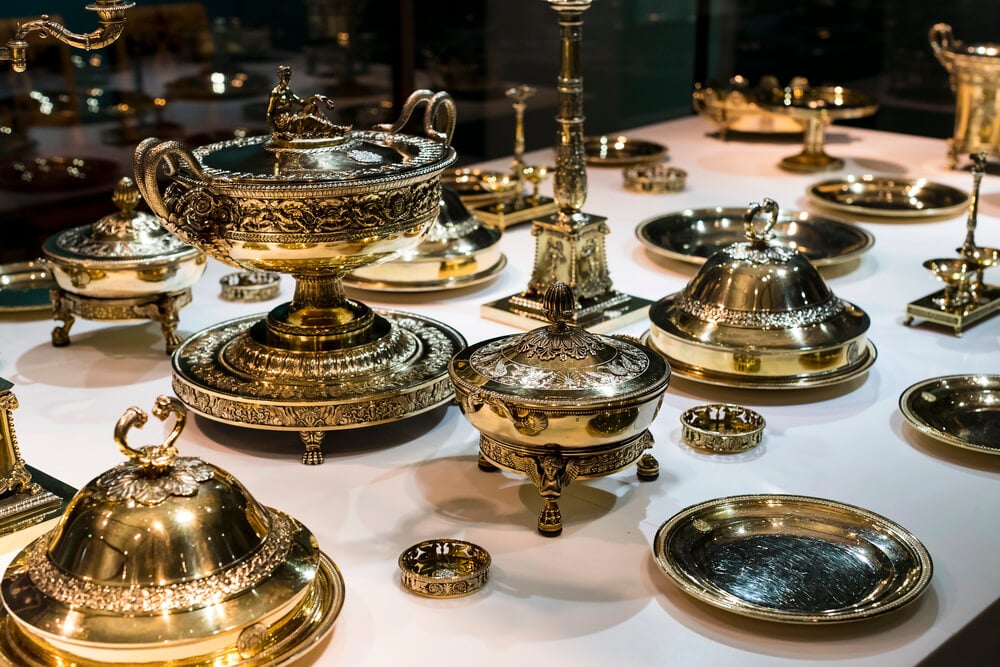
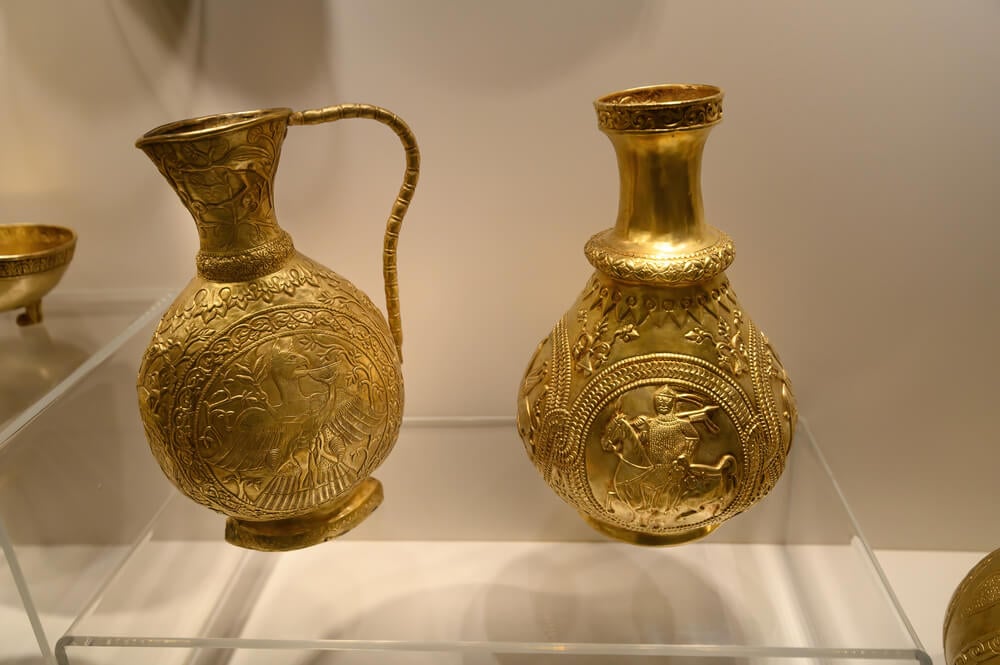
In 1799, a peasant working near Nagyszentmiklós, then in the Kingdom of Hungary and now Sânnicolau Mare in Romania, found a cache of 23 gold vessels weighing close to 10 kilograms. The pieces date to the Avar era, roughly the eighth or ninth century, and carry inscriptions in a script that scholars still argue over.
Some bear Greek letters and others runic-style signs, which made the treasure a puzzle from the day it reached Vienna. It remains one of the great mysteries of the early medieval Danube basin.
The Hunterston Brooch
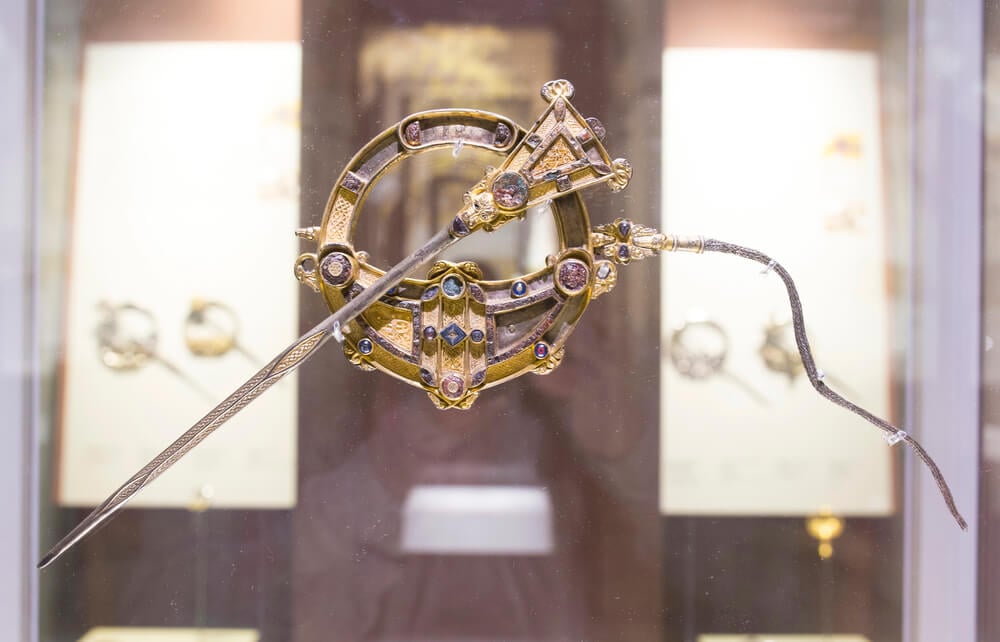
Around 1830, two men digging on the Hunterston estate in Ayrshire, Scotland, found a silver-gilt brooch made around 700 and set with amber and decorated with fine filigree. Roughly two and a half centuries later a Viking owner scratched a runic inscription onto the back, claiming the brooch as his own.
The result is an object that records two cultures taking turns owning it. It is now in the collection of the National Museums Scotland.
Oseberg, the Ship Under the Farm
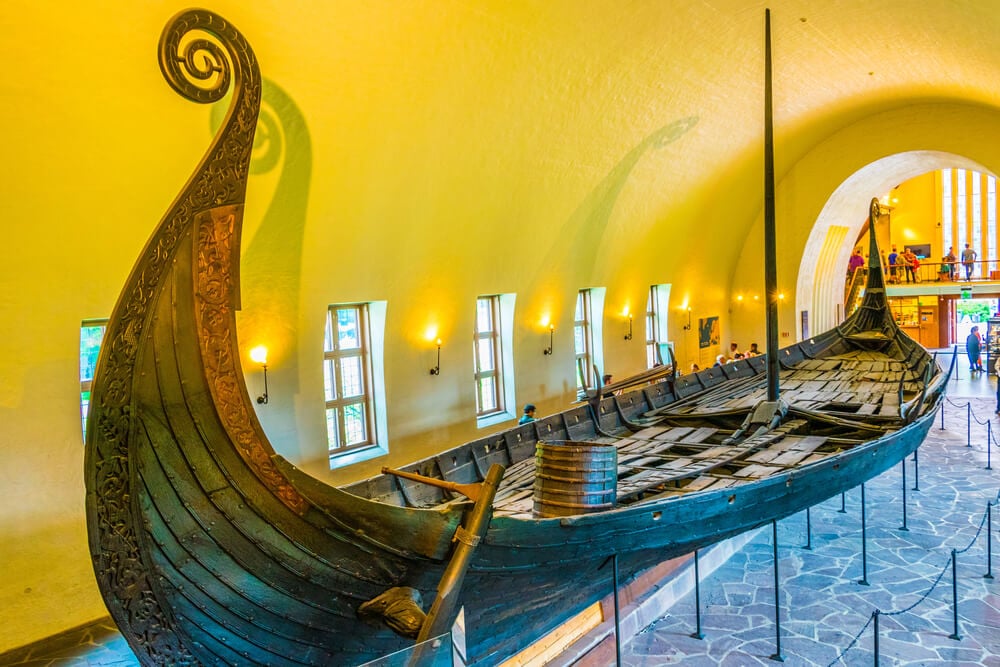
In 1903, a farmer digging into a burial mound on the Oseberg farm near Tønsberg, Norway, hit wood, and the timber turned out to belong to a Viking ship of about 22 meters. The vessel was built around 820 and was buried in the year 834 with two women and a cargo of carved wooden objects, textiles, and sleighs.
The clay in the mound preserved material that normally rots away within a few decades. The ship now sits in the Viking Ship Museum in Oslo.
A Psalter Pulled From a Tipperary Bog
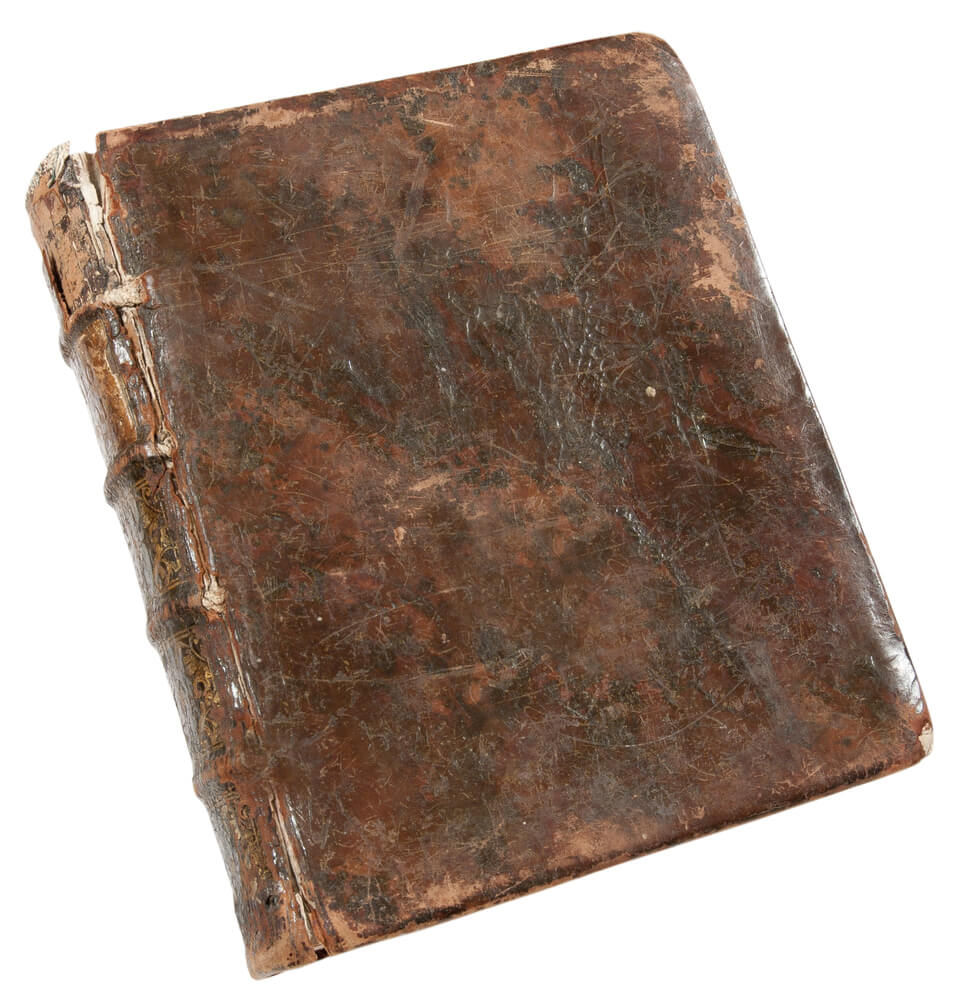
In 2006, a worker operating a peat-moving machine in the Faddan More bog in County Tipperary scooped up a lump that turned out to be a book of Psalms from about the eighth century. It was found open to Psalm 83, its calfskin pages stuck together and its leather cover long gone.
Conservators at the National Museum of Ireland spent years stabilizing it. The find showed that a bog could preserve a manuscript for well over a thousand years.
The Lewis Chessmen in the Sand
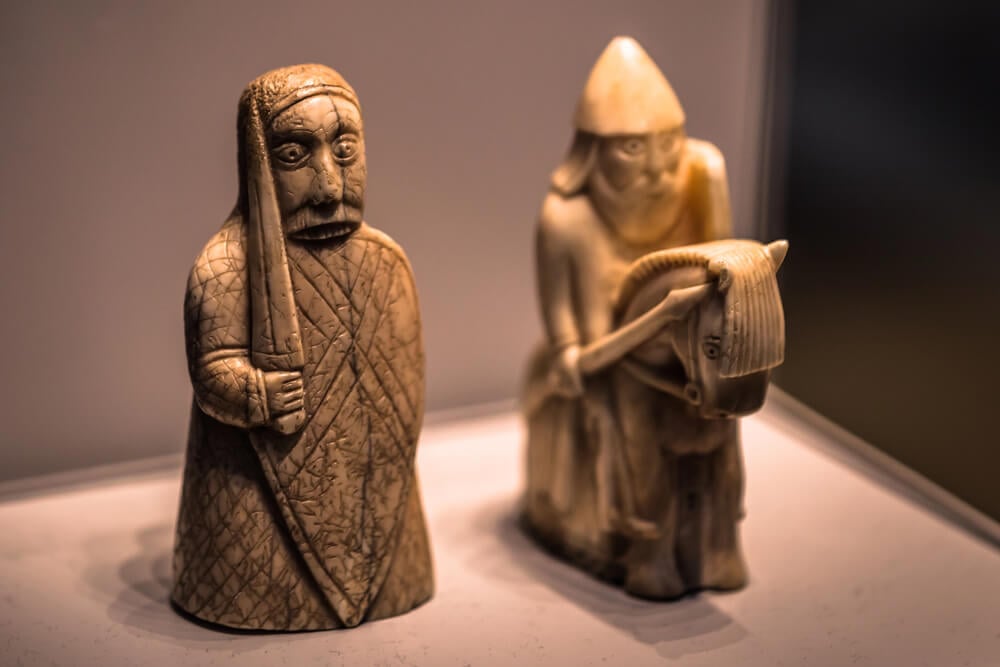
In 1831, a local man unearthed a stash of carved game pieces from a sand dune at Uig on the Isle of Lewis, Scotland. The 93 pieces, carved from walrus ivory and whale teeth, were likely made in Norway in the twelfth century.
Eighty-two ended up in the British Museum and eleven in the National Museums Scotland. Among them are berserker warriors chewing on the rims of their shields.
A Turf Cutter and the Moylough Belt Shrine
In 1945, a man cutting turf in a bog at Moylough, County Sligo, brought up a corroded metal belt made around the eighth century. The piece turned out to be a rare belt-shaped reliquary, assembled from bronze plates, studs, and decorative glass.
It had probably been used to treat illness and protect holy relics rather than to hold up anyone’s trousers. It is now in the National Museum of Ireland.
The Wax Tablets of Springmount Bog
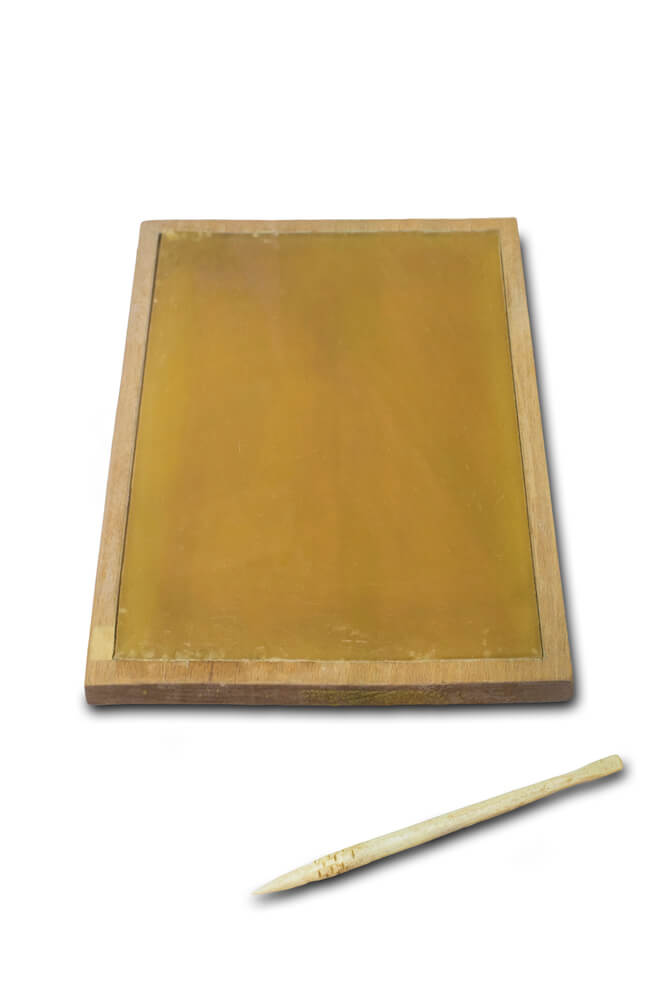
In 1914, a turf cutter in Springmount bog in County Antrim lifted out a set of wooden tablets with surfaces still coated in wax. Scratched into the wax with a stylus were Latin verses from the Psalms, dating to around the year 600.
They rank among the earliest surviving Irish manuscripts. The tablets were fragile enough that the bog’s wet, airless conditions were the only reason they had lasted.
Gold in the Furrows Near Veliki Preslav
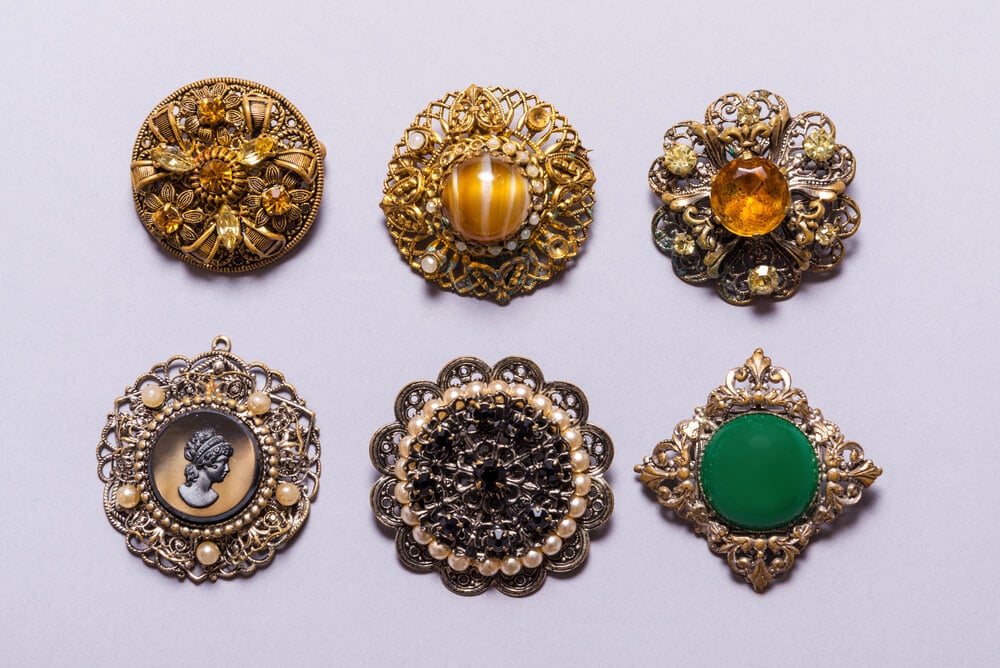
In April 1978, field work near Veliki Preslav, the old capital of the First Bulgarian Empire, turned up a hoard of tenth-century gold jewelry. The pieces were set with emeralds, sapphires, and pearls, and many were finished with enamel.
The collection is known today as the Preslav Treasure. Bulgaria marked the fortieth anniversary of the find in 2018, and parts of the hoard have been exhibited abroad.
The Crowns of Guarrazar
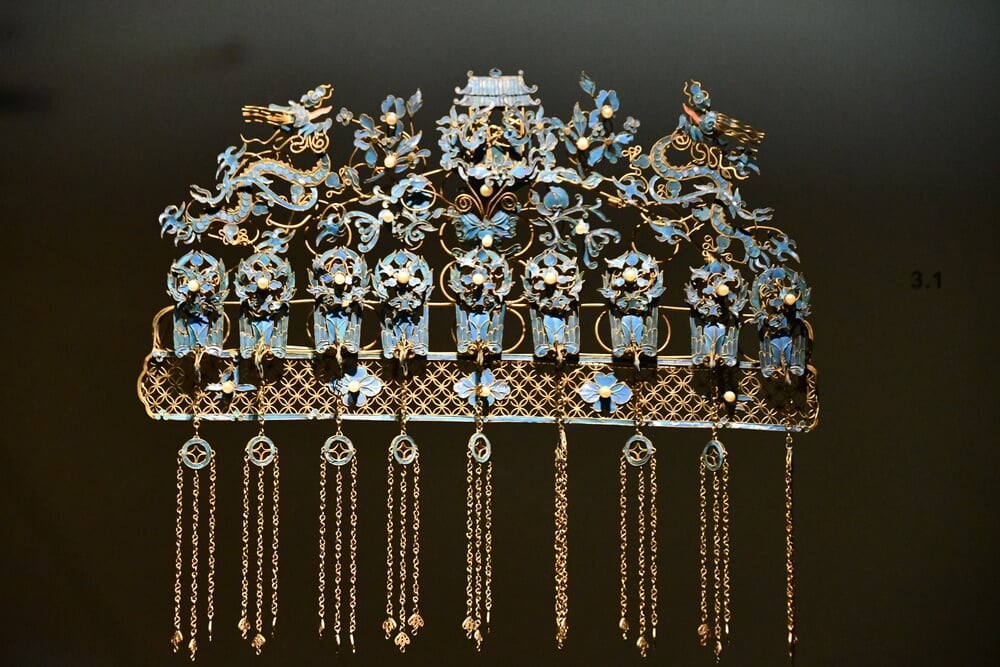
In 1858, farmers near Guadamur, outside Toledo in Spain, uncovered a group of Visigothic votive crowns and crosses dating from the seventh century. The crowns were made to hang from chains above an altar, and the crown of King Recceswinth is spelled out in hanging gold letters.
Part of the treasure ended up in the Cluny museum in Paris and part in Madrid. Another crown, that of King Suintila, was stolen from Madrid in 1921 and never recovered.
The Hoen Hoard in Buskerud
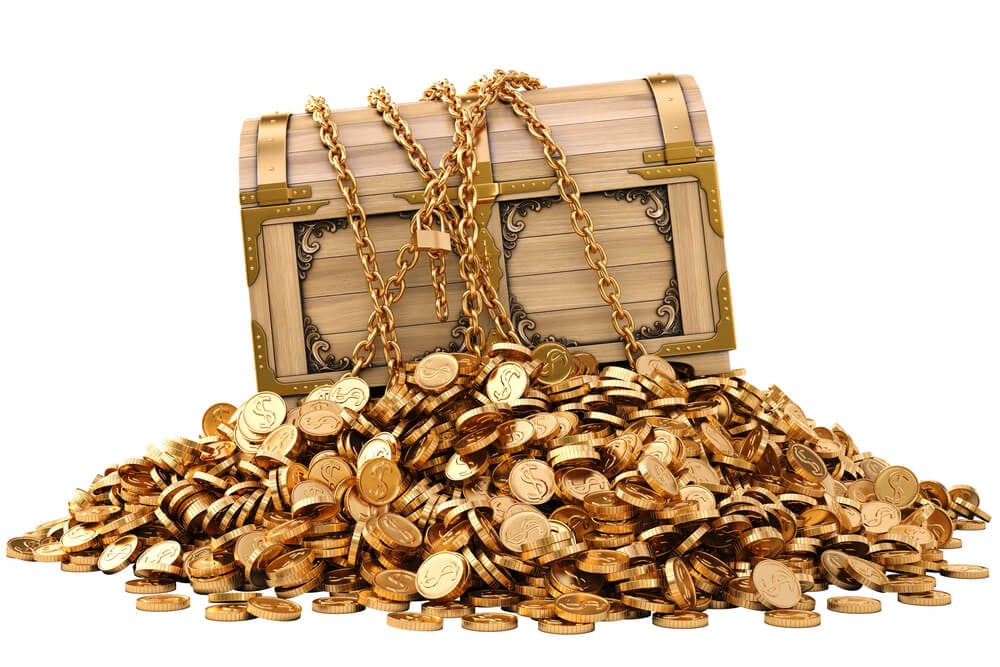
In 1834, work on the Hoen farm in Buskerud, Norway, brought up a hoard of ninth-century gold jewelry and coins. Several pieces were made by mounting Arabic and Byzantine coins as pendants, which shows how far Viking Age trade reached.
The hoard totals about 2.5 kilograms of gold. It is held in the Museum of Cultural History in Oslo.
The Alfred Jewel, Turned Up in a Somerset Field
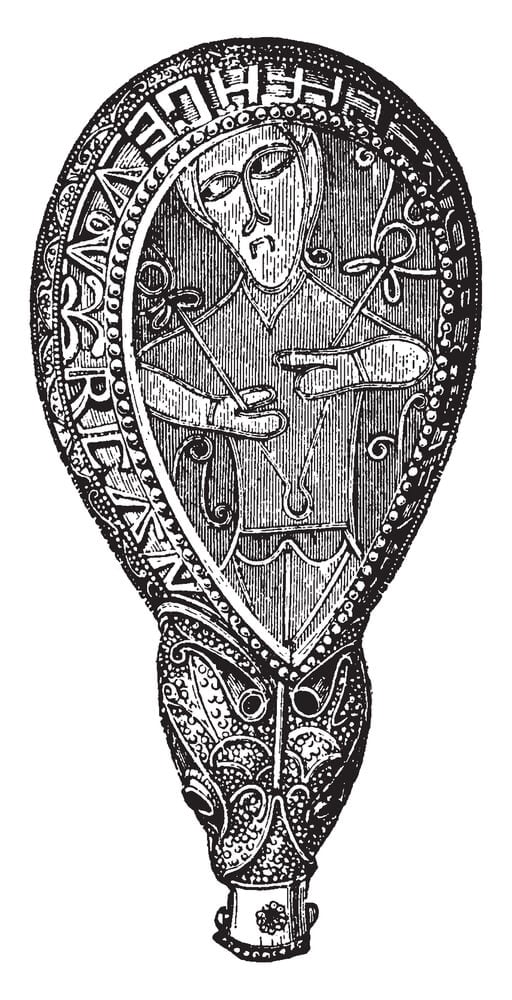
In 1693, a gold and enamel object surfaced in a field at Newton Park near North Petherton, Somerset, not far from the marshes where King Alfred once sheltered. Around its rim runs an Old English inscription stating that Alfred had the piece made.
It is thought to be the handle of a pointer used to follow lines in a manuscript. The jewel has been in the Ashmolean Museum in Oxford since the early eighteenth century.
The Shepherds and the Khan’s Gold
In 1912, boys herding animals near Mala Pereshchepyna, in what is now Ukraine, came across a cache of gold and silver from the seventh century. The treasure, more than 800 objects, is linked to the Bulgar leader Khan Kubrat.
Its weight made it one of the richest early medieval finds in Eastern Europe. It is held in the Hermitage Museum in St. Petersburg.
The Muisca Raft
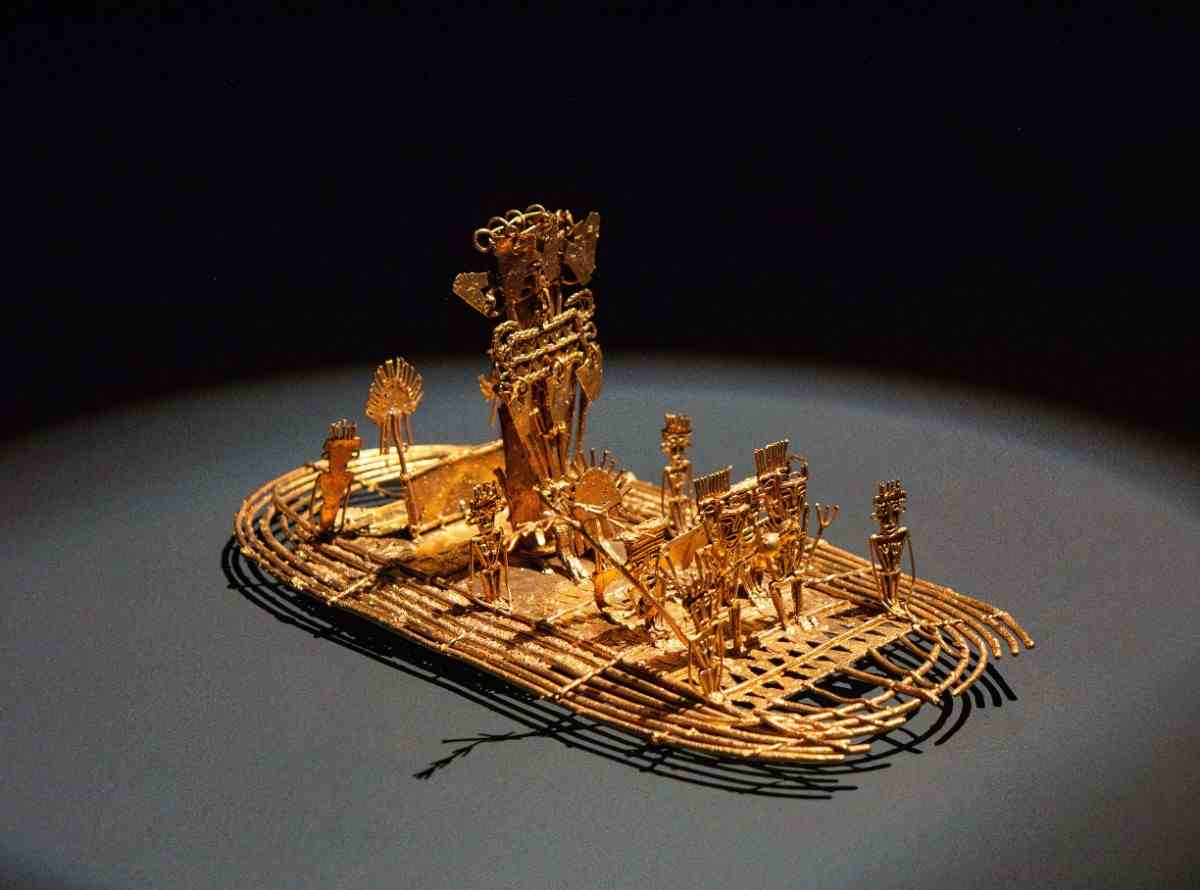
In 1856, farmers in the highlands near Pasca, Colombia, found a small gold raft in a cave. It is only about 20 centimeters wide, and it shows a chieftain surrounded by attendants and oarsmen.
The piece was made by the Muisca people between roughly 1200 and 1500 and is widely linked to the legend of El Dorado. It is now on display in the Gold Museum in Bogotá.
What the Soil Decides to Return
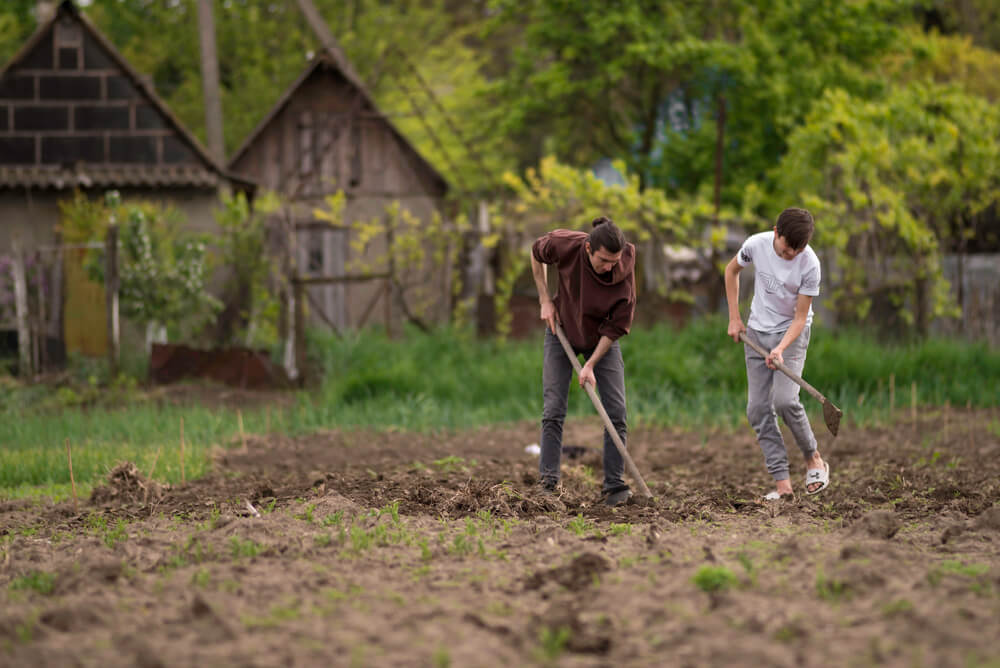
Nearly every find above came down to timing. A boy’s spade went in an inch deeper than expected, a bucket scooped a little further into the peat, or a farmer cleaned a field a season earlier than usual. The objects themselves had spent a thousand years or more in the ground without anyone noticing, and they surfaced only because ordinary work happened to reach them.
That pattern says something about how history gets recovered. Specialists dig where records point, but farmers dig where the work leads, and the work often leads somewhere nobody had mapped.
Hoards were buried to be retrieved, and many were never retrieved because the people who hid them did not come back. Some of the best-preserved pieces of the medieval world exist because of that failure, and it is the people turning over the fields who tend to be there when they are found.
More from Go2Tutors!

- 27 Silver Dollars and Half Dollars Worth Keeping
- 28 Restaurant Menu Items Nobody Orders Anymore
- 17 Places Built in Seemingly Impossible Spots
- 27 Vintage Rings Worth More Than They Look
- 25 Restricted Sites Tourists Can’t Enter
Like Go2Tutors’s content? Follow us on MSN.