30 Childhood Milestones That Happened Without Smartphones
Growing up once meant learning things the slow way, with paper, patience, and the occasional mistake. There was no map in a pocket, no video tutorial, and no instant message to a friend.
Those milestones were small, but they were real. Each one marked a step toward independence, and each one is now handled differently.
Memorizing a Best Friend’s Phone Number
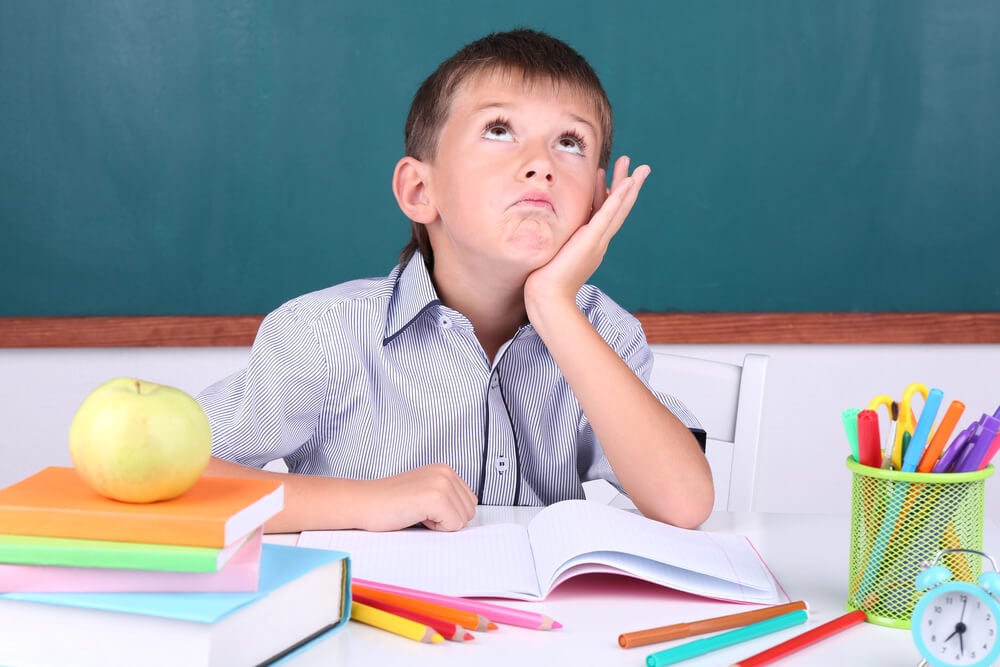
Children memorized the digits of their friends’ home phones and their own address. The numbers were learned by repetition, and a good memory was a social asset.
Forgetting the number meant a trip to the phone book.
Riding a Bike Without Training Wheels

The big day came when a parent removed the extra wheels and ran alongside, holding the seat. The child wobbled, the parent let go, and the bike kept going.
A skinned knee was part of the deal.
Walking to School Alone
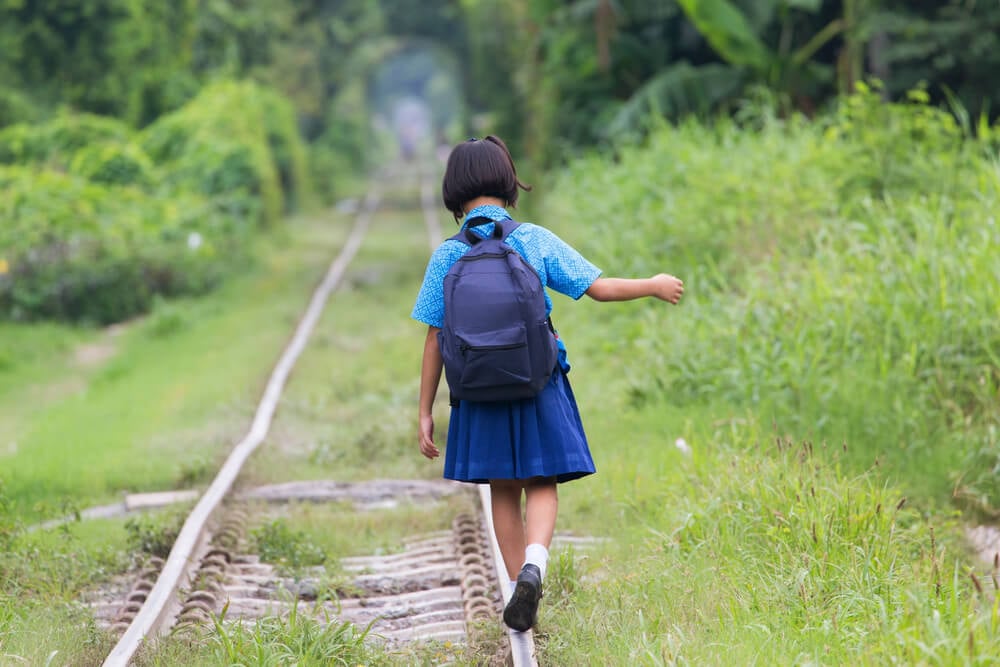
At some point, a child graduated from being walked to school to making the trip alone or with friends. The route was memorized landmark by landmark.
Crossing guards and corner stores marked the way.
Reading a Paper Road Map
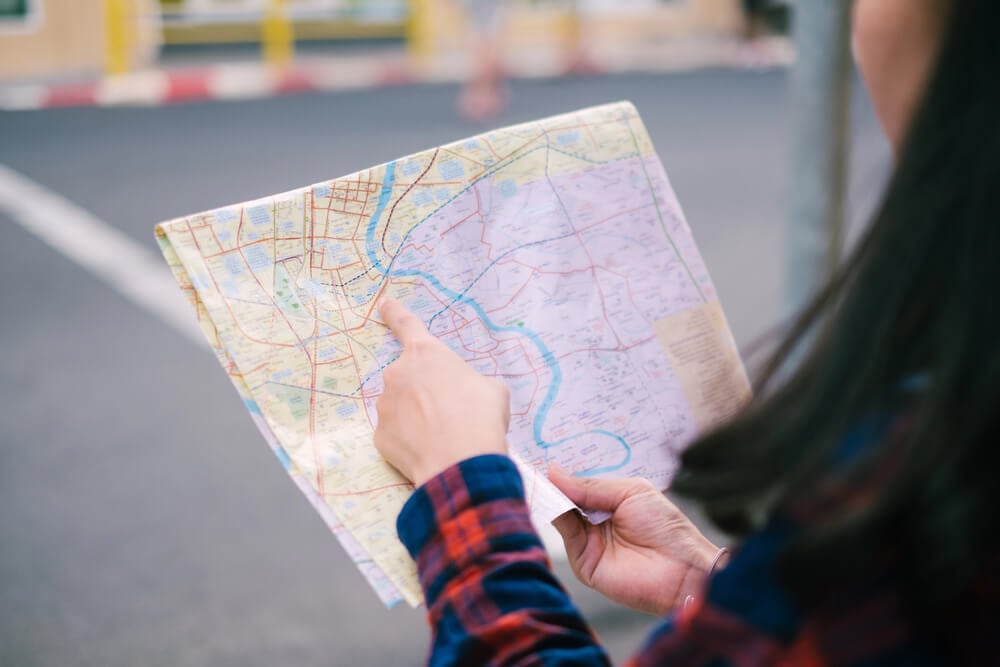
On family trips, a child might be handed the map and asked to find the next exit. Folding it back up was another challenge entirely.
A map that lost its creases never quite fit the glove compartment again.
Getting a Library Card
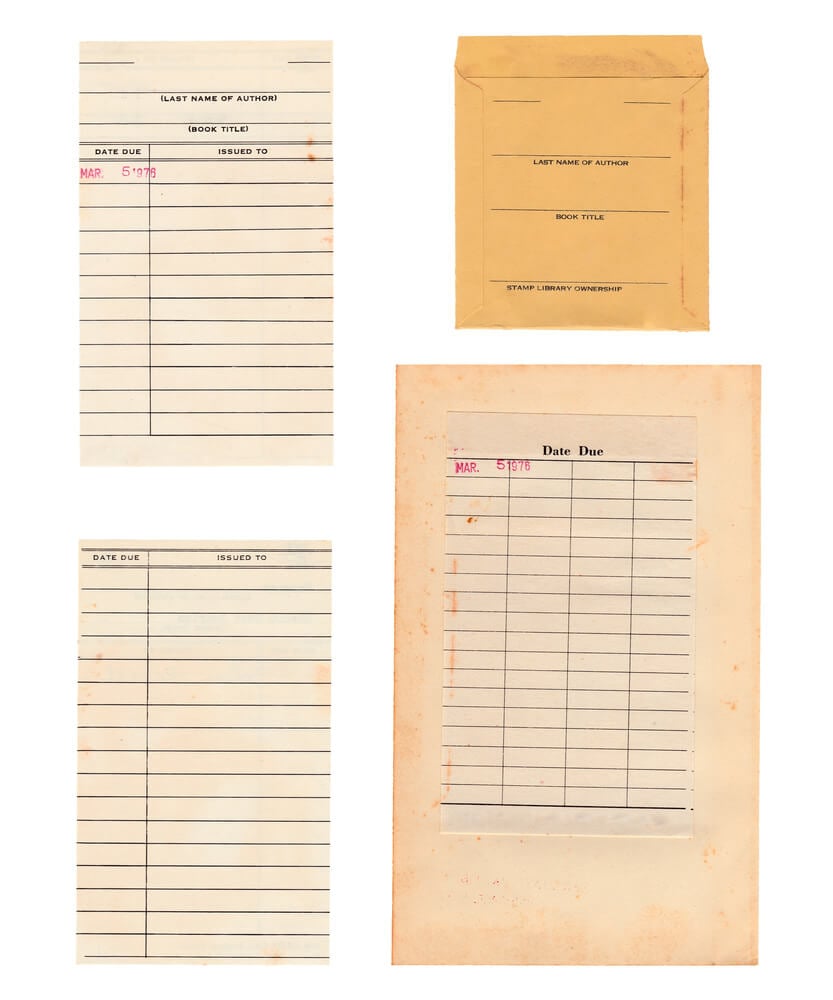
Signing a name on the back of a library card felt like joining the adult world. The card allowed a child to check out several books at a time.
Every title was stamped with a due date.
Writing to a Pen Pal
Classrooms matched students with pen pals in other states or countries, and the letters took weeks to arrive. Children wrote in careful handwriting and waited for a reply.
The envelope in the mailbox was the best part of the week.
Making a Mixtape From the Radio
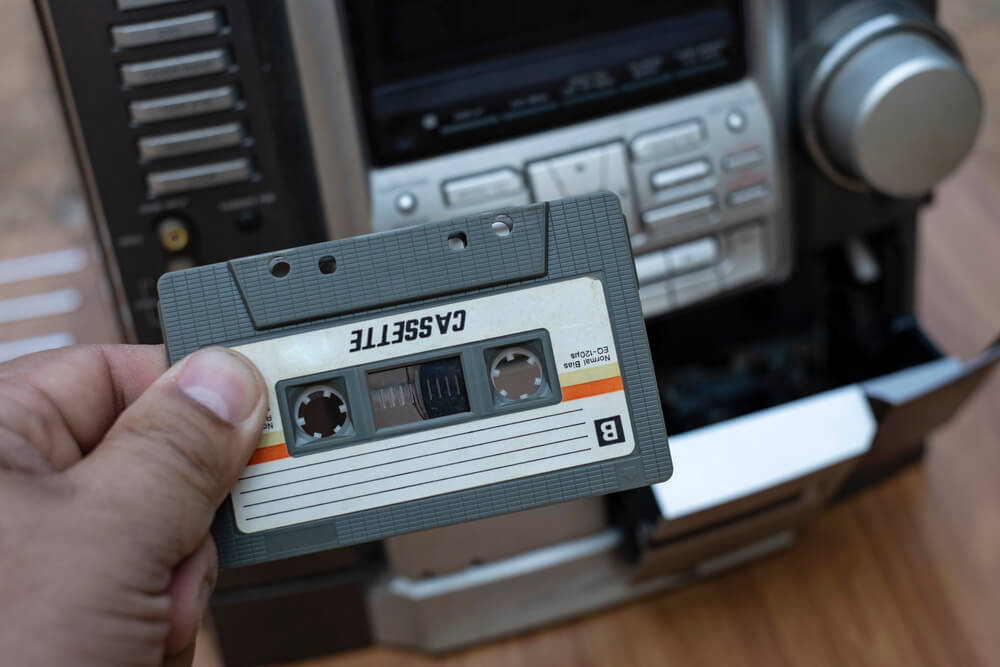
A child sat by the radio with a finger on the record button, waiting for a favorite song to come on. The DJ often talked over the beginning or the end.
The finished tape was a prized possession anyway.
Calling a Friend’s House
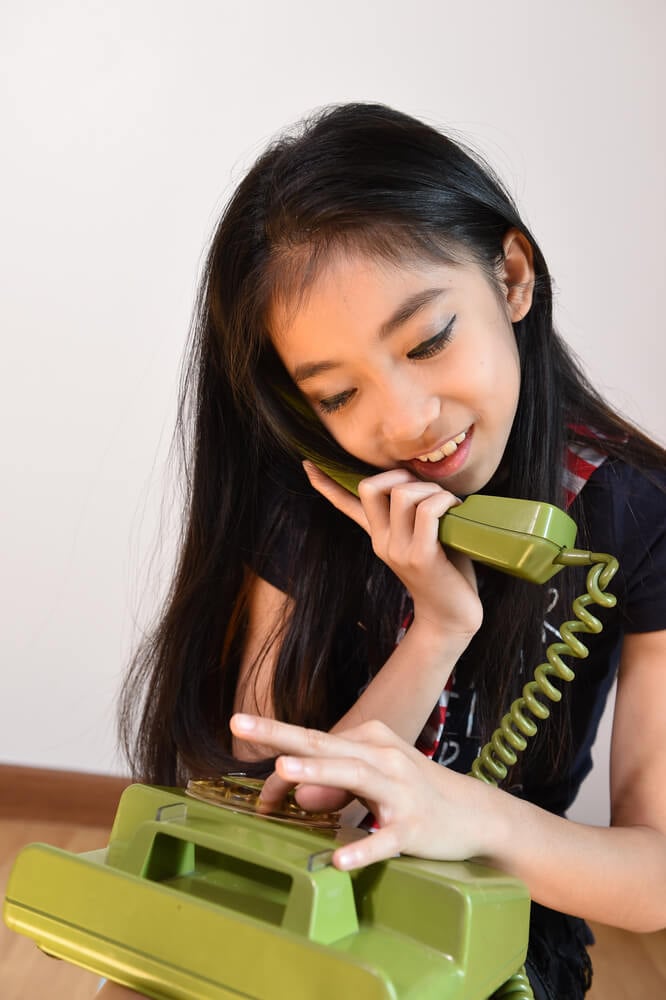
Calling a friend meant dialing the home phone and hoping a parent did not answer with a long conversation. Children learned to introduce themselves and ask politely for their friend.
A busy signal meant waiting and trying again.
Learning to Read an Analog Clock
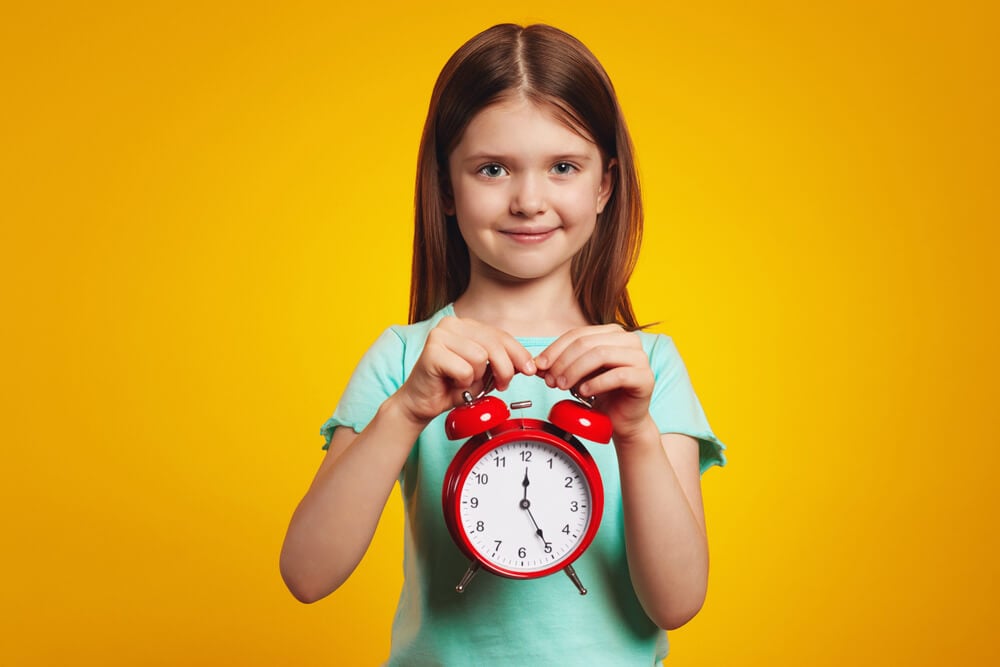
Children learned to read the hour and minute hands in the early grades, often with a cardboard clock that had movable arms. The skill was tested on worksheets and in class.
Telling time was a foundation for everything else in the school day.
Delivering Newspapers
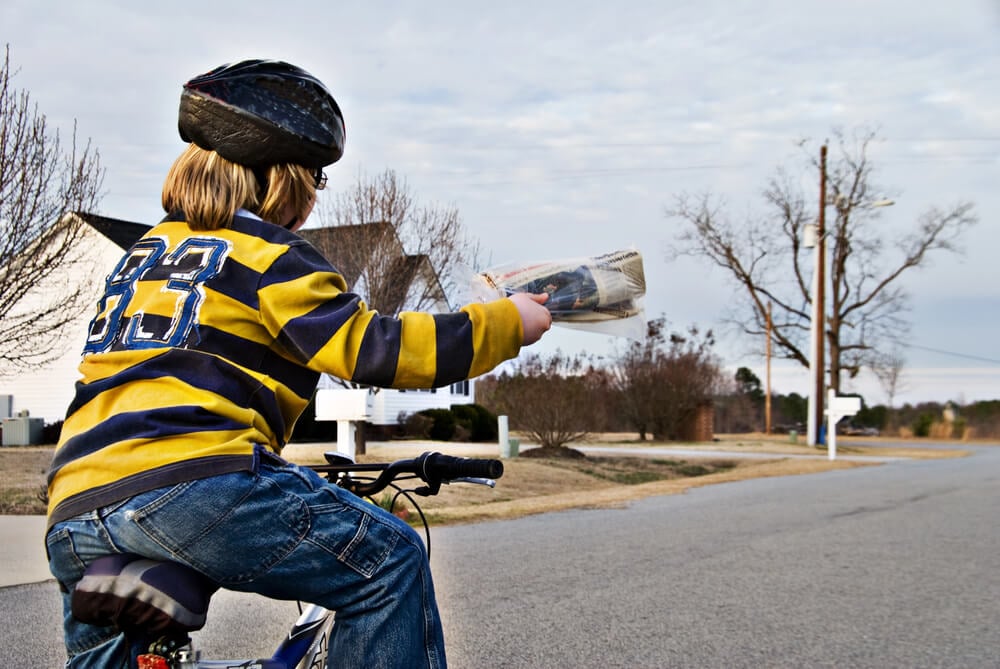
A paper route was a first job for many children, with early mornings and a canvas bag. The route had to be learned house by house.
Collecting payment from customers at the end of the month taught a lesson in manners.
Running a Lemonade Stand

A card table, a pitcher, and a hand-lettered sign were all it took to open for business. Children learned about price, change, and what happens when it rains.
The profits usually went straight to the ice cream truck.
Looking Up Answers in the Encyclopedia
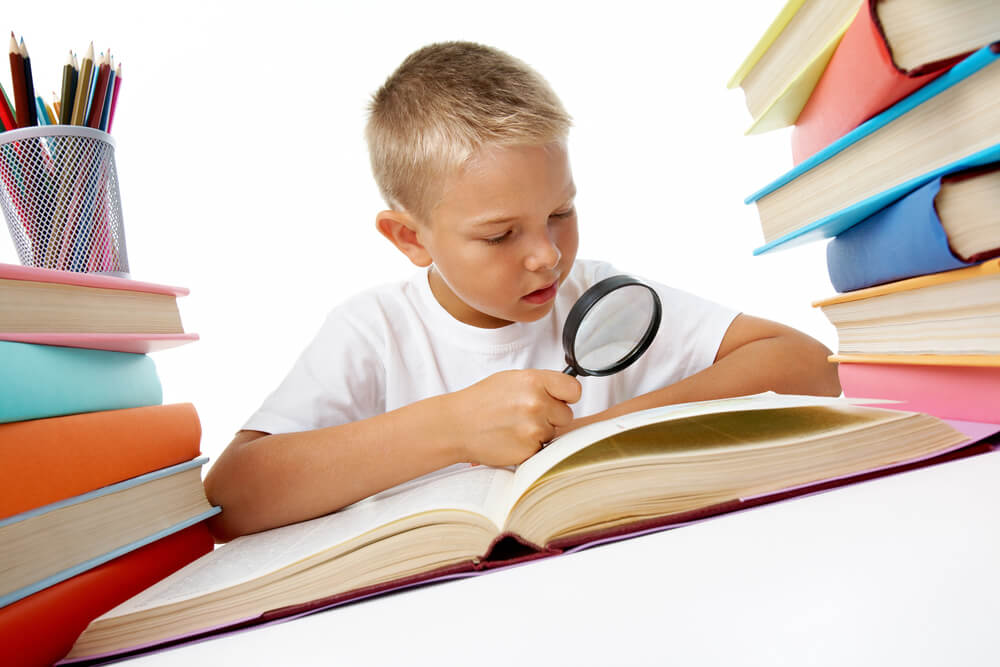
Homework questions sent children to the shelf for a volume of the encyclopedia. They learned to use the index and to copy information in their own words.
A topic that was not in the set required a trip to the library.
Waiting for Film to Be Developed
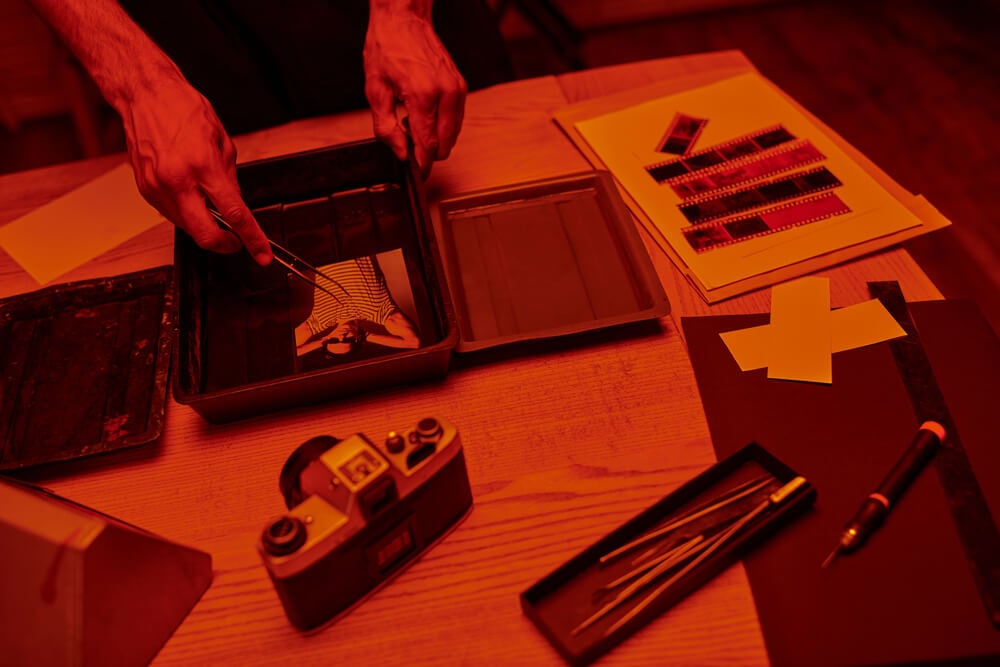
A roll of film was dropped off at the drugstore, and the prints arrived a few days later. Children did not know whether a photo had turned out until then.
The envelope was opened in the parking lot more than once.
Passing Notes in Class
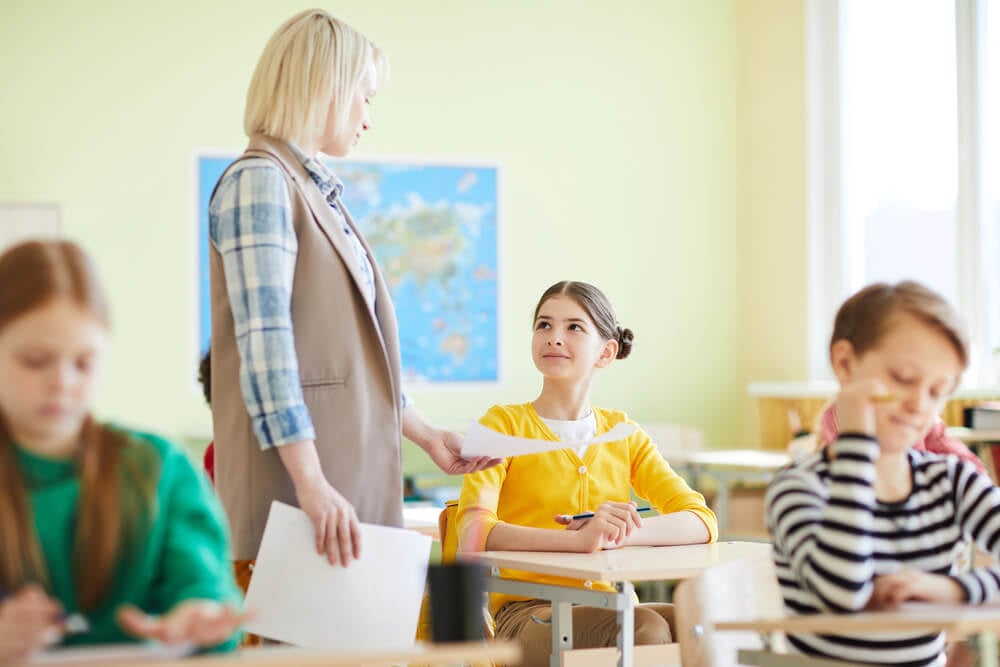
A folded piece of paper traveled from desk to desk, handed along by a trusted friend. Notes were written in code, with abbreviations and drawings.
A note intercepted by a teacher was a small disaster.
Waiting for a Favorite Show

Television shows aired at a set time, and missing them meant missing them for good, or at least until a rerun. Children planned their afternoons around the schedule.
The theme song brought the family into the room.
Getting Lost and Finding the Way
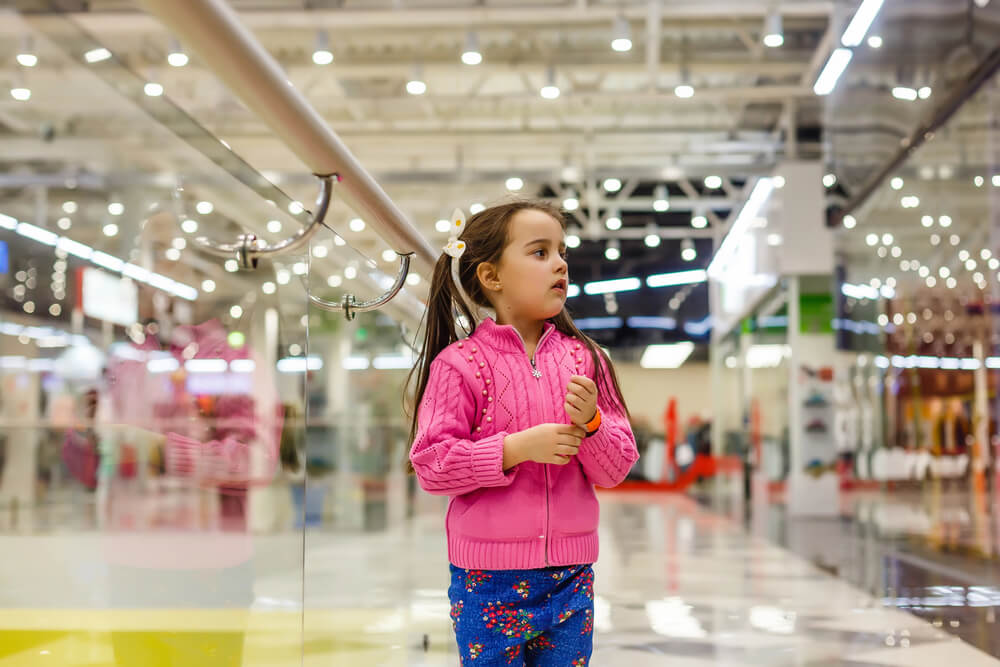
A wrong turn in a mall or a neighborhood led to a lesson in asking for help. Children learned to find a clerk, a police officer, or a family with kids.
The skill was practical, and the story told afterward was part of family lore.
Staying Outside Until the Streetlights Came On

Children spent the afternoon outdoors, drifting from yard to yard, and went home when the lights came on. Parents did not need to know exactly where they were.
The rule was simple, and most children followed it.
Meeting the Neighbors
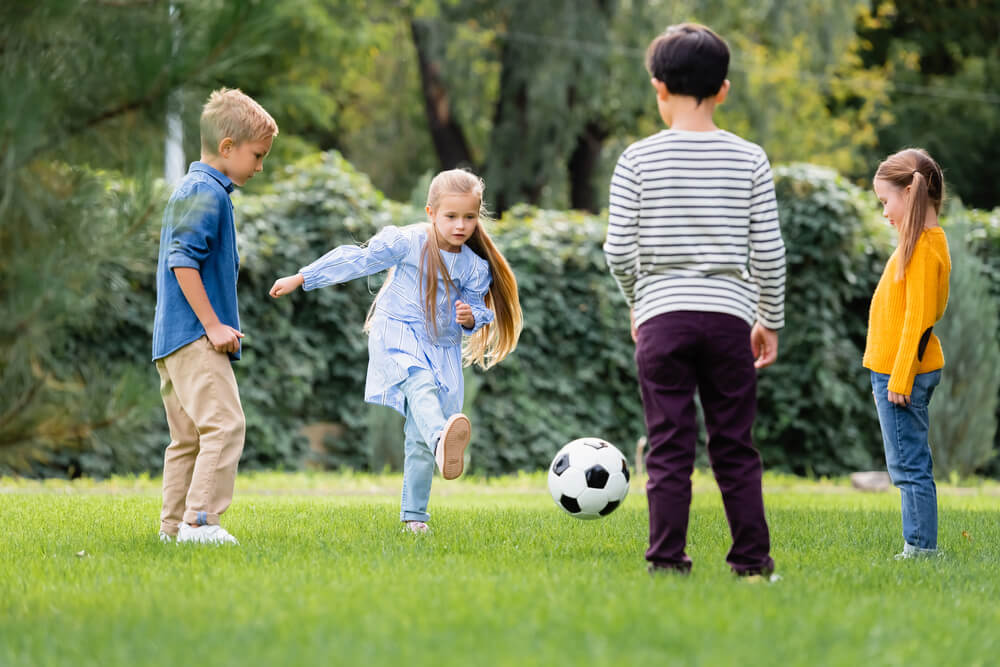
Children got to know the families on their street through games, bike rides, and cookouts. Friendships formed because of proximity.
A new kid on the block was a major event.
The First Sleepover
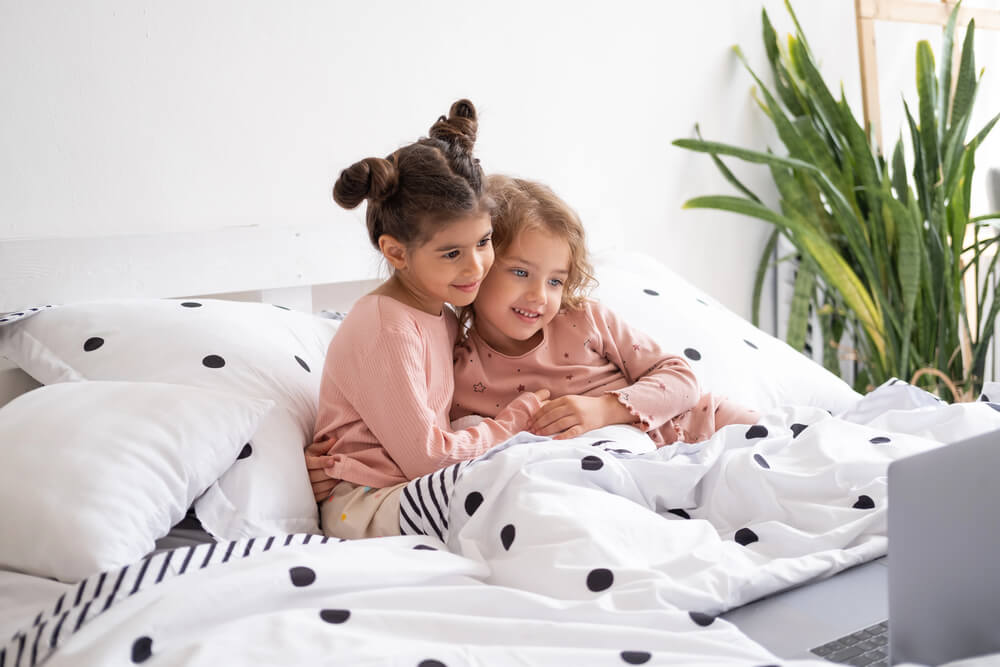
A child packed a sleeping bag and a pillow and spent the night at a friend’s house. They stayed up late, ate snacks, and played games.
A homesick call to a parent was part of the tradition.
Learning to Swim
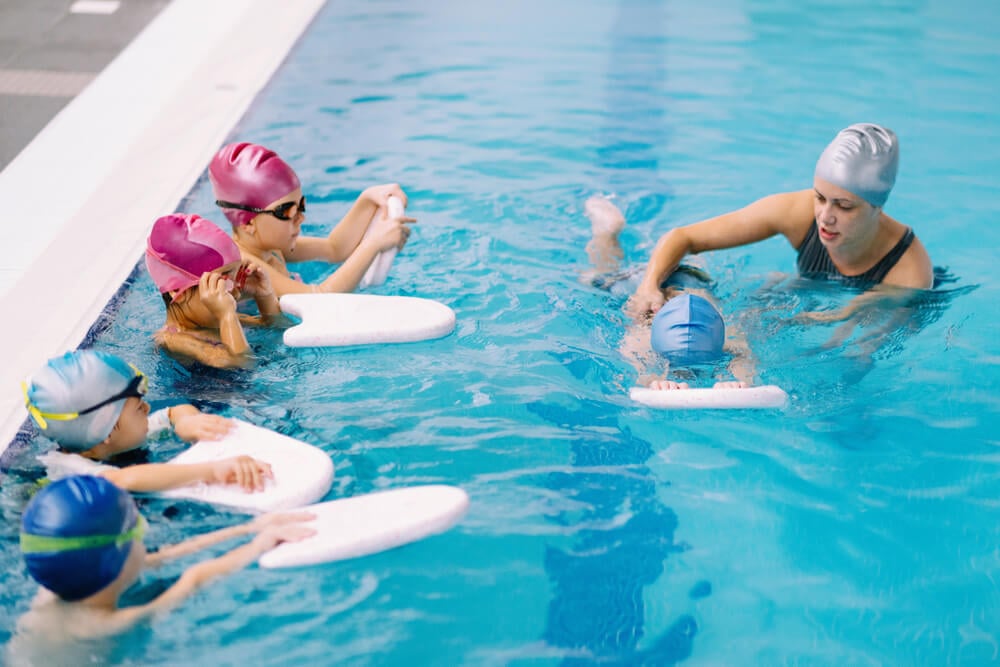
Swim lessons at the local pool taught children to float, kick, and put their faces in the water. The final test was swimming a full length.
A certificate or a ribbon marked the achievement.
Learning to Type
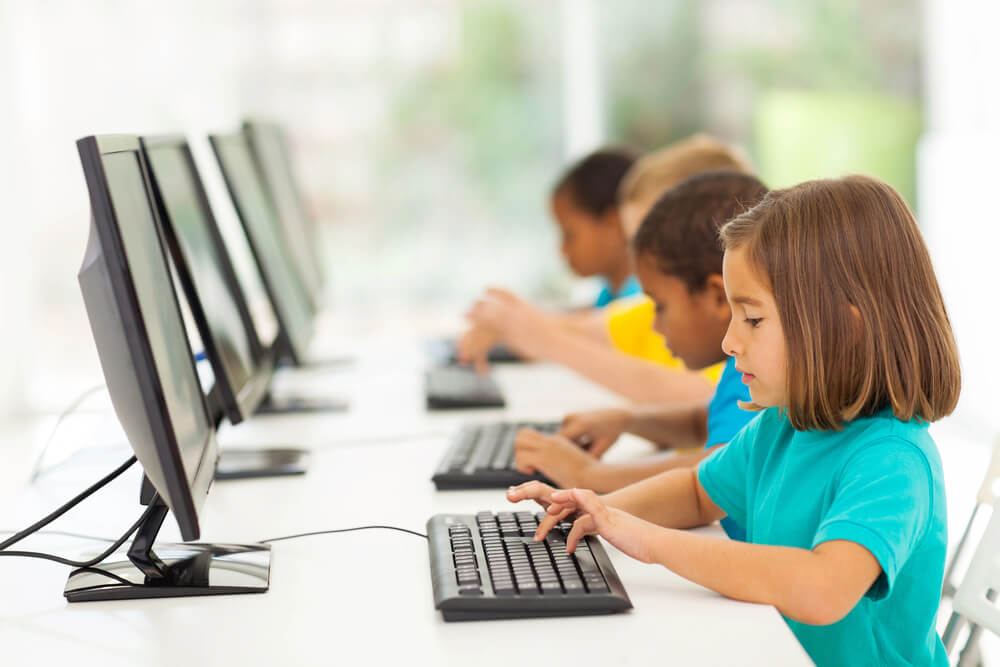
Typing class used typewriters or early computers, and students practiced on home-row drills. The goal was speed and accuracy.
A child who mastered it had a skill that lasted a lifetime.
Reading the First Chapter Book
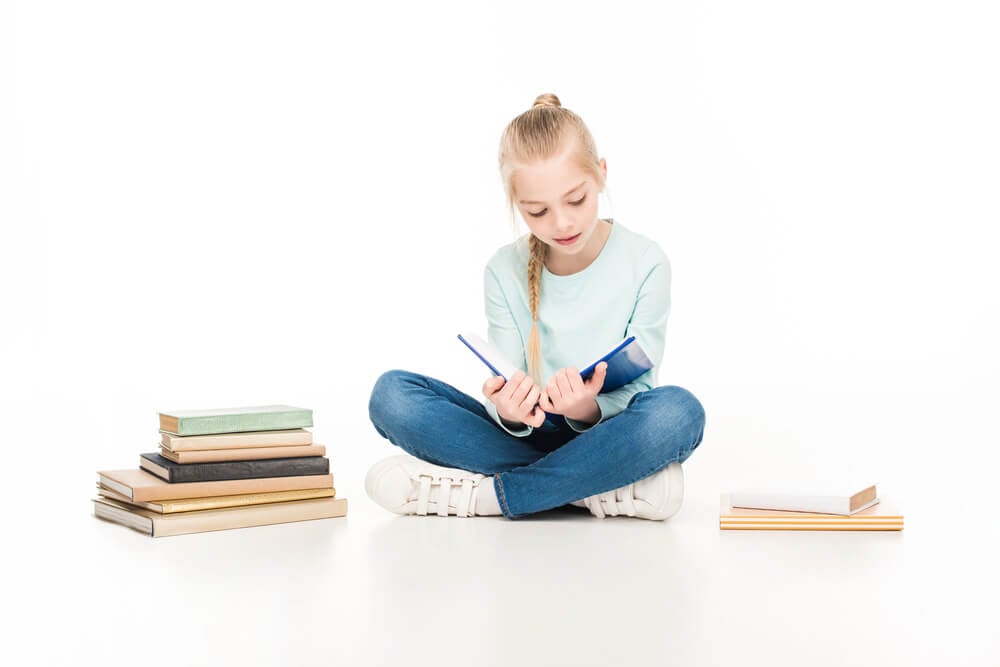
Moving from picture books to a real chapter book felt like a leap. The book was read at bedtime, a few pages at a time.
The bookmark was a small ticket to the story.
Saving Allowance in a Piggy Bank

Children saved coins in a bank and counted them periodically. A bike or a toy at the store was the goal.
Watching the pile grow taught patience.
Calling Home From a Pay Phone
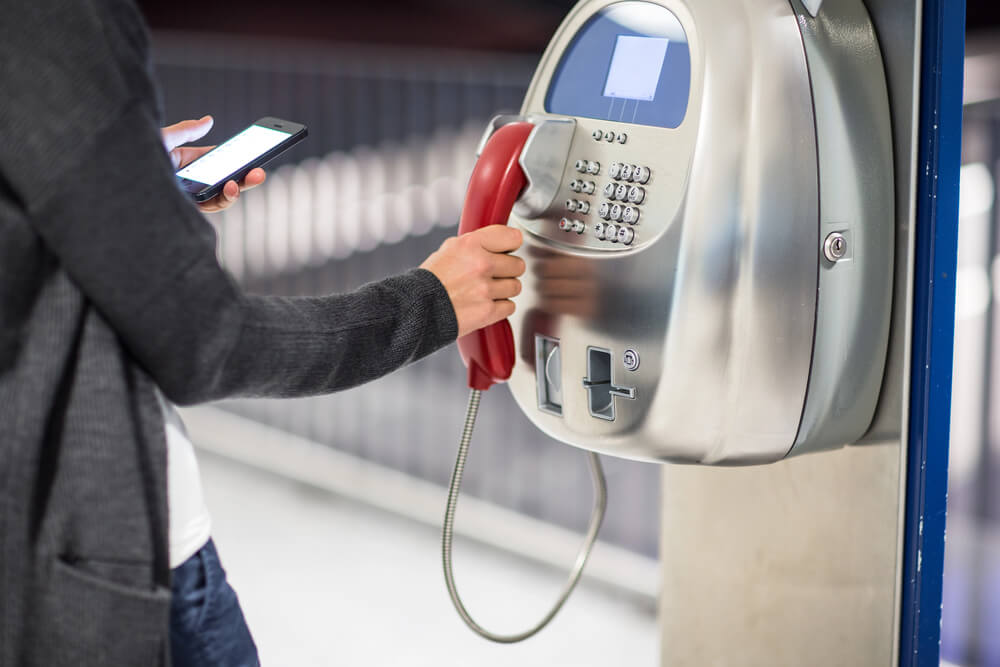
A child with a handful of coins found a pay phone to call home for a ride. The call cost a quarter or less.
Parents learned to answer on the first ring.
Sending a Postcard

On vacation, children picked out a postcard and wrote a short message to friends or grandparents. The card arrived after the family got back home.
The picture on the front was usually a landmark or a beach.
Practicing Cursive Handwriting
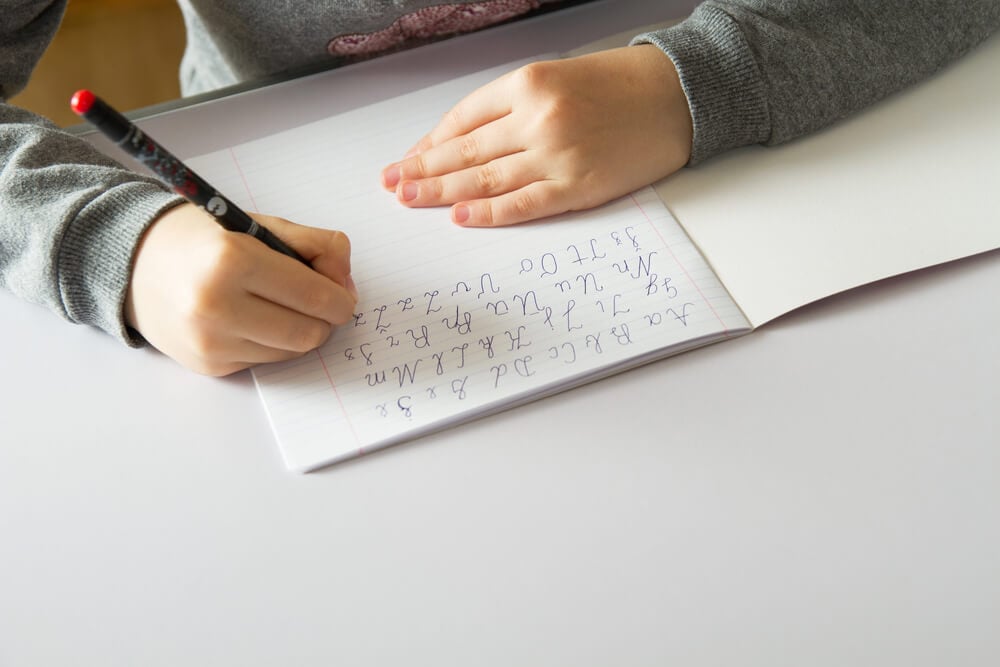
Third graders learned to connect their letters in looping lines on lined paper. A signature was the final step, and it was practiced over and over.
The first real signature felt like a rite of passage.
Taking the School Bus
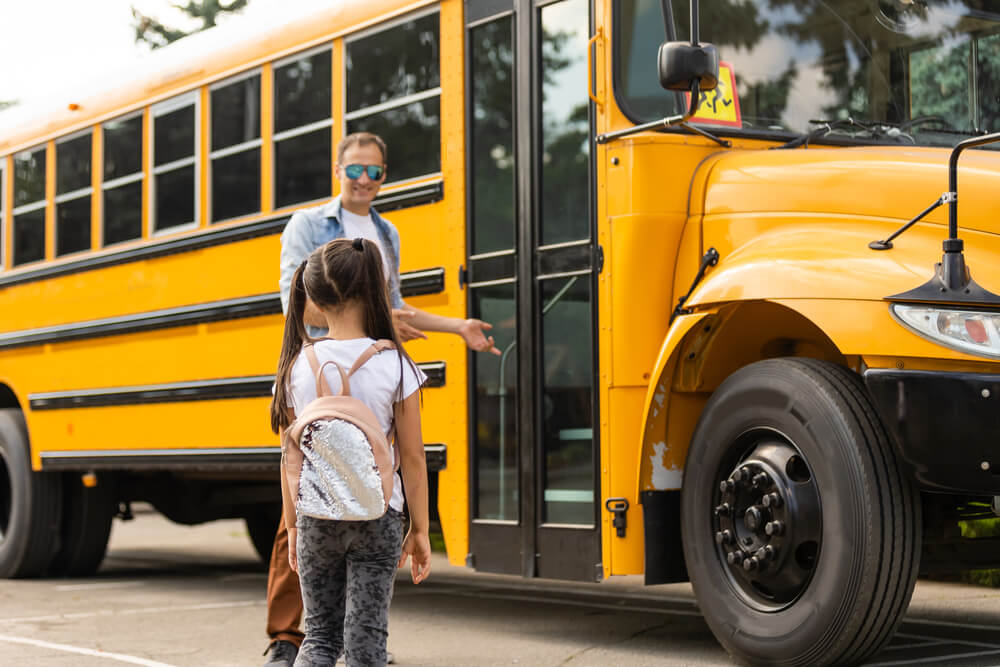
Riding the bus meant learning where to sit, who to sit with, and when to get off. The bus had its own rules and culture.
The back seat was a privilege earned with age.
Learning a Family Recipe
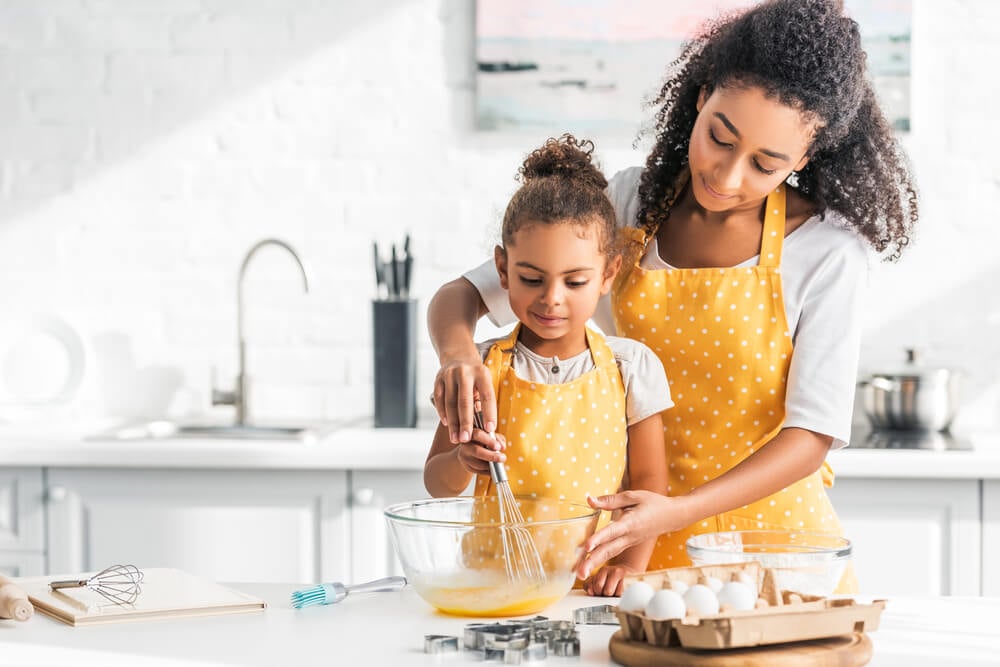
A child stood on a stool in the kitchen and learned to stir, measure, and taste. The recipe card was handwritten and stained with use.
Cooking beside a grandparent left a lasting impression.
Using a Film Camera
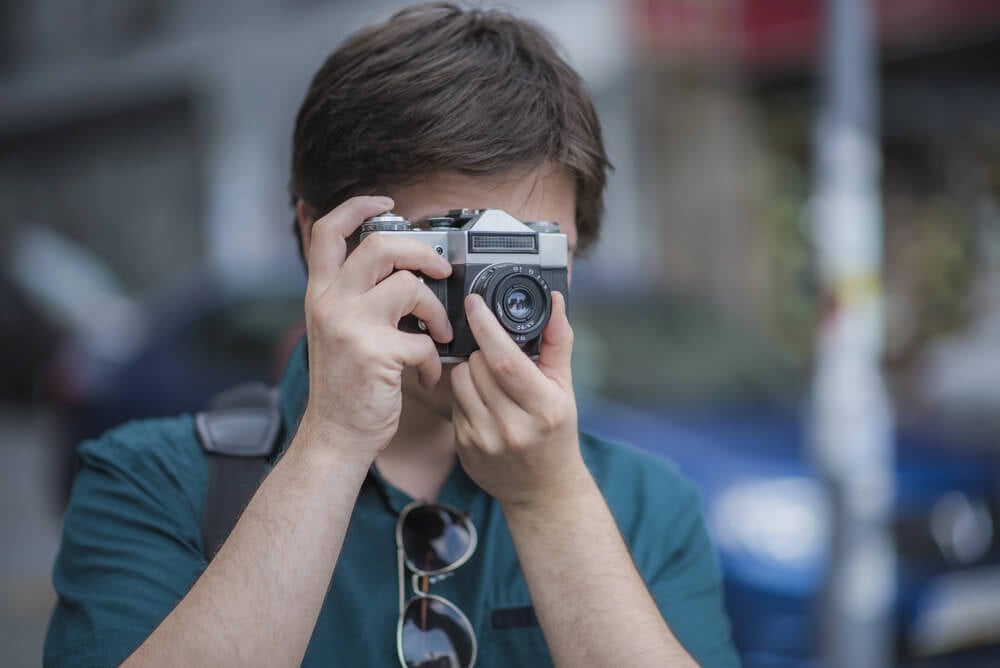
A child was handed the family camera for the first time and told to be careful. They learned to wind the film and to press the button gently.
Each exposure counted, since the roll held only so many.
Learning to Tie Shoelaces
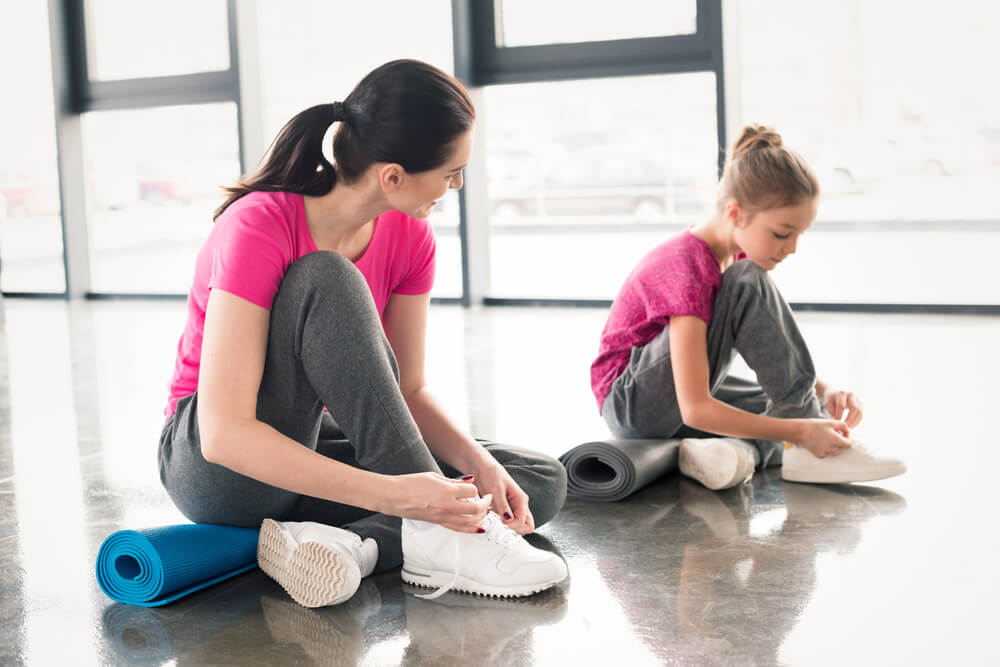
Children practiced the loops and the knot on their own shoes, often reciting a rhyme about bunny ears. The first success usually came after a dozen failures and a parent’s patience.
A pair of velcro sneakers was the lazy alternative, and the double knot was the next challenge.
Growing Up Without a Screen in the Pocket
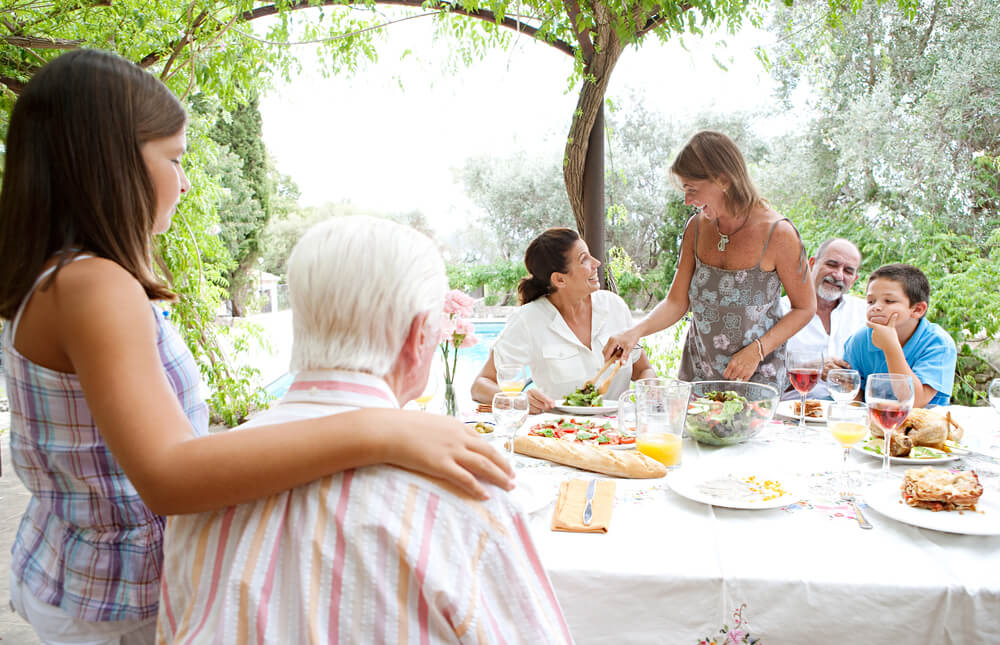
Each of these milestones involved a skill, a risk, or a small bit of boredom. Children learned to wait, to remember, and to ask for help.
The lessons were built into the day.
Children today have their own milestones, and many are valuable in their own ways. Still, something was gained in the slow pace of the old ones.
The memory of a first solo bike ride or a mailed letter has a clarity that few digital moments can match.
More from Go2Tutors!

- 27 Silver Dollars and Half Dollars Worth Keeping
- 28 Restaurant Menu Items Nobody Orders Anymore
- 17 Places Built in Seemingly Impossible Spots
- 27 Vintage Rings Worth More Than They Look
- 25 Restricted Sites Tourists Can’t Enter
Like Go2Tutors’s content? Follow us on MS