32 Vintage Wallets With Distinctive Design Details
A wallet is one of the few objects that lives in a pocket for years and still gets handed over at the register. Older ones carry the marks of that life, from worn corners to rubbed-off initials.
The small design details are what make them collectible.
The Classic Bifold Billfold
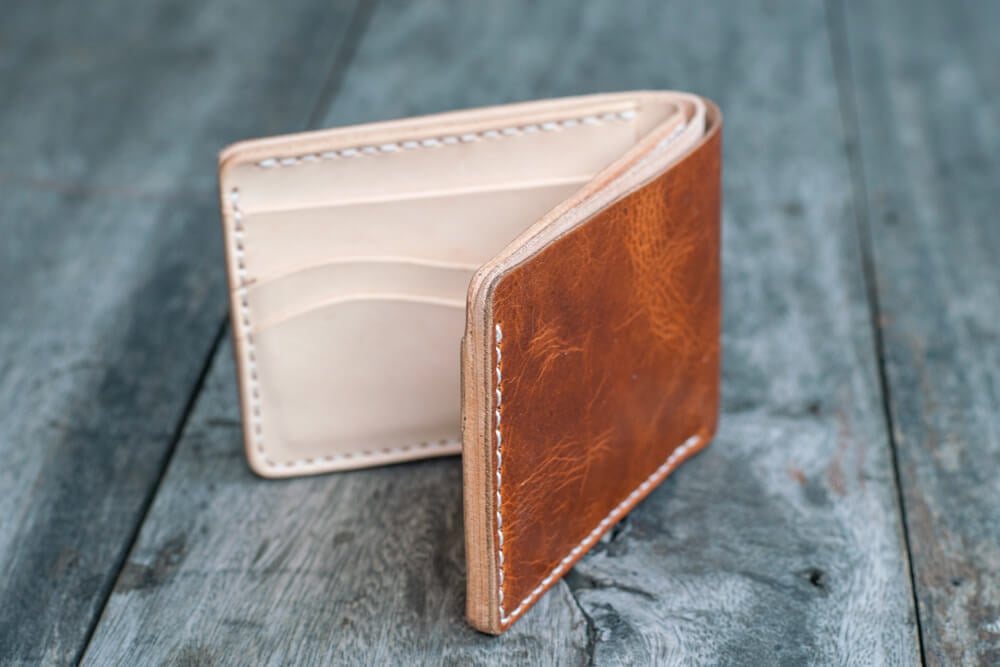
The bifold folded a stack of bills in half and tucked into a back pocket, and the shape proved so durable it is still the default. Vintage versions often have thicker leather and a stitched edge that has softened with use.
Original lining and unworn corners keep prices up, while splits along the fold lower them.
The Trifold
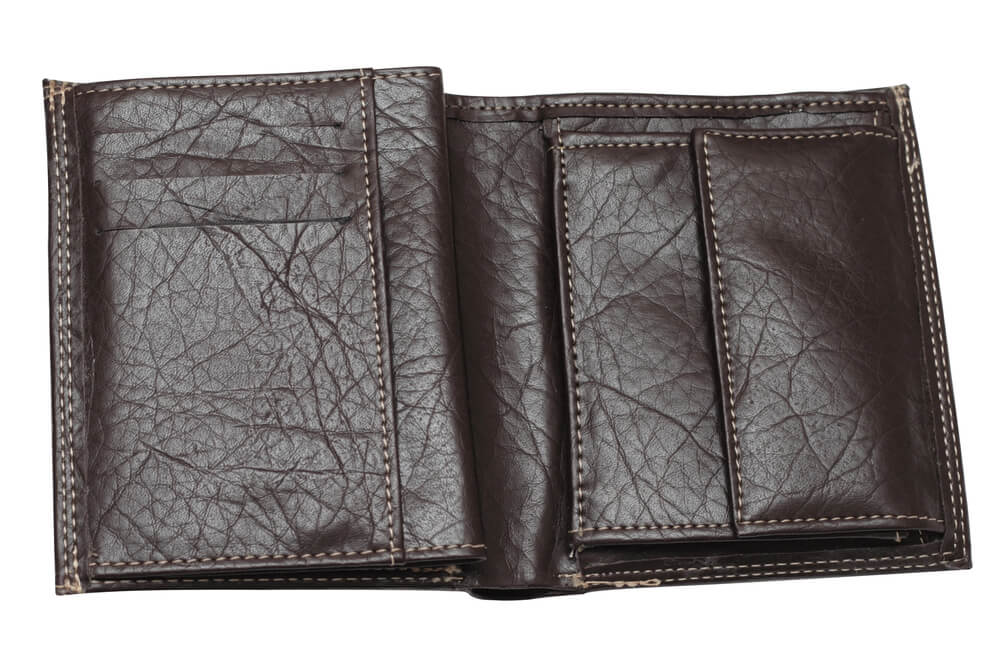
The trifold added a third panel, creating room for cards, receipts, and a photo or two. It was a bulky design that made a pocket bulge.
Clean stitching and intact card pockets matter, since the extra seams are where trifolds usually fail.
Long Checkbook Clutches
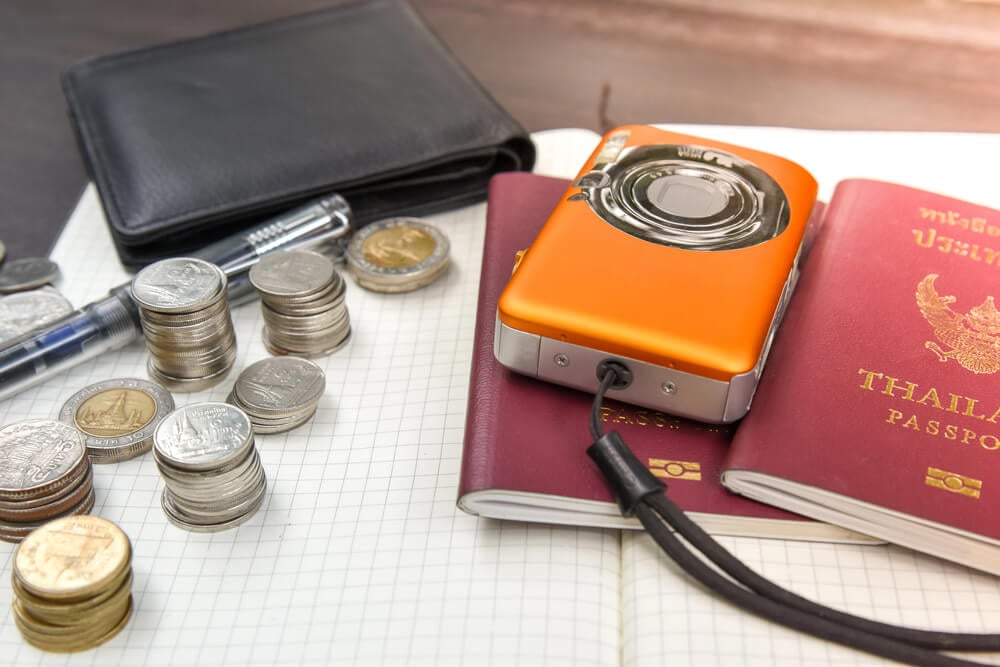
Long wallets sized to hold a checkbook, bills, and receipts were once a standard business accessory. They often had a snap flap and a row of card slots.
Cracked leather along the spine and weak snaps are the main condition issues.
Snap-Closure Coin Pouches
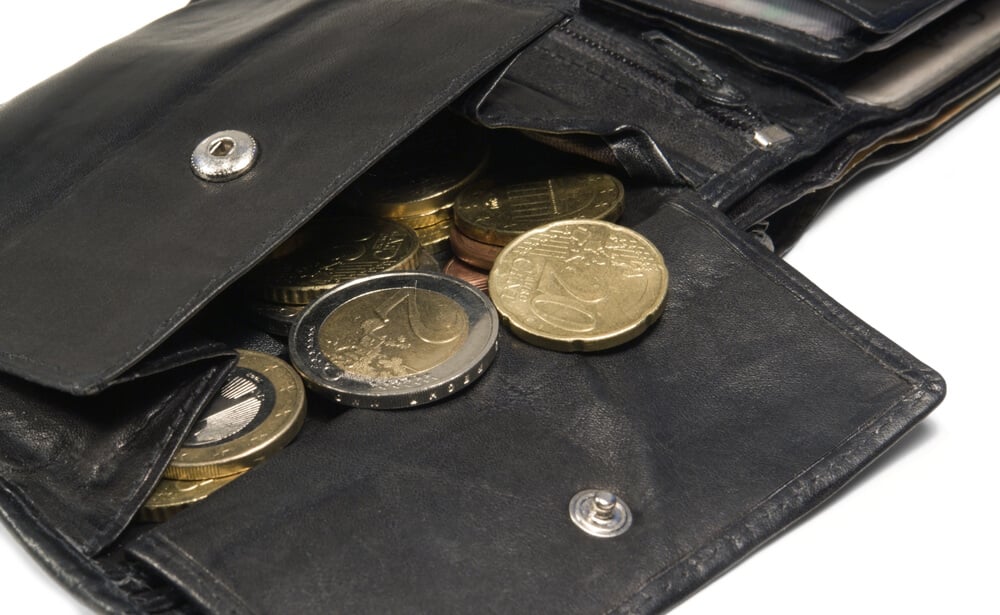
Many bifolds included a small pouch with a metal snap for coins, which kept loose change from scattering across the bills. The snap made a satisfying click each time it opened.
Rust on the snap and torn stitching around the pouch lower value.
Celluloid Photo Windows
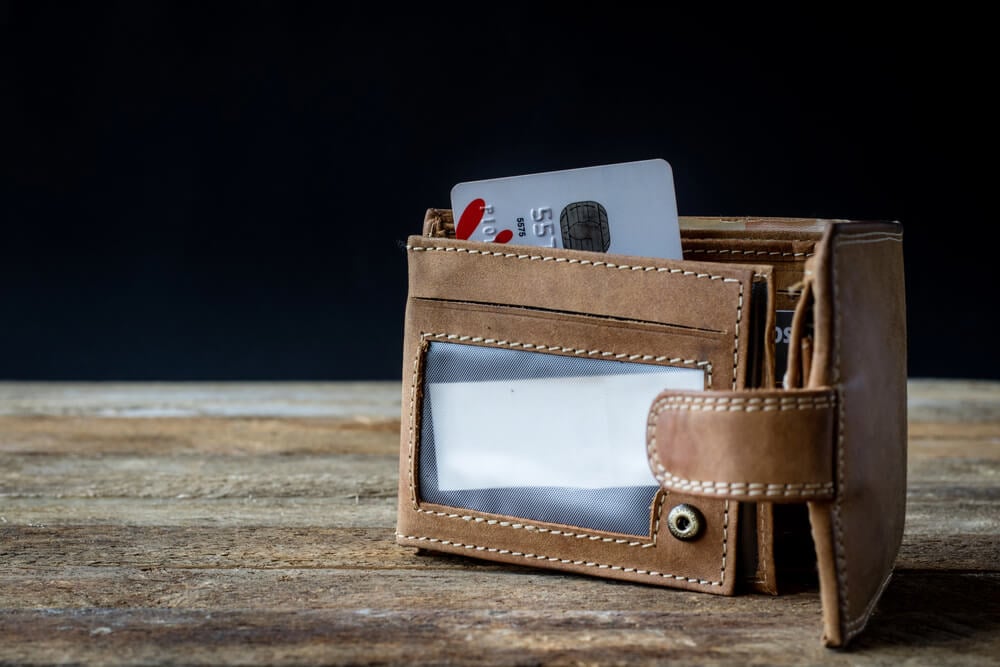
Clear celluloid windows let an owner slip in a photo or ID, and the material often yellows and cracks over time. The windows were an early version of the card sleeve.
Intact, clear windows in a vintage wallet are worth noticing, and clouded ones are expected.
Hidden Bill Compartments
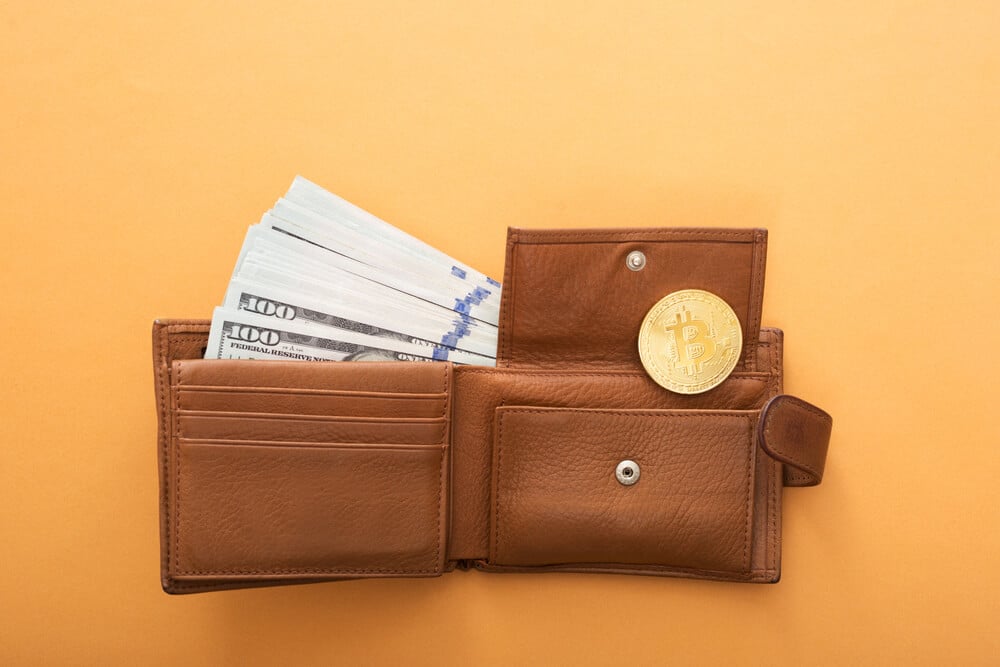
Some wallets included a secret pocket behind the lining for emergency cash, often called mad money. The hiding place was meant to survive even a pickpocket’s search of the main compartments.
Wallets with the compartment intact and undamaged lining are the most desirable.
Chain-Attached Wallets
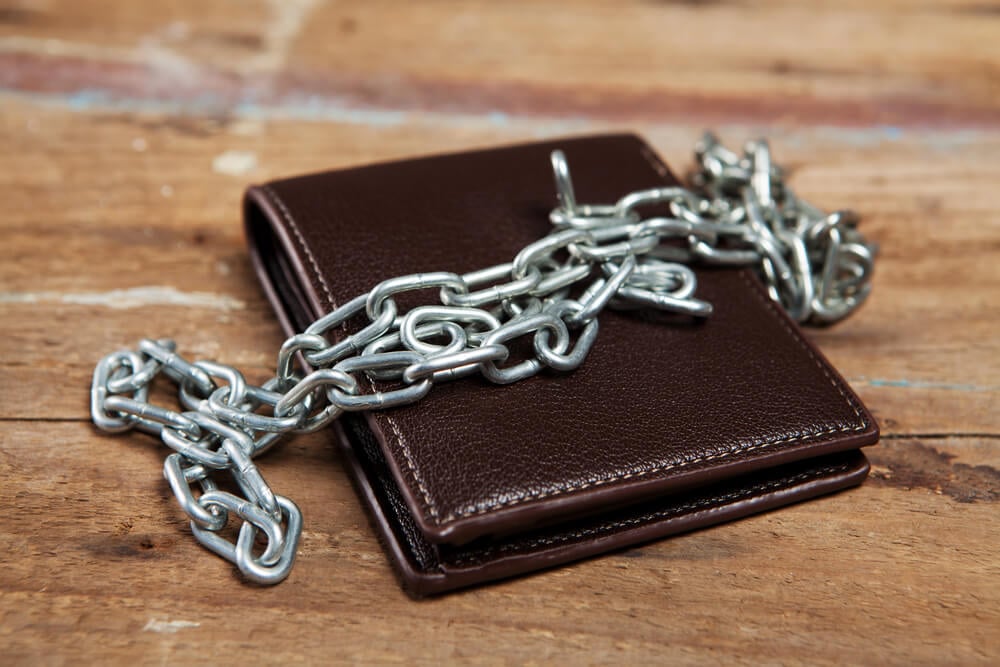
A short chain linked the wallet to a belt loop, which made it harder to lose or lift, and the style is associated with bikers and workers. The chain adds weight and a distinctive jingle.
Condition of the chain and clasp matters as much as the leather.
Hand-Tooled Western Wallets
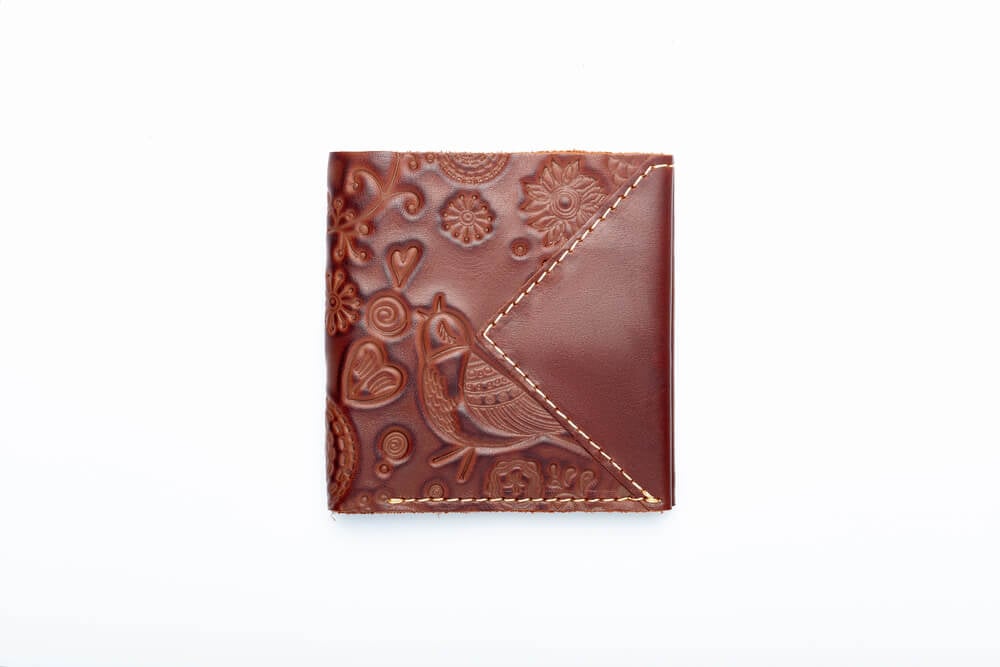
Western wallets were often decorated by pressing patterns into damp leather with stamping tools, producing floral borders and scrollwork. The look is closely tied to ranch country and rodeo culture.
Fading, cracking, and worn tooling reduce value.
Gold-Stamped Initials
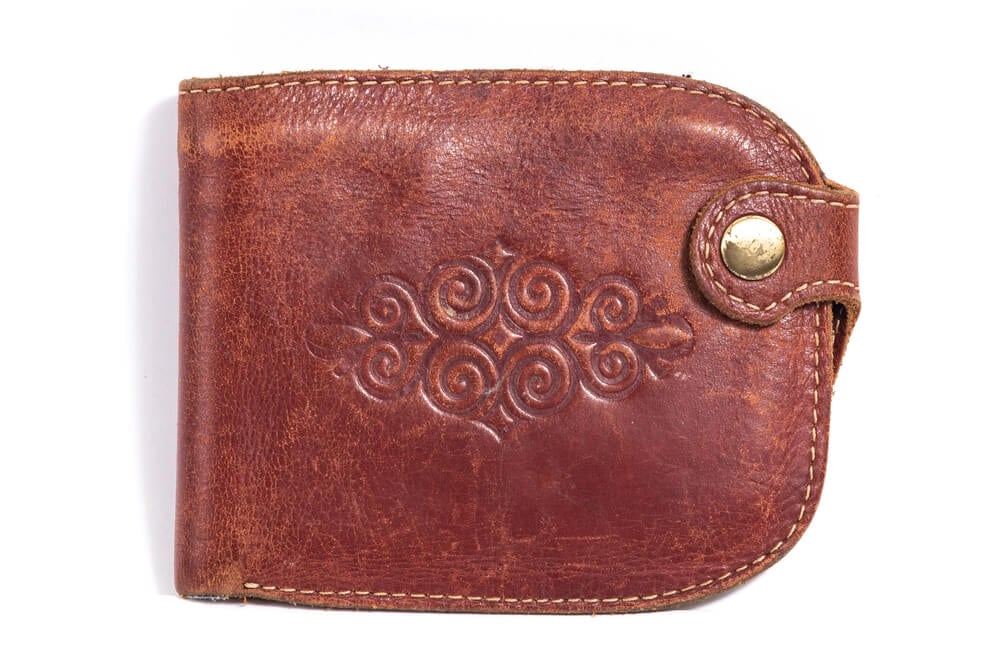
Initials pressed into the leather in gold foil made a wallet a personal gift, and many were stamped for graduations and birthdays. The gilding wears away with use.
A wallet with crisp, intact lettering suggests it was barely used, which often adds value.
Ostrich Quill-Pattern Leather
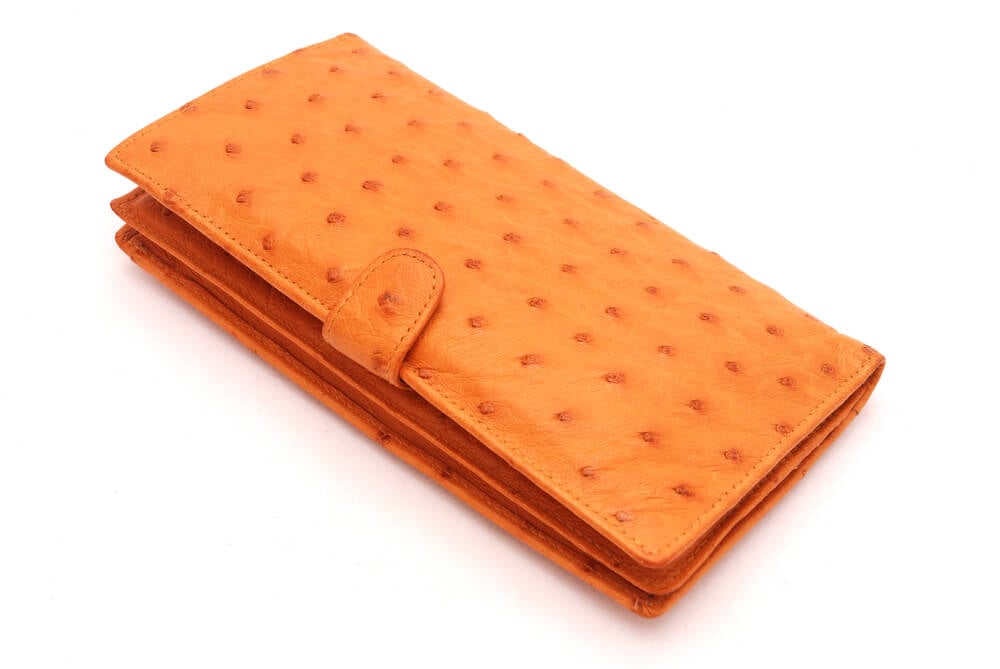
Ostrich skin is recognizable by the raised bumps where quills once grew, giving the wallet a dotted texture. The look is distinctive enough to identify from across a room.
Hard creases and scuffed bumps lower the price, while an even texture sells better.
Stingray Shagreen Wallets
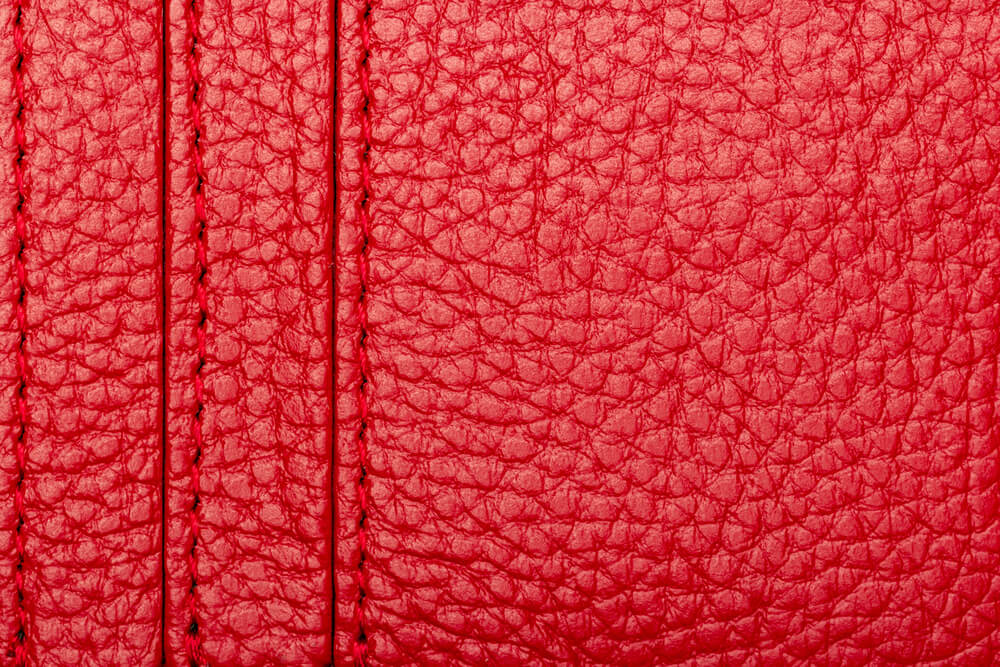
Stingray skin, sometimes called shagreen, has a pebbled surface that is tough enough to feel like stone. It can be dyed in rich colors and polished to a sheen.
Cracks and chips in the hard surface are costly to fix, so intact examples are valued.
Snakeskin Wallets
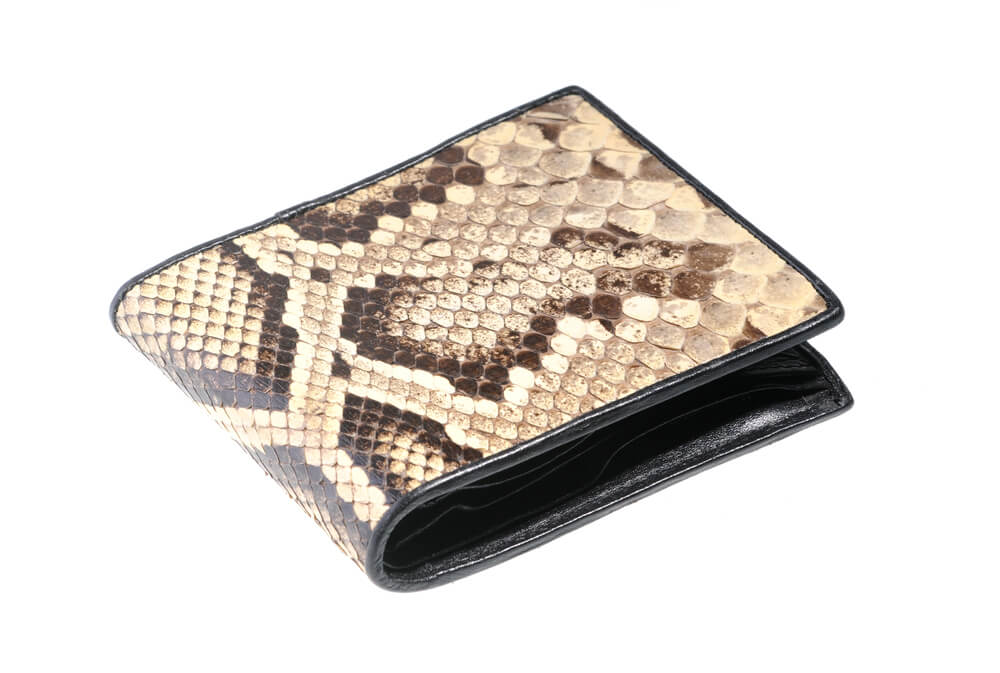
Snakeskin wallets show overlapping scales that give a diamond or ripple pattern. The skin is thin and flexible, so it was often backed with leather.
Lifting scales and dry, brittle patches reduce value.
Alligator Scale Wallets
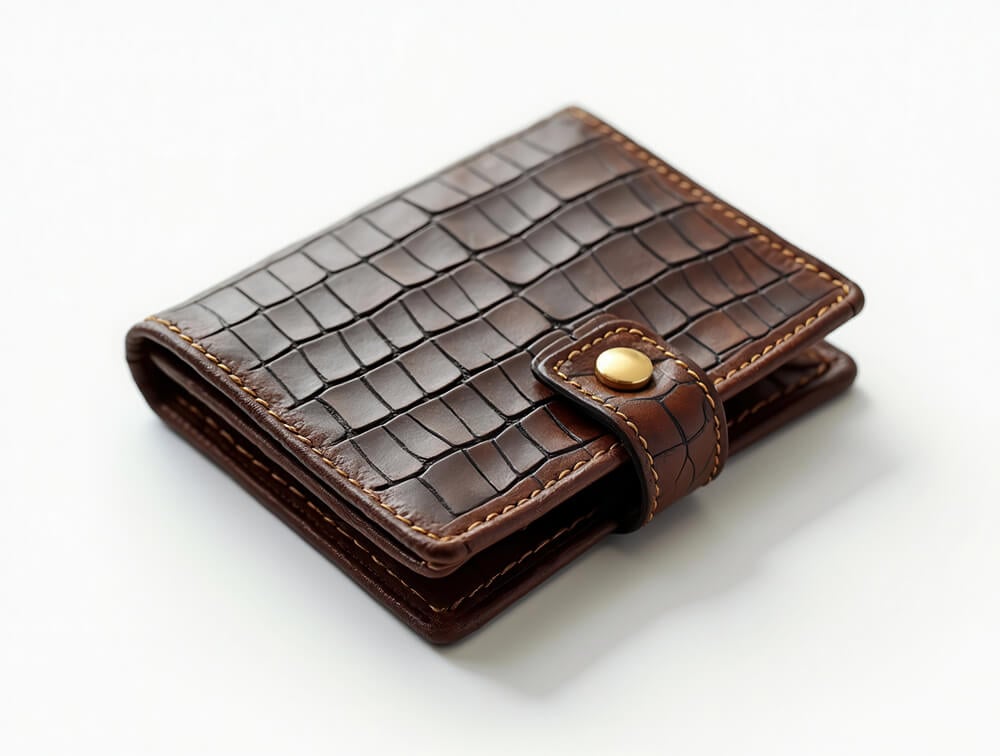
Alligator leather displays a pattern of square scales, and the size and regularity of the pattern help indicate quality. It has long been a symbol of luxury.
Cracking along the folds and rubbed edges are the usual signs of wear.
Lizard Skin Wallets
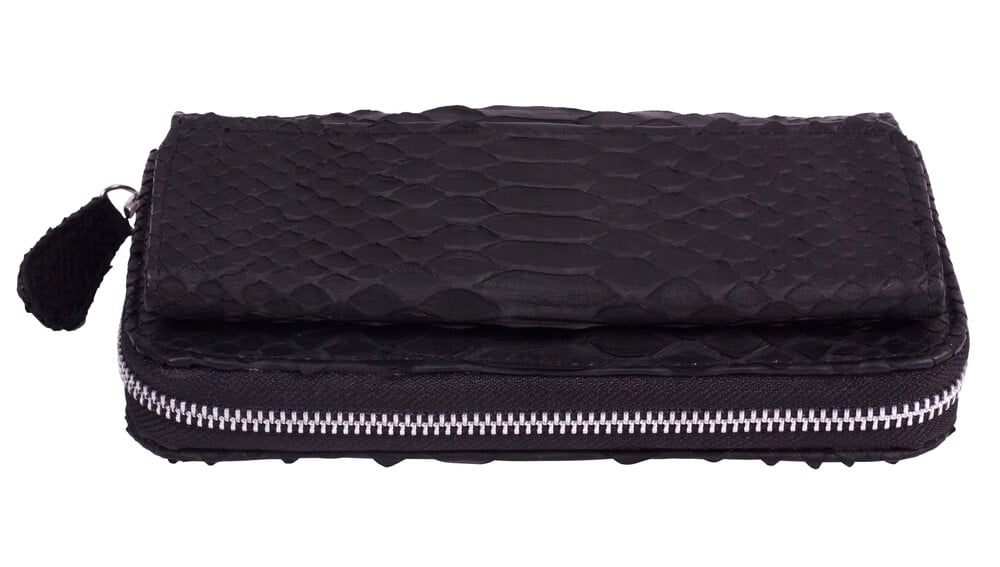
Lizard skin has tiny scales that give a fine, delicate pattern, and it was a popular exotic option for small accessories. The material is thin, so wallets in lizard skin often feel light.
Peeling edges and stiff, dry patches lower value.
Pigskin Wallets
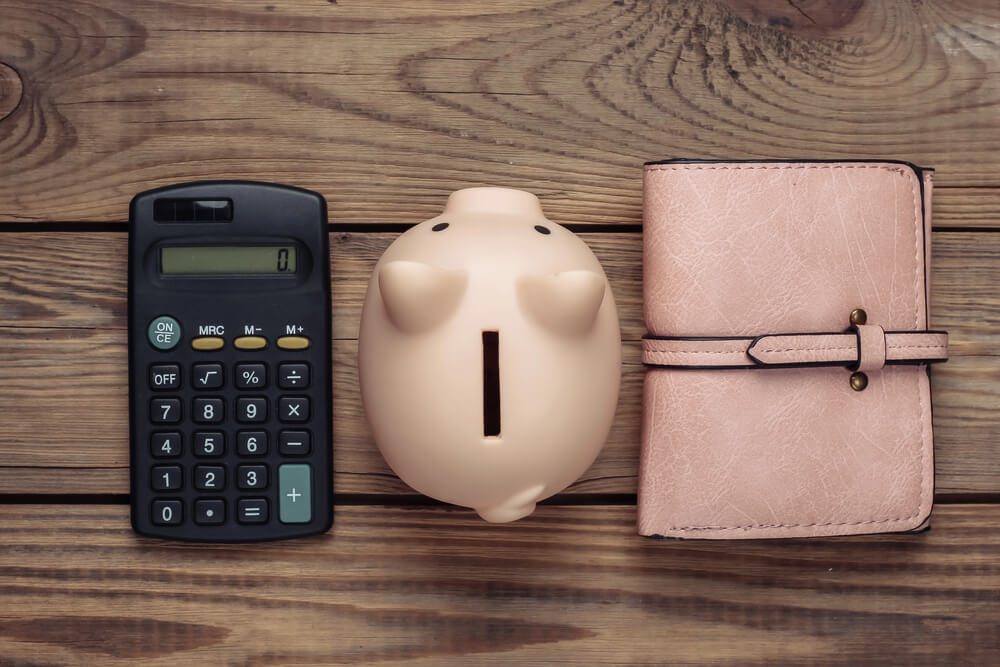
Pigskin is a durable leather recognizable by the clusters of tiny dots left by bristles. It was valued for toughness and a soft, suede-like surface.
Staining and worn-down corners are the main condition issues.
Shell Cordovan Wallets
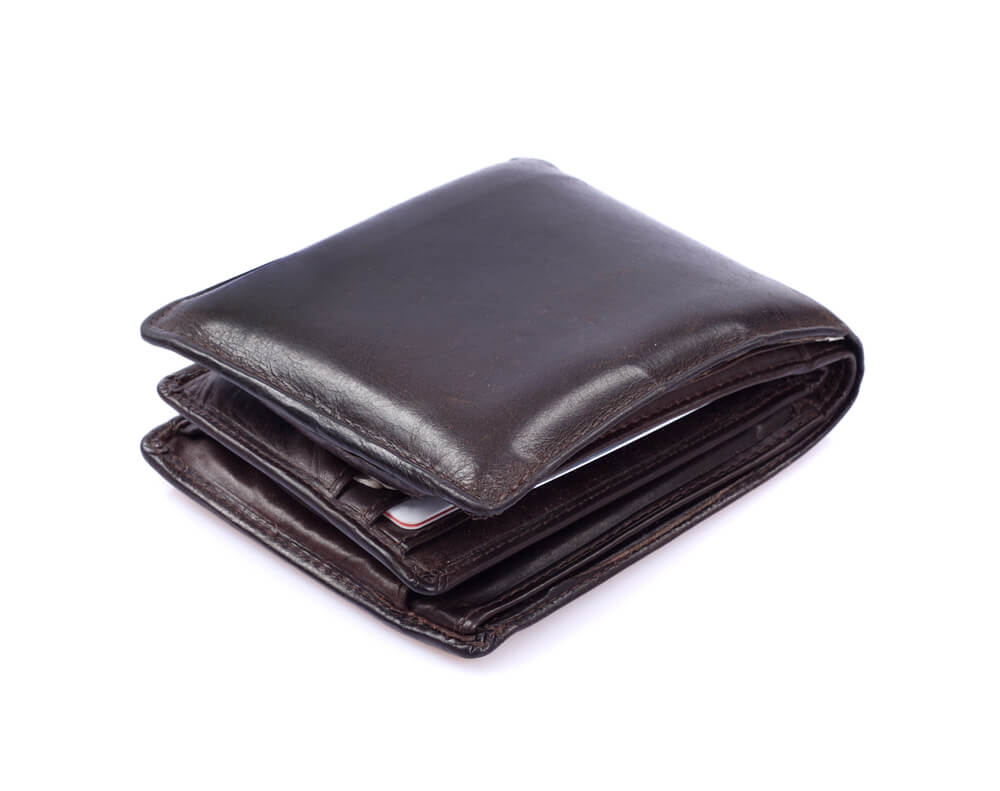
Shell cordovan is a dense, glossy leather made from a layer found beneath the hide of a horse, and it creases in smooth rolls rather than cracks. Owners prized it for its ability to take a shine.
Original finish and minimal scratching push prices up.
Nylon Trifolds With Velcro
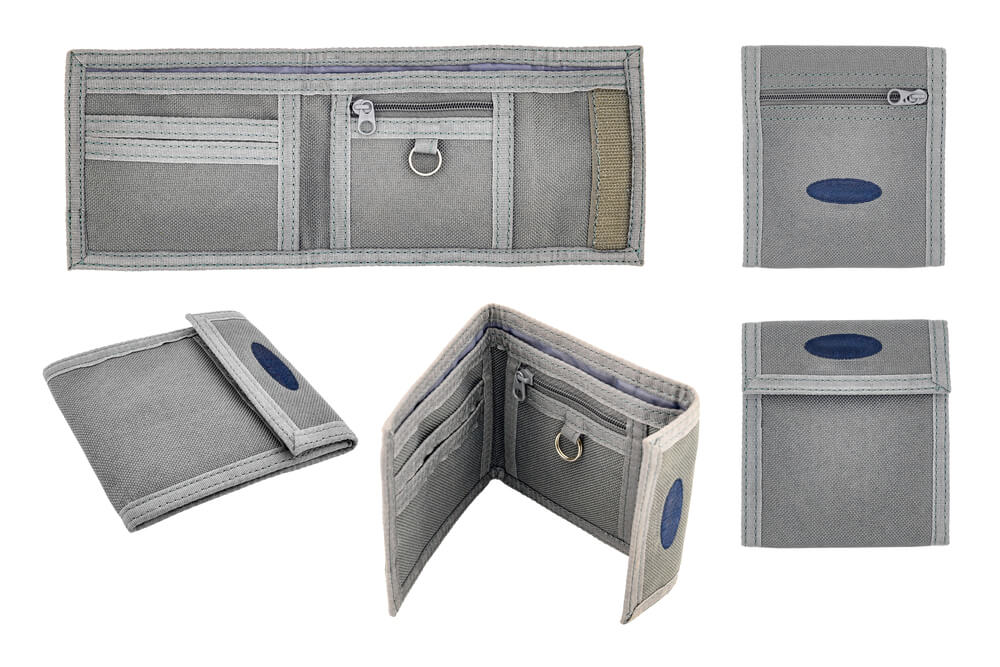
Velcro was conceived in the 1940s by Swiss engineer George de Mestral after he noticed burrs sticking to his dog’s coat, and it later appeared on nylon sport wallets that opened with a rip. The rip was part of the appeal for many users.
Frayed hook-and-loop fasteners are the main sign of wear.
Plastic-Lace Craft Wallets
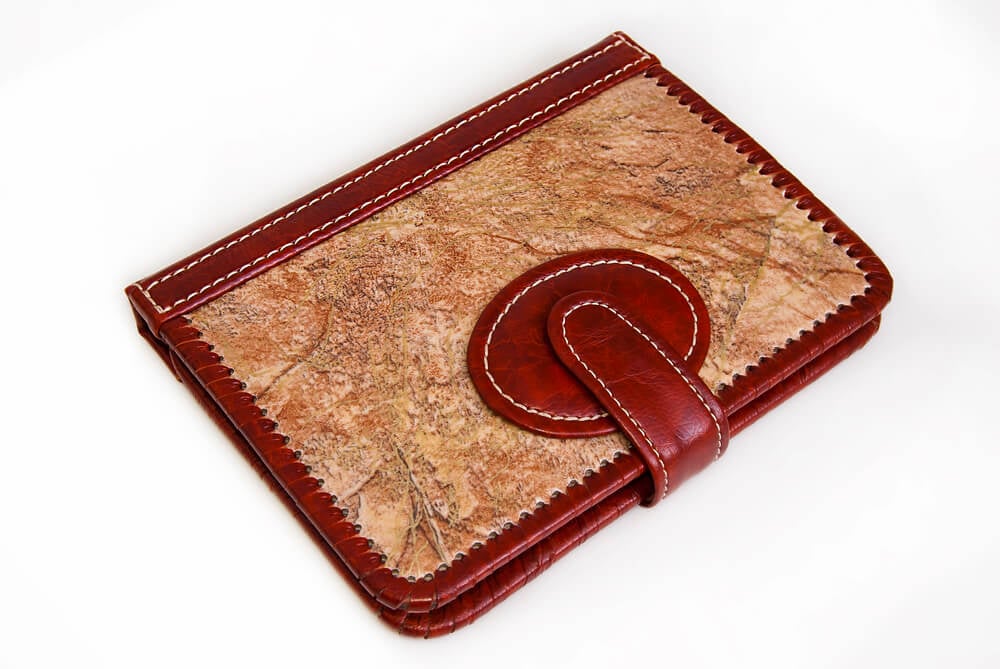
Colorful plastic cord was woven by hand into wallets and keychains, a staple of camps and craft classes. The patterns ranged from simple stripes to elaborate weaves.
Intact weave and bright color matter more than any maker’s name.
Coach-Style Glove-Tanned Wallets
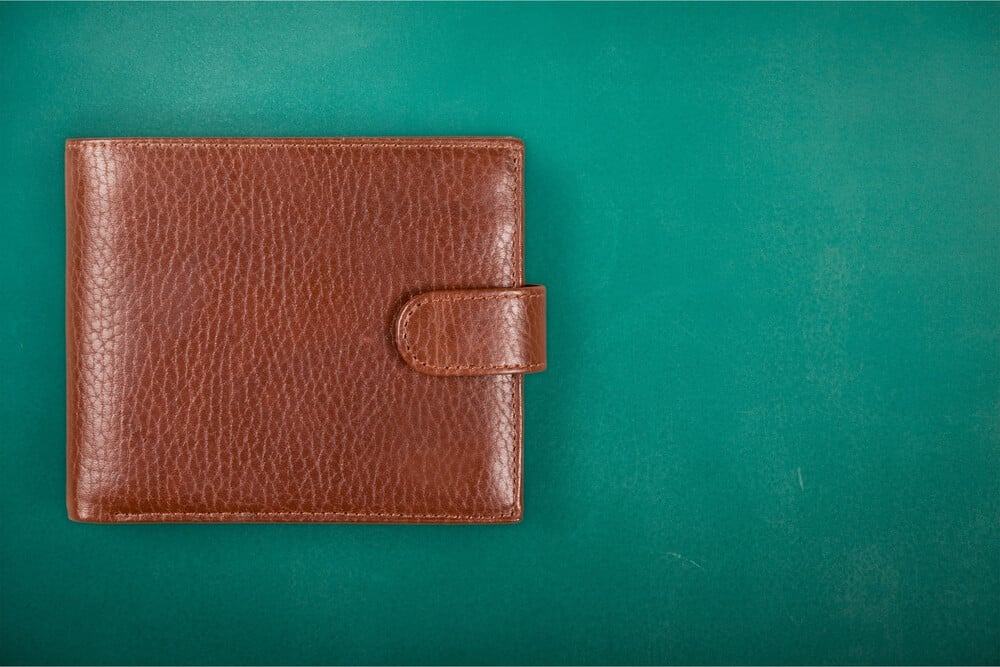
Coach, founded in New York in 1941, became known for soft glove-tanned leather. The leather darkens and softens with age.
Condition of the leather and clean hardware determine price.
Coated Canvas Monogram Wallets
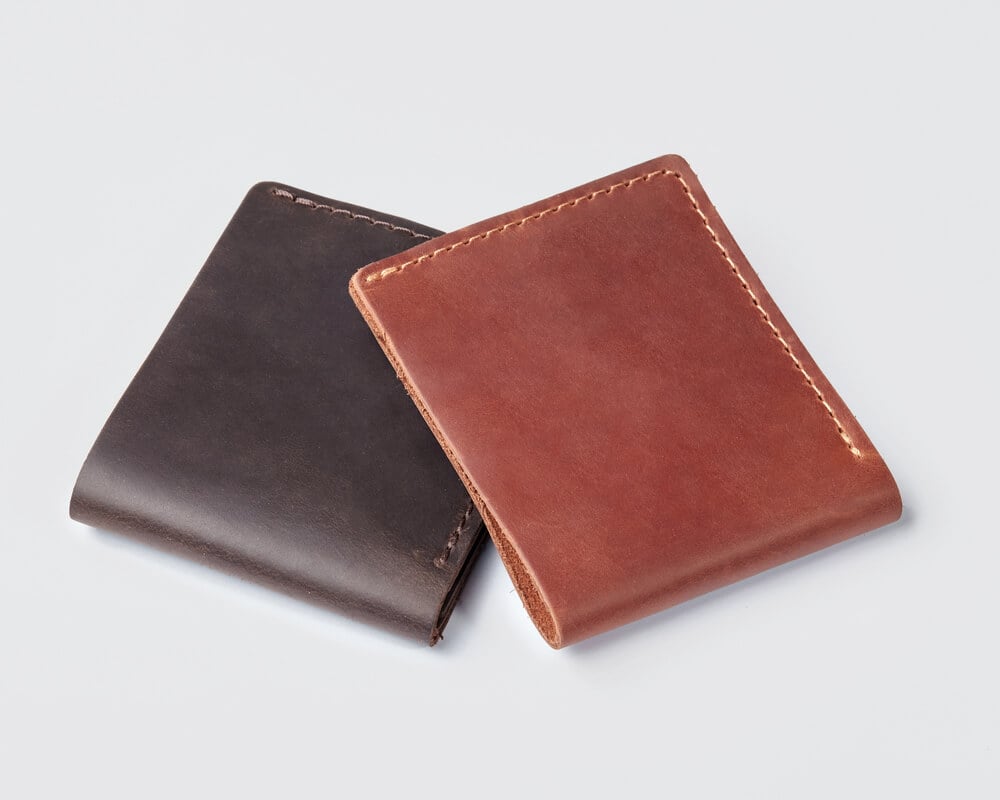
Coated canvas printed with monogram patterns offered a durable surface that resisted scratches and moisture. The repeating logos made the design instantly recognizable.
Peeling coating and cracked edges are the main flaws.
Souvenir-Stamped Wallets
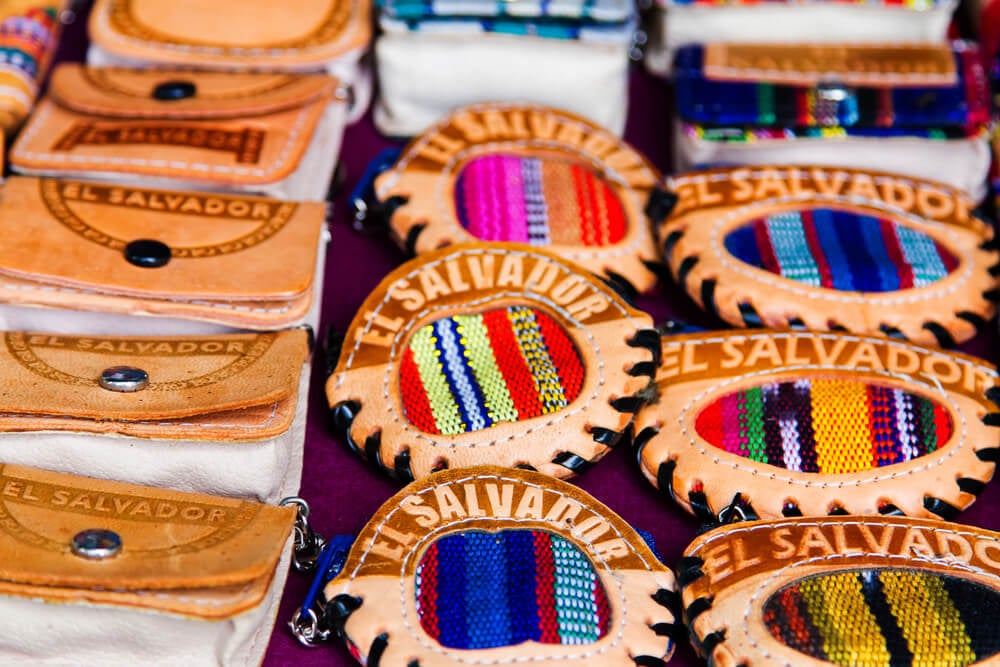
Leather wallets stamped with state names, landmarks, and scenes were sold at tourist stops, and the images were often pressed or burned into the leather. They serve as pocket-sized postcards.
Faded imagery and worn edges lower prices, though some collectors favor the patina.
Advertising Giveaway Wallets
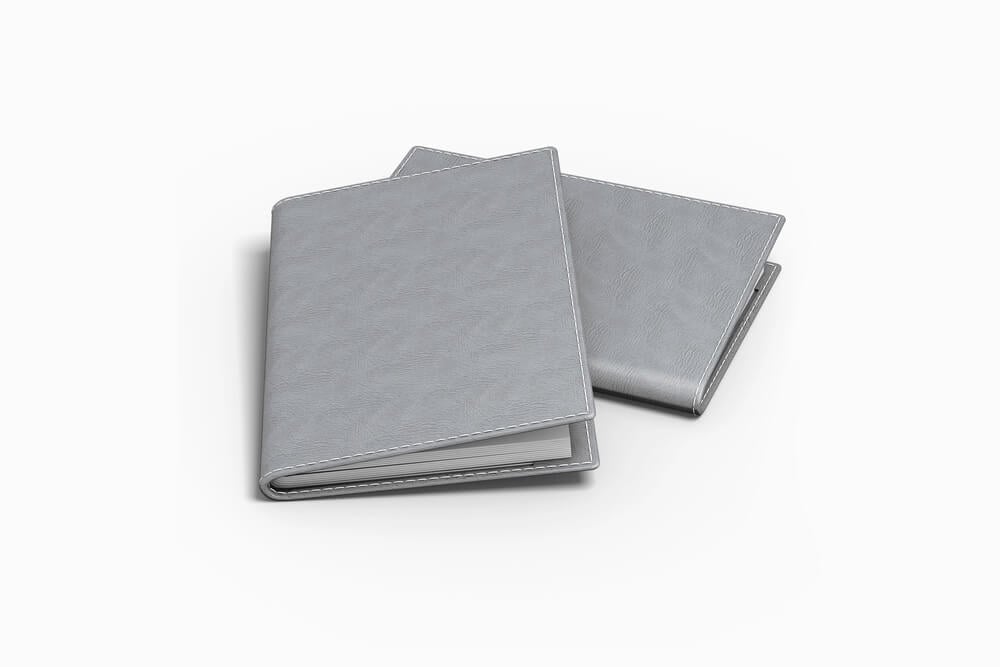
Businesses handed out wallets printed with their name and phone number as promotional gifts, and many included a calendar or a ruler. They put a brand in front of the owner every time money changed hands.
Crisp printing and unworn leather are what collectors look for.
Money Clip Wallets
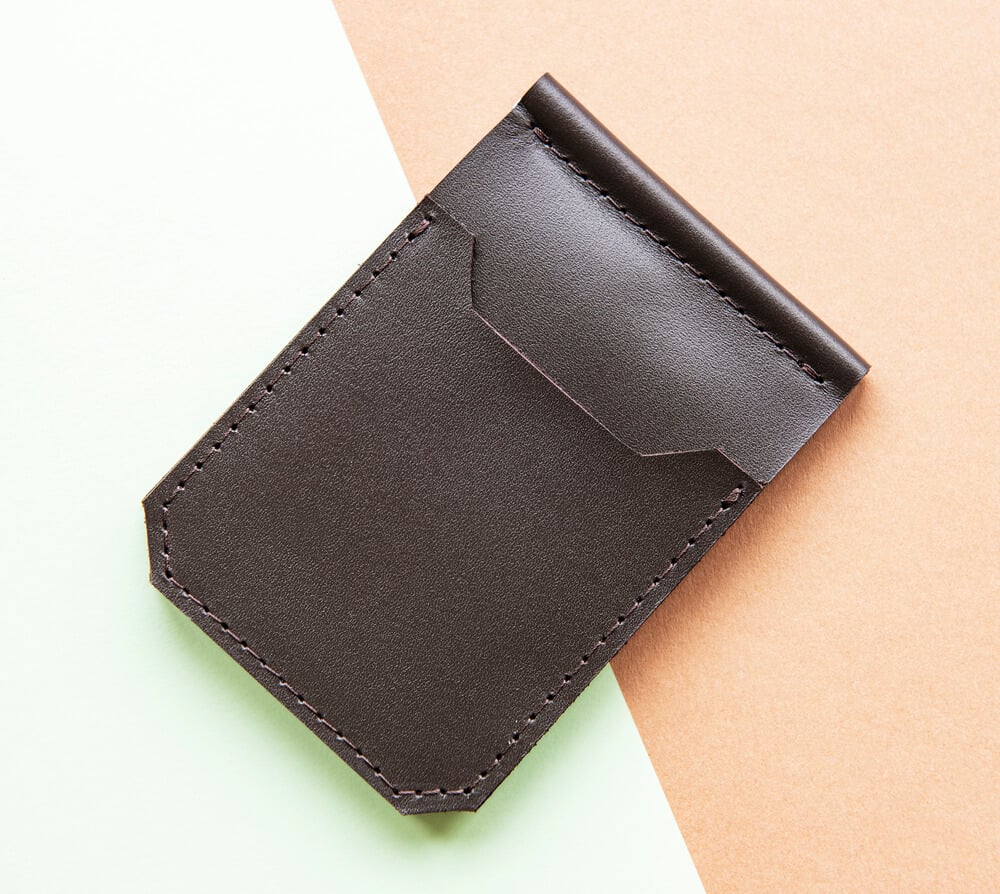
A money clip held a fold of bills with a spring-loaded metal band, and some wallets integrated a clip into the leather. The result was slimmer than a traditional fold.
Weak springs and tarnished metal lower value.
Pocket Calendar Inserts
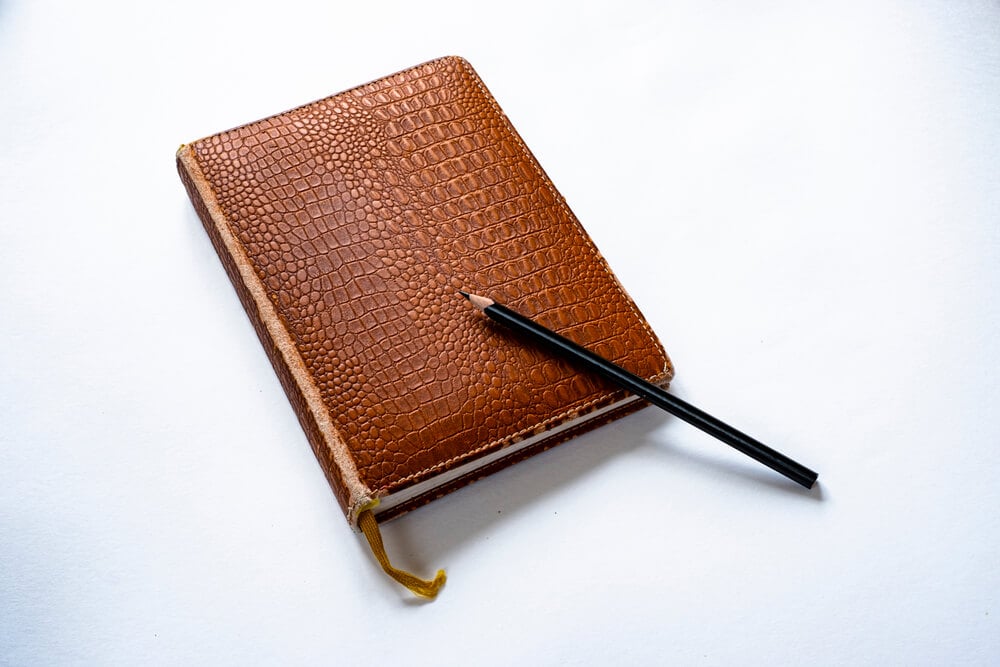
Many wallets included a slot for a small printed calendar, which was replaced every year. The calendar gave the owner a reason to open the wallet at the beginning of a month.
Original calendars still in place are a nice bonus for collectors.
Key Case Wallets
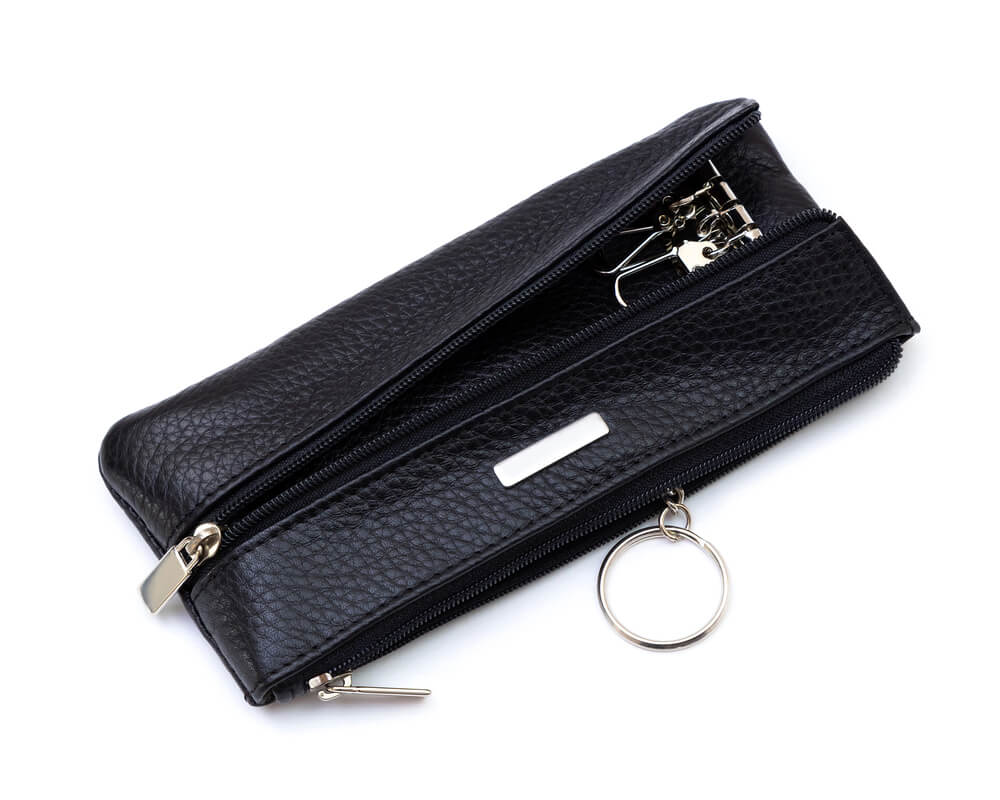
Key case wallets combined a row of hooks for keys with space for cards and cash, and the zipper or snap kept it all together. They aimed to replace a jingling pocket.
Intact hooks and a smooth closure matter, and cracked leather lowers the price.
Zip-Around Wallets
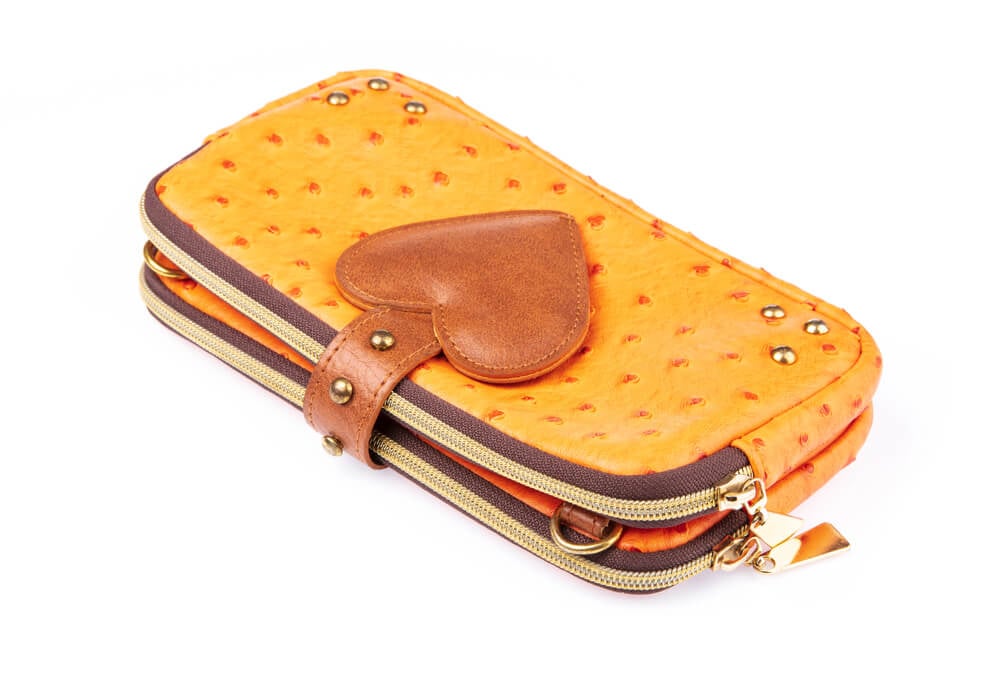
A zipper circled the edge of a zip-around wallet, sealing in bills and coins. The design was safer against spills than a flap closure.
Corroded zipper teeth and sticking pulls are the main condition concerns.
Denim and Fabric Wallets
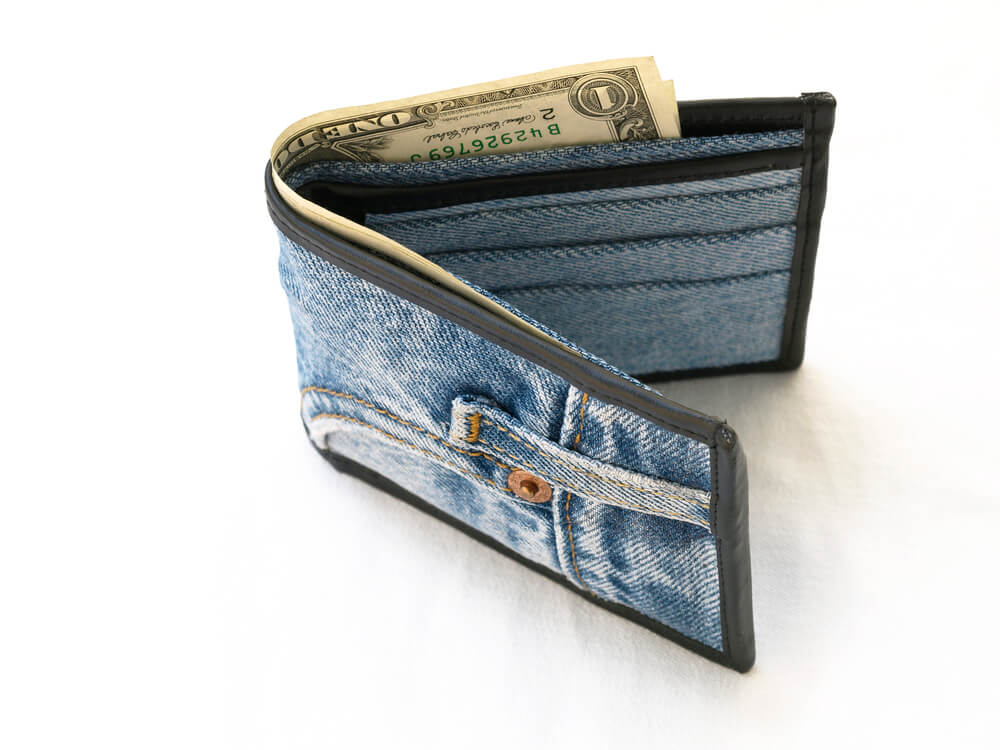
Denim and canvas wallets were inexpensive alternatives to leather, often decorated with patches or embroidery. They suited the casual styles of the 1970s.
Fraying and faded color are expected, and clean examples are scarce.
Pocket Secretary Wallets
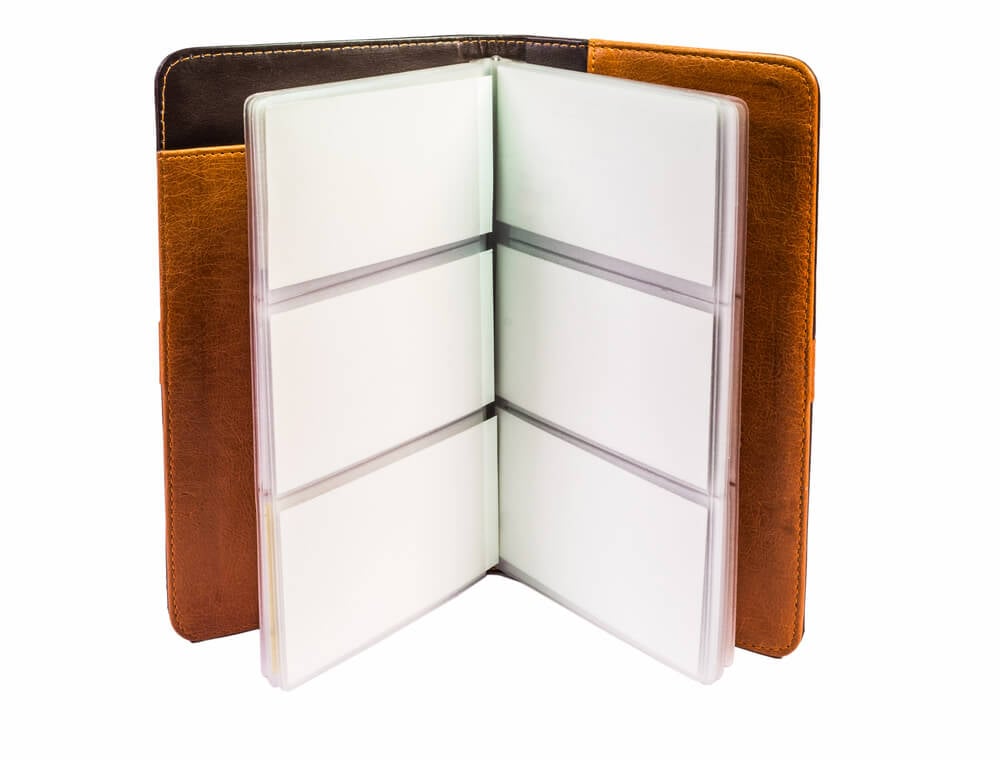
Pocket secretaries folded a wallet, a notepad, and a pencil loop into one case, serving as a portable office. They were popular with businessmen who needed to jot notes and carry money.
A complete set with the original notepad and pencil is hard to find.
Passport and Travel Wallets
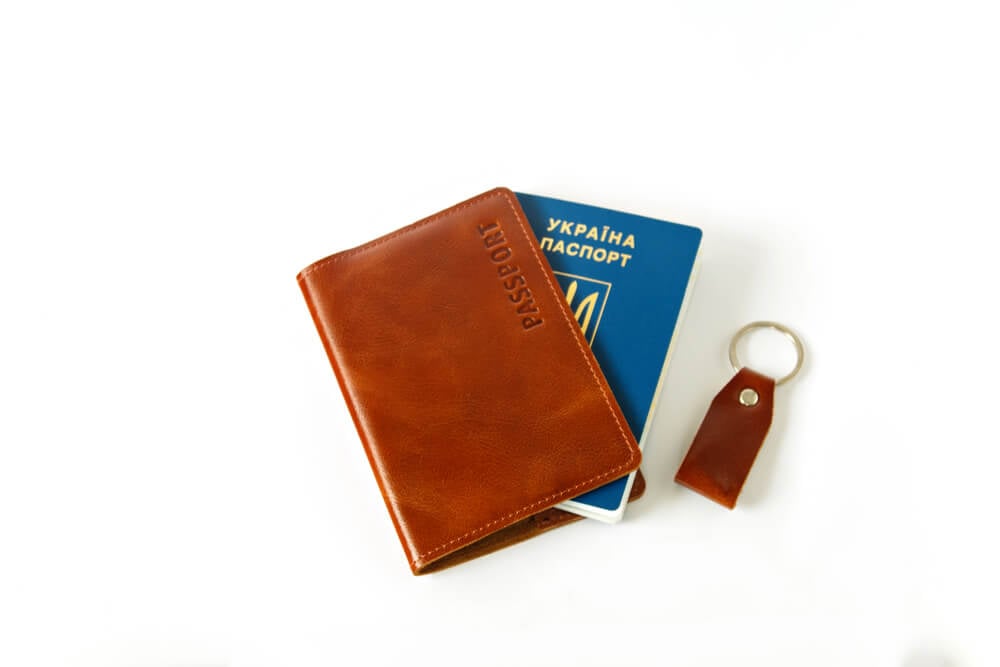
Travel wallets were sized to hold a passport, tickets, and foreign currency, and they often included separate zip compartments. They organized the paperwork of a journey.
Stained linings and broken zippers are the usual flaws.
Vinyl Wallets
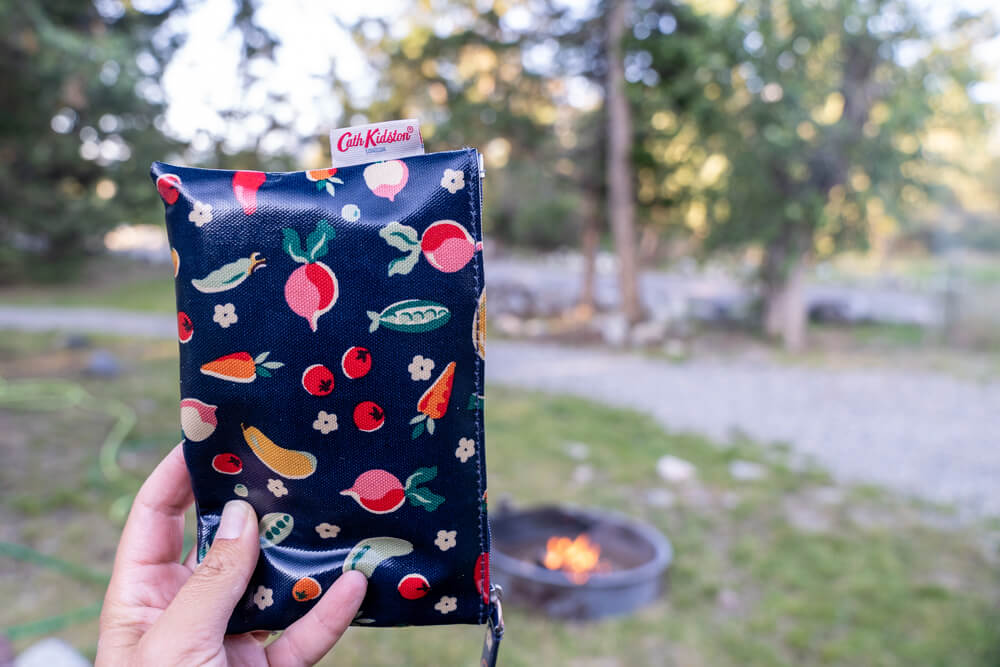
Vinyl wallets copied the look of leather at a lower price and appeared in a range of colors and textures. They resisted water and wipes clean.
Vinyl can crack or turn sticky with age, so intact surfaces are important.
Kiss-Lock Frame Wallets
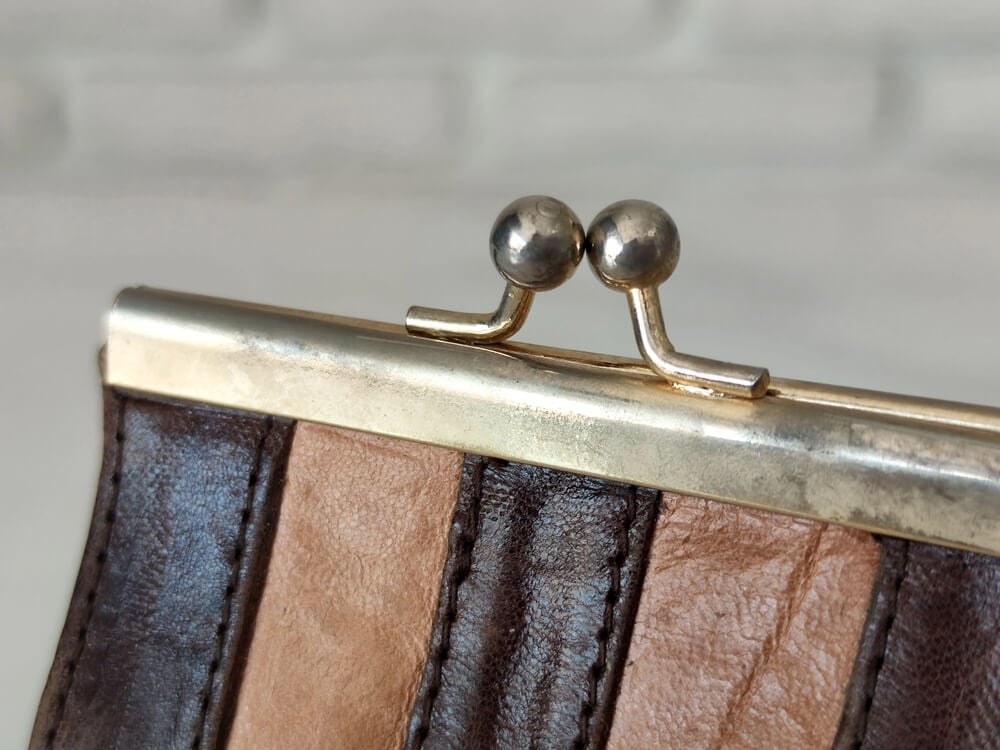
Metal frames with a pair of knobs that clicked shut, known as kiss locks, gave small wallets a vintage look. The click was satisfying and secure.
Dents, loose hinges, and corroded frames lower the price.
Wallets With Card Sleeves
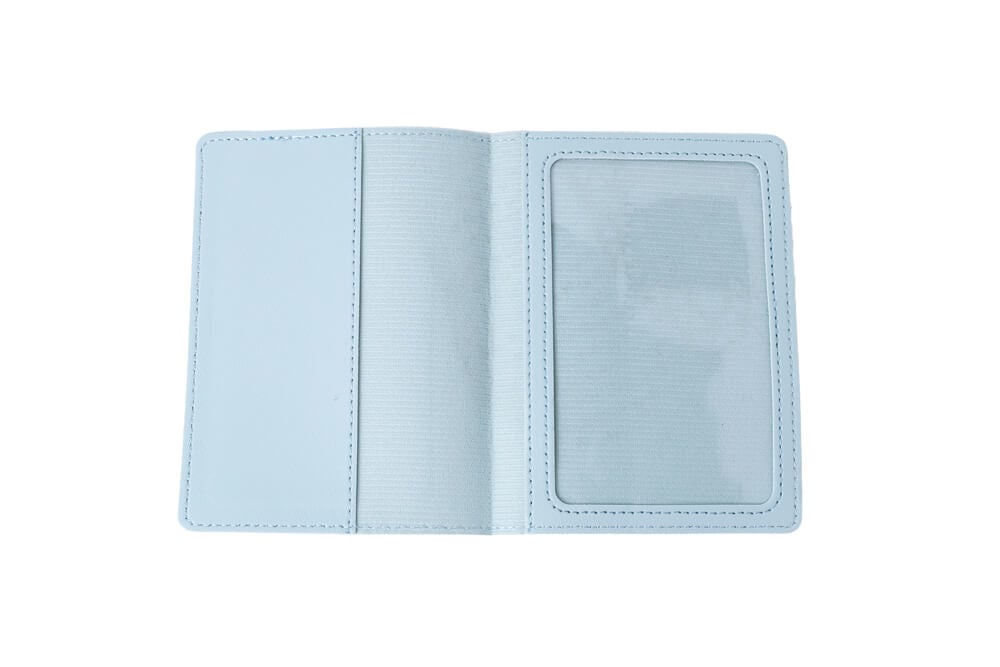
As charge cards and credit cards multiplied after the 1950s, wallets added rows of clear plastic sleeves and slots to hold them. Some folded out into long accordions of windows.
Yellowed, brittle plastic is common, and intact sleeves are desirable.
What a Pocket Remembers
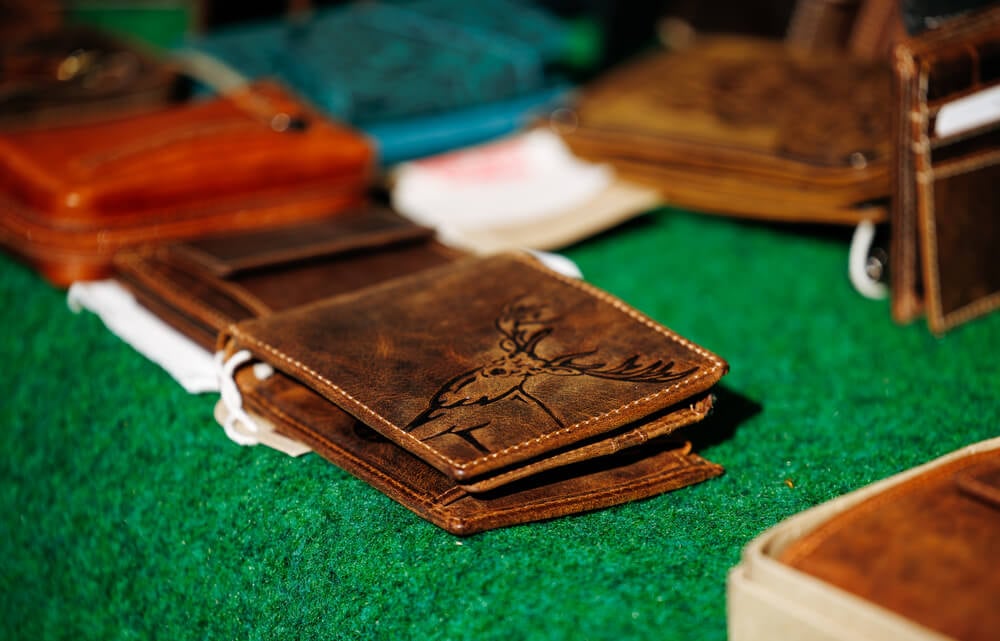
Every wallet here was designed around what people carried at the time, whether coins and calendars or checks and charge cards. The details, from hidden pockets to snap closures, track the shifting contents of a life.
A wallet is a tiny record of how people paid for things. The best vintage examples keep traces of use that no reproduction can copy.
A softened corner, a faded set of initials, or a calendar from a long-gone year makes them feel personal. Condition counts, but so does the quiet evidence of the person who carried it.
More from Go2Tutors!

- 27 Silver Dollars and Half Dollars Worth Keeping
- 28 Restaurant Menu Items Nobody Orders Anymore
- 17 Places Built in Seemingly Impossible Spots
- 27 Vintage Rings Worth More Than They Look
- 25 Restricted Sites Tourists Can’t Enter
Like Go2Tutors’s content? Follow us on MSN.