28 Historical Records Lost to Fires and Floods
Paper burns and water destroys, and for most of human history, paper and parchment were the only backup copies civilization had. Entire genealogies, court cases, and centuries of accumulated knowledge have vanished not through malice but through the ordinary vulnerability of physical materials to flame and flood.
Once gone, that information is usually gone permanently, with no second copy sitting in a safer building elsewhere. Some of these losses reshaped entire fields of research.
Others quietly erased the ability of ordinary families to trace their own ancestry. All of them are reminders that preservation has always been a fight against basic physics.
The Library of Alexandria
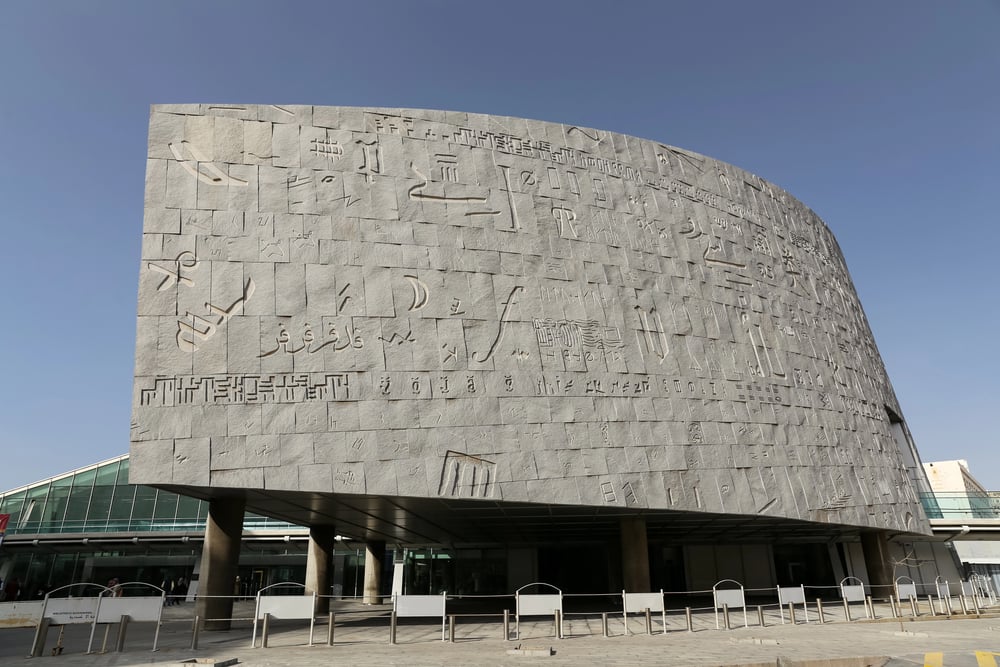
The ancient Library of Alexandria, one of the largest and most significant repositories of knowledge in the classical world, was diminished across several documented incidents of fire over centuries rather than in one single catastrophic event, including damage during Julius Caesar’s civil war campaign in 48 BCE. The exact scale of what was ultimately lost remains debated among historians, since ancient sources disagree on the details and timeline.
What is not disputed is that an enormous quantity of unique texts, many never copied elsewhere, disappeared as the institution declined over centuries. The library’s fate has since become the standard shorthand for irreplaceable knowledge destroyed by fire.
The Library of Congress Fire of 1851

A fire broke out in the Library of Congress on Christmas Eve in 1851, destroying roughly two-thirds of the collection, including a majority of the personal library that Thomas Jefferson had sold to the institution decades earlier to help rebuild its holdings after an earlier loss. Firefighting equipment of the era proved largely inadequate against the blaze, which spread rapidly through the building’s collections.
Congress appropriated funds to purchase replacement volumes where possible, but many of the destroyed items were irreplaceable originals or rare editions. The fire led directly to improved fireproofing standards for the library’s later facilities.
Ireland’s Public Record Office

An explosion and subsequent fire destroyed Ireland’s Public Record Office at the Four Courts complex in Dublin in 1922, during fighting at the outset of the Irish Civil War. The blaze consumed centuries of Irish census records, wills, and land documents, dealing a catastrophic blow to genealogical research for the entire country.
Irish family history researchers still contend with the gap this created, since many records dating before the twentieth century simply no longer exist in any form. The loss remains one of the most significant archival disasters in modern European history.
The Great Chicago Fire

The Great Chicago Fire of 1871 destroyed vast sections of the city, including numerous municipal buildings holding property, court, and vital records for the rapidly growing metropolis. Reconstruction of the city’s legal and property history afterward required painstaking work to reassemble records from secondary sources, private copies, and testimony.
Some records were never adequately reconstructed and remain permanent gaps in the city’s early administrative history. The fire’s destructive reach through the city’s archives is often overshadowed by its human and economic toll, but the record loss compounded the disaster’s long-term effects.
The 1906 San Francisco Earthquake and Fire
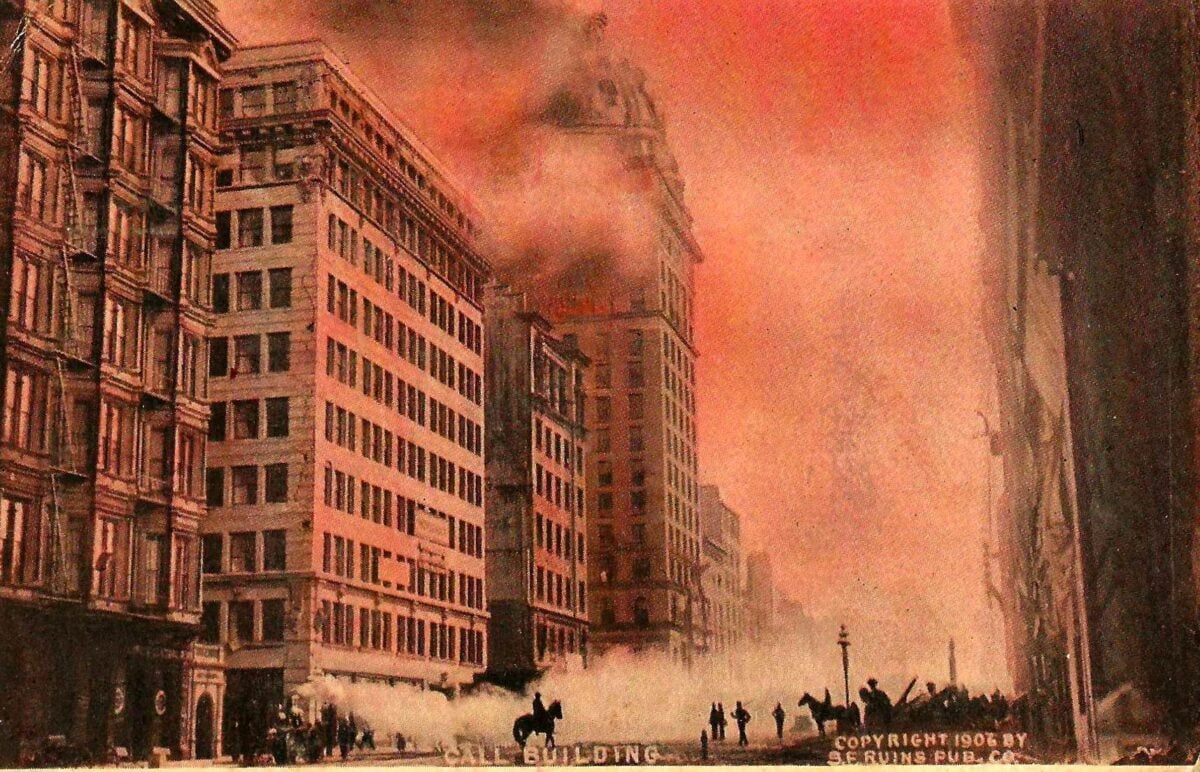
The earthquake and subsequent fires that devastated San Francisco in 1906 destroyed the city’s vital records office, wiping out original birth, marriage, and death certificates for residents born or married before that year. Many San Franciscans born prior to 1906 have had to rely on alternative documentation, such as baptismal records or school enrollment papers, to prove basic biographical facts about their own lives.
Genealogists researching San Francisco families still describe 1906 as an effective wall beyond which standard vital records simply do not exist locally. The gap remains one of the most cited examples of a natural disaster permanently altering a population’s own documented history.
The National Museum of Brazil Fire
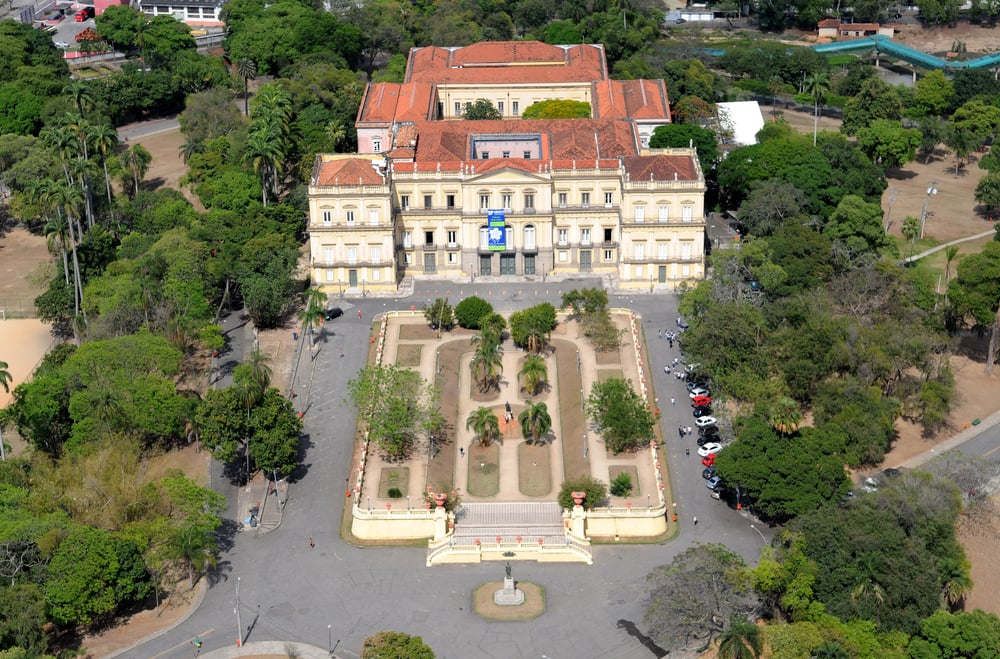
A catastrophic fire tore through Brazil’s National Museum in Rio de Janeiro in September 2018, destroying an estimated ninety percent of its roughly twenty million item collection in a matter of hours. Losses included one of the only known recordings of several extinct Indigenous South American languages, along with irreplaceable fossils, meteorites, and ethnographic artifacts collected over two centuries.
Inadequate fire suppression systems and years of insufficient government funding for basic maintenance were widely cited as contributing factors. The disaster prompted international outcry and renewed debate over chronic underfunding of cultural heritage institutions across Latin America.
The Notre-Dame de Paris Fire
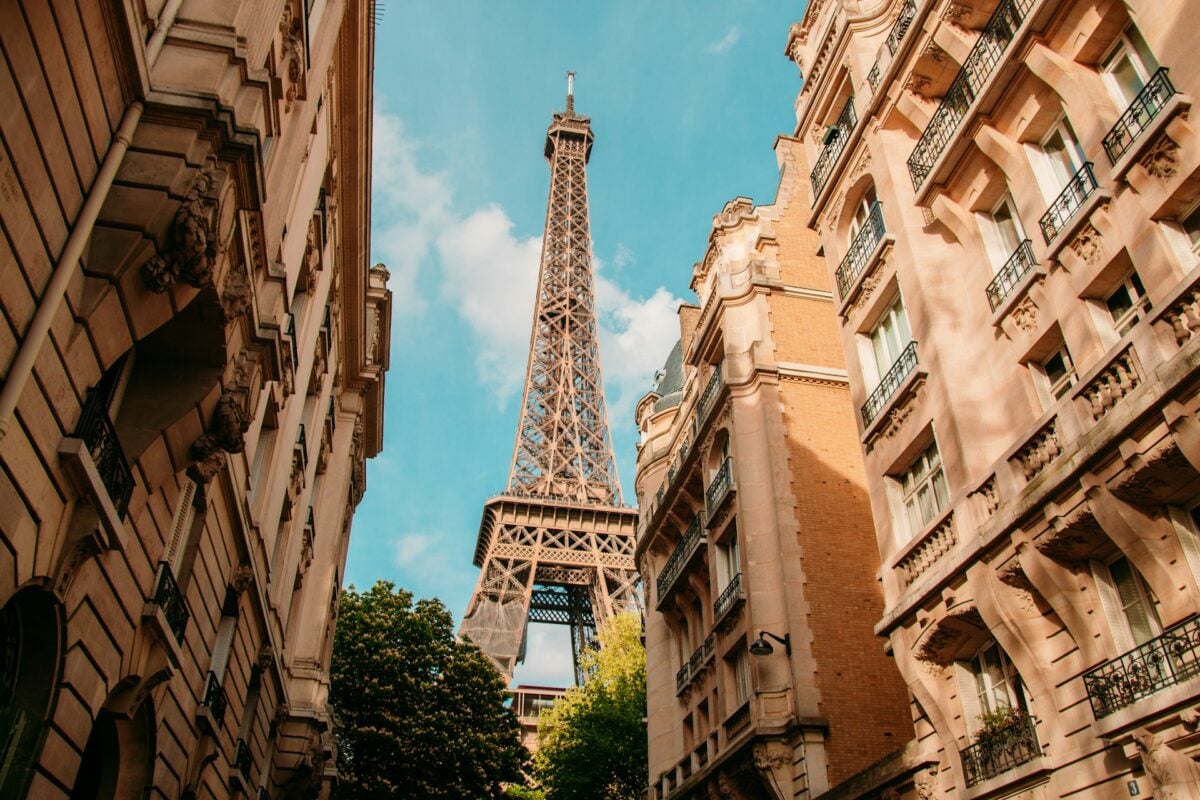
A major fire severely damaged the cathedral of Notre-Dame de Paris in April 2019, destroying its iconic spire and much of the wooden roof structure, though rapid response by firefighters saved the majority of the building’s most significant relics and artwork. Some archival material and minor artifacts stored in areas nearer the fire’s origin were lost or damaged beyond recovery.
The scale of restoration required international fundraising and years of specialized reconstruction work before the cathedral reopened. The fire renewed global attention to fire risk in aging landmark structures that were never designed with modern suppression systems in mind.
Windsor Castle Fire

A fire broke out in Windsor Castle in November 1992, badly damaging several historic state rooms and destroying artwork, furnishings, and some documentation held within the affected sections of the castle. The blaze started during ongoing restoration work and spread quickly through the older sections of the structure before firefighters brought it under control.
Restoration of the damaged rooms took roughly five years and became a significant point of public debate over how the costs should be funded. The disaster prompted a broader review of fire safety practices across other historic royal properties in Britain.
Virginia’s Burned Record Counties
Numerous county courthouses across Virginia were deliberately burned during the American Civil War, either by retreating Confederate forces or advancing Union troops, destroying generations of accumulated property deeds, wills, and marriage records. Genealogists refer to the affected counties collectively as “burned counties,” a designation that warns researchers in advance that standard record types simply will not exist for certain time periods.
Some communities attempted to reconstruct partial records after the war using surviving personal papers and testimony, but significant permanent gaps remain. The pattern repeated in various forms across other Southern states where courthouses were similarly targeted or caught in the general destruction of the war.
The Johnstown Flood
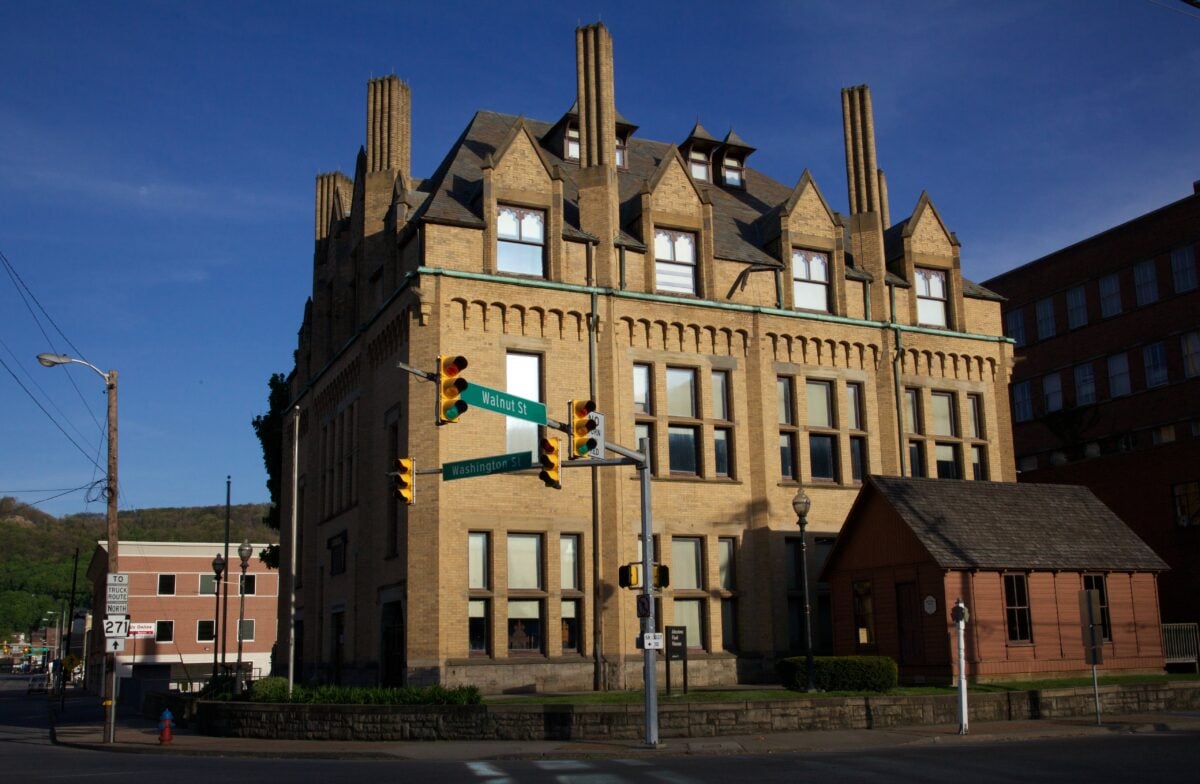
Photo by David Brossard, via Flickr. Licensed under CC BY-SA 2.0
The catastrophic failure of the South Fork Dam in 1889 sent a wall of water through Johnstown, Pennsylvania, destroying much of the town along with local administrative and personal records held in municipal buildings and private homes. The flood killed more than two thousand people and remains one of the deadliest disasters in American history, with record destruction representing a comparatively minor but still significant secondary loss.
Survivors and later town officials worked to reconstruct essential documentation in the disaster’s aftermath. The event led to important developments in American disaster relief efforts, including significant early involvement by the newly formed American Red Cross.
The Crystal Palace Fire
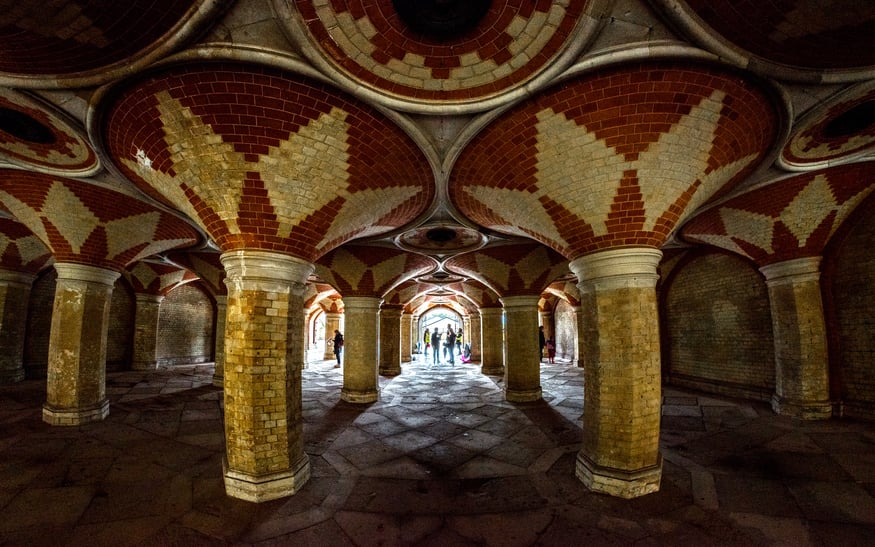
London’s Crystal Palace, originally built for the Great Exhibition of 1851 and later relocated and expanded as a permanent exhibition venue, burned to the ground in a 1936 fire that could be seen from miles away across the city. Along with the structure itself, archival material and exhibition records associated with the building’s decades of use were destroyed.
The fire marked the definitive end of a landmark that had already been in physical decline for years due to inadequate maintenance funding. Only fragments of the original structure’s foundation survive at the site today.
The Strasbourg Cathedral Library Fire
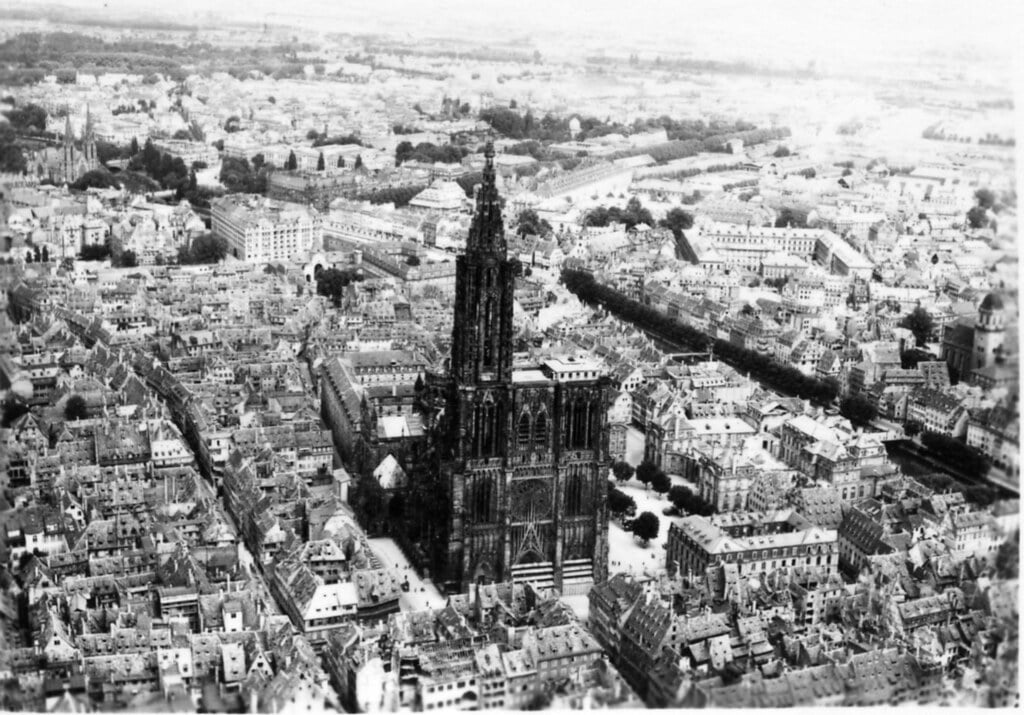
A fire during the siege of Strasbourg in the Franco-Prussian War of 1870 destroyed the city’s cathedral library, including the original manuscript of the Hortus Deliciarum, an illuminated medieval encyclopedia compiled by a twelfth-century abbess and considered one of the most significant surviving works of its kind. Fortunately, scholars had made partial hand-copies of some illustrations before the fire, allowing later reconstruction of portions of the work’s content and imagery.
The original manuscript itself, however, was irreplaceable and has never been recovered. The loss remains a frequently cited example of how war can destroy cultural heritage as thoroughly as any natural disaster.
Louvain University Library
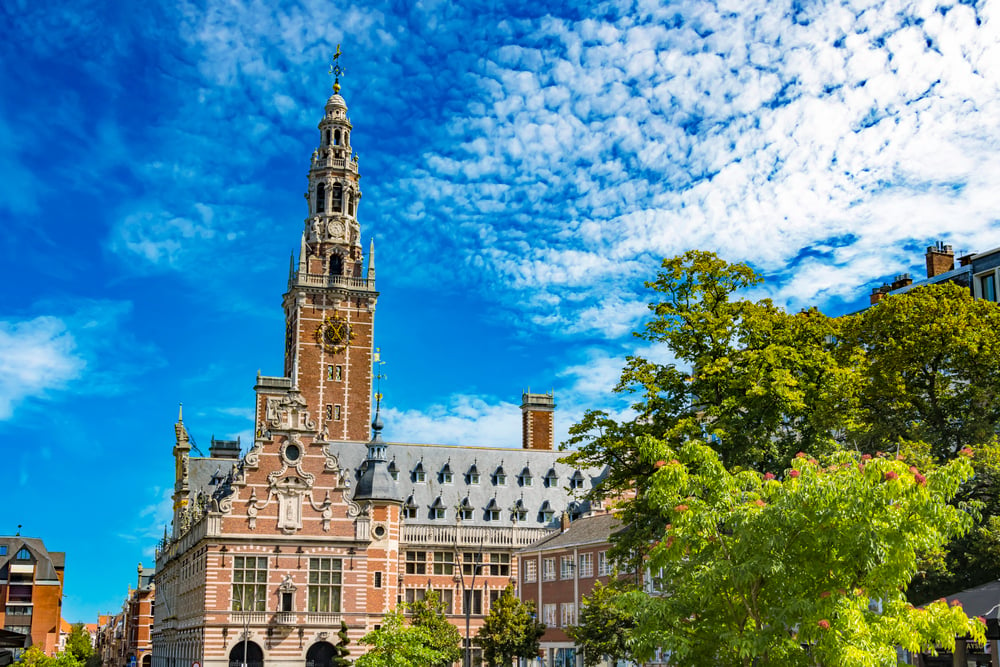
The library at the University of Louvain in Belgium was destroyed by fire twice within a single generation, first during the German invasion of 1914 and again during the German invasion of 1940, each time incinerating collections that had been painstakingly rebuilt after the previous loss. International donors, including major contributions from the United States, helped fund reconstruction after the first fire, only for much of that rebuilt collection to burn again roughly twenty-five years later.
The repeated destruction became a symbol of the broader cultural devastation wrought by both world wars in Europe. The library has since been rebuilt again, though the specific materials lost in both fires remain permanently gone.
The Great Flood of Florence
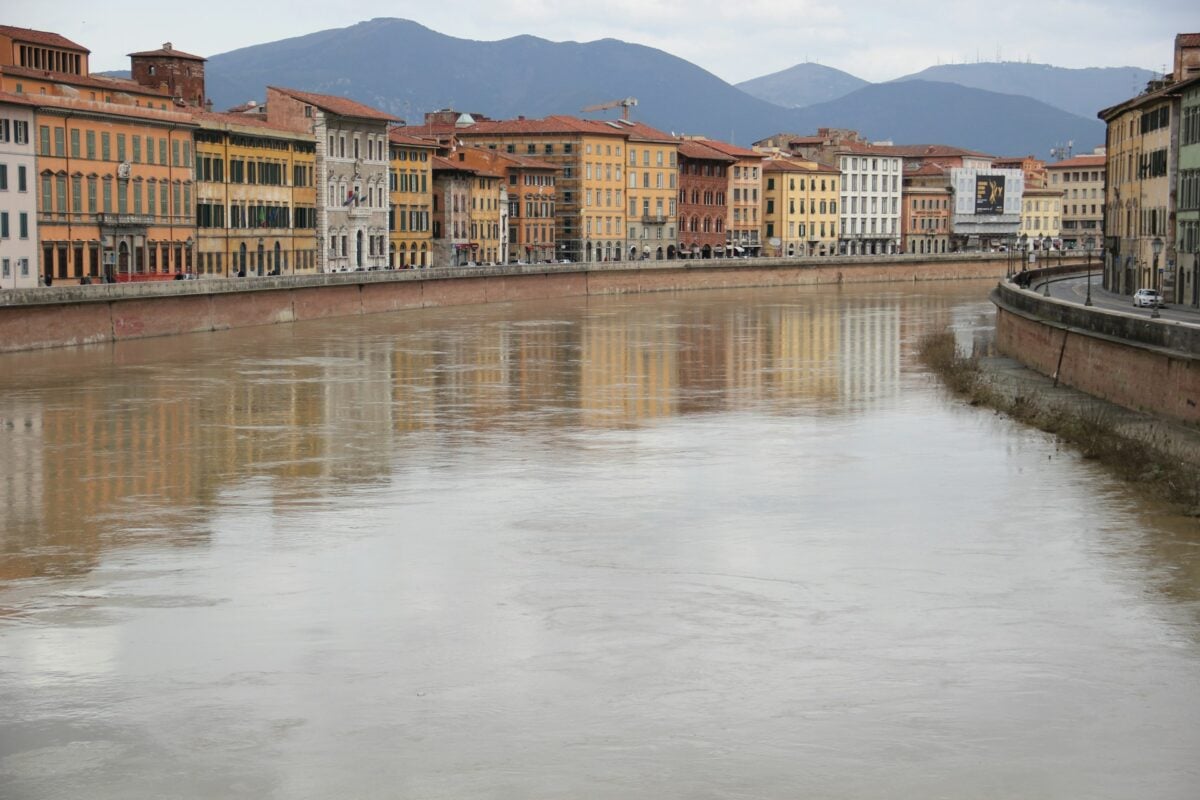
The Arno River overflowed catastrophically in November 1966, flooding much of Florence, Italy, and severely damaging the collections of the Biblioteca Nazionale Centrale, one of Italy’s most important libraries. More than a million books and manuscripts were affected by mud, oil, and water damage, prompting an international volunteer effort that became known afterward as the “mud angels.”
Conservation techniques developed specifically in response to the disaster went on to influence library preservation practices worldwide. Some damaged volumes remained under active restoration for decades after the flood itself receded.
The Burning of Washington

British forces set fire to numerous government buildings in Washington, D.C. during the War of 1812, including the Library of Congress, destroying its original collection of roughly three thousand volumes established when the institution was founded in 1800. Thomas Jefferson later sold his personal library to Congress specifically to help rebuild the collection following this loss, only for that replacement library to be significantly destroyed itself in the separate 1851 fire decades later.
The 1814 burning remains one of the only instances of a foreign power directly destroying a national legislature’s library through military action on American soil. Records from several other federal departments were similarly lost in the same campaign.
The Great Fire of London
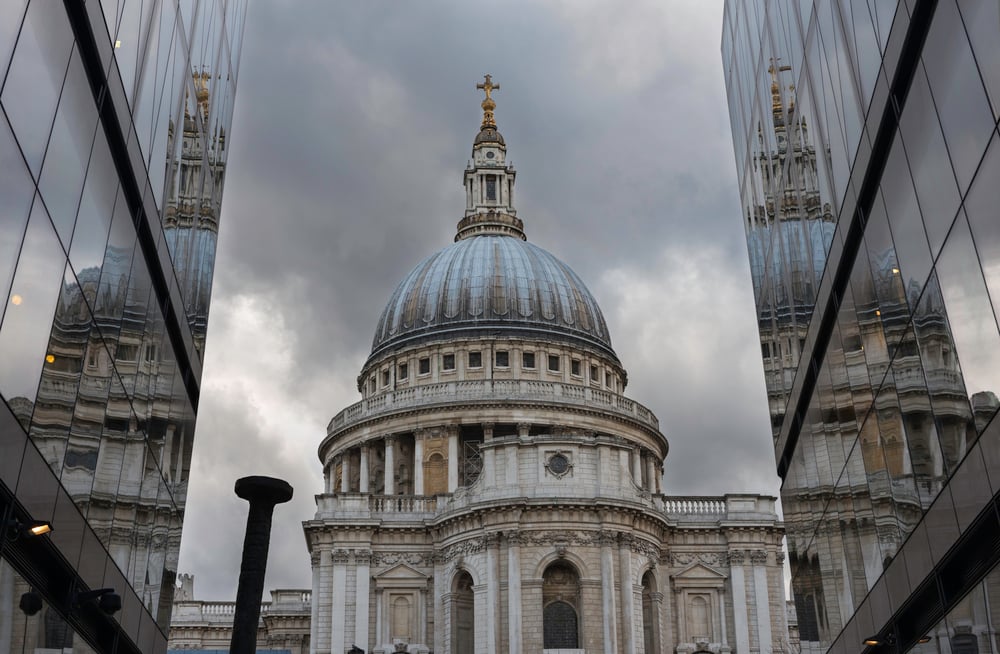
The Great Fire of London in 1666 destroyed a significant portion of the historic City of London, including numerous parish churches and the Guildhall, along with records maintained by both religious and civic institutions. Parish registers recording births, marriages, and deaths for entire congregations were lost in the blaze, creating permanent gaps still encountered by genealogists researching London ancestry today.
Reconstruction of the city afterward prioritized fire-resistant building materials, partly in response to lessons learned about the vulnerability of densely packed wooden structures. The fire remains one of the most consequential urban disasters in English history, both for the city’s physical destruction and its lost documentation.
The 1973 National Personnel Records Center Fire
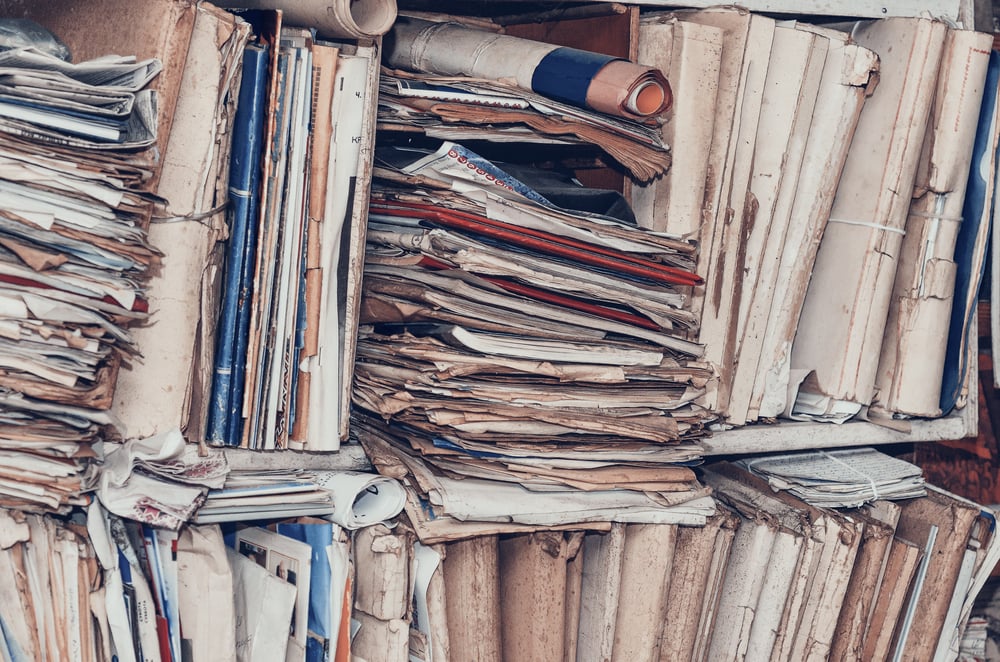
A fire at the National Personnel Records Center in St. Louis in 1973 destroyed an estimated sixteen to eighteen million official U.S. military personnel files, primarily records for Army and Air Force veterans discharged between the 1910s and 1960s. No duplicate copies existed for most of the destroyed records, since the center relied on a single physical archive rather than any backup system.
Veterans seeking to prove their service for benefits or discharge status have had to rely on alternative documentation ever since, a process archivists refer to as “reconstruction” rather than retrieval. The fire remains one of the largest single losses of government records in American history.
The Titanic’s Ship’s Log
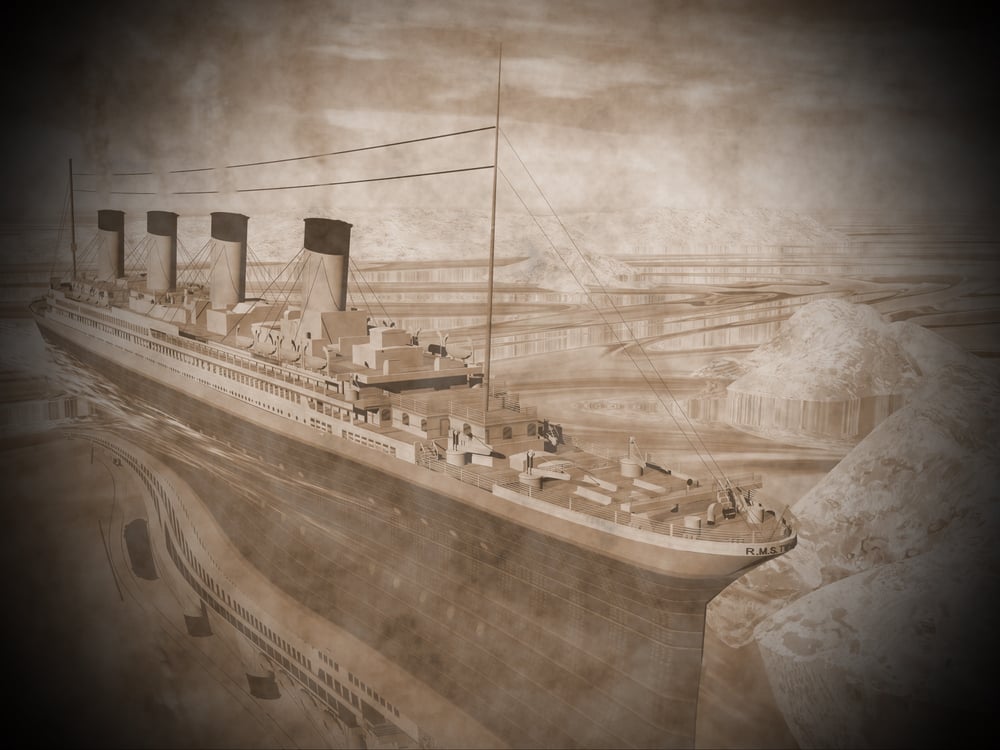
When the RMS Titanic sank in 1912, its official ship’s log and related navigational records went down with the vessel, leaving investigators to reconstruct the disaster’s timeline almost entirely from surviving crew and passenger testimony. The absence of the primary written record meant subsequent inquiries in both Britain and the United States had to rely heavily on potentially inconsistent eyewitness accounts of exact times and decisions made in the ship’s final hours.
Some details of the sinking’s precise sequence remain debated by historians to this day, partly as a direct consequence of that missing documentation. The wreck’s later discovery in 1985 did not recover the log, which is believed to have disintegrated along with much of the ship’s paper record.
The 1836 United States Patent Office Fire

A fire destroyed the United States Patent Office building in December 1836, consuming nearly all of the roughly ten thousand patents granted by the federal government up to that point, along with their accompanying models and drawings. Congress subsequently passed legislation establishing a numbering system and requiring more robust recordkeeping practices to prevent a similar catastrophic loss in the future.
Some early patents were partially reconstructed using inventors’ personal copies, but a significant number were never fully recovered. The fire remains a foundational reason why some of the earliest chapters of American patent history contain permanent, unfillable gaps.
The Halifax Explosion
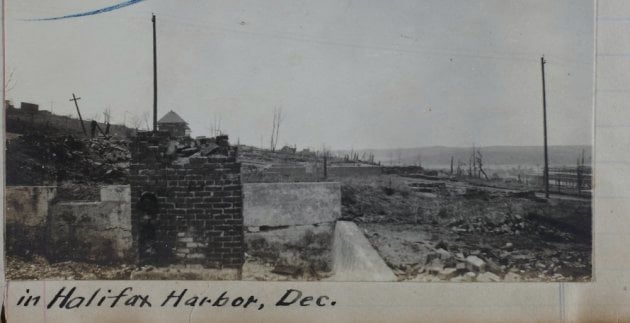
A collision between two ships in Halifax Harbour in December 1917 triggered a massive explosion, one of the largest artificial detonations in history prior to the nuclear age, destroying much of the city’s north end along with municipal and personal records held throughout the affected area. The blast and resulting fires leveled buildings for a significant radius, including facilities holding local administrative documentation.
Reconstruction of the city’s records relied heavily on surviving copies held by provincial and federal offices outside the immediate blast zone. The disaster remains a significant event in Canadian history, with the record loss representing one of many forms of destruction the explosion caused.
The 1916 Canadian Parliament Fire
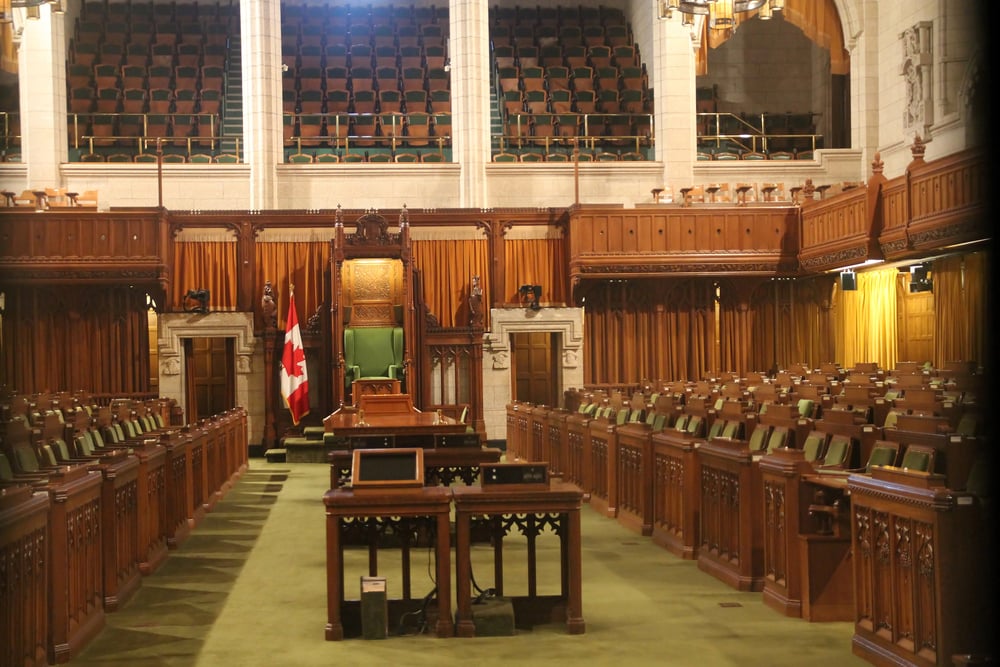
A fire destroyed the original Centre Block of Canada’s Parliament Buildings in Ottawa in February 1916, consuming the vast majority of the legislative records and furnishings housed within the main building. The adjoining Library of Parliament survived largely intact, protected by a set of heavy iron doors that staff managed to close before the fire reached that section.
The contrast between what those doors saved and what was lost elsewhere in the building has made the library’s survival a frequently cited example of how a single design decision can determine what history retains. Reconstruction of the main Parliament building took years, and some destroyed legislative materials from the building’s earlier decades were never recovered.
The Peshtigo Fire
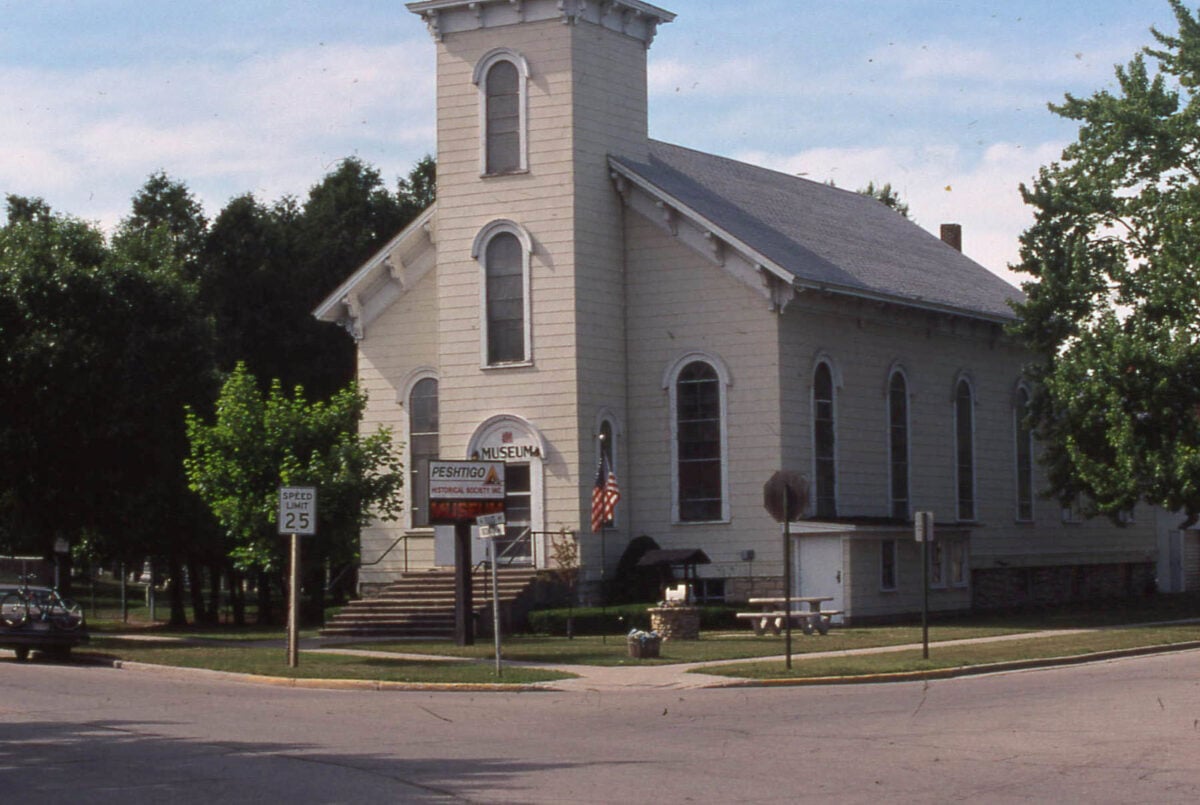
Photo by David Wilson, via Flickr. Licensed udner CC BY 2.0
On the same night as the more famous Great Chicago Fire in October 1871, a far deadlier fire swept through the town of Peshtigo, Wisconsin, and surrounding rural areas, destroying local government buildings along with the property and vital records they contained. The Peshtigo Fire killed more people than the Chicago Fire, though it received comparatively little national attention at the time due to the larger urban disaster unfolding simultaneously.
Local record loss compounded the difficulty of formally accounting for the disaster’s full scope in the years that followed. Historians studying the fire have had to rely disproportionately on newspaper accounts and personal letters precisely because official local records were among the casualties.
Hurricane Katrina and New Orleans Records
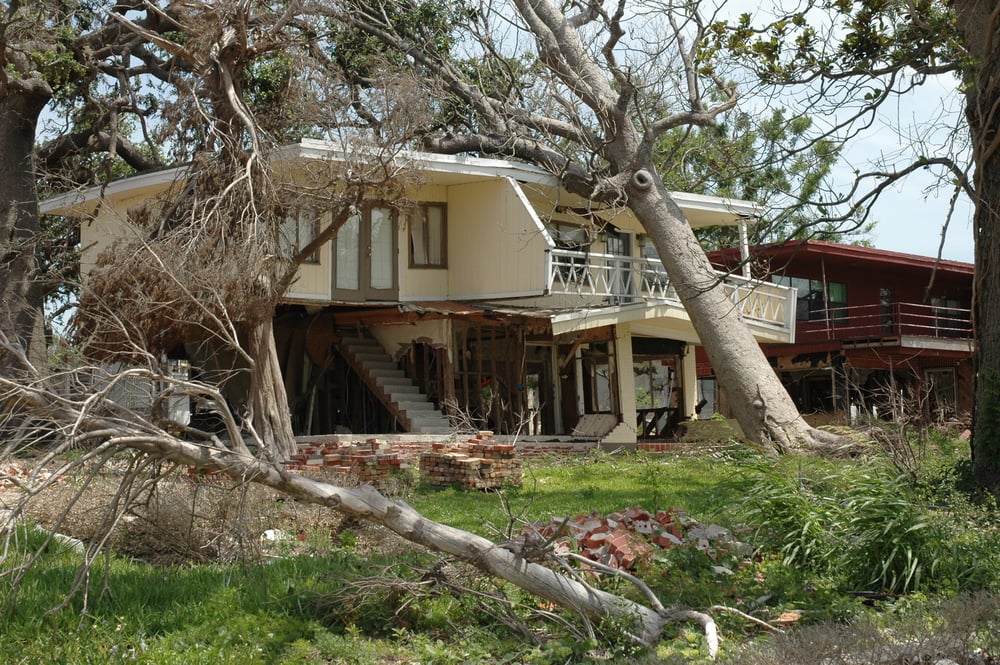
Flooding following Hurricane Katrina in 2005 inundated numerous government buildings across New Orleans, damaging or destroying court records, property documents, and other municipal archives stored in basement and ground-floor facilities never designed to withstand prolonged submersion. Recovery efforts in the years afterward involved painstaking attempts to dry, stabilize, and digitize whatever documents could still be salvaged.
Some records were determined to be too degraded to recover any usable information from at all. The disaster prompted broader changes in how vulnerable coastal cities store and back up critical government documentation.
Cambodia’s Destroyed Archives
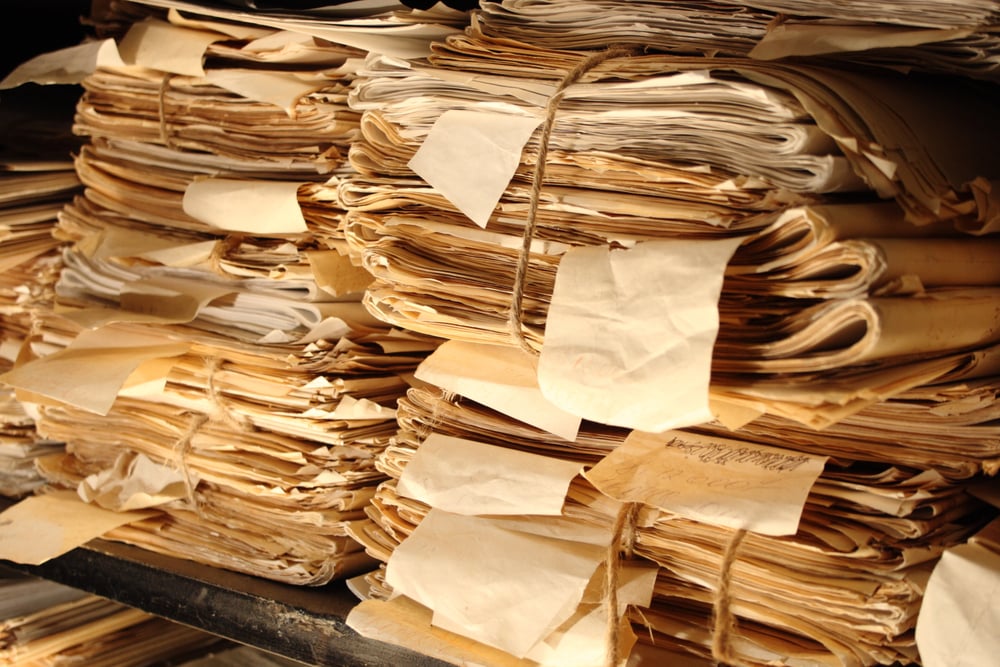
The Khmer Rouge regime systematically destroyed vast quantities of Cambodia’s administrative, educational, and personal documentation during its rule from 1975 to 1979, deliberately burning records as part of a broader campaign against the country’s existing institutions and educated class. The destruction extended to birth records, land titles, and academic credentials, erasing documentation that families and communities needed to reconstruct basic aspects of their prior lives once the regime fell.
Cambodia’s later legal and land disputes have frequently been complicated by the absence of records that would ordinarily settle such matters through simple documentation. International efforts to help rebuild archival capacity in Cambodia continued for decades after the regime’s collapse.
The Norwich Central Library Fire
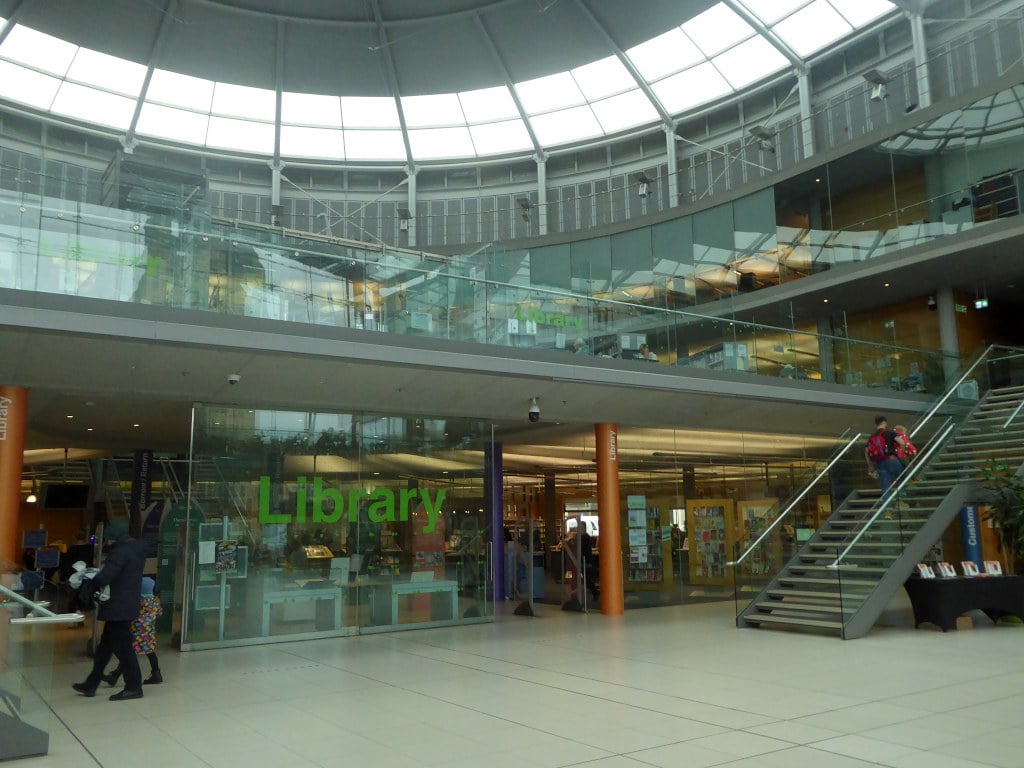
Photo by JuliaC2006, via Flickr. Licensed under CC BY 2.0
A fire destroyed the Central Library in Norwich, England, in 1994, consuming a significant local history and genealogical collection built up over generations, including materials that had no copies held anywhere else. The building’s local studies section had been a key resource for researchers tracing East Anglian family and regional history.
Reconstruction of the collection relied heavily on donations of duplicate materials from private collectors and other regional archives. Some unique local records, however, were confirmed as permanently lost in the aftermath.
Herculaneum’s Carbonized Scrolls
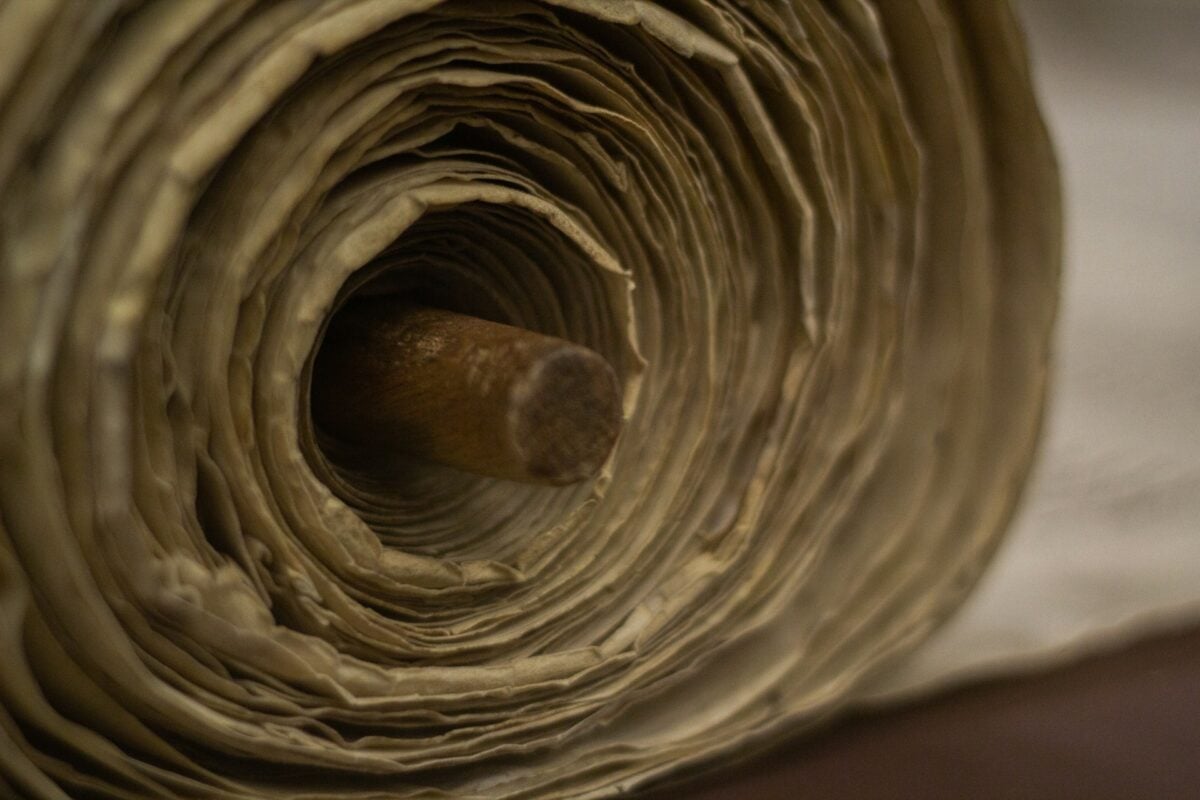
The eruption of Mount Vesuvius in 79 CE carbonized an extensive library of papyrus scrolls housed in a villa at Herculaneum, technically preserving the physical scrolls while rendering their contents unreadable through ordinary means for nearly two thousand years. Early attempts to physically unroll the fragile carbonized scrolls destroyed a significant number of them before conservators developed less destructive methods.
Even with modern non-invasive scanning techniques, a substantial portion of the collection’s original content remains effectively lost, embedded in scrolls too damaged to fully decipher. The scrolls represent an unusual case where the very disaster that threatened total loss also accidentally provided the preservation that has allowed partial recovery centuries later.
The Cologne City Archive Collapse
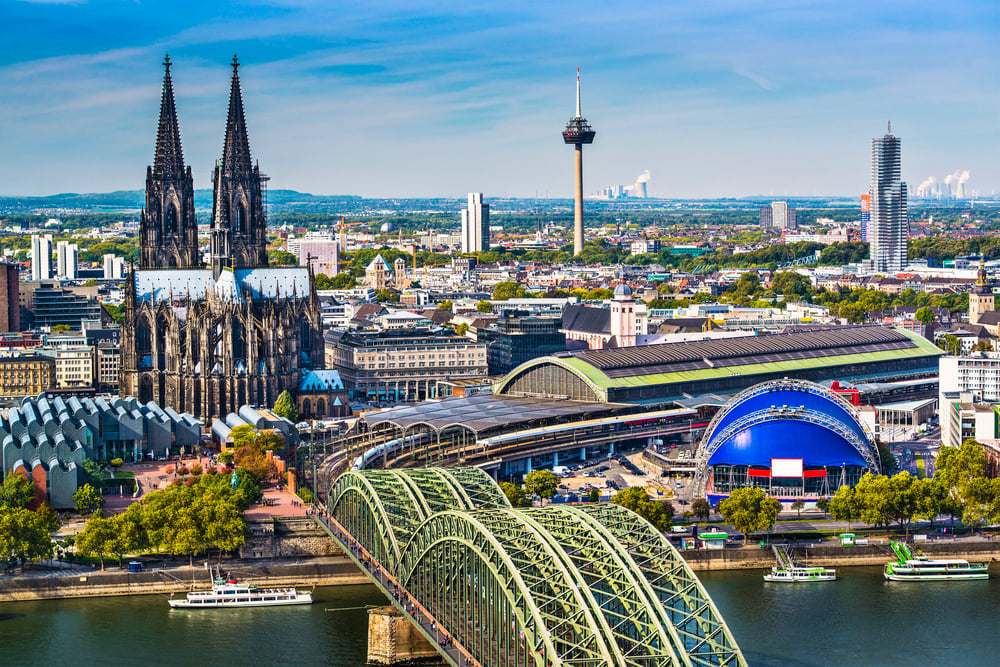
A building collapse in Cologne, Germany, in 2009, caused by nearby subway construction rather than fire or flood directly, brought down the Historical Archive of the City of Cologne, one of the most significant municipal archives in Europe, burying centuries of documents beneath rubble and groundwater. Recovery teams spent years sifting through the wreckage, salvaging an estimated ninety percent of the collection in damaged condition, though restoration of individual documents has continued for well over a decade since.
Some records were too fragmented or waterlogged to ever fully restore. The disaster prompted a broader reassessment across Germany of construction safety standards near historically significant archival buildings.
The Turin Flood of 2000

Severe flooding along the Po River basin in October 2000 damaged archival holdings in Turin, Italy, including materials held by regional government and cultural institutions along the waterway. Emergency conservation efforts focused on stabilizing water-damaged documents before mold and further deterioration could set in permanently.
Some materials required years of specialized restoration work at facilities equipped to handle large-scale water damage recovery. The flood added to a broader pattern of northern Italian archives repeatedly facing water-related risk due to their proximity to major rivers prone to seasonal flooding.
What Survives Is an Accident
Nearly everything on this list represents a specific, avoidable failure: a building without adequate fireproofing, a single point of storage with no backup copy, a courthouse standing directly in a battle zone. None of it was inevitable, and in nearly every case, someone afterward built better protections precisely because of what had just been lost.
That pattern says something uncomfortable about how history actually survives. It is not preserved by careful, universal planning so much as it limps forward through accidents of geography, luck, and the occasional iron door that happens to close in time.
What remains in any archive today is less a complete record of the past than whatever has managed, against considerable odds, not to burn or wash away yet.
More from Go2Tutors!

- The Romanov Crown Jewels and Their Tragic Fate
- 13 Historical Mysteries That Science Still Can’t Solve
- Famous Hoaxes That Fooled the World for Years
- 15 Child Stars with Tragic Adult Lives
- 16 Famous Jewelry Pieces in History
Like Go2Tutors’s content? Follow us on MSN.