31 Grooming Collectibles From Old Bathroom Cabinets
The medicine cabinet in an old house is a time capsule that smells faintly of menthol. Behind many of the mirrors, a narrow slot in the back wall once swallowed used razor blades, and a few of those blades are probably still down there. Everything on the shelves was built to be used up, which is why survivors are scarce.
Gillette Safety Razors
King Camp Gillette’s disposable-blade safety razor was granted a patent in 1904, and the company’s first razors were manufactured in 1903. The design replaced the chore of sharpening a blade with the simple act of discarding one. Complete sets in their original cases are the most prized, and condition of the plating drives the price.
Straight Razors and Leather Strops
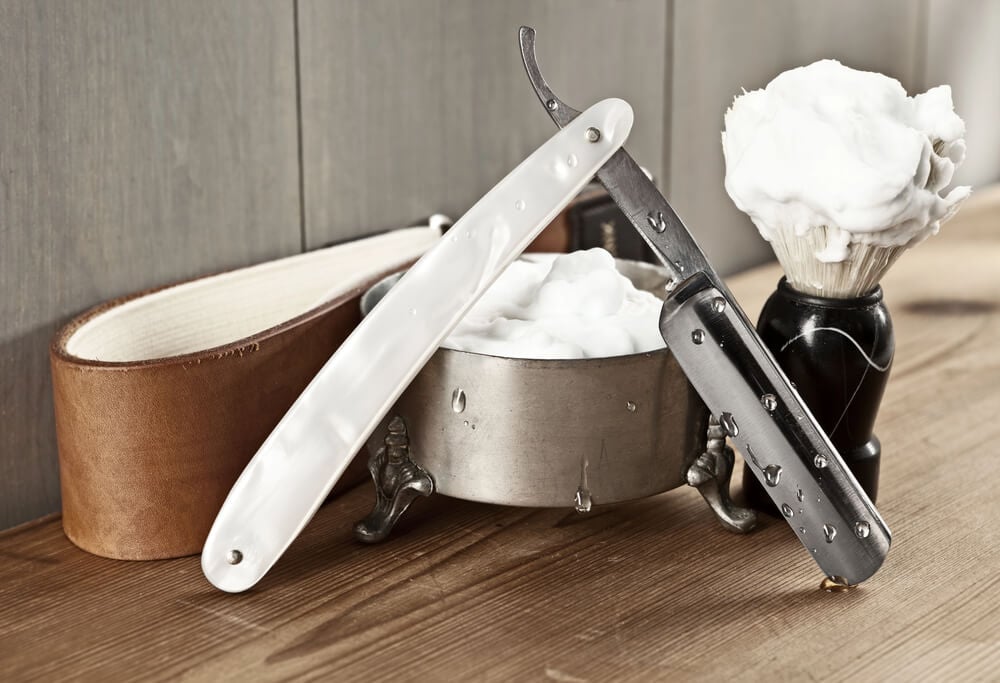
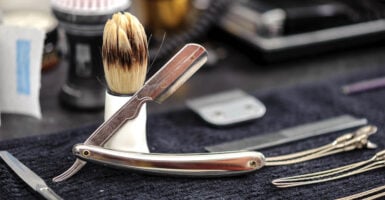
A straight razor was honed on a leather strop hung from a hook, and the rhythmic slap of the blade on leather was the sound of a morning shave. Barbershops kept a stack of them ready. Chips along the edge, pitting, and cracked scales lower value, while an original case helps.
Badger Hair Shaving Brushes
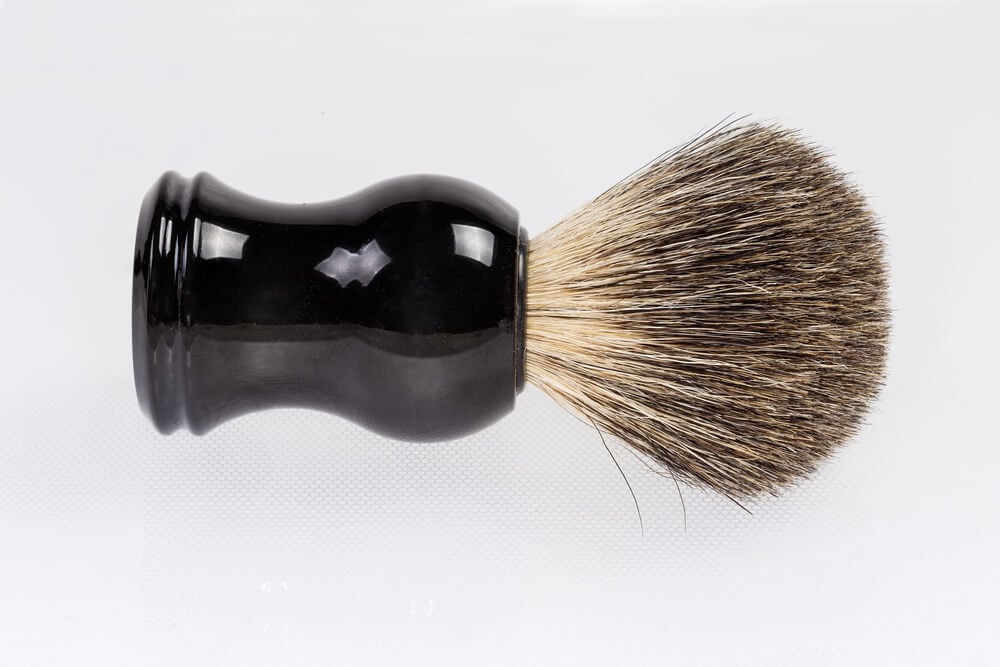
Shaving brushes whipped soap into lather on the face, and the best ones were made with badger hair for softness. Handles came in celluloid, Bakelite, wood, and metal. Shedding bristles and cracked handles are the main condition concerns for collectors.
Shaving Mugs
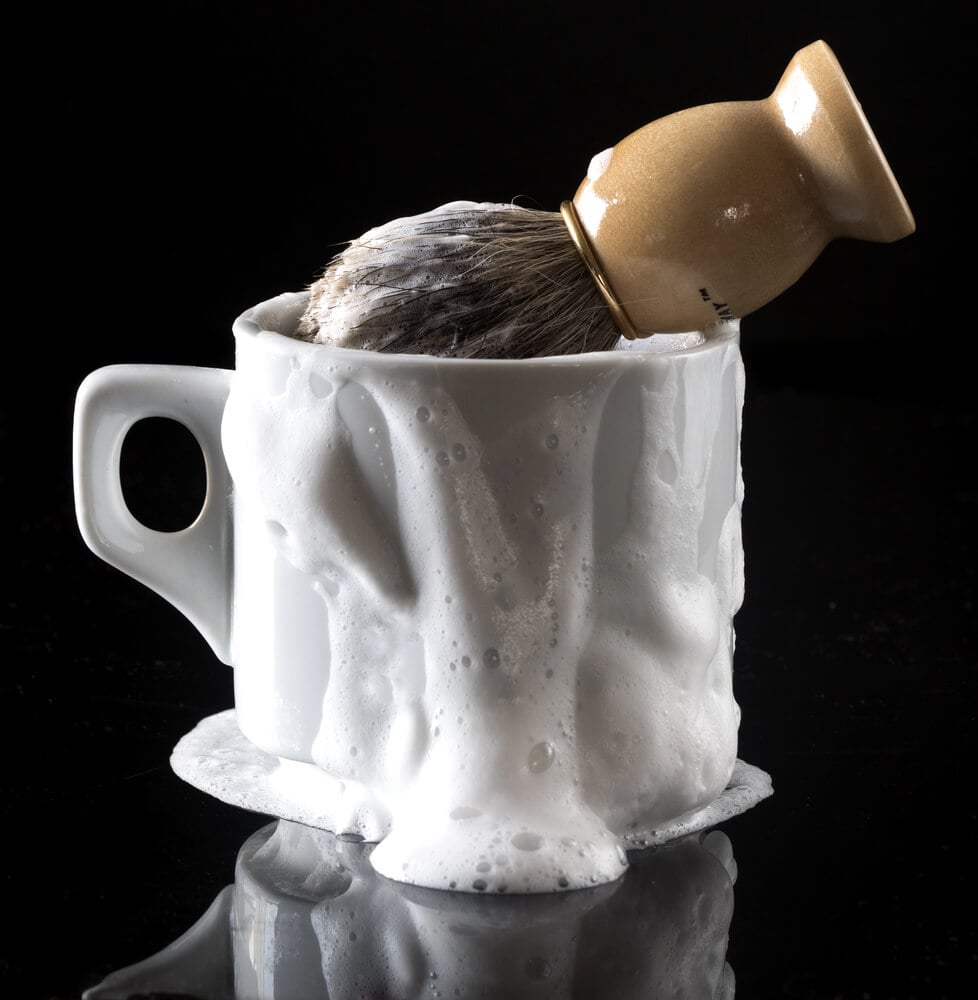
A shaving mug held a puck of soap, and barbershops often stored a regular’s personal mug with his name on it. Some mugs were painted with a customer’s trade or hobby, which makes them small pieces of social history. Crazing and chips in the glaze are the usual issues, and prices follow condition closely.
The Schick Magazine Repeating Razor
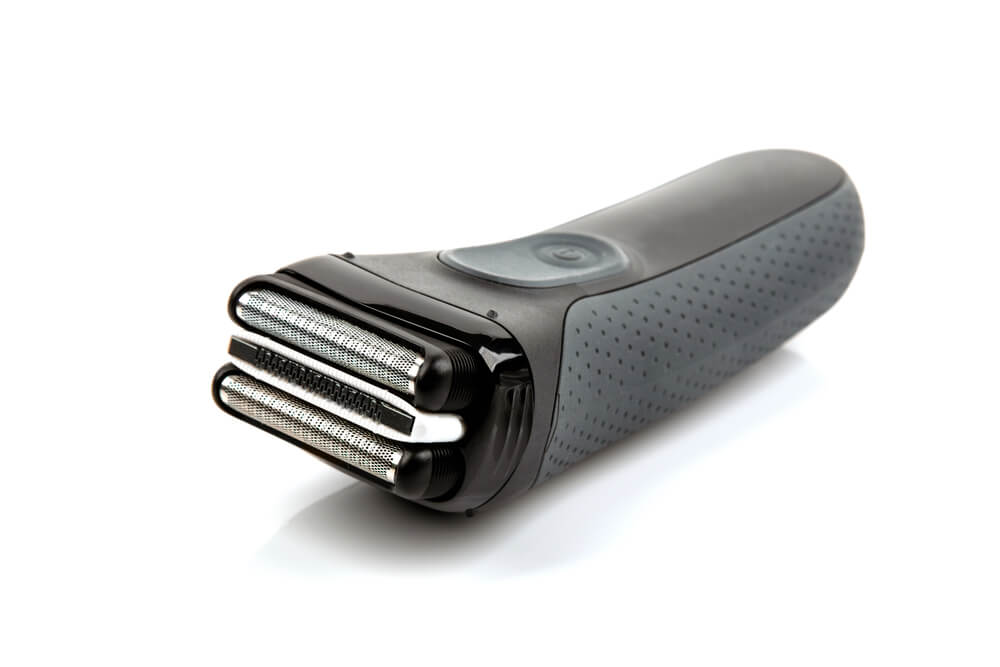
In 1921, Jacob Schick invented a razor inspired by the Army repeating rifle, with replacement blades stored in the handle. It was the forerunner of the Schick injector razor, which loaded fresh blades without touching the edge. Working mechanisms and intact blade magazines are essential to value.
Schick Electric Shavers
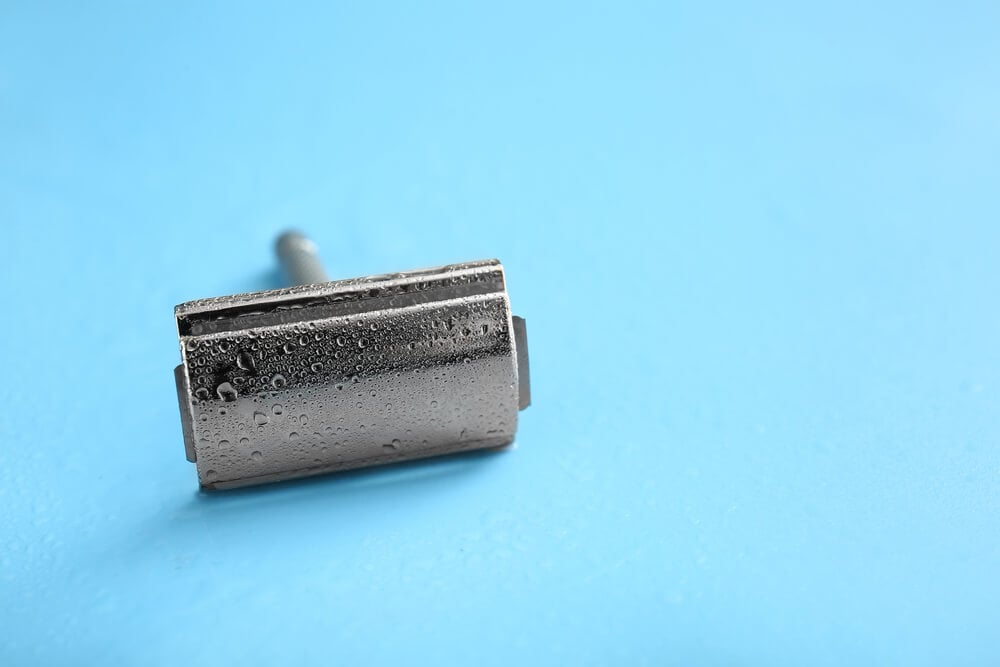
Schick’s first practical electric shaver went on sale on March 18, 1931, for $25, a serious sum in the Depression. About 3,000 were sold in the first year, and sales climbed to 1.5 million by 1937. Original cases and cords in good condition bring the best prices, and any unit should be inspected before it is plugged in.
Philishave Rotary Razors
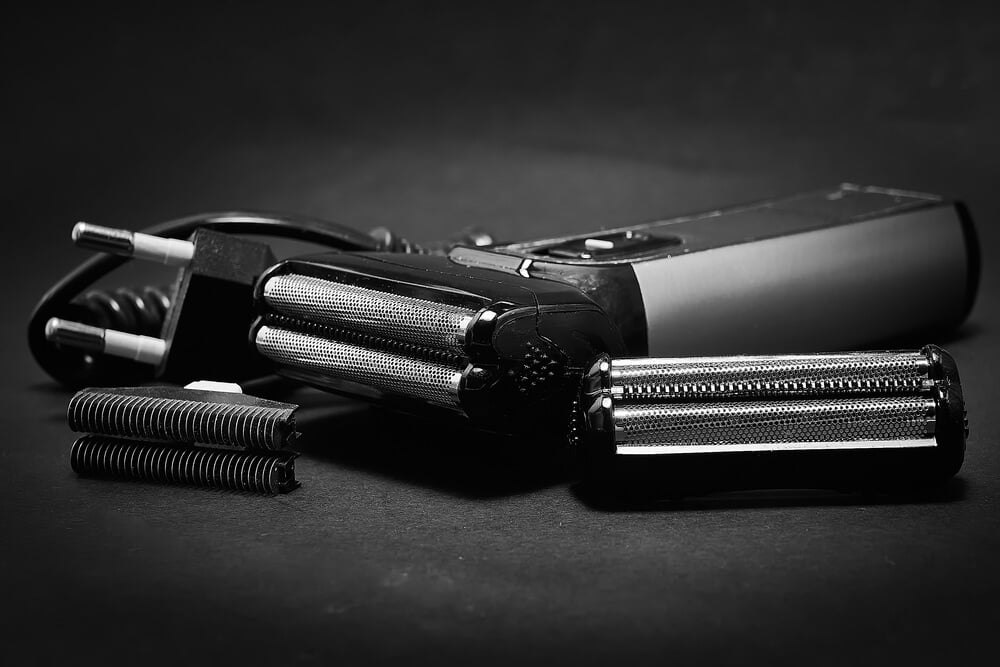
Philips designed the world’s first rotary shaver in 1939, and the Philishave line became a staple of bathroom shelves. The rotating heads were a clear break from the back-and-forth blades of competitors. Complete units with their original cases are worth more than loose razors, and cracked plastic hurts value.
Razor Blade Banks
Many cabinets once included a slot in the back wall for used blades, which is why blades turn up inside old walls during renovations. Separate blade banks, small tins with a slit in the top, did the same job on a shelf. Rust and bent corners lower the price of a tin.
Blade Dispensers
Gillette released a blade dispenser in 1947 that let a user pull out fresh blades without touching the edge. The small plastic or metal cases were designed to sit quietly on a shelf. Original packaging and working mechanisms bring higher prices.
Old Spice Bottles
Shulton introduced Early American Old Spice for men in 1937, and the nautical packaging of sailing ships followed in 1938. The white bottle with a stopper became a bathroom icon for generations. Labels in good shape and bottles with intact stoppers sell best.
Barbasol Tubes and Jars
Barbasol was created in 1919 by an MIT professor, Frank Shields, in Indianapolis, and it promised no brush, no lather, and no rub-in. The brushless cream was a break from the soap-and-brush routine. Dented tins and faded graphics lower value, so clean examples are worth seeking.
Wildroot Cream-Oil Bottles
Wildroot Cream-Oil was a lanolin-based hair tonic that held hair in place for a generation of men. The bottles sat beside the sink for decades. Caps, labels, and any remaining contents affect the price.
Brylcreem Jars
Brylcreem was a hair cream known for a catchy advertising line promising that a little dab would do you. The glass jars with their bright lids became fixtures of bathroom shelves. Intact lids and unfaded labels matter most when it comes to pricing.
Mennen Skin Bracer Bottles
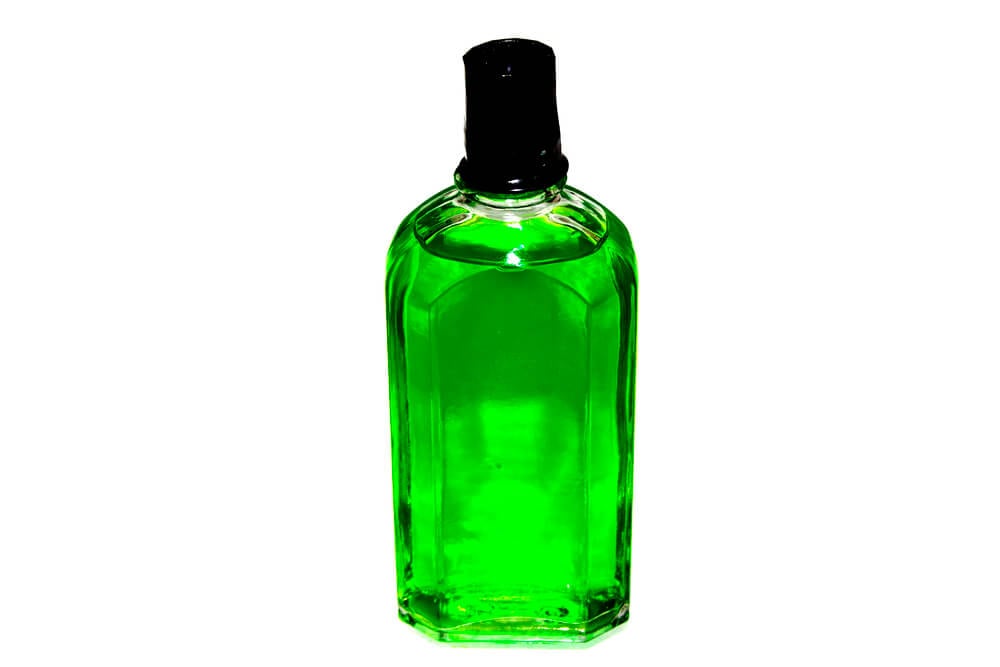
Mennen’s Skin Bracer was a drugstore staple for decades, sold in distinctive bottles. The brand was a familiar presence on the same shelf as Old Spice. Original labels in good shape and tightly sealed caps keep prices steady.
Aqua Velva Bottles
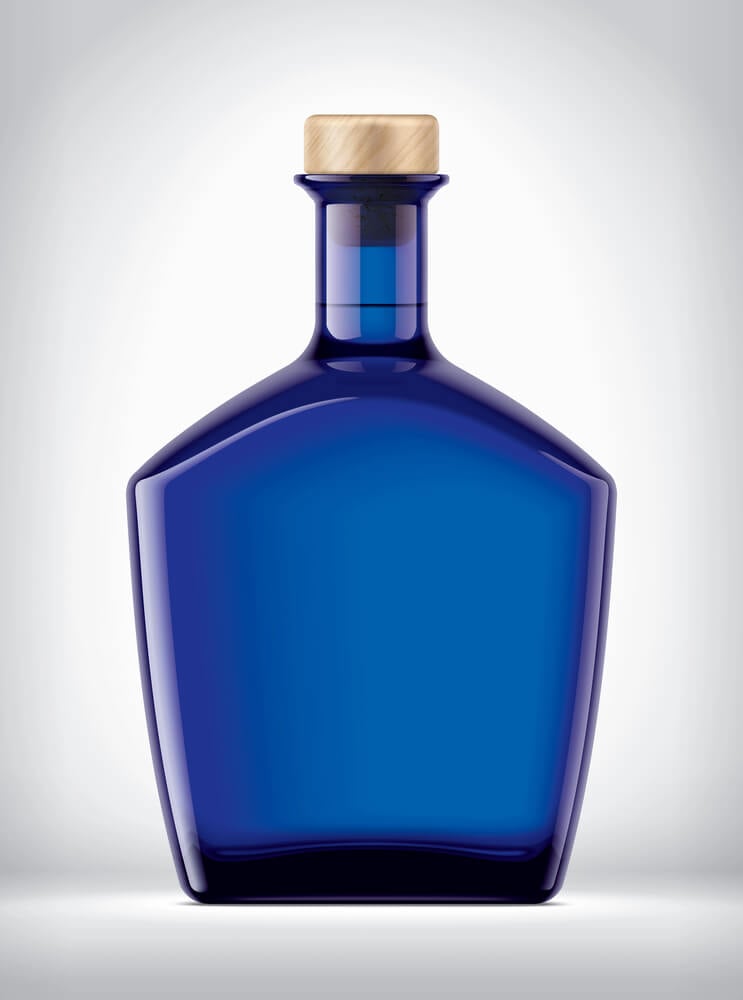
Aqua Velva, made by J. B. Williams, is remembered for its icy blue liquid and cooling sting. The bottles often show up in estate sales in large numbers, so the best ones stand out on condition. Clean glass and legible labels separate the good from the ordinary.
Powder Compacts
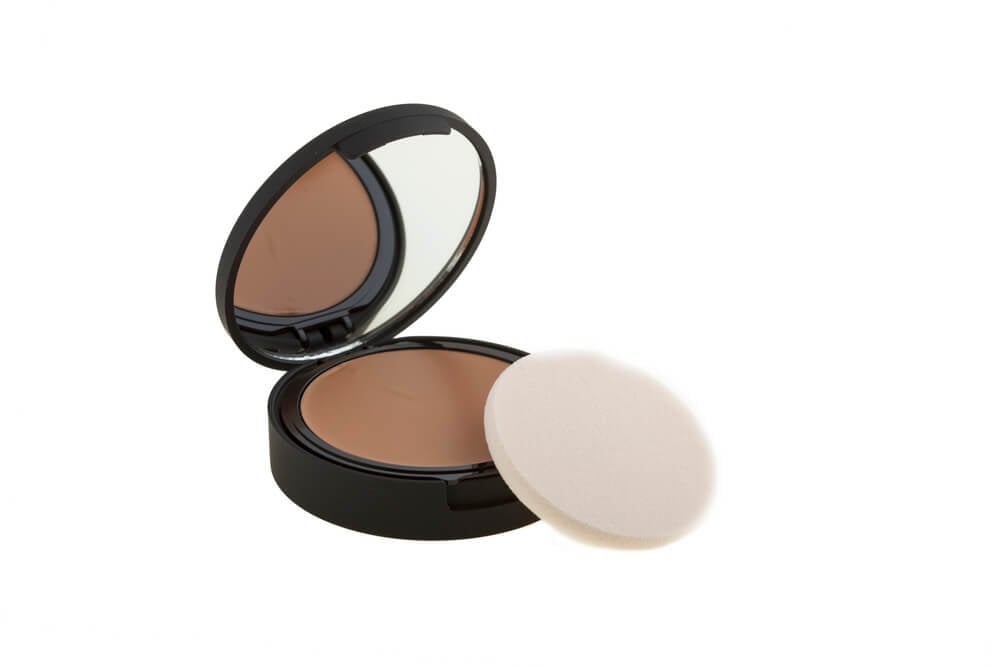
Mirrored compacts held pressed powder in cases made of metal, enamel, and early plastics. Some were decorated with engraved patterns or inset with small stones. Mirror clouding, loose hinges, and missing puffs are the common issues.
Celluloid Dresser Sets
Matching brushes, combs, and hand mirrors came in sets, often in celluloid designed to resemble tortoiseshell or ivory. They were popular wedding and birthday gifts. Celluloid can decay over time, so crazing, warping, and a sharp odor reduce the value.
Stove-Heated Curling Irons
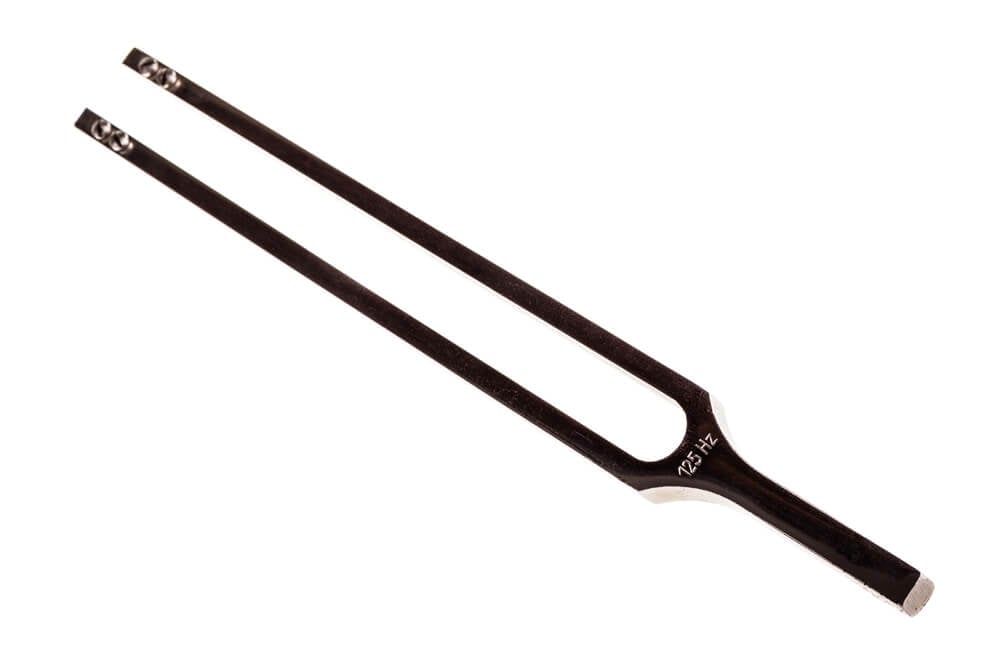
Before electric versions, curling irons were heated directly on a stove or over a flame to create styles such as the marcel wave, named after the French hairdresser Marcel Grateau. A user had to test the heat on paper to avoid scorching a curl. Rust and bent handles lower value.
Hot Combs
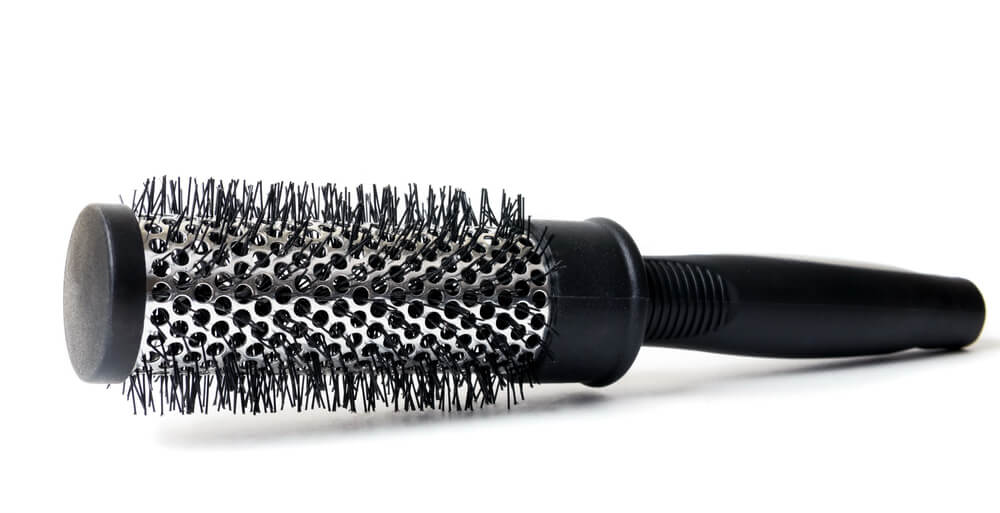
Metal hot combs, heated on a stove, straightened hair and had wooden handles that stayed cool. They were a fixture of home and salon grooming for decades. Rust, bent teeth, and loose handles are the main condition concerns.
Bakelite Hair Dryers
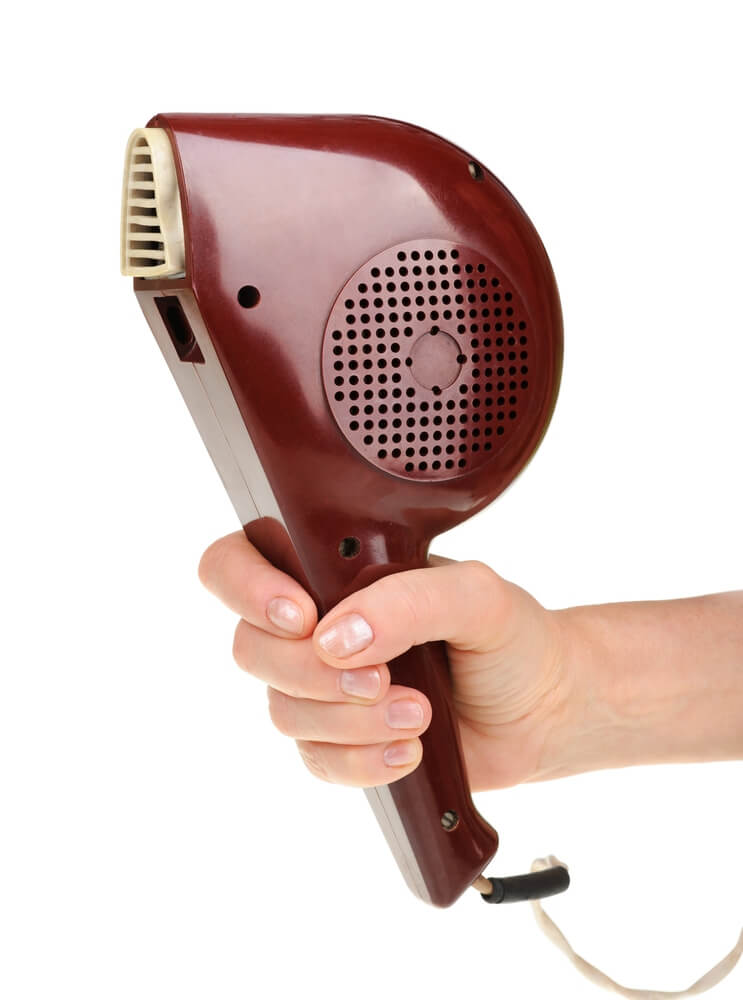
Early handheld electric hair dryers came in Bakelite and metal housings, and some looked more like ray guns than appliances. The cords often become brittle with age. They should never be plugged in without a professional inspection, and condition and original boxes shape price.
Eyelash Curlers
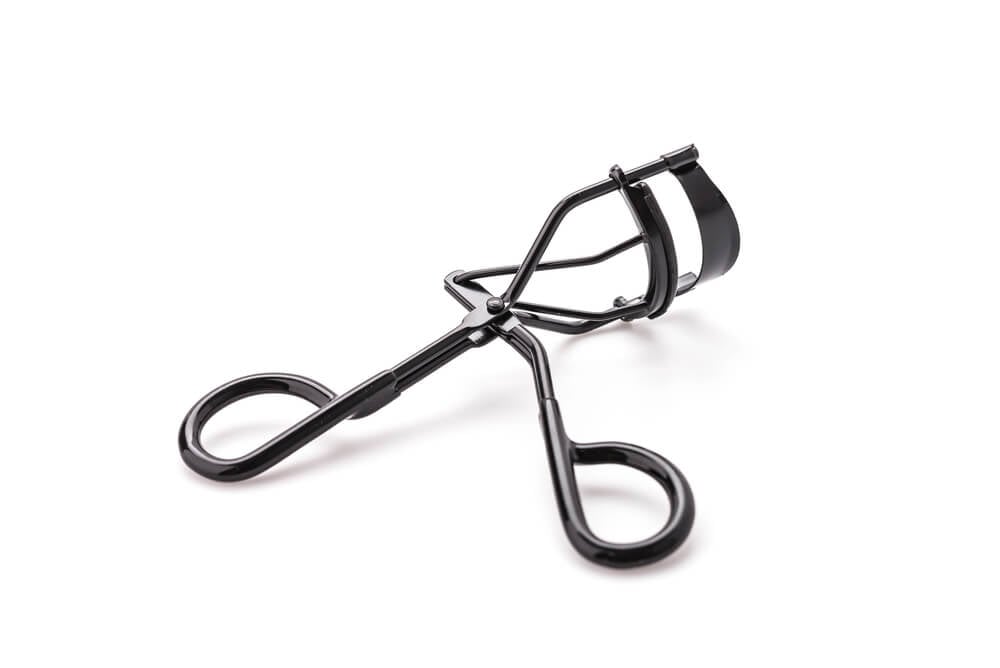
Metal eyelash curlers date to the early twentieth century, and the squeeze-and-hold design has hardly changed. Vintage versions often have a stiff spring and a small rubber pad. Intact pads and original cases make them more attractive to collectors.
Manicure Sets
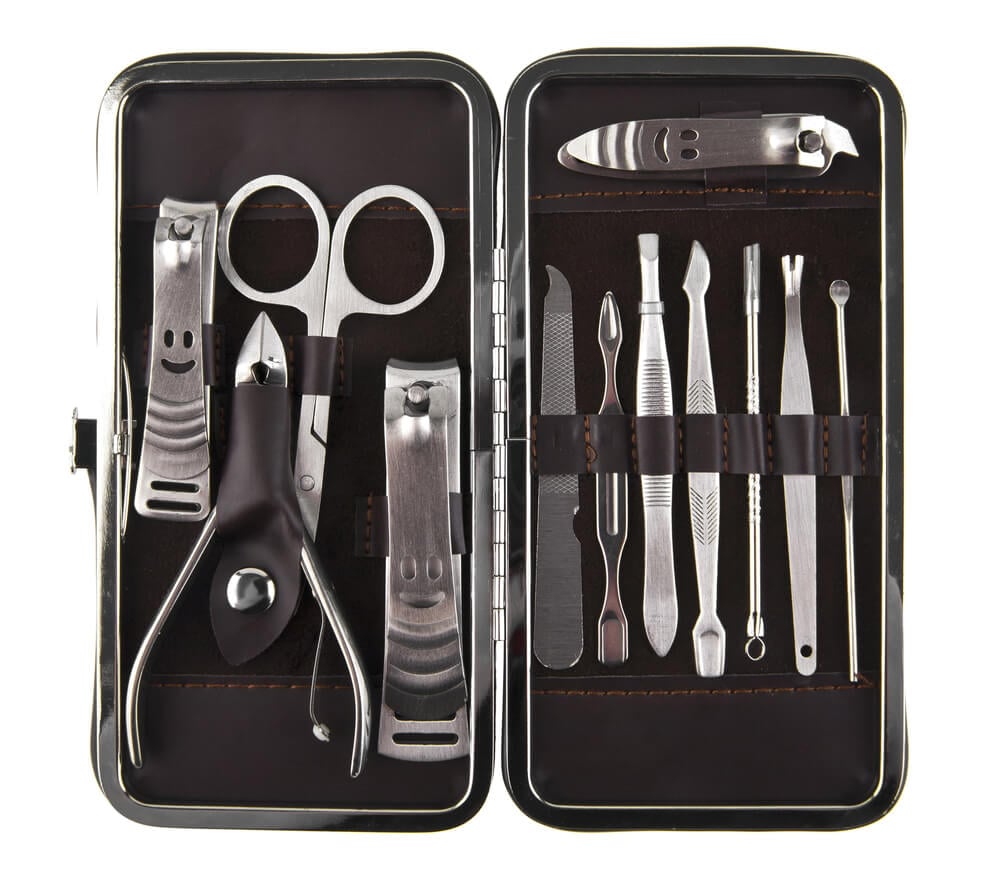
Leather or fabric cases held nail files, scissors, and cuticle tools in fitted slots, and they were a popular gift. Complete sets with every tool in place are far less common than partial ones. Rust on the metal tools and torn linings are the major condition issues.
Tooth Powder Tins
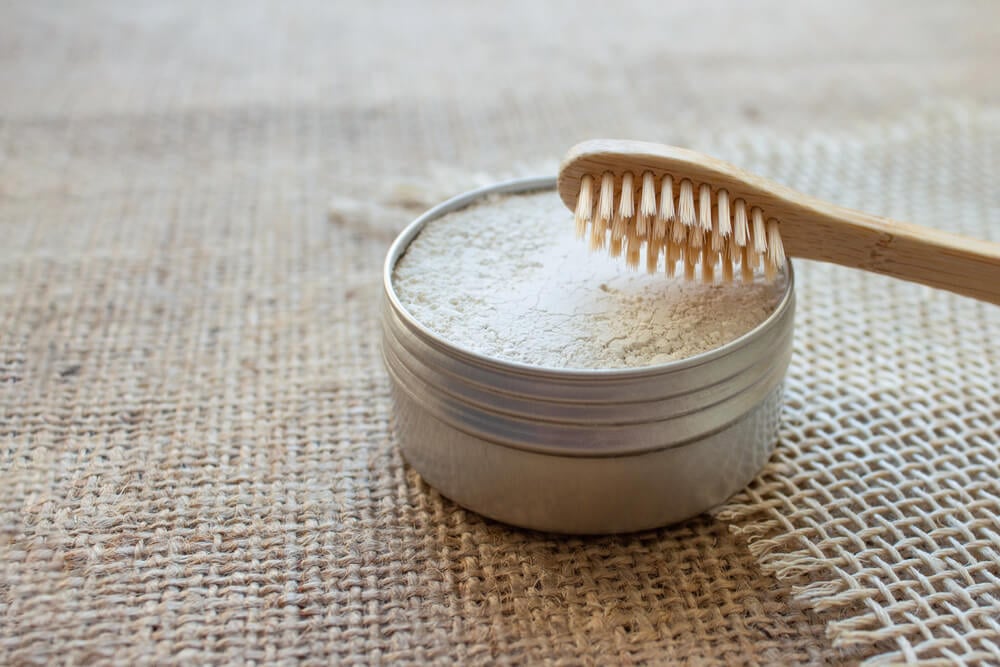
Before toothpaste dominated the market, many people cleaned their teeth with powder, and the tins carried colorful lithographed graphics. Shaker tops dispensed the powder. Dents, rust, and faded printing reduce value.
Mouthwash Bottles
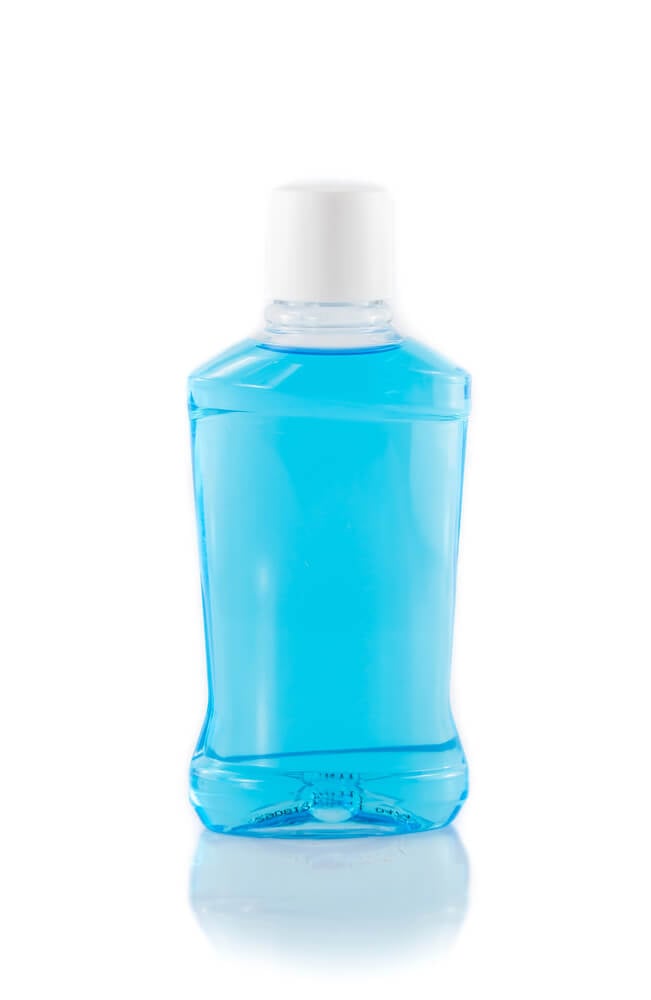
Listerine was first marketed as a surgical antiseptic, named in honor of the English surgeon Joseph Lister, before becoming a household mouthwash. Old bottles show how the packaging changed over time. Intact labels and caps make a difference in price.
Noxzema Cold Cream Jars
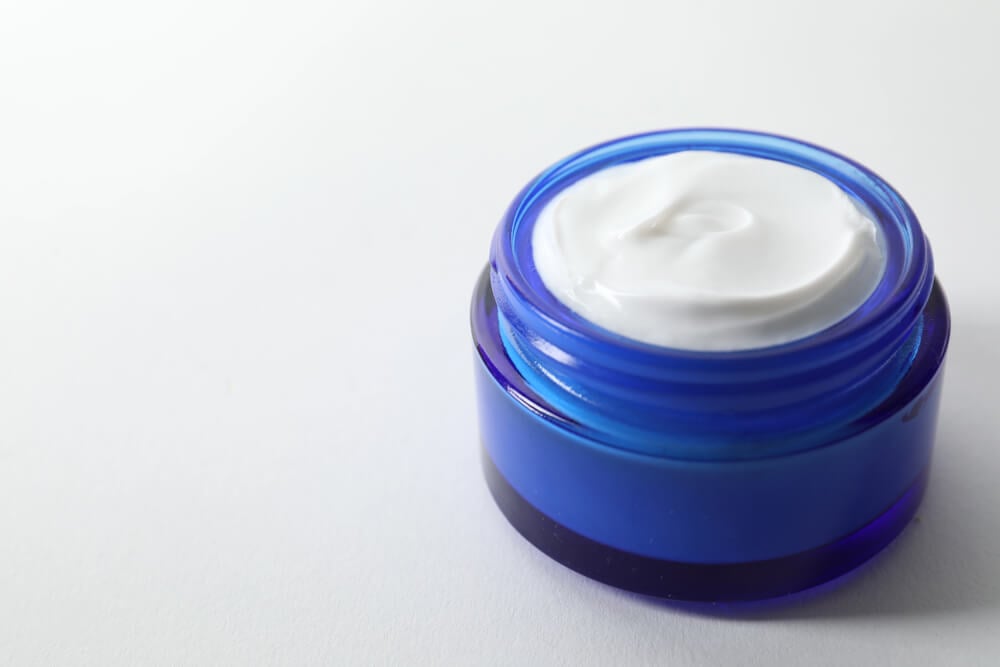
Noxzema was introduced in 1914, and its cobalt blue glass jars are easy to spot on a vintage shelf. The cream’s strong medicinal scent was part of the experience. Clean glass, intact lids, and unfaded labels determine the value.
Talcum Powder Tins
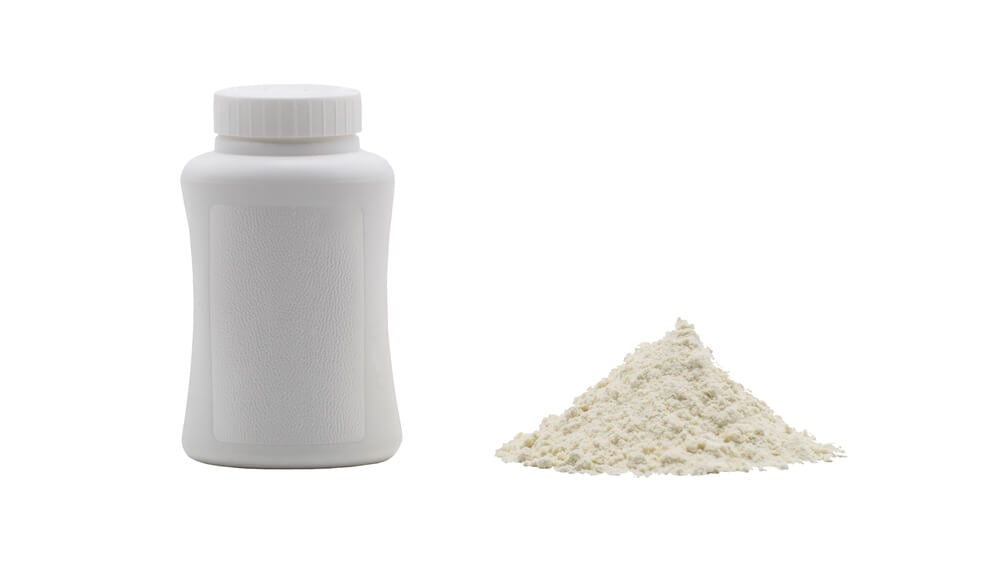
Talcum powder came in lithographed tins with shaker tops, often decorated with floral patterns or elegant lettering. They sat beside the bathtub for decades. Dents and rust are the main condition problems, and unopened tins are favored.
Shaving Soap Sticks and Cakes
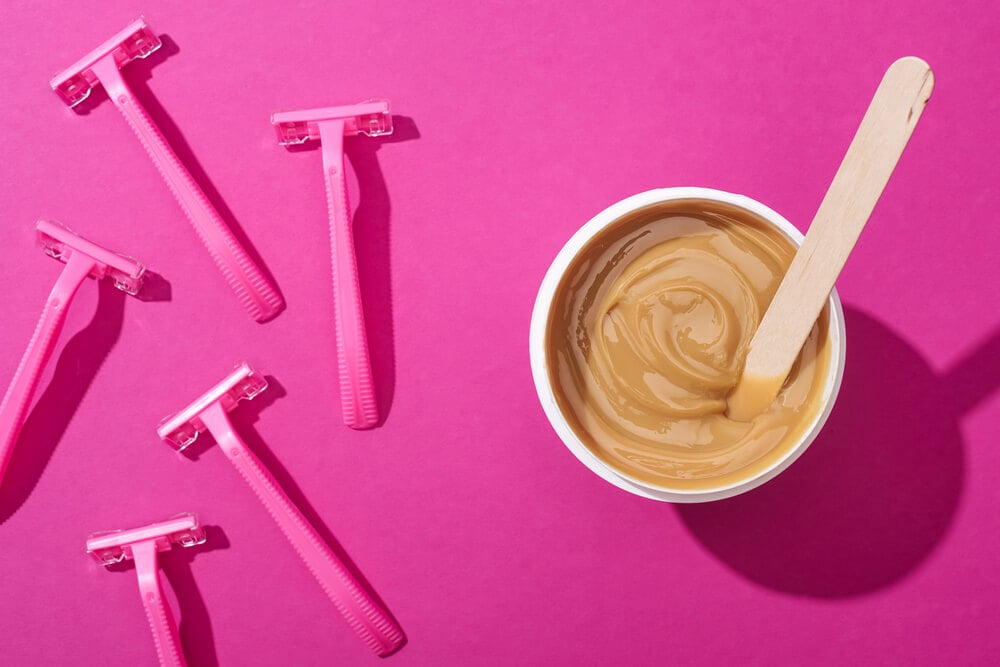
Shaving soap came in sticks, cakes, and bowls, designed to be worked into a lather with a wet brush. The packaging often used bold graphics and fresh scent names. Unused examples in their original wrappers carry the highest prices.
Avon Car Decanters
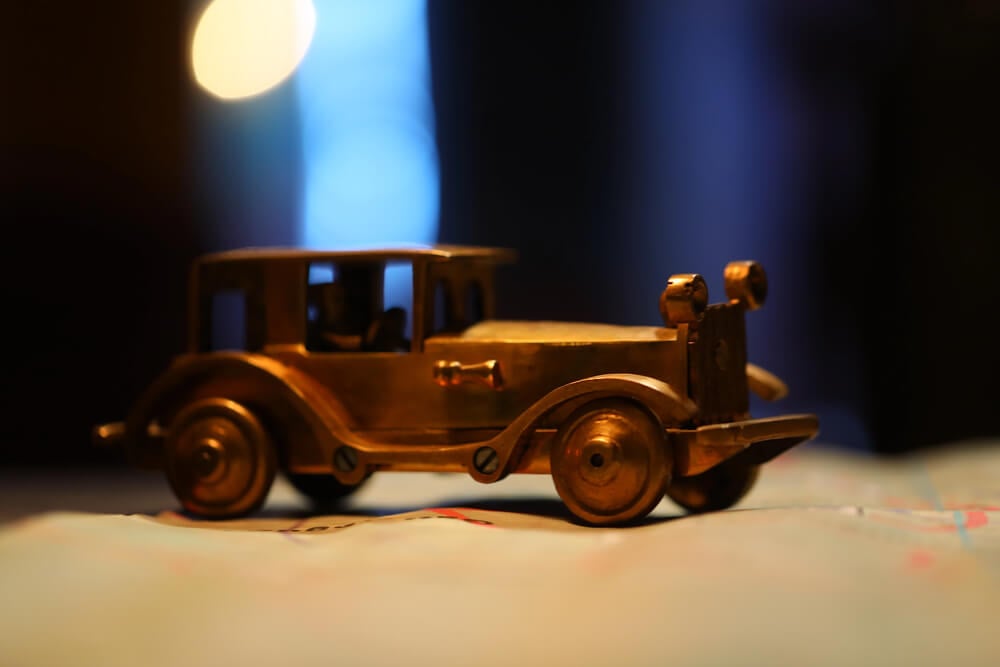
Avon sold aftershave in glass decanters shaped like vintage cars, including a Stutz Bearcat and later a dune buggy in the early 1970s. They turned an ordinary bottle into a shelf decoration. Full bottles with their original boxes and clean glass are valued above empty, scuffed ones.
Pocket Combs and Mustache Combs
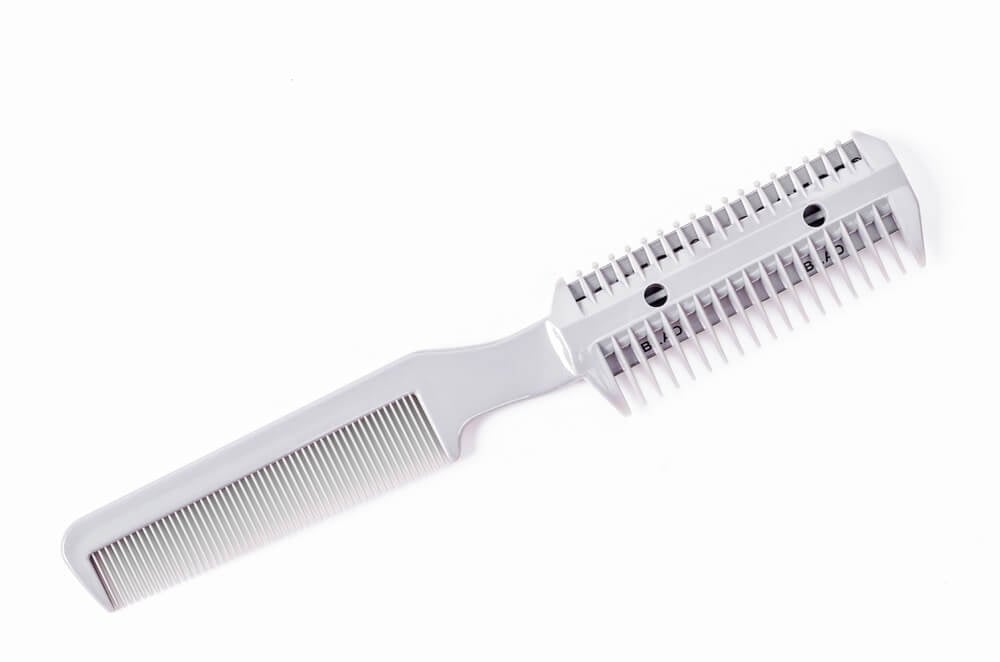
Pocket combs, often in hard rubber or celluloid, came with sleeves for carrying, and mustache combs were small enough to fit into a vest pocket. The teeth were fine and closely spaced. Chipped teeth and warped frames reduce value.
Perfume Atomizers
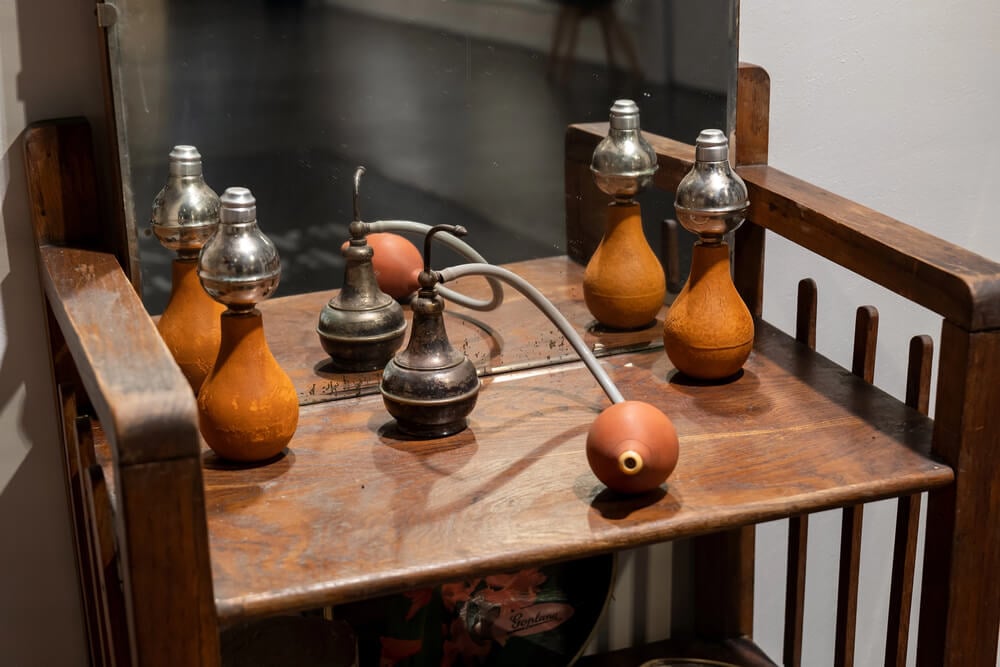
Perfume atomizers used a rubber bulb to spray a fine mist, and the glass bottles were often decorated and colorful. The rubber bulb is the weak point, since it deteriorates with age. Original bulbs and tubing in good shape are rare and add to the price.
Hair Pomade Tins
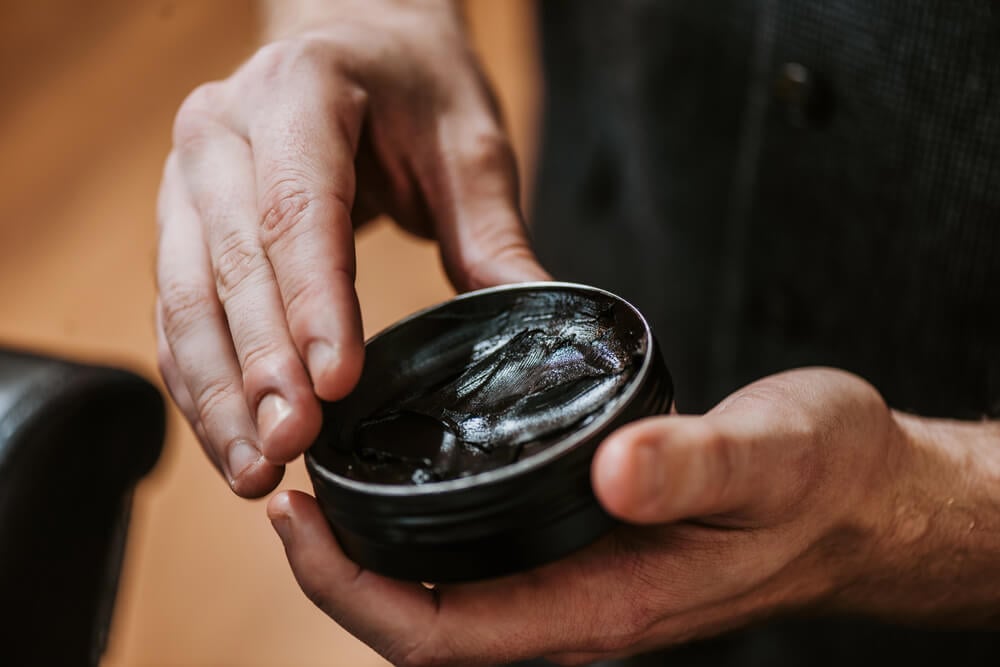
Pomade tins held thick hair dressing and often carried bold lithographed lettering. Many were pocket-sized, so they were carried along on dates and outings. Dents, rust, and missing lids lower value.
The Shelf Life of Vanity
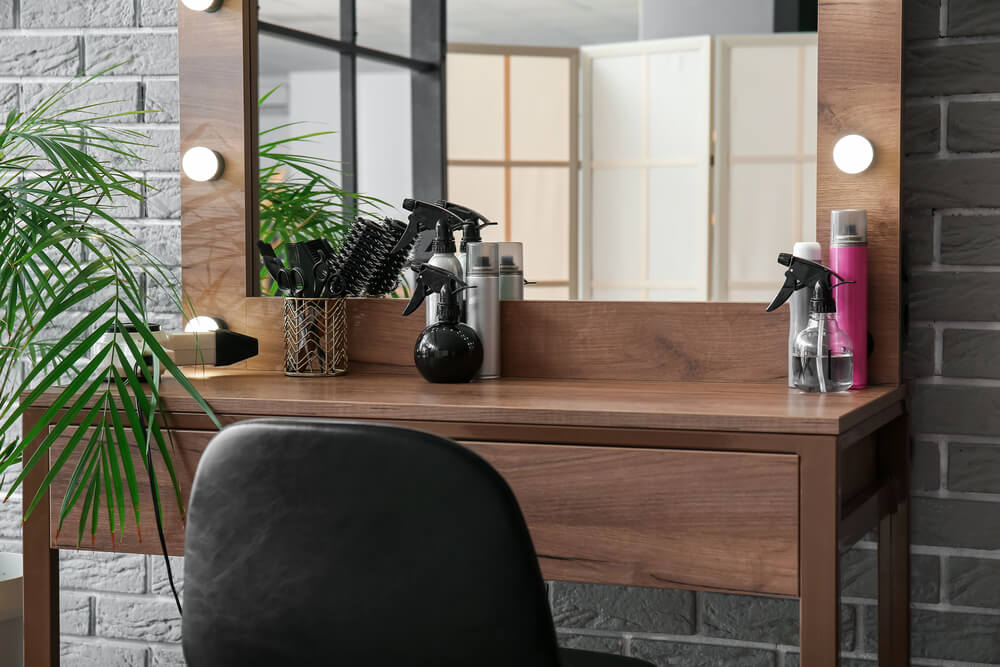
Every item here was meant to disappear into daily routine. Razors dulled, creams ran out, and bottles emptied, which means nearly all of them were thrown away without a second thought. What remains is the stuff that someone forgot about, or loved too much to discard.
That is why the collectors who hunt for these objects tend to care about small details. A faded label or a bent tin lid tells how the object was used, and the price follows. A shelf of old bottles is really a record of what people believed made them presentable.ore from Go2Tutors!

- 27 Silver Dollars and Half Dollars Worth Keeping
- 28 Restaurant Menu Items Nobody Orders Anymore
- 17 Places Built in Seemingly Impossible Spots
- 27 Vintage Rings Worth More Than They Look
- 25 Restricted Sites Tourists Can’t Enter
Like Go2Tutors’s content? Follow us on MS