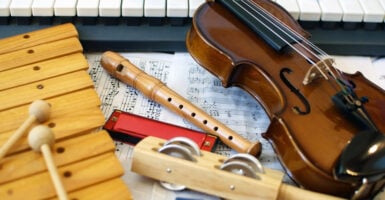
Toy Musical Instruments From Before Electronic Keyboards
Long before a child could press a button and hear a synthesized drum loop, a toy that made music had to earn its noise. Metal bars were struck, reeds were blown, strings were plucked, and clockwork arms swung tiny mallets.
The instruments below span roughly a century, from Victorian parlors to the plastic boom of the 1950s. Vintage values swing widely with condition, completeness, and original boxes.
Schoenhut Toy Pianos With Steel Bars
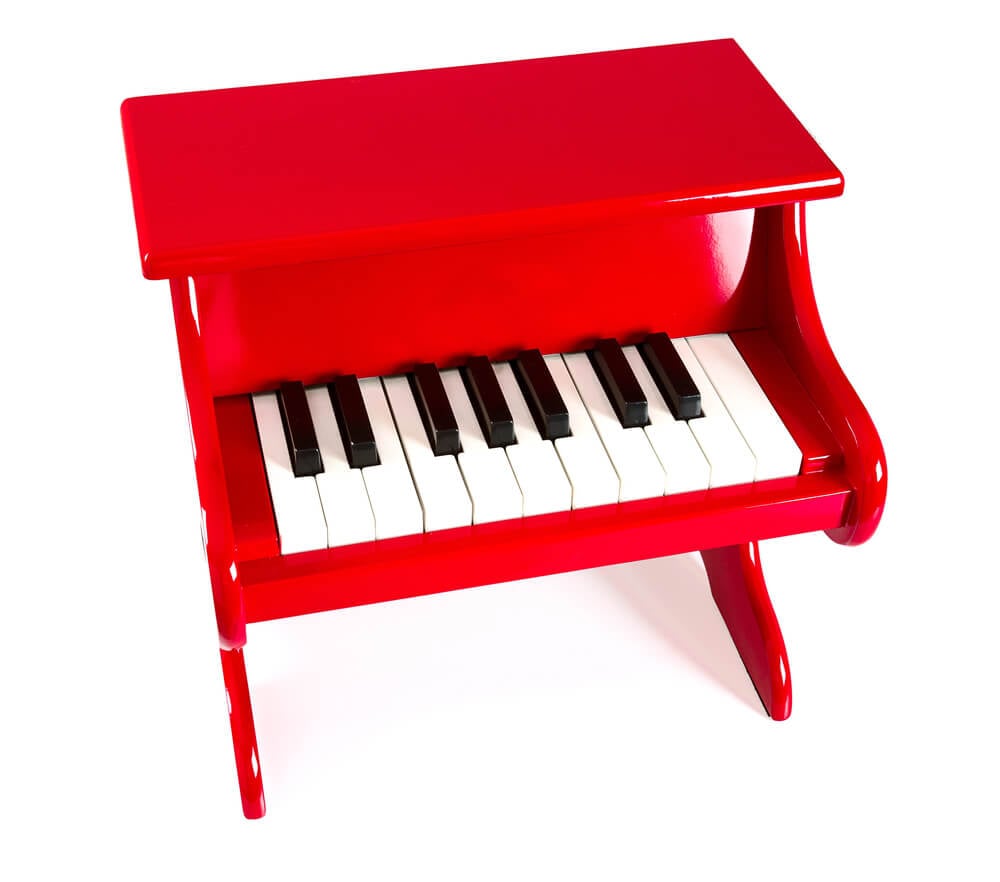
Albert Schoenhut arrived in Philadelphia in 1866 at age 17 to repair German toy pianos for the Wanamaker department store, then opened his own company in 1872. His redesign replaced the fragile glass parts inside with durable steel bars, a change that improved both tone and survival.
By 1917 the company’s catalog devoted ten pages to upright and grand toy pianos. Antique examples vary widely in price depending on condition, working keys, and surviving decoration.
Schoenhut Xylophones and Ukulele-Banjos
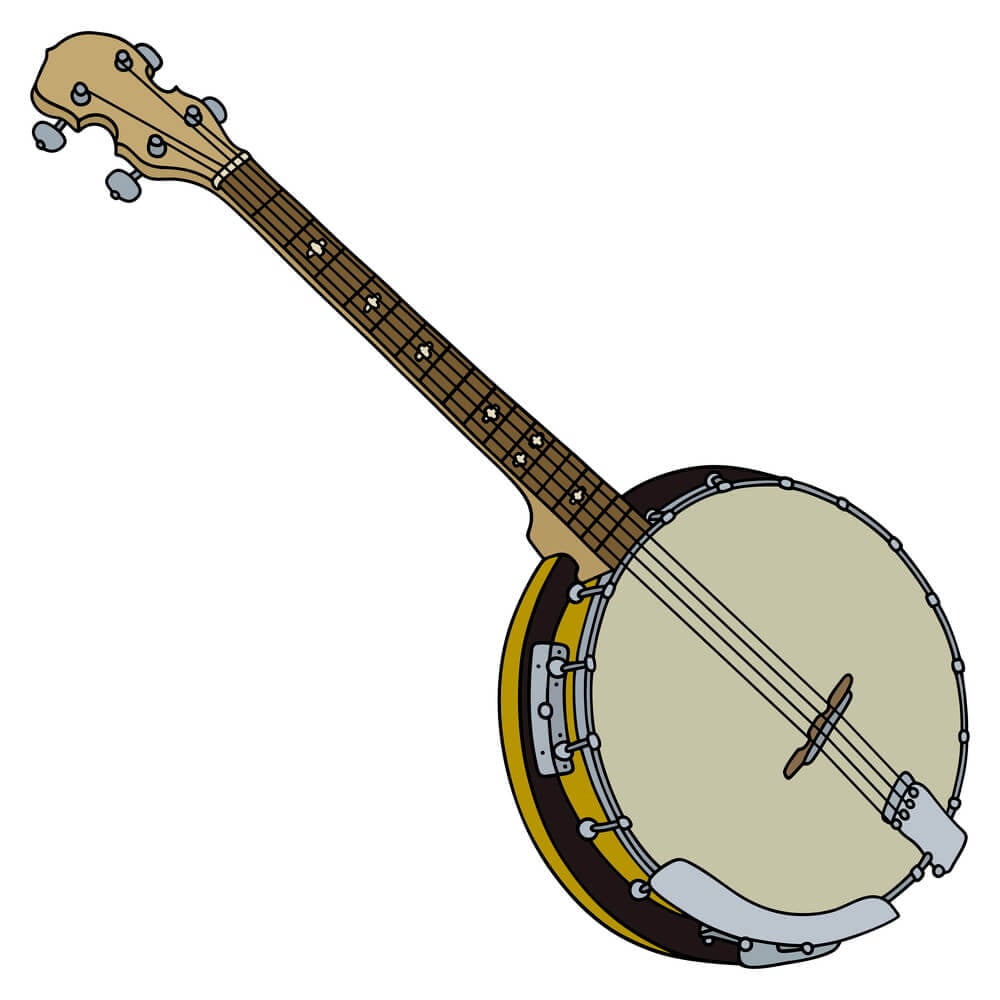
As the piano business grew, Schoenhut added a ukulele-banjo, a xylophone, and a glockenspiel to the line. A Philadelphia city directory from 1875 already listed him as a manufacturer of patented metal toy pianos and metallophones. The A. Schoenhut Company kept making toys until 1935, and pieces with intact bars and original lithographed decoration are the ones collectors chase.
Hohner Harmonicas From a Clockmaker’s Workshop
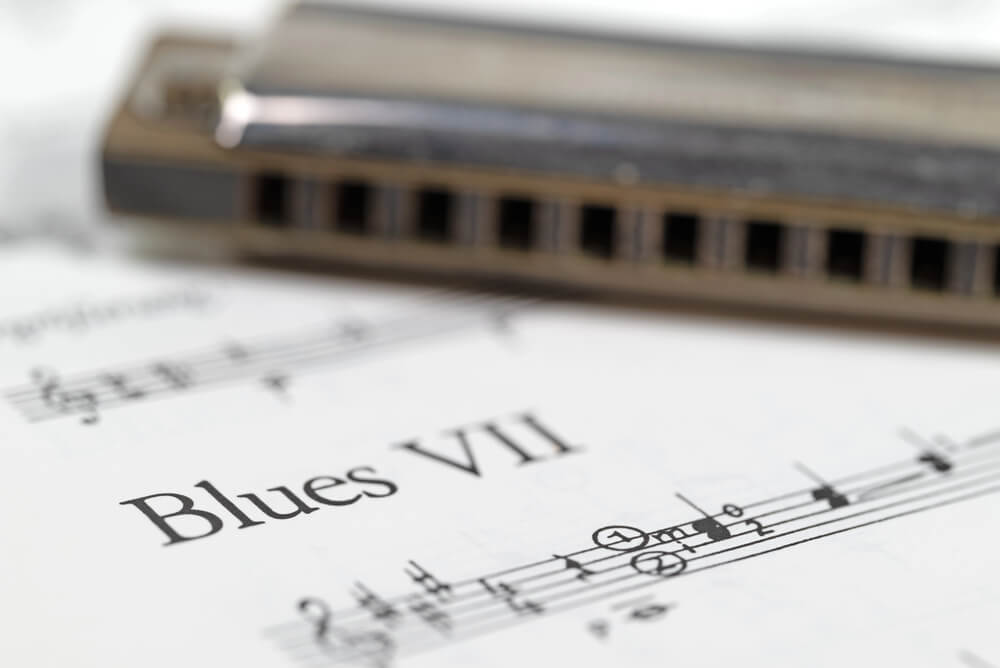
Matthias Hohner, a clockmaker in Trossingen, Germany, began making harmonicas in 1857 with his wife and a single employee, producing 650 in the first year. By 1887 the factory had turned out its millionth harmonica, and roughly 80 percent of its output went abroad.
Decades later a tiny Hohner Little Lady harmonica was smuggled aboard the Gemini 6 mission and played in orbit.
Donati’s Ocarinas From Budrio
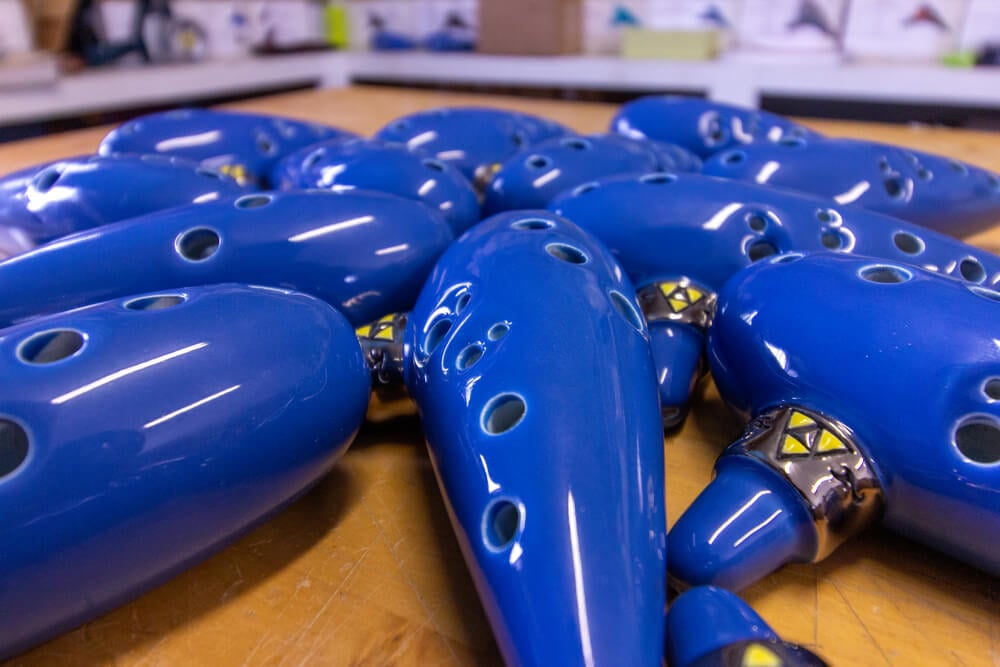
In 1853 a 17-year-old named Giuseppe Donati of Budrio, Italy, reshaped the ocarina from a toy that played only a few notes into a fully tuned instrument. The name comes from a local word for “little goose.”
In 1863 Donati and fellow musicians formed an ensemble using five ocarinas of different sizes, and Budrio now holds an ocarina museum and a festival every other spring.
Metal Kazoos From Eden, New York
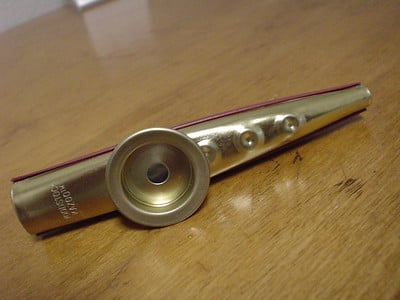
The name kazoo first appears in an 1883 patent granted to Warren Herbert Frost, and a metal version was patented in 1902 by George D. Smith of Buffalo. The Original American Kazoo Company began producing them in Eden, New York, in 1916, using jack presses to cut, bend, and crimp sheet metal.
By 1994 the plant made about 1.5 million a year and was the only North American maker of metal kazoos. The kazoo is widely believed to be the only musical instrument both invented and produced in the United States.
The Flutophone
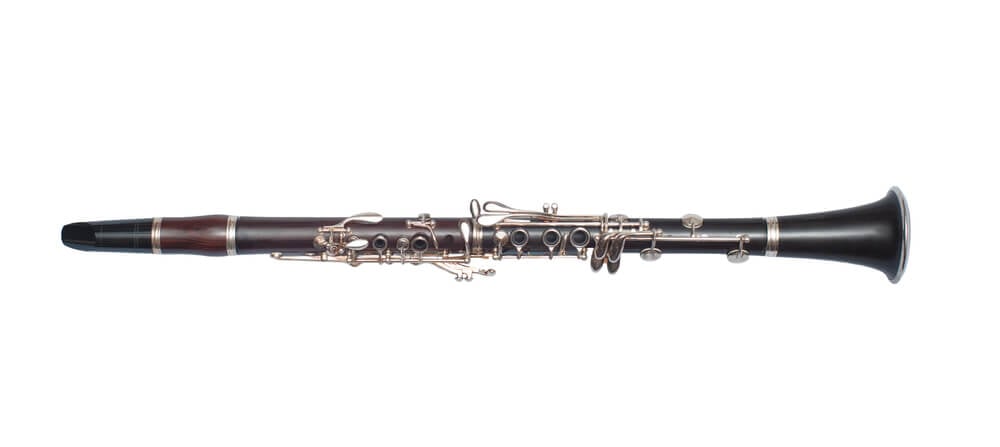
Trophy Music Company of Cleveland introduced the Flutophone in 1943, a plastic one-octave wind instrument for children. Grossman Music, founded in 1922 as a distribution business, moved into manufacturing with it, and the company claims more than 50 million have sold worldwide.
It became a staple of elementary band classes, and vintage examples typically change hands for roughly $10 to $20 depending on condition.
Full-Size Plastic Trumpets
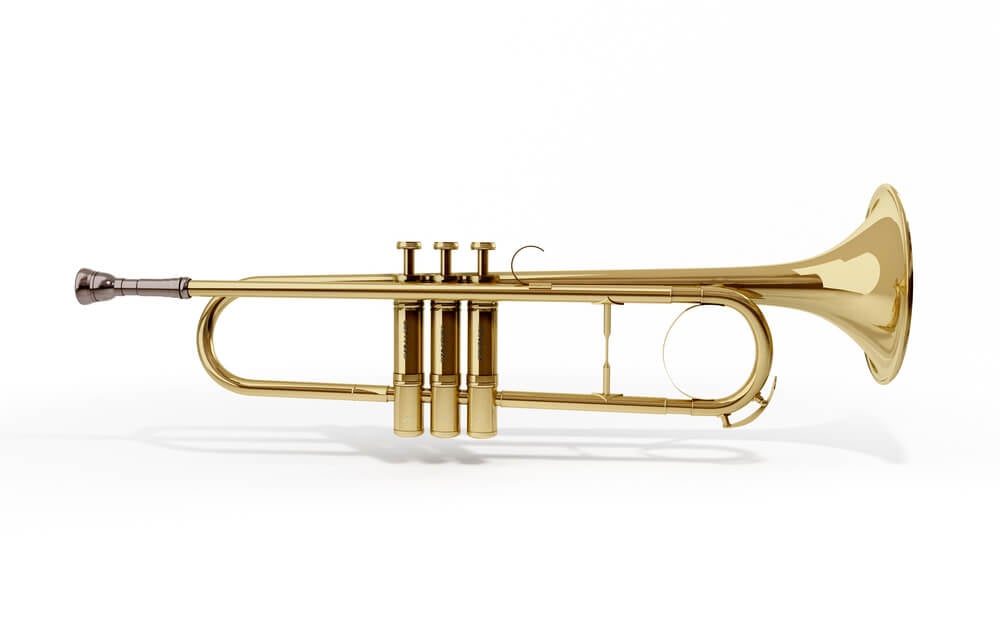
In 1943 Josephus Thompson and Morton S. Brockman of Cleveland patented a full-size plastic trumpet, assigned to the Grossman Music Company and later sold by Trophy Products to music teachers.
The price was $39.50 in the early 1950s, a serious sum for a classroom instrument. Very few survive because the plastic turns fragile with age, which makes intact examples scarce.
Song Flutes and Tonettes
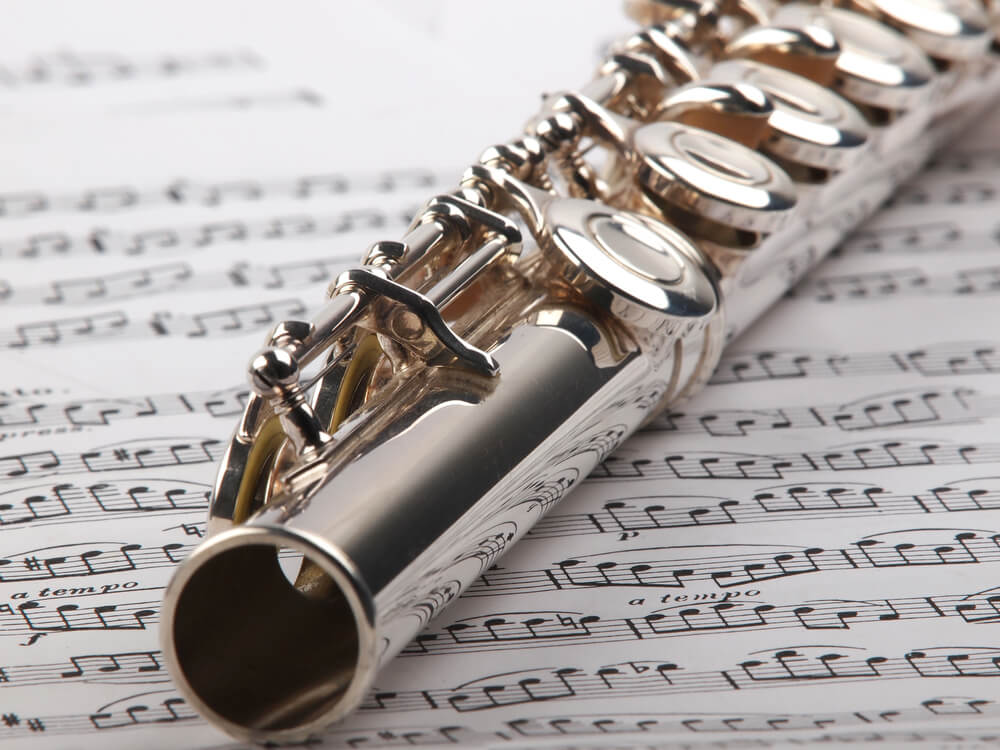
Elver J. Fitchhorn invented the song flute in the late 1930s, a black molded-plastic pipe with raised finger openings that looks nearly identical to the tonette. The tonette is distinguished by a closed end, even when it carries a decorative flared bell.
Together with the Flutophone, these instruments dominated pre-band classroom teaching from the 1940s through the 1970s, until cheap plastic recorders took over in the 1980s.
Marx Mickey the Musician
Louis Marx and Company, founded in New York City in 1919, produced many of the tinplate wind-up musical toys sold in the United States during the 1940s. In the Mickey the Musician version, a wind-up Mickey Mouse swings arms that strike a xylophone.
Mallets are frequently missing on surviving examples, and dealer listings have ranged from a couple hundred dollars into the mid-hundreds depending on condition.
Mattel’s Early Musical Toys
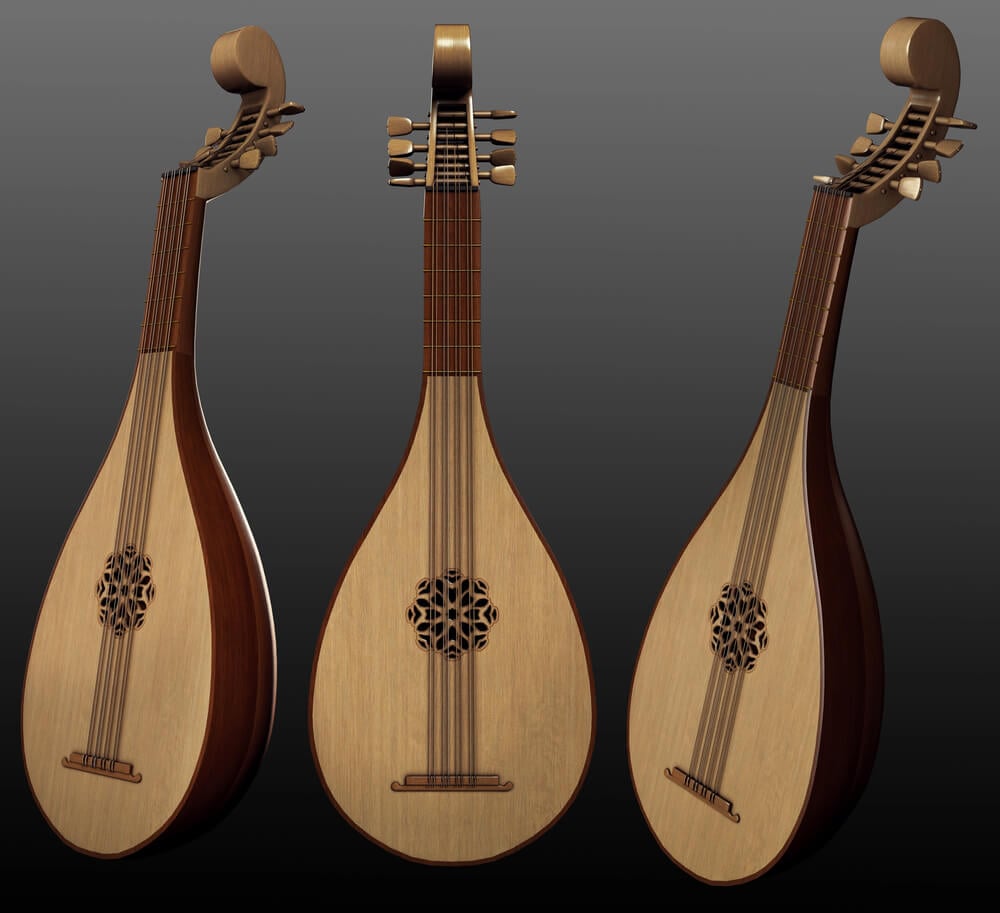
Mattel’s early catalog included the Uke-a-doodle, dated by the National Music Museum to about 1947 to 1950, and the Mousegetar, a toy guitar made in Los Angeles around 1955 to 1956 with a vibrating string length of just under 15 inches.
The company also sold Music Maker toys, including a jack-in-the-box marked as a Mattel Music Maker that played a tune as Jack popped up. Boxes and cranks wear out, so working examples are the harder finds.
Emenee’s Elvis Presley Guitar

Emenee Industries, organized in 1949 and based in Flushing, New York, made plastic musical toys, and in 1956 it released an official Elvis Presley guitar in four-string and six-string versions. Decals reading “Hound Dog” and “Love Me Tender” decorated the body.
A boxed six-string example sold at auction in 2021 for $518 including buyer’s premium, and prices track the condition of the decals and the survival of the original box.
Emenee Blow Accordions and Golden Banjos
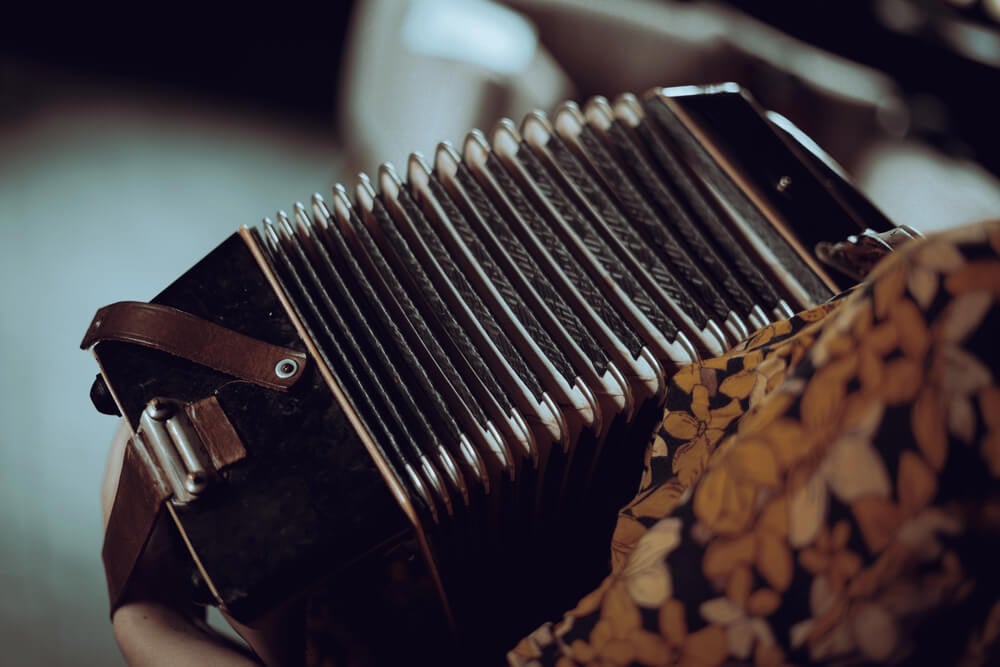
In the 1950s Emenee also produced plastic free-reed keyboard instruments and a toy Golden Banjo around 1956. Museum holdings include a saxophone-shaped toy harmonica with ten keys and 14 reeds.
In May 1968 the Ohio Art Company of Bryan, Ohio, bought 51 percent of Emenee and moved production to Stryker, Ohio.
Magnus Junior Keymonica
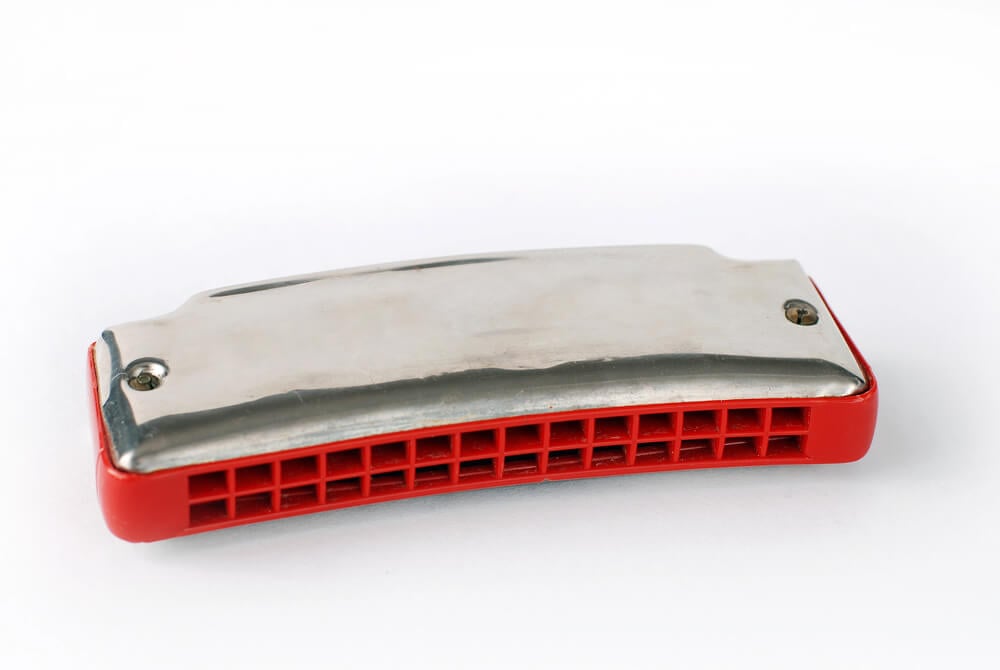
The Magnus Harmonica Corporation of New Jersey made plastic keyboard toys in the 1950s, including the Junior Keymonica and an organ listed as Model 151. These were free-reed instruments, sounding through vibrating metal reeds rather than any circuitry.
They were as close to a keyboard as a child could get before electronics, and cracked cases or missing parts cut into collector value.
Ohio Art Music Makers and Chein Drummers
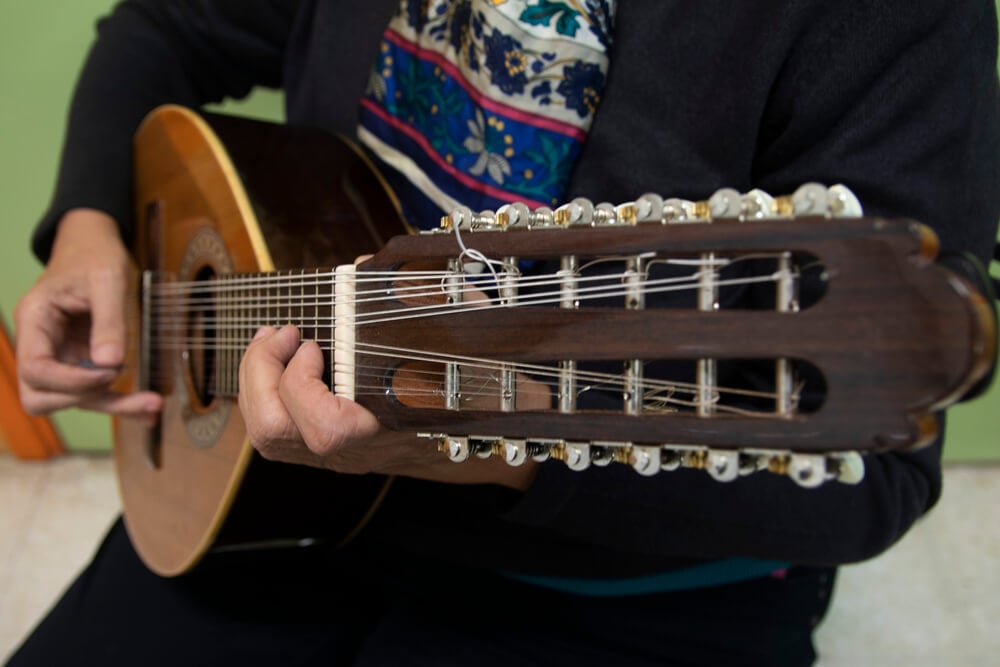
The Ohio Art Company of Bryan, Ohio, produced a Music Maker toy numbered 147 in lithographed tin during the 1940s. J. Chein and Company made a metal Bass Drummer in the 1950s with clockwork motion.
Lithographed tin fades and rusts, so bright color and a working mechanism are the first things buyers check.
Harmotone Jr. Trumpet
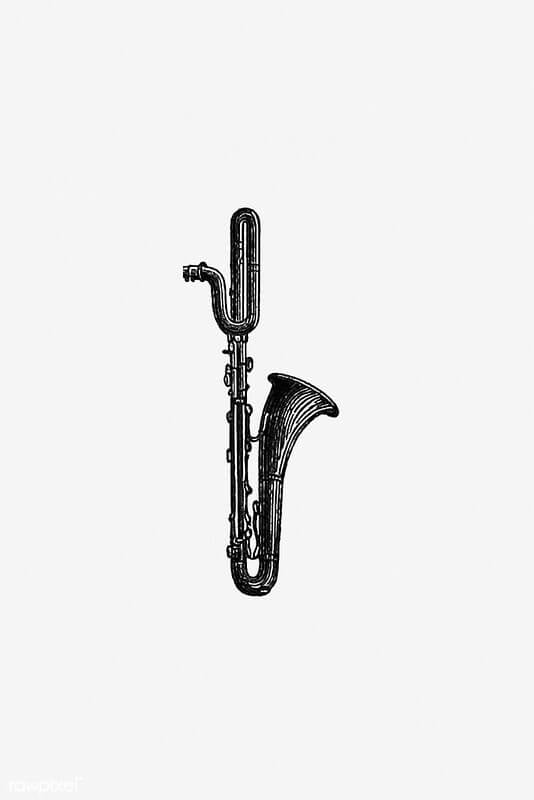
The Harmonic Reed Corporation of Philadelphia produced a plastic Harmotone Jr. Trumpet in the 1940s, a trumpet-shaped toy that sounded through reeds. The same maker is listed by the National Music Museum for toy harmonicas dated roughly 1940 to 1960.
Plastic from this period can crack or warp, and surviving examples with intact mouthpieces are the ones worth seeking.
The Sound Before the Circuit
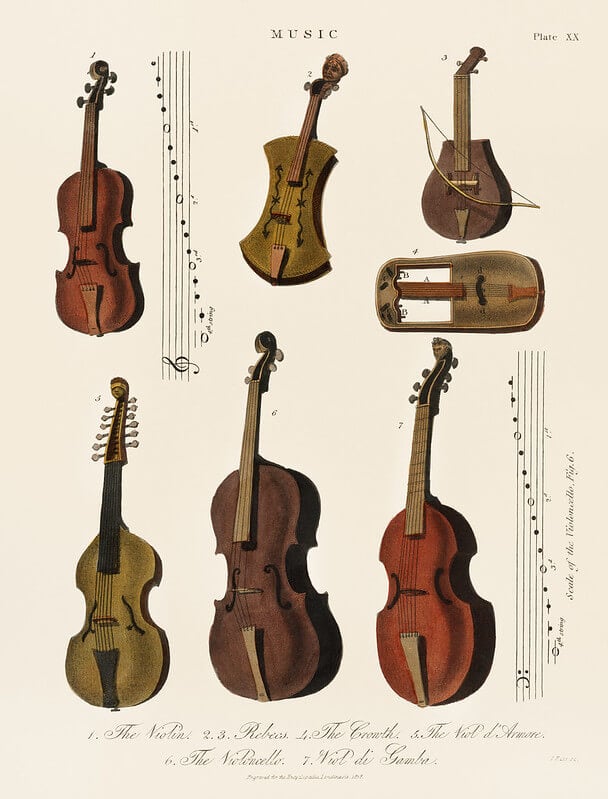
Across these toys the same few mechanisms keep returning: struck steel, vibrating reeds, plucked strings, and wound springs. Each one let a child produce a recognizable sound with nothing more than a breath, a finger, or a crank of a handle.
That physical connection is what separates them from later push-button instruments. A child holding a Flutophone or a tin xylophone was making the sound directly, and collectors today pay atten
More from Go2Tutors!

- 27 Silver Dollars and Half Dollars Worth Keeping
- 28 Restaurant Menu Items Nobody Orders Anymore
- 17 Places Built in Seemingly Impossible Spots
- 27 Vintage Rings Worth More Than They Look
- 25 Restricted Sites Tourists Can’t Enter
Like Go2Tutors’s content? Follow us on MSN.