The Sounds That Filled Old Department Stores
Old department stores were loud in ways modern retail has largely forgotten. Machines whispered overhead, bells rang at the counters, and a pipe organ could fill a seven-story hall.
Each of these sounds did a job, from moving money to guiding shoppers to making a Saturday afternoon feel like an occasion.
Pneumatic Tubes
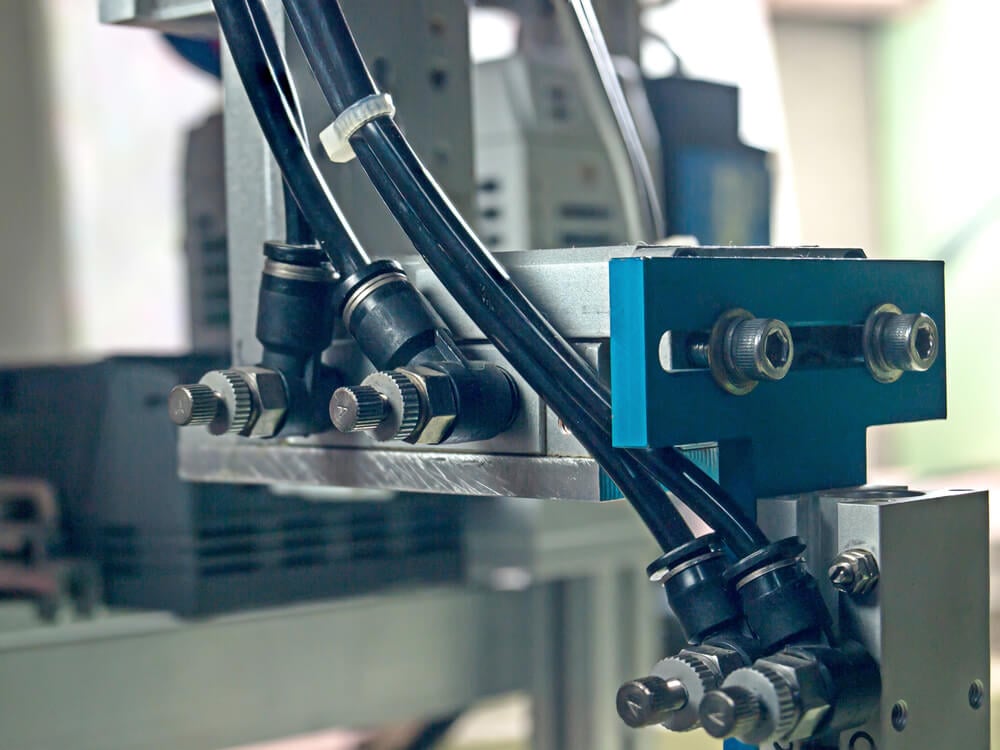
Pneumatic tube systems pushed canisters of cash and receipts through pipes with a rush of air and a soft thud on arrival. Jacksons of Reading installed its Lamson system in the 1940s and kept using it until the store closed in 2013.
Clerks learned to listen for the canister coming home with change. The hiss and thump became a store’s heartbeat.
Lamson Cash Carriers

In 1881, William Stickney Lamson of Lowell, Massachusetts, patented a system that sent hollow carriers rolling down inclined rails from the sales counter to the cashier. Family lore holds that the idea came to him at breakfast while he was scooping out an orange.
The click and rumble of carriers overhead meant a sale had been made. The system spread widely before cash registers and self-service reduced the need for it.
Overhead Wire Carriers
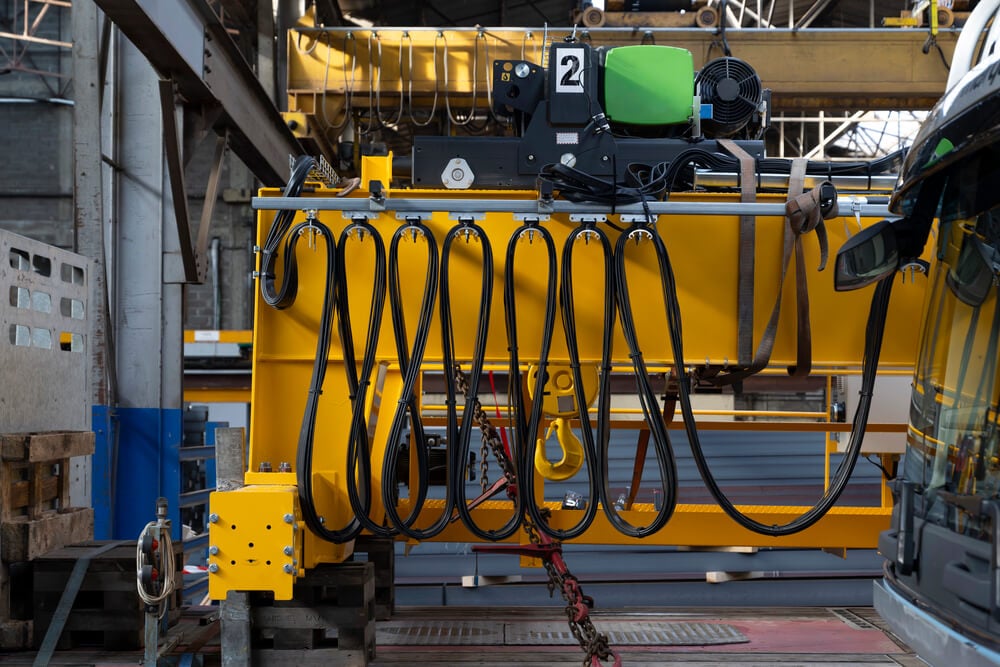
Some stores used overhead wires that zipped small cups of money to a cashier’s cage with a rattle and a clack. Brands such as the Lamson Rapid Wire, the Dart Cash Carrier, and the Baldwin Flyer filled stores of the early twentieth century.
The wires also carried more than cash, and clerks reportedly passed secret notes back and forth along them. Gossip and romance traveled at the same speed as payment.
The Cash Register Bell
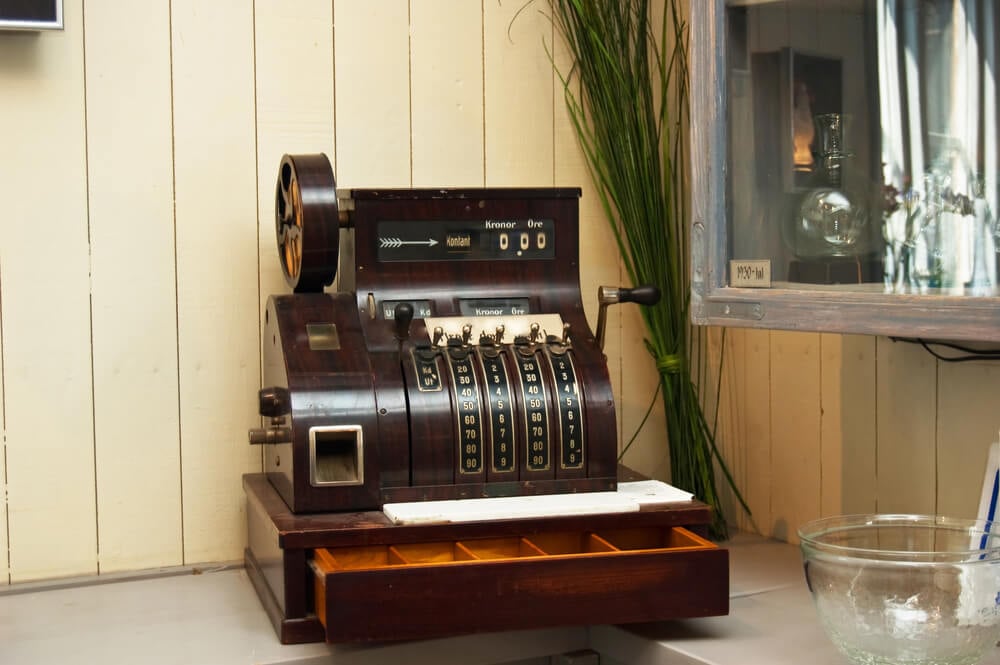
James Ritty built a cash register in Dayton, Ohio, for his saloon, and the machine rang a bell with each sale to discourage theft. That ring became the sound of commerce for decades.
Department stores installed rows of registers, and the chorus of bells gave a sales floor its rhythm. Early registers with intact bells and ornate brass cases are sought after by collectors.
The Wanamaker Organ
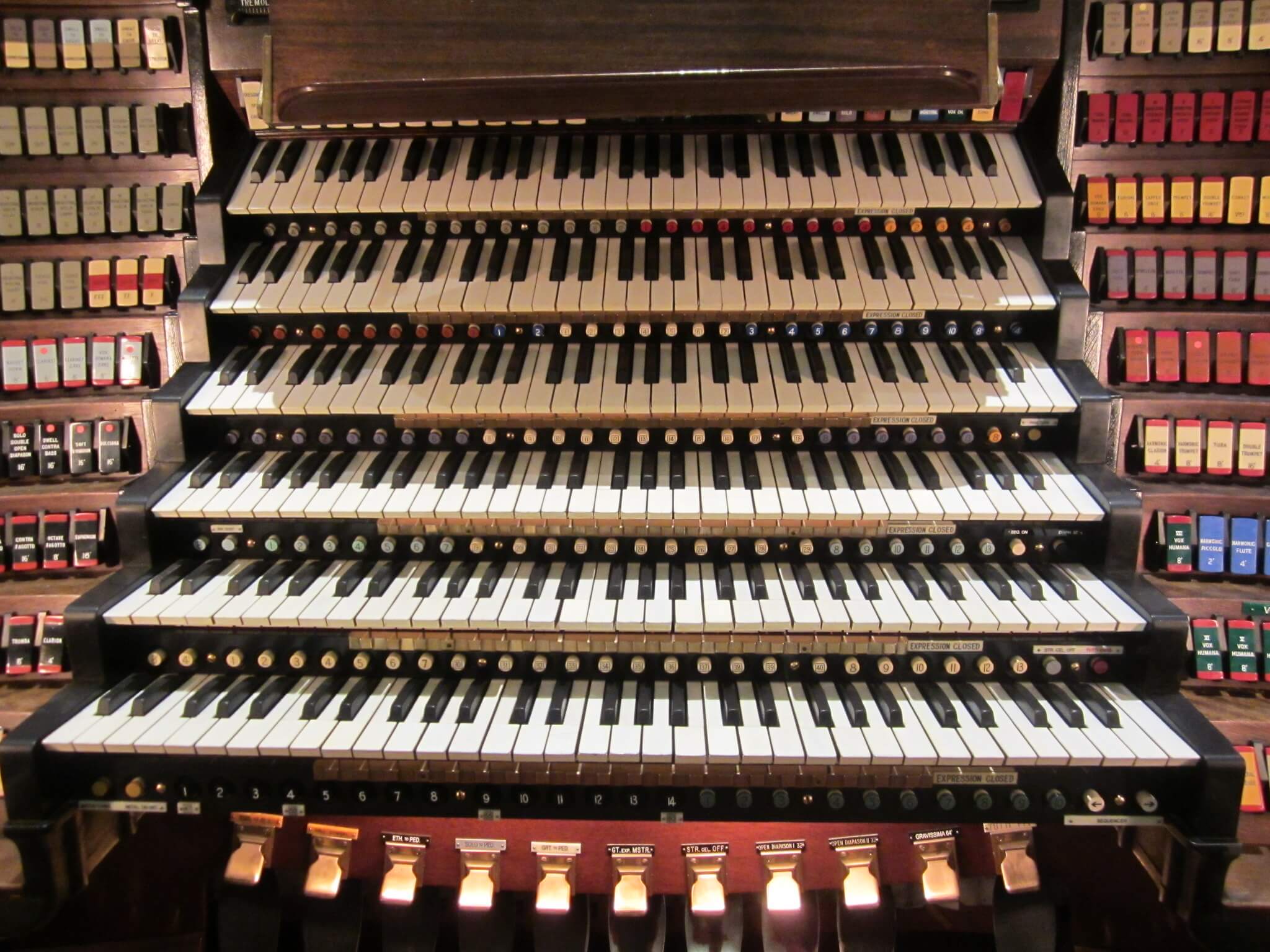
The organ in the Grand Court of Wanamaker’s in Philadelphia arrived from the 1904 St. Louis World’s Fair on thirteen freight cars. It was expanded until it held more than 28,000 pipes, and it still plays twice a day, Monday through Saturday.
Shoppers used to say they would meet at the Eagle, a bronze statue in the same court, and public Christmas caroling began there in 1918. The sound was less background music than civic ceremony.
Wooden Escalators
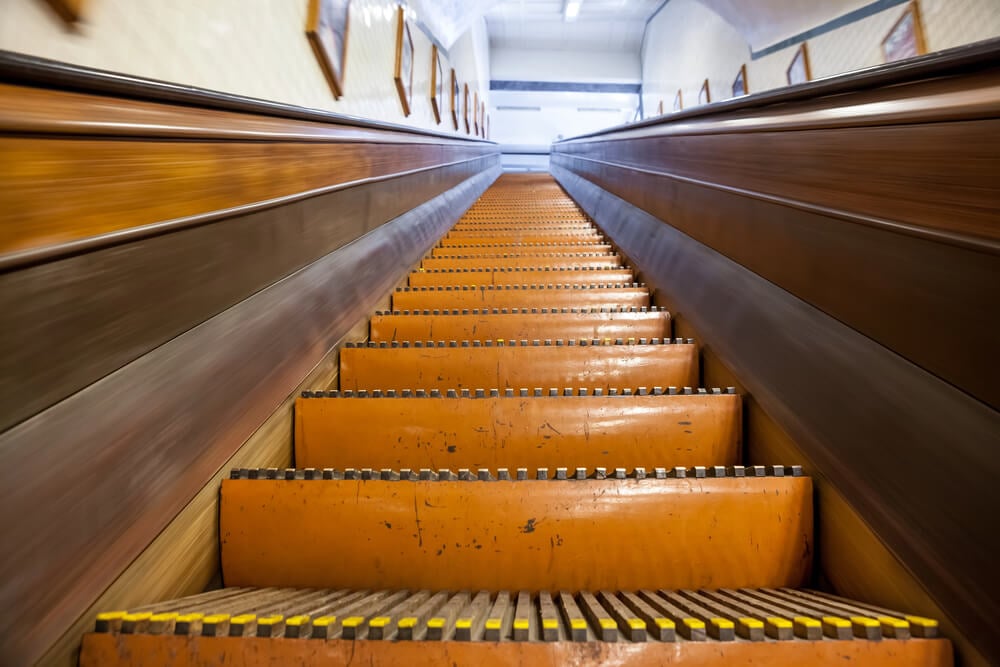
Macy’s Herald Square kept some of its wooden escalators running, and they creak along on upper floors with a sound unlike anything in a modern mall. The wood-and-steel machines were made by Otis, and riders felt the slats flex beneath their shoes.
The store preserved some during a major renovation. The creak signals to anyone who hears it that the building is a living piece of history.
Elevator Operators
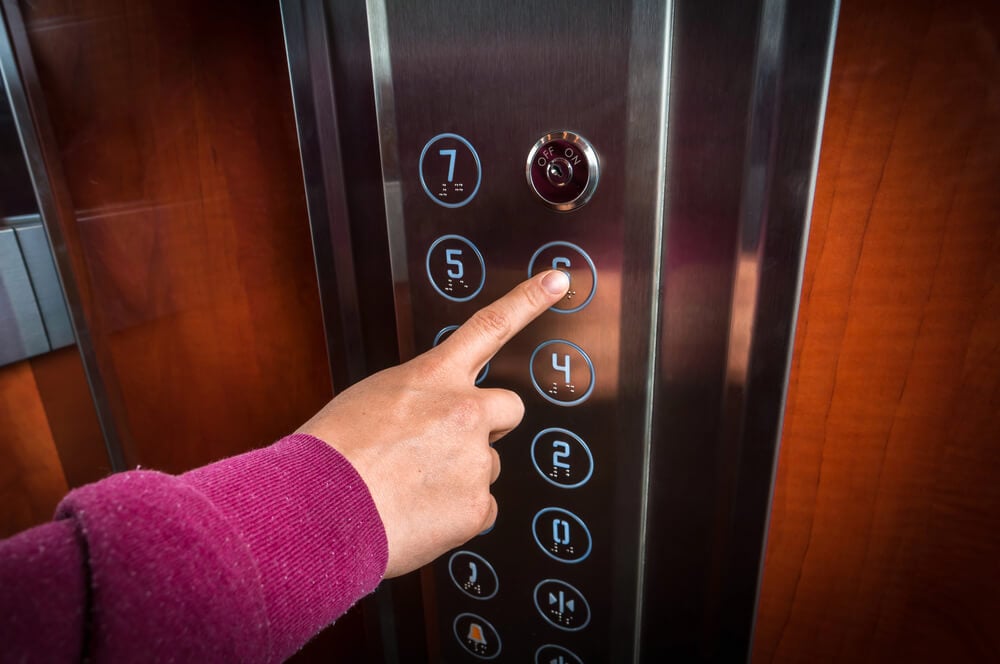
Elevator operators in uniform called floors and departments in a polished voice, often with a polite reminder to watch the step. A chime or bell rang as the car arrived, and the doors slid back to a new smell of perfume or leather.
Customers rarely pressed buttons, because the operator did the work. The soft clang of the gate and the cheerful announcements gave a trip upstairs a feeling of service.
Heels on Marble
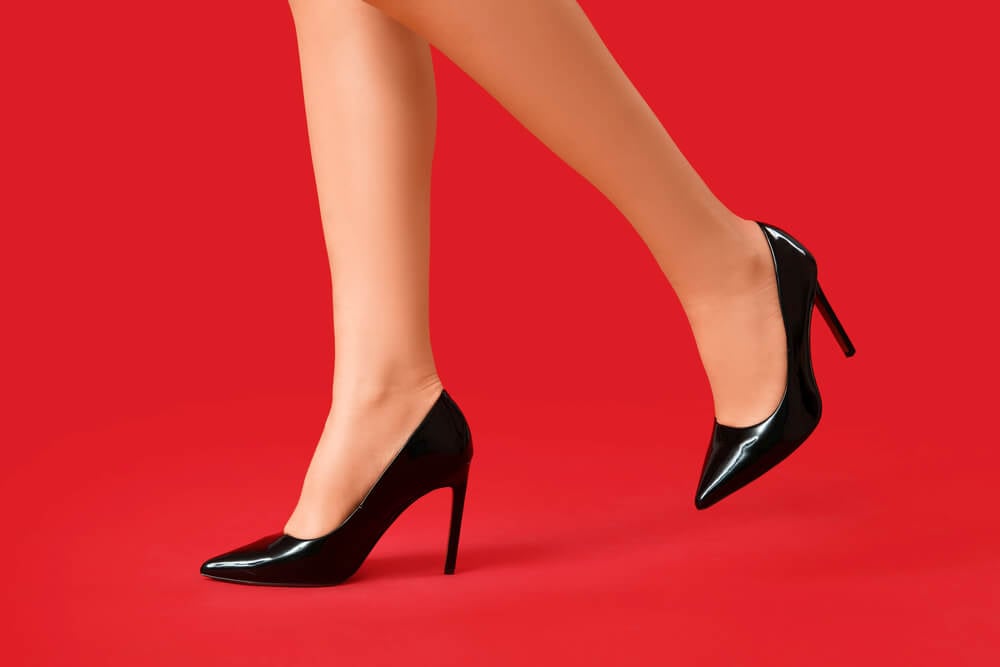
Marble and terrazzo floors made every step audible, especially the sharp click of heels. On carpeted departments the sound disappeared, so a shopper could tell where she was by ear.
The echo in a grand atrium carried voices and footsteps upward. Floors that rang this way were a deliberate sign of luxury.
Public Address Chimes
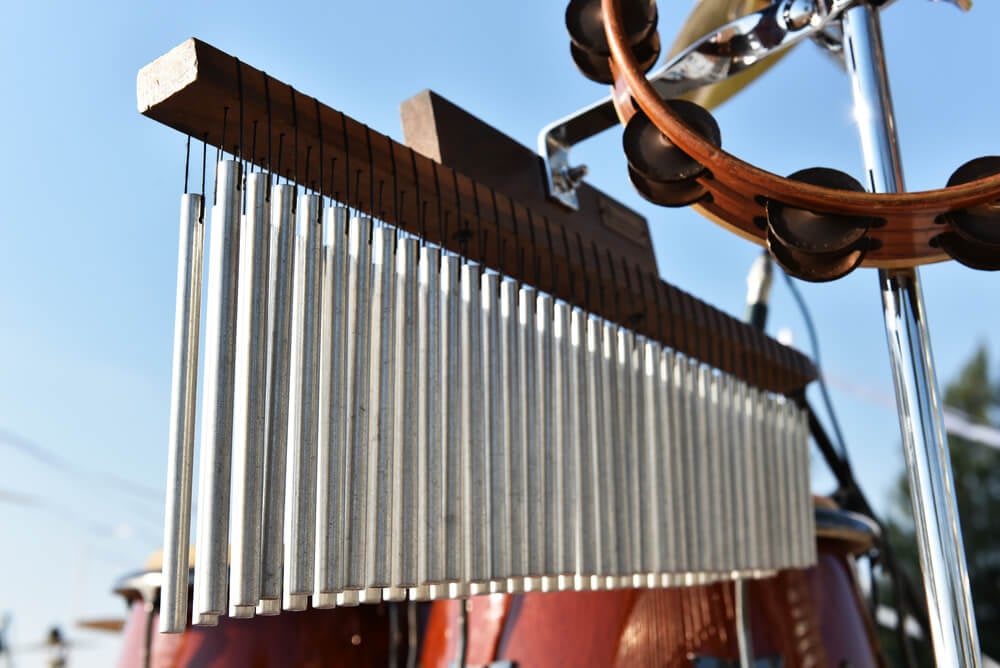
Before announcements, many stores sounded a soft chime to catch attention without alarming customers. A calm voice followed, calling a name, announcing a sale, or warning that closing time was near.
The chimes were tuned to be pleasant and distinct from other store sounds. They told staff and customers alike that something needed attention.
Muzak
Muzak, founded in 1934, piped instrumental versions of popular songs into stores, offices, and elevators. The idea was to keep the mood steady and the pace comfortable.
Shoppers rarely noticed the music until it stopped. The bland arrangements became a punchline, but they were a real part of how stores sounded.
Paper Bags and Tissue
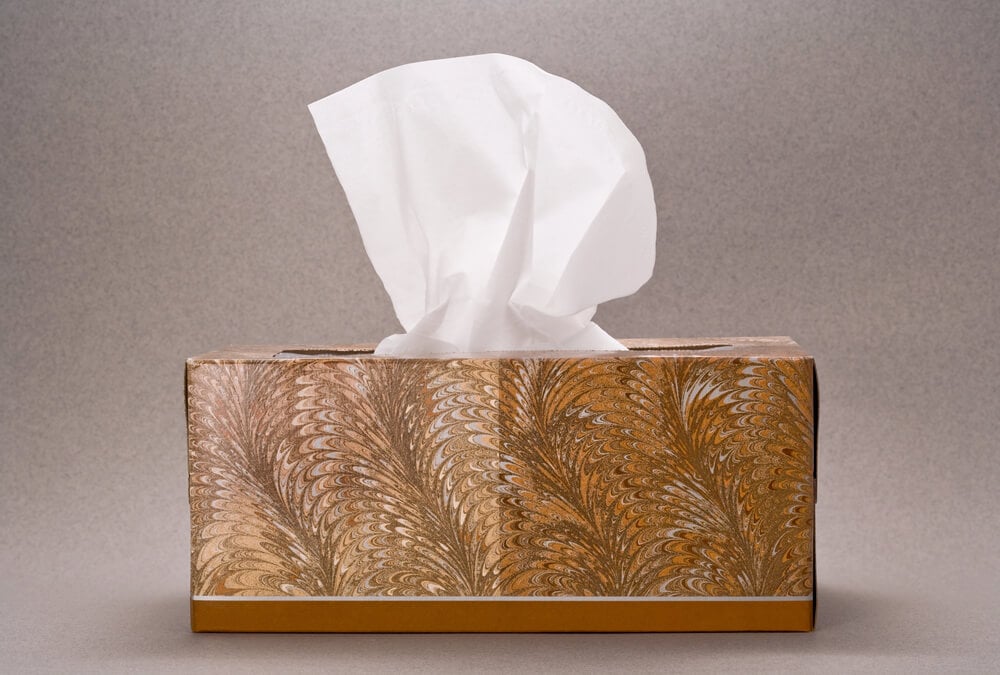
Wrapping counters rustled with tissue paper, string, and paper bags as clerks folded and tied purchases. A department store bag crackled when handled, and a boxed gift came with a bow and ribbon.
The sounds signaled care and the idea that a purchase deserved presentation. Collectors of old store packaging prize unused bags and boxes with logos in good condition.
Fitting Room Curtains
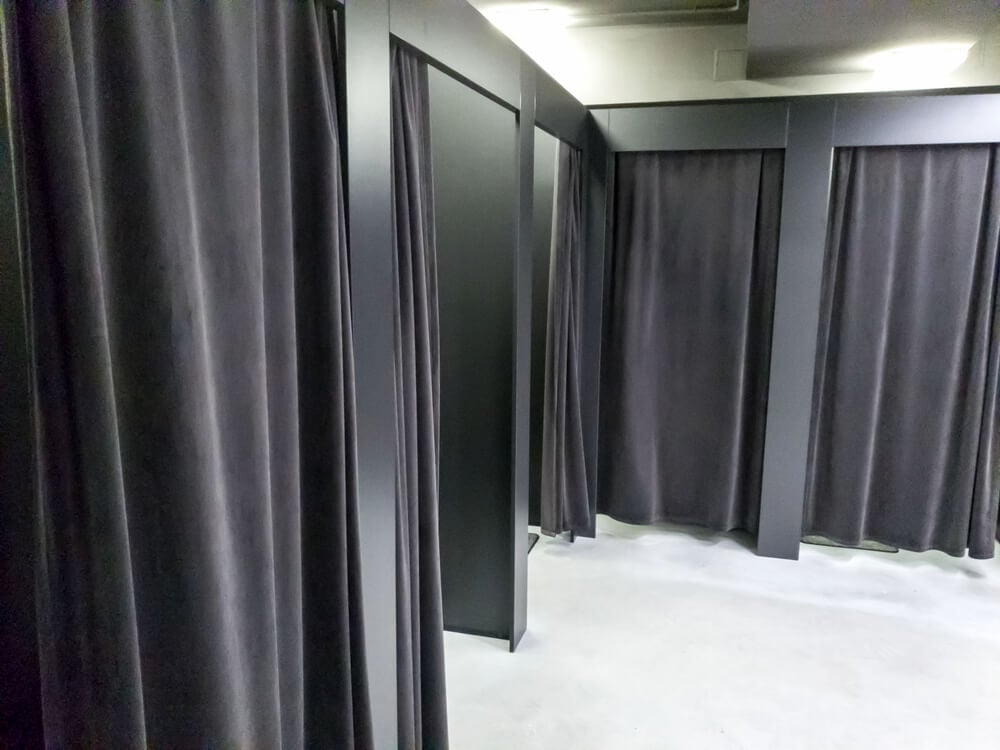
Fitting rooms were closed off by curtains hung on rods, and the metal rings slid with a quick zip when a customer entered or left. The sound meant privacy and a chance to try something on away from the crowd.
A clerk’s tap on a wooden frame meant the next item was ready. Small details like these made a trip to the dressing area feel like a ritual.
Lunch Counter Clatter
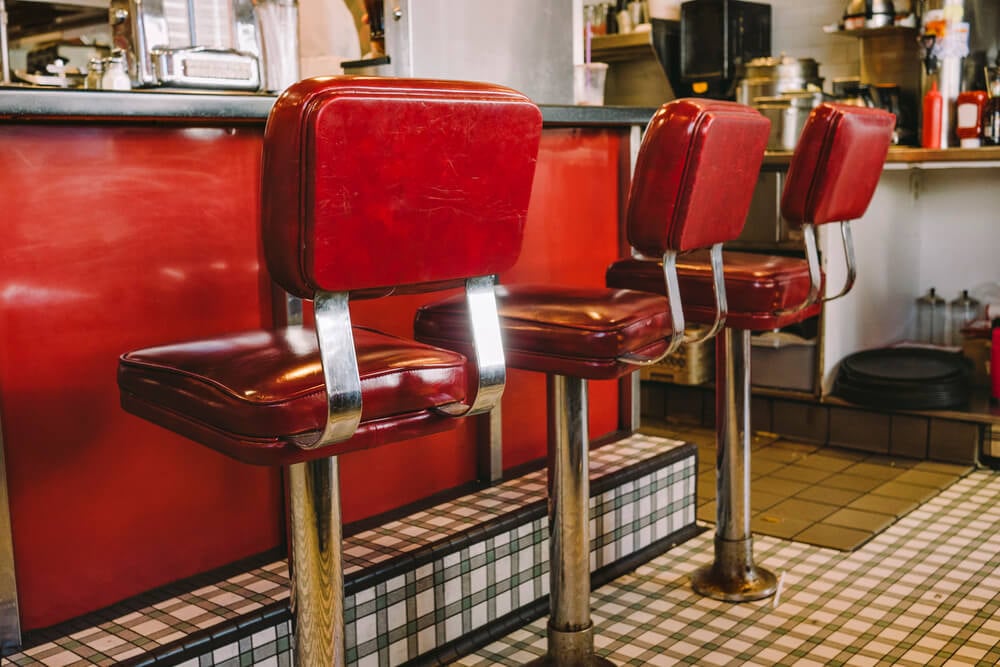
Many department stores ran lunch counters or tearooms, where plates clattered, ice clinked in glasses, and waitresses called orders across the room. The noise rose around noon and faded by mid-afternoon.
Shoppers took a break there before returning to the aisles. The clatter was part of the reason a day downtown felt like an outing.
The Sound of a Day Out
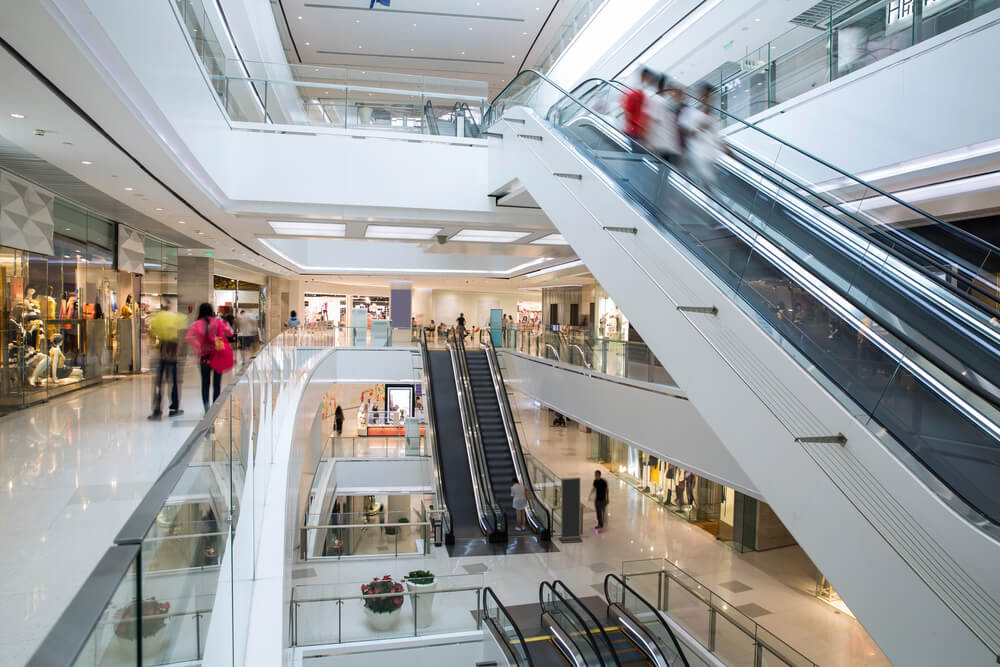
Department stores treated sound as part of the product. Tubes, bells, chimes, and organs were not decoration, because each one served a purpose and added to the sense of a grand place.
Visitors left with bags and also with an impression of being looked after.
Most of those sounds have faded from daily life, replaced by scanners, beeps, and background playlists. A few survive in museums, old stores, and the memories of people who grew up near a department store.
Anyone who hears a pneumatic tube thump or a wooden escalator creak knows exactly what has been lost.
More from Go2Tutors!

- 27 Silver Dollars and Half Dollars Worth Keeping
- 28 Restaurant Menu Items Nobody Orders Anymore
- 17 Places Built in Seemingly Impossible Spots
- 27 Vintage Rings Worth More Than They Look
- 25 Restricted Sites Tourists Can’t Enter
Like Go2Tutors’s content? Follow us on MSN.