Scientific Discoveries Made by Non-Scientists
Science is often linked to labs, degrees, and long research papers. But some of the most important discoveries didn’t come from trained scientists.
They came from regular people—farmers, hobbyists, kids, even folks just doing their jobs—who noticed something unusual and decided to ask questions. Sometimes, it’s not about having fancy tools.
It’s just about being curious and paying attention to what others might miss.
A teenager found a new planet

In 2018, a 17-year-old student named Wolf Cukier spotted a planet during his internship at NASA. He was looking at data from a telescope and noticed a strange dip in brightness.
That small detail turned out to be a previously unknown planet. It’s now named TOI 1338 b. Not bad for a summer project.
A housewife cracked the mystery of whale migration

In the 1960s, a woman named Mary Hill, who had no formal science training, started keeping records of whale sightings off the coast of California. Her notes helped researchers understand gray whale migration patterns.
She worked with local fishermen and even used binoculars from her kitchen window. Scientists later used her findings in official studies.
Her work proved that careful observation matters, no matter who does it.
A farmer discovered how new plants are born
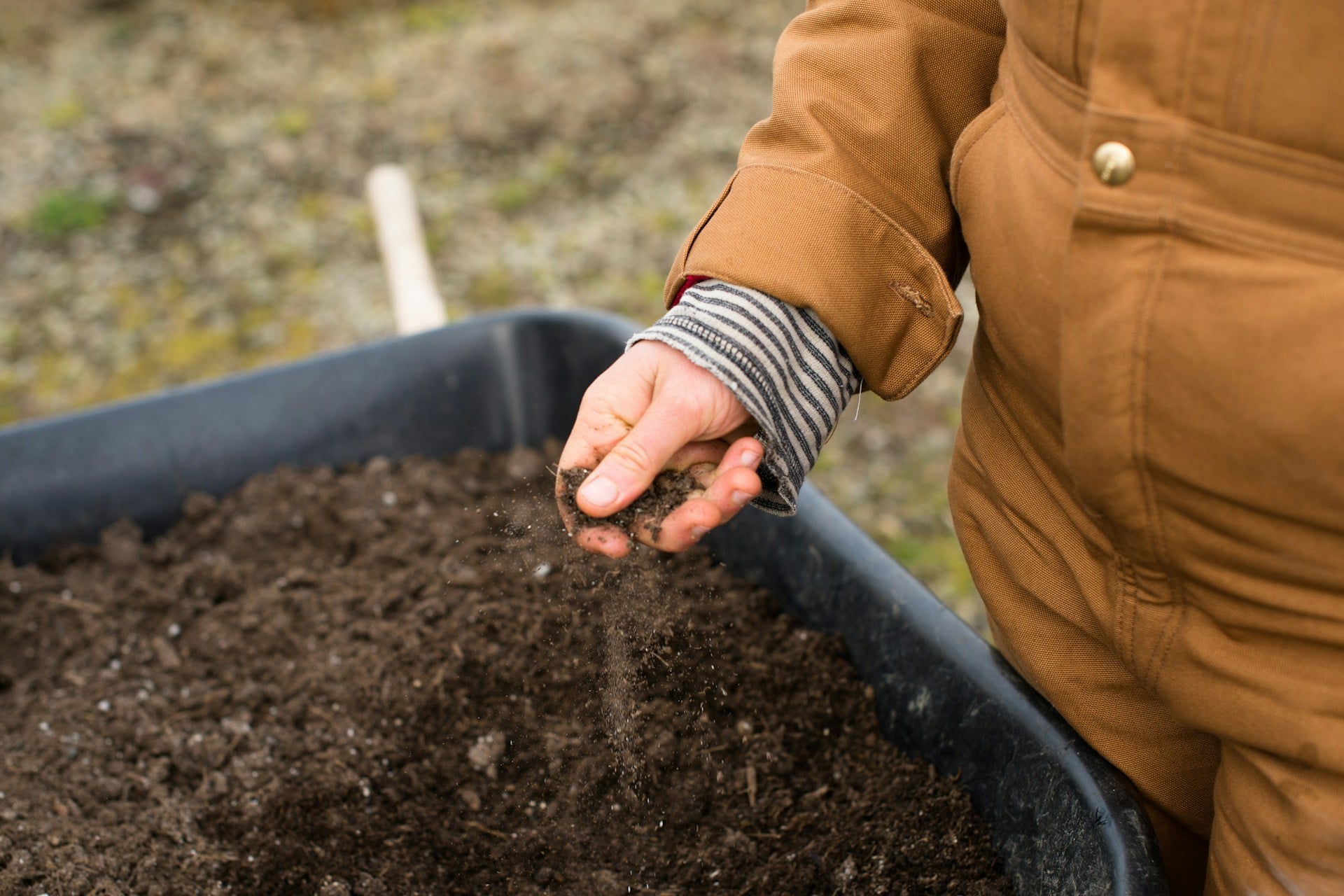
In the 1800s, an Austrian monk named Gregor Mendel grew peas in his garden. He wasn’t a scientist, just someone who liked gardening.
But while planting different types of peas, he noticed patterns in how traits like color and size passed from one generation to the next. His work laid the foundation for modern genetics.
Mendel’s pea plants ended up teaching the world about DNA—long before it was discovered.
A boy helped solve a math problem by accident

George Dantzig, a college student, once arrived late to class and saw two math problems on the board. He thought they were homework, solved them, and turned them in.
Turns out, those were unsolved problems that had stumped experts for years. He didn’t know they were “impossible,” so he solved them.
This small mix-up became a big breakthrough in math.
An artist uncovered dinosaur tracks

In the 1800s, Edward Hitchcock, a college president and amateur geologist, worked with local farmers and artists to study strange footprints in stone. One of those artists, a woman named Eliza Greene, helped sketch and document the tracks.
Together, they figured out these were ancient footprints—now known to be from dinosaurs. Eliza’s careful drawings played a key role in getting scientists to take the discovery seriously.
A homemaker discovered a new comet

Caroline Herschel began helping her brother with astronomy in the 1700s. She was not trained in science, but she learned how to use a telescope.
One night, while scanning the sky, she found a new comet. She went on to find several more and even got paid by the British government for her work.
Today, she’s remembered as one of the first recognized female astronomers.
An engineer found a way to freeze food

Clarence Birdseye wasn’t a food scientist, just a curious engineer working in Labrador, Canada. He noticed that the locals froze fish almost instantly in the icy air, and the fish stayed fresh for much longer.
He took that idea back to the U.S. and created a fast-freezing process for food. That discovery launched the frozen food industry and changed how people eat.
A handyman helped prove the Big Bang

Arno Penzias and Robert Wilson were trying to fix a satellite dish in the 1960s. Both were engineers, not astronomers.
They kept hearing a strange background noise they couldn’t get rid of. After checking everything, they found out the noise was actually leftover radiation from the beginning of the universe.
Their accidental discovery earned them a Nobel Prize.
A group of school kids found a rare beetle

In the UK, a class of schoolchildren was taking part in a citizen science project to look for insects. One group found a beetle that didn’t match anything in their field guide.
Experts later confirmed it was a rare species never before seen in the region. The students got credit in the official report.
Their curiosity helped expand knowledge of local wildlife.
A grocery store clerk helped solve a DNA puzzle

In the early days of DNA research, Rosalind Franklin’s famous X-ray photo helped crack the shape of the DNA molecule. But the image was handed off by Raymond Gosling, a student with no advanced degree at the time.
He had worked on the photograph during his studies and played a quiet but key role in producing the image that helped scientists see the double helix. His name often gets left out, but his work mattered.
A military pilot saw strange clouds

In 1947, an American pilot named Kenneth Arnold reported seeing shiny objects flying in formation near his plane. He wasn’t trying to study the sky. He was just flying his usual route.
But his report kicked off modern interest in unidentified flying objects and led to scientific studies on aerial phenomena. His story was the first of many that got experts to take notice.
An accountant found a pattern in prime numbers

In the 1990s, a man named George Woltman, who worked in finance, started searching for very large prime numbers as a hobby. He created a program called GIMPS that let regular people join the search using their home computers.
Over time, the group discovered multiple world-record primes. It showed that even number-crunching at home could lead to big finds.
A beekeeper helped fight crop disease
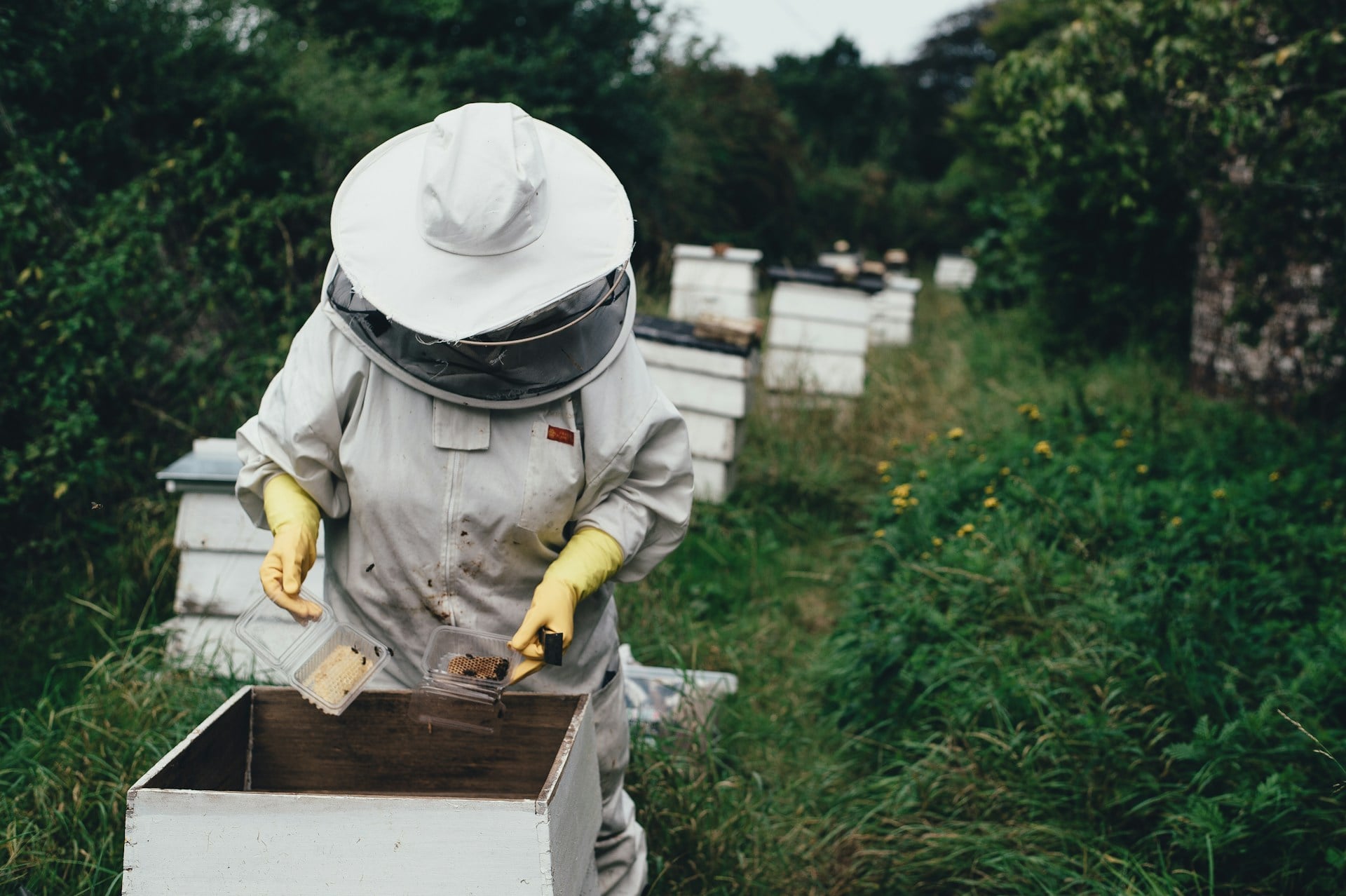
A beekeeper named Lorenzo Langstroth noticed that bees kept their hives organized in very specific ways. He used that knowledge to design better hives.
But he also helped scientists understand how bee health affects crops. His work laid the groundwork for research on pollination and farming.
He just wanted to help his bees, but ended up helping agriculture too.
A writer figured out how to measure earthquakes

John Milne was a mining engineer and writer working in Japan. After a major quake hit in the late 1800s, he designed one of the first modern tools to measure earthquakes.
It wasn’t perfect, but it worked. His design helped scientists start tracking earthquakes in a more scientific way.
He had no degree in seismology, but changed the field forever.
A high school girl mapped the stars

In the early 1900s, Annie Jump Cannon worked at the Harvard Observatory as part of a group that sorted stars. She had some training, but her job was mostly to label and organize.
She took it further and created a system to classify stars by their temperature and brightness. That system is still used today.
She turned a simple job into a lifelong contribution.
A hobbyist found a meteorite in his yard
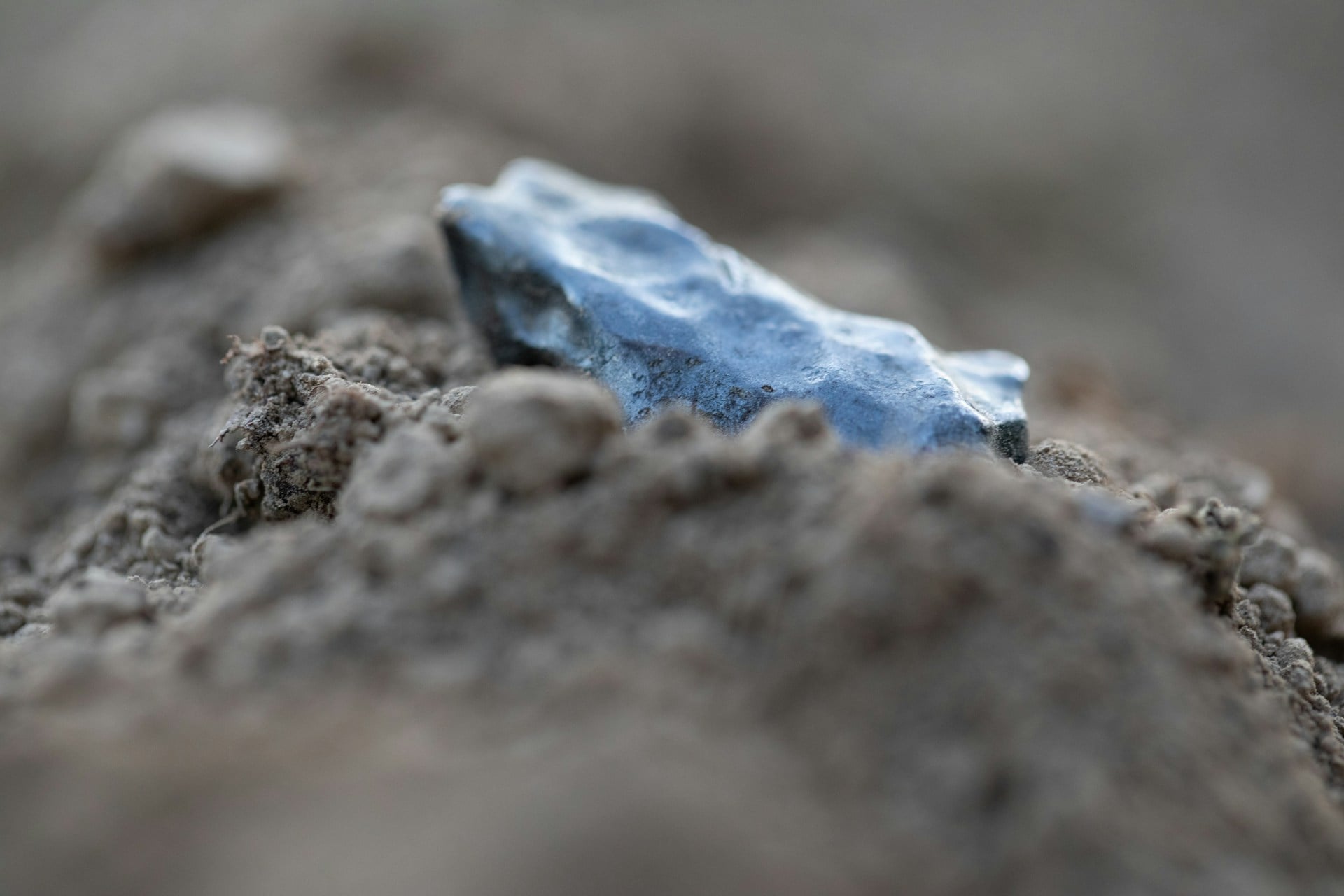
In 1992, a man in New York found a strange rock in his backyard after hearing a loud crash. He called in experts, who confirmed it was a meteorite.
It had come through the roof of his car and landed in the yard. The discovery gave scientists a fresh piece of space rock to study.
It came from the sky, but was caught by someone who just happened to be home.
An old photo led to a big space discovery
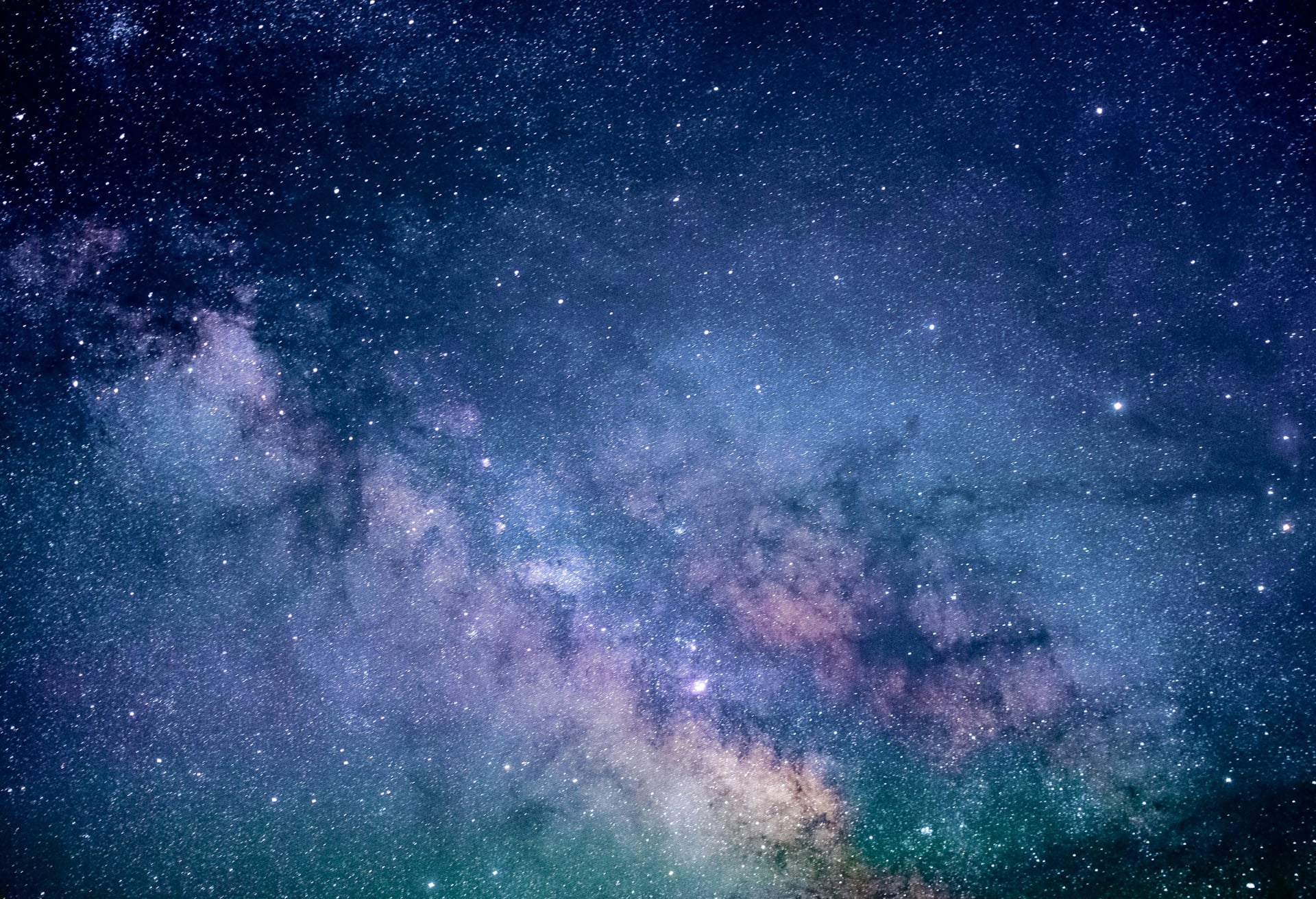
In 2007, a teacher named Hanny van Arkel was helping with a project that asked volunteers to look at space photos online. She spotted a strange green glow in one image and flagged it.
Scientists later found it was a new type of galaxy feature, now called “Hanny’s Voorwerp.” She wasn’t looking for anything special—just helping out.
But her sharp eyes made space history.
Ordinary people, extraordinary finds

Science isn’t just for scientists. Over and over, people without lab coats or fancy degrees have changed what we know about the world.
They saw something odd, asked a question, or took a closer look—and ended up making history. From kitchen windows to backyard discoveries, everyday curiosity has led to some of the biggest breakthroughs.
It just proves that anyone can notice something important if they’re paying attention.
More from Go2Tutors!

- The Romanov Crown Jewels and Their Tragic Fate
- 17 Halloween Costumes Once Considered Taboo
- Famous Hoaxes That Fooled the World for Years
- 15 Child Stars with Tragic Adult Lives
- 16 Famous Jewelry Pieces in History
Like Go2Tutors’s content? Follow us on MSN.