27 Old School Yearbooks Collectors Still Buy
Yearbooks were printed in modest runs, handled roughly by teenagers, and rarely stored with any intention of lasting. That combination of low survival rate and high documentary value is exactly what makes certain categories of old yearbooks unexpectedly active in the collecting market today.
Yearbooks Signed by Future Celebrities
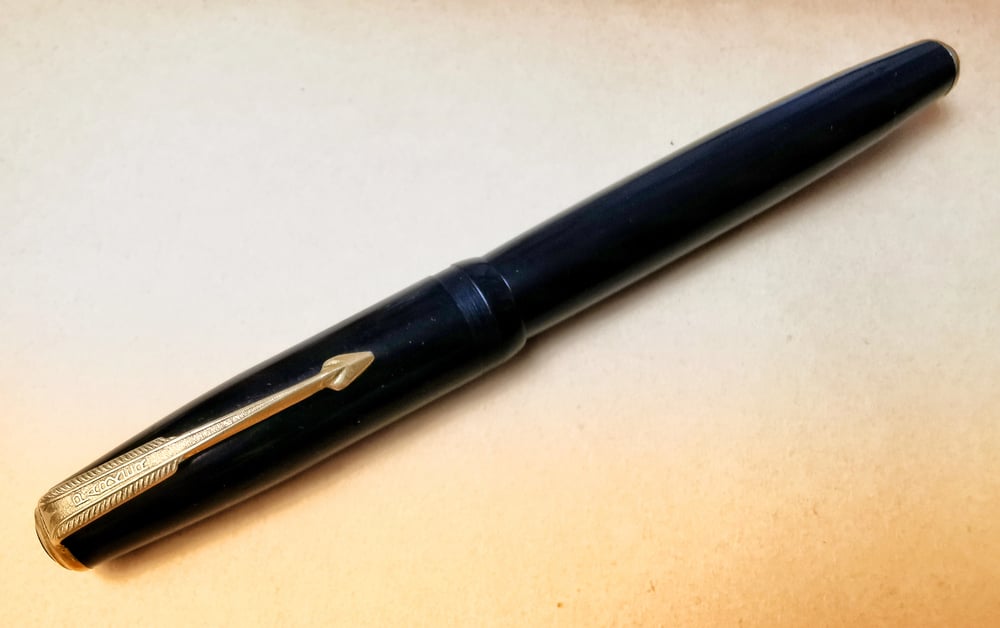
Yearbooks containing genuine signatures or candid photos of individuals who later became famous carry a documented-provenance premium far above an ordinary unsigned copy. Verification is critical in this category, since the value collapses entirely if the signature or identification cannot be confirmed.
Pre-1950 Leather-Bound Yearbooks
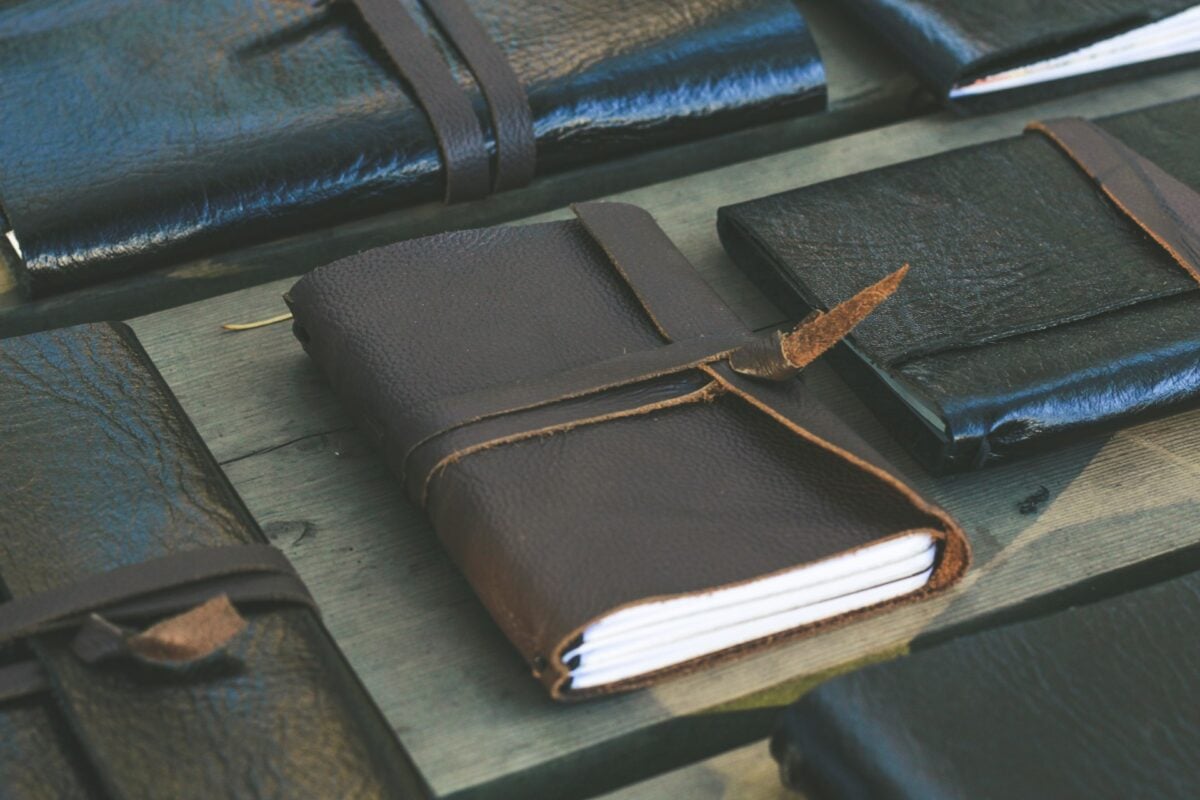
Before cheaper cloth and paper binding became standard, many schools produced yearbooks with genuine leather covers, often hand-tooled with the school’s name or crest. Surviving examples in supple, uncracked condition are considerably scarcer than the later mass-produced editions.
Wartime Yearbooks from the 1940s

Yearbooks published during World War II often reflect wartime paper rationing through thinner stock and reduced page counts, alongside content documenting students and faculty who left for military service. These editions serve as small but genuine primary sources for local wartime history.
Yearbooks from Historically Black Colleges and Universities
Yearbooks from HBCUs document institutions, faculty, and student life often underrepresented in mainstream historical archives. Libraries and cultural institutions are frequent buyers of well-preserved editions, which keeps demand for these yearbooks notably strong.
Military Academy Yearbooks
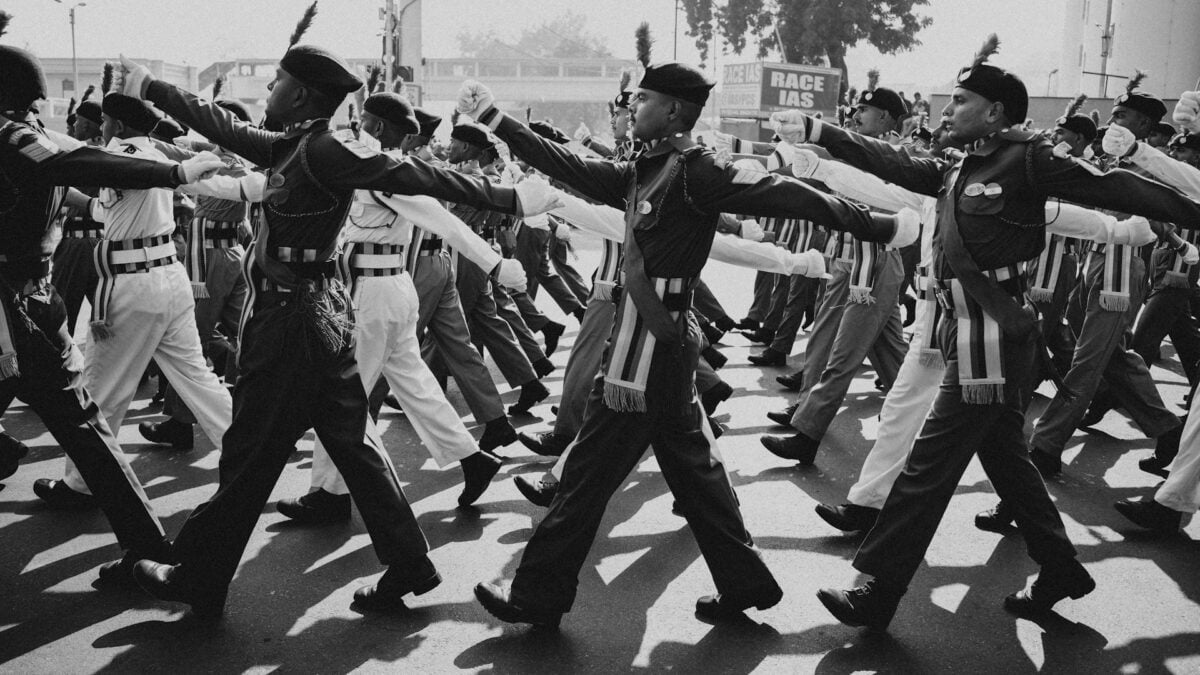
Yearbooks from military academies, including service academy annuals, are collected both for their institutional history and for documenting individuals who went on to notable military careers. Editions from wartime graduating classes carry particular historical weight.
Ivy League Yearbooks from the 1800s
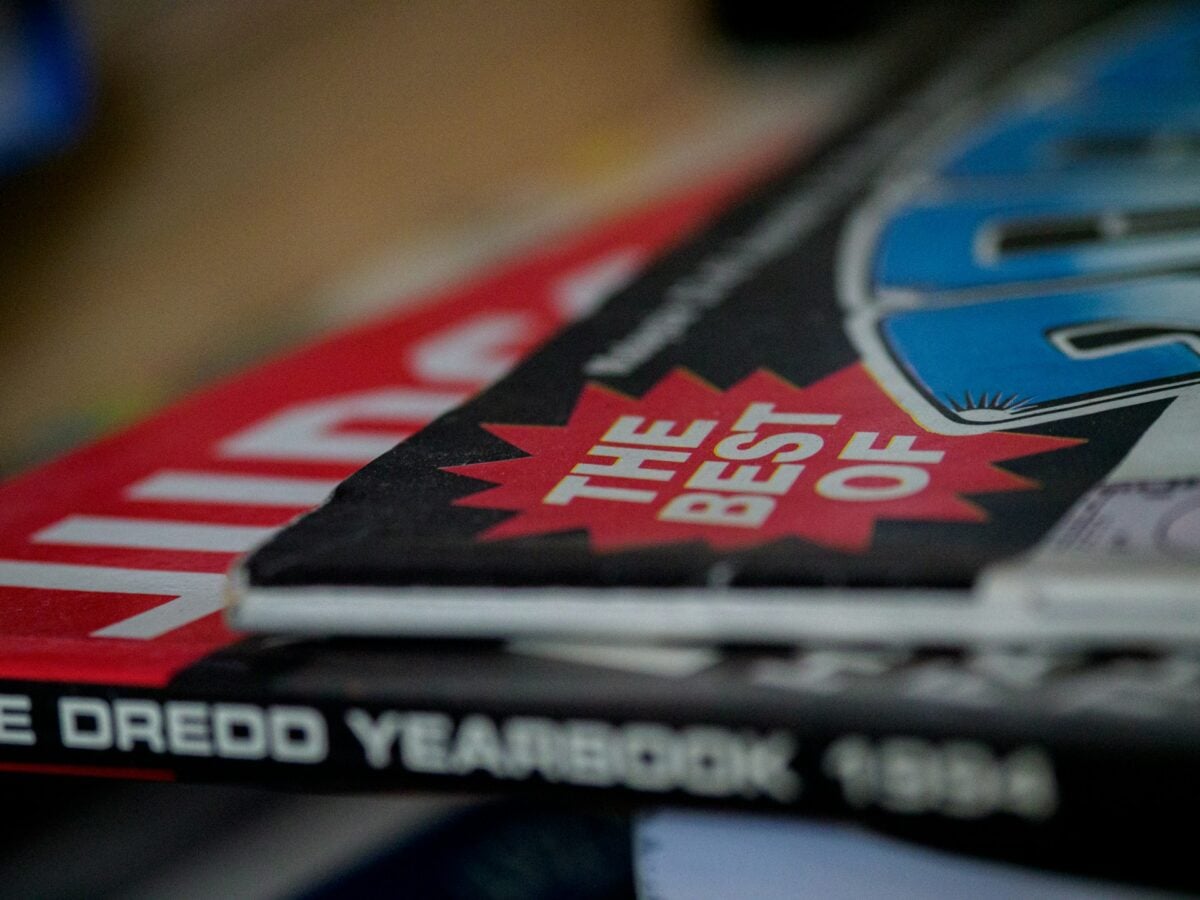
Yearbooks from Ivy League institutions dating to the 19th century are among the oldest surviving examples of the format in the United States. Their age alone makes them scarce, regardless of the specific graduating class documented inside.
Yearbooks with Hand-Tinted Photography

Before color printing was commercially practical, some yearbooks featured photographs individually hand-tinted with paint or dye. This labor-intensive technique makes surviving examples with vibrant, well-preserved tinting a specialty within the broader yearbook collecting category.
Small Town One-Room Schoolhouse Yearbooks
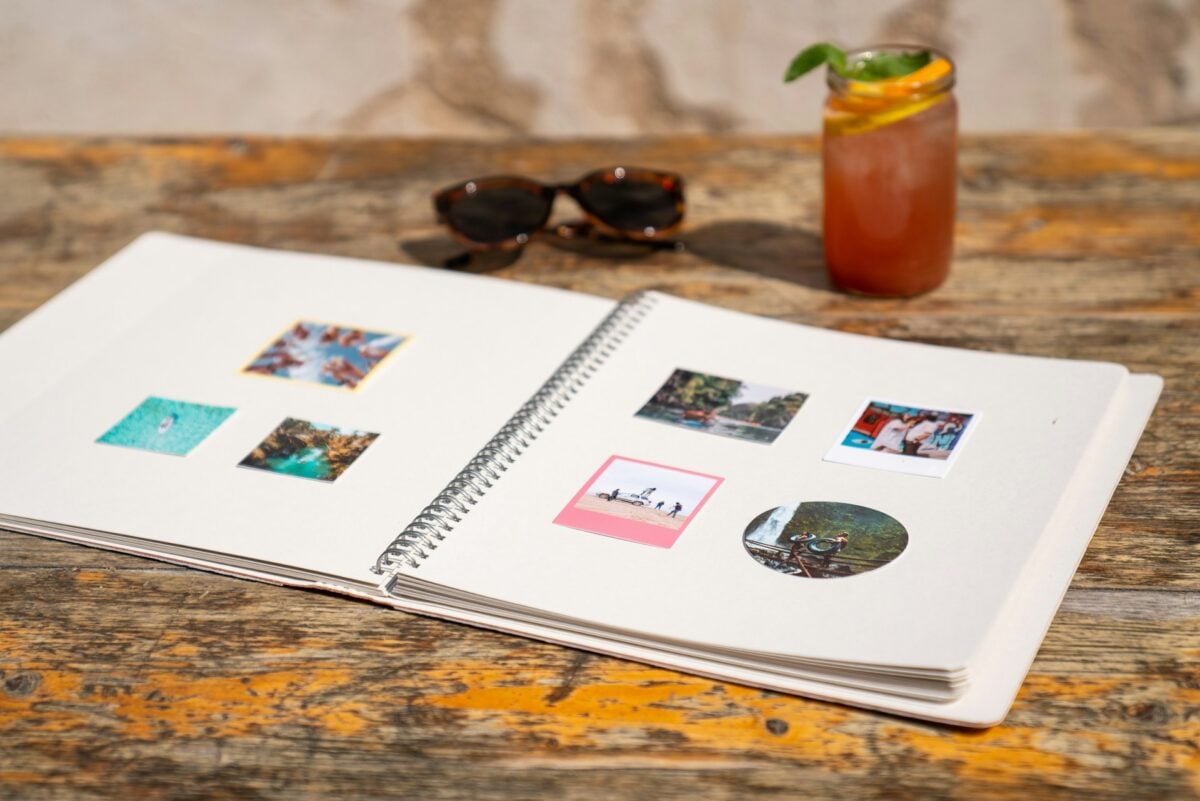
Yearbooks or annuals produced by small, one-room schoolhouses document institutions that in many cases were consolidated or closed entirely by the mid-20th century. These are often the only surviving printed record of the school’s existence, which drives interest from local historical societies.
Yearbooks Documenting Segregation-Era Schools
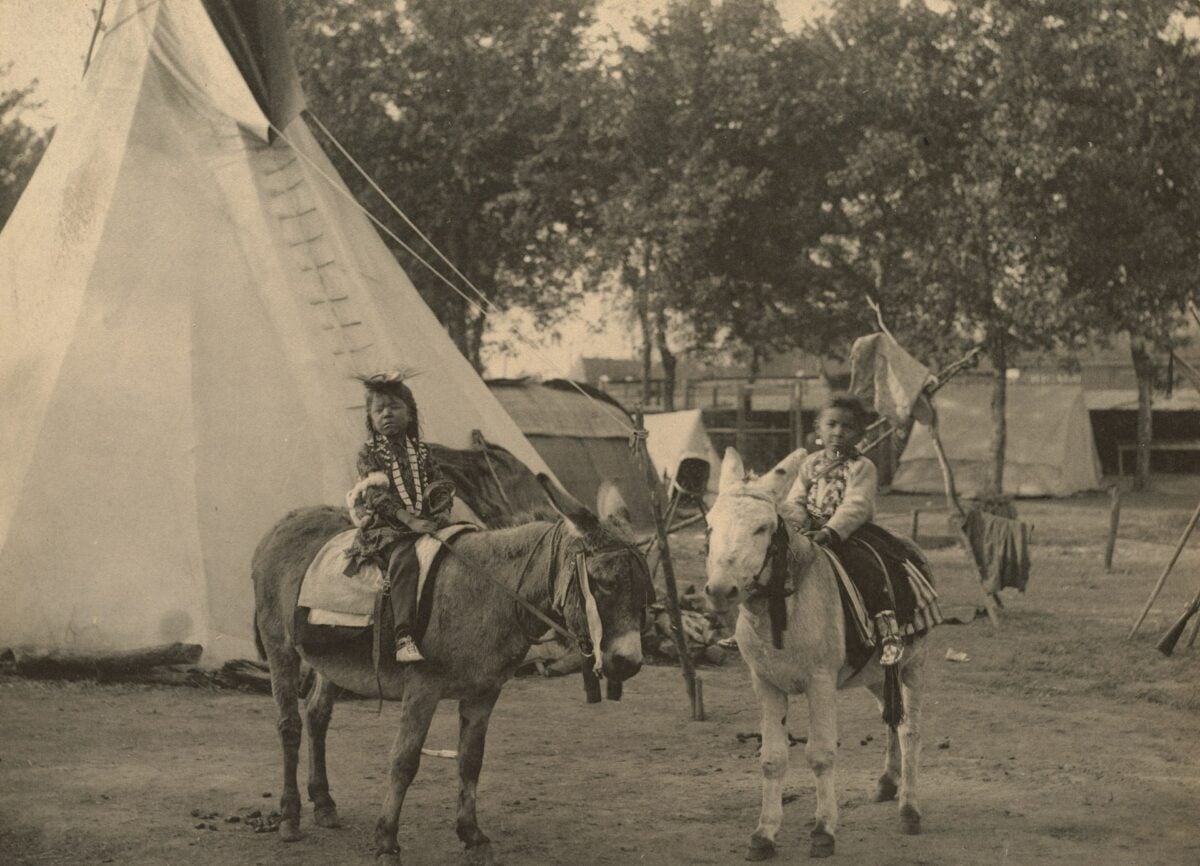
Yearbooks from segregated schools, whether serving Black, Native American, Japanese American internment camp, or other separated student populations, are collected specifically as historical documentation of policies now widely studied. Institutions and researchers are the primary buyers in this category.
College Yearbooks from Women’s Colleges

Yearbooks from historically women’s colleges document a specific era of American higher education, including institutions that later merged, closed, or went co-educational. Editions from a college’s earliest founding decades are typically the most sought after.
Yearbooks with Fraternity and Sorority Pages

Yearbooks containing detailed Greek life sections, including chapter photos and founding dates, are actively sought by collectors researching specific fraternity or sorority history. National Greek organizations themselves are sometimes buyers, seeking documentation for their own archives.
Yearbooks from Now-Closed Schools
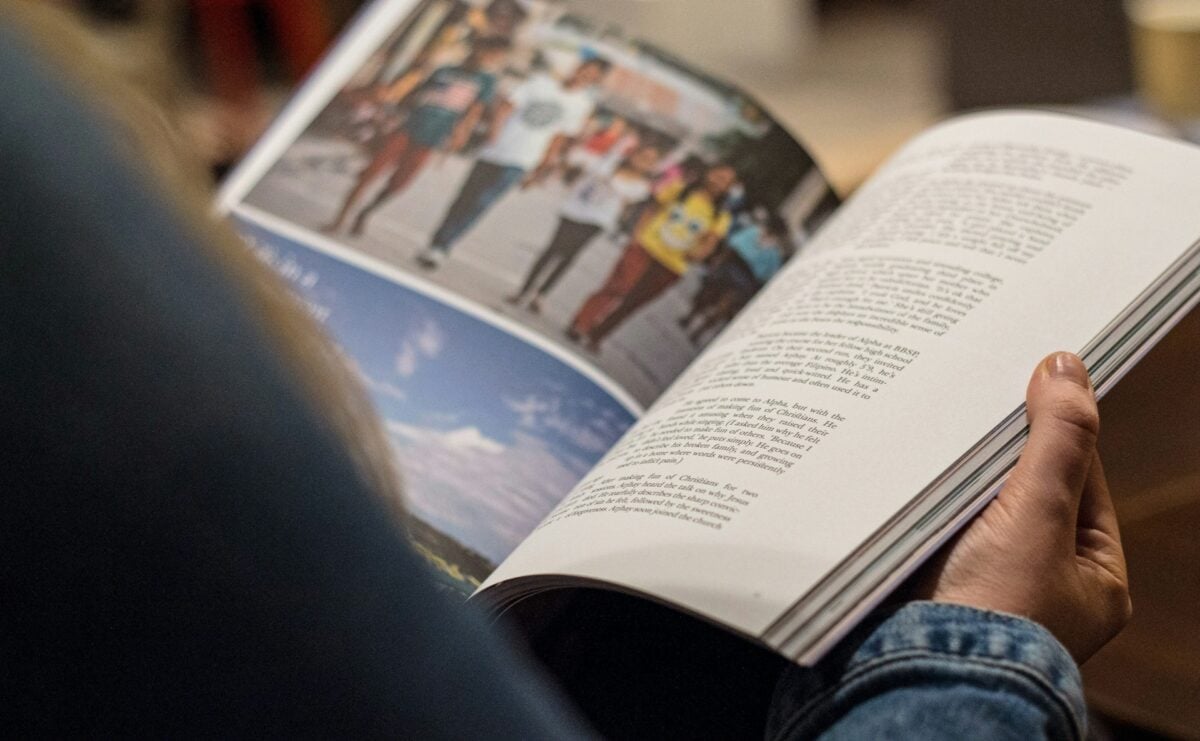
Yearbooks from schools that have since closed, merged, or been demolished often represent the only surviving visual and written record of the institution. Former students and local historians drive much of the demand in this specific category.
Art Deco Yearbook Cover Editions

Yearbooks from the 1920s and 1930s frequently featured striking Art Deco cover designs, reflecting the broader design trends of the era. Collectors focused on graphic design history sometimes seek these editions independent of any interest in the school itself.
Yearbooks with Class Prophecy Sections
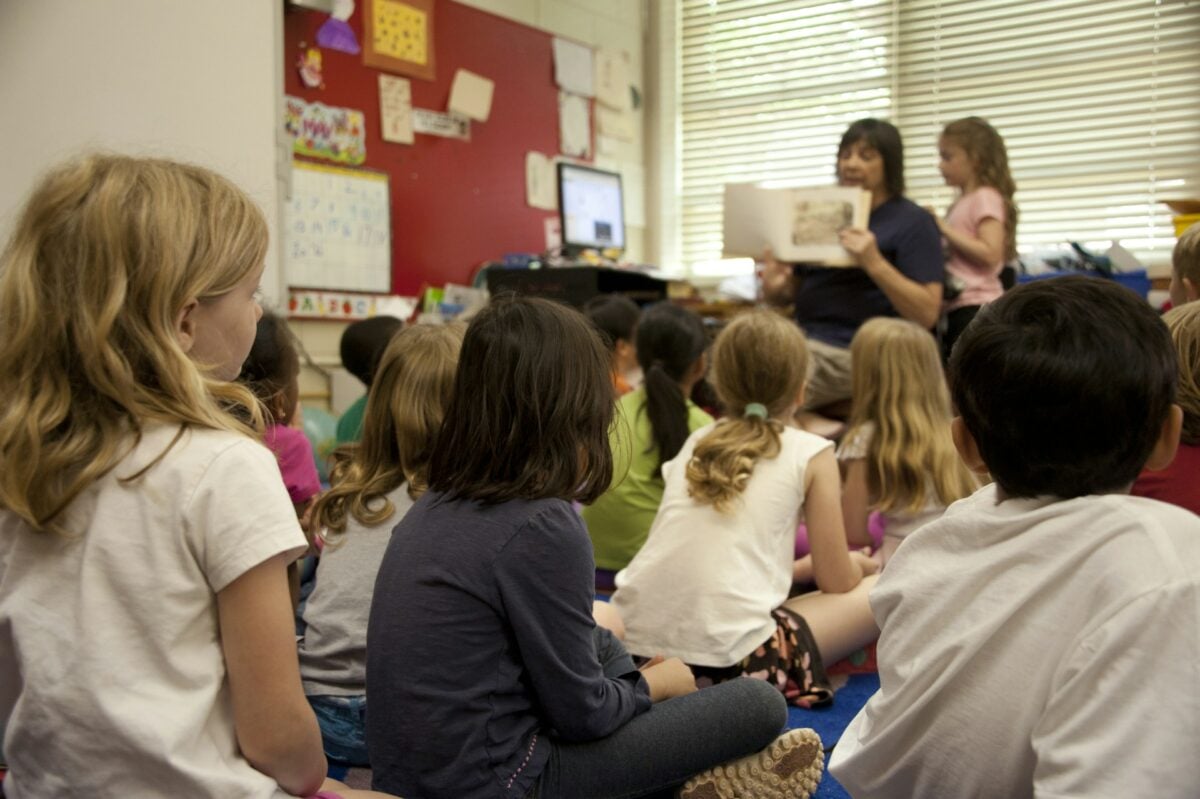
A once-common yearbook tradition, “class prophecy” sections humorously predicted each graduate’s future, offering a genuinely revealing window into the era’s cultural assumptions and humor. These sections are frequently cited by researchers studying social history through primary documents.
Yearbooks from Schools Destroyed by Fire or Disaster

Yearbooks from schools later destroyed by fire, flood, or other disaster take on added significance as surviving physical records of a building and community that no longer exists in the same form. Editions published in the years immediately preceding the disaster are especially sought after.
Yearbooks Featuring Early School Sports Teams

Yearbooks documenting a school’s earliest organized sports teams, before formalized leagues and photography standards, provide rare visual records of early athletics programs. Teams later associated with notable coaching or athletic history add further collector interest.
Yearbooks from Segregated Immigrant Communities
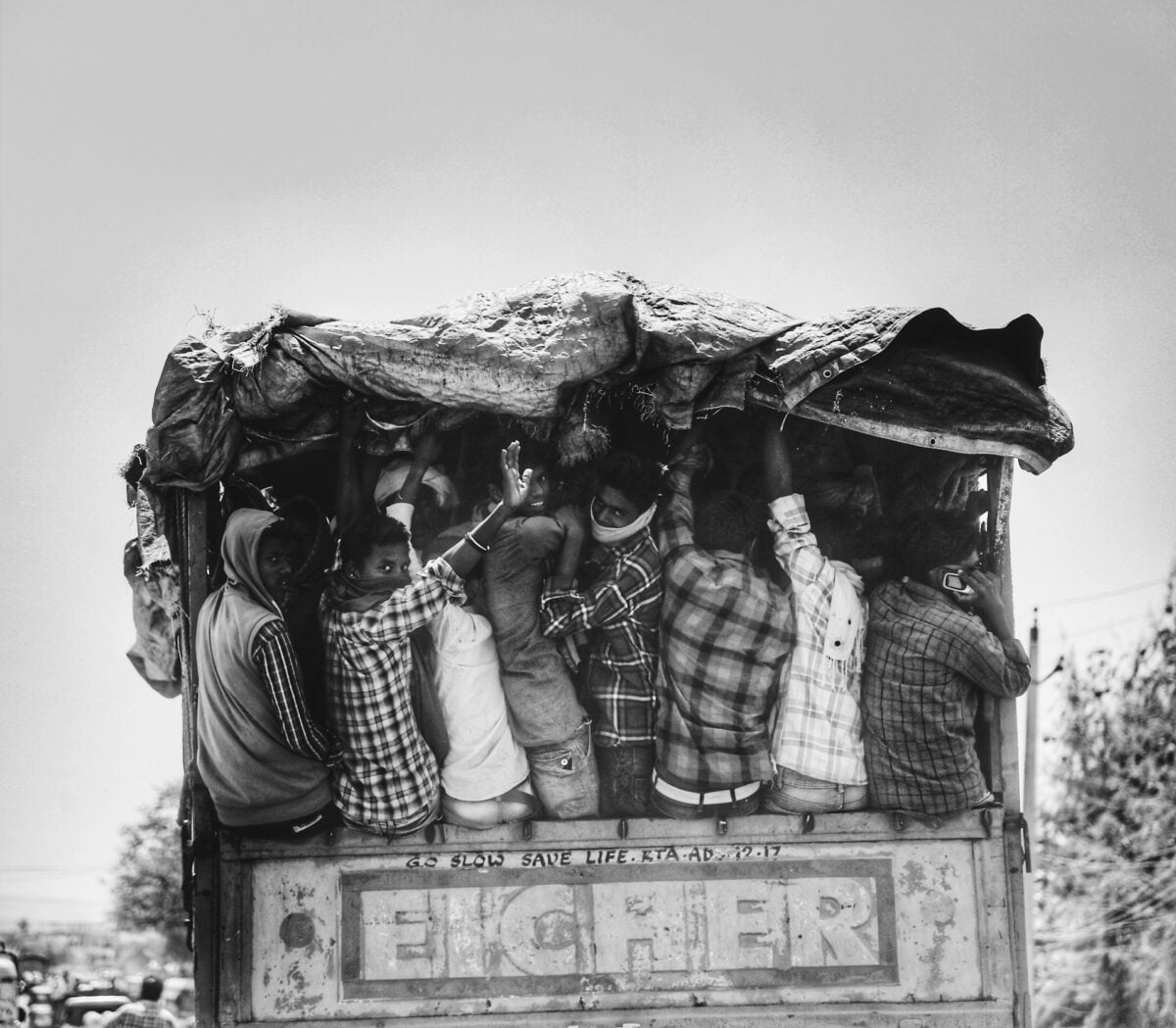
Yearbooks from schools serving specific immigrant communities, sometimes printed with bilingual sections, document immigration and assimilation history not always preserved elsewhere. These are actively sought by cultural heritage organizations and academic researchers.
Yearbooks with Hand-Colored Illustrations
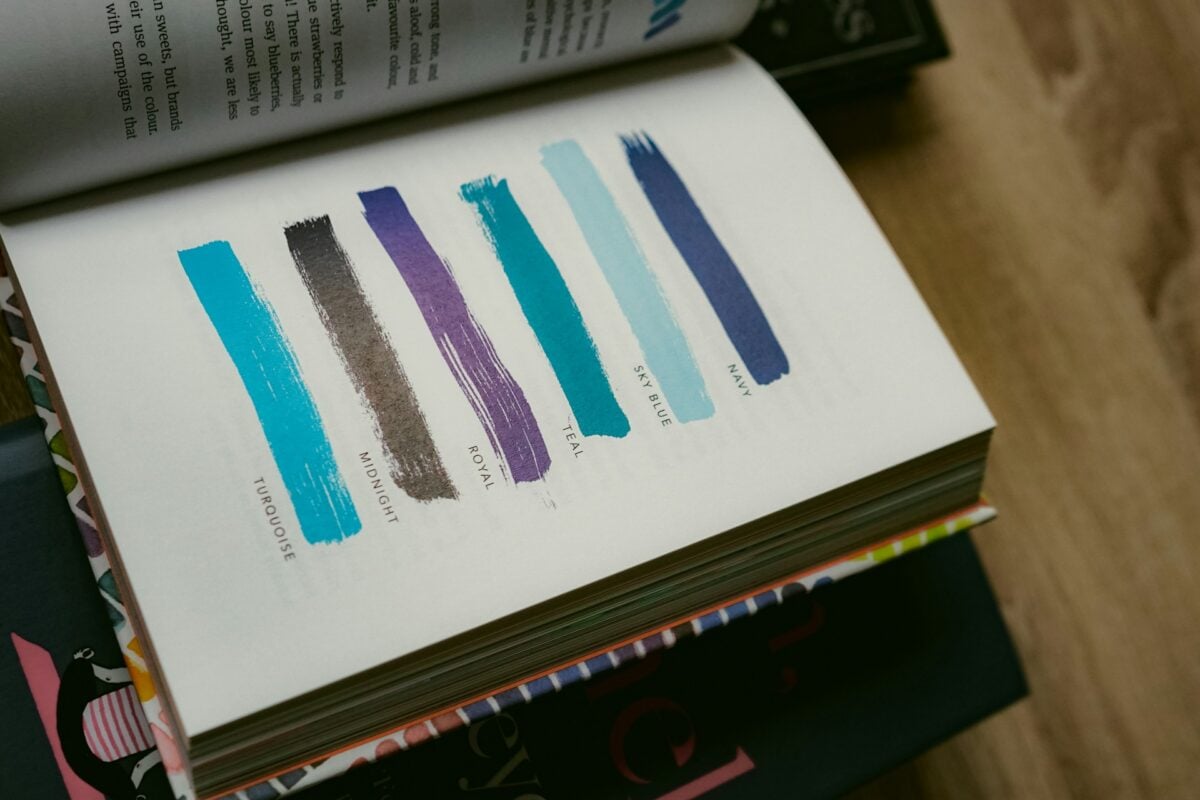
Distinct from hand-tinted photography, some early yearbooks used original hand-colored illustrations for section dividers and covers rather than printed artwork. The individualized nature of hand coloring means no two copies of certain editions look quite identical.
Yearbooks from Boarding Schools
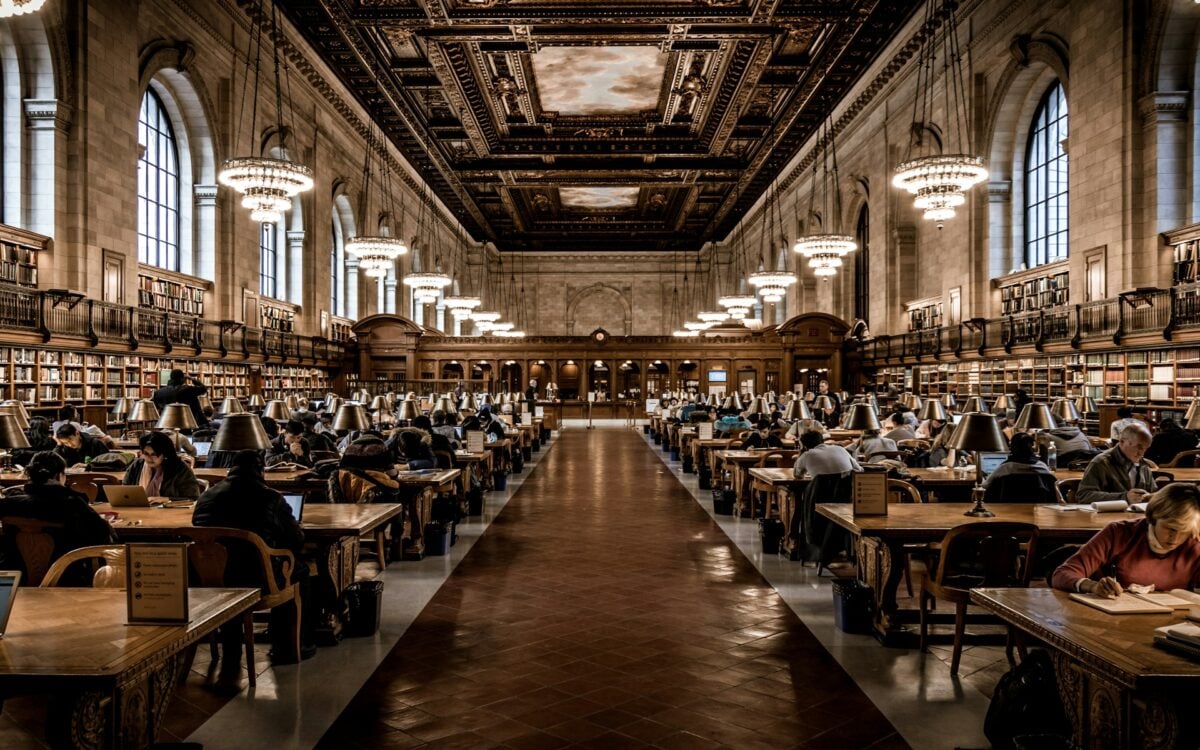
Yearbooks from historic boarding schools document a distinct residential education tradition, including institutions that have since closed or significantly changed their model. Editions from a school’s founding era typically draw the strongest collector interest.
Yearbooks Documenting Early Automobile Clubs

Some early 20th-century yearbooks included sections on student-run automobile or motoring clubs, capturing an early phase of car culture as it intersected with student life. This niche crossover appeals to both yearbook collectors and early automotive history enthusiasts.
Yearbooks with Advertising from Local Businesses

Many yearbooks were partially funded through advertisements from local businesses, many of which no longer exist. These ad pages have become an accidental archive of small-town commerce, drawing interest from local historians independent of the yearbook’s educational content.
Yearbooks from Reform and Trade Schools

Yearbooks from reform schools and early vocational or trade schools document education models outside the traditional academic track. Their comparatively low original print runs make surviving copies genuinely uncommon.
Yearbooks Printed During Economic Depression Years
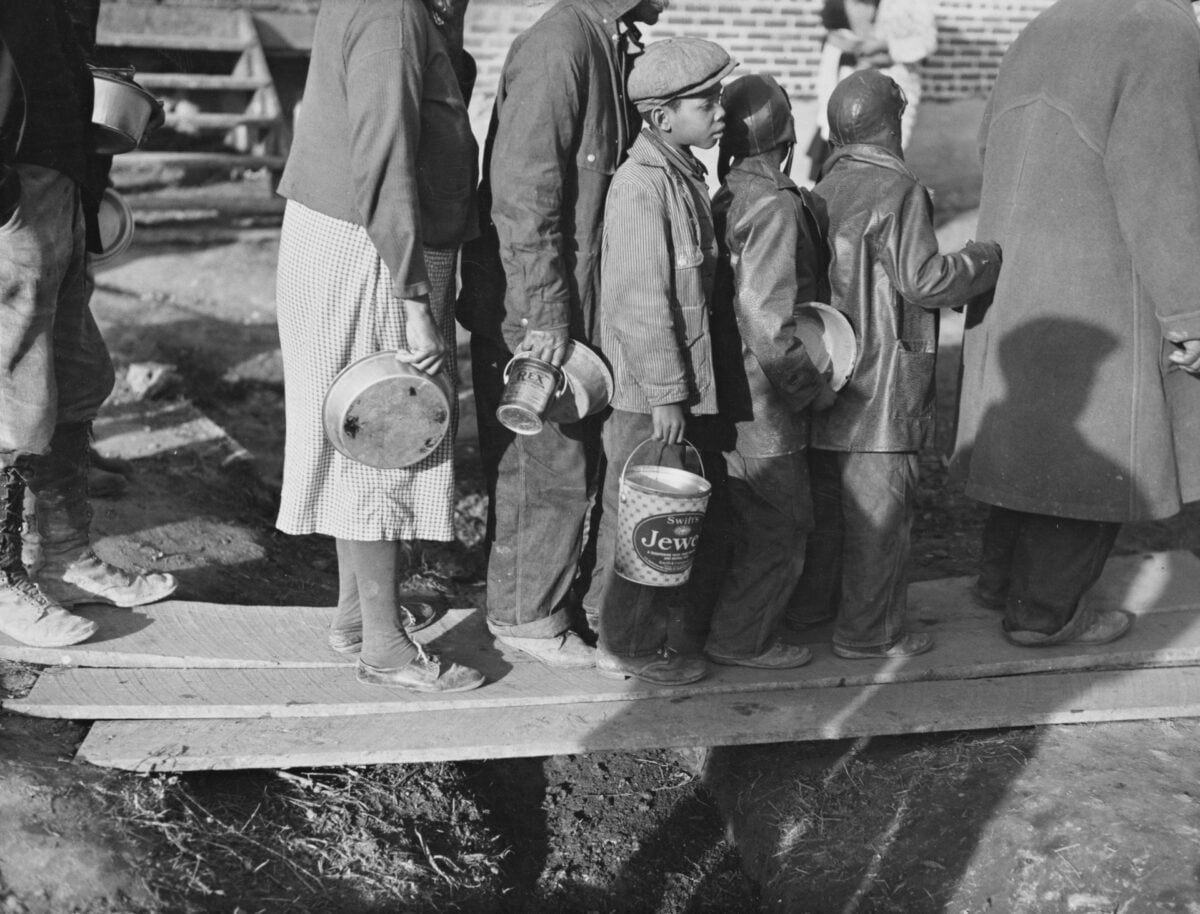
Yearbooks published during the Great Depression often show visible cost-cutting, from reduced page counts to simplified binding, reflecting the era’s broader economic constraints. Collectors interested in Depression-era social history specifically seek these editions.
Yearbooks with Handwritten Superlative Pages
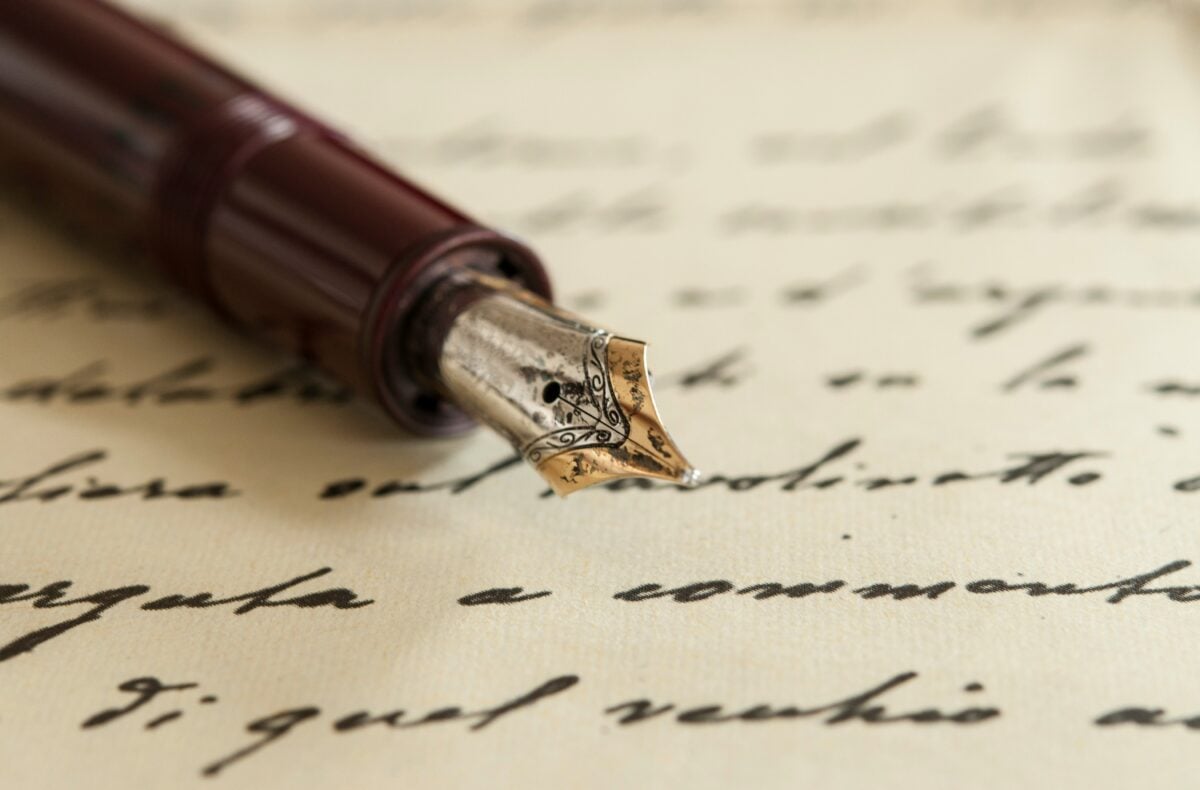
Sections listing “most likely to” and similar student superlatives, especially when accompanied by classmates’ handwritten notes and inscriptions, offer a uniquely personal layer of documentation. These annotated copies are frequently valued above pristine, unsigned editions for exactly that reason.
Yearbooks from Schools with Notable Alumni Rosters

Yearbooks from schools that later became known for a concentration of notable graduates, whether in politics, arts, or business, draw sustained collector interest well beyond the graduating classes actually pictured. Editions from the specific years those figures attended carry the strongest demand.
Yearbooks Bound in Cloth Rather Than Paper
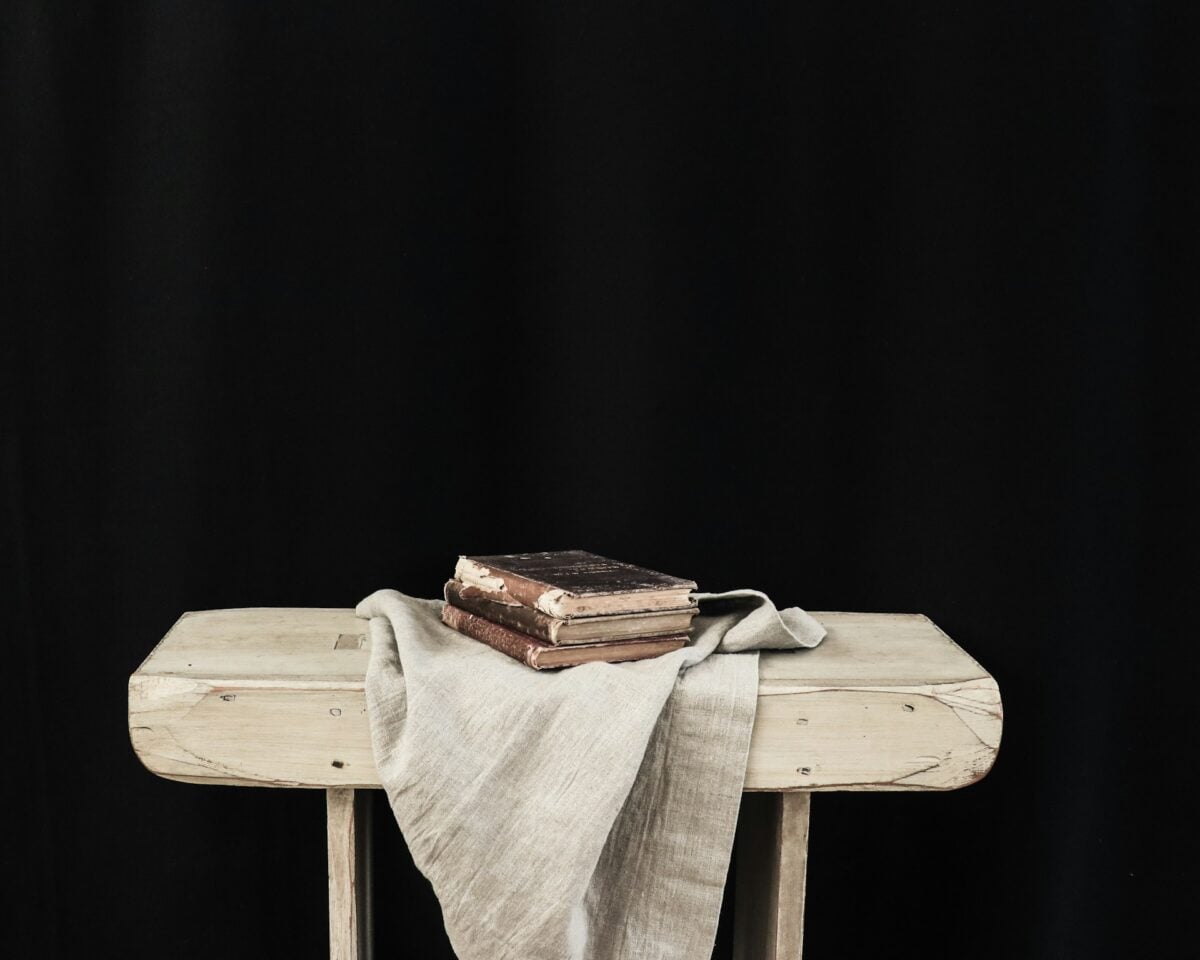
Before inexpensive paper binding became the industry standard, some schools produced yearbooks with cloth covers, often stamped with gold lettering. These editions tend to have survived in noticeably better physical condition than their later paper-bound counterparts.
Yearbooks from the First Graduating Classes of New Schools

Yearbooks documenting a school’s very first graduating class carry inherent scarcity, since the school itself had no prior tradition or archive to draw from. These inaugural editions are frequently sought by the schools’ own alumni associations for institutional history projects.
Proof That Someone Was Actually There
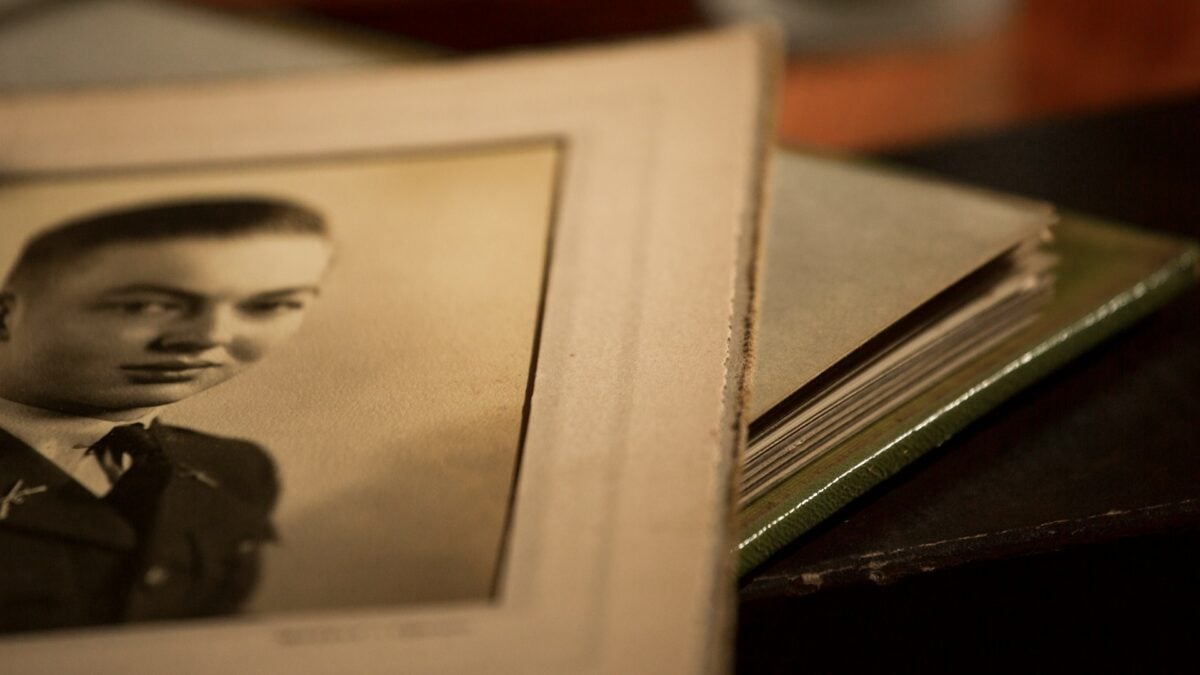
A yearbook is a strange kind of document: unglamorous, mass-produced, and yet the only surviving proof that a specific group of teenagers occupied a specific building in a specific year. Nobody kept theirs expecting it to matter to a stranger decades later.
That is precisely why they matter now. Long after the school itself may have closed or the students scattered, the yearbook remains stubborn, undramatic evidence that all of it actually happened.
More from Go2Tutors!

- The Romanov Crown Jewels and Their Tragic Fate
- 13 Historical Mysteries That Science Still Can’t Solve
- Famous Hoaxes That Fooled the World for Years
- 15 Child Stars with Tragic Adult Lives
- 16 Famous Jewelry Pieces in History
Like Go2Tutors’s content? Follow us on MSN.



