27 Foods Once Sold at Department Store Lunchrooms
Shoppers once planned an entire day around the store restaurant, not just the sale on the main floor. Tablecloths, hats, and tiered trays were part of the routine, and the menus leaned toward comfort dishes served with a bit of ceremony. Some of those meals became so famous that people traveled for them.
Most of these lunchrooms closed along with the stores that housed them. A few signature dishes outlived their dining rooms and still turn up on menus or in family recipe boxes. Here is a plate-by-plate look at what department stores used to serve.
Mrs. Hering’s Chicken Pot Pie
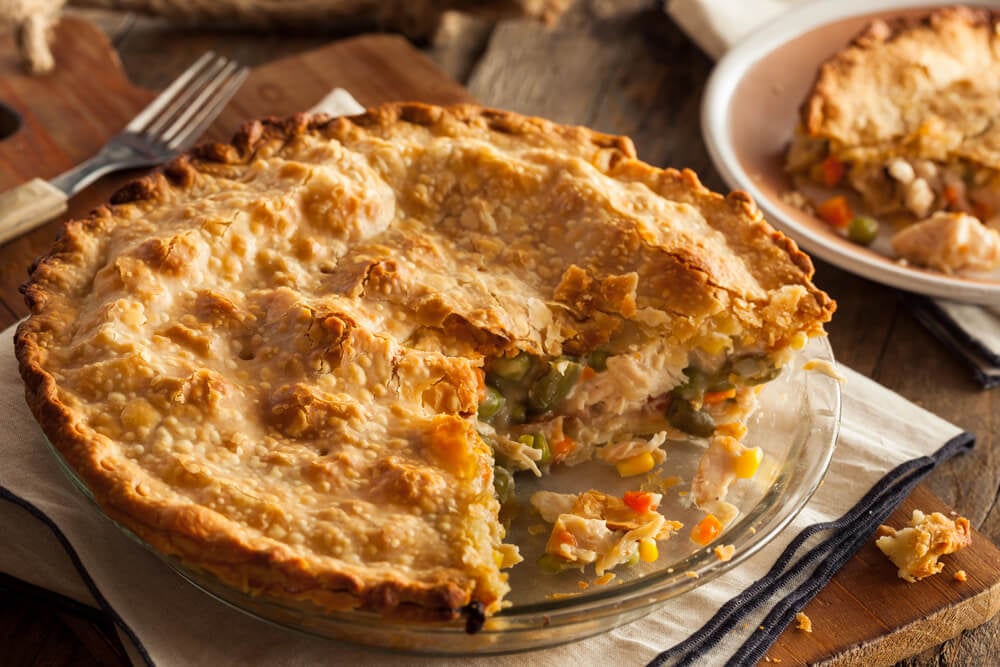
The legend behind Marshall Field’s best-known dish dates to 1890, when a millinery saleswoman supposedly shared her homemade lunch with a customer. The Walnut Room on the seventh floor of the Chicago flagship later built its reputation on the pie.
It remains on the menu today, even though the building now carries a different name.
Frango Mint Pie
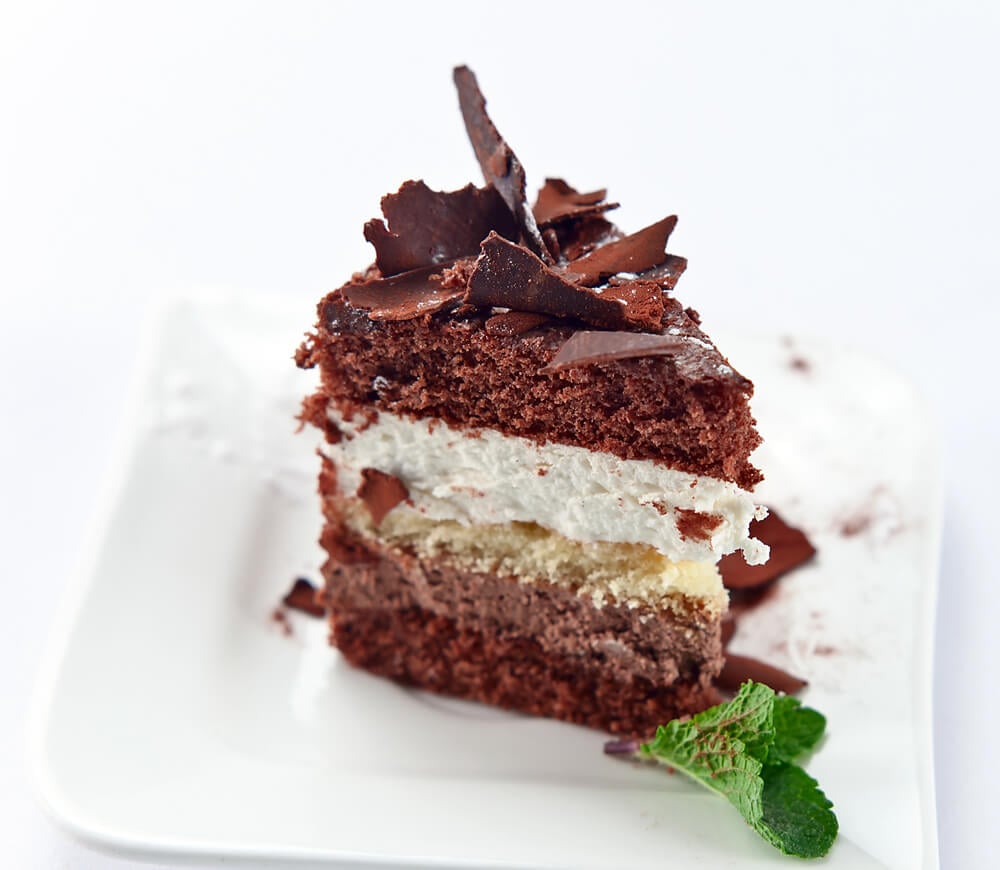
Frango mint chocolates were produced in the candy kitchen on the 13th floor of Marshall Field’s State Street store from 1929 until 1999. The restaurant turned that chocolate into a chilled pie, which gave diners a dessert that could be linked to the shopping trip upstairs.
A Frango mint ice cream pie still appears on the Walnut Room menu.
Frango Frozen Dessert

Before Frango meant a chocolate, it was a frozen dessert served in the tea room of Seattle’s Frederick & Nelson department store. The name later spread to ice cream sodas, pies, and milkshakes sold in the store.
Marshall Field’s bought Frederick & Nelson in 1929 and took the Frango name to Chicago.
Popovers With Strawberry Butter
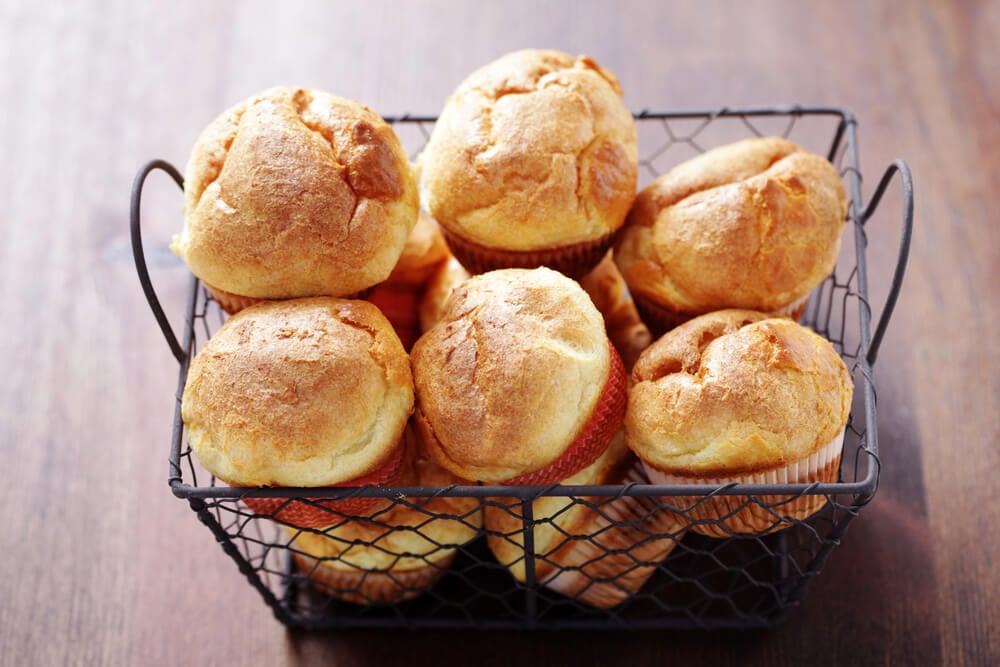
Neiman Marcus has served popovers with strawberry butter in its in-store restaurants since 1955. The tradition began because Stanley Marcus wanted to give customers something good to eat while they waited for a table at the Zodiac Room.
Today they are still a signature of the stores, though many diners remember the originals most fondly.
Chicken Broth in a Demitasse

Before the popover arrived at a Neiman Marcus table, a small cup of clear chicken broth often appeared first, free of charge. The light, fragrant broth warmed lunch guests and set a high standard for the meal that followed.
It was an inexpensive gesture that felt generous.
Mandarin Orange Soufflé
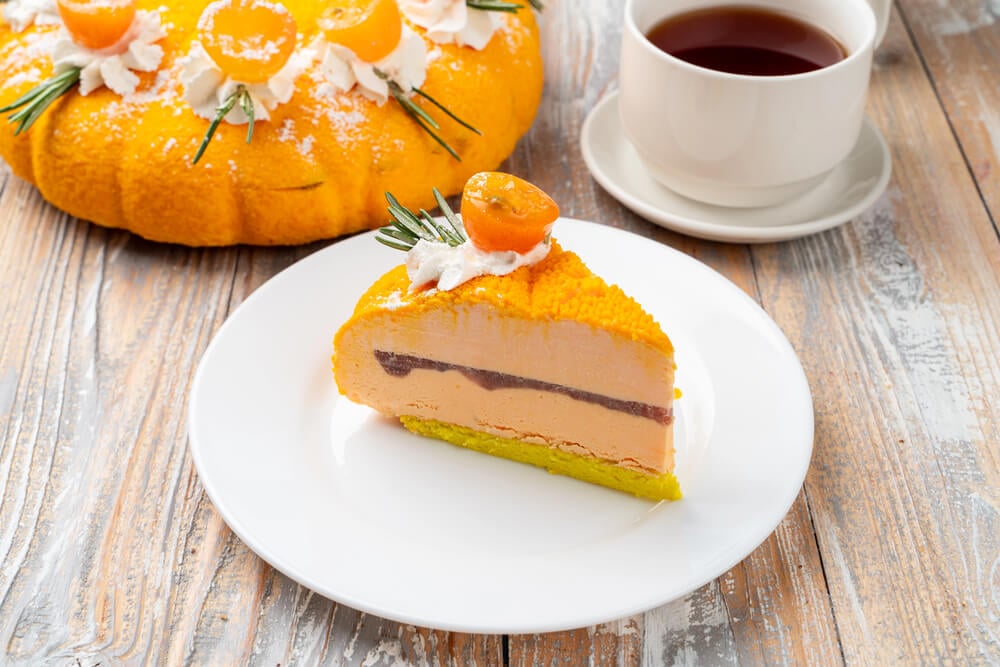
The Zodiac Room, which opened in the flagship Dallas store around 1953, became known for a Mandarin orange soufflé alongside classics like pot pie and pot roast. The dish matched the room’s polished, white-tablecloth image.
It gave ladies who lunched a dessert that seemed more exciting than pie.
Orange Congealed Salad

A traditional Zodiac Room lunch included chicken salad, fruit salad, and a congealed orange salad, which was a molded gelatin dish. The three plates arrived together and were meant to be sampled as a set.
Few menus today dare to serve a salad that holds its shape on the plate.
Hudson’s Maurice Salad
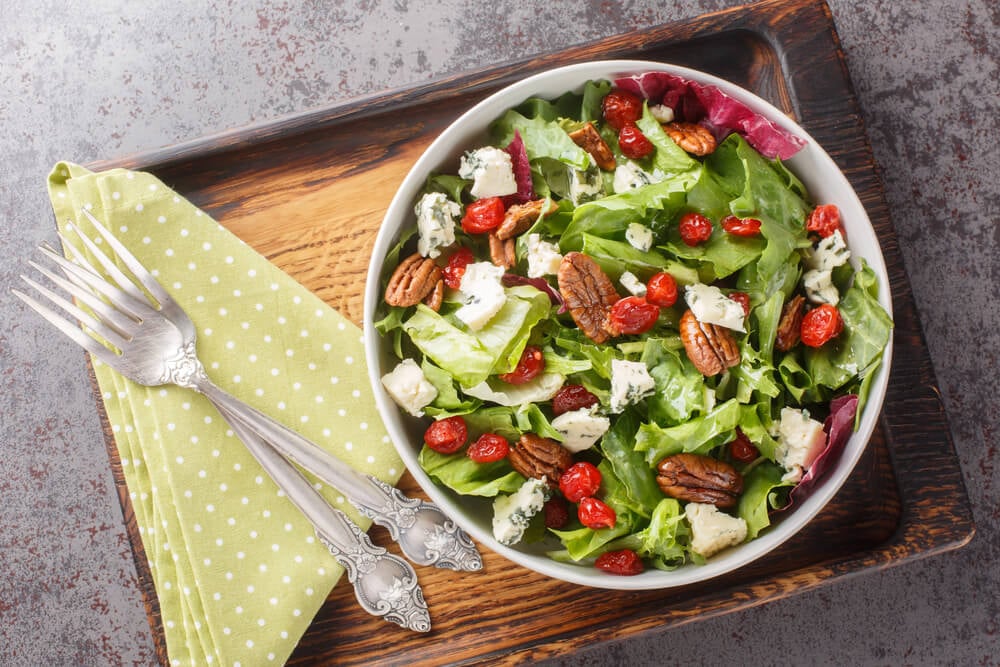
At J.L. Hudson’s flagship in Detroit, the Maurice salad became the dish people remembered. The classic version combines iceberg lettuce with ham, turkey, Swiss cheese, gherkin pickles, and hard-boiled eggs, all tossed in a creamy dressing.
Hudson’s closed in 1983, but the salad still appears on restaurant menus around Michigan.
Jordan Marsh Blueberry Muffins
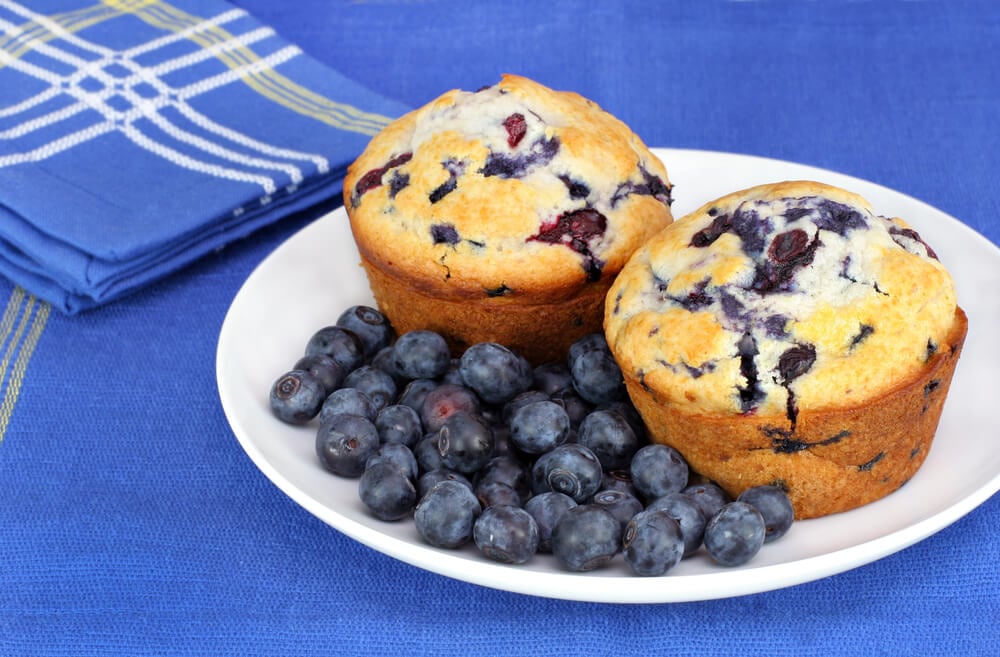
Boston’s Jordan Marsh ran a bakery on the first floor of its flagship, and its sugar-crusted blueberry muffins became the thing New Englanders talked about long after the store disappeared. The muffins were baked in-house and served in the store’s dining areas.
The recipe has been reprinted so many times that it now has a life of its own.
Tomato Aspic
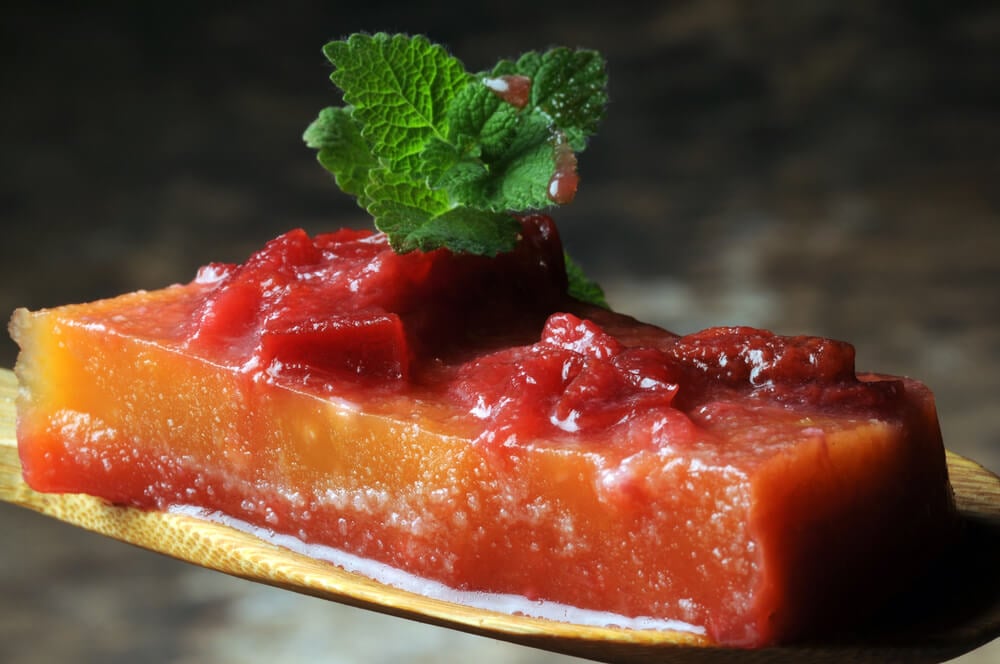
Tomato aspic, which is tomato juice set with gelatin, appeared on ladies’ luncheon plates for decades. It was typically served chilled on a lettuce leaf with a spoonful of mayonnaise.
The dish looked elegant, held its shape beautifully, and divided diners on taste.
Molded Gelatin Salads
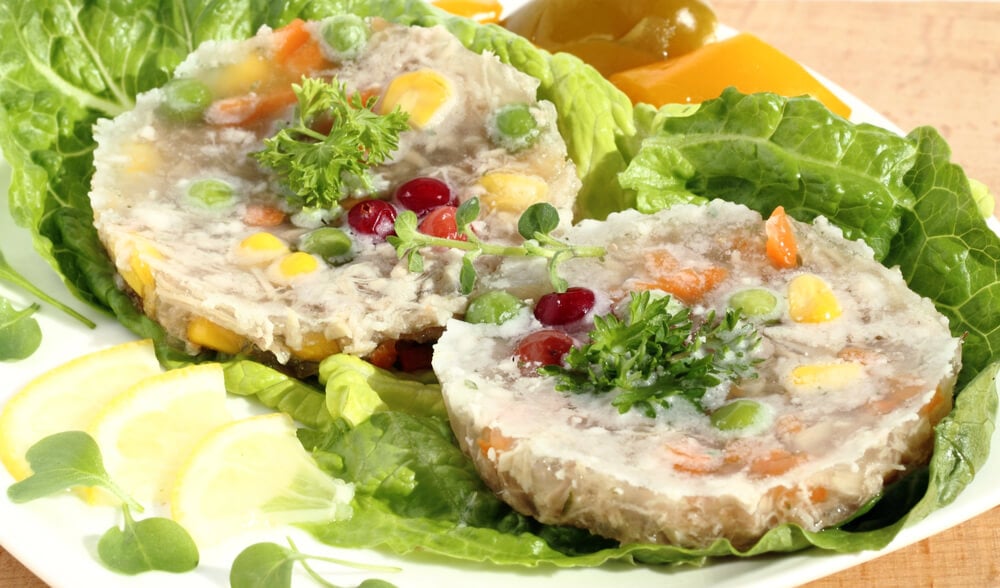
Lunchrooms once offered fruit and vegetable salads suspended in colorful gelatin, often unmolded onto a lettuce leaf. They could be made ahead and sliced neatly, which suited a busy kitchen.
The jiggle was part of the appeal.
Cream Cheese and Olive Sandwiches
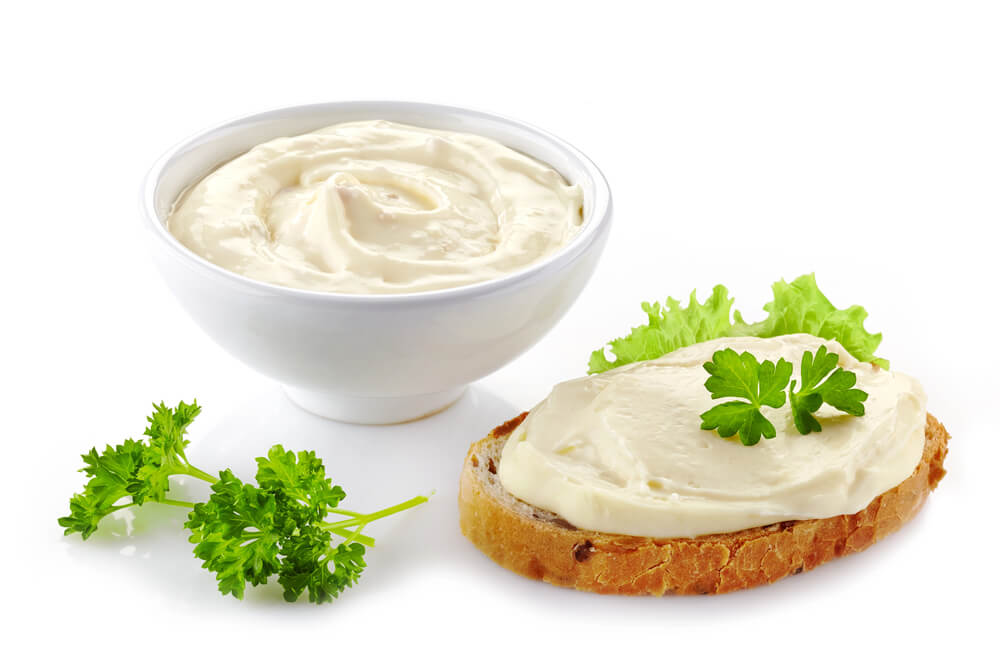
One of the most common sandwiches on a department store tea menu paired softened cream cheese with chopped green olives. It was cut into small rectangles or triangles and served with the crusts removed.
The salty bite of the olives cut through the richness of the cheese.
Date-Nut Bread Sandwiches
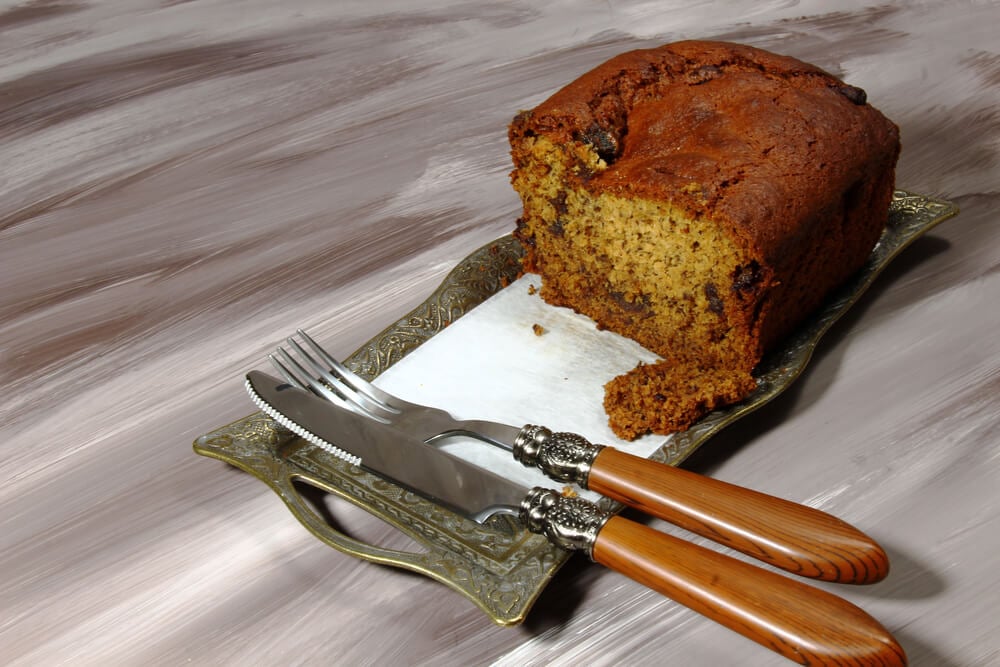
Sliced date-nut bread spread with cream cheese was a standard offering at tearoom counters. The sweet loaf and tangy spread made a lunch that sat somewhere between sandwich and dessert.
It was easy to prepare in large batches, which helped.
Chicken à la King
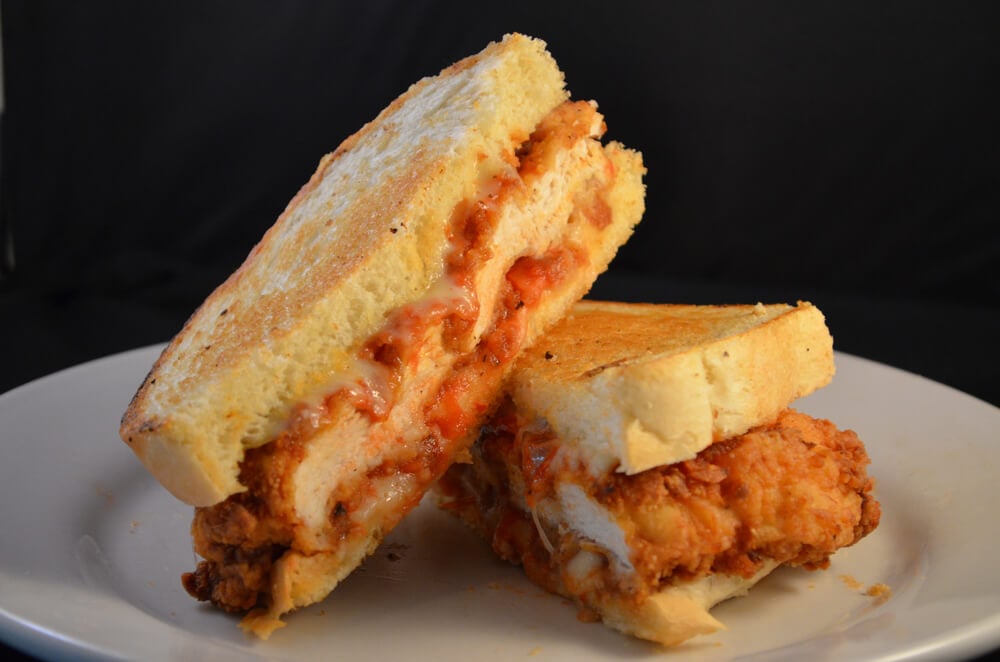
Chicken à la King, a dish of diced chicken in cream sauce with mushrooms and peppers, was often served over toast points or in a pastry shell. It suited the lunchroom’s focus on dishes that looked refined while using ordinary ingredients.
The recipe could be doubled for a rush without losing its character.
Welsh Rarebit
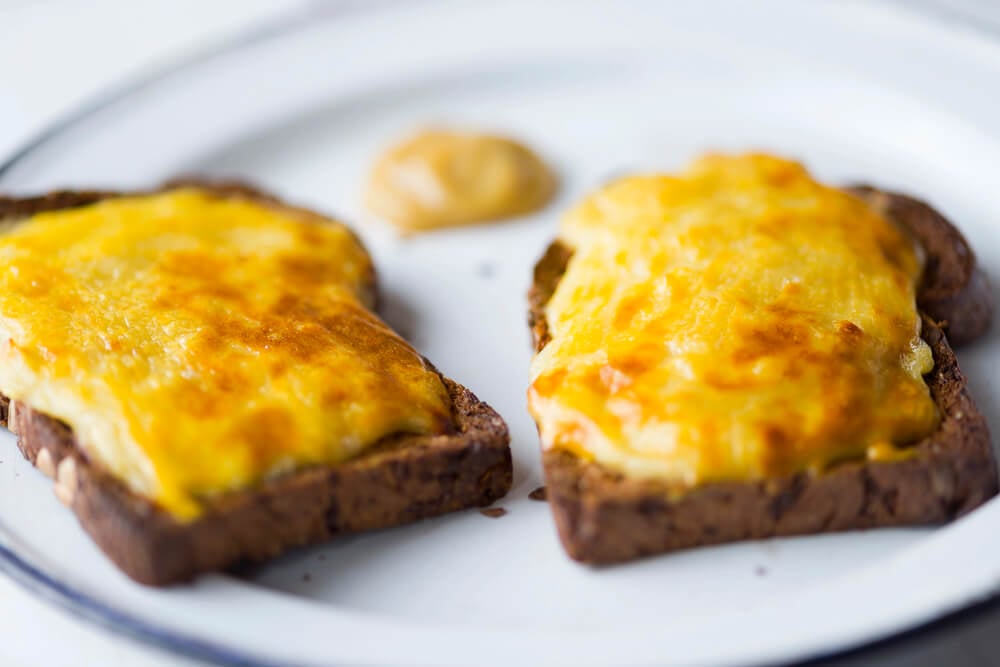
Welsh rarebit, a savory cheese sauce poured over toast, appeared on many lunchroom menus as a hearty meatless option. The sauce was traditionally seasoned with mustard and sometimes ale.
It offered a warm, filling plate for shoppers on a cold day.
Creamed Chipped Beef on Toast
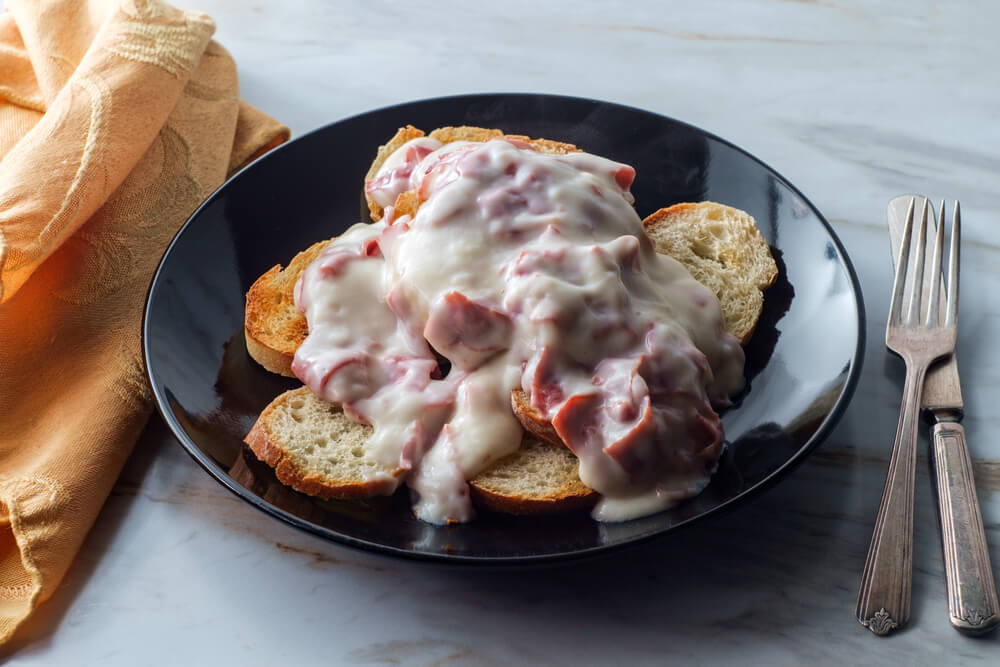
Dried beef in a white sauce over toast was an inexpensive and filling choice, and store restaurants served it as a quick lunch. The salty beef gave the sauce its flavor without much effort in the kitchen.
It was a diner staple that also found a place in more elegant settings.
Open-Faced Hot Turkey Sandwich
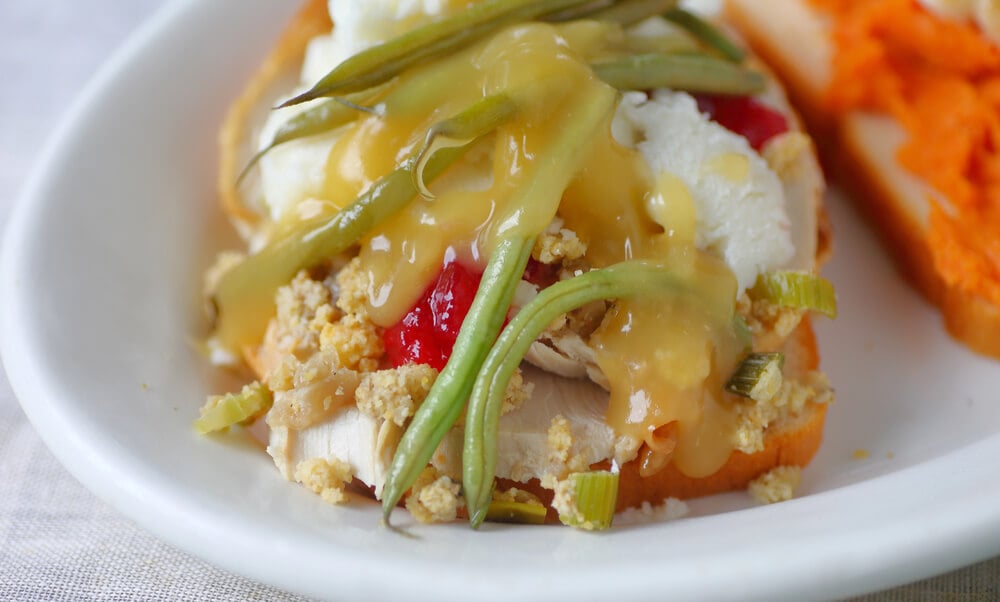
Sliced turkey on bread, covered in gravy, was a mainstay of the lunchroom menu. The plate came with mashed potatoes and cranberry sauce, and it was often a customer’s default order.
The open-faced style made the dish easy to eat with a fork between errands.
Salisbury Steak
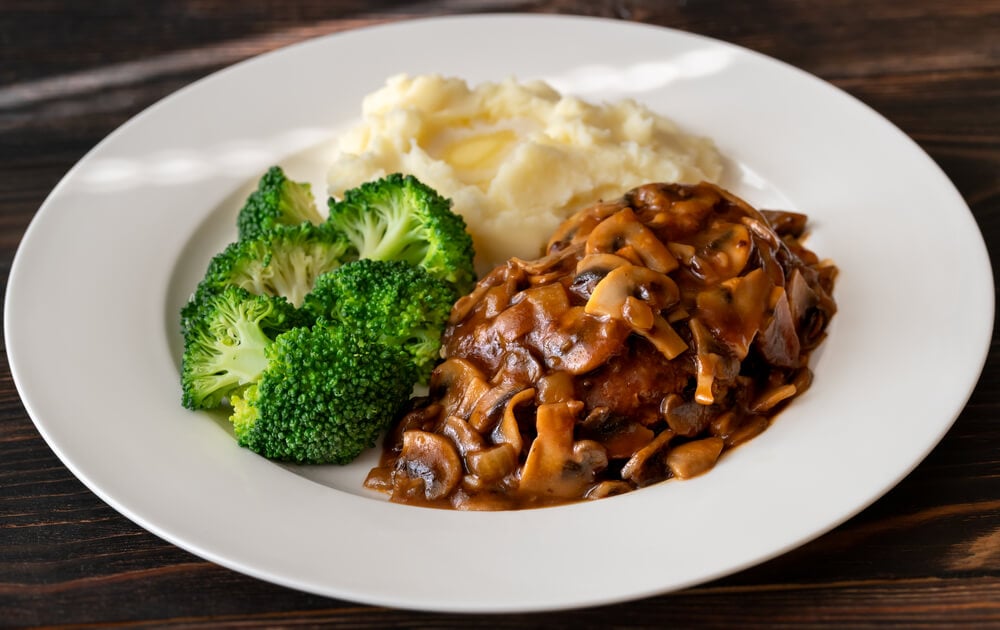
Salisbury steak, a seasoned ground beef patty in brown gravy, was named for Dr. James Salisbury, who promoted it in the 1880s as a health food. By the mid-twentieth century it had become a lunchroom regular.
It was usually served with mashed potatoes and a vegetable.
Liver and Onions
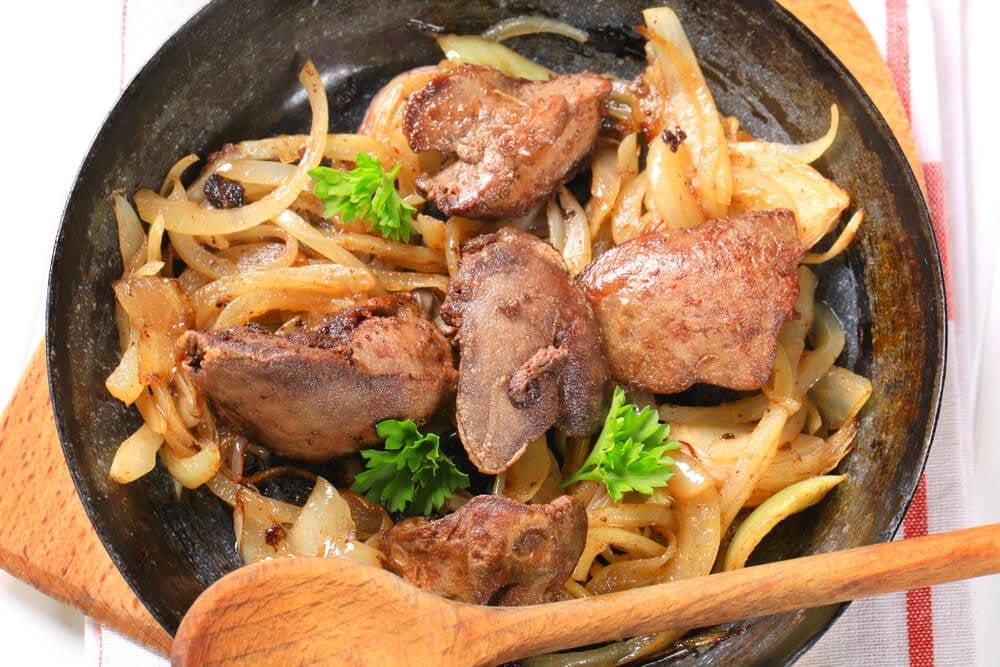
Pan-fried liver with onions was once a respectable lunch order, and department store restaurants kept it on the menu for regulars. The dish was affordable and filling, and kitchens could prepare it quickly.
Its popularity faded as tastes changed.
Cottage Cheese Fruit Plate
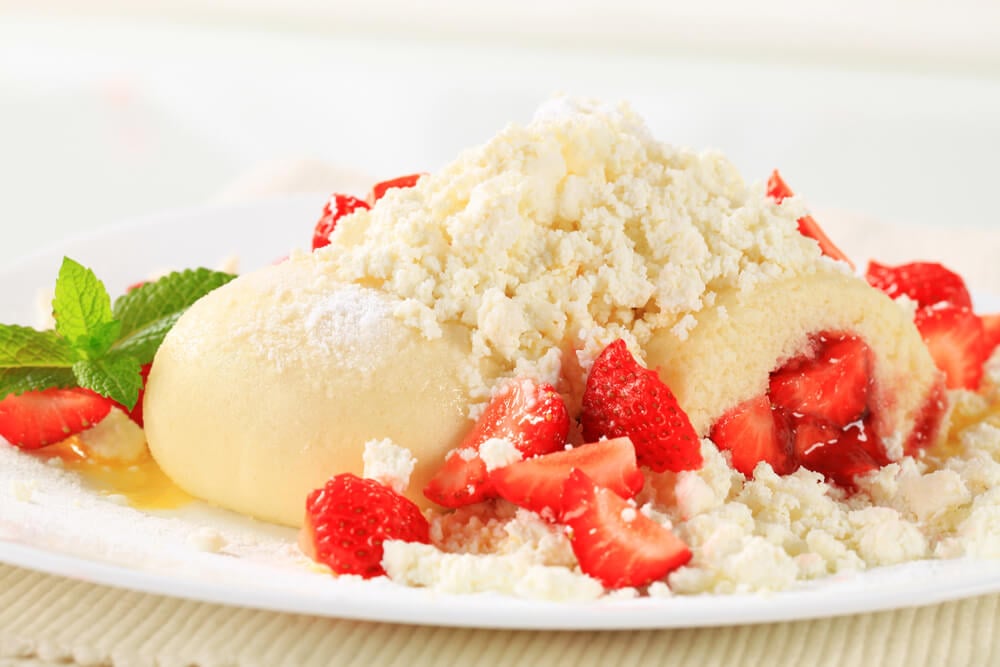
A scoop of cottage cheese surrounded by canned or fresh fruit, usually on a lettuce leaf, was the light option for diners watching their lunch budget or their waistlines. Peaches and pineapple were frequent partners.
It was a staple of the diet-conscious lunch plate.
Waldorf Salad
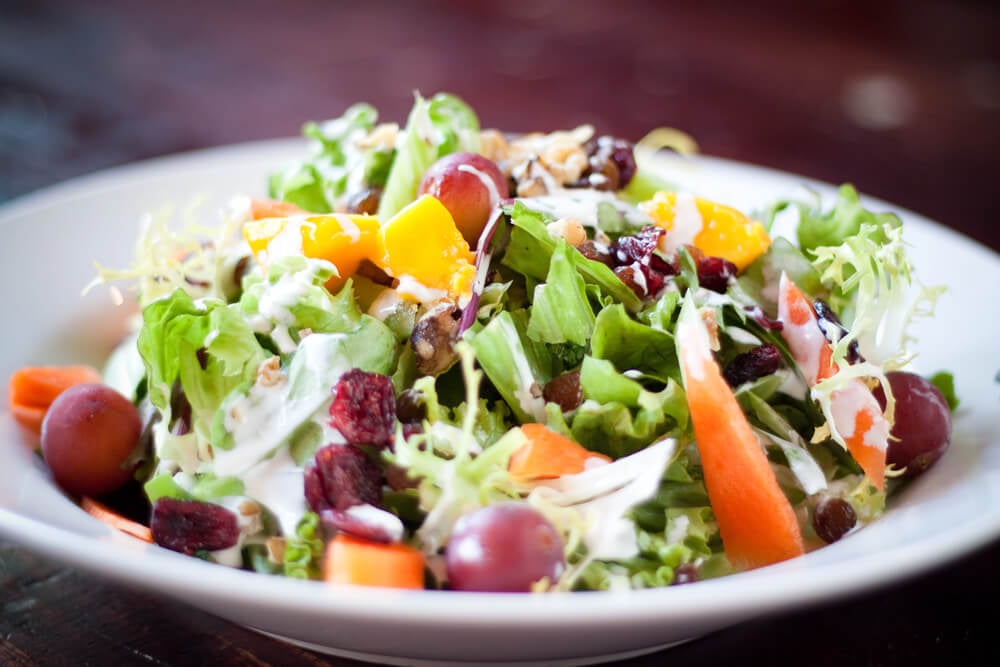
Waldorf salad, a mix of diced apples, celery, and walnuts in mayonnaise, originated at the Waldorf Hotel in New York in the 1890s. Department store restaurants adopted it as an elegant lunch side.
Its crunch and sweetness made it a natural companion to chicken salad.
Tuna Salad in a Tomato Cup
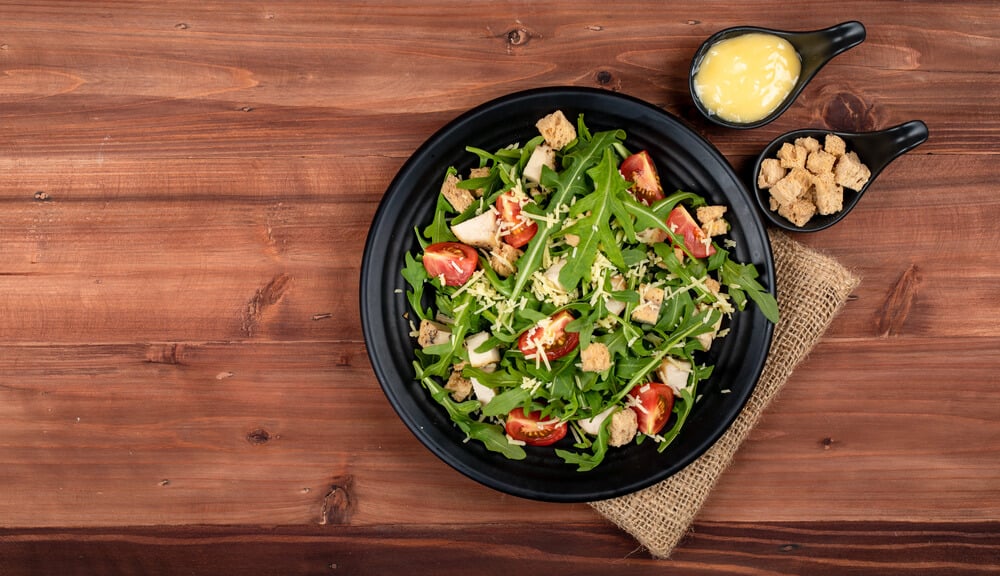
Tuna or chicken salad was often served in a hollowed-out tomato cut into petals, surrounded by lettuce and sliced eggs. The presentation turned a simple scoop of salad into something that looked special.
It was cold, fresh, and easy for a kitchen to plate.
Hot Fudge Sundae
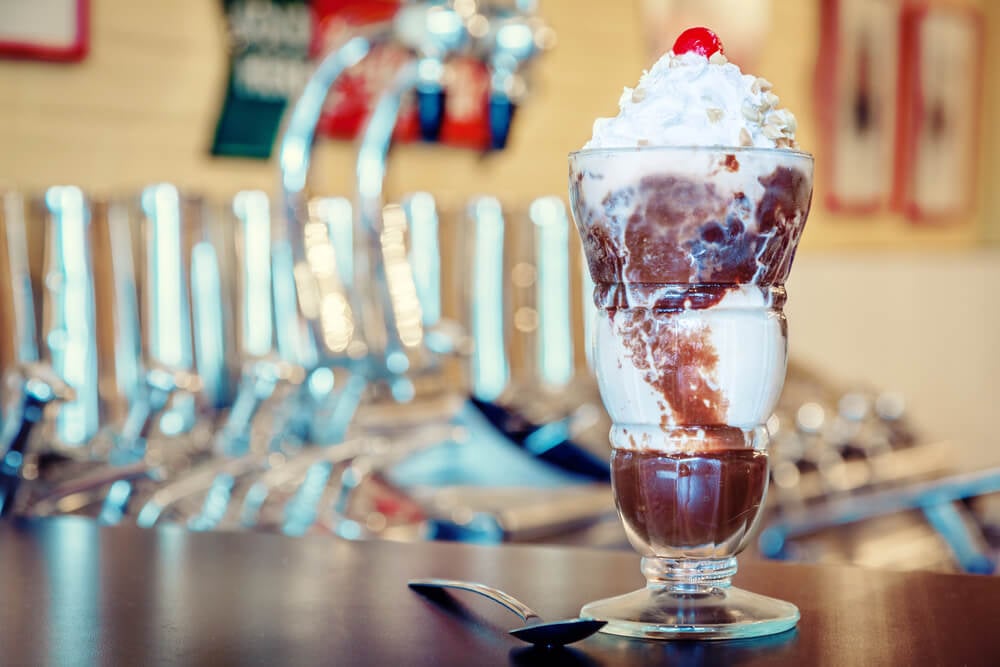
Lunch at the store often ended at the soda fountain, where a hot fudge sundae arrived in a tall glass with whipped cream and a cherry. The warm sauce melted into the vanilla ice cream as it was served.
It was a favorite reward after a day of shopping or trying on clothes.
Ice Cream Soda
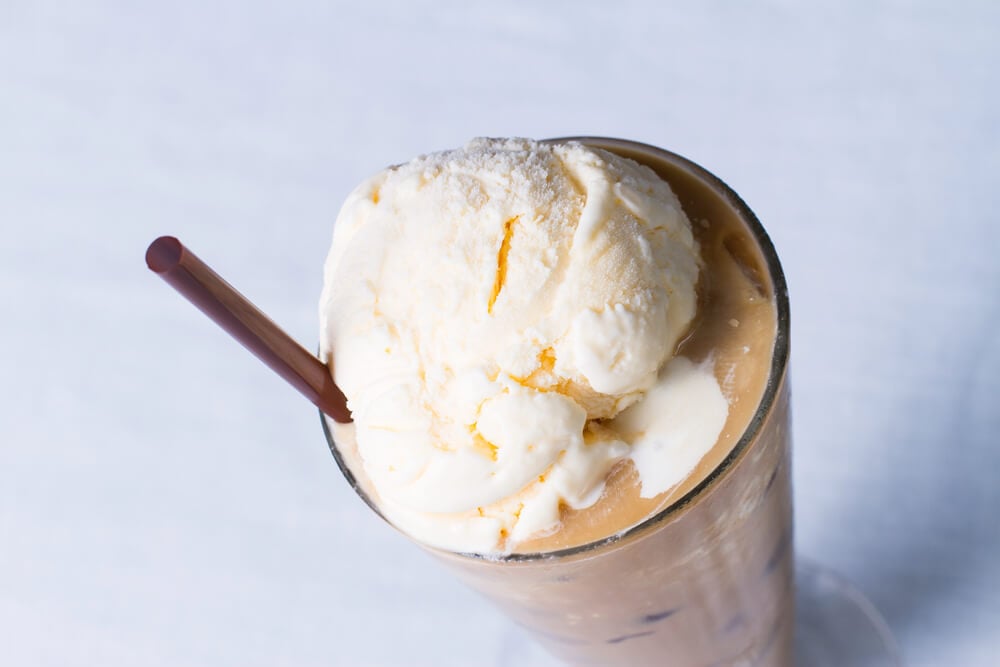
Soda fountains inside department stores mixed flavored syrup, carbonated water, and ice cream into tall foaming glasses. The drink was served with a long spoon and a straw.
For many children, it was the reason to agree to a shopping trip.
Coconut Cream Pie
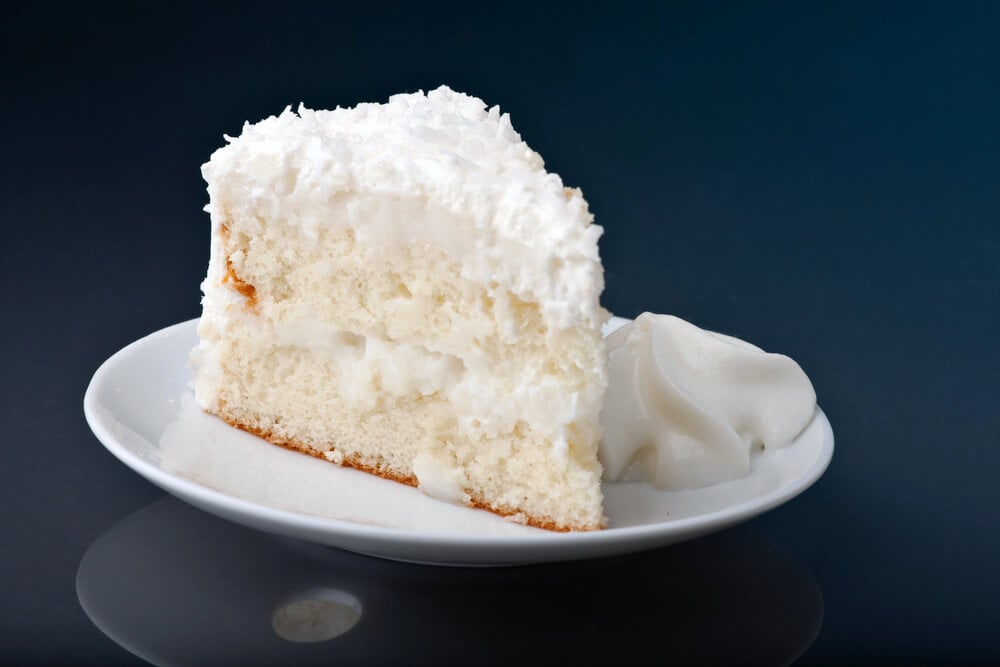
Coconut cream pie, with its custard filling and mound of whipped topping, was a regular in the dessert case. Shredded coconut toasted on top added a crisp finish.
It was the sort of pie that diners ordered without checking the menu.
Lemon Meringue Pie
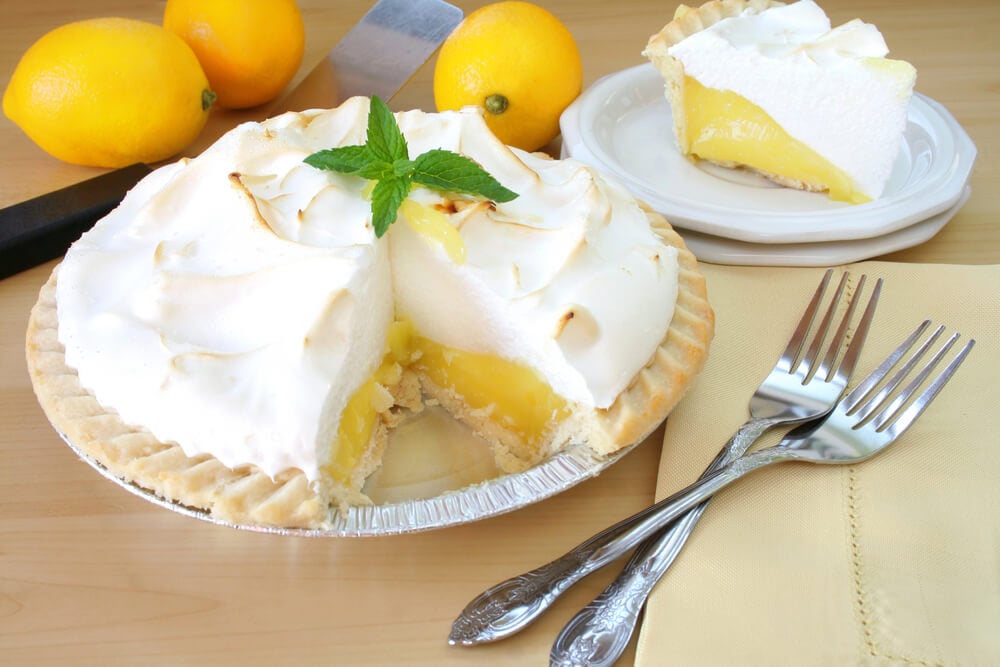
A tall lemon meringue pie sat in many a restaurant dessert case, the golden top glistening above a sharp, sunny filling. The pairing of sweet meringue and tangy lemon made it a counterpart to richer cream pies.
Lunchrooms often sold slices all afternoon.
Rice Pudding
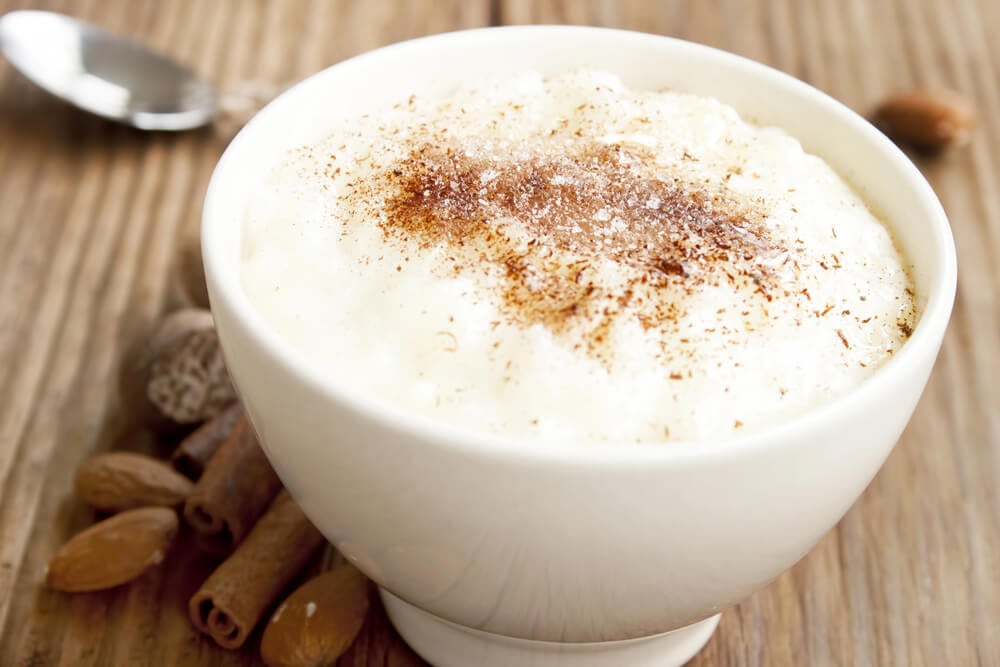
Creamy rice pudding, flavored with cinnamon and sometimes raisins, offered a simple end to a lunch. It was inexpensive to make in bulk and suited children as well as adults.
The dessert required no ceremony, which was part of its charm.
The Pleasure of a Planned Lunch
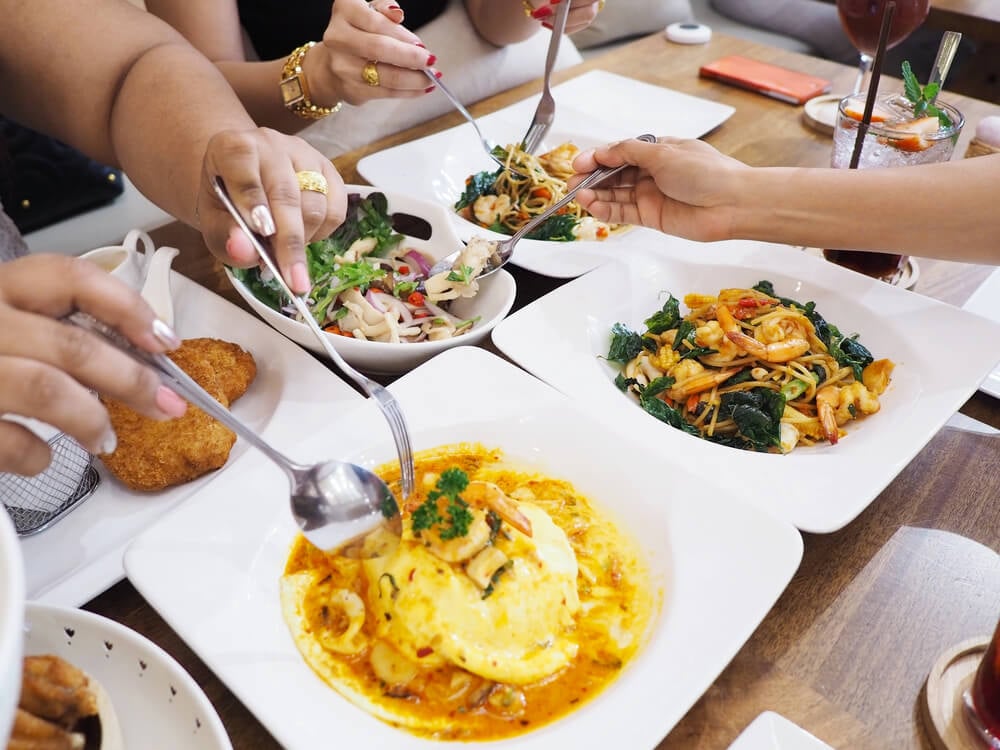
The department store lunchroom turned eating into one stop in a larger outing, with food chosen as carefully as a coat. Many of the dishes on this list were built to be made in volume and served with polish.
The dining room gave a shopper a reason to stay in the building, which was exactly what the store wanted. Those restaurants have mostly gone, and the habits they supported have gone with them.
A few recipes live on in cookbooks, on reunion menus, and in the memories of people who ate them. The best of them still hold up as comfort food, no shopping bag required.
More from Go2Tutors!

- 27 Silver Dollars and Half Dollars Worth Keeping
- 28 Restaurant Menu Items Nobody Orders Anymore
- 17 Places Built in Seemingly Impossible Spots
- 27 Vintage Rings Worth More Than They Look
- 25 Restricted Sites Tourists Can’t Enter
Like Go2Tutors’s content? Follow us on MSN.