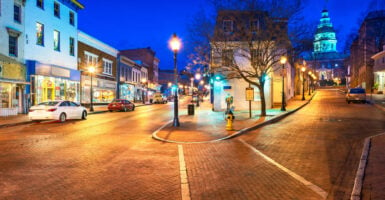
American Main Streets Before Chain Stores Arrived
For most of the nineteenth century, an American Main Street was a line of businesses owned by neighbors. The butcher, the baker, and the druggist knew their customers by name, and the shop windows told the town what its people made, mended, and bought.
Chains began to change that pattern in the late 1800s. A&P began as a tea merchant in 1859, and Woolworth’s five-cent store concept took hold after 1879, but the old street of individual shopkeepers lingered in many places for decades.
The businesses below made up the typical block, and each carried a specialty that a chain would later fold into a standardized shelf.
The Counter Grocer Who Fetched Your Order
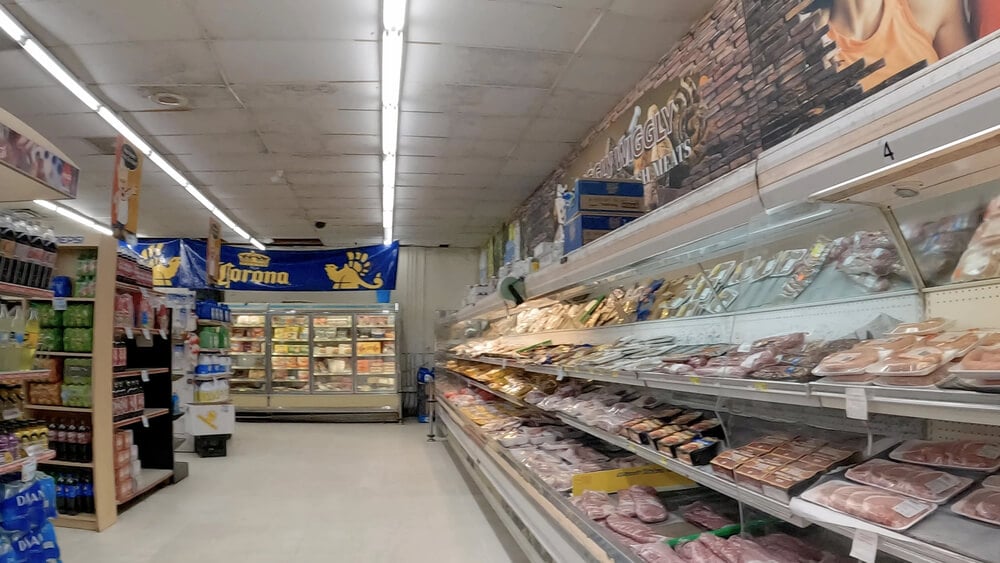
Before 1916, customers at most grocery stores handed a list to a clerk, who gathered the items from shelves and bagged them. The clerk stood behind a counter, and shoppers waited while orders were weighed from barrels, bins, and sacks.
This was the system that Piggly Wiggly’s self-service store in Memphis would challenge that year.
The Corner Grocer With Charge Accounts
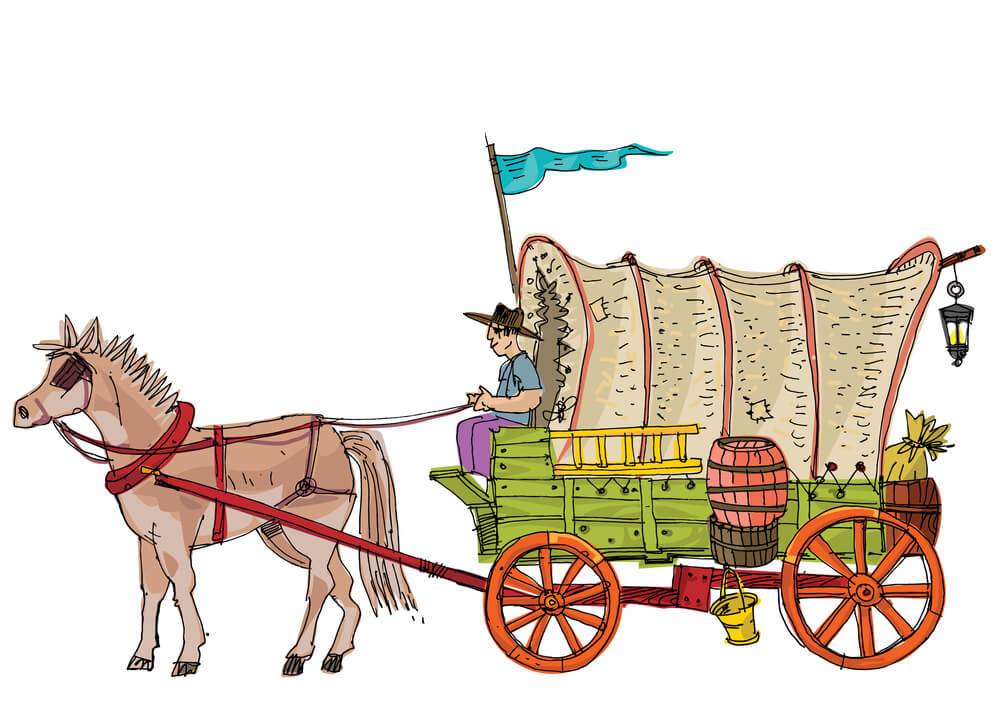
Family-owned corner grocers often offered home delivery and charge accounts, which let households pay at the end of the week or month. A delivery boy might carry the order to the back door in a wagon or basket.
The system relied on trust, and the grocer’s ledger book held the community’s financial memory.
The General Store
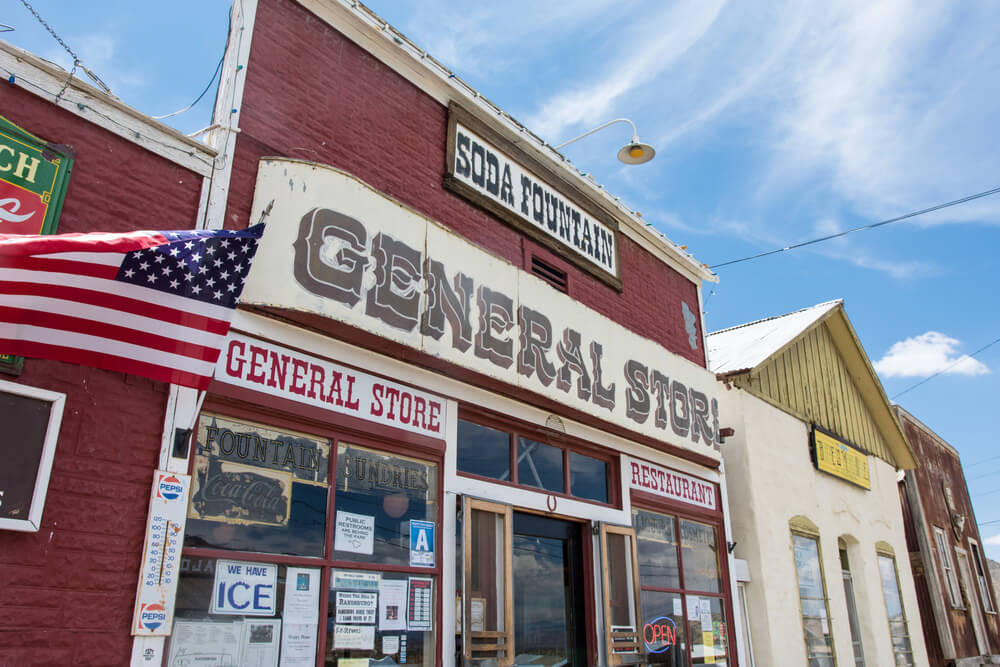
In small towns and rural crossroads, the general store sold everything from flour to fabric, and its shelves doubled as a community bulletin board. Many general stores also housed the local post office, which brought customers in just to collect their mail.
Farmers often paid for goods by trading eggs, butter, or other produce rather than cash.
The Dry Goods Merchant
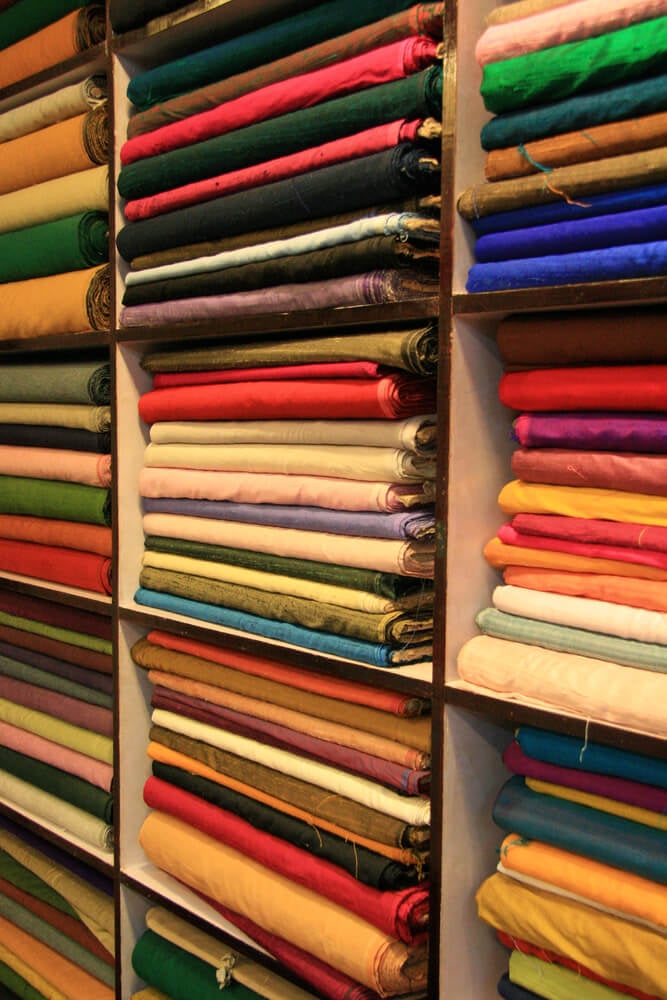
The dry goods store sold fabric by the yard, along with thread, buttons, ribbon, and ready-made clothing. Clerks measured cloth against a brass yardstick fixed to the counter and snipped it with large shears.
Customers expected to feel the material and compare patterns, which turned a purchase into a social visit.
The Hardware Store
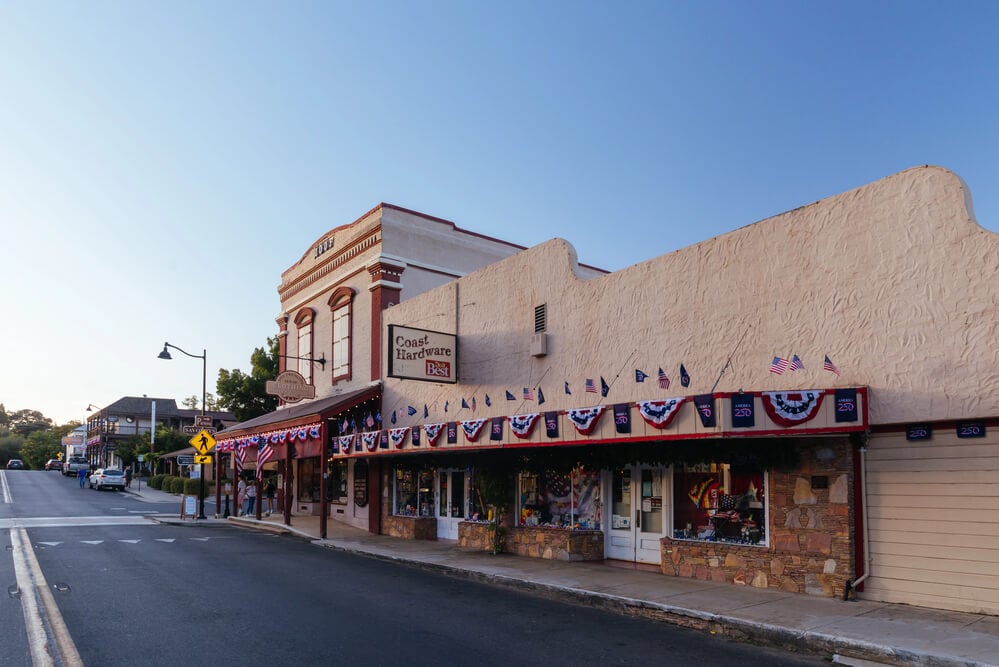
The hardware store was where townspeople bought tools, stoves, lamp oil, and farm supplies, and its aisles smelled of oil and iron. Nails were commonly sold by the pound from kegs, and a clerk scooped them into paper bags on request.
The owner’s advice on a stubborn repair was part of the price.
The Butcher Shop

The neighborhood butcher cut meat to order and often sprinkled sawdust on the floor to soak up spills. Customers could ask for a particular cut, request that fat be trimmed, or inquire about the animal’s origin.
Strong ties between butcher and customer meant that a good cut might be set aside for a regular without being asked.
The Corner Bakery
A local baker rose before dawn to bake bread, rolls, and cakes that were sold warm the same morning. Many bakeries delivered loaves to households, and the smell of fresh bread drew customers from down the block.
The baker’s reputation depended on consistency, since everyone in town knew when the loaves were good.
The Drugstore With a Soda Fountain
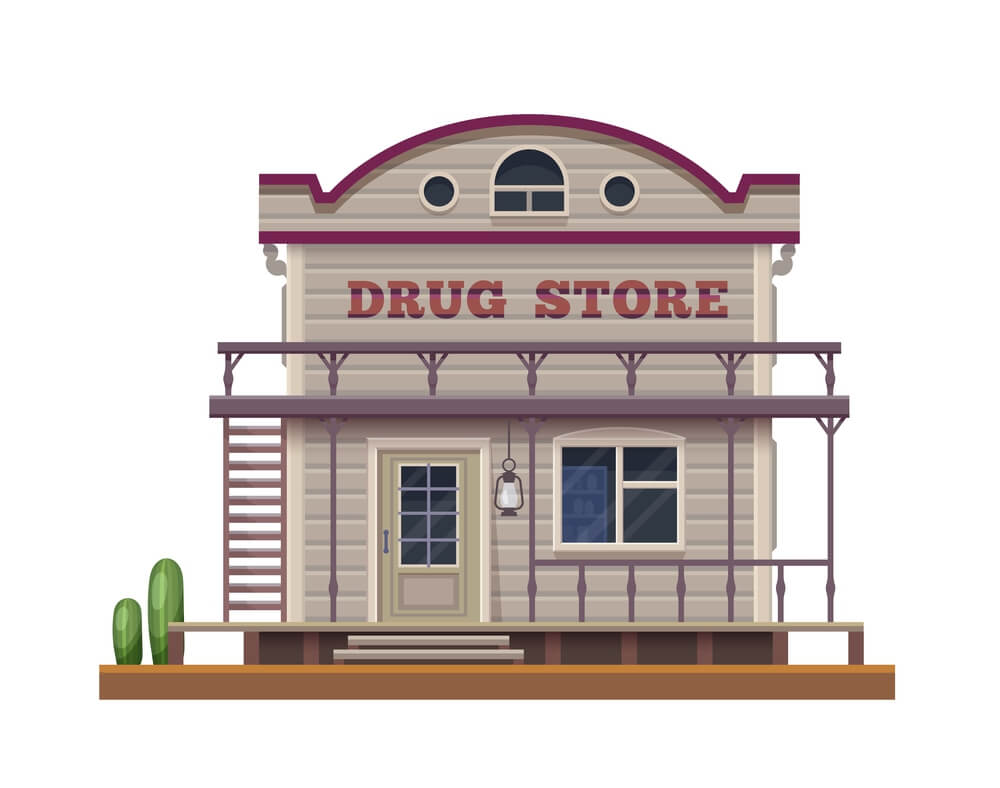
The town druggist mixed prescriptions from bottles of powders and tinctures, and many drugstores also installed a soda fountain. The marble counter and stools made the store a social hub where teenagers gathered after school.
The soda jerk’s drinks brought in customers who might then buy a toothbrush or a tonic.
The Barber Shop
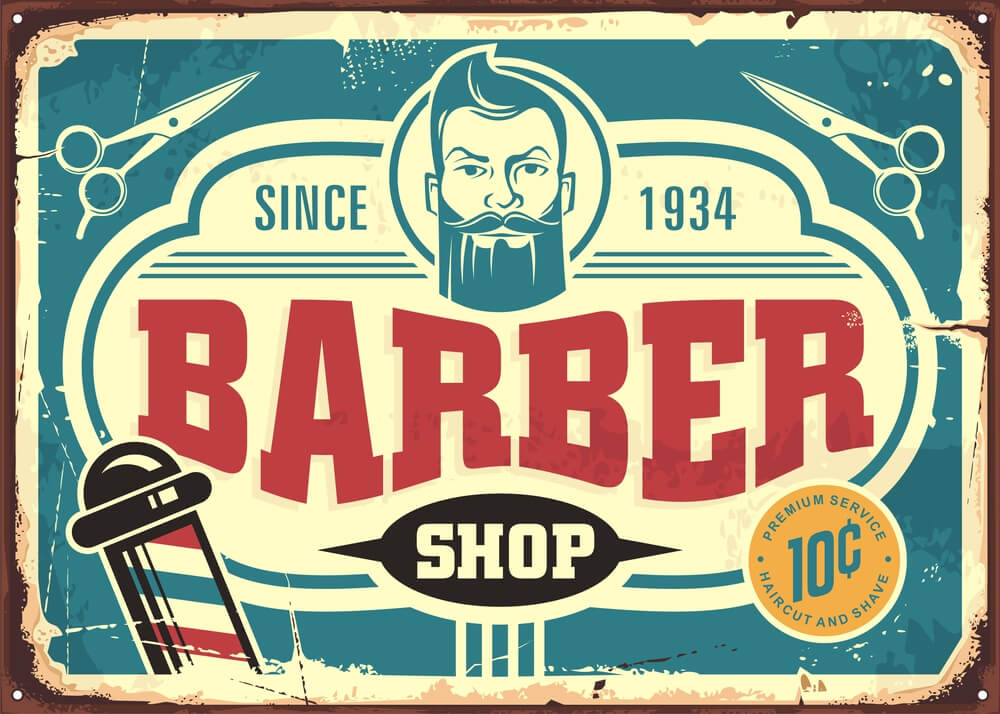
The barber shop offered haircuts and shaves, and in many towns it also supplied baths for men who lacked running water at home. The barber pole outside, with its red and white stripes, signaled the shop from down the street.
Inside, the chairs and conversation made it one of the main places where local news and opinions circulated.
The Blacksmith
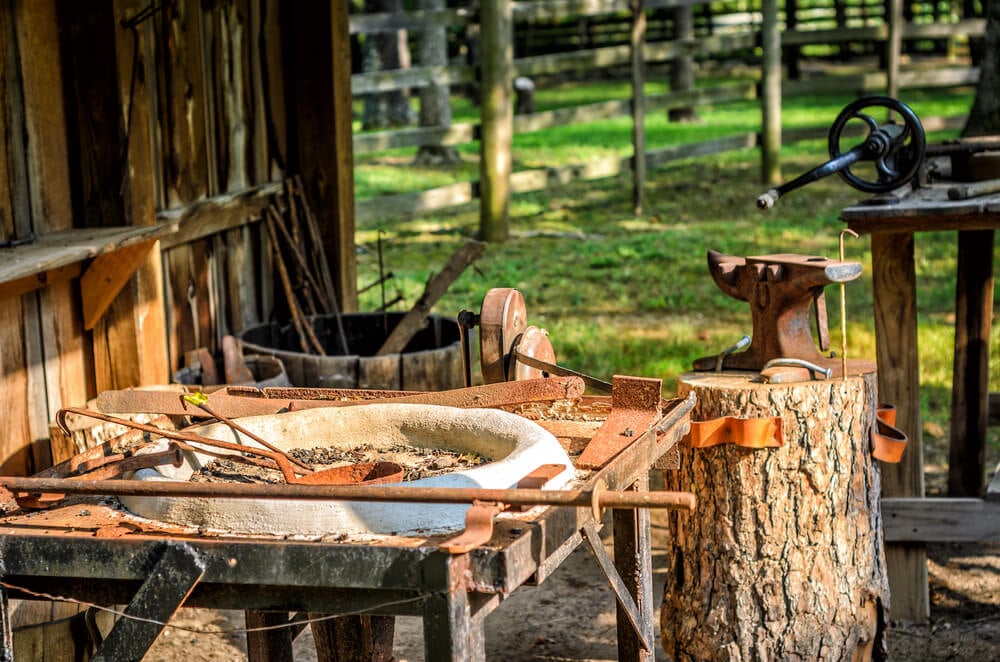
The blacksmith shaped iron over a forge, mending wagon wheels, shoeing horses, and forging tools for farmers. The ring of the hammer was a daily sound on many Main Streets.
A good smith was considered indispensable in an age when transportation and farming relied on animals.
The Livery Stable
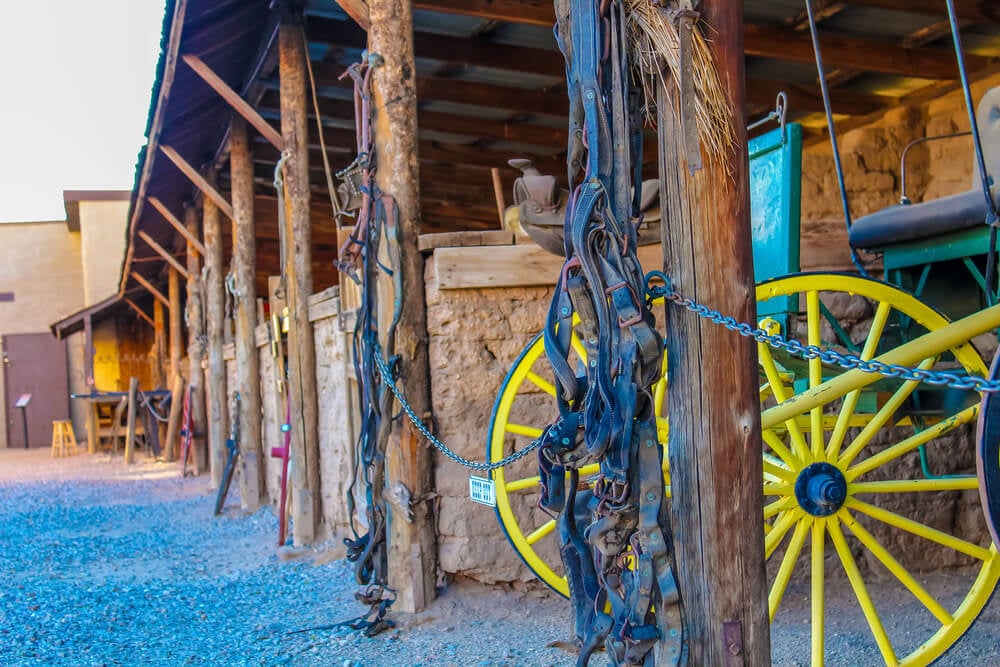
The livery stable rented horses and buggies to travelers and townspeople who did not own their own, and it often boarded animals overnight. Commercial travelers, known as drummers, arrived by train and hired rigs to visit outlying merchants.
The stable’s smell, along with the clatter of hooves, marked a part of the street that automobiles would later make obsolete.
The Harness Maker
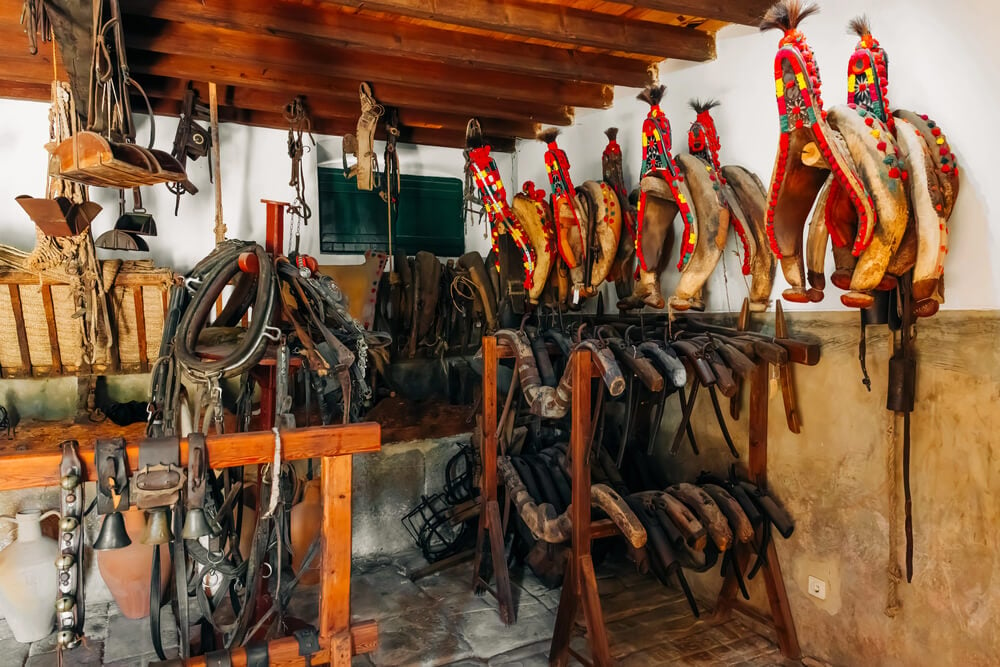
The harness maker stitched leather into collars, bridles, and saddles for the town’s working animals. Rows of straps and buckles hung from the walls, and the shop smelled of oiled leather.
When farmers replaced horses with tractors, the trade shrank, but the craft remained part of small-town life for generations.
The Cobbler
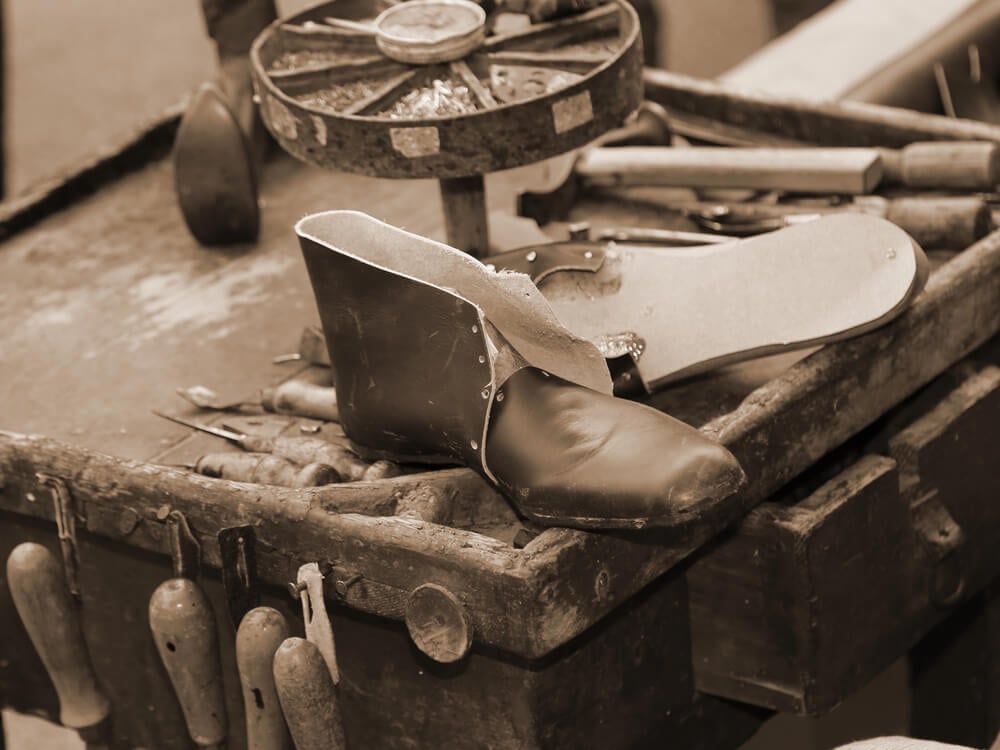
The cobbler repaired shoes, replacing worn soles and heels so that a pair could last for years. Customers left boots at the counter and picked them up days later, often with a fresh shine.
In a time when shoes were expensive, repair was an everyday economy rather than a hobby.
The Milliner
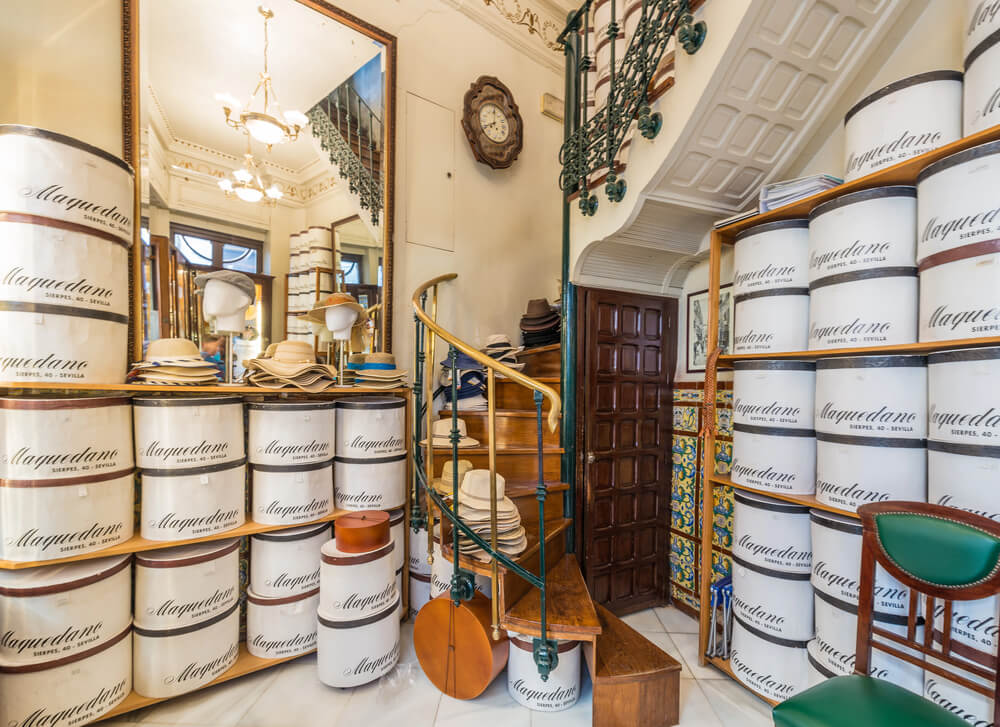
The milliner designed and trimmed hats, which were considered essential for respectable women in the nineteenth century. Customers selected a shape and then chose ribbons, feathers, and flowers to decorate it.
A new hat for Easter or a wedding was an event that the shop prepared for weeks in advance.
The Jeweler and Watchmaker
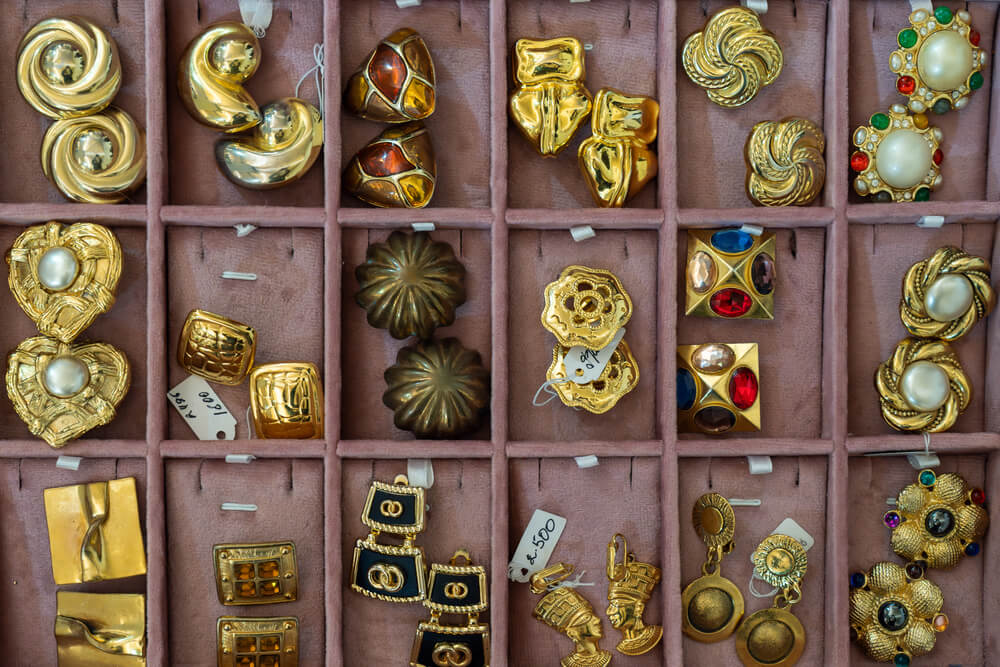
The jeweler sold watches, rings, and silverware, and many hung a large clock or giant pocket watch outside as a sign. Inside, he repaired timepieces with tiny tools under a magnifying lens.
For many towns, the shop’s clock was the unofficial standard of time on the street.
The Photographer’s Studio
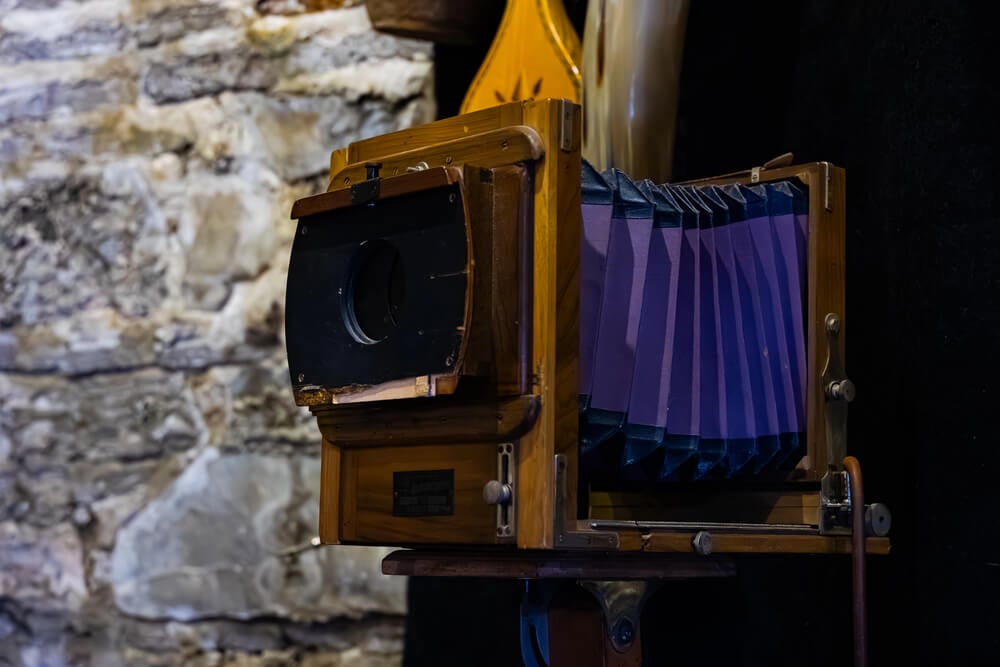
The photographer’s studio often occupied an upper floor with a large skylight to bring in daylight for portraits. Families dressed in their best clothing and posed against painted backdrops, sometimes holding props.
The pictures that came from these studios are the source of many of the historic images that survive of small-town residents.
The Weekly Newspaper Office
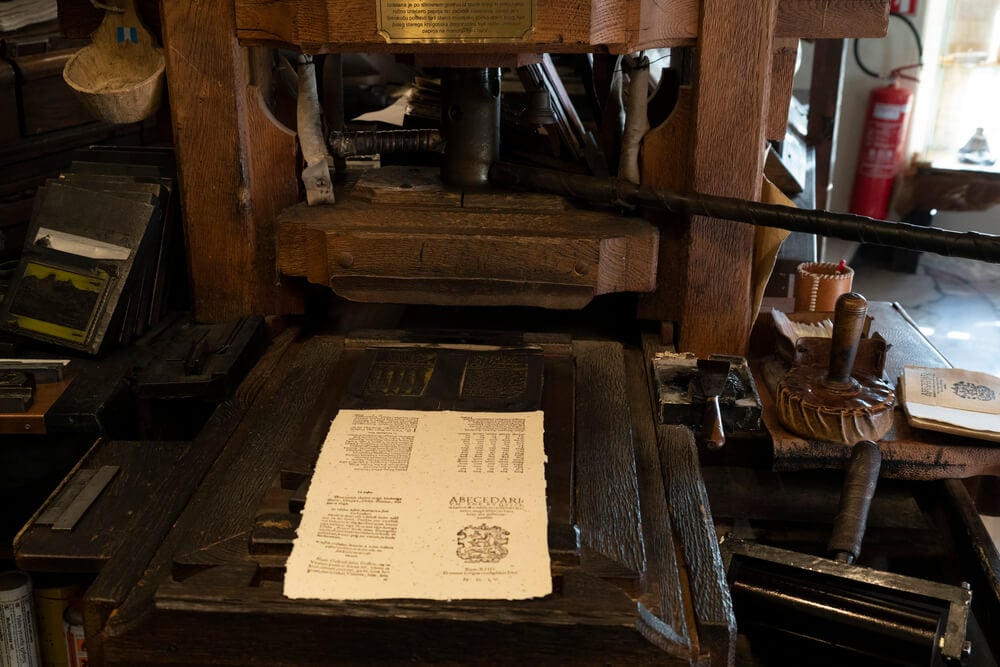
The weekly newspaper set type by hand and printed a few hundred copies for subscribers who wanted news of local births, marriages, and prices. The editor often doubled as printer, reporter, and advertising salesman.
Its columns recorded the daily life of the town more intimately than any big-city paper could.
The Telegraph Office at the Depot
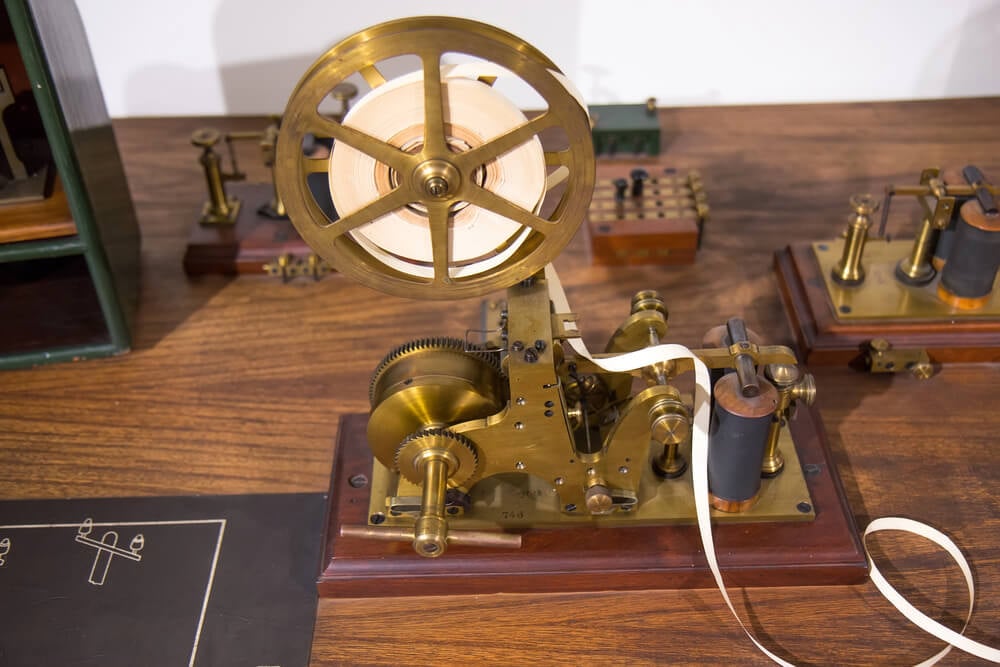
The telegraph operator sat near the railroad depot, translating clicks of a key into messages that connected a small town to the wider world. Businessmen used the telegraph to order goods and check prices, and families received urgent news there.
The office was one of the few places where distant events arrived within hours.
The Local Bank
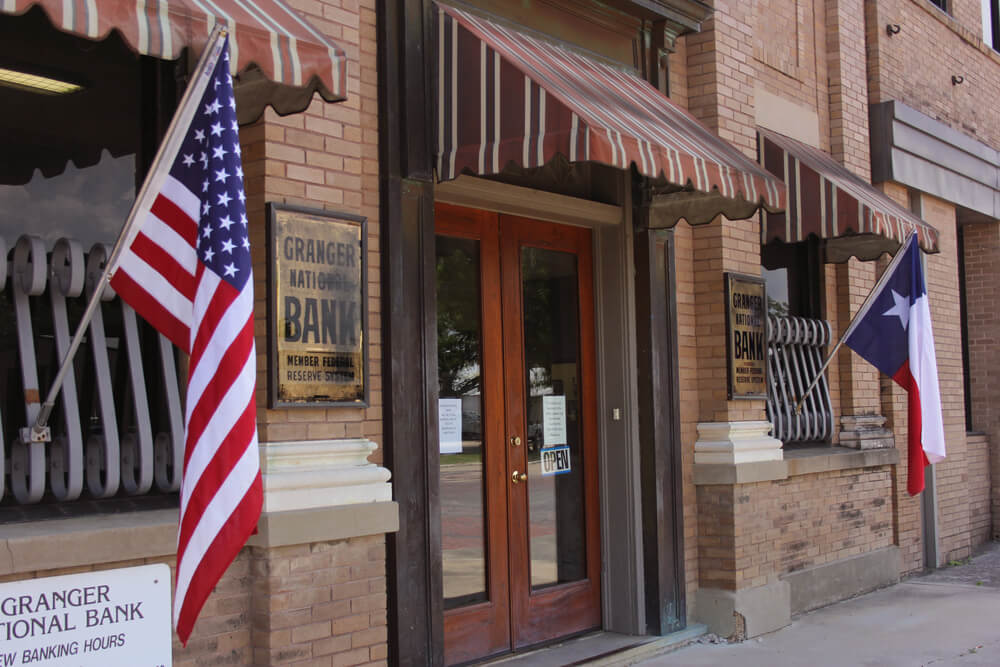
The town bank usually stood in a solid brick or stone building with a vault, designed to project safety. The banker knew the borrower’s family, farm, and character, and loans were often made on that knowledge.
Such banks played an essential role in financing local businesses and farms.
The Opera House Upstairs
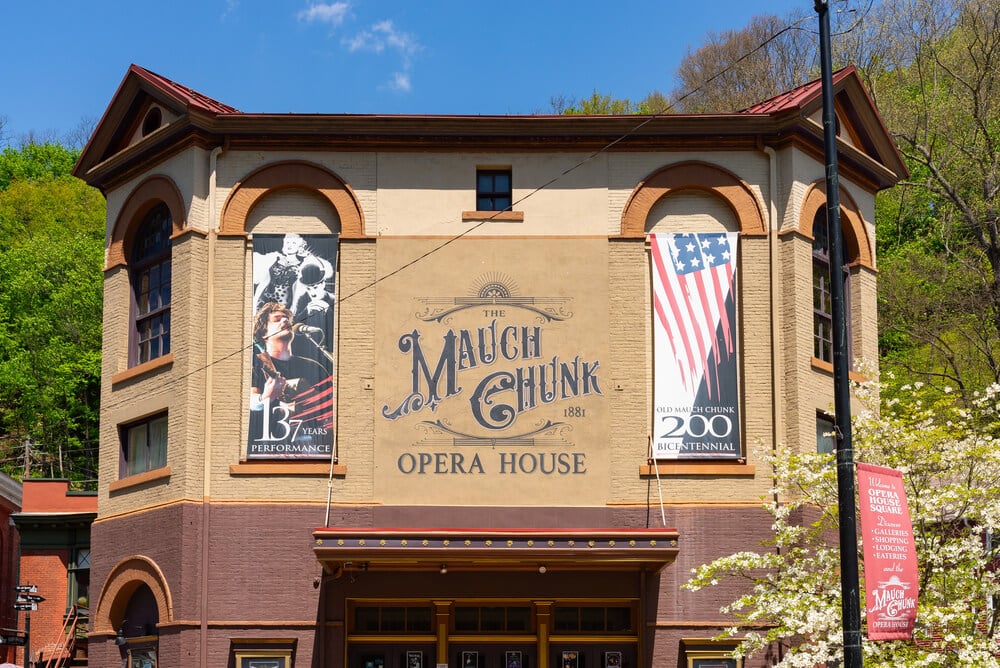
Many small towns had an opera house on the second floor of a commercial building, where traveling theater troupes, lecturers, and local groups performed. The name was often grander than the reality, since the stage might host a minstrel show one night and a school graduation the next.
These upstairs halls were an important social center before movies took over.
The Furniture Dealer and Undertaker
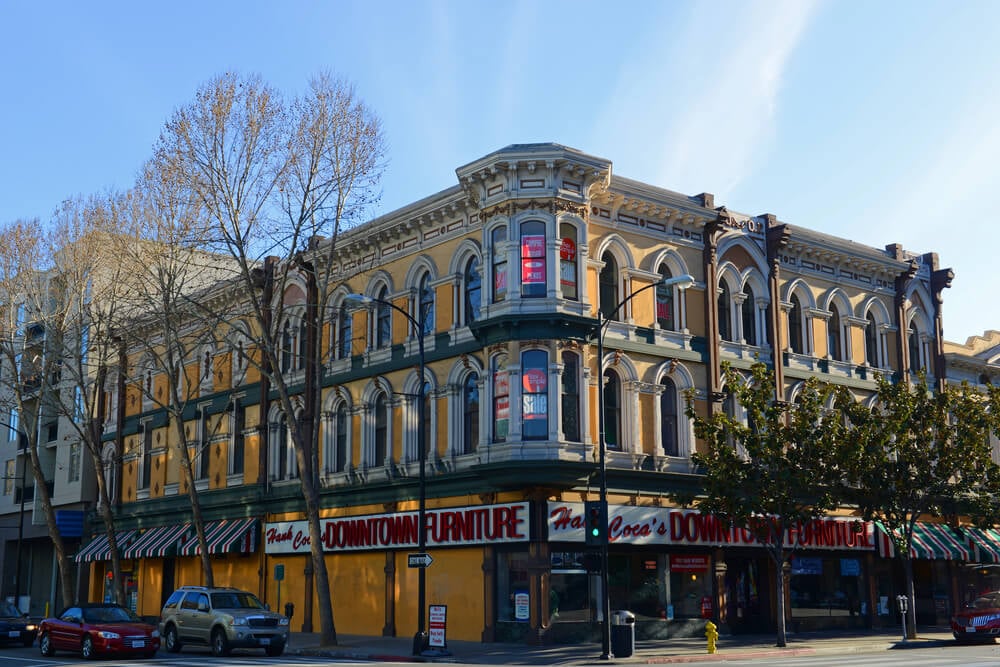
In many towns, the furniture dealer also served as the undertaker, since the same woodworking skills used to make a chair could build a coffin. The store might display chairs and bedsteads in front and keep a hearse in the back.
The practice was a practical solution in communities too small to support separate trades.
The Feed and Grain Store
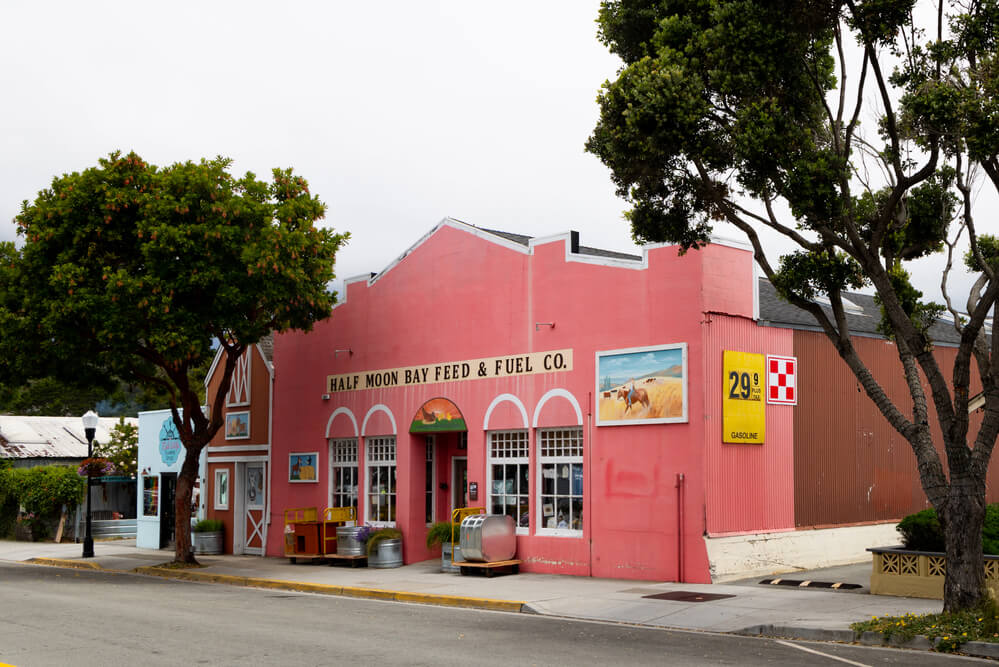
The feed store supplied farmers with grain, seed, and supplies, and its warehouse smelled of dust and sacks. Farmers lingered to discuss prices, weather, and crops, which made the store a meeting place for the countryside.
The store’s scales and sacks were a center of the agricultural economy.
A Street of Names
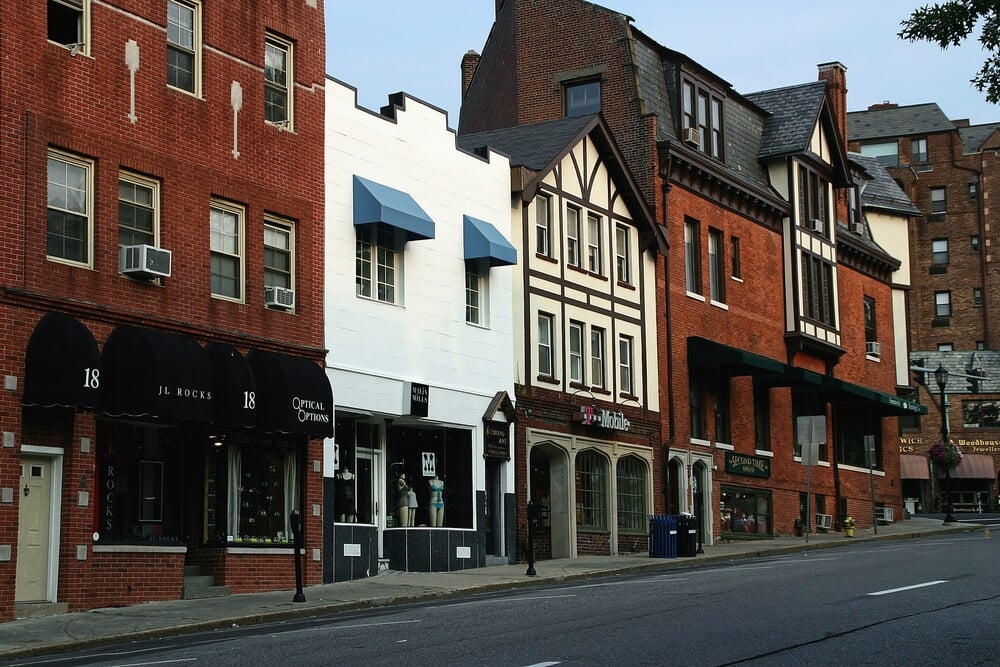
These shops reflected a time when commerce was personal, and a customer could trace a purchase back to a person’s hands. The businesses on Main Street made use of local skills, local credit, and local knowledge, and their windows gave the town a face.
When chains offered standard prices and shelves, they brought convenience, but they also changed the street’s character. The surviving photographs of those blocks show painted signs, striped awnings, and clerks standing proudly in doorways.
They remind viewers that a Main Street once depended on neighbors serving neighbors. That memory explains why so many communities still work to preserve their historic downtowns.
More from Go2Tutors!

- 27 Silver Dollars and Half Dollars Worth Keeping
- 28 Restaurant Menu Items Nobody Orders Anymore
- 17 Places Built in Seemingly Impossible Spots
- 27 Vintage Rings Worth More Than They Look
- 25 Restricted Sites Tourists Can’t Enter
Like Go2Tutors’s content? Follow us on MSN.