Winter Clothing Details Kids Remember Disliking
Winter clothing for children was designed by adults who had apparently never worried about sleeves that bunch, wool that scratches, or boots that leak. Most kids tolerated it because the alternative was the cold.
The complaints, though, lasted a lifetime.
The details below tend to come up whenever grown-ups compare notes about bundling up for school.
Scratchy Wool Sweaters
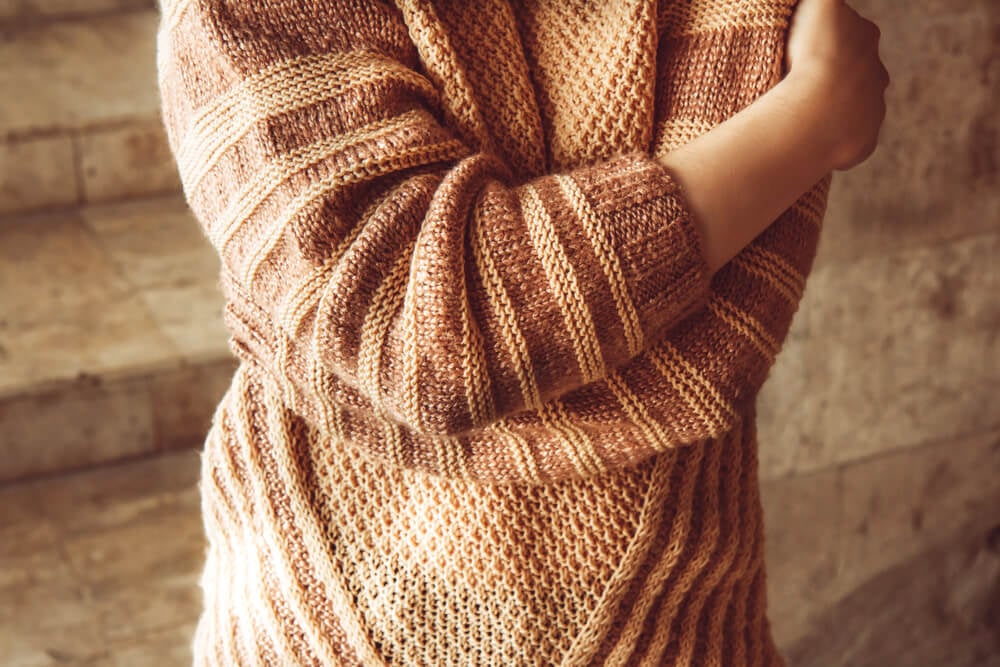
A wool sweater could feel like a rash waiting to happen. Coarser fibers prod the nerve endings in skin, which is why fine merino feels soft and rough yarn feels prickly.
Turtlenecks were the worst, because the neck was the most sensitive spot. Many kids wore a cotton shirt underneath and still itched.
One-Piece Snowsuits
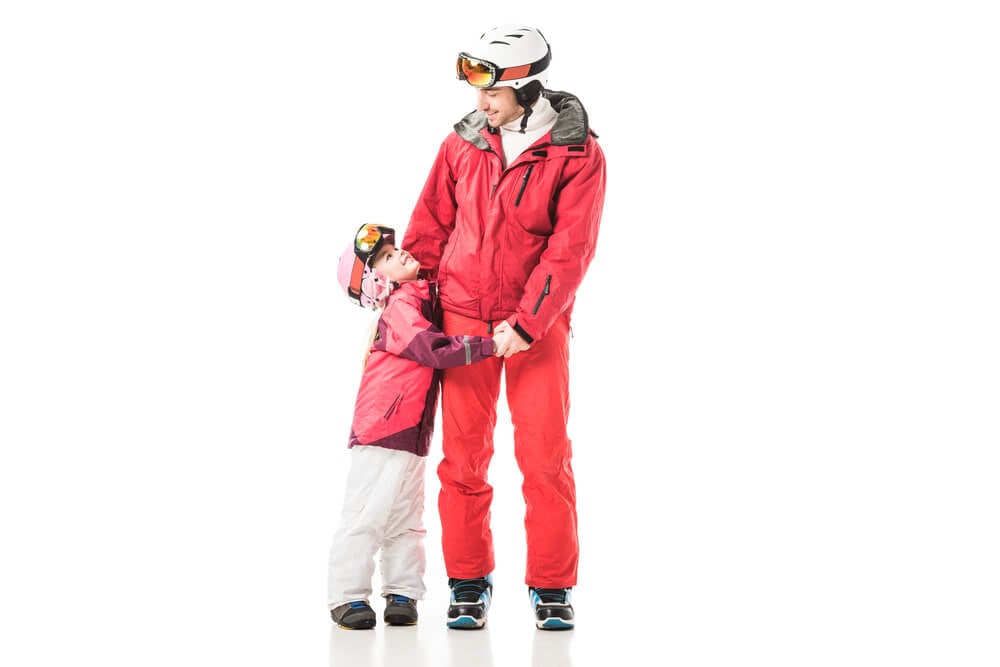
A one-piece snowsuit made a child warm and nearly immobile, with arms that stuck out like a starfish and legs that barely bent. Getting into one required a parent, and getting out of one at school took a teacher with patience.
Bathroom breaks were a negotiation. The zipper that ran from crotch to chin was the center of every struggle.
Swishing Snow Pants
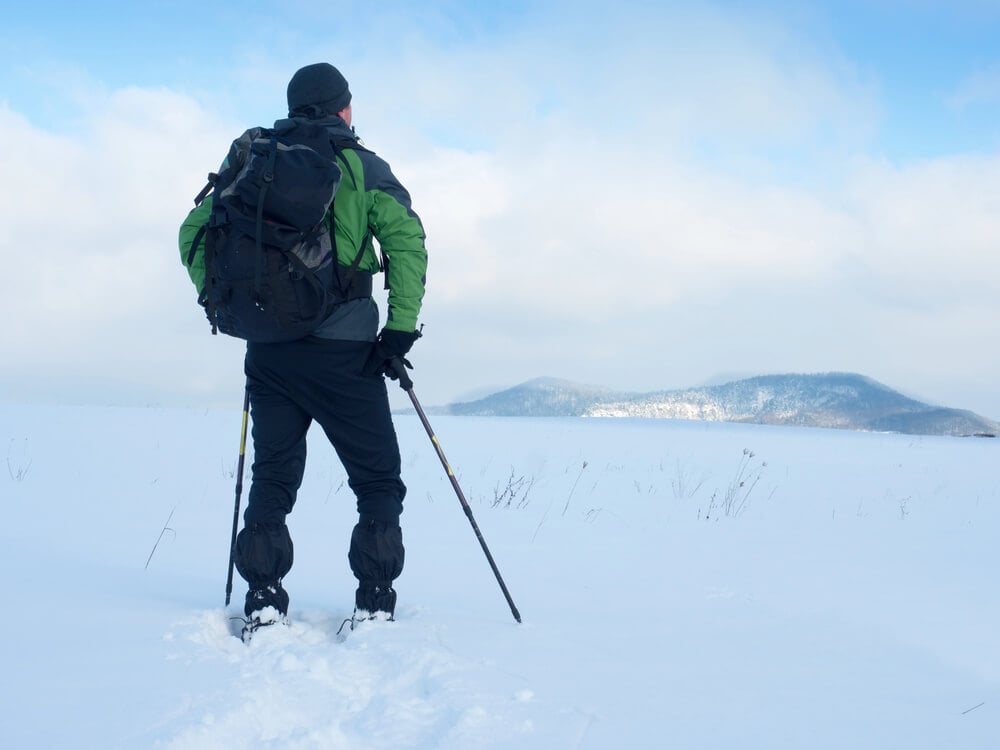
Nylon snow pants made a loud swish with every step, which announced a child’s arrival long before the door opened. The fabric kept out slush, but it also trapped sweat and static.
Elastic cuffs rode up and let snow in around the ankles. Wearing them to recess meant sounding like a walking windbreaker.
Mittens on Strings
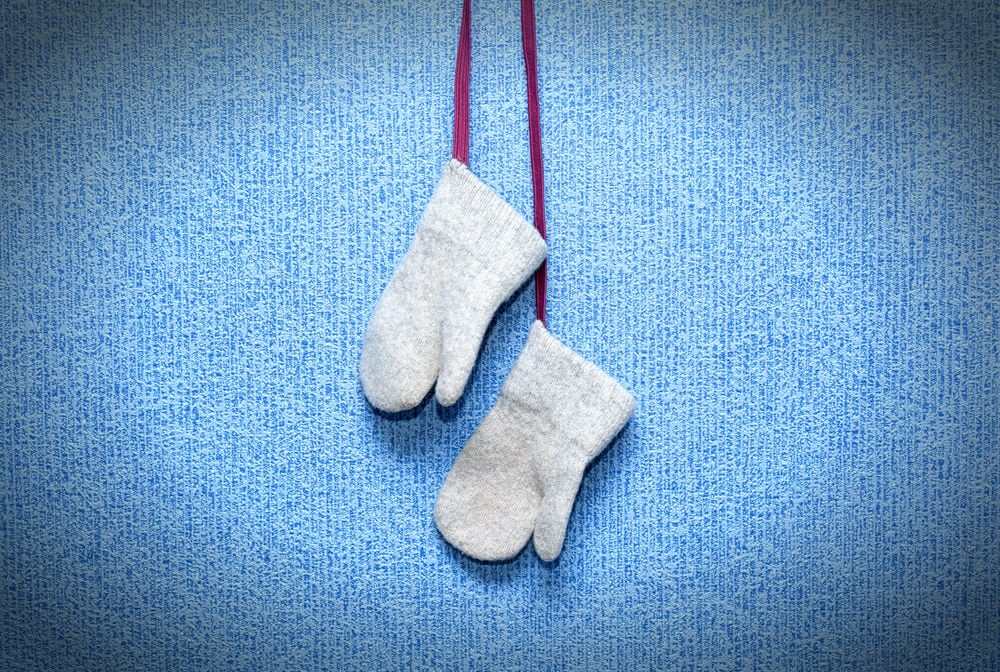
Mittens on strings threaded through the sleeves of a coat kept kids from losing a mitten, but they also pulled arms inward and tangled during play. Parents sewed them in, clipped them on, or bought sets with built-in cords.
A dangling mitten could slap a face or catch on a fence. The system worked, and every child who wore it remembers resenting it.
Bread Bags Over Socks
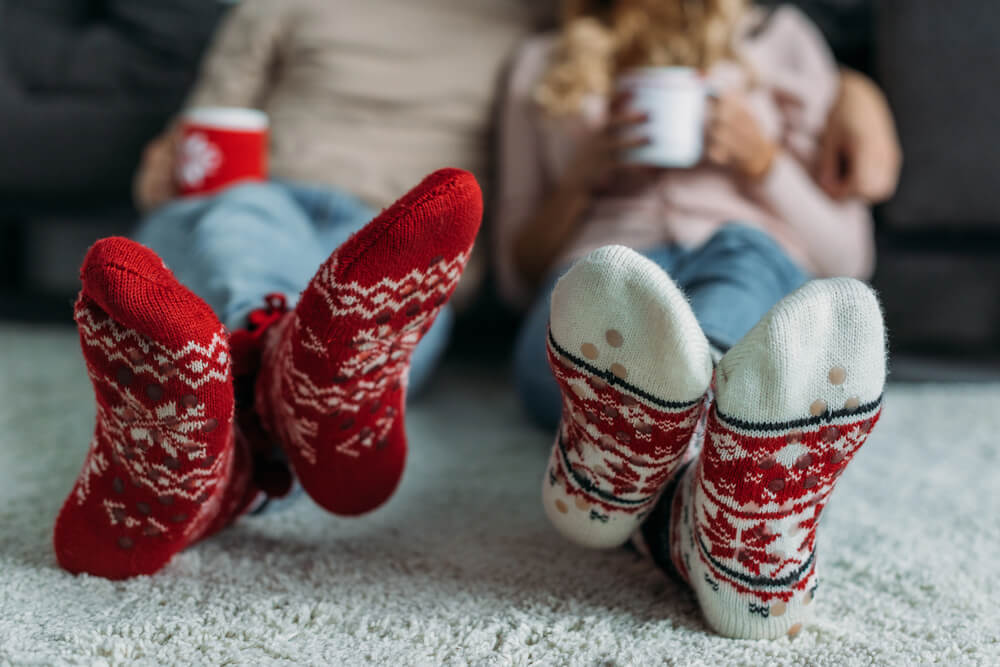
On very cold days, parents slid plastic bread bags over socks inside boots to keep feet dry. The bags crinkled with each step, and sweat built up inside, which made feet damp anyway.
A wobbly twist-tie at the ankle could dig into skin. Many adults still remember the sound of plastic with each stride.
Galoshes With Buckles
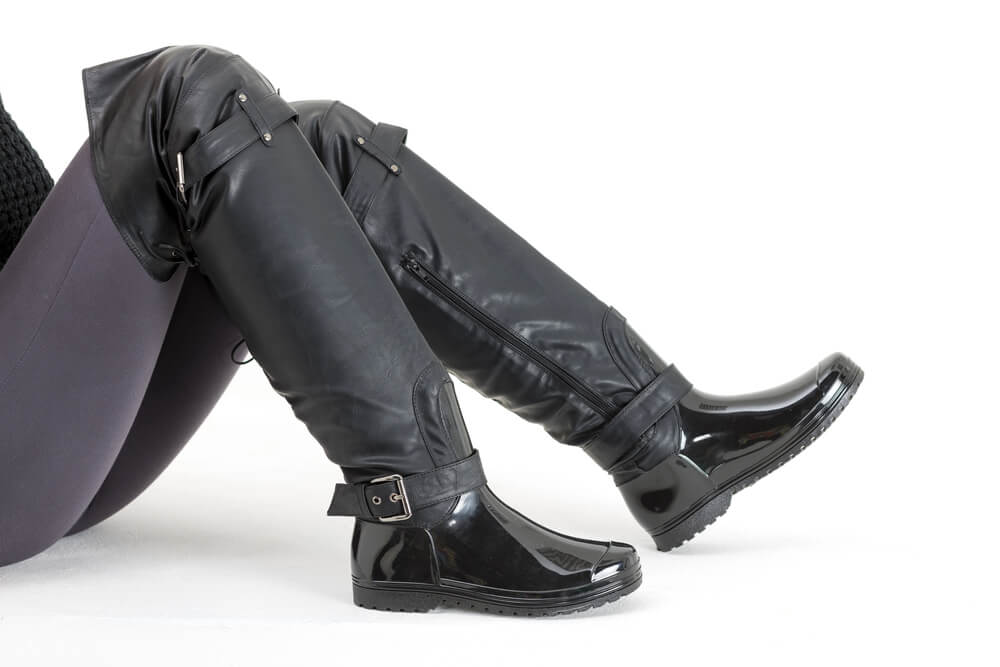
Rubber galoshes pulled over shoes with metal buckles, and the buckles were stiff and cold on small fingers. The boots left shoes dry but trapped heat, and getting them off was a battle that sometimes ended with a shoe left inside.
Kids who lost a galosh in deep snow had to dig it out with bare hands. The rubber smell is another detail people remember.
Long Underwear Bunching in Socks
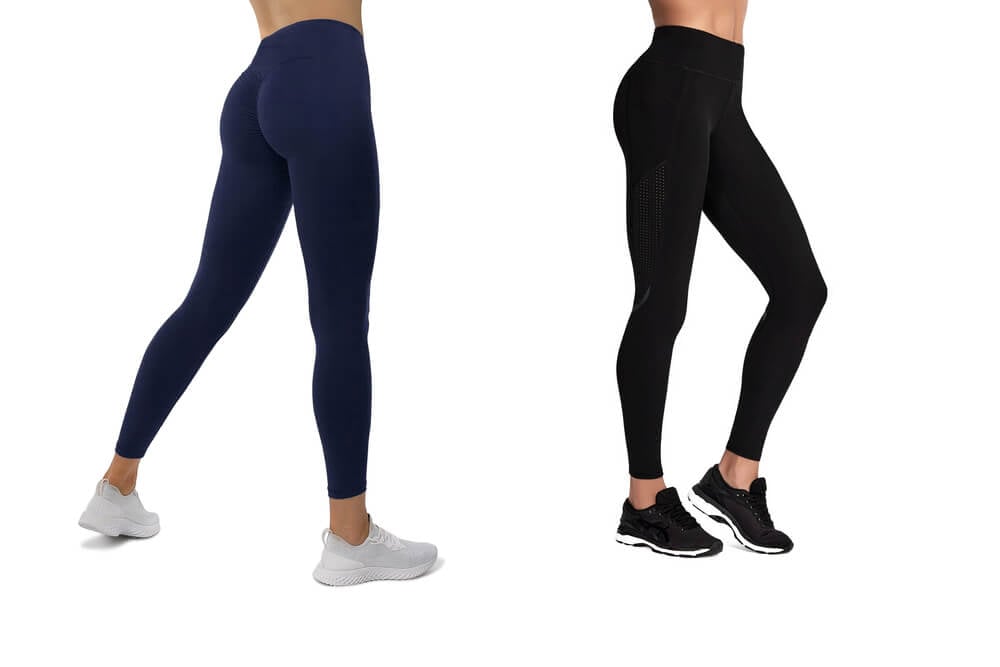
Long underwear kept legs warm, but the cuffs bunched inside socks and boots and made lumps that rubbed against shins. Pulling a sock up over the bundle took effort and often left a ridge.
By afternoon, the legs had wiggled up and the ridge sat at the knee. The fix was to tuck the cuffs under the socks and hope.
Damp Wool Scarves
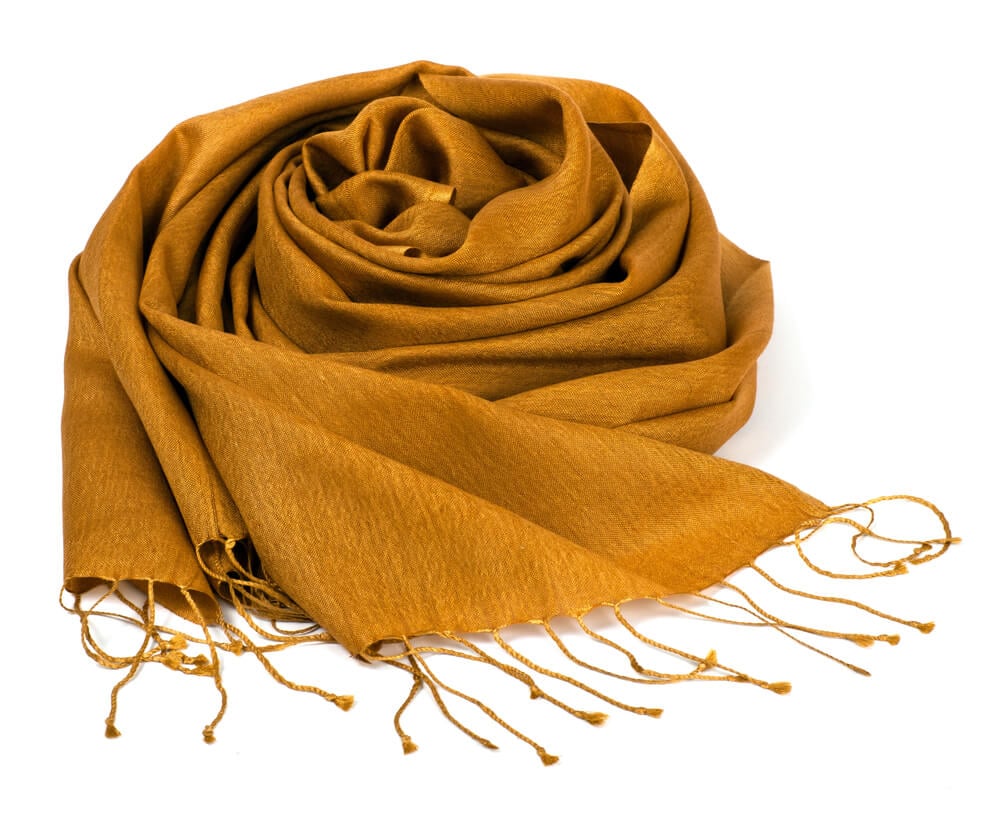
Wrapping a wool scarf across the mouth kept out wind, but breath turned the fabric damp and then cold. The wool scratched the chin and the smell was like a wet dog.
Some scarves were so long they dragged in the snow. Kids learned to pull the scarf down to breathe and then pull it back up as soon as the wind returned.
Hats With Chin Straps

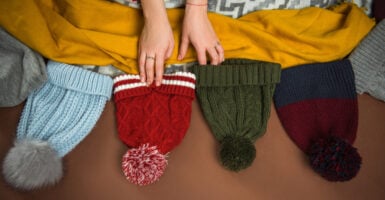
A knit hat with ear flaps and a chin strap kept ears warm, but the strap pinched under the jaw and itched. Pom-poms flopped into eyes, and the yarn collected snow that melted into a wet fringe.
Kids tugged the hat off the moment they got indoors. The flat spot hair left behind was a lasting souvenir.
Pinching Earmuffs
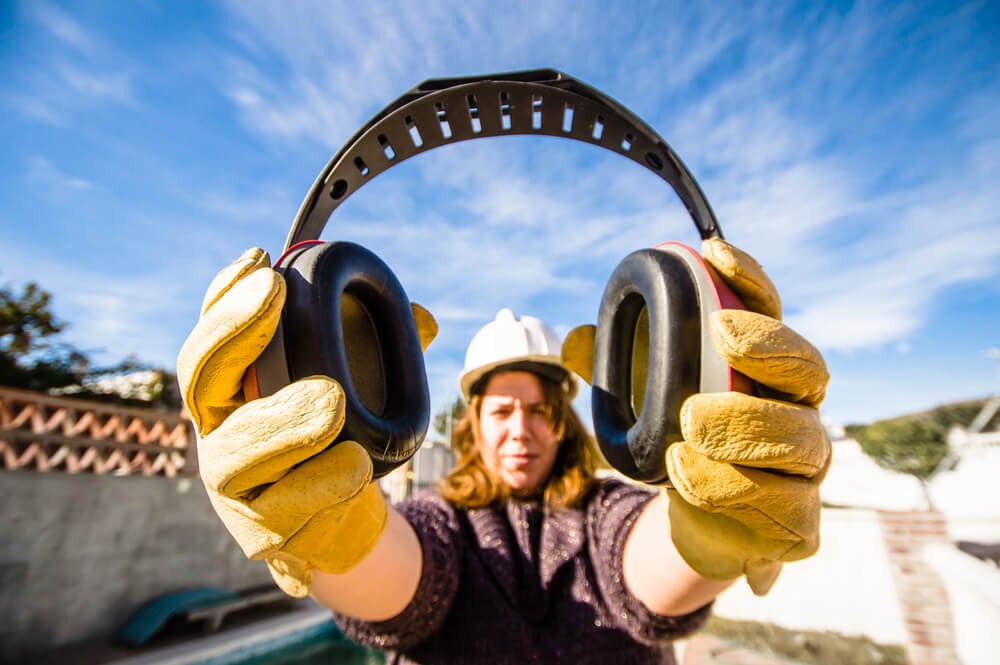
Earmuffs on a metal or plastic band squeezed the head and pinched hair. They kept ears warm but made hearing teachers and playmates difficult, so kids shouted.
The band slid forward or backward and left a groove in hair. Wearing them over a hat made the entire contraption wobble.
Hood Drawstrings
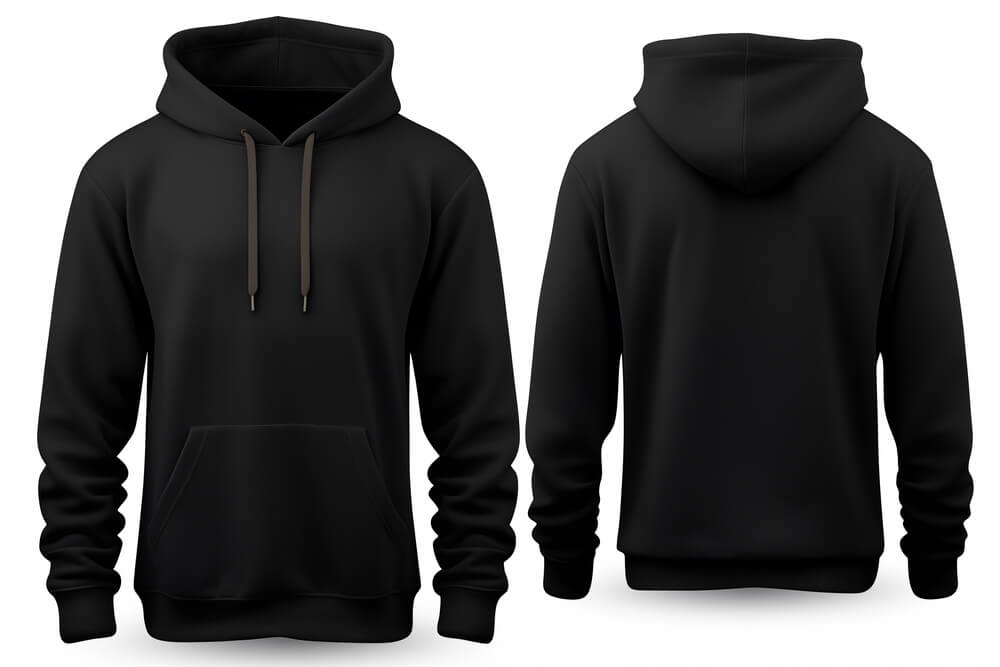
Hoods came with drawstrings that cinched tight around the face, which kept out wind but also blocked peripheral vision. The cords tangled in zippers, and wet knots were nearly impossible to undo.
Safety regulators later discouraged drawstrings at the neck of children’s outerwear, and manufacturers shifted to toggles and elastic. Many kids were glad to see the old cords go.
Tights Under Pants
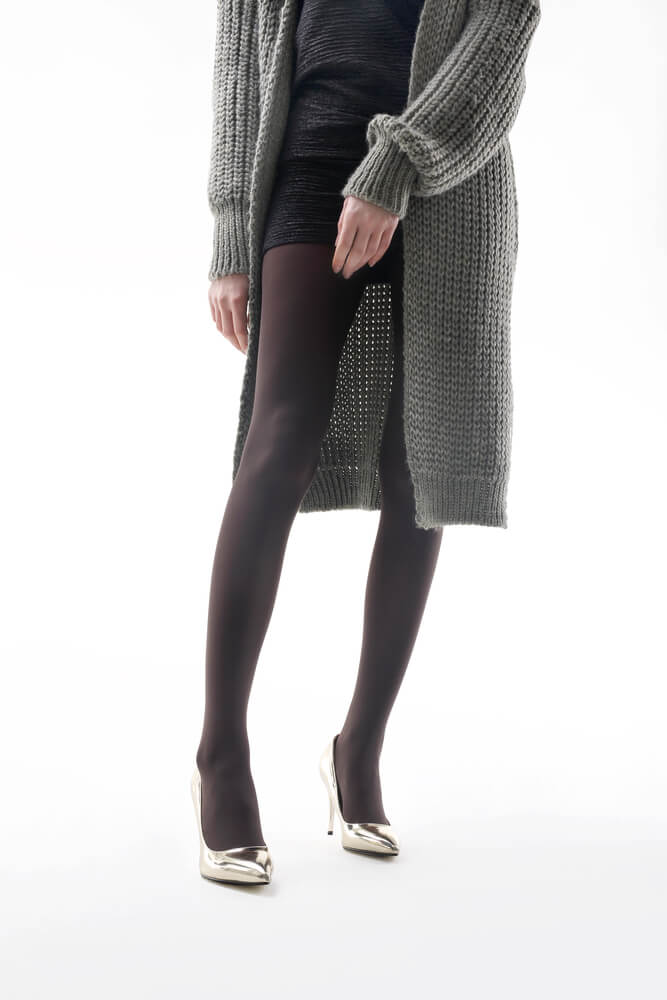
Wearing tights under pants kept legs warm, but the fabric bunched at the knees and slid down at the waist. Kids tugged and hiked all day.
Tights under corduroys stuck together and made walking feel like wading. By lunchtime, a sagging crotch had arrived.
Mitten Radiator Drying
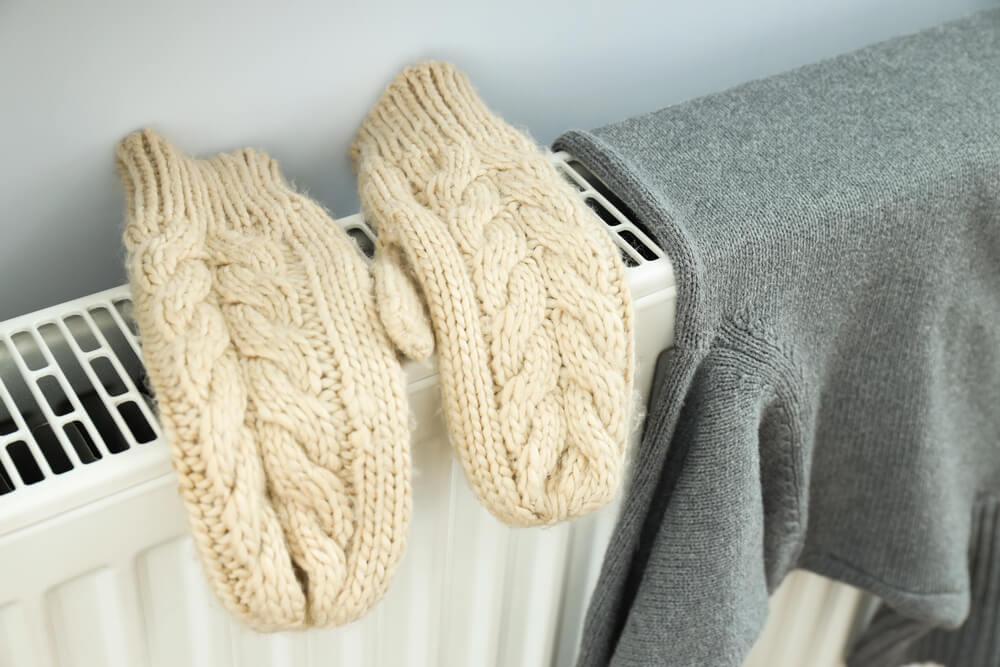
Wet mittens were placed on the radiator to dry, where they stiffened into crusty shapes and smelled of scorched wool. A forgotten mitten could shrink or scorch.
Kids pulled on a hard, hot glove the next morning. Sometimes the heat made it feel like a minor miracle, but more often it was a small insult.
Hand-Me-Down Parkas
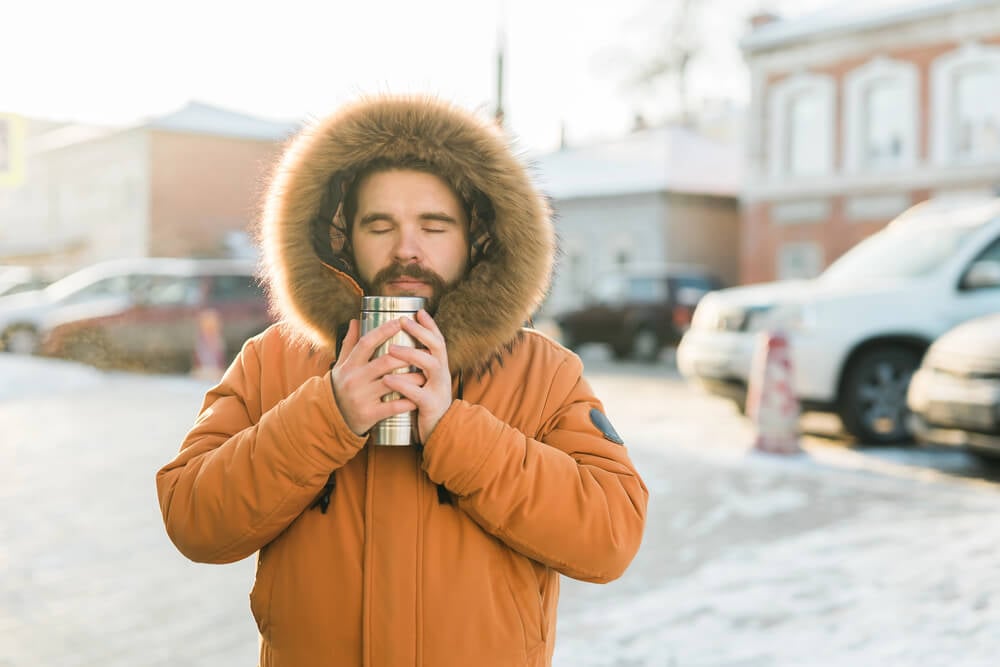
A hand-me-down parka often arrived with an older sibling’s name inked on the tag, a stretched zipper, and sleeves too long or too short. Wearing it meant answering to the wrong name when someone read the label aloud.
The color and style might be a year or two behind the fashion. The coat was warm enough, but pride took a bit of a chill.
What the Cold Taught
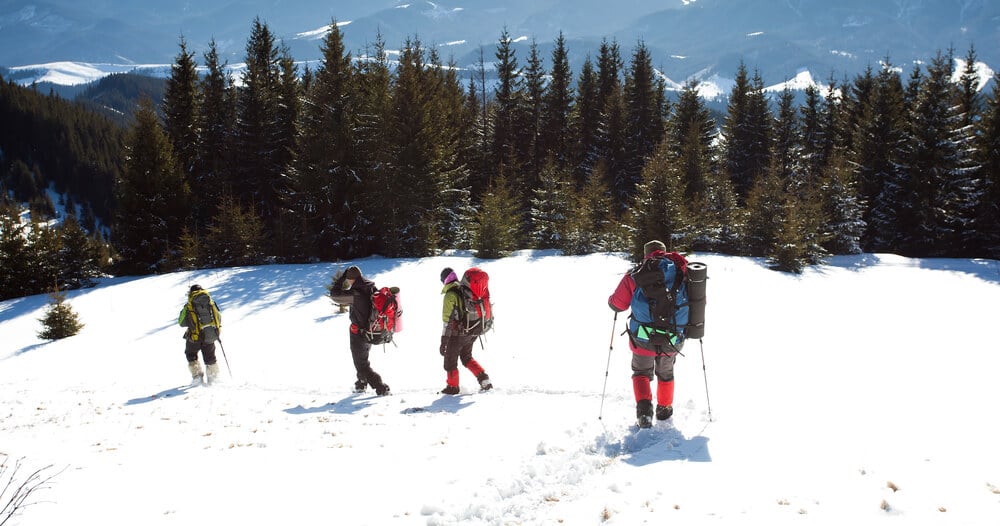
Cold weather clothing was functional first, and comfort was an afterthought. Kids endured the itch, the bulk, and the damp because staying warm mattered more than feeling elegant.
The annoyance became part of the ritual of winter, as familiar as the first snow day.
Looking back, adults can see the care behind the cumbersome layers. Parents were trying to keep small bodies safe in weather that did not forgive mistakes.
The memories stay funny because the cold never won, even on the days it tried.
More from Go2Tutors!

- 27 Silver Dollars and Half Dollars Worth Keeping
- 28 Restaurant Menu Items Nobody Orders Anymore
- 17 Places Built in Seemingly Impossible Spots
- 27 Vintage Rings Worth More Than They Look
- 25 Restricted Sites Tourists Can’t Enter
Like Go2Tutors’s content? Follow us on MSN.