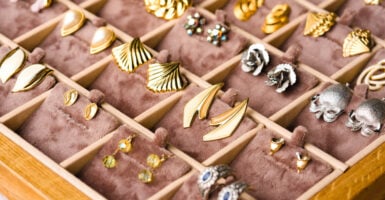
27 Vintage Clip-On Earrings With Identifiable Designer Marks
Flip a vintage clip-on earring over and the back can tell a surprising story. Tiny stamped letters, a crown, or a script signature can identify the maker and narrow down the decade in which the piece was made.
For collectors, a readable mark is often the difference between a nice find and a documented one. The marks below come from well-known American costume jewelry houses, and many changed over time in ways that help date a piece.
Prices depend heavily on condition, including plating wear, replaced clips, and foil-backed stones that have clouded. Here are twenty-seven marks worth learning to recognize.
Trifari KTF
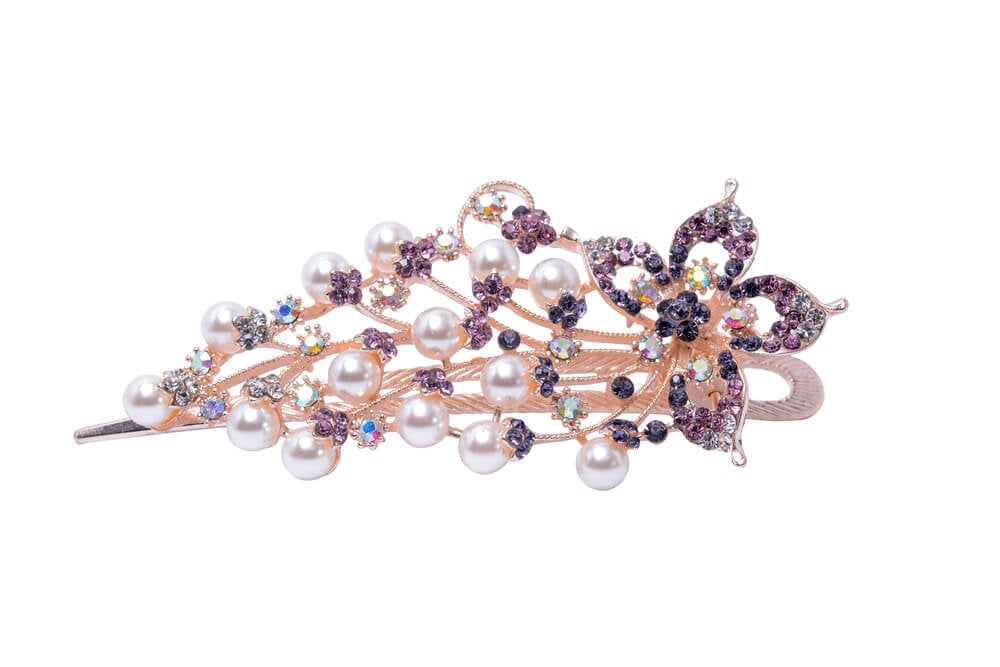
In the mid-1920s, Trifari pieces carried a KTF mark featuring an oversized central T, which stood for the founders Trifari, Krussman, and Fishel. The mark was used until around 1930.
Earrings bearing it are early and uncommon, and condition is critical because the plating on very old pieces is often worn.
Trifari Pat. Pend.
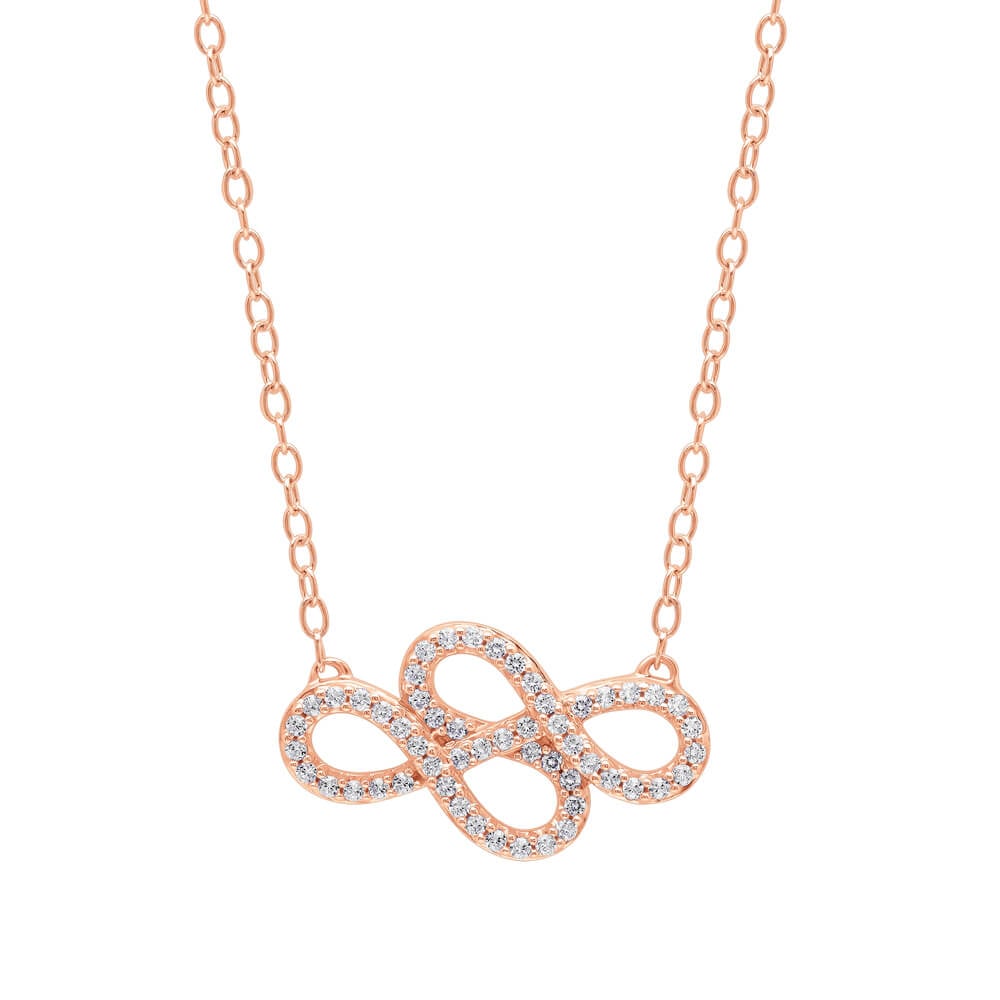
By the early 1930s, the most common Trifari signature read TRIFARI PAT. PEND., indicating that a design patent was pending. The mark appears on earrings from the decade when the company was building its reputation.
A clean stamp and intact clips add to the value.
Crown Trifari
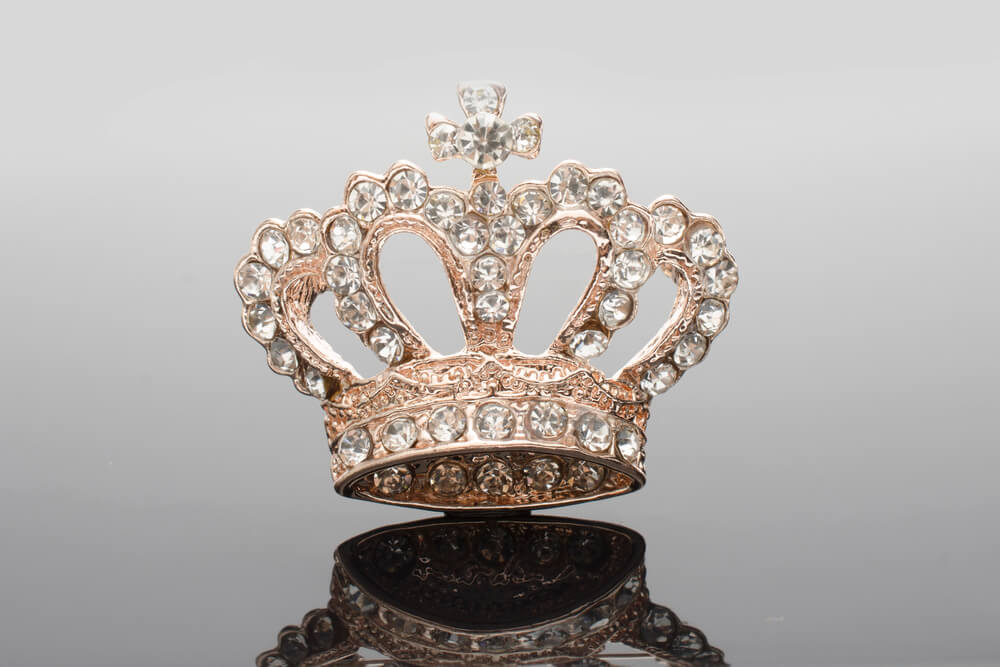
The famous crown above the letter T arrived in the late 1930s and was used from 1937 through 1955. Collectors treat the crown as a hallmark of the company’s golden age.
Earrings with this mark and unclouded stones sell best.
Crown Trifari With Copyright Symbol
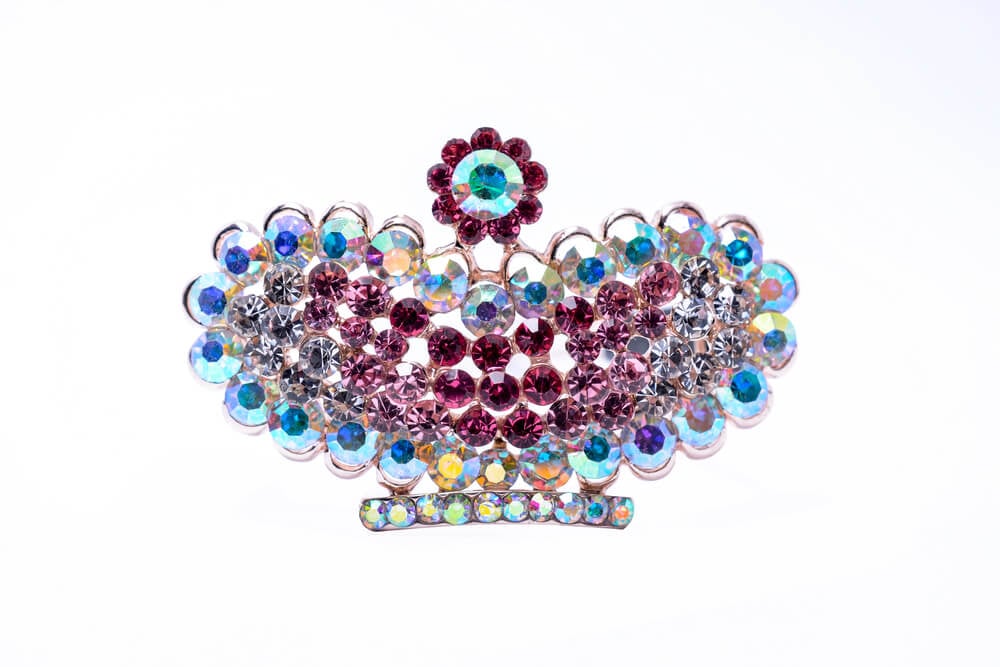
Around 1955, Trifari added a copyright symbol to the crown mark, and this version appears on pieces made from 1955 to 1969. The copyright symbol helps separate a later piece from an earlier one.
Many of Trifari’s popular fruit and vegetable designs carry this mark.
Trifari TM
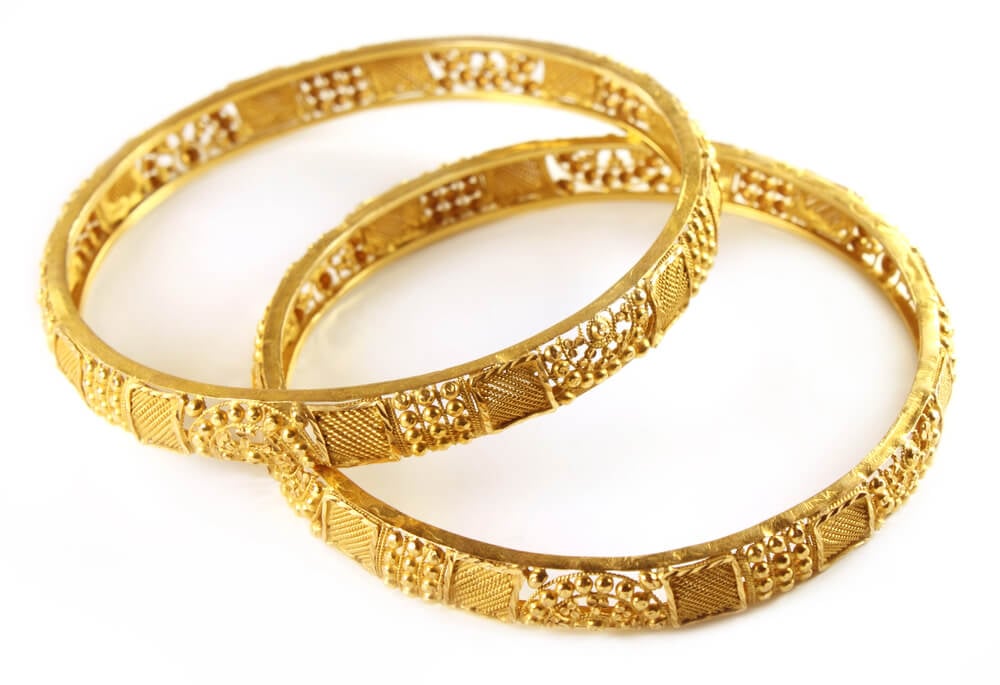
In the late 1980s, Trifari began stamping its jewelry with a TM, and that mark was common until 2000. Pieces from this era were mass produced and are less sought after than earlier ones.
They remain useful for collectors who want to identify later production.
Monet
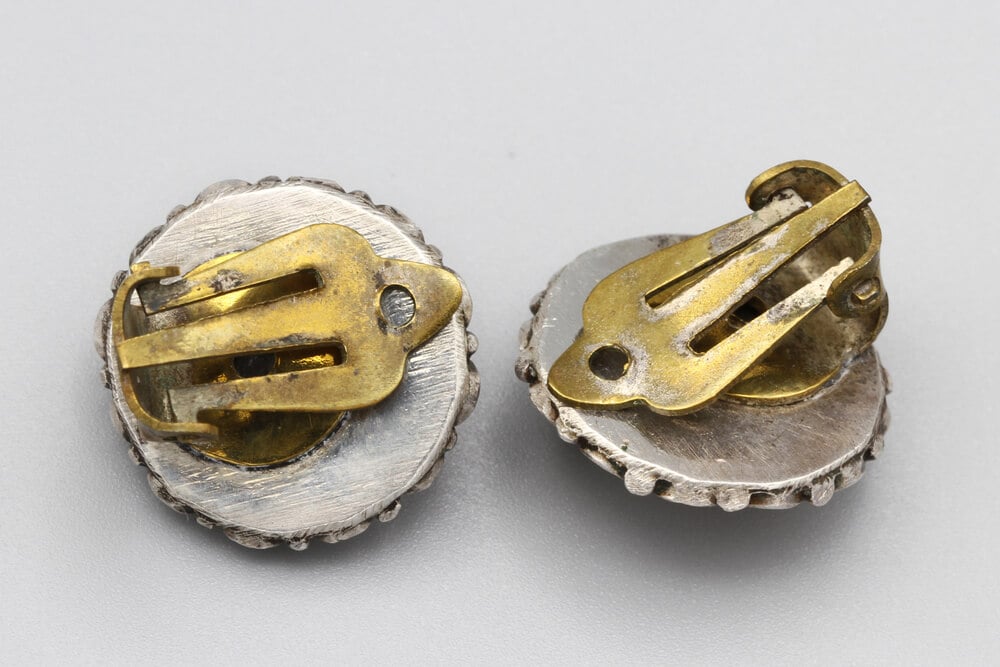
Monet signed its costume jewelry in block capitals, and after 1955 the mark appeared with a copyright symbol. The company’s gold-tone earrings were known for polished finishes and reliable clips.
Missing plating at the edges is the most common condition problem.
Napier
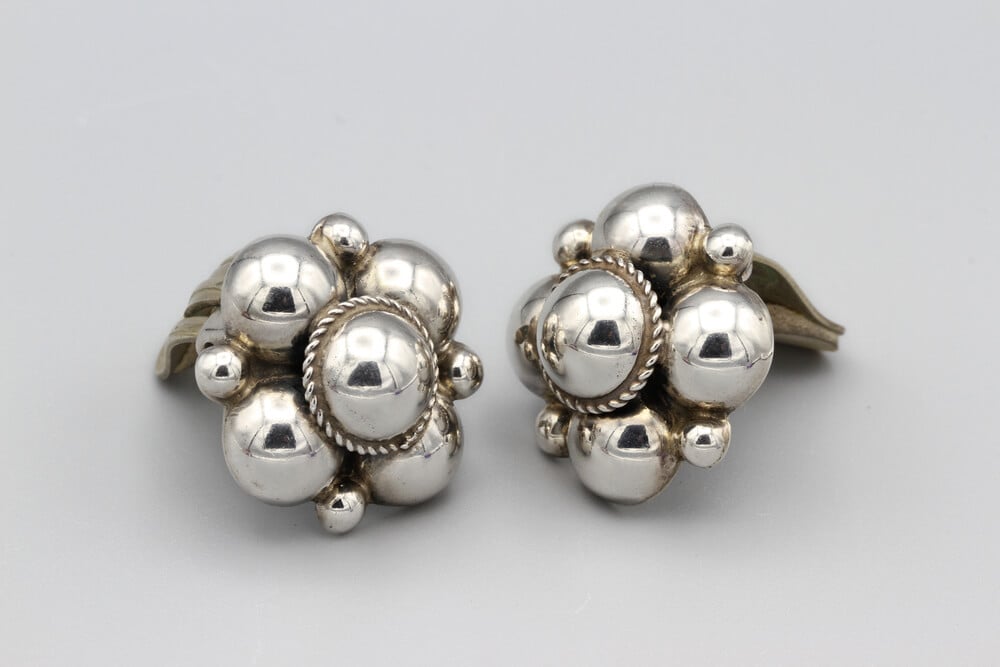
Napier traces its roots to Meriden, Connecticut, and its jewelry is stamped NAPIER, with a copyright symbol added after 1955. The company’s earrings often combined gold and silver tones in bold geometric designs.
A solid clip and unpitted metal improve the price.
Coro
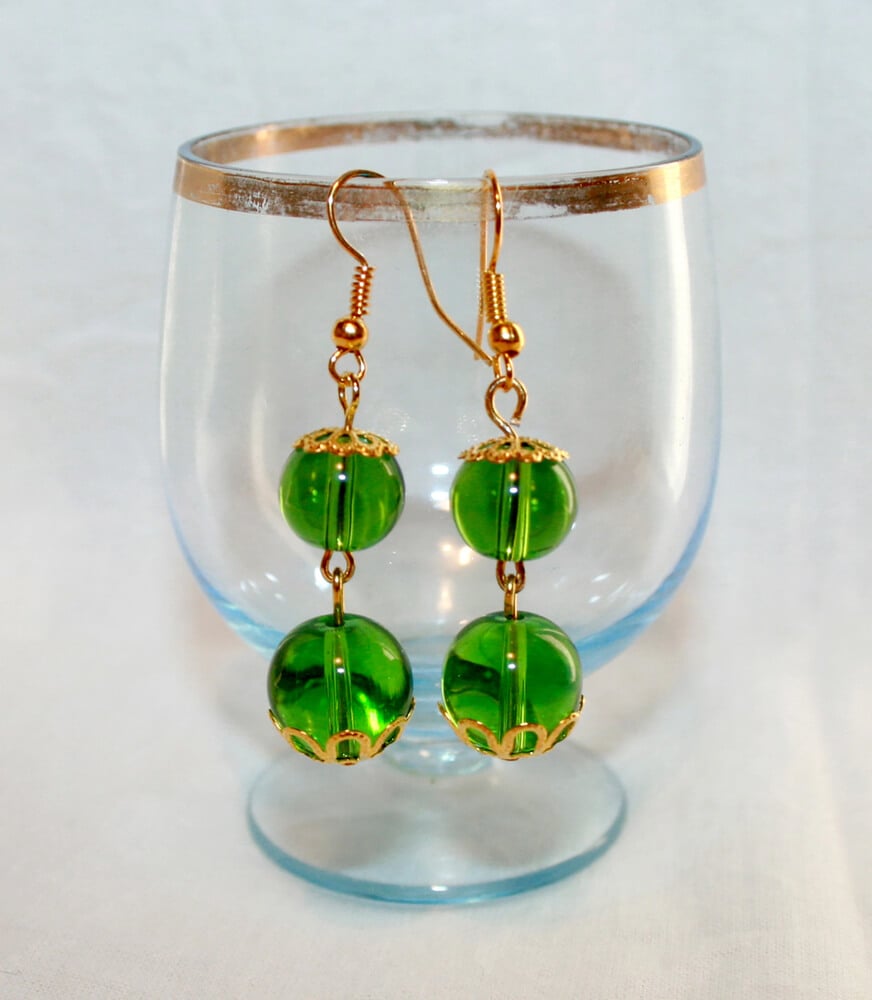
The Coro name has been used on jewelry since 1919, and the company grew into one of the largest costume jewelry makers in the country. Plain Coro earrings are common, so collectors look for unusual designs and strong condition.
Coro ceased production in the United States in 1979.
Corocraft
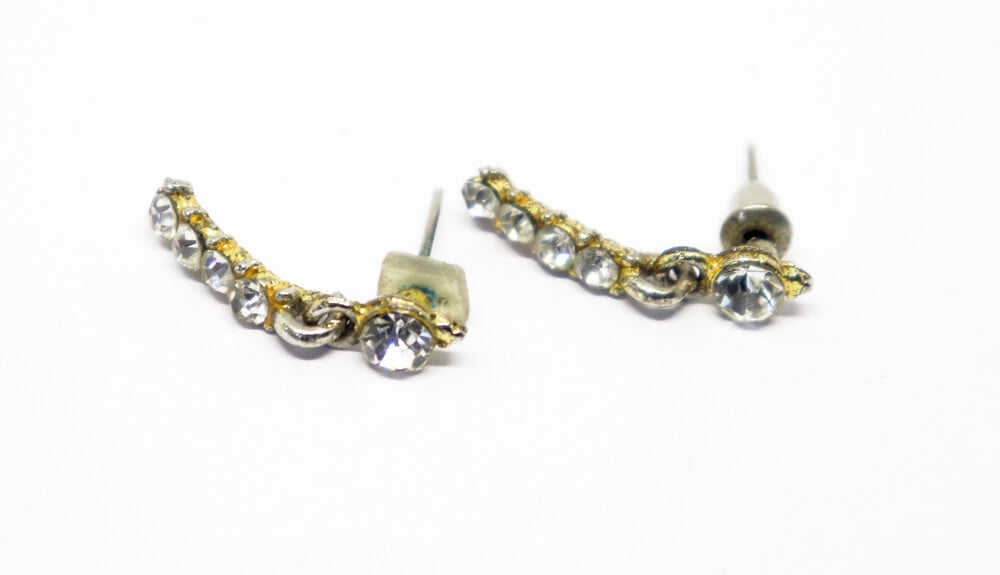
The Coro Craft mark came into use in 1937 for higher-end pieces, and the Corocraft spelling was used after World War II. Earrings with this mark tend to be more detailed than basic Coro.
Collectors check for missing stones and loose settings.
Vendome
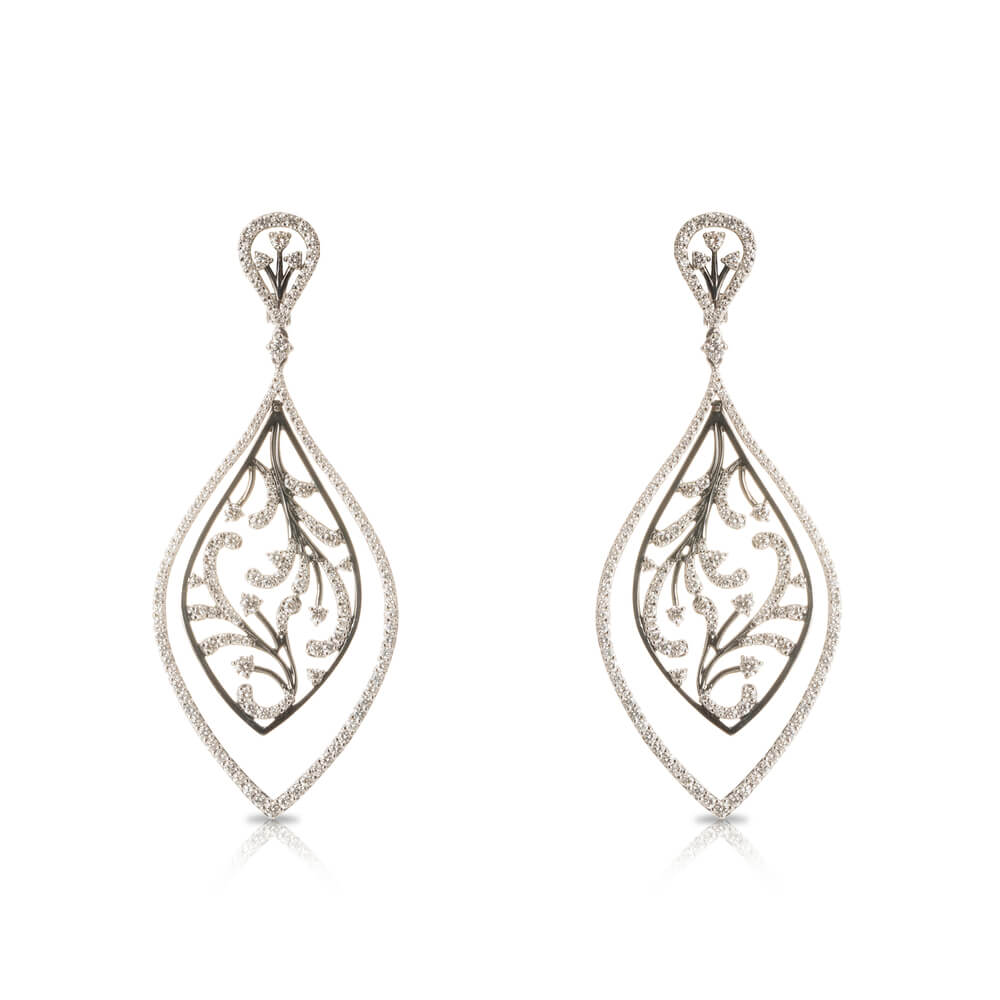
Vendome was the highest line of Coro’s costume jewelry, introduced in 1944. Its earrings often featured finer finishing and more complex designs.
Because Vendome is a Coro mark, new collectors sometimes overlook it.
Pegasus
Coro used a Pegasus mark after World War II, depicting the winged horse alongside the company name. Earrings with the Pegasus signature are distinctive and easy to spot.
Clean enamel and intact finish are crucial to the price.
Weiss
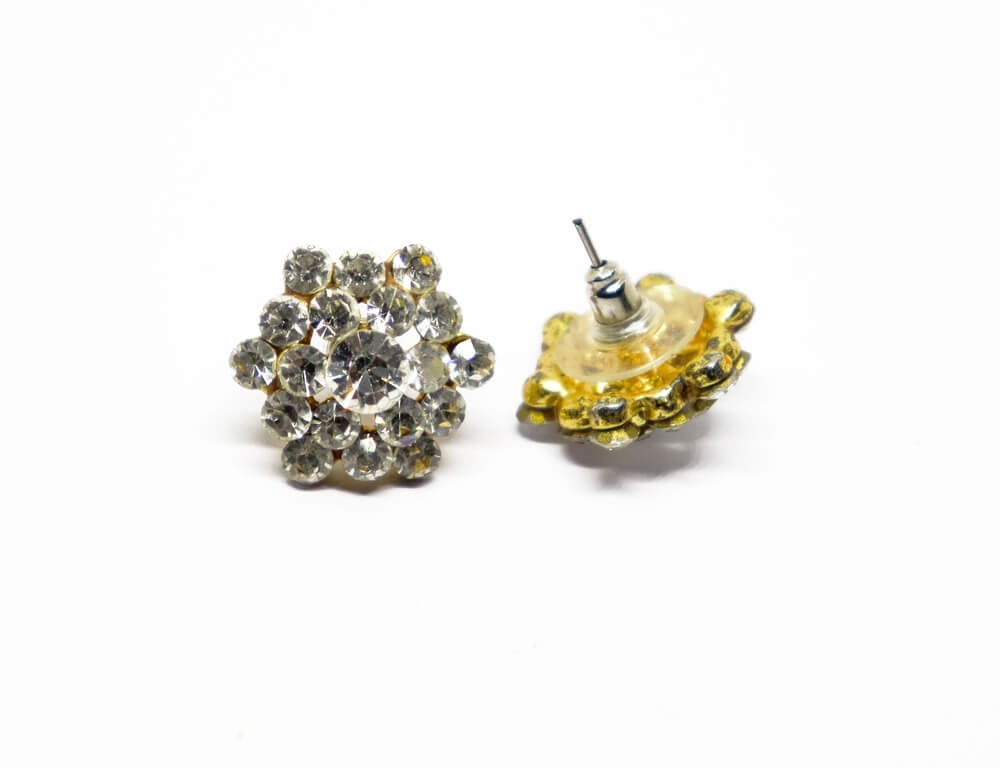
Albert Weiss founded his own costume jewelry company in 1942 after working as a designer for Coro in the 1930s. His firm sold jewelry until 1971, and it was known for floral and figural designs.
Weiss earrings with an oval mark from the 1950s are popular, and condition issues include clouded or missing rhinestones.
Eisenberg Original
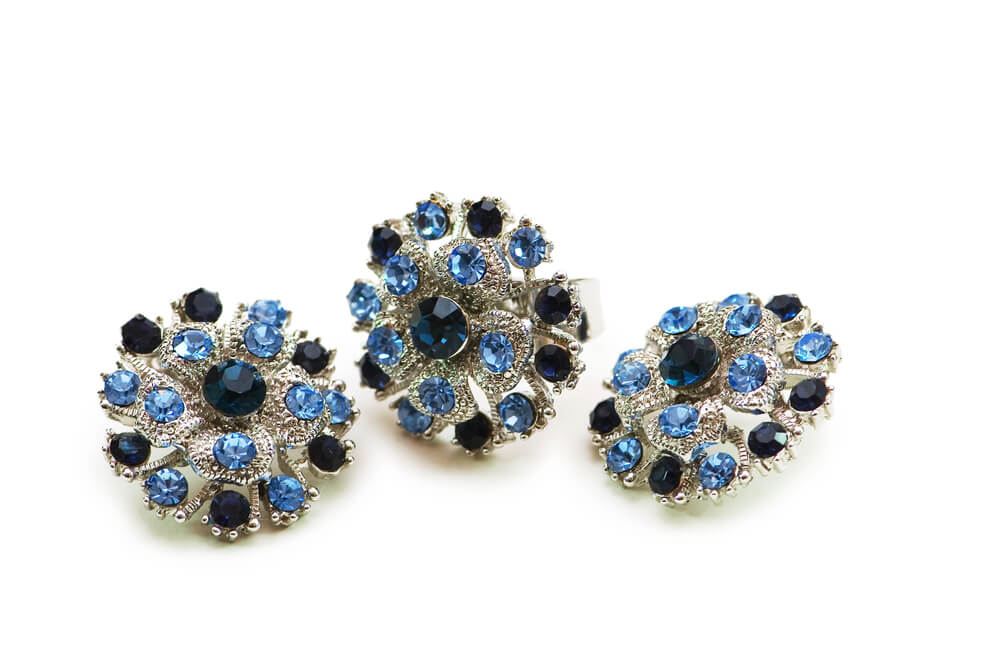
Eisenberg pieces marked ORIGINAL date from about 1935 to 1945, and the dress clips and earrings of that period are especially desirable. The word Original was first applied to the firm’s clothing line and later to jewelry.
Large rhinestones in clean settings drive the price.
Eisenberg Script E
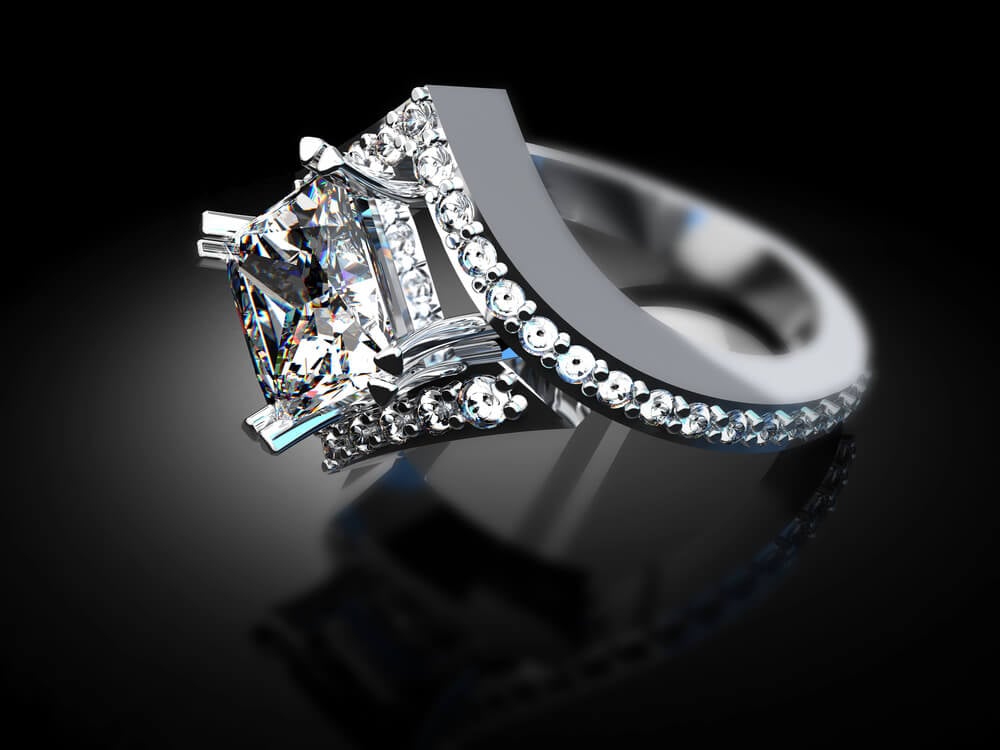
A script E mark was used from about 1942 to 1945, during the war years. Some Eisenberg pieces are unsigned, which makes the mark valuable evidence.
Not every E mark belongs to Eisenberg, so collectors compare the lettering carefully.
Eisenberg Ice
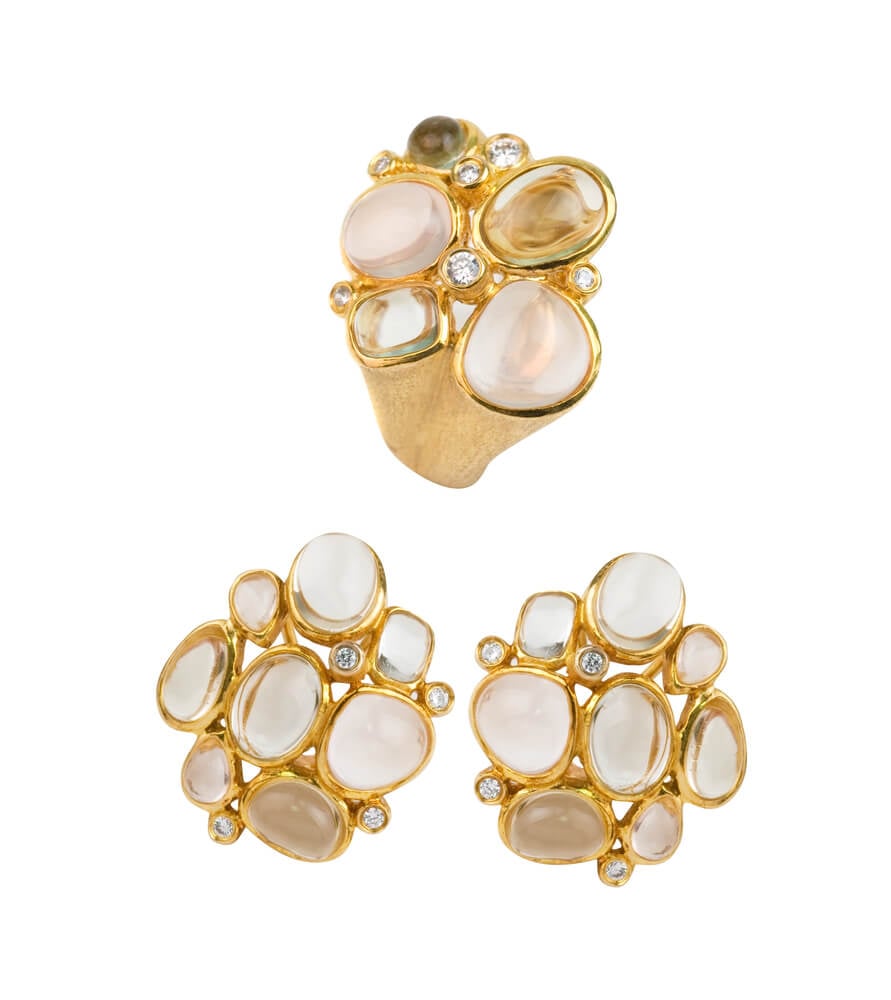
The Eisenberg Ice mark, with a copyright symbol, has been used from 1970 onward. Earrings with this mark tend to be cheaper than the 1940s versions.
They are a good entry point for new collectors who want the Eisenberg look.
Miriam Haskell Horseshoe
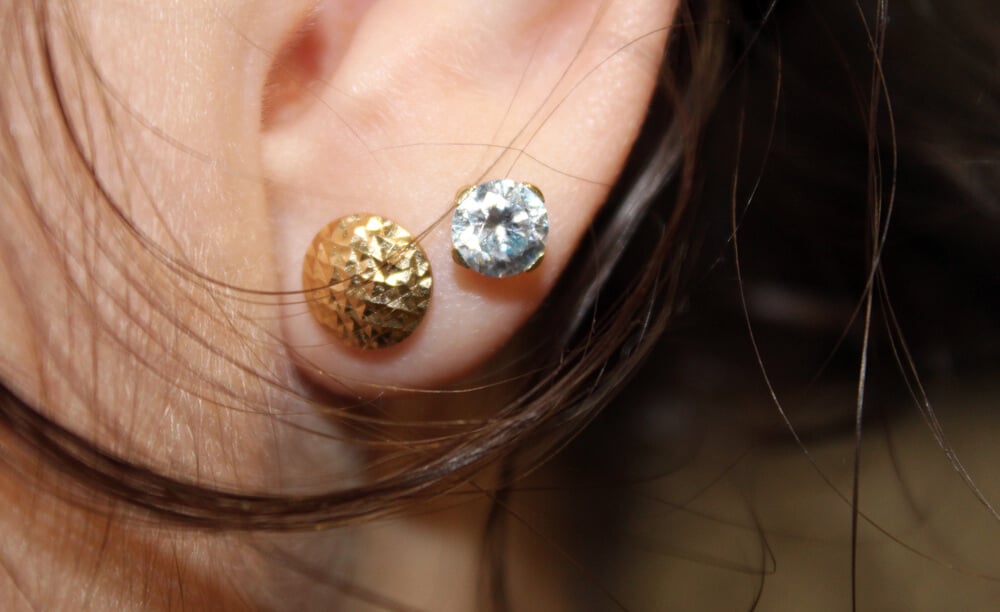
The horseshoe plaque is the earliest Miriam Haskell signature and was used mainly between 1948 and 1950. The company marked its jewelry only after about 1940.
Earrings with a horseshoe plaque and intact beadwork are especially desirable.
Miriam Haskell Oval Plaque
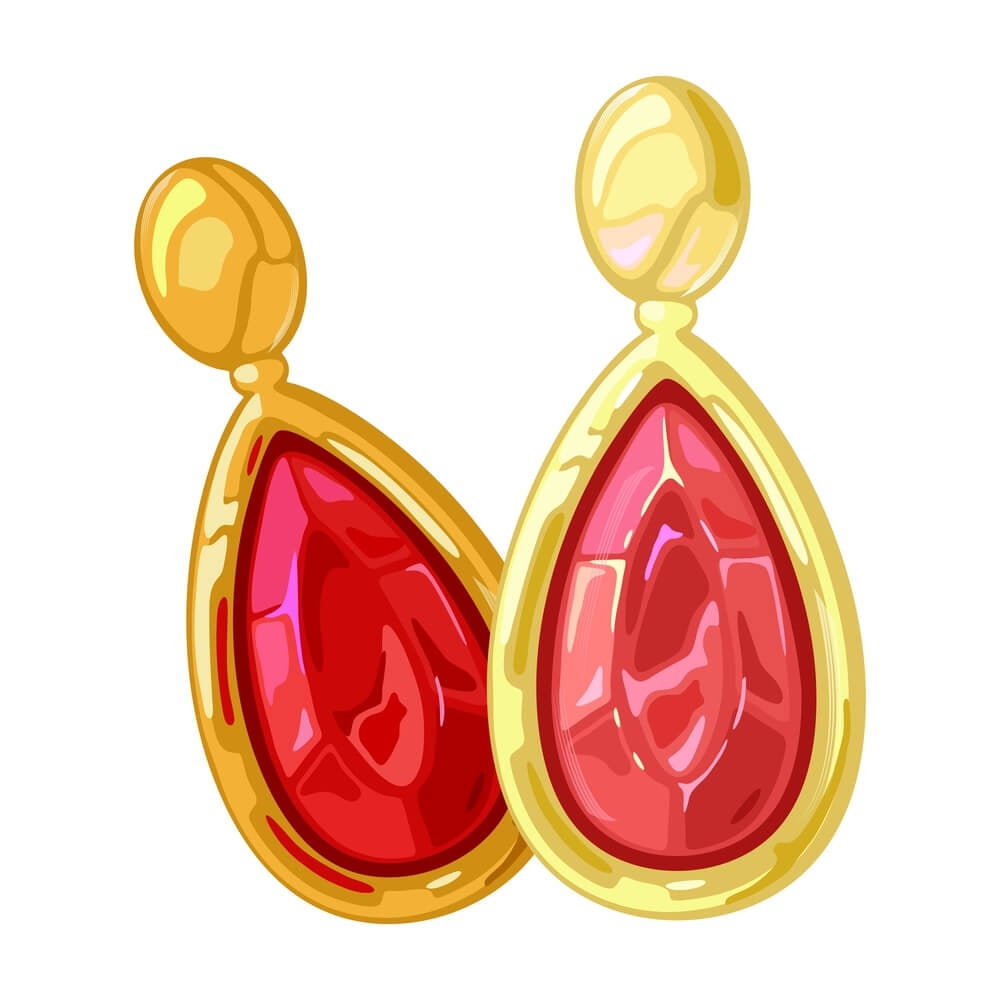
The oval plaque, soldered to the filigree backing, is a later Haskell signature and still appears on the company’s pieces today. Because of numerous fakes, the company issues certificates of authenticity with its higher-end lines.
Hand-wired beads that remain tight and unbroken keep the price steady.
Hattie Carnegie
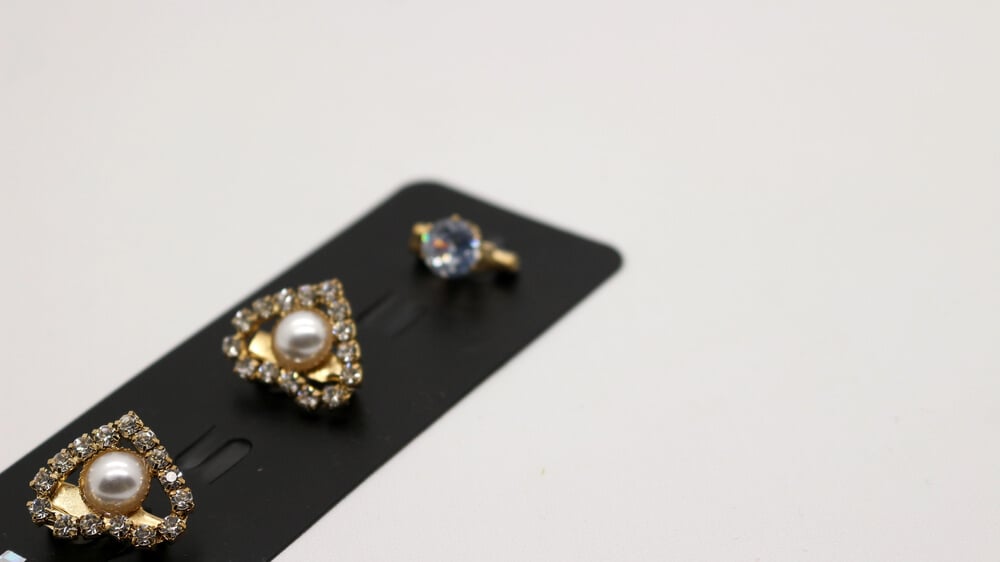
Hattie Carnegie used an HC mark from around 1939 to the late 1940s. Her jewelry reflected the same fashionable taste as her clothing line.
Clip earrings with the HC stamp and no wear to the finish are prized.
Original by Robert
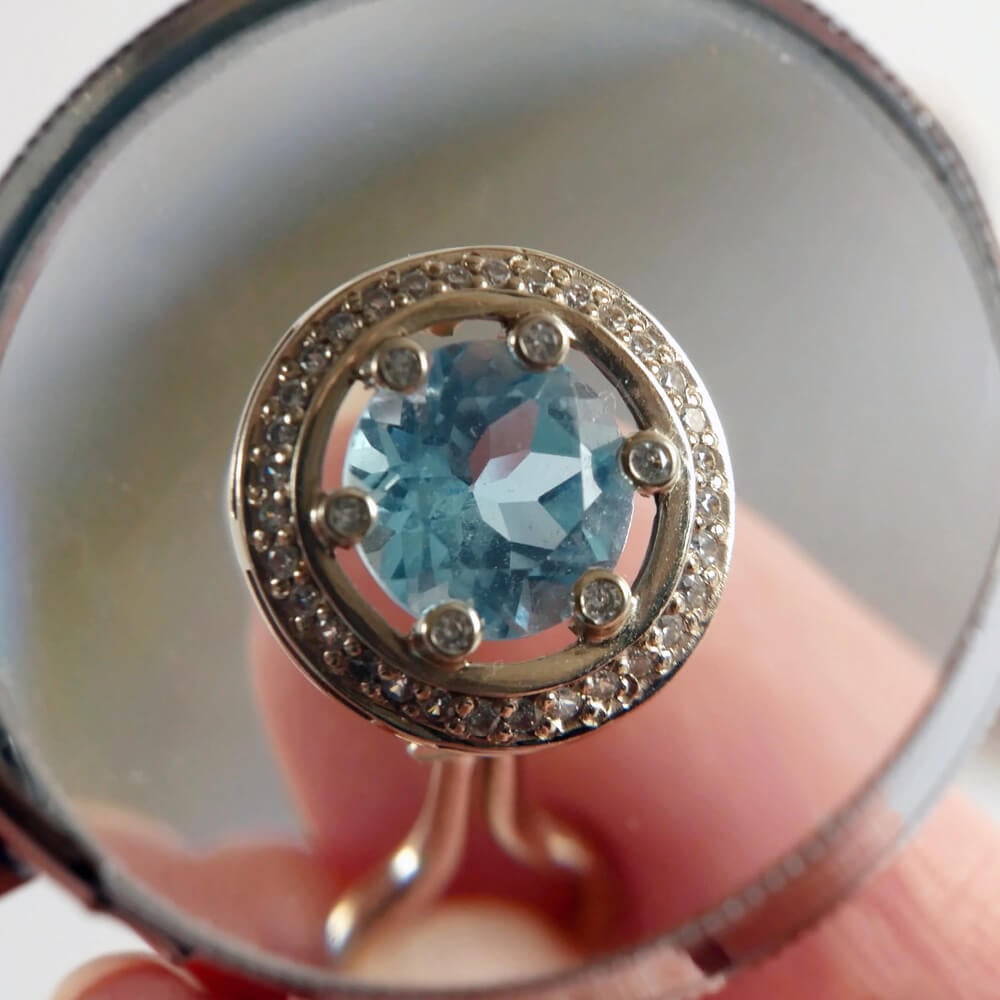
The Original by Robert mark was used by Fashioncraft Jewelry from 1942 to 1979, with a copyright symbol added after 1955. The company produced a wide variety of designs, from flowers to fruit.
Earrings with the stamp and original stones are good collector pieces.
Kramer of New York
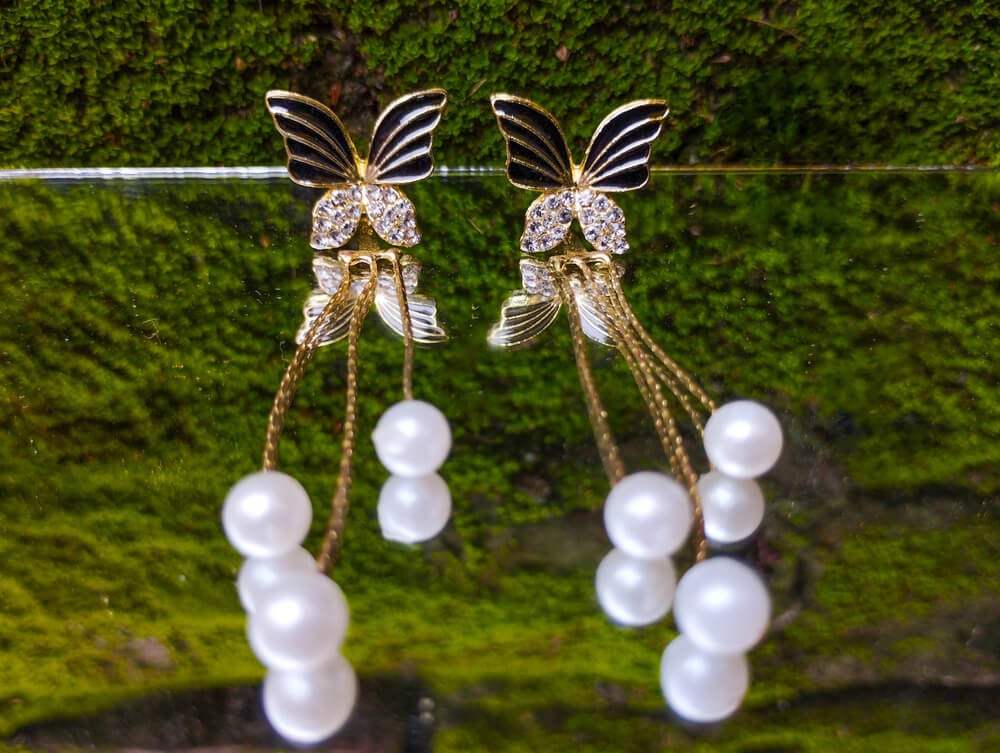
Kramer was founded in New York in 1943 by Louis Kramer, and its jewelry favored large faux stones and extravagant designs. Earrings marked Kramer of New York are popular with collectors of showy mid-century styles.
Chips or missing stones lower the price.
Ciner
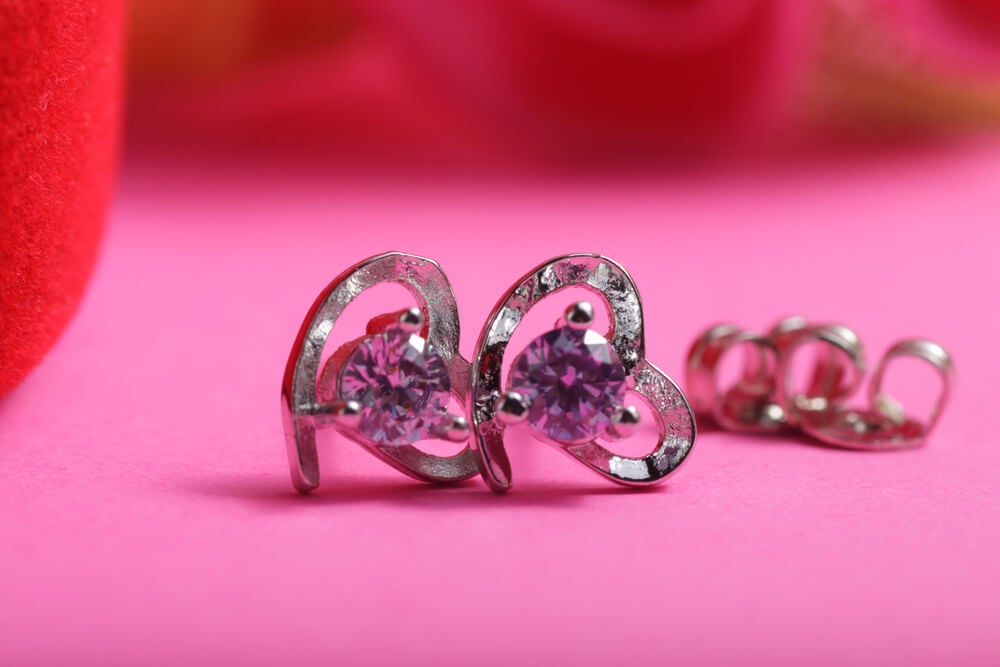
Ciner was founded by Emanuel Ciner in New York in 1892 and began as a fine jewelry maker. By 1930 it had moved to costume jewelry that looked like the real thing.
Earrings marked Ciner often show careful settings, and bent prongs are the main condition concern.
Emmons
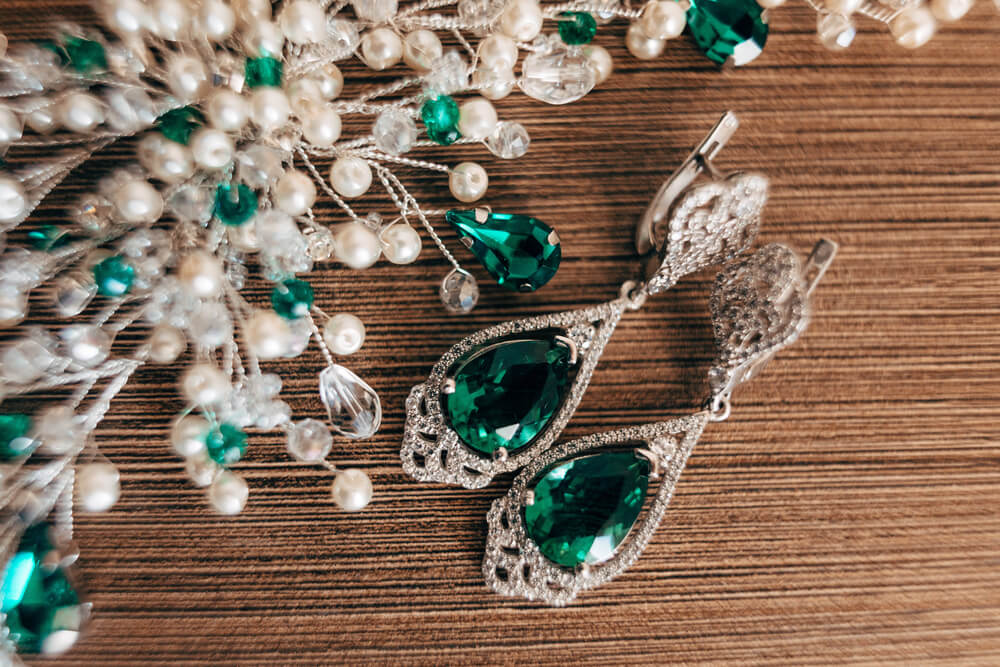
Emmons was founded in 1949 as a sister company to Sarah Coventry, and its jewelry was sold at home parties. The mark first appeared in March 1949 and carried a copyright symbol after 1955.
Clip earrings with intact finish and tight hinges are good finds.
Sarah Coventry
Sarah Coventry sold jewelry exclusively through home parties from 1949 to 1984. Its marks included Coventry and Sarah Coventry from 1949, SC from 1950, Sarah from 1951, and Sarah Cov from 1953.
Because the earrings were mass produced, condition and complete sets matter most to prices.
Hobé
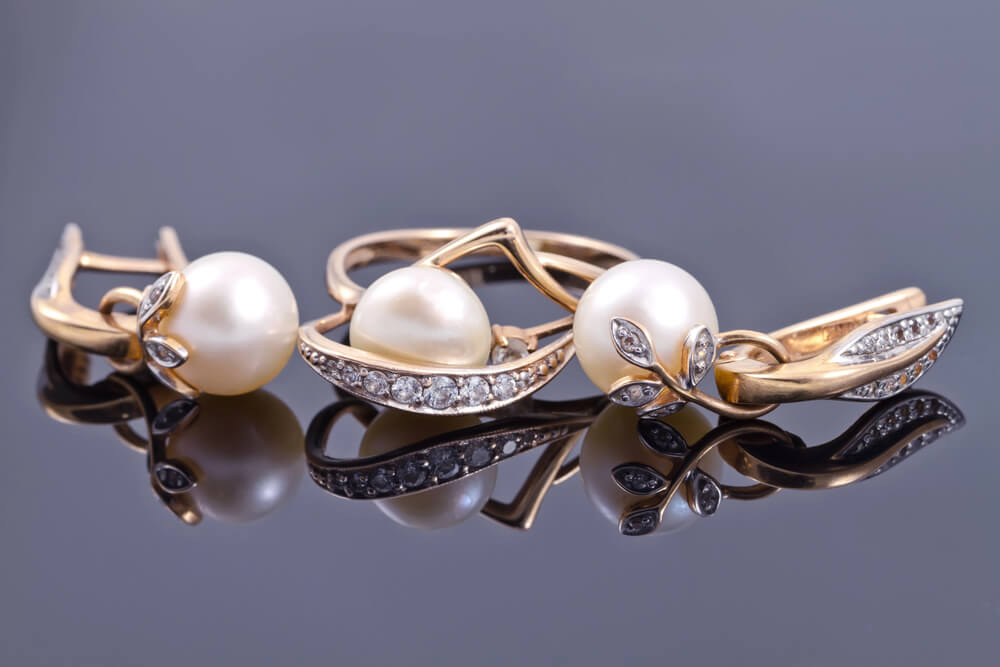
Hobé et Cie was founded by Jacques Hobé in France in 1887, and the family firm supplied jewelry to the Ziegfeld Follies. Most Hobé pieces are marked, even though the company used outside makers.
Earrings with the Hobé stamp and clear glass stones are strong examples.
Joseff-Hollywood
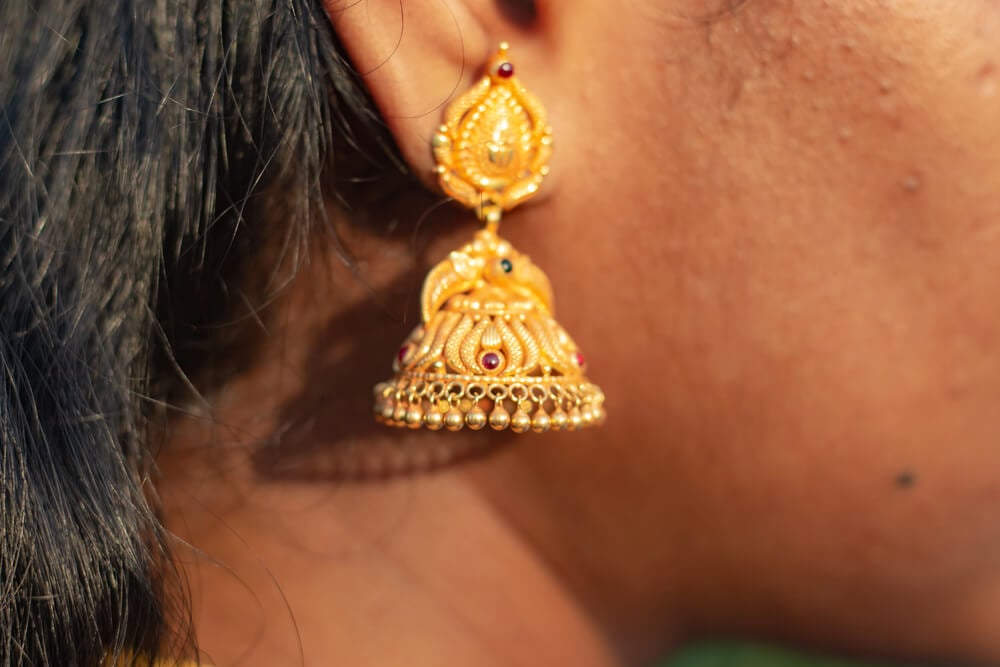
Eugene Joseff began selling a retail line of jewelry in the late 1930s, marked JOSEFF HOLLYWOOD in block letters through the 1940s. The company is known for its Russian gold finish and for providing jewelry to film productions.
A script Joseff mark has been used since 1938, which makes dating difficult.
Kenneth Jay Lane Dotted Marks
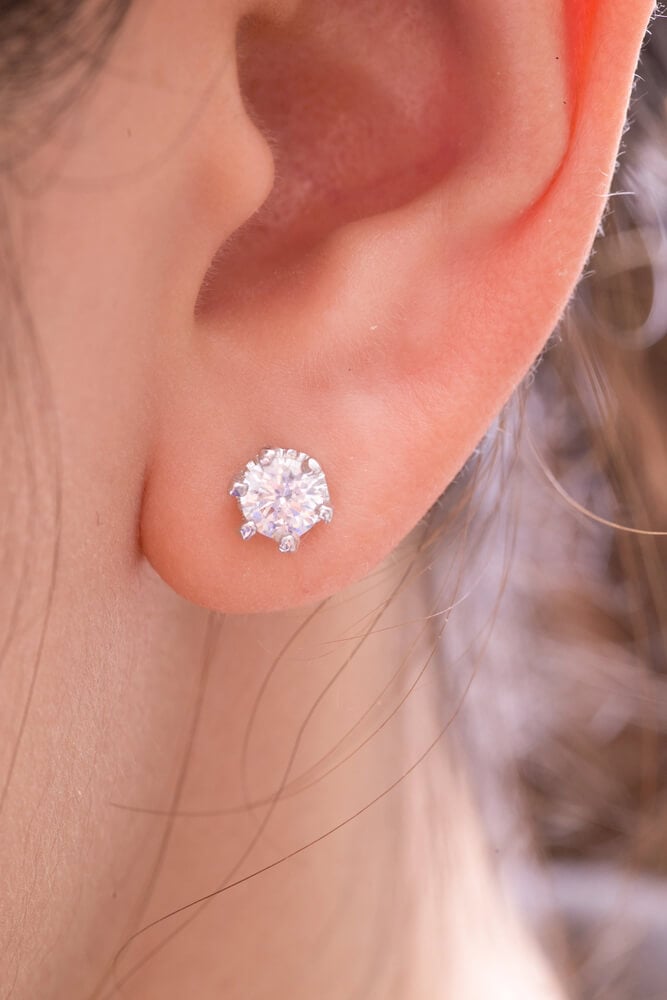
Kenneth Jay Lane began his jewelry business in 1963, and early pieces carry a K.J.L. mark with dots. The mark changed over the decades, so details such as the placement of the copyright symbol help with dating.
Large 1960s earrings in perfect condition are favorites.
Kenneth Jay Lane for QVC
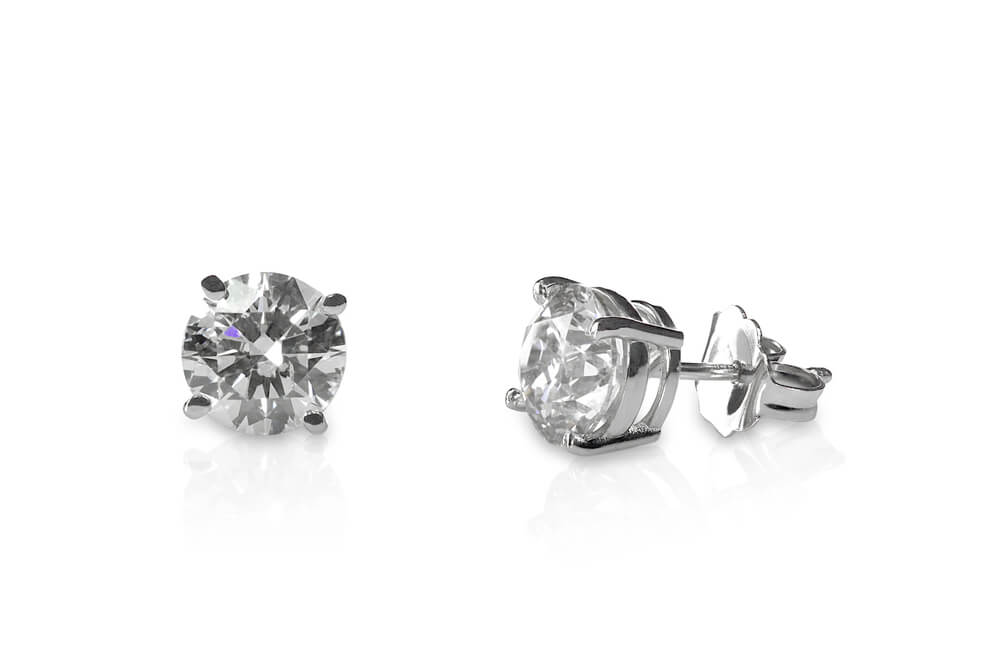
From 1991 to 2000, Lane’s pieces made for QVC carried a copyright symbol followed by KJL with no dots. These earrings were produced in large numbers.
They are an easy way for new collectors to own a famous name.
Reading the Back of the Earring
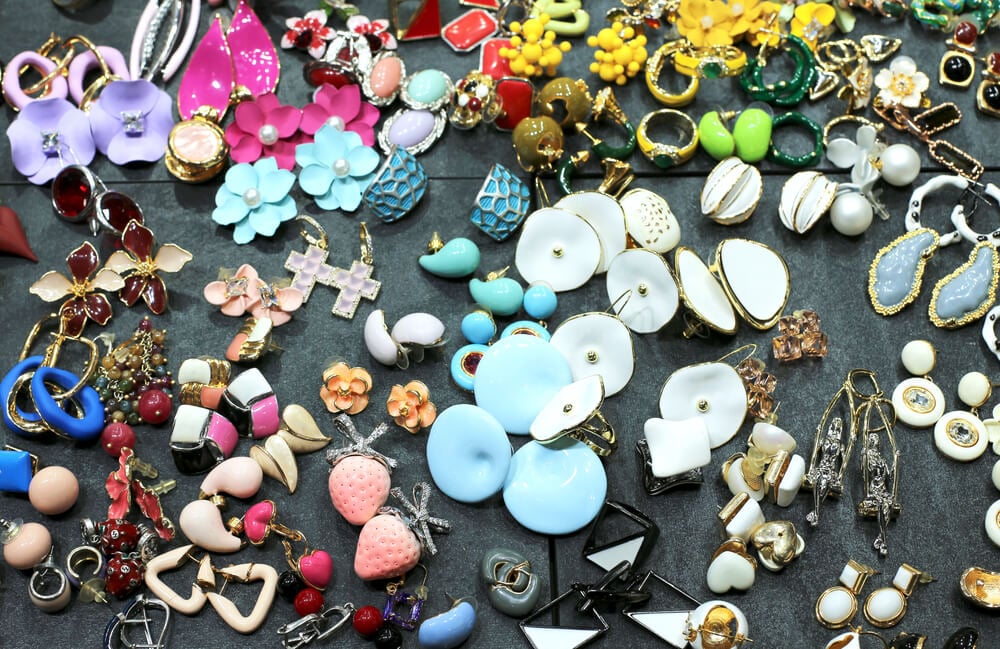
A mark on a clip-on earring serves as a short biography, giving a name and sometimes a decade. The details of lettering, copyright symbols, and plaque shapes separate one era from the next.
It rewards collectors who take the time to look closely. Marks can also be faked or misread, and an unsigned piece can still be well made.
Condition remains the final test, from the springiness of a clip to the clarity of a stone. A good loupe, a reference book, and a bit of patience go a long way.
More from Go2Tutors!

- 27 Silver Dollars and Half Dollars Worth Keeping
- 28 Restaurant Menu Items Nobody Orders Anymore
- 17 Places Built in Seemingly Impossible Spots
- 27 Vintage Rings Worth More Than They Look
- 25 Restricted Sites Tourists Can’t Enter
Like Go2Tutors’s content? Follow us on MSN.