28 Vintage Brooch Shapes Beyond Flowers and Bows
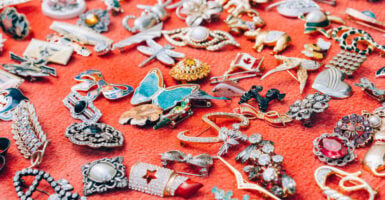
Flower brooches get most of the attention in antique cases, but a bolder crowd of pins sits beside them. Animals, symbols, and everyday objects pinned to a lapel told neighbors what the wearer valued, feared, or hoped for.
Some were charms against bad luck, and others were simply fun.
The shapes below range from Victorian keepsakes to mid-century costume jewelry. Each is a form that dealers sort into its own tray, and each has quirks that collectors learn the hard way.
Condition shapes the price of every one.
Scottie Dog
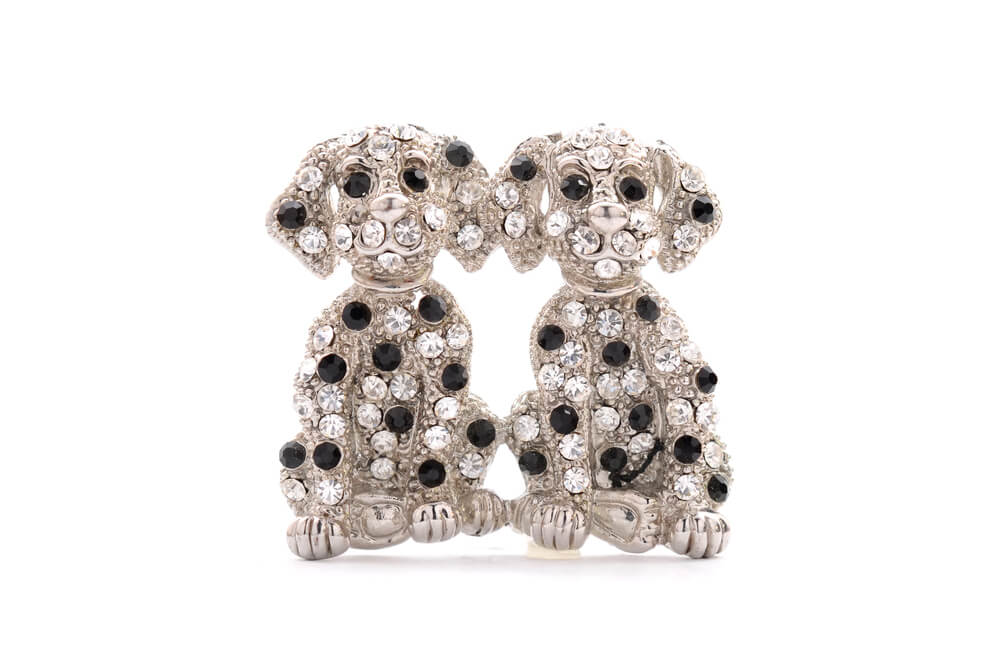
Scottish terrier brooches were a hit in the 1930s and 1940s, a trend often linked to the fame of Fala, the Scottie belonging to President Franklin Roosevelt. Makers produced them in enamel, rhinestones, and Bakelite, often with a tiny jeweled eye.
Prices depend on condition, since missing stones, chipped paint, and loose pin backs cut value fast.
Bee
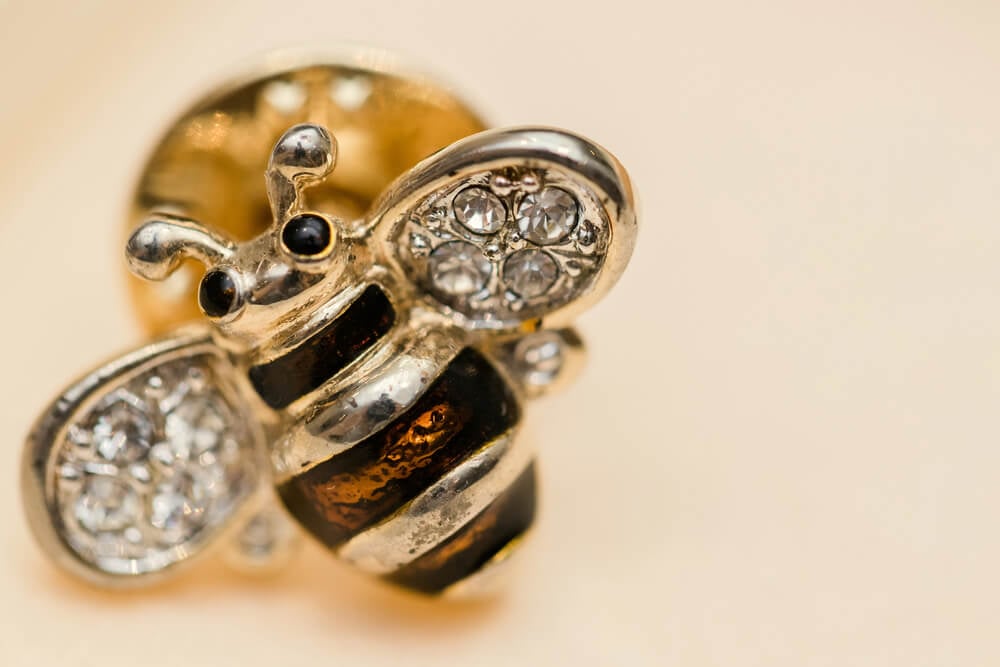
Bee brooches carry old symbolism, and Napoleon adopted the bee as an imperial emblem. Vintage versions appear in gold, enamel, and costume metal, often with translucent wings.
Value drops when the wings are cracked or the enamel has flaked, so condition matters more than size.
Dragonfly
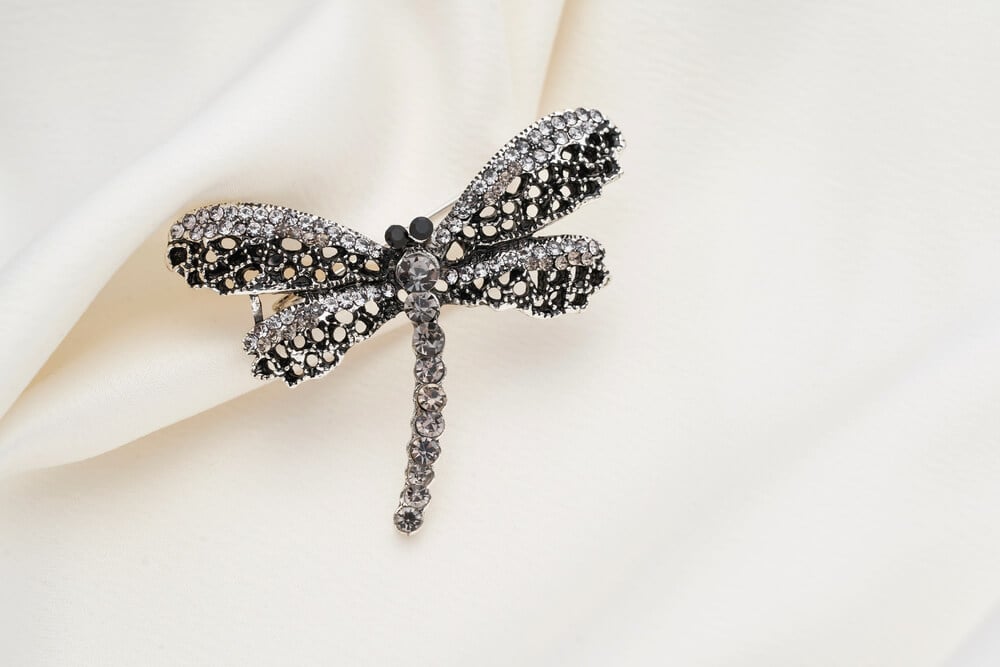
The dragonfly became a signature motif of the Art Nouveau era, and René Lalique’s famous Dragonfly Woman ornament of about 1898 helped make it fashionable. Copies and tributes in silver and enamel followed for decades.
Fragile wings and loose joints are common problems, and repaired examples sell for less.
Butterfly
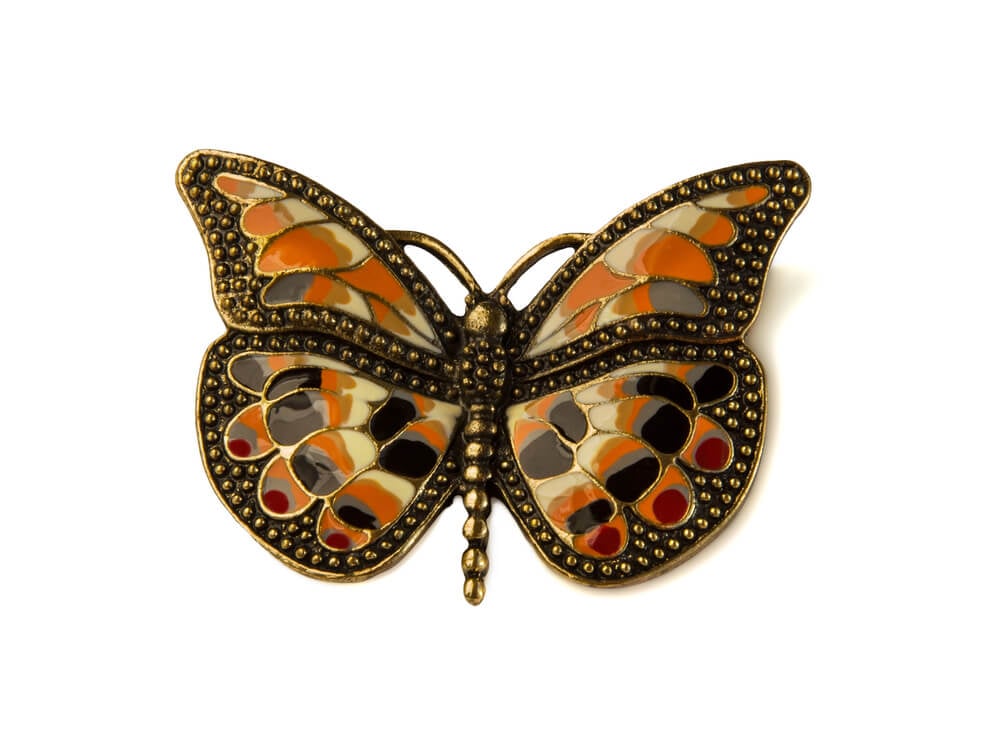
Butterfly brooches turn up in Victorian gold, Art Deco enamel, and 1950s rhinestones. Some mid-century souvenir pieces used real Brazilian morpho butterfly wings under glass for a flash of electric blue.
Cloudy glass, faded wings, and missing stones can sharply reduce the price.
Snake
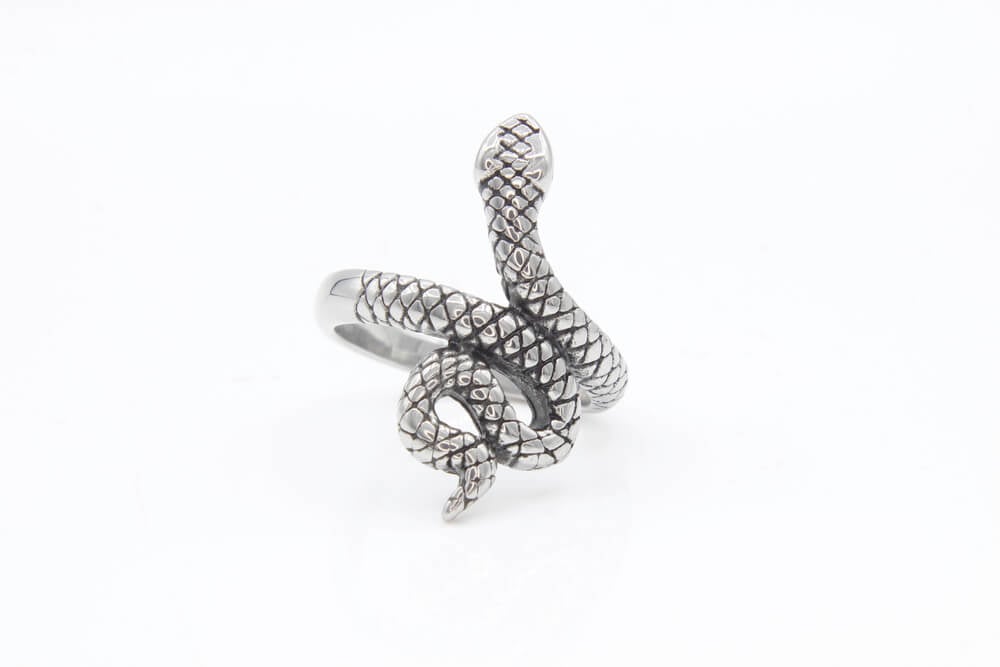
Serpent jewelry gained a boost in Victorian England after Prince Albert gave Queen Victoria a snake engagement ring in 1839. Brooch versions coil around themselves, often set with garnets, pearls, or turquoise.
The hinge on a flexible body wears out over time, and a stiff or broken one lowers value.
Crescent Moon
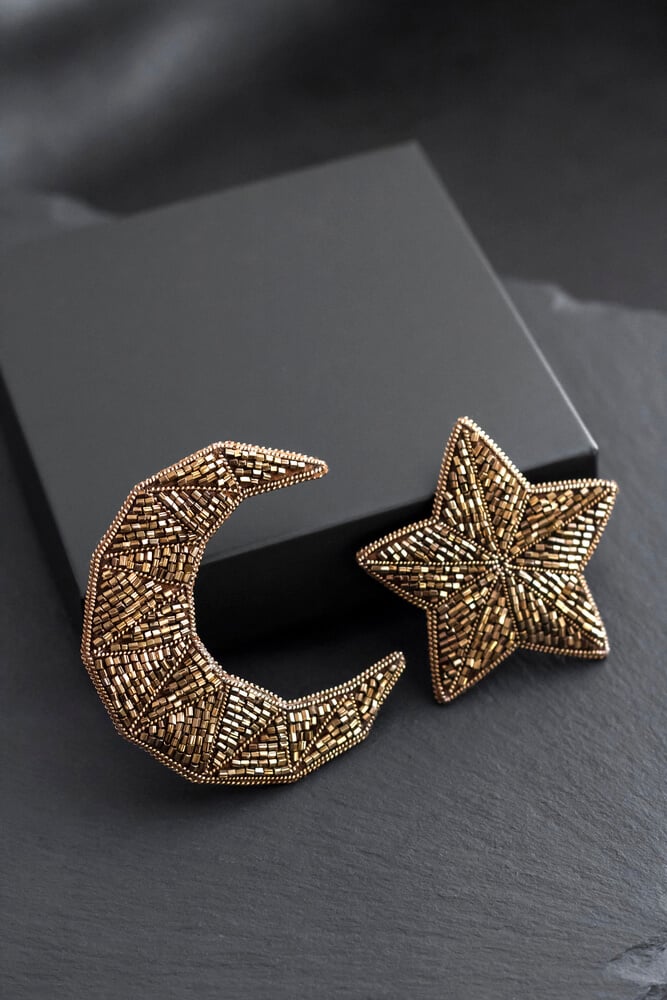
Victorian crescent brooches were often set with small pearls or diamonds and worn pinned at the neckline. Some paired the moon with a star or a tiny face.
A bent pin stem or a missing pearl is the usual flaw that pulls the price down.
Star
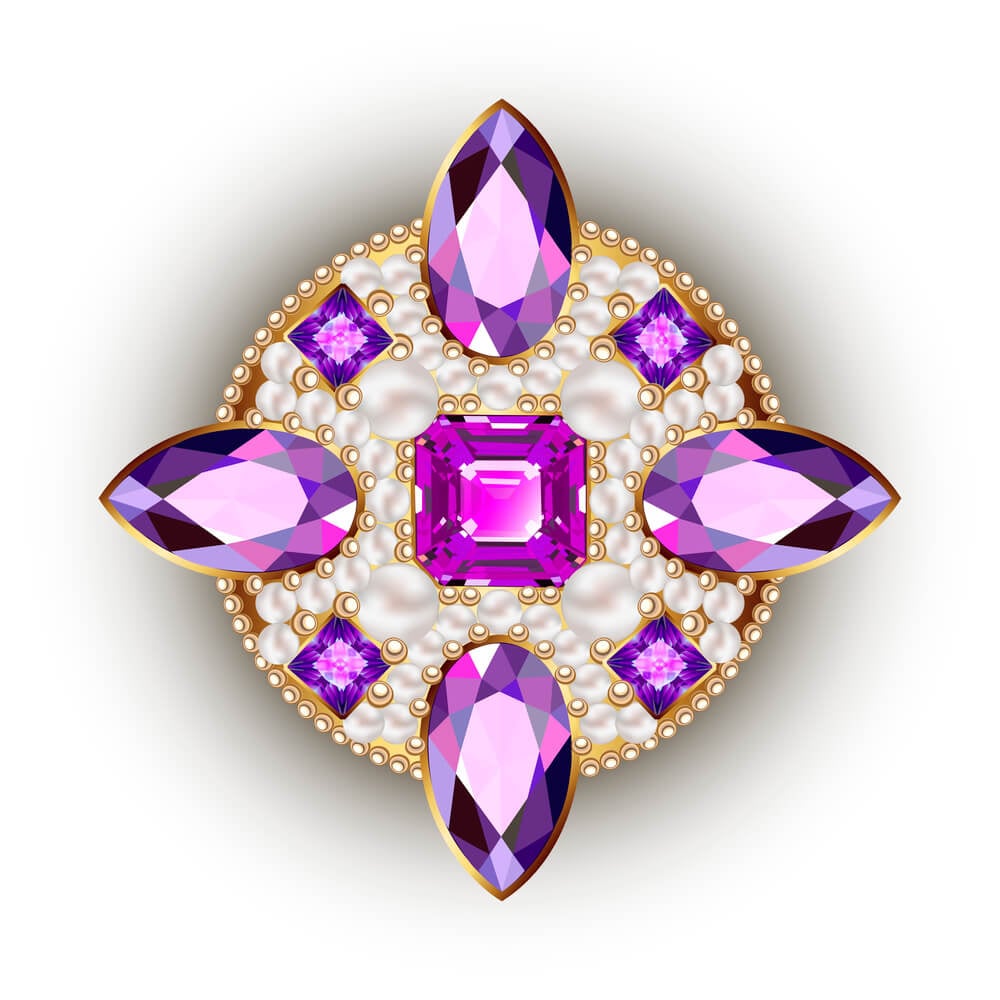
Victorian star brooches in diamond-set silver and gold sometimes doubled as hair ornaments and could be worn in several ways. Later costume versions used rhinestones and enamel.
Check for missing stones and a straight pin stem, because those flaws decide the value.
Sunburst
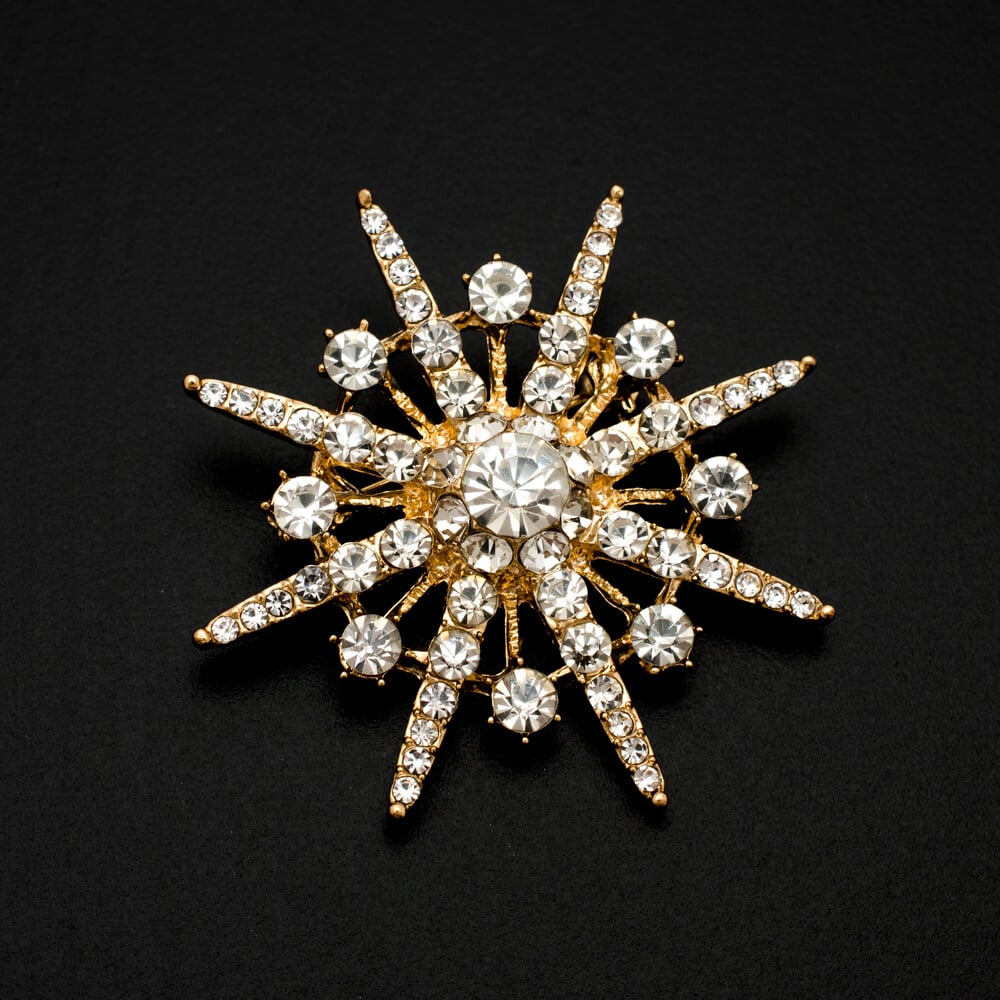
Radiating rays around a central stone made the sunburst a favorite across several eras, from French jewelry of the 1700s to mid-century costume pieces. The design offers a lot of surface for stones, and some examples carry dozens of tiny gems.
A missing ray or a dull, cloudy center lowers the price noticeably.
Laurel Wreath
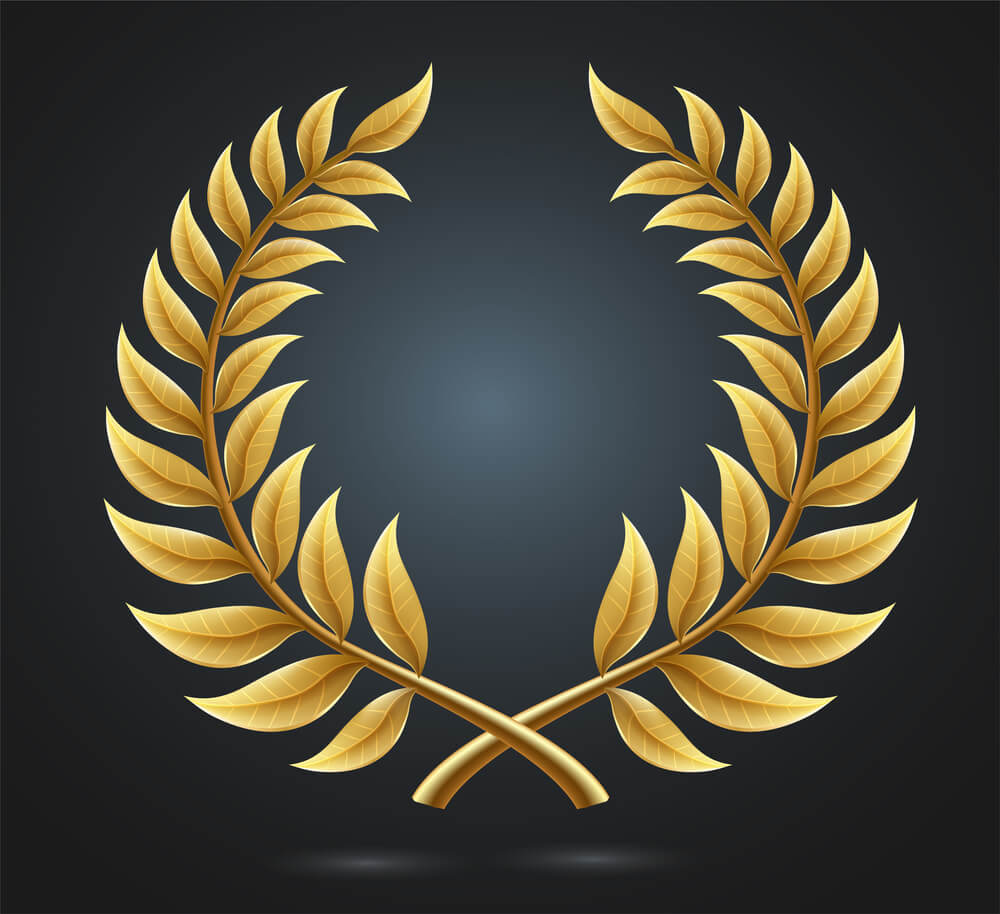
The laurel wreath was a staple of the Edwardian garland style, which favored light platinum-and-diamond designs between about 1900 and 1915. Costume versions later copied the look in silver tone and paste.
Surface scratches, bent leaves, and replaced stones can all change the asking price.
Horseshoe
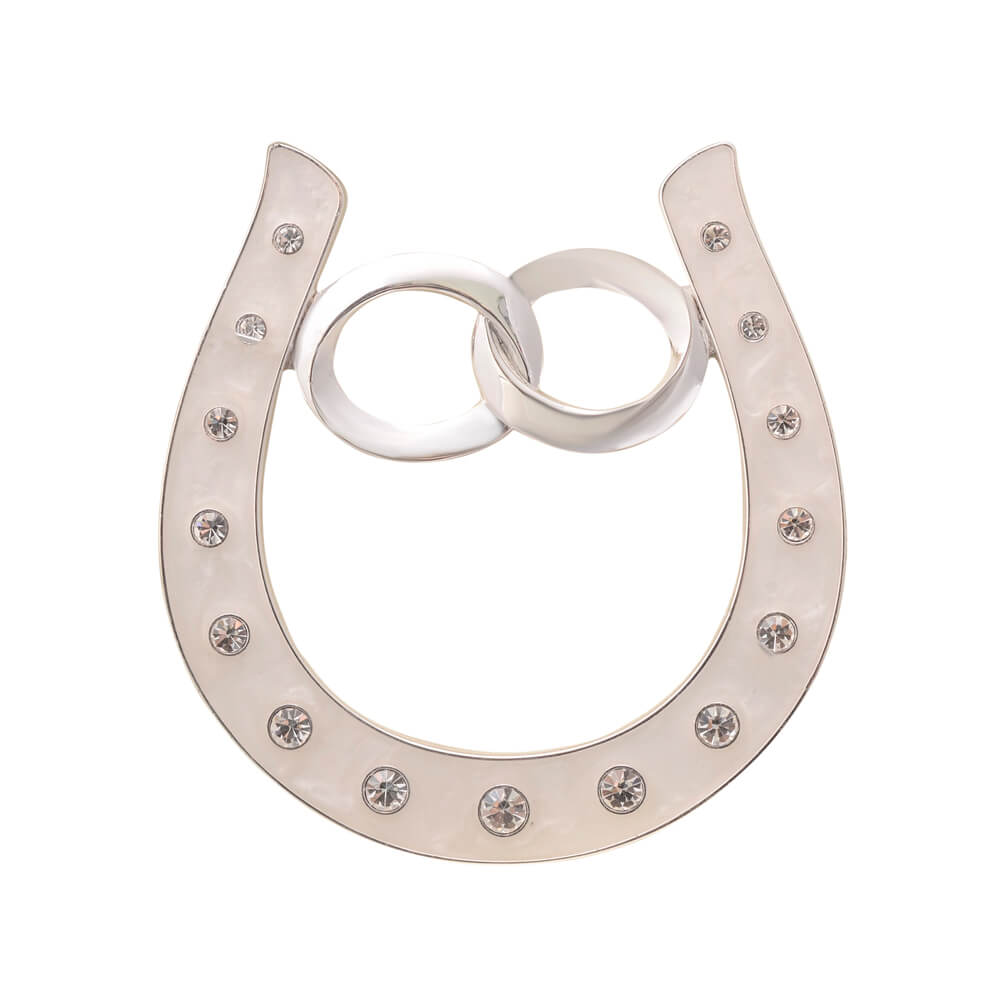
A horseshoe brooch with the open end facing up was meant to catch good luck and keep it from spilling out. Victorian and Edwardian versions appear in gold, silver, and paste, often with a riding crop or a hunting motif.
The price drops if the metal is bent or the stones are loose.
Anchor
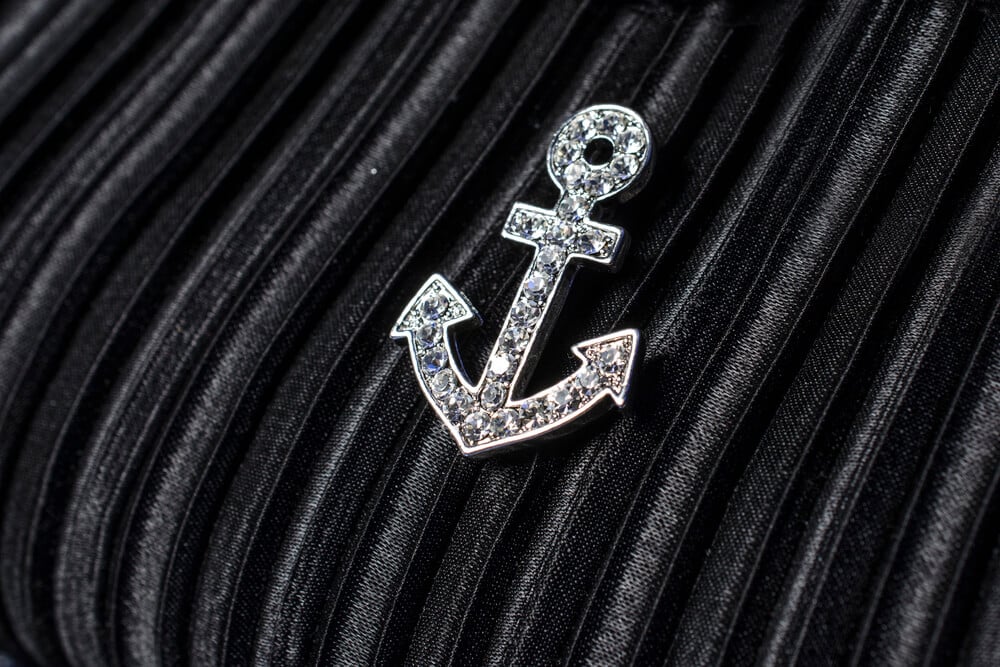
The anchor, a symbol of hope, appears on sailors’ jewelry and on pins made for seaside souvenirs. Some include a tiny rope wrapped around the shank, and others add a small heart or cross.
Worn plating and snapped chains are common faults, and they reduce the price.
Feather
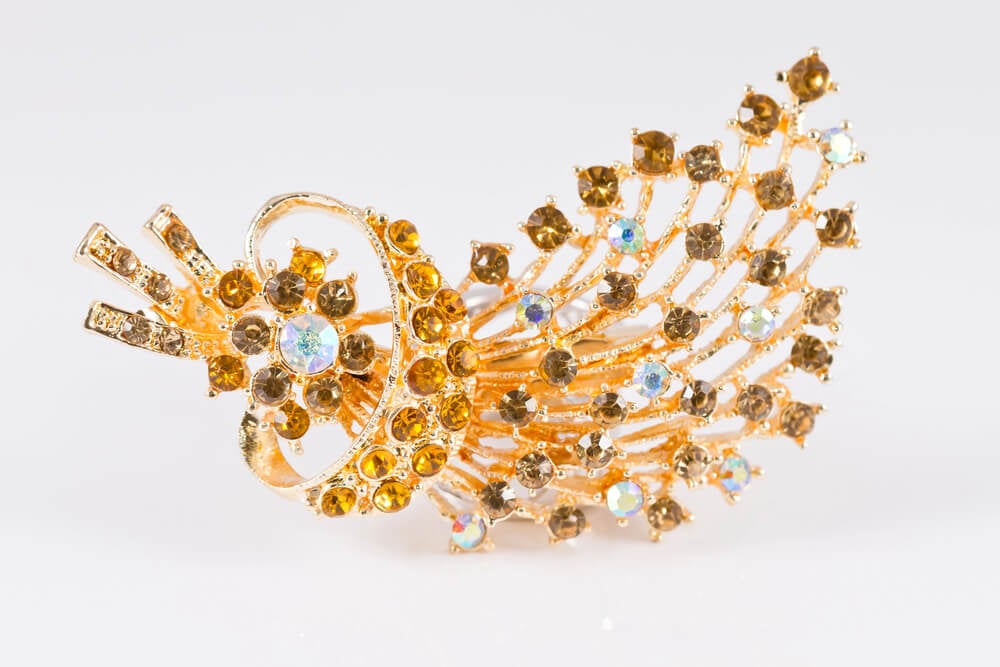
Three feathers were the emblem of the Prince of Wales, and feather brooches in gold and silver were popular in Victorian and Edwardian times. Fine engraving suggests the barbs, and some include small stones at the quill.
Look for dents and straight lines, since a bent feather is hard to repair.
Fish
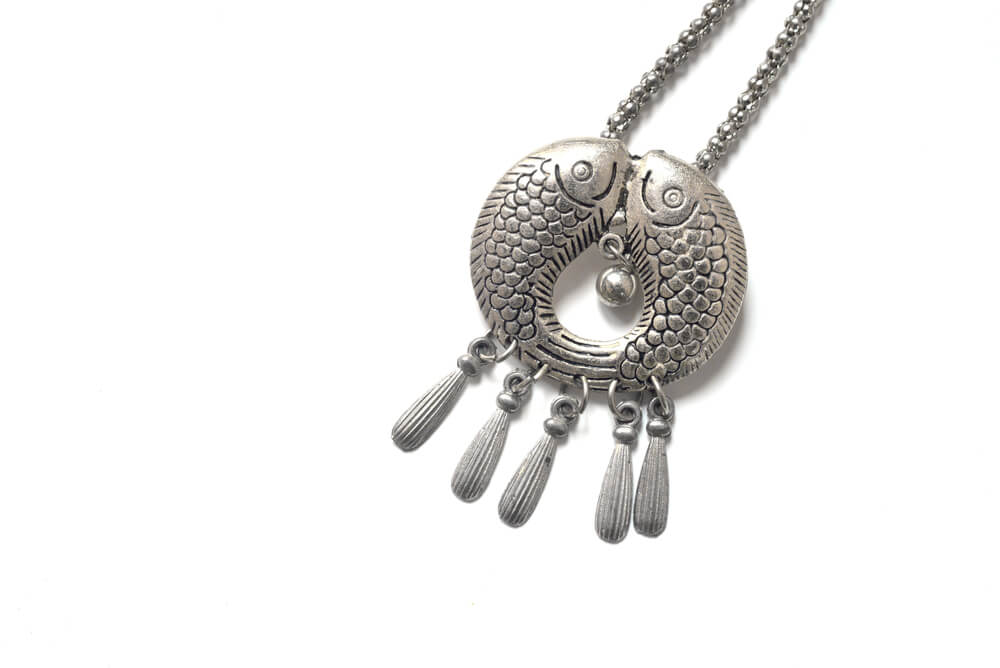
Fish brooches show up in Art Deco enamel and in later costume designs, some with jointed bodies that wiggle when the wearer moves. The scales are usually suggested with enamel or tiny stones.
Worn enamel and a broken tail hinge can cut the value, so inspect the movement.
Swallow
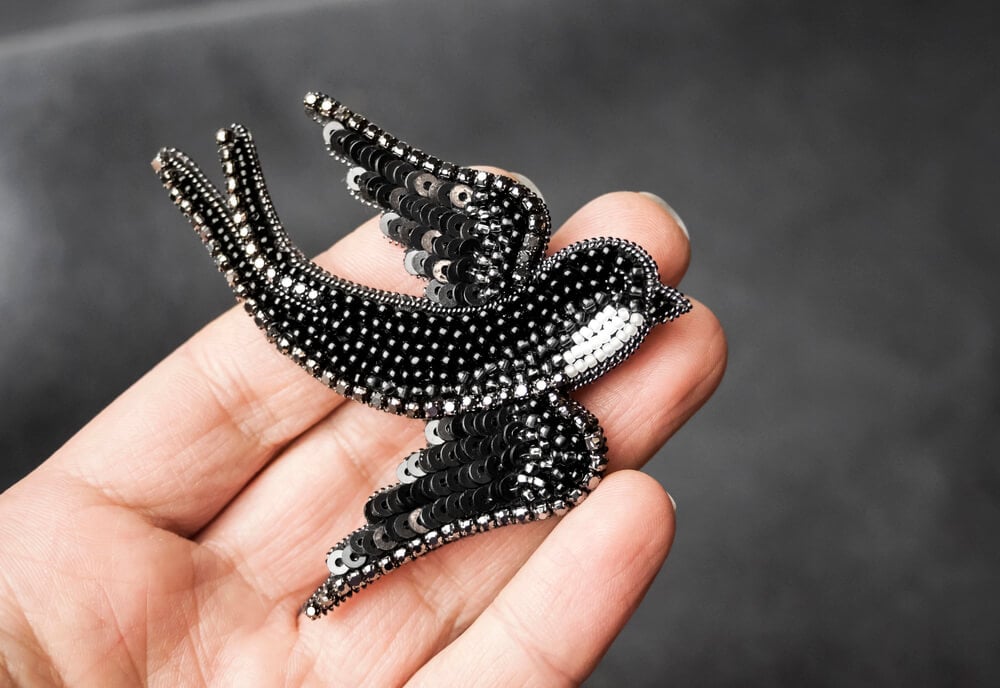
Swallows were a symbol of safe return, and sailors sometimes had them tattooed after long voyages. In jewelry, they appear in flight, often with enamel wings and a forked tail.
Chips in the enamel and bent tail feathers reduce the price.
Peacock
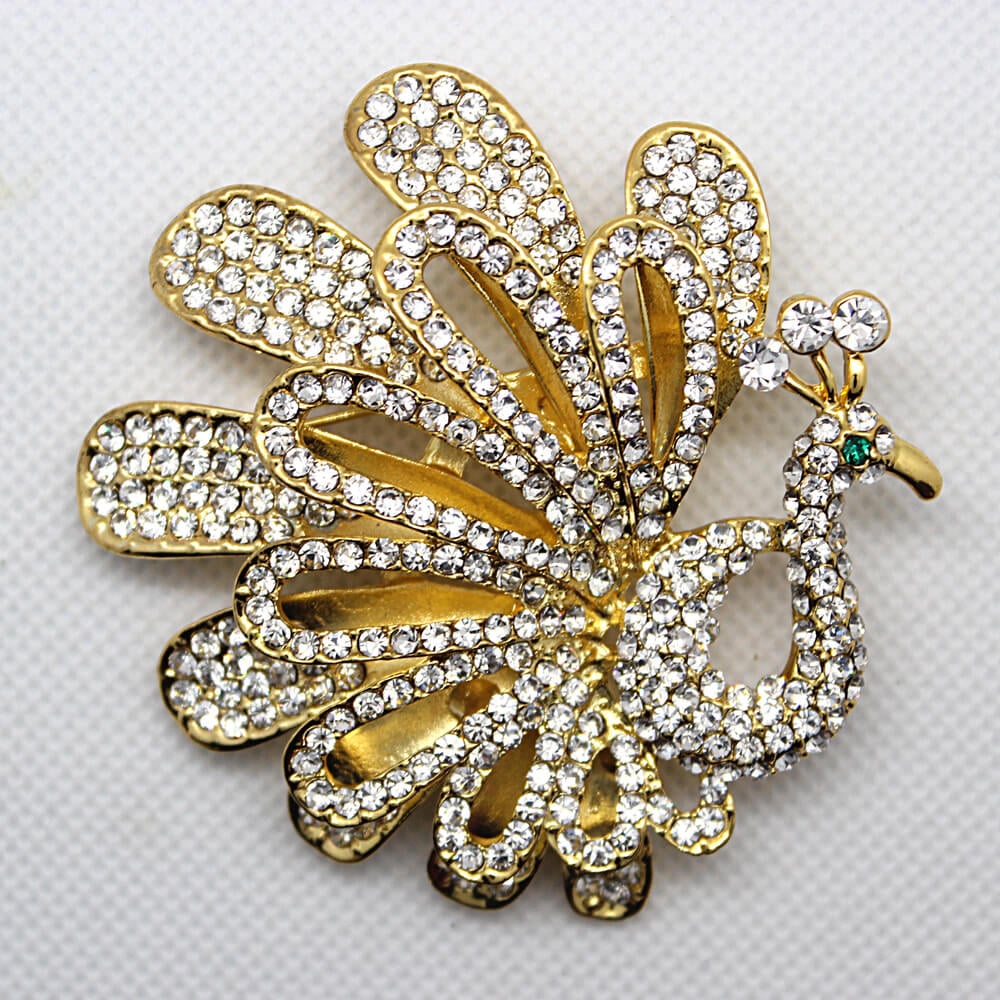
Peacocks fascinated jewelers in the Art Nouveau years, and the bird continued to appear in enamel and paste through the 1950s. The fan tail gives plenty of room for color.
Pieces with intact enamel and a full set of stones in the tail bring the best prices.
Owl
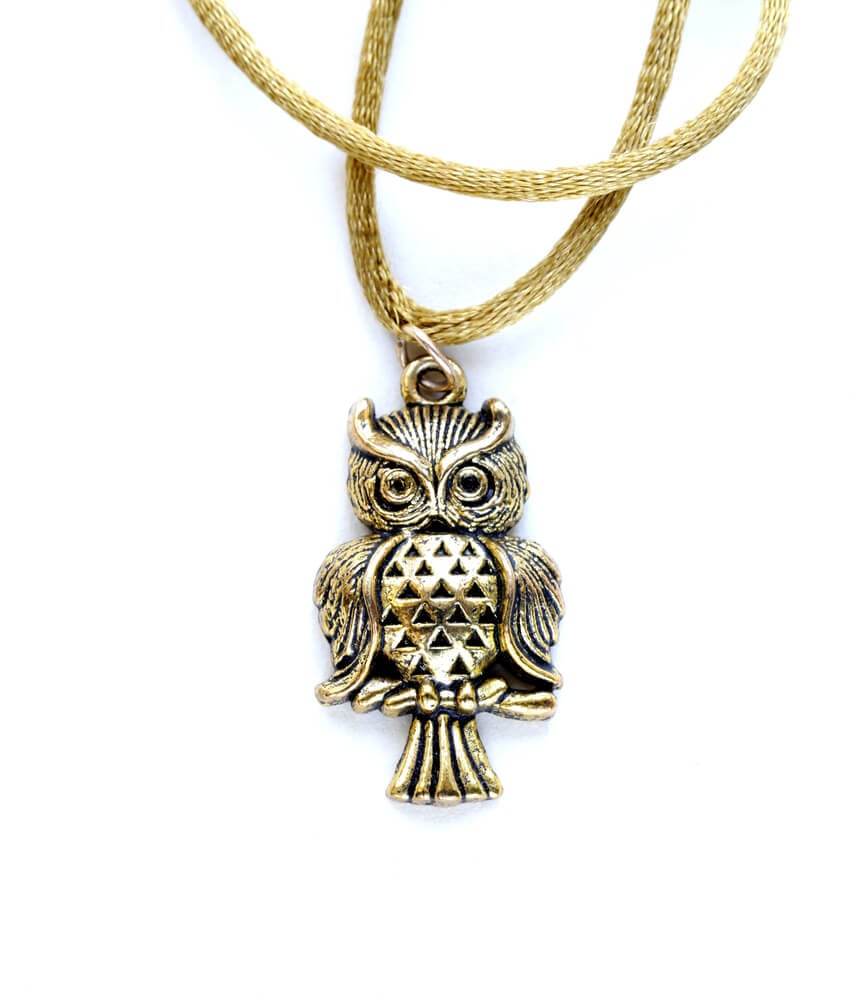
The owl, associated with wisdom since the ancient Greeks tied it to Athena, became a popular brooch shape in the Victorian era and again in the 1960s and 1970s. Eyes made from glass, stones, or cabochons give each owl a distinct personality.
Missing eyes are the most common problem and a major price cutter.
Hand
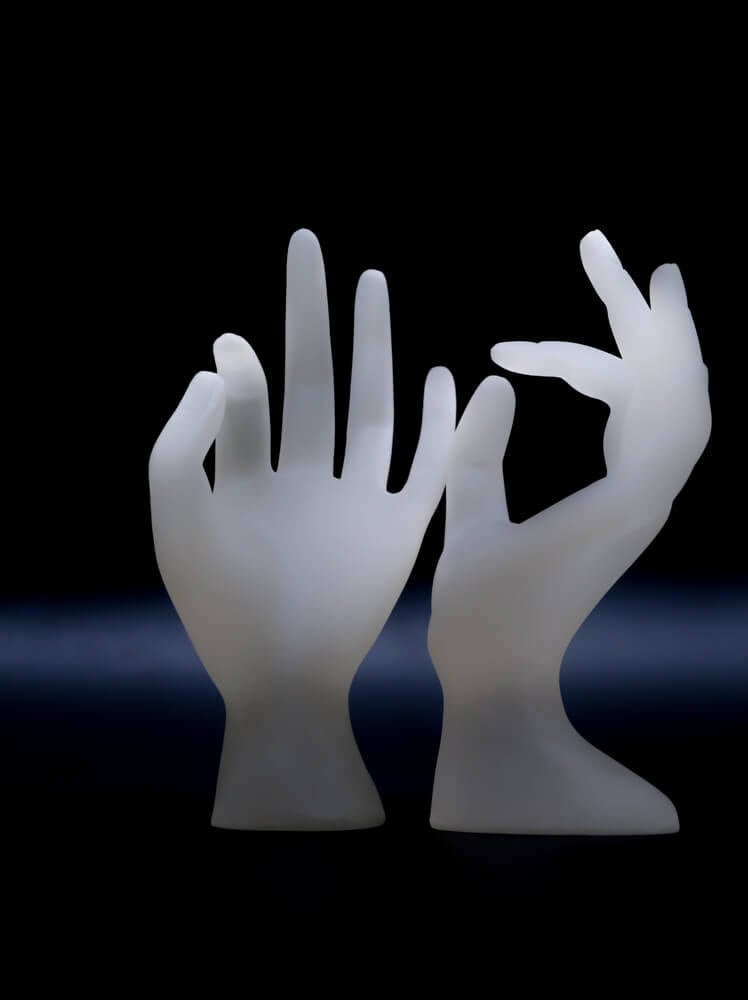
Victorian hand brooches, sometimes holding a flower or a ring, symbolized friendship, devotion, or marriage. Clasped hands, pointing fingers, and cuffed wrists are among the forms.
A chipped cuff or a missing stone lowers the price.
Key
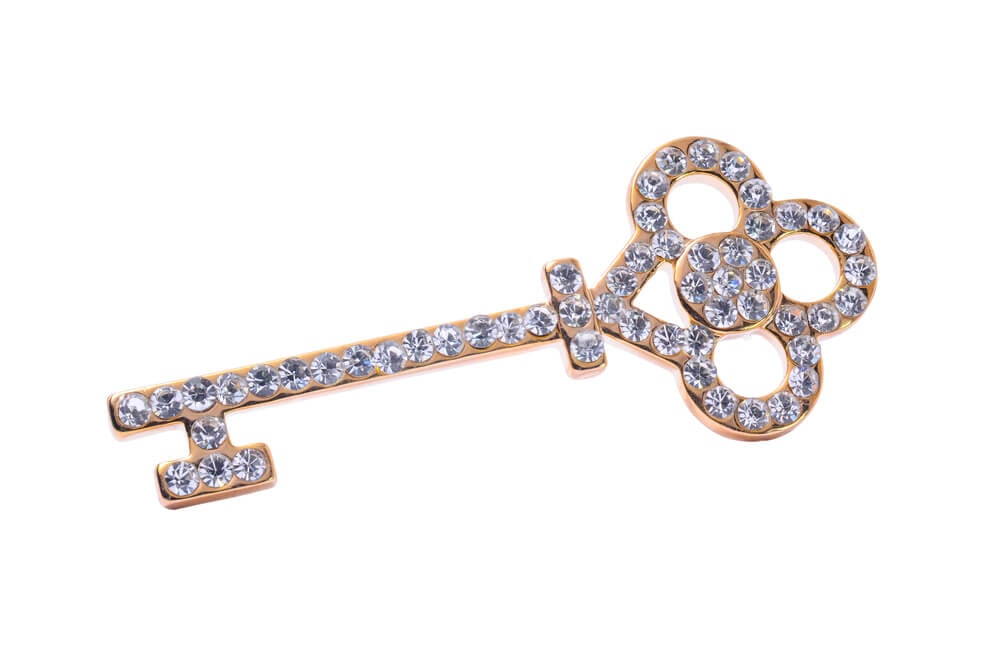
Key brooches suggested the key to a heart or to a house. Some were tiny enough to wear on a lapel, and others were bold enough to anchor a scarf.
Worn teeth and soldered repairs can be a sign of heavy use, and they affect the price.
Sword
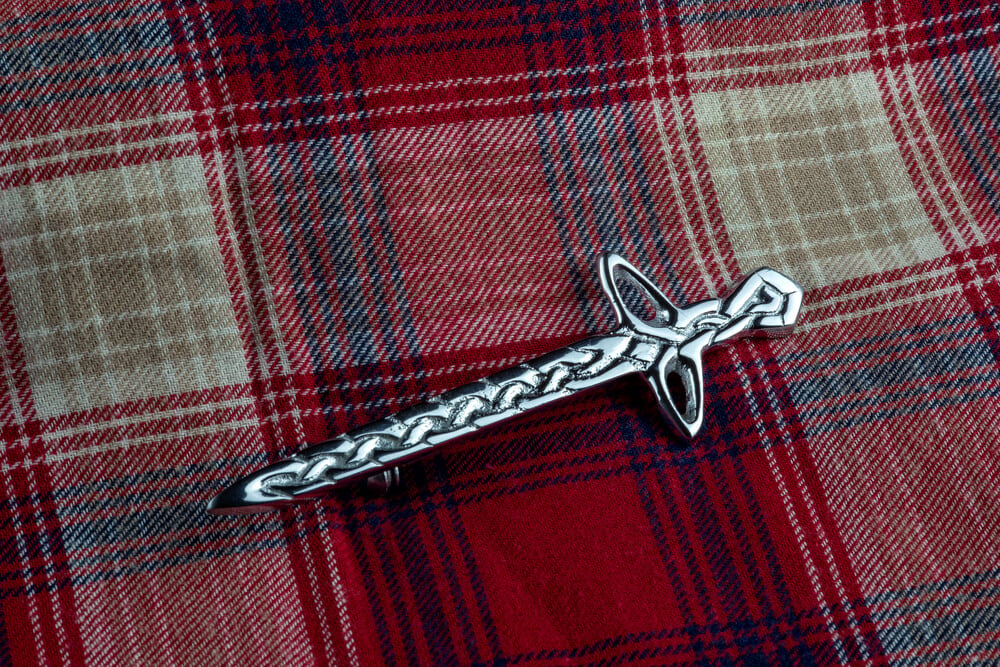
Sword brooches range from slim Edwardian bar pins to crossed-sword regimental designs. Military families kept them as keepsakes, and some carry unit insignia.
A bent blade or missing detail reduces the price, so check straightness.
Seashell
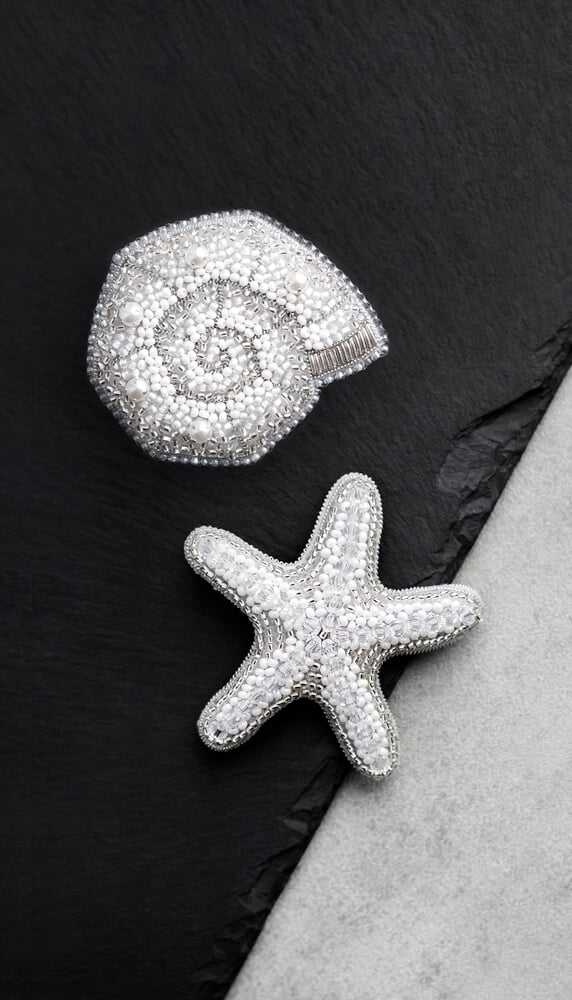
A scallop shell has long been the emblem of pilgrims traveling the Camino de Santiago, and shell brooches echo that symbolism. Jewelers also made them in carved natural shell, enamel, and silver.
Cracks in real shell and worn silver plating are the common flaws.
Sailing Ship
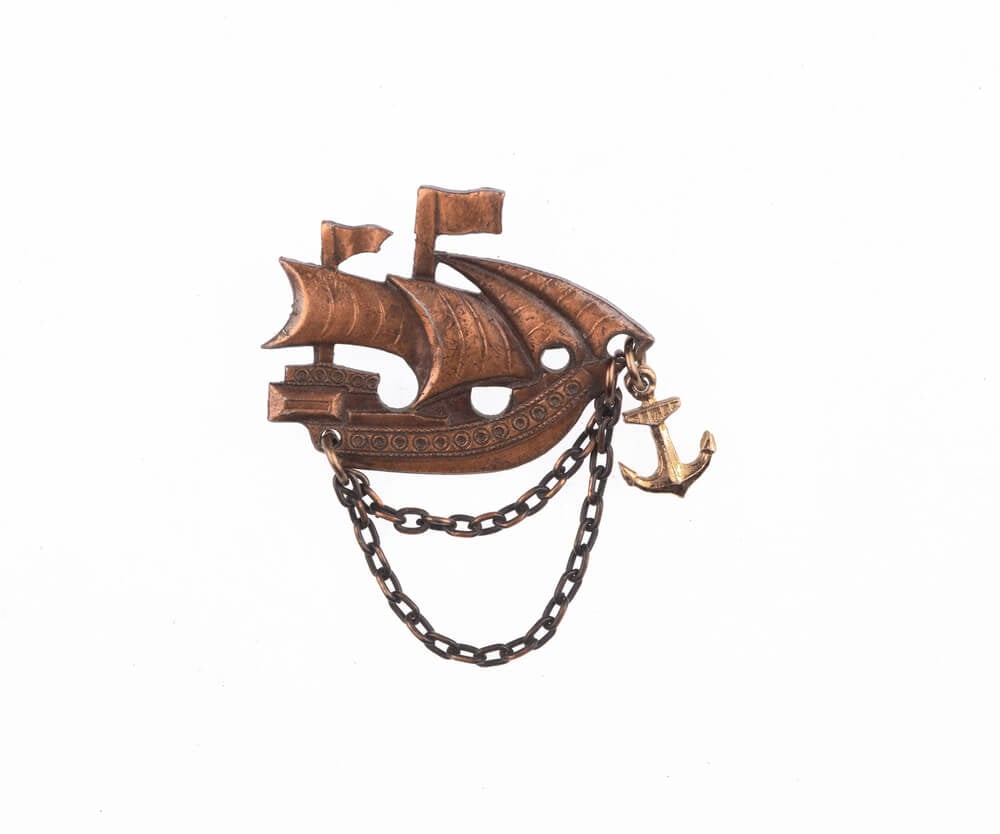
Ship brooches show a galleon or schooner under sail, often with tiny rigging lines and enamel flags. Nautical themes were popular in seaside towns and among naval families.
Missing masts and bent rigging reduce the price.
Cat
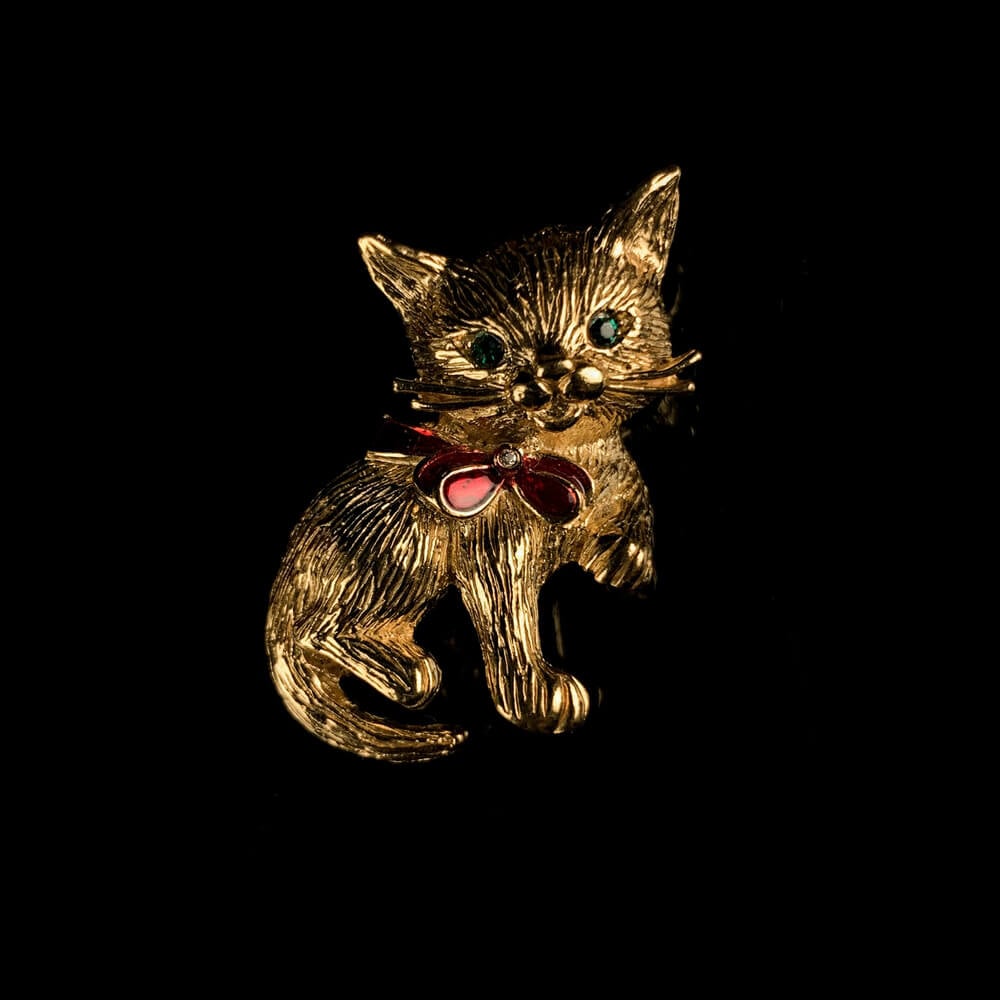
Cat brooches slink through Art Deco jewelry boxes and into costume jewelry of the 1940s and 1950s. Many have stones for eyes and a curled tail that makes a graceful line.
Missing eye stones and tarnished plating are the usual price cutters.
Lizard
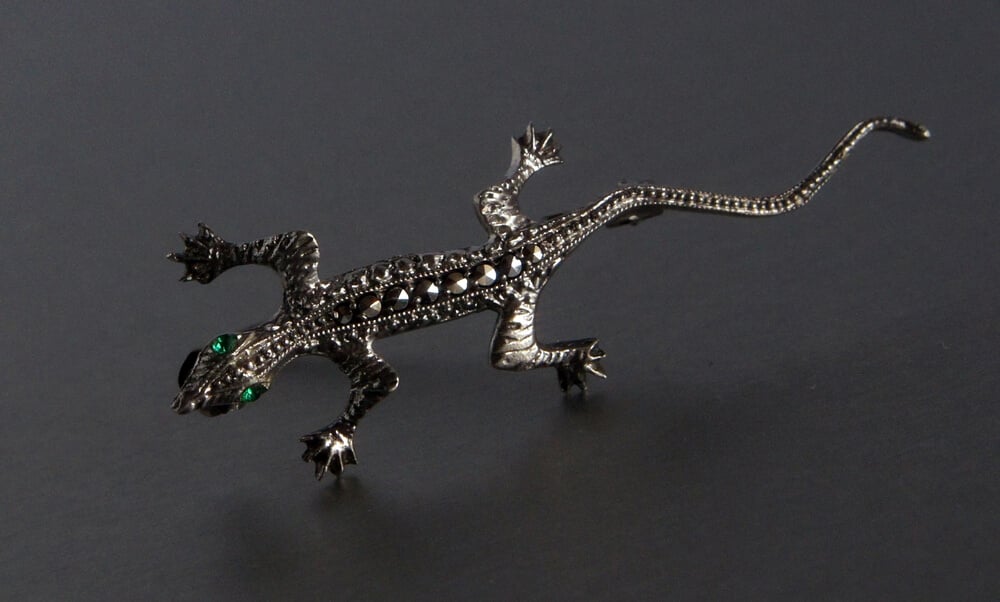
Lizards crawled into jewelry during the Art Nouveau years, when designers favored creatures from the garden. The curve of the body suits a lapel, and stones are often set along the spine.
Loose stones and cracked enamel can affect the price.
Spider
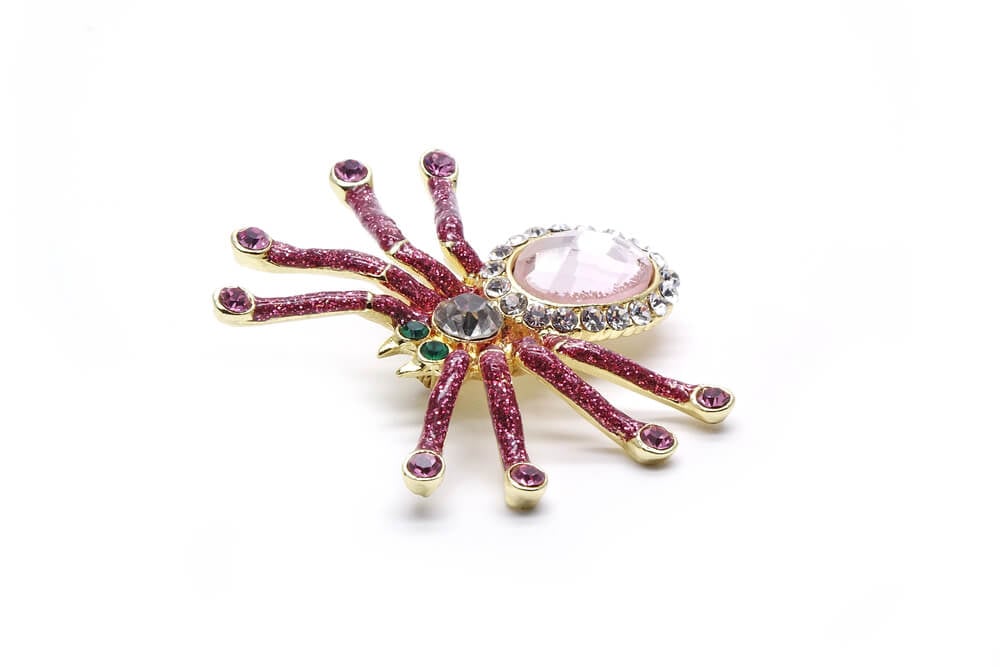
Spider and web brooches appear in Victorian jewelry, where the creature was thought to bring luck. The legs are fine and fragile, and the web often has a small pearl or stone at the center.
Bent legs and missing pieces are common, and they reduce the price.
Turtle
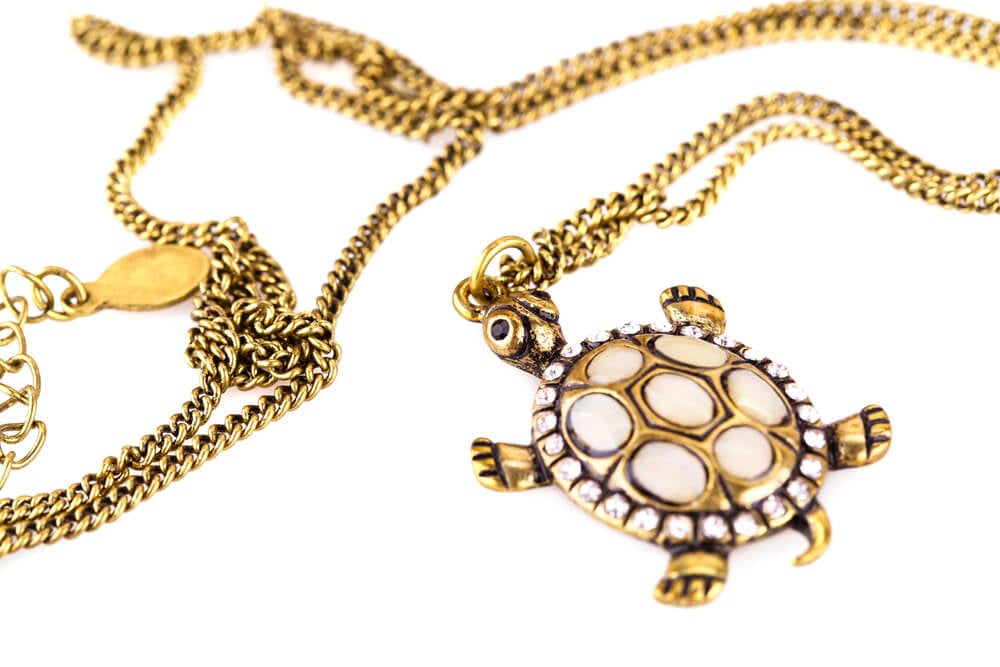
Turtle brooches show up in gold, enamel, and paste, sometimes with a shell made from a polished stone or a lacquered surface. The flat shape sits comfortably on a jacket.
Worn paint and chips in the stone shell lower the price.
Lyre
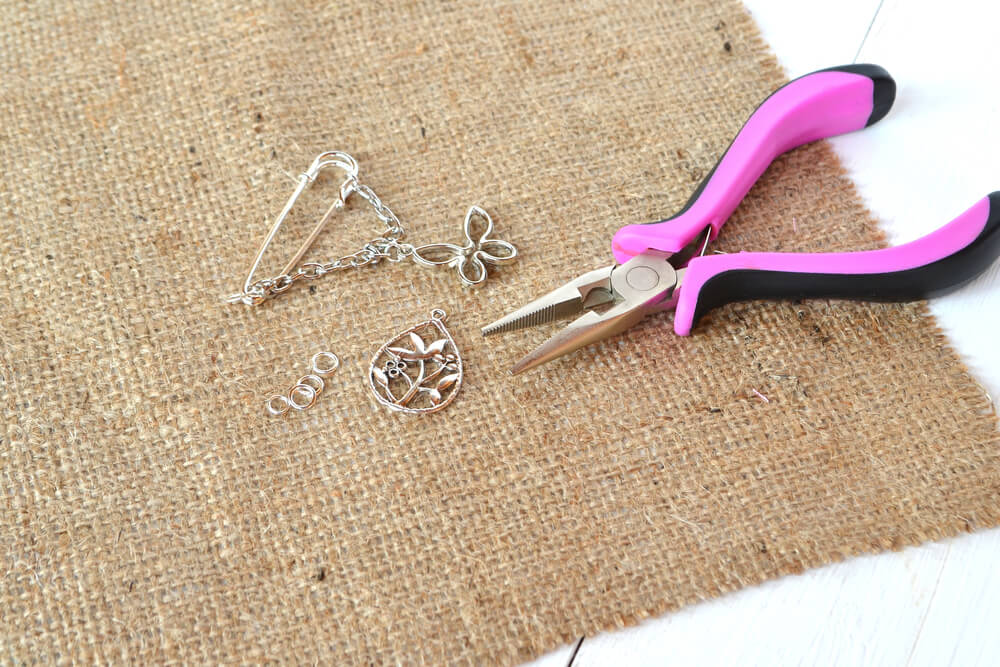
The lyre brooch looks to ancient Greece, and it often sits on a musician’s lapel or a scarf. Strings may be fine wire or engraved lines.
Bent strings and cracks in the frame can cut the value.
Scarab
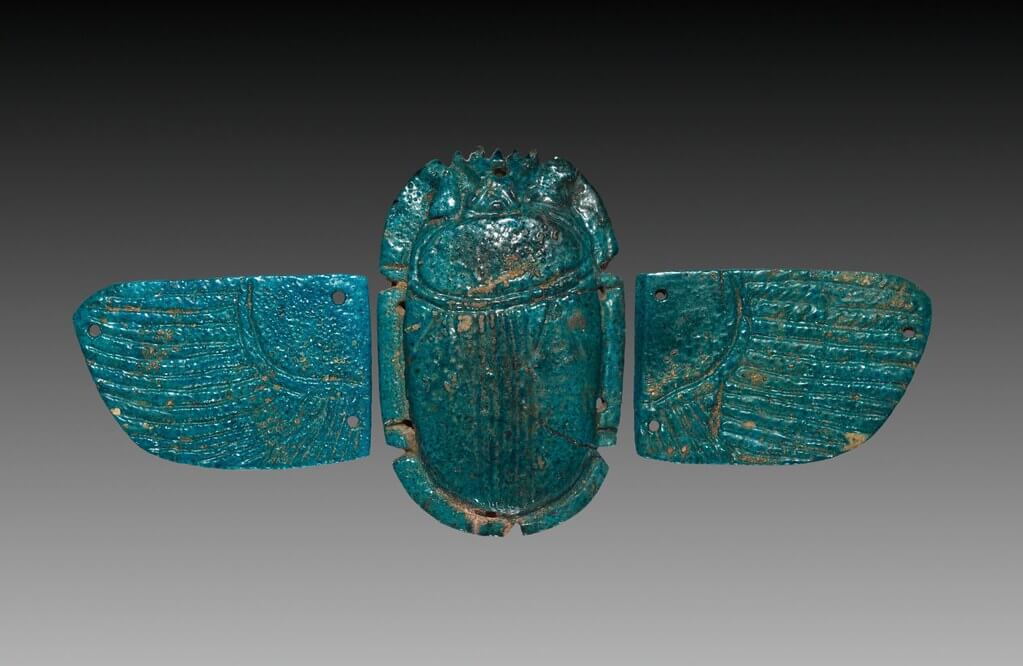
After the discovery of Tutankhamun’s tomb in 1922, Egyptian motifs swept through jewelry design, and scarab brooches became a signature piece. Many have carved stone or enameled backs in blue and green.
Cracks in the stone and wear on the enamel decide the price.
Sweetheart Badge
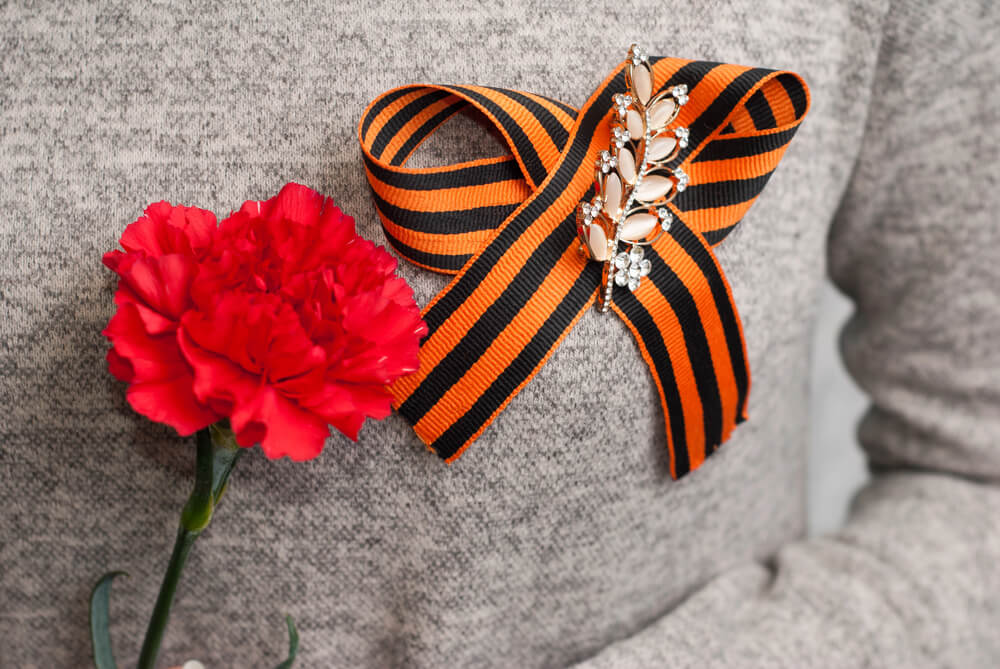
During both world wars, servicemen sent home brooches modeled on regimental badges for wives and girlfriends. Wings, crests, and crossed flags were common forms, and some were made of silver with enamel.
Condition and the rarity of the regiment drive the price.
Small Animals, Big Superstitions
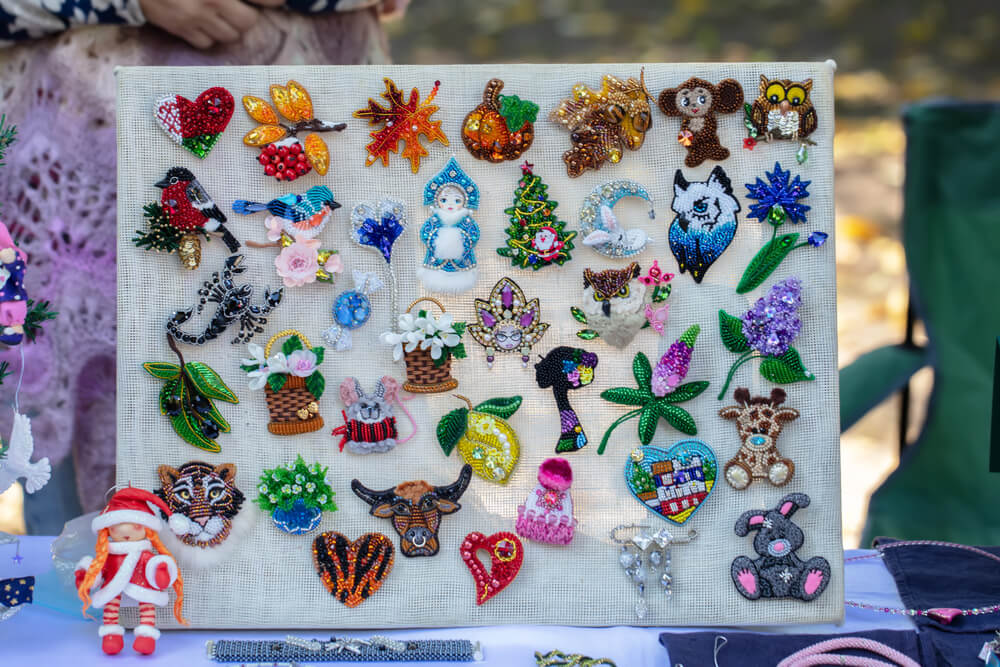
Looking across these shapes, a pattern appears: many of them were charms. A horseshoe kept good luck in, a swallow promised a safe return, and a spider was said to bring good fortune.
The wearer chose the symbol and the pin carried the wish. Collectors now chase the same shapes for different reasons, mostly craftsmanship and nostalgia.
An animal brooch on a coat still opens a conversation faster than a flower. Condition remains the great equalizer, and a clean, complete piece will always outshine a sentimental one in poor shape.
More from Go2Tutors!

- 27 Silver Dollars and Half Dollars Worth Keeping
- 28 Restaurant Menu Items Nobody Orders Anymore
- 17 Places Built in Seemingly Impossible Spots
- 27 Vintage Rings Worth More Than They Look
- 25 Restricted Sites Tourists Can’t Enter
Like Go2Tutors’s content? Follow us on MSN.