Christmas Foods Americans Once Ordered Through Catalogs
For much of the twentieth century, a holiday gift of food arrived by mail in a carefully packed box. Catalogs offered pears from Oregon, cheese from Wisconsin, and fruitcake from Texas to anyone with a mailing address and a few dollars to spare.
The mail-order food business turned regional specialties into national traditions, and many of those names are still familiar. These are some of the Christmas foods that families once picked from a printed page.
Royal Riviera Pears

In 1934, the brothers behind Harry and David began sales trips to San Francisco and New York, pitching their Royal Riviera pears as a business gift. The fruit came from orchards in Oregon’s Rogue River Valley.
Orders followed quickly, and the pears became the foundation of a mail-order empire.
The Fruit-of-the-Month Club

Harry and David also developed the Fruit-of-the-Month Club, which sent a different gift every month rather than one box at Christmas. The idea turned a single present into a year-long subscription.
Many recipients received their first shipment in December and kept getting boxes through the following fall.
The Tower of Treats

The Tower of Treats was a stacked gift box of sweets and snacks that became one of Harry and David’s best-known holiday products. Each drawer held a different treat, so recipients unpacked it in layers.
The format made a catalog gift feel like a small event.
Moose Munch Popcorn

Harry and David’s Moose Munch premium popcorn became a staple of its holiday catalog, sold in tins and gift boxes. The caramel-coated popcorn was positioned as an upscale snack for gift giving.
It remained a consistent seller across many seasons.
Hickory Farms Cheese
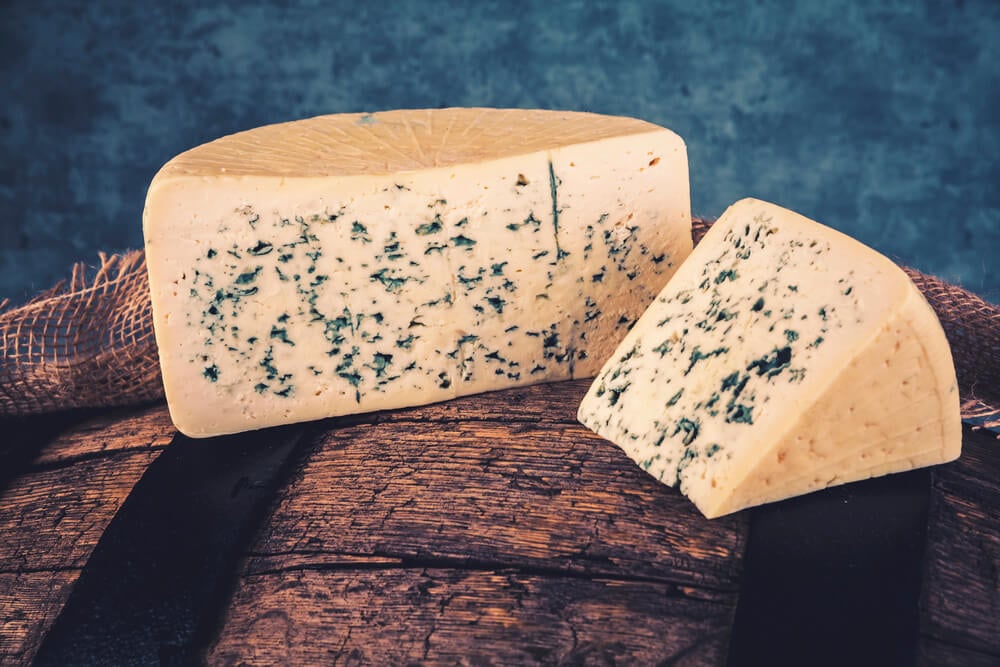
Richard Ransom founded Hickory Farms in 1951 after finding success selling handcut cheese at local fairs and home shows. His first booth at a 1950 home show in Toledo was so popular that it sparked a business.
The cheese became a core item in the company’s holiday gift boxes.
Hickory Farms Summer Sausage and Crackers
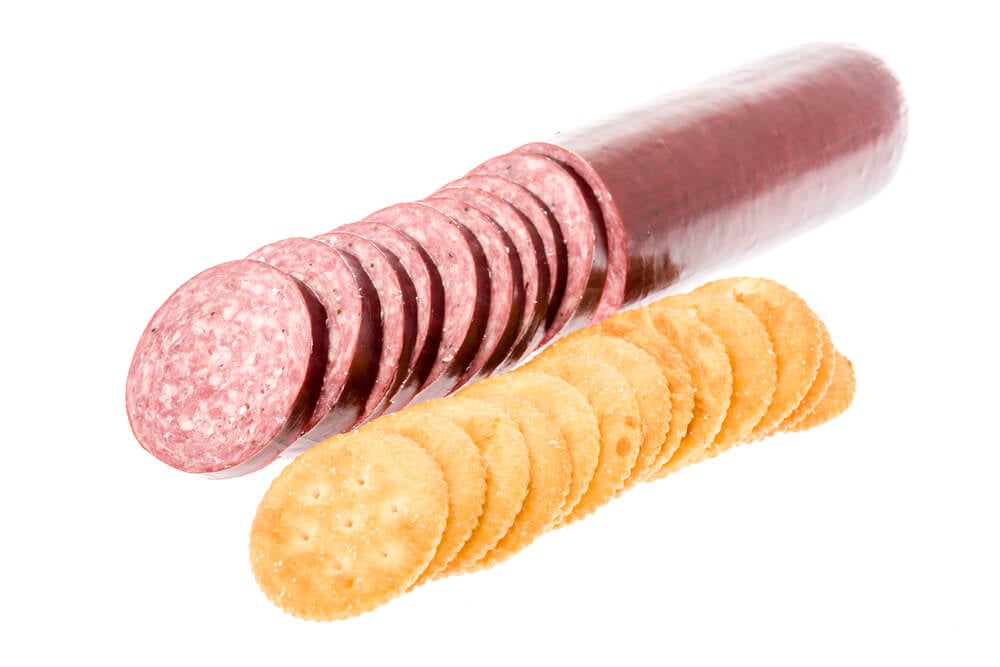
The company added summer sausage in 1959, along with crackers and mustards to complete the gift box. Together the items formed a ready-made holiday platter that required no preparation.
The beef summer sausage later won a gold medal at a national tasting event.
The Hickory Farms Mall Kiosk
At its peak, the company ran more than 550 mall kiosks in the United States and Canada, with some counts reaching 600 locations. Shoppers sampled sausage and cheese in the middle of a crowded concourse in November and December.
The kiosks served as a seasonal extension of the catalog.
Swiss Colony Cheese by Mail
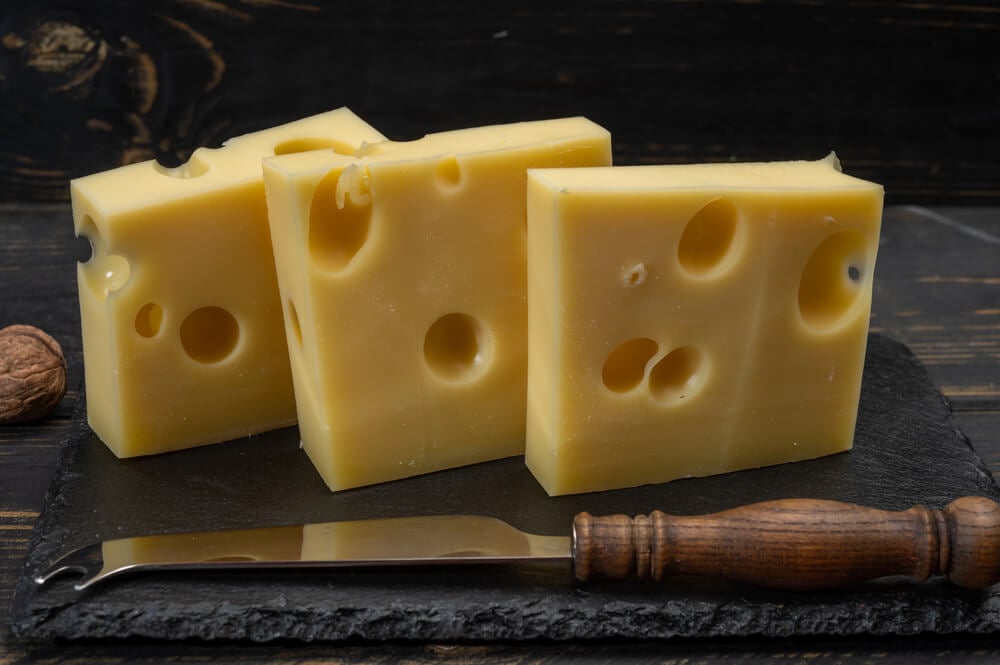
Ray Kubly launched what became Swiss Colony in 1926 as a college class project in Monroe, Wisconsin, selling cheese through the mail. He worked from the basement of his home before incorporating the company in 1954.
The business grew from cheese into a broad food gift catalog.
The Extra Boxcar to Monroe
By 1948, the Milwaukee Railroad was sending an extra boxcar to Monroe every day from early December until Christmas to handle demand for cheese gifts. The shipments reflected how much holiday business ran through a single small Wisconsin town.
A hometown business had become a national gift supplier.
Celebrity Cheese Customers
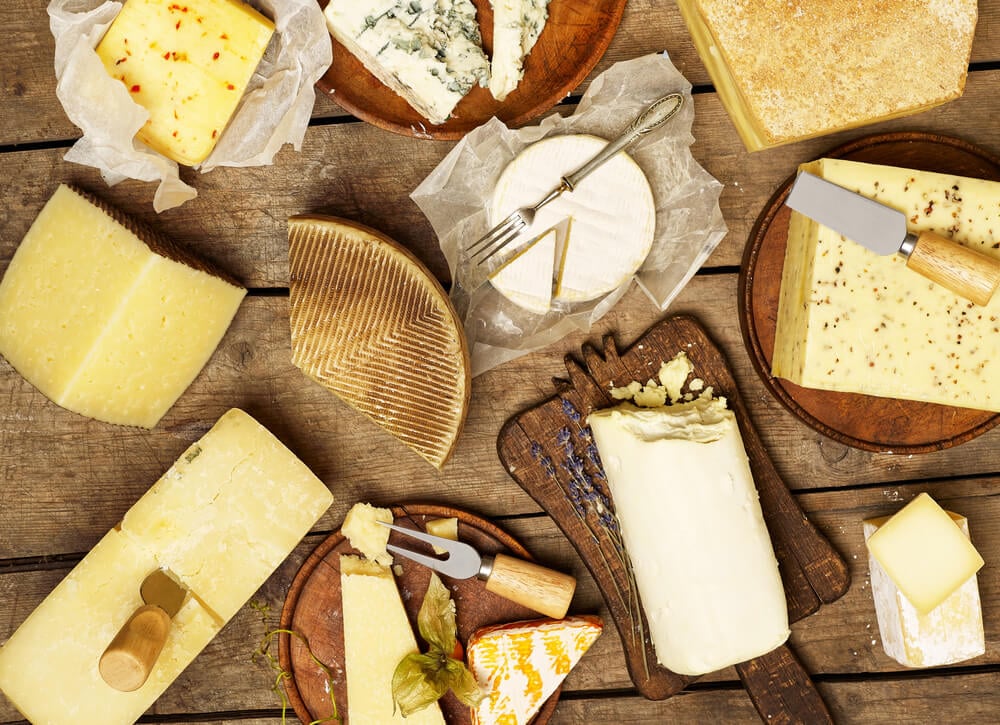
Swiss Colony’s early customer list included Eleanor Roosevelt, Bud Abbott, Senator J. William Fulbright, James Stewart, Ginger Rogers, and Ronald Reagan. Each of them ordered gourmet cheese as gifts.
The names added prestige to what began as a modest mail-order operation.
Swiss Colony Petits Fours

The company became known for petits fours, tiny cakes covered in glaze and decorated for the holidays. Boxes of the small cakes arrived at many schools and offices as gifts from parents and clients.
The cakes moved on factory conveyors under a waterfall of chocolate.
From Cheese to Everything
Swiss Colony’s brand manager has described how the company grew from cheese to food gifts and later to general merchandise. The progression mirrored the broader catalog industry, which expanded from a single product into a full assortment.
The parent company, Colony Brands, still operates from Monroe.
The Collin Street DeLuxe Fruitcake
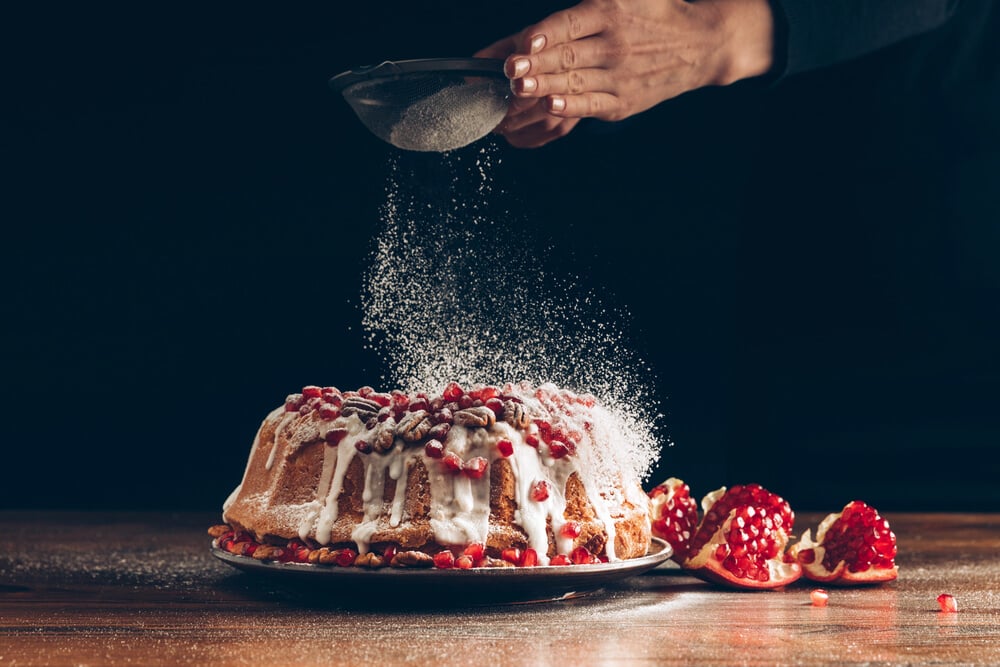
German baker Gus Weidmann founded Collin Street Bakery in Corsicana, Texas, in 1896. During the Corsicana oil boom, travelers who bought his DeLuxe fruitcake carried the cakes home and sparked a mail-order business.
The bakery now calls itself the oldest U.S.-based mail-order fruitcake company.
Fruitcake by the Pound
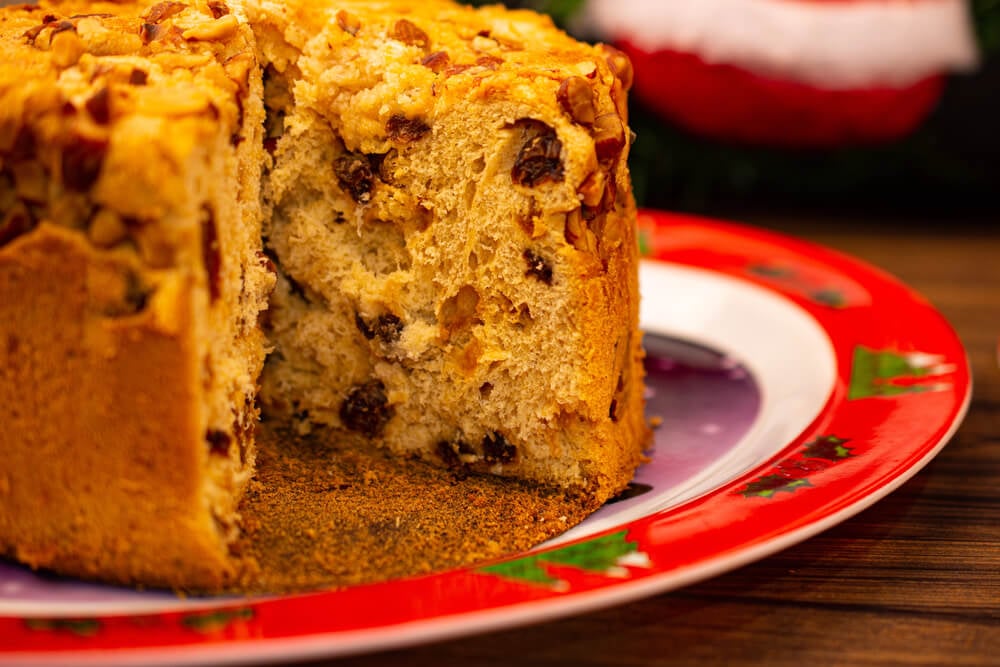
Collin Street’s sales of its DeLuxe fruitcake rose from about 65,000 pounds in the 1940s to nearly half a million pounds in the 1950s. The growth came after new leadership embraced mail-order marketing.
The numbers show how fast a regional baker could scale a single holiday product.
Texas Pecans in the Fruitcake
cd
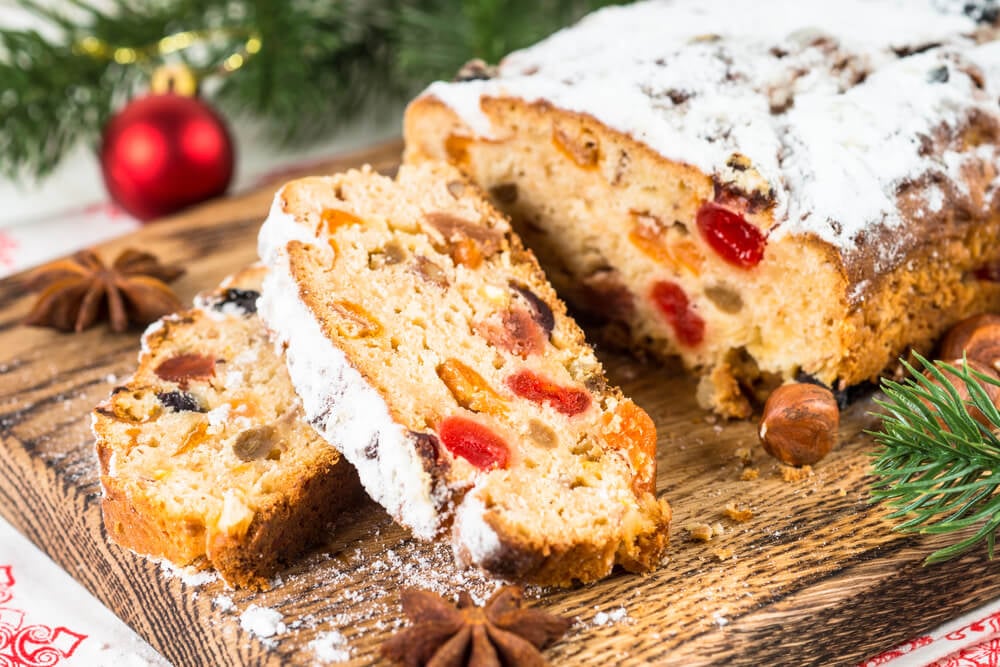
The Collin Street recipe came from Germany but gained a distinctly Texan ingredient in the form of fresh pecans. The nuts changed the character of the fruitcake and gave it a regional identity.
The change helped set the product apart from many traditional versions.
Fruitcake for Cyclists
Collin Street’s partners have noted that bicyclists in recent years eat the cakes because they are dense in calories and deliver long-lasting energy. The same qualities that made the cake travel well by mail also suit endurance sports.
The observation gives an old holiday item a modern practical use.
Omaha Steaks Gift Boxes
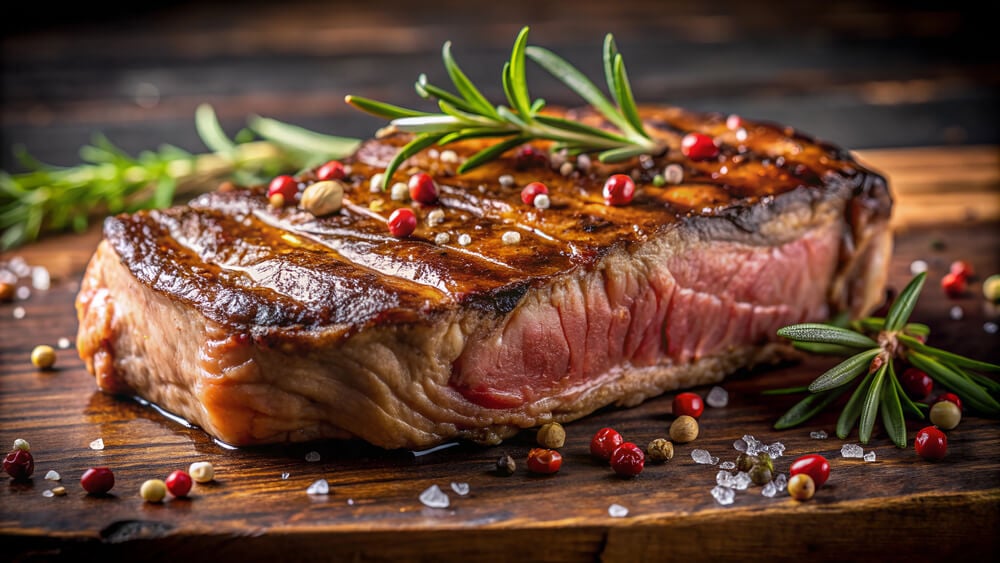
Omaha Steaks gift boxes, including bacon-wrapped filet mignon, became a popular holiday present sent by mail. The steaks arrived frozen and packed for shipping, which let recipients in any state receive a restaurant-style meal.
Families often reported receiving them from a relative one year and sending them the next.
The Sears Christmas Book
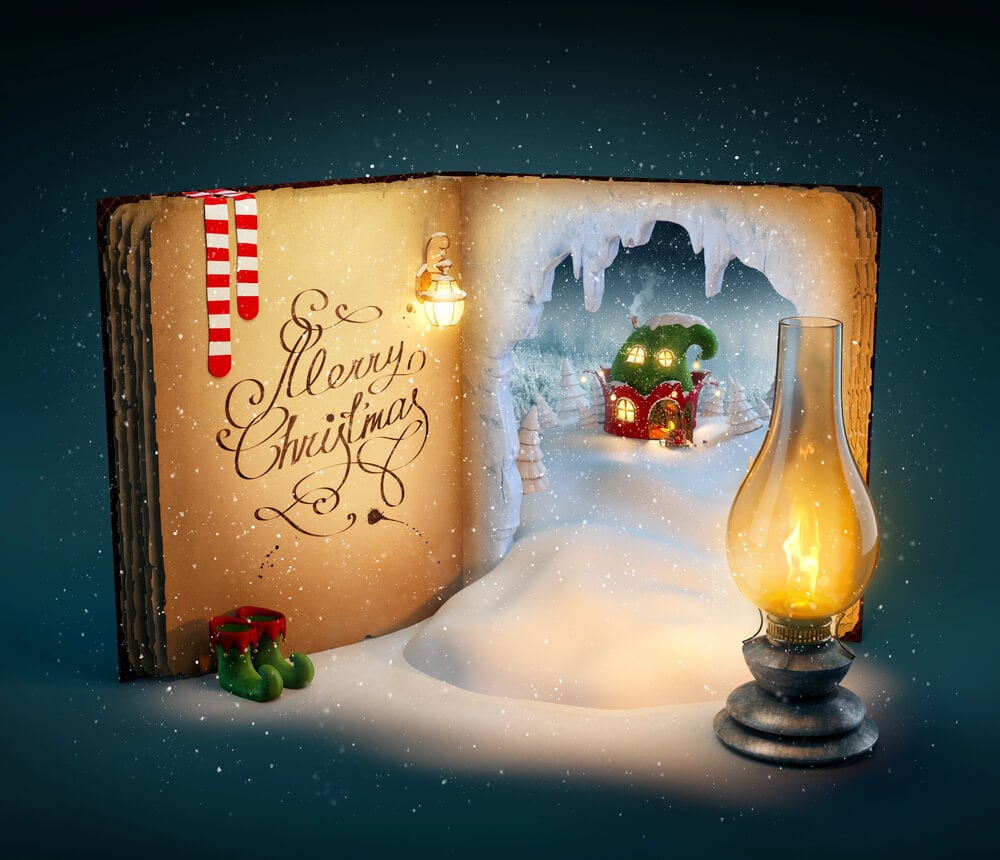
Sears issued its first Christmas catalog in 1933, with 25 pages of toys for children and 62 pages of gifts for adults. The book became a fixture of the holiday season and was renamed the Wish Book in 1968.
Food was a minor part of it compared with toys, but it helped establish the idea of shopping for Christmas by mail.
Candy and Fruitcake in the Wish Book
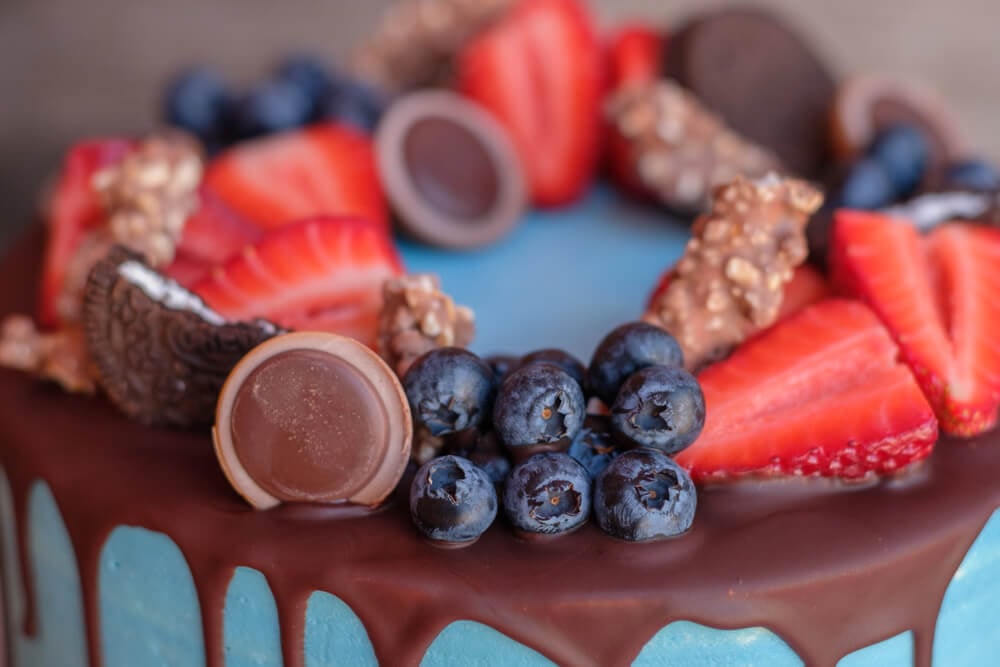
Over the years, the Sears Christmas catalog included candy, fruitcake, toys, clothes, and decorations. Families could order a tin of sweets along with a doll or a train set.
The mix of items made it a one-stop source for a holiday table and a tree.
Mid-Century Department Store Christmas Catalogs

In the middle of the century, retailers such as Montgomery Ward, Spiegel, Neiman Marcus, and JCPenney all released substantial Christmas catalogs. Each included gift foods alongside clothing and toys.
Together, the books turned December into a season of mail-order browsing.
The Mailbox as a Pantry
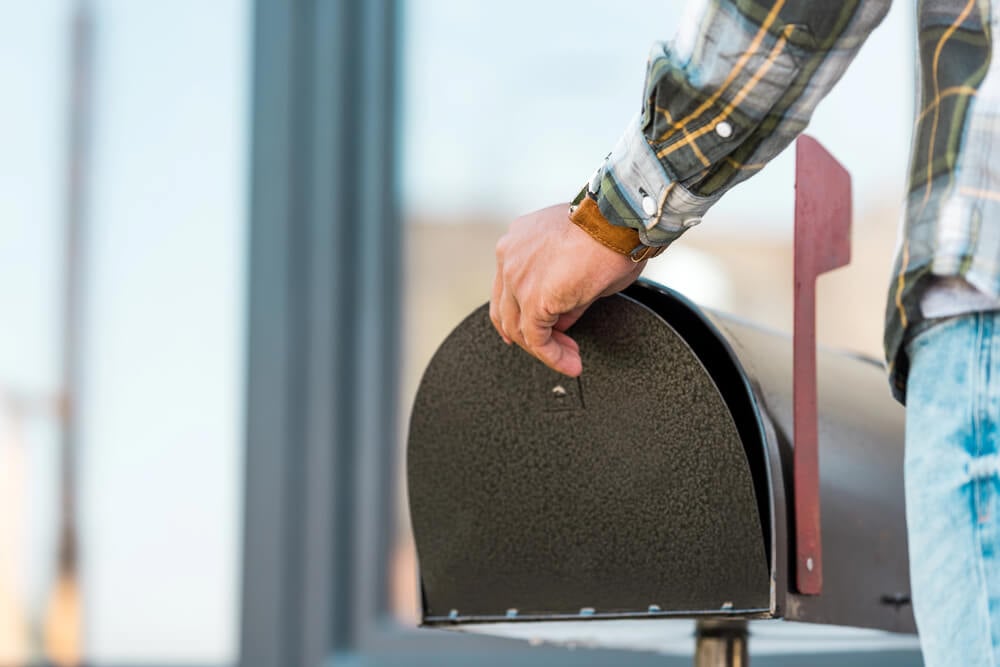
A catalog meal arrived on a schedule that suited the holiday, with the delivery often timed for early December. Cheese, sausage, fruit, and cake could be stored through the season and shared with guests as they arrived.
The practice gave rural and small-town households access to foods they might not have found locally.
Many of these businesses continue to operate, though their customers now order online and the printed catalog has shrunk. The shape of the tradition has changed, but the idea of sending a box of food as a holiday gift remains strong.
The old pages are a reminder that regional food became national through the mail long before the internet.
More from Go2Tutors!

- 27 Silver Dollars and Half Dollars Worth Keeping
- 28 Restaurant Menu Items Nobody Orders Anymore
- 17 Places Built in Seemingly Impossible Spots
- 27 Vintage Rings Worth More Than They Look
- 25 Restricted Sites Tourists Can’t Enter
Like Go2Tutors’s content? Follow us on MSN.