Childhood Savings Habits From Before Banking Apps
Before a parent could tap a phone to move allowance into a kid’s account, saving meant carrying real coins to a real counter. Schools, banks and the federal government all competed to teach children to put money away.
The habits they built were physical, ritual-heavy and surprisingly creative.
Some of these programs lasted generations, while others vanished with a change in law or fashion. All of them show how much effort went into turning small change into a lifelong skill.
School Savings Banks

School Savings Banks programs spread widely during the early 1900s, letting children learn the basics of banking by saving, earning interest and tracking balances. Teachers collected deposits at school, which made saving part of the weekly routine.
The programs kept growing through the Great Depression and lasted into the 1950s.
Grenade Banks for War Savings
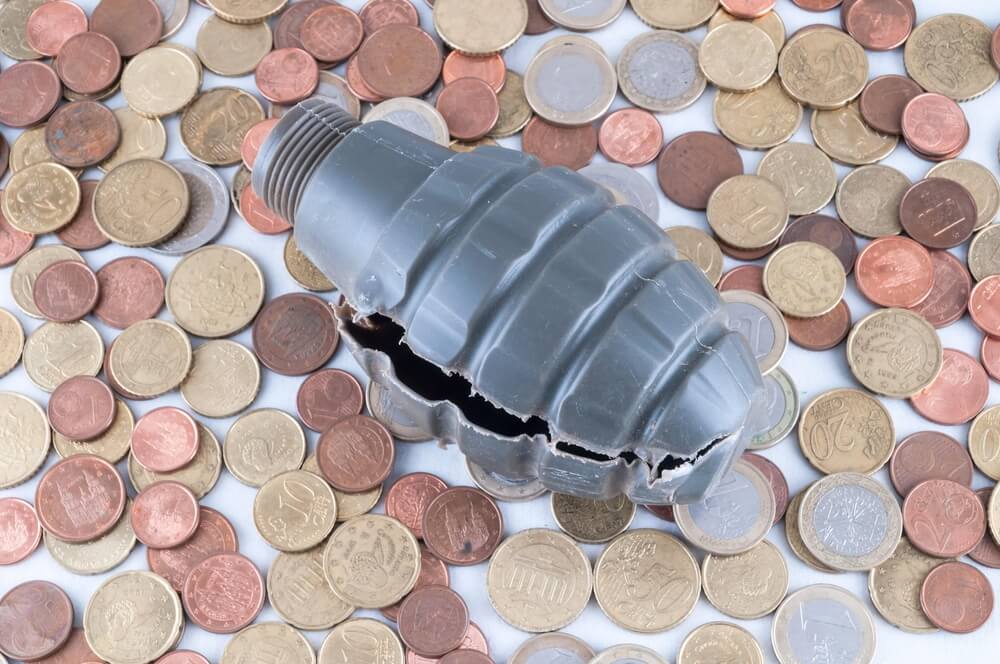
After World War I, promotion of War Savings Stamps led to a program that distributed hand grenades converted into children’s savings banks. Kids were loaned these banks during vacations to help contribute to the stamp effort.
A child who saved enough to buy a stamp was allowed to keep the grenade bank, turning a symbol of war into a toy.
The First Federal Savings Stamp
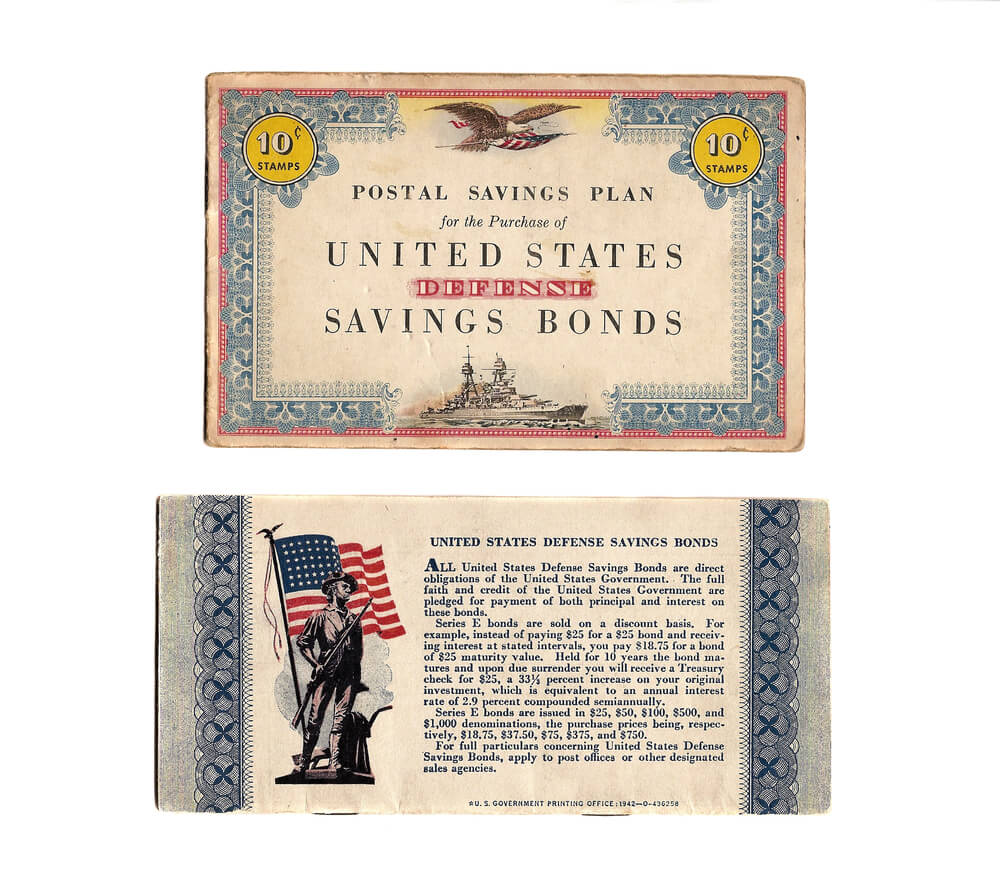
The Post Office Department issued its first Savings Stamp on November 30, 1954. School administrators purchased the stamps at local post offices and resold them to students.
The program linked classroom habits directly to the federal government.
Stamp Albums That Became Bonds
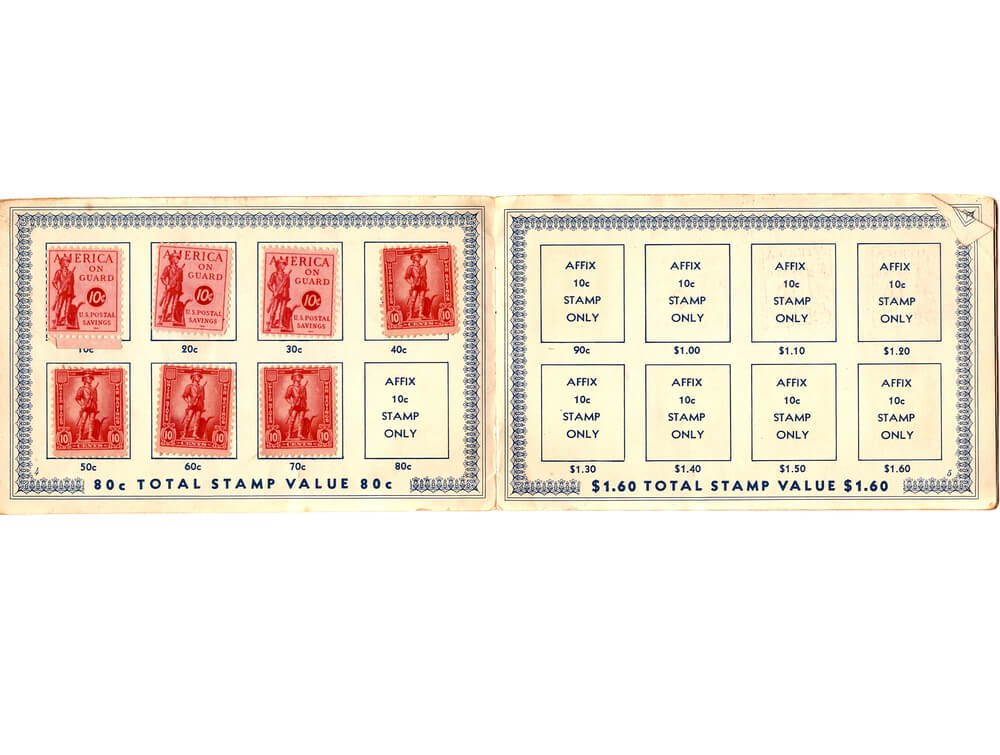
An album filled with $18.75 in Savings Stamps could be exchanged for a U.S. Savings Bond with a face value of $25. That meant a child could watch a visible stack of stamps grow toward a real investment.
Higher denominations followed, including a 25-cent stamp issued in November 1958.
Minuteman Stamps and Patriotic Lessons

The Minuteman design on the Savings Stamps was accompanied by other materials that appealed to the spirit of patriotism. Saving was packaged as a civic duty as much as a financial skill.
Children who filled an album were told they were helping their country as well as their own future.
The Passbook Account
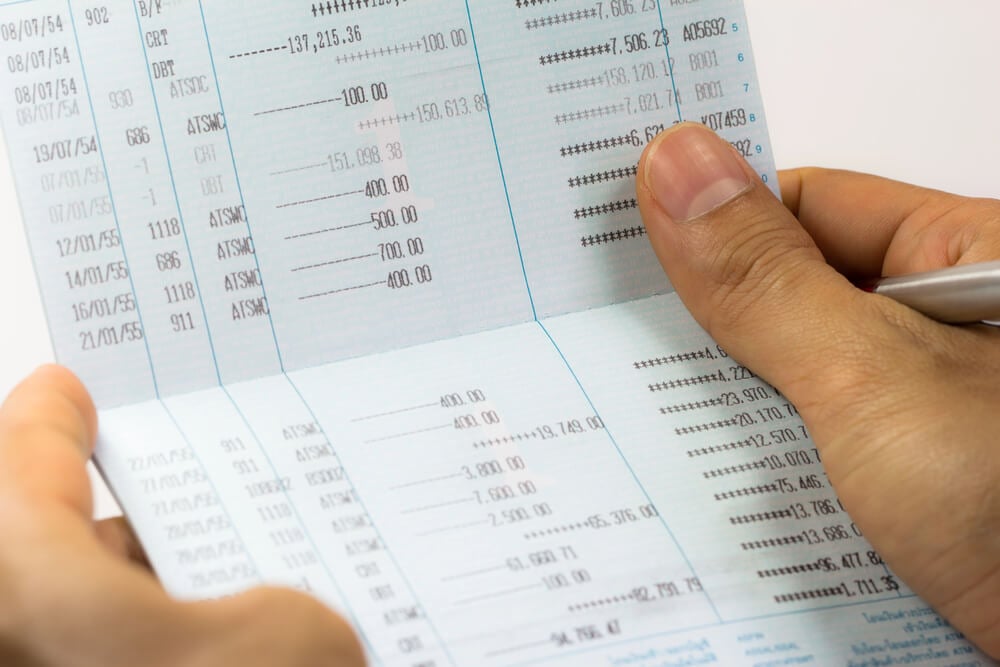
Children with their own passbook savings accounts watched interest accumulate in a little book stamped by a teller. One adult recalls that savings accounts paid 4 percent in the early to mid-1960s.
The passbook gave every deposit a visible, official record that no app screen quite replicates.
Punch Cards in Brown Envelopes
In the early to mid-1960s, some school savings programs used punch cards kept in brown envelopes. Children brought their coins and the card tracked each deposit.
The system relied on the teacher and a handful of student volunteers rather than any computer.
The Christmas Club
Merkel Landis, treasurer of the Carlisle Trust Company in Pennsylvania, introduced the first known Christmas club in 1909. Members made small regular deposits all year so they would have cash for gifts in December.
The idea spread across the country and shaped how generations of families planned holiday spending.
The Children’s Christmas Banking Club
Banks encouraged parents to enroll their children in a Christmas Banking Club to develop self-reliance and the saving habit. The kid-sized version taught the same discipline as the adult one, with small deposits building toward gifts.
It gave children an early lesson in waiting for something worth buying.
Christmas Club Checks at the Department Store
By 1930, a Wilmington department store offered to cash Christmas Club checks for shoppers, which tied saving directly to spending. Stores quickly saw the value of customers arriving with cash set aside for gifts.
The practice turned a quiet bank habit into a seasonal retail event.
The Three-Coin Register Bank
The Uncle Sam’s 3-Coin Register Bank, made by Durable Toy and Novelty Company, worked like a kid-sized Christmas Club. It forced saving all year long toward the goal of buying gifts at Christmastime.
A working mechanism and intact finish matter greatly to collectors looking at examples today.
Coin Banks and Stuffed Animals From the Teller

Banks sent children home with coin banks, stuffed animals and other small gifts when parents opened an account. The gifts made the bank feel friendly instead of intimidating.
Many families still have a logo piggy bank tucked in a closet, evidence of how well the strategy worked.
The Savings Bond Gift
A common pitch from local banks was a free $25 savings bond for opening a new savings or checking account. Newspaper ads promoted the offer alongside toasters and blenders.
A child’s first bond often arrived through a parent’s trip to the bank, not through any effort of their own.
Holiday Money to the Bank

A local history note from January 1927 observes that many children who received money for Christmas followed their parents’ advice and put it in the bank. The habit turned a day of gifts into an annual deposit.
Parents saw holiday cash as an easy opportunity to teach the value of saving.
Pennies With a Purpose

Each of these habits tied small amounts of money to a clear goal, whether a bond, a gift or a bank balance. Children saw their savings grow in an album, a passbook or a toy mechanism rather than on a screen.
The tangible feedback made the lesson easier to remember. Many of these programs faded as savings bonds lost popularity and banking moved away from the classroom.
Yet children’s banking programs and savings bond programs continue, though on a smaller scale. The tools have changed, but the core idea of putting a little away at a time remains as useful as ever.
More from Go2Tutors!

- 27 Silver Dollars and Half Dollars Worth Keeping
- 28 Restaurant Menu Items Nobody Orders Anymore
- 17 Places Built in Seemingly Impossible Spots
- 27 Vintage Rings Worth More Than They Look
- 25 Restricted Sites Tourists Can’t Enter
Like Go2Tutors’s content? Follow us on MSN.