Old Theater Programs Featuring Future Stars
Most people keep a theater program for the show it documents, but the real discoveries sit in the cast list, where a name in small type can belong to someone whose career has not happened yet. Ensemble parts, understudy slips, and one-week flops have a way of preserving the earliest evidence of performers who later became household names.
A program that once cost a few cents can end up as the only printed record of a debut. The programs below are real examples of that pattern, drawn from Broadway and London stages across several decades.
Their value depends heavily on condition, since clean covers, intact spines, and unmarked cast pages are what collectors look for first.
Marlon Brando in I Remember Mama
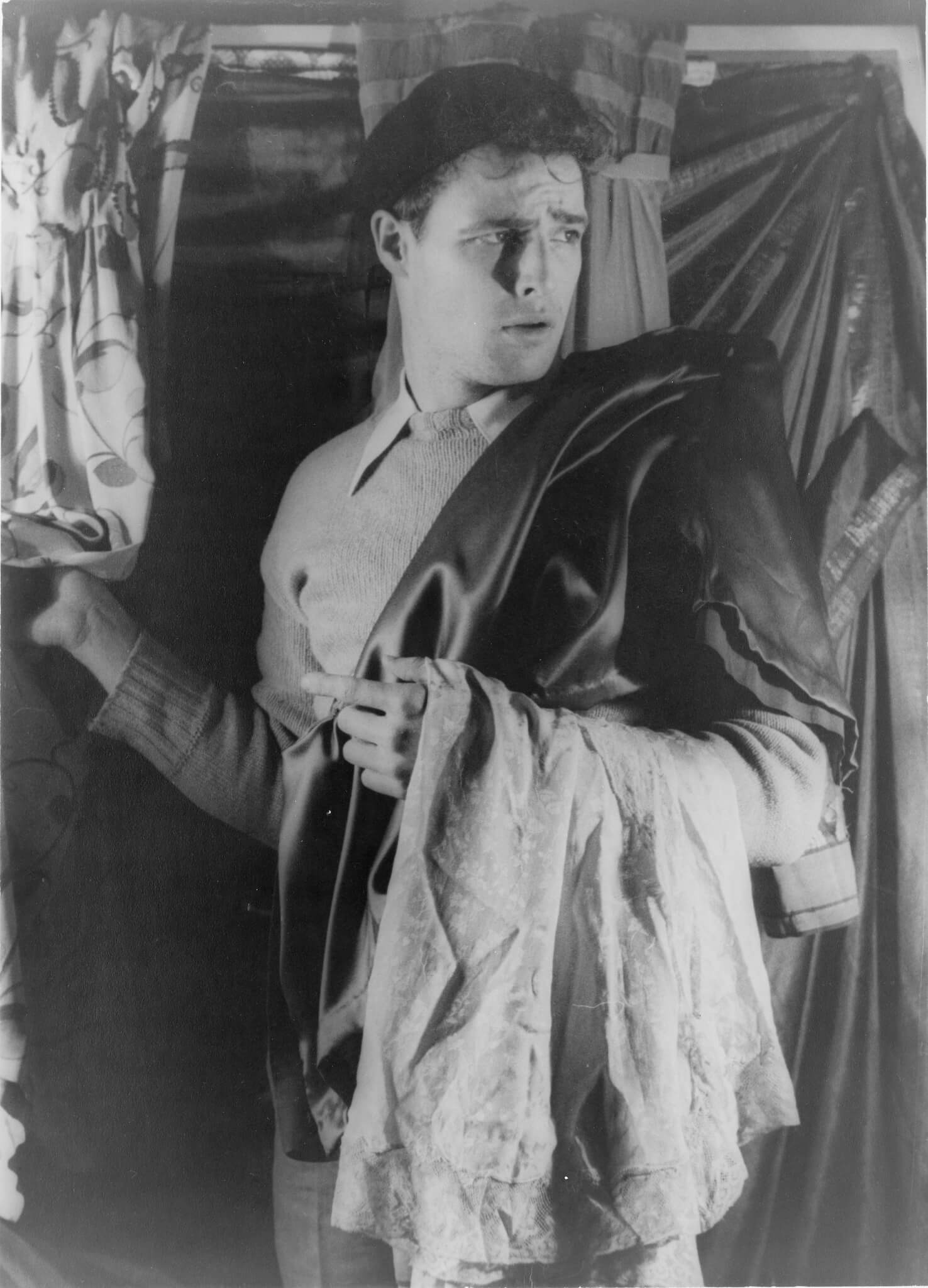
Marlon Brando made his Broadway debut in 1944 in I Remember Mama, playing the teenage son Nels in a warm family drama about Norwegian immigrants in San Francisco. The part was modest, and his name sat well below the leads, yet critics and producers noticed the young actor.
Within three years he was cast as Stanley Kowalski in A Streetcar Named Desire. A program from the original run is the earliest printed credit for one of the most influential screen actors of the century, and its worth rises or falls with the condition of the cover.
Paul Newman in Picnic
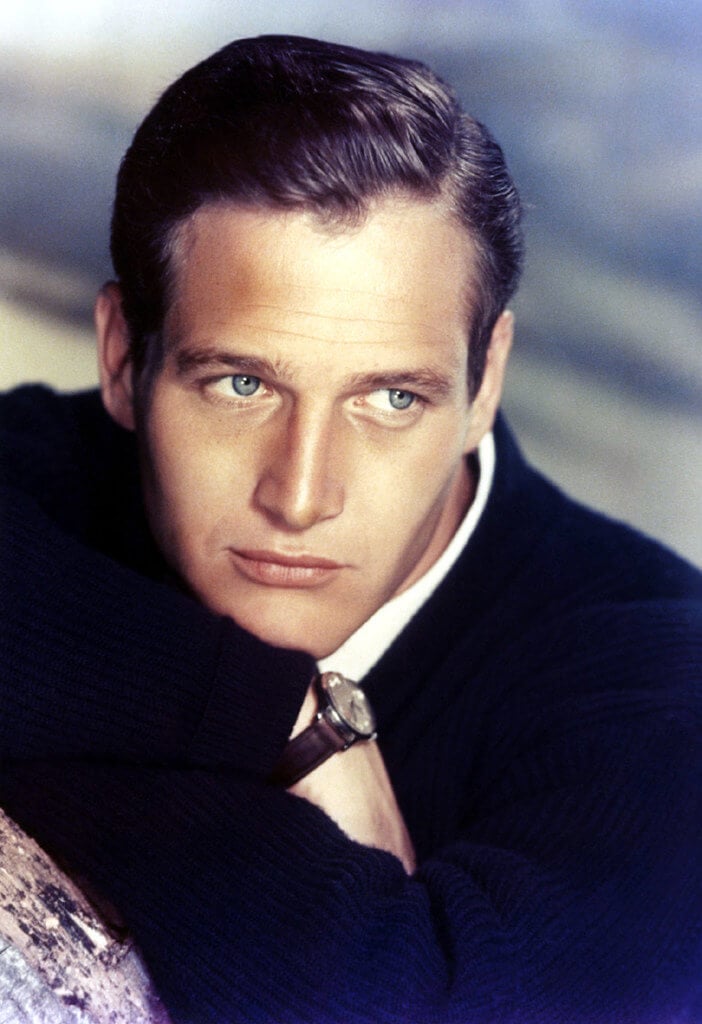
Paul Newman appeared in the original 1953 Broadway production of Picnic in a small role as Alan Seymour while also serving as understudy to Ralph Meeker, who played the drifter Hal. The play, set during a Labor Day gathering in a Kansas town, won the Pulitzer Prize for Drama and gave Newman a place in a hit rather than a flop.
Programs sometimes carry tipped-in cast slips announcing understudy appearances, which are especially prized when they involve a performer who later became a movie star. Folded corners and loose slips cut into the value of such programs quickly.
James Dean in See the Jaguar

James Dean performed on Broadway in 1952 in See the Jaguar, a drama about an overprotected young man that closed after only five performances. The run was so short that very few programs from it were printed or saved, which makes any survivor a genuine scarcity.
Dean had acted in television and bit parts, but this was one of his rare appearances in a full Broadway cast. By the time Hollywood made him famous, the play had been forgotten, and its program had become a footnote with a short and unusual shelf life.
Barbra Streisand’s Broadway Debut
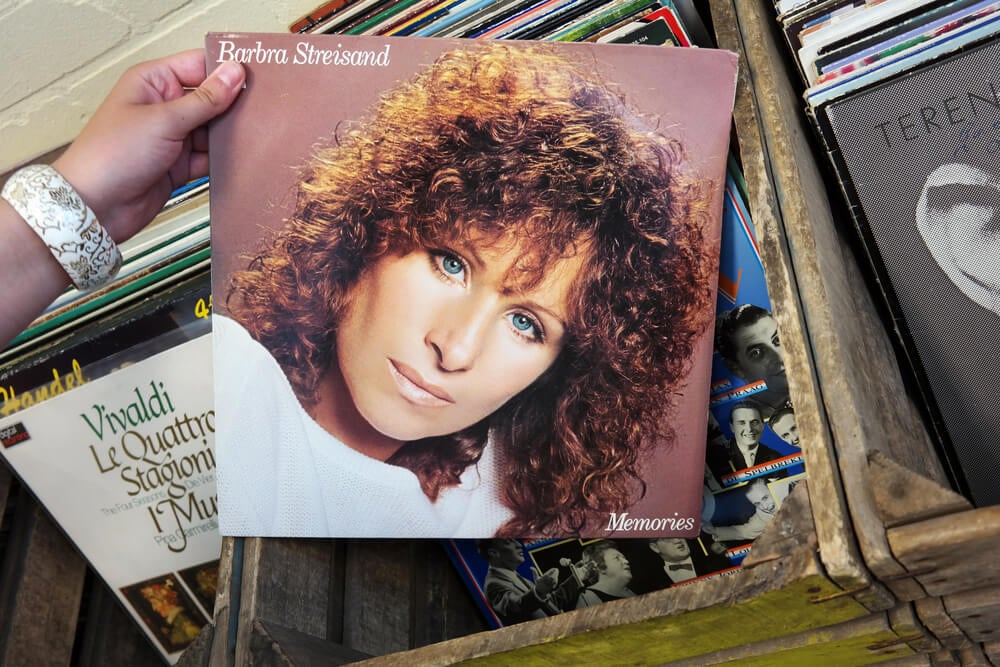
Barbra Streisand made her Broadway debut in 1962 as Miss Marmelstein, a weary secretary in a musical set in New York’s garment district. She had only a small part, but her showstopping number drew attention and earned her a Tony Award nomination.
Her name appears in the cast list of the program alongside far better-known performers of the day. Opening-night and early-run programs from that production are the ones collectors seek, and unmarked cast pages matter more than almost anything else.
Bette Midler in Fiddler on the Roof
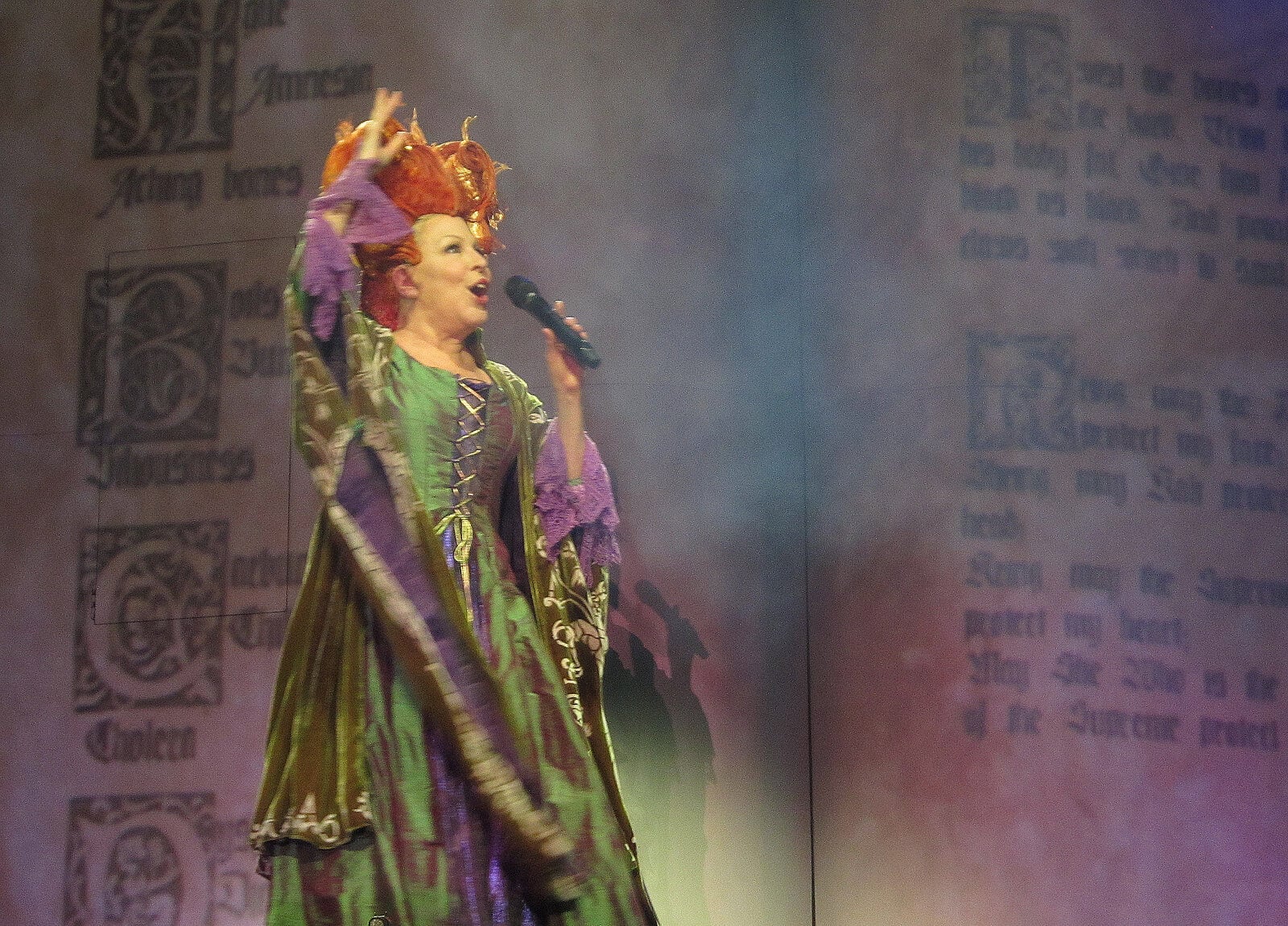
Bette Midler joined the Broadway company of Fiddler on the Roof in 1966, first as a member of the ensemble and later in the role of Tzeitel, the eldest daughter of Tevye. She stayed with the long-running show for years, which means her name can turn up in programs from several different seasons.
The overlap is useful to collectors because programs from the later part of the run sometimes carry cast inserts listing replacements. Condition again drives value, since a long-running show printed enormous numbers of programs and only the cleanest examples stand out.
Meryl Streep in Trelawny of the Wells
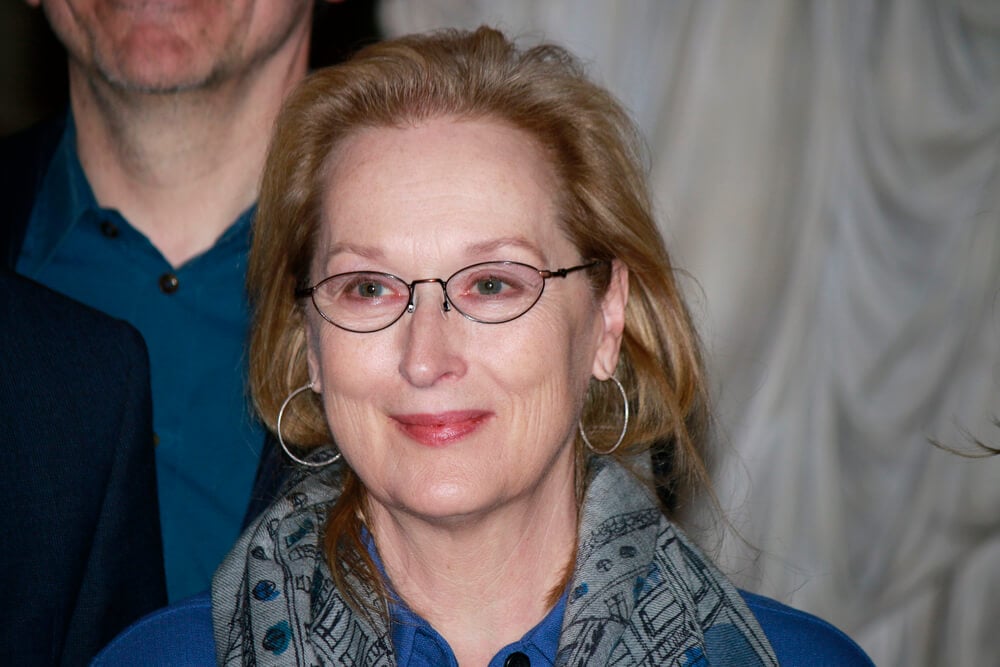
Meryl Streep made her Broadway debut in 1975 in Trelawny of the Wells, a revival of Arthur Wing Pinero’s comedy about a Victorian theater company. Fresh out of the Yale School of Drama, she appeared in a modest role among a large ensemble.
In 1976 she returned to Broadway in 27 Wagons Full of Cotton, a performance that earned her a Tony Award nomination. Programs from either production can show how quickly her name moved up the page.
Julie Andrews in The Boy Friend
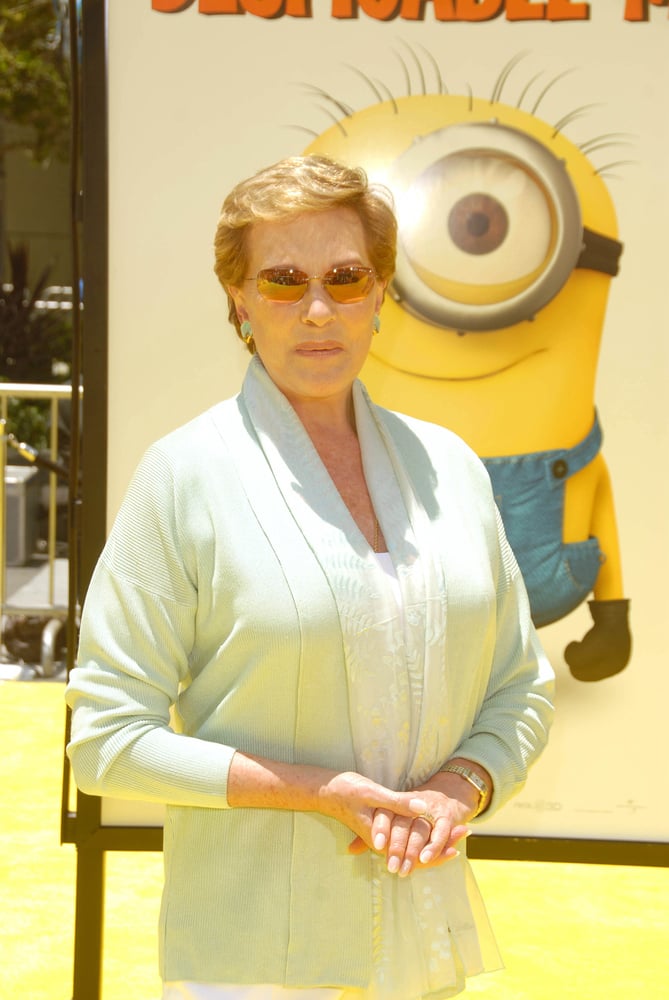
Julie Andrews arrived on Broadway at 19 in the 1954 production of The Boy Friend, a spoof of 1920s musicals in which she played the lead role of Polly Browne. The show had already been a hit in London, and her performance made her a name in New York almost overnight.
Within a few years she would originate the part of Eliza Doolittle in My Fair Lady. Playbills from the opening season help show how rapidly a newcomer can move from an unknown billing to the top of a marquee.
Audrey Hepburn in Gigi

Audrey Hepburn was a young film actress with modest credits when she was cast as the title character in the 1951 Broadway adaptation of Colette’s story Gigi. According to the standard account, Colette herself had picked her for the role after seeing her in person.
The production ran in New York and then toured, and it put her name before American audiences before Roman Holiday made her a movie star. A program from the Broadway engagement is among the most desirable early Hepburn items, and tears or stains reduce its worth considerably.
Christopher Reeve in A Matter of Gravity
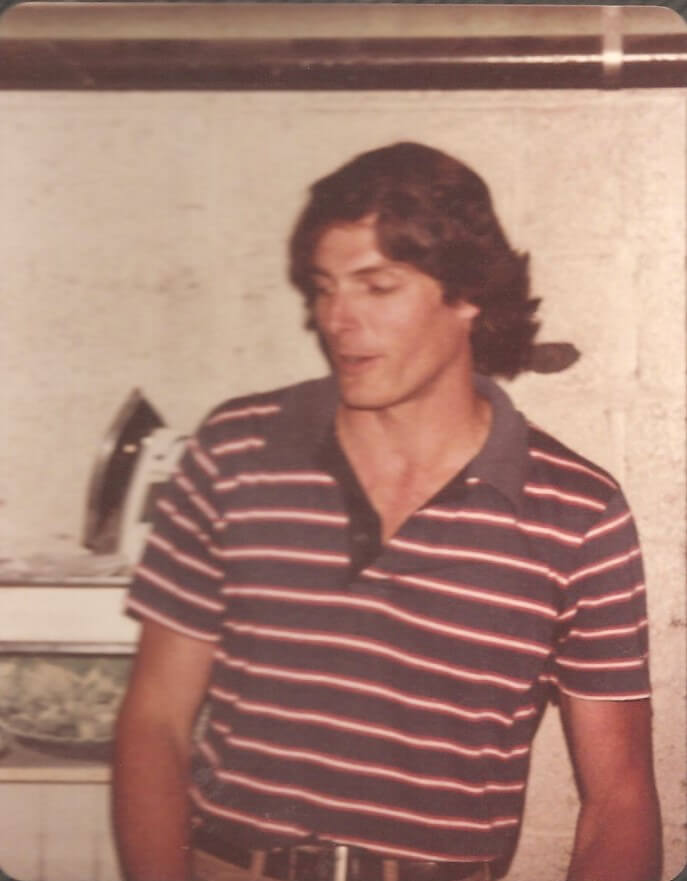
Christopher Reeve appeared on Broadway in 1976 in A Matter of Gravity, playing the grandson opposite Katharine Hepburn in a comedy built around her eccentric, aging character. He was young, little known, and several years away from landing the title role in Superman.
A play with Hepburn at its center guaranteed attention for the cast around her. The program is a good example of how a supporting role beside a legend can preserve the first printed record of a future leading man.
Glenn Close in Love for Love
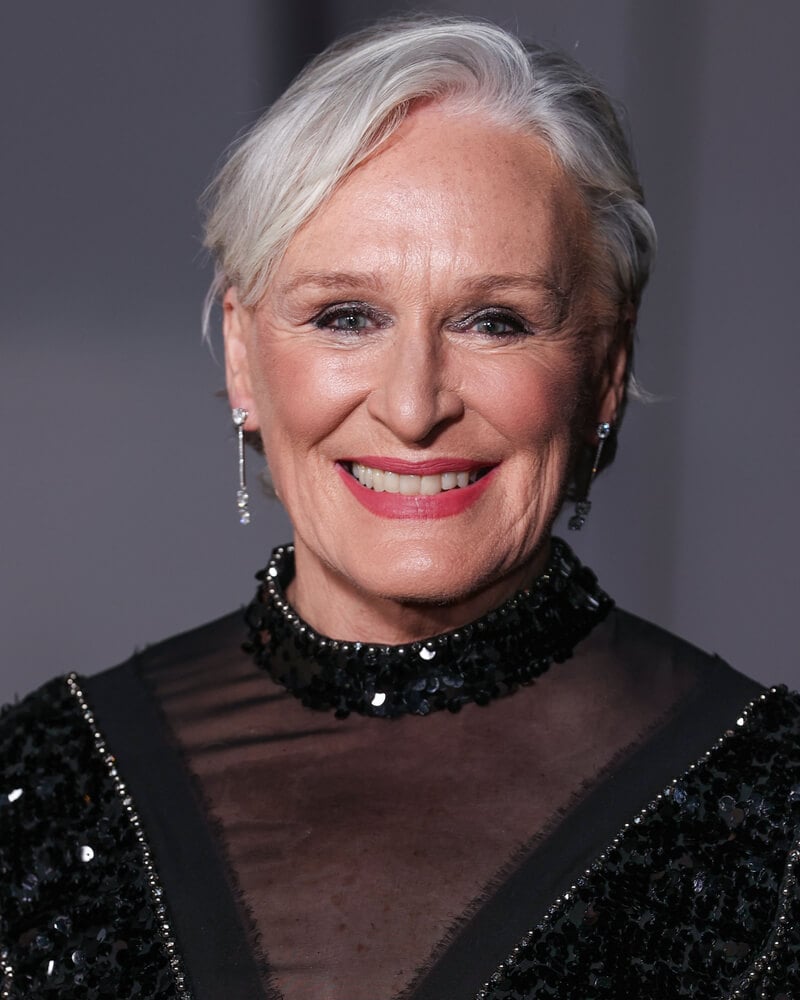
Glenn Close made her Broadway debut in 1974 in a revival of William Congreve’s Restoration comedy Love for Love, staged by the Phoenix Theatre company. She was part of a large ensemble in a classical production rather than a headliner.
Two years later she appeared in the musical Rex, and decades of stage and screen work followed. Programs from repertory seasons like this one are easy to overlook, but they often contain the first appearance of a name that later fills theater marquees.
Cher and Kathy Bates in Come Back to the Five and Dime, Jimmy Dean, Jimmy Dean
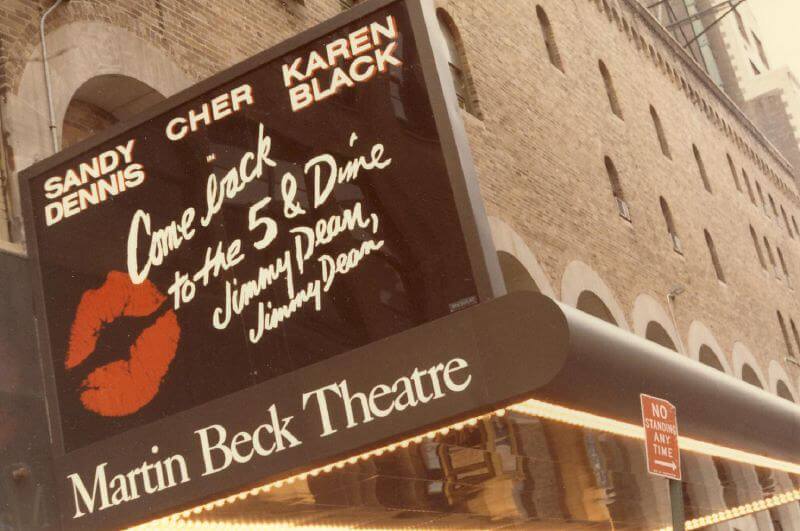
Robert Altman directed the 1982 Broadway production of Come Back to the Five and Dime, Jimmy Dean, Jimmy Dean, a drama about a group of women reuniting in a Texas variety store. The cast included Cher, Sandy Dennis, Karen Black, and Kathy Bates, giving the program a rare mix of established names and future ones.
Cher was making her Broadway debut, and Bates was only a few years from the first major roles that made her famous. The show closed quickly, which is part of why programs from it are scarce.
Morgan Freeman in Hello, Dolly!
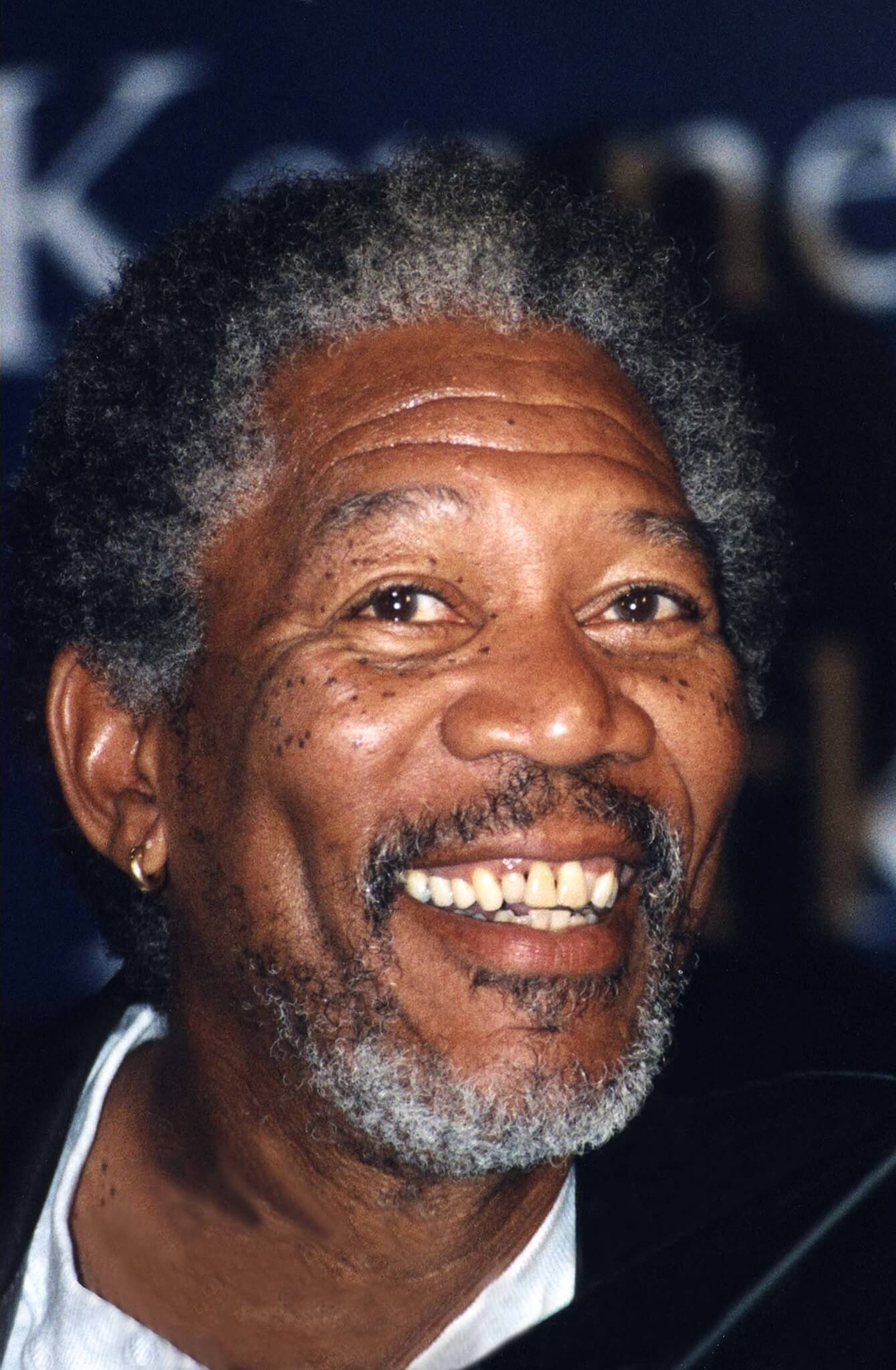
Morgan Freeman was a member of the ensemble in the all-Black Broadway production of Hello, Dolly! that opened in 1967 with Pearl Bailey in the title role and Cab Calloway as Horace Vandergelder. The program lists a large cast, and Freeman’s name appears far from the top.
He did not become a major film star for more than two decades. That distance between a chorus credit and later fame is exactly what makes older programs worth reading carefully, and clean copies in a plain cover stay more valuable than ones with ticket stubs glued inside.
Sean Connery in South Pacific

Sean Connery joined the chorus of the London production of South Pacific in the early 1950s, working in the Drury Lane Theatre before his film career took shape. He was a former bodybuilder and milkman’s assistant who had taken stage work after a few modeling jobs.
The musical ran for years in London, so programs are not uncommon, but those with a chorus list from Connery’s period are a different matter. A clean copy is the minimum requirement for the entry to matter at all.
Sarah Jessica Parker in Annie

Sarah Jessica Parker was a child actor on Broadway in the late 1970s and took over the title role in the long-running musical Annie in 1979. A series of young performers played the red-haired orphan over the show’s first run, and each is credited in programs from the period.
Parker’s name appears in cast changes printed on separate inserts. Those slips often get lost, so a program with the original insert still tucked inside is worth noticeably more than one without.
Fine Print Before the Fame

What links these programs is how little the cast lists reveal at first glance. A name that now carries a Tony Award or an Oscar once appeared in the ensemble, in a supporting part, or in a short-lived production that closed before most people could see it.
The printed page records that moment more reliably than any later memory or interview. Collectors who go looking for these programs benefit from reading beyond the star billing, checking the ensemble and understudy lists, and holding out for clean copies.
Condition shapes price more than any other factor, and a program that has survived without tears, stains, or loose inserts is far easier to sell and display. The smallest print on the page is often where the best story is.
More from Go2Tutors!

- 27 Silver Dollars and Half Dollars Worth Keeping
- 28 Restaurant Menu Items Nobody Orders Anymore
- 17 Places Built in Seemingly Impossible Spots
- 27 Vintage Rings Worth More Than They Look
- 25 Restricted Sites Tourists Can’t Enter
Like Go2Tutors’s content? Follow us on MSN.