16 Times a Misheard Word Completely Changed the Course of Events
Simple misunderstandings have historically set off remarkable series of events that changed lives, set off wars, or generated unanticipated possibilities. From diplomatic mistakes to military catastrophes, these verbal errors show that occasionally the simplest misinterpretation can have the most important effects.
Here is a list of 16 fascinating instances where someone hearing the wrong word or phrase completely changed how events unfolded.
The War of Jenkins’ Ear
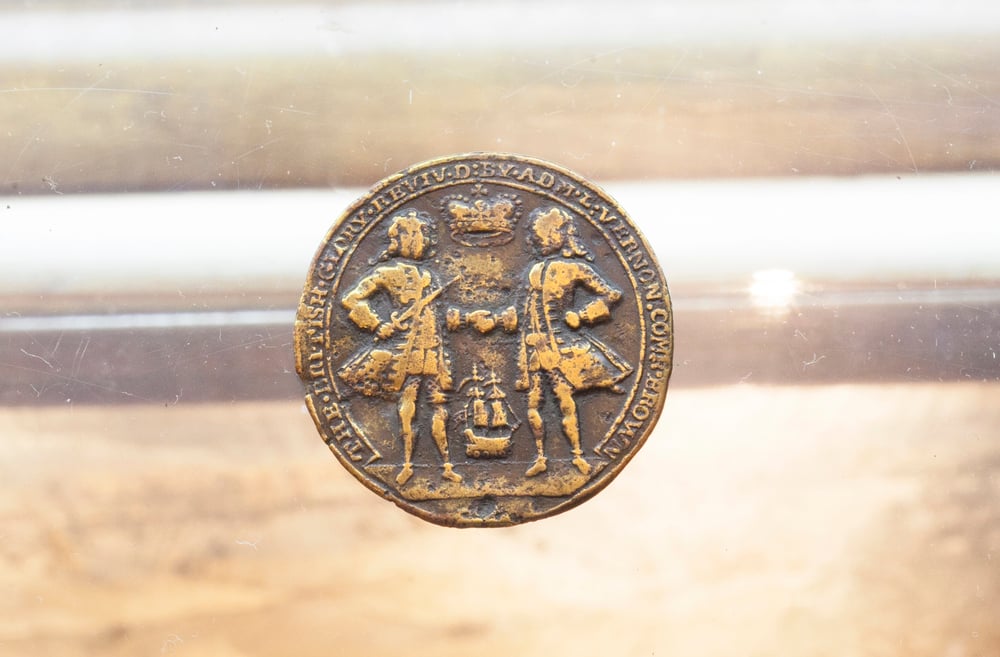
During a boarding examination in 1731, Spanish coast guards hacked off British captain Robert Jenkins’ ear. Jenkins’s statement on the threats made by the Spanish commander was partially misinterpreted when he later showed his severed ear to Parliament, therefore inflating tensions well beyond the actual event.
These misunderstandings helped to fuel the War of Jenkins’ Ear between Britain and Spain in 1739, a struggle that finally combined into the more general War of Austrian Succession.
The Charge of the Light Brigade
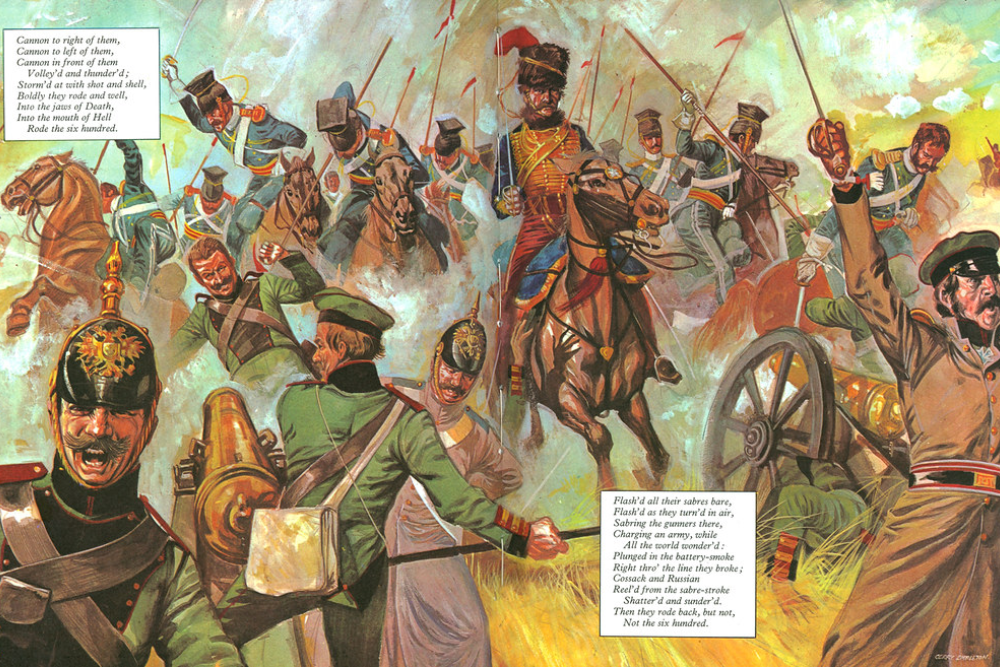
During the Crimean War’s Battle of Balaclava in 1854, a misheard order led to one of military history’s most famous disasters. Lord Raglan intended for cavalry to prevent Russians from removing captured guns from one position, but his vague instructions were misinterpreted as a command to charge directly at the heavily fortified Russian artillery at the valley’s end.
The resulting massacre was immortalized in Tennyson’s poem and demonstrated how dangerous miscommunication can be on the battlefield.
The Katyn Forest Investigation
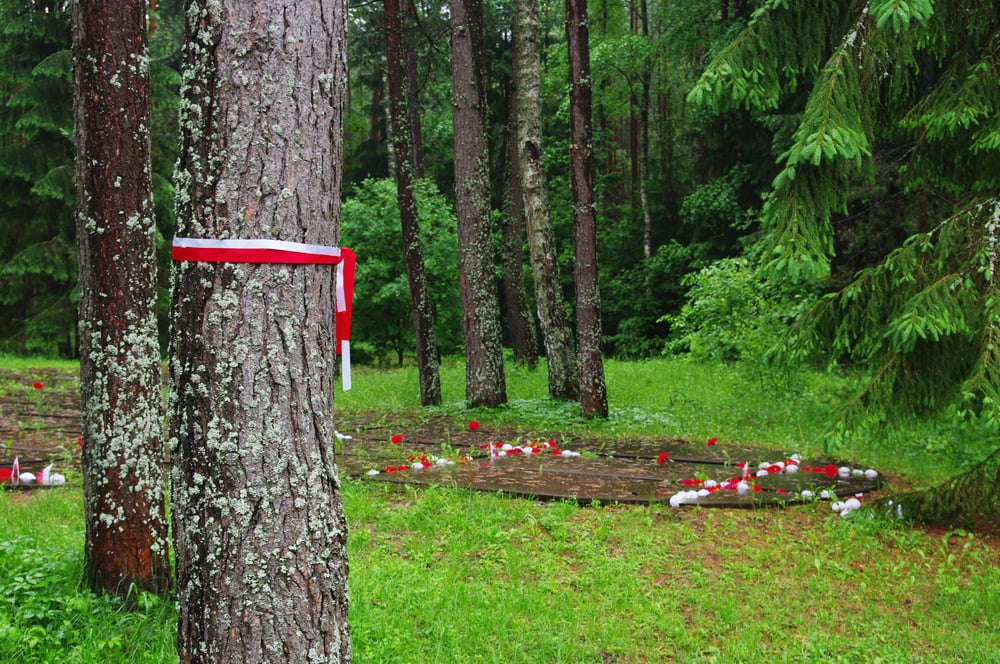
During World War II, thousands of Polish officers were executed in the Katyn Forest. In 1943, when investigating a massacre site, German General Eugen Oberhauser misheard a translator describing the bodies as being in “uniform” as being in “unicorn.”
This bizarre miscommunication temporarily derailed the investigation as German officials wasted precious days searching for nonexistent mythological references, allowing Soviet forces time to establish their counter-narrative about the killings.
The Hawaii Missile Alert
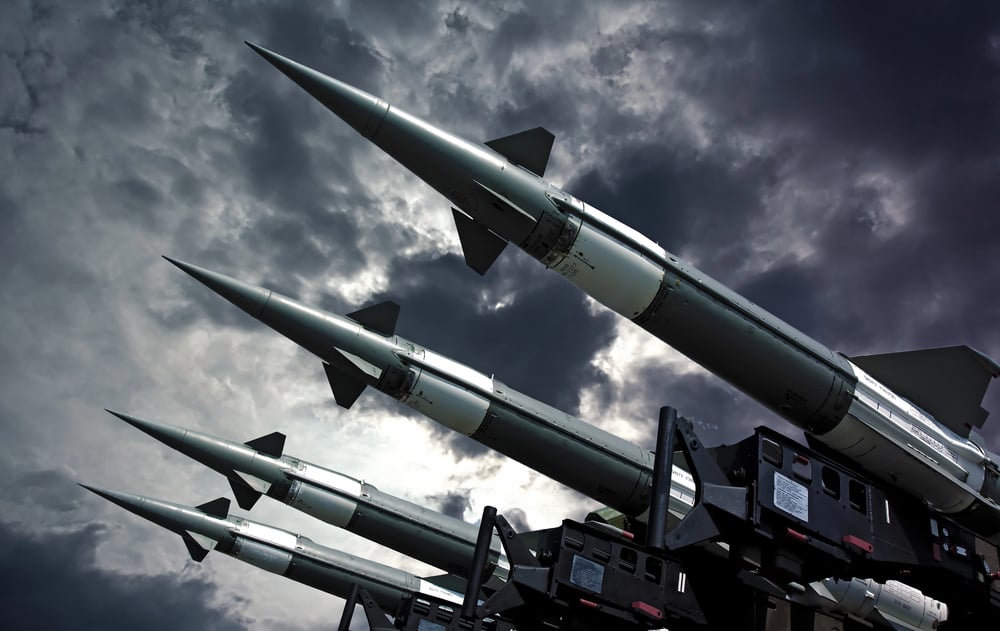
In January 2018, an emergency management employee in Hawaii misheard instructions during a drill and thought he was responding to a real threat. The employee selected “MISSILE ALERT” instead of “TEST MISSILE ALERT,” sending a false warning of an incoming ballistic missile to Hawaii’s residents.
Thousands believed they were about to die in a nuclear attack, causing widespread panic for the 38 minutes before authorities issued a correction.
The Three Mile Island Incident
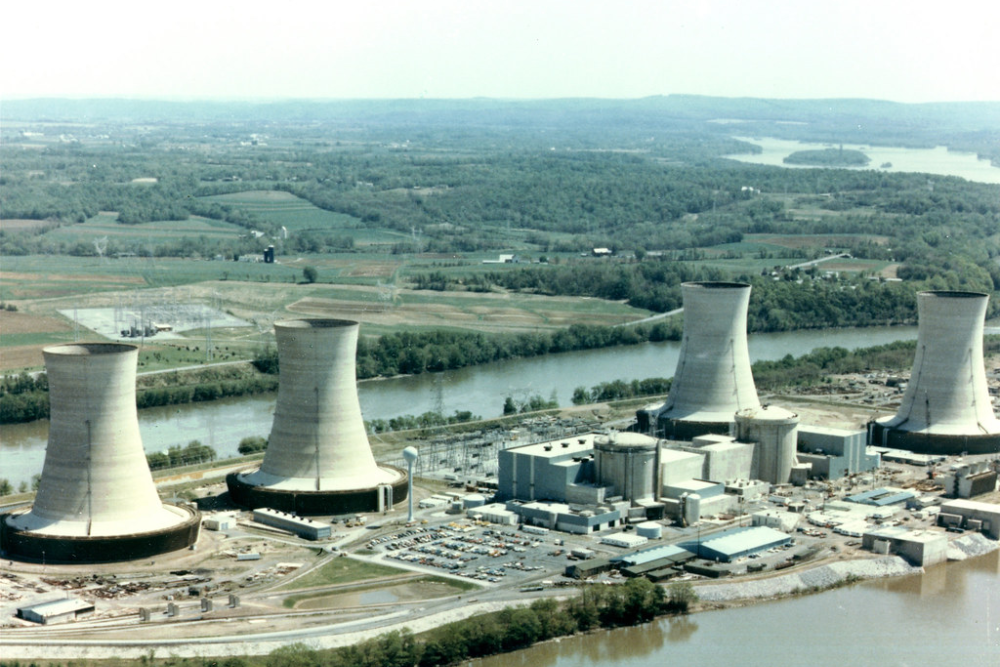
During the 1979 nuclear accident at Three Mile Island, a critical miscommunication worsened the situation. An operator misheard instructions about valve positions, believing the primary cooling system was functioning properly when it wasn’t.
This misheard information delayed the proper emergency response by nearly two hours, contributing to what became America’s worst commercial nuclear accident.
Operation Cottage’s Friendly Fire Tragedy
In 1943, during World War II’s Aleutian Islands Campaign, American and Canadian forces launched Operation Cottage to recapture Kiska Island from Japanese forces. After landing, troops misheard distant explosions as enemy fire when Japanese forces had actually evacuated weeks earlier.
The resulting friendly fire incident caused over 300 Allied casualties as forces fired on each other, thinking they were engaging the enemy.
The Treaty of Wuchale Dispute
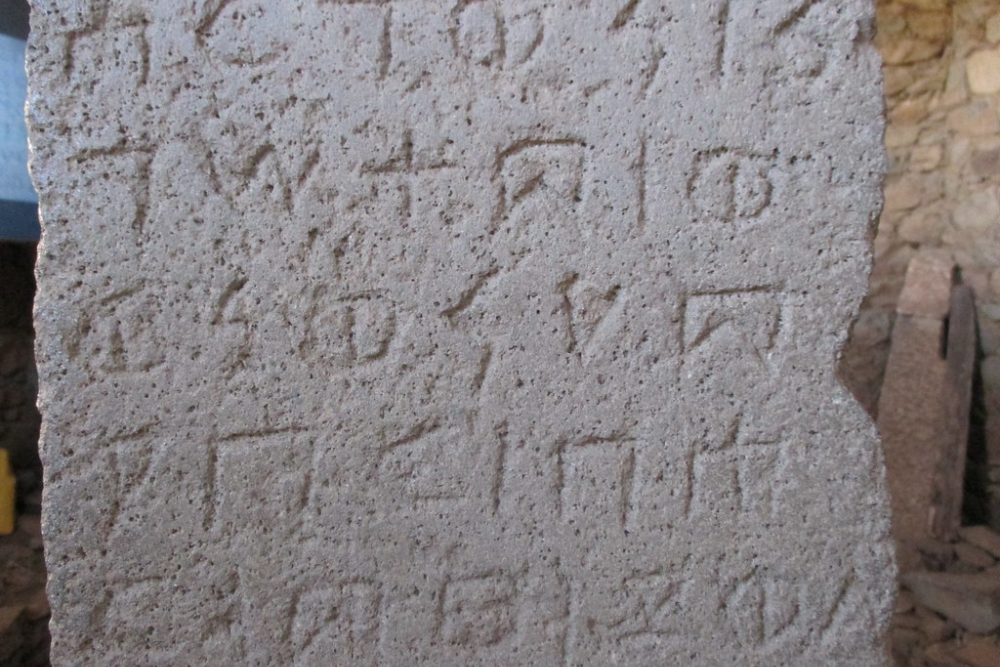
In 1889, Italy and Ethiopia signed the Treaty of Wuchale, but a misheard word in translation led to major conflict. In the Amharic version, Article 17 suggested Ethiopia “could” use Italy for foreign relations, while the Italian version said Ethiopia “must” do so.
This single misheard word in diplomatic translations led Italy to claim Ethiopia as a protectorate, eventually triggering the First Italo-Ethiopian War.
Hanoi Hannah’s Psychological Warfare

During the Vietnam War, North Vietnamese propaganda broadcaster Hanoi Hannah deliberately used words Americans might mishear to create psychological impact. In one famous broadcast, many American soldiers misheard her saying their specific units had been “eliminated” when she had actually said “evacuated.”
This misheard word spread panic among troops and temporarily affected morale in several battalions.
The Cascadia Earthquake Prediction
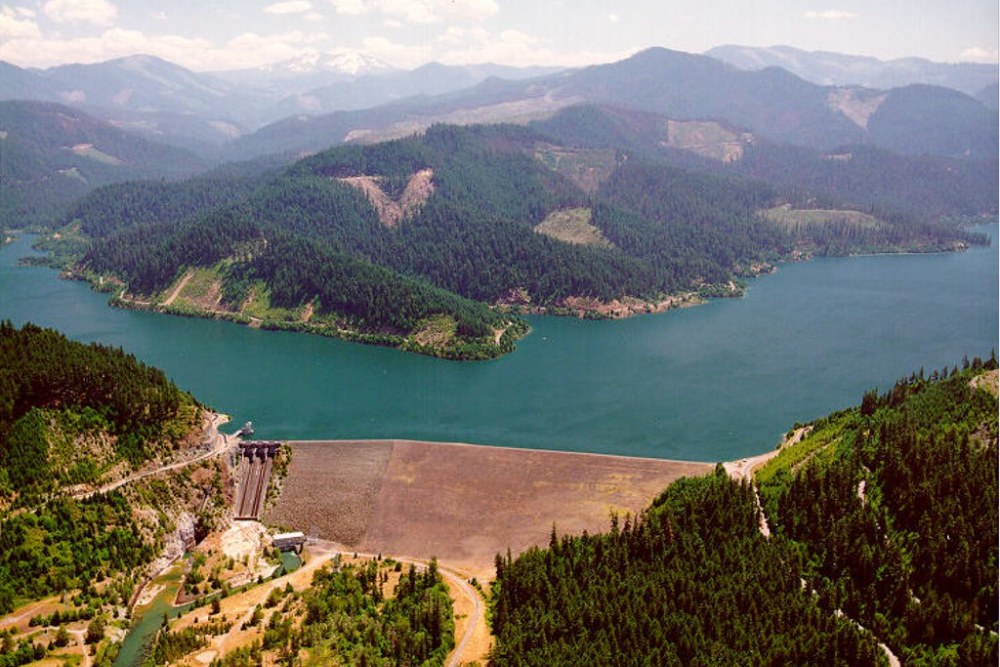
In 1986, geologist Brian Atwater misheard a colleague’s carbon dating estimate for ancient tsunami evidence in the Pacific Northwest. Thinking he heard “300 years ago” instead of “3,000 years ago,” Atwater initiated new research that eventually confirmed the Cascadia Subduction Zone had indeed experienced a massive earthquake around 300 years prior.
This miscommunication accidentally led to the discovery of the region’s true seismic danger and transformed emergency planning across the Northwest.
The Berlin Airlift Miscommunication
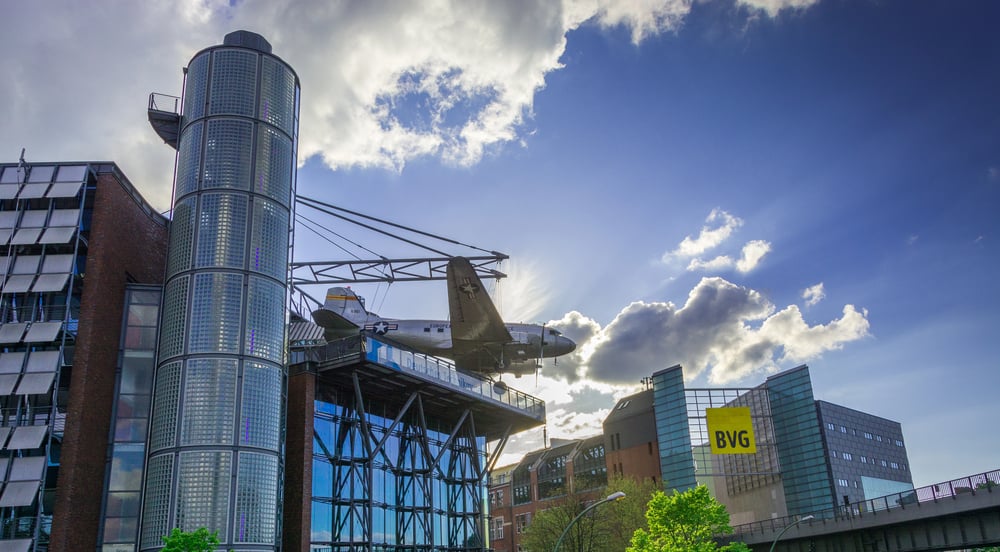
In 1948, Soviet officials misheard American General Lucius Clay’s comments about Berlin access, interpreting his statement about “maintaining supply lines” as a military threat rather than a logistical comment. This miscommunication contributed to the Soviets’ decision to blockade Berlin, which prompted the historic year-long Berlin Airlift that became a defining moment of the early Cold War.
The Korean Air Lines Flight 007 Tragedy
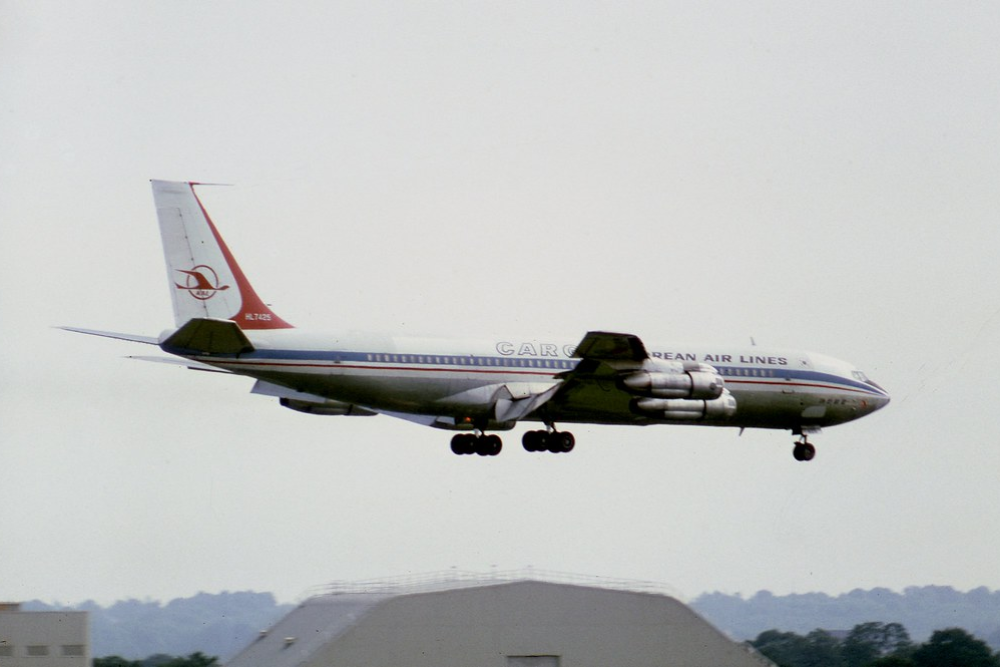
In 1983, Korean Air Lines Flight 007 strayed into Soviet airspace due partly to miscommunications between pilots and air traffic control. Soviet interceptor pilots misheard orders about identifying the aircraft before taking action.
The resulting shootdown killed all 269 people aboard and escalated Cold War tensions to their highest point since the Cuban Missile Crisis.
The Aral Sea Irrigation Project
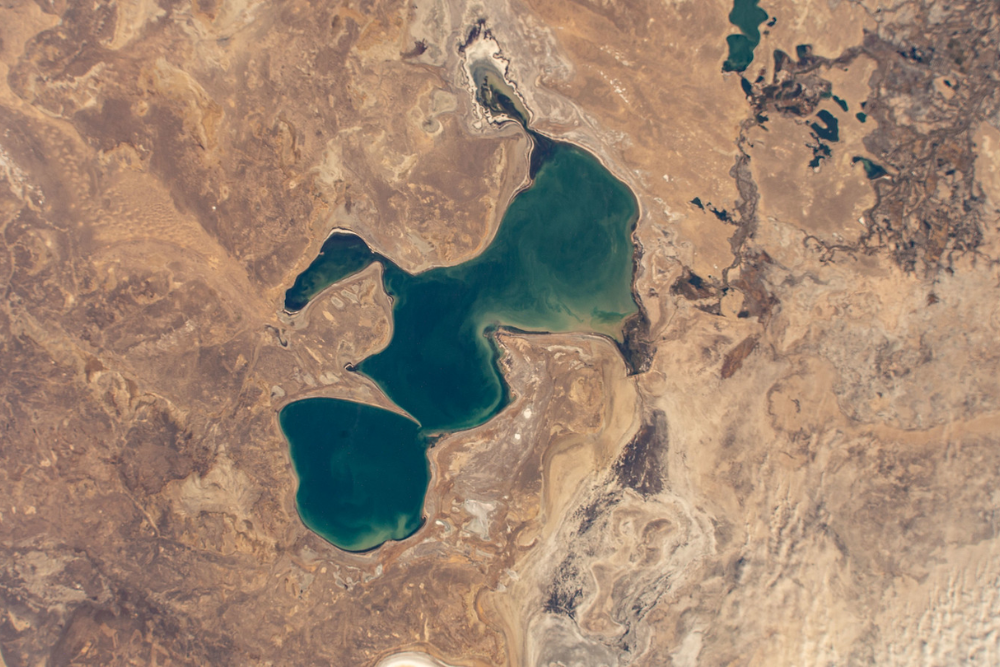
In the 1960s, Soviet planners misheard agricultural yield projections during meetings about diverting water from the Aral Sea for cotton irrigation. Believing they heard production estimates of “fifty percent higher” rather than “fifteen percent higher,” they approved a massive water diversion project.
This miscommunication contributed to one of history’s worst environmental disasters as the Aral Sea lost 90% of its volume.
The Wall Street Flash Crash
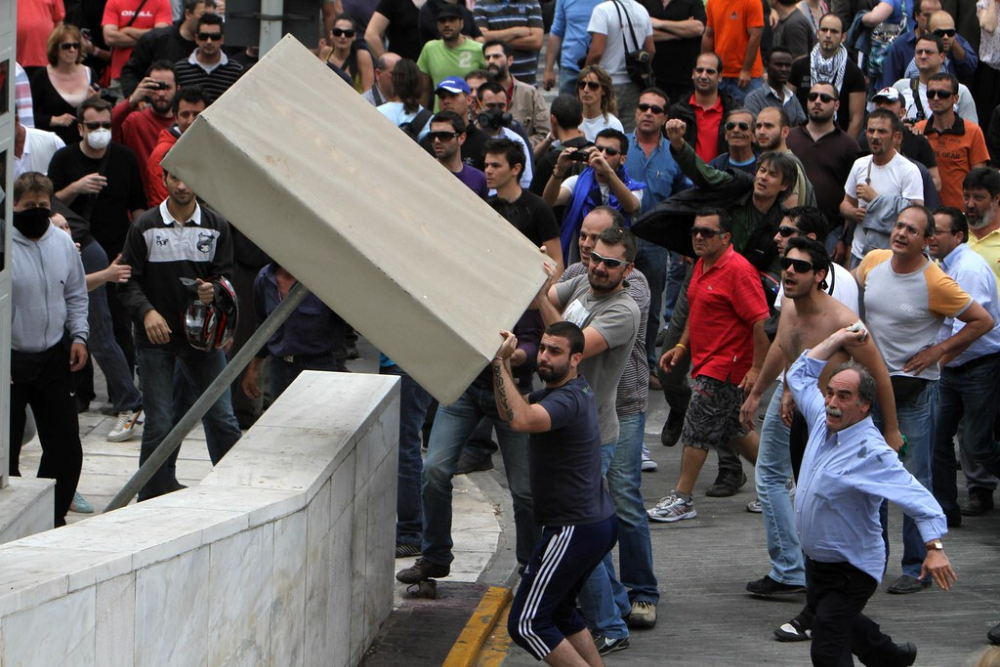
In May 2010, a trader’s comment about market conditions was misheard during a high-stress moment on trading floors. What was actually a warning about “lack of liquidity” was misheard as “Greek liquidity crisis,” triggering algorithmic trading responses.
This miscommunication contributed to the “Flash Crash” that temporarily wiped nearly $1 trillion from market values in minutes before recovering.
The Centralia Mine Fire
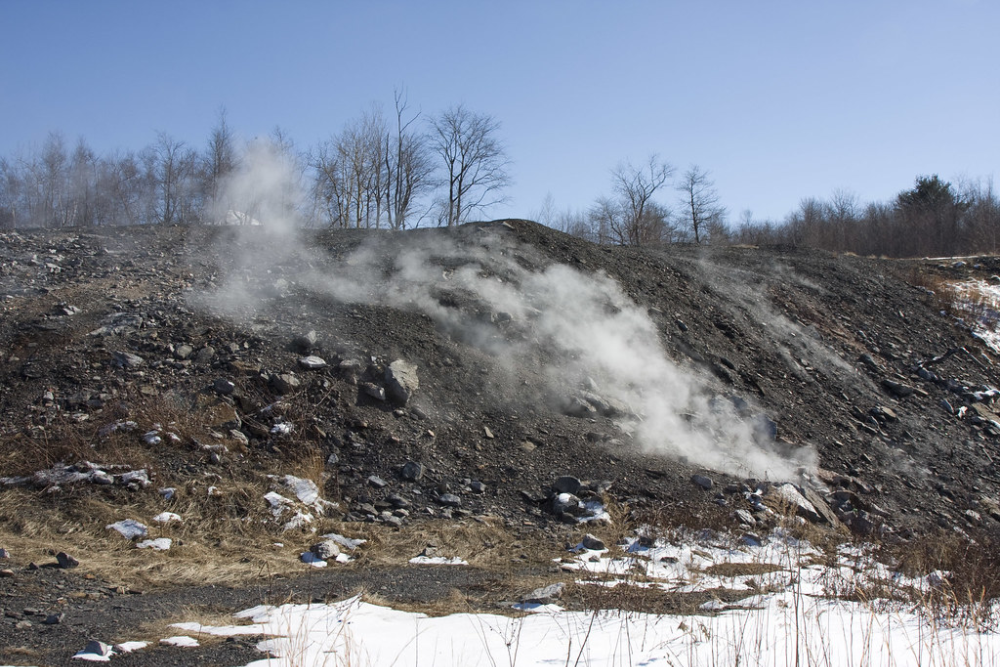
In 1962, firefighters in Centralia, Pennsylvania misheard instructions about how to handle a controlled burn at the town landfill. They understood they should extinguish the surface fire but missed directions about sealing an abandoned coal mine opening.
The fire spread to underground coal seams, creating an unstoppable blaze that continues burning today and forced the abandonment of an entire town.
The Apollo 13 Communication
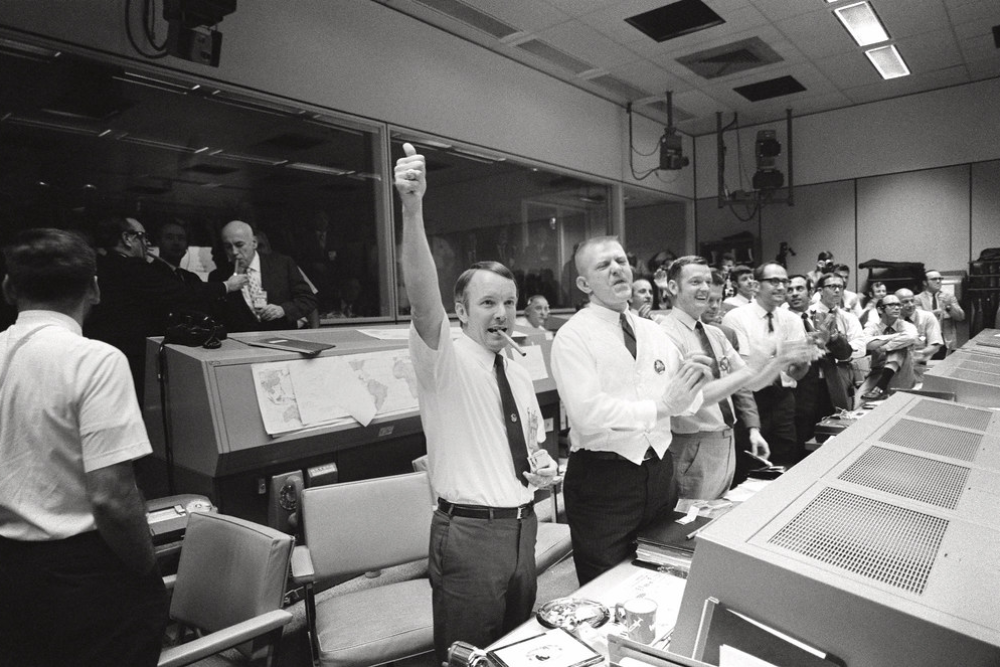
Ground control misinterpreted astronaut Jack Swigert’s well-known remark “Houston, we have a problem” as “Houston, we have a problem” – a minor but important grammatical error that first confused everyone over whether the problem persisted or was fixed during the Apollo 13 mission in 1970. As NASA engineers sought explanation, this little misinterpretation delayed the entire emergency response by vital minutes.
The Wounded Knee Massacre
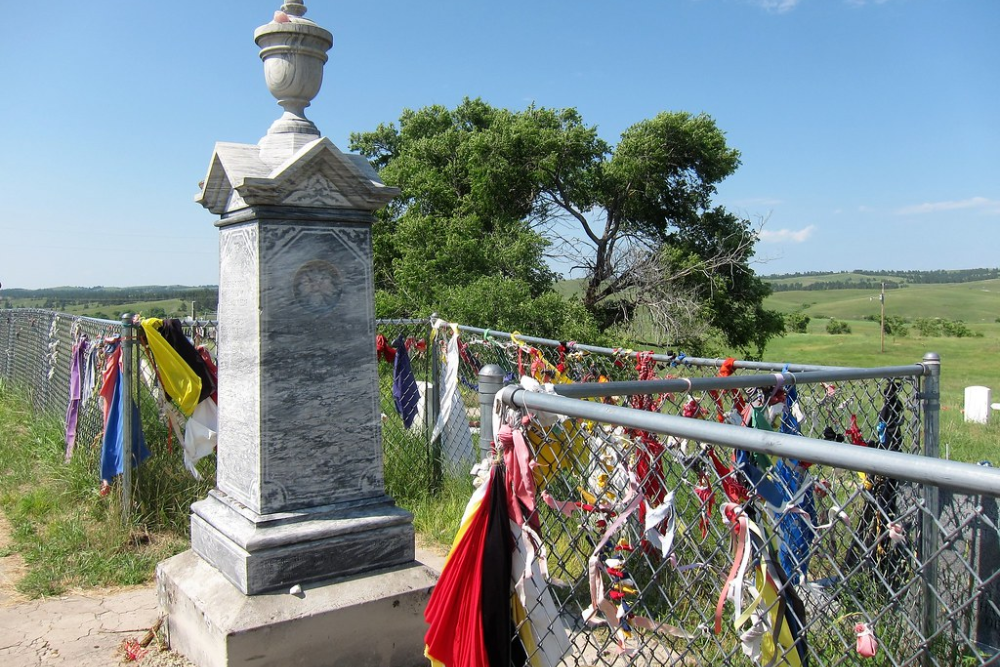
In 1890, at Wounded Knee Creek, a deaf Lakota man named Black Coyote reportedly misheard orders to surrender his rifle during a disarmament. When soldiers tried to take his weapon, a struggle ensued, and a shot was fired. U.S. cavalry, mistaking this for an attack signal, opened fire on the Lakota camp, killing an estimated 250-300 Native Americans in one of America’s most tragic miscommunications.
When Words Change Worlds
These historical mishearings remind us that, despite our technical developments, human communication is still shockingly delicate. From diplomatic conversations to crisis responses, the distance between words spoken and words heard can alter the path of history.
As our world grows increasingly complex and interconnected, perhaps these cautionary tales of miscommunication will help us listen more carefully to one another—before another misheard word changes everything.
More from Go2Tutors!

- The Romanov Crown Jewels and Their Tragic Fate
- 13 Historical Mysteries That Science Still Can’t Solve
- Famous Hoaxes That Fooled the World for Years
- 15 Child Stars with Tragic Adult Lives
- 16 Famous Jewelry Pieces in History
Like Go2Tutors’s content? Follow us on MSN.