20 Unfinished Monuments and the Stories Behind Them
Throughout history, ambitious architectural projects have captured human imagination, only to be abandoned before completion. These incomplete structures stand as a testament to changing political fortunes, financial limitations, technical challenges, and sometimes, simple human hubris that exceeded practical reality.
Here is a list of fascinating unfinished monuments around the world and the often dramatic tales of why they remain perpetually incomplete.
Sagrada Familia
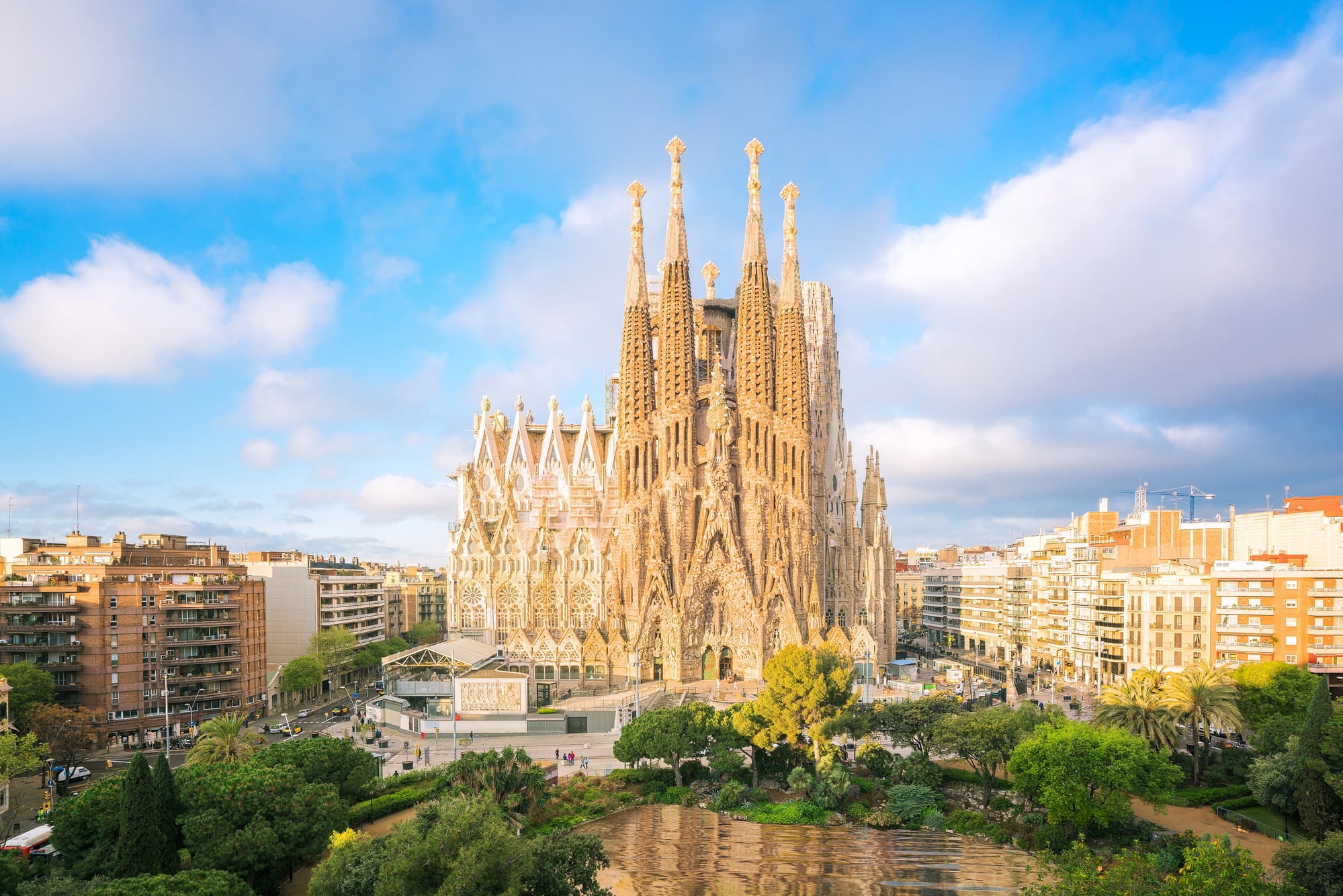
Antoni Gaudí’s masterpiece in Barcelona began construction in 1882 – yet remains unfinished nearly 140 years later. The architectural visionary devoted the last 43 years of his life to this project, knowing he would never see its completion.
Current projections suggest the cathedral might finally be completed by 2026, the centenary of Gaudí’s death, though many locals appreciate the seemingly eternal construction process as part of the monument’s unique charm and identity.
National Monument of Scotland
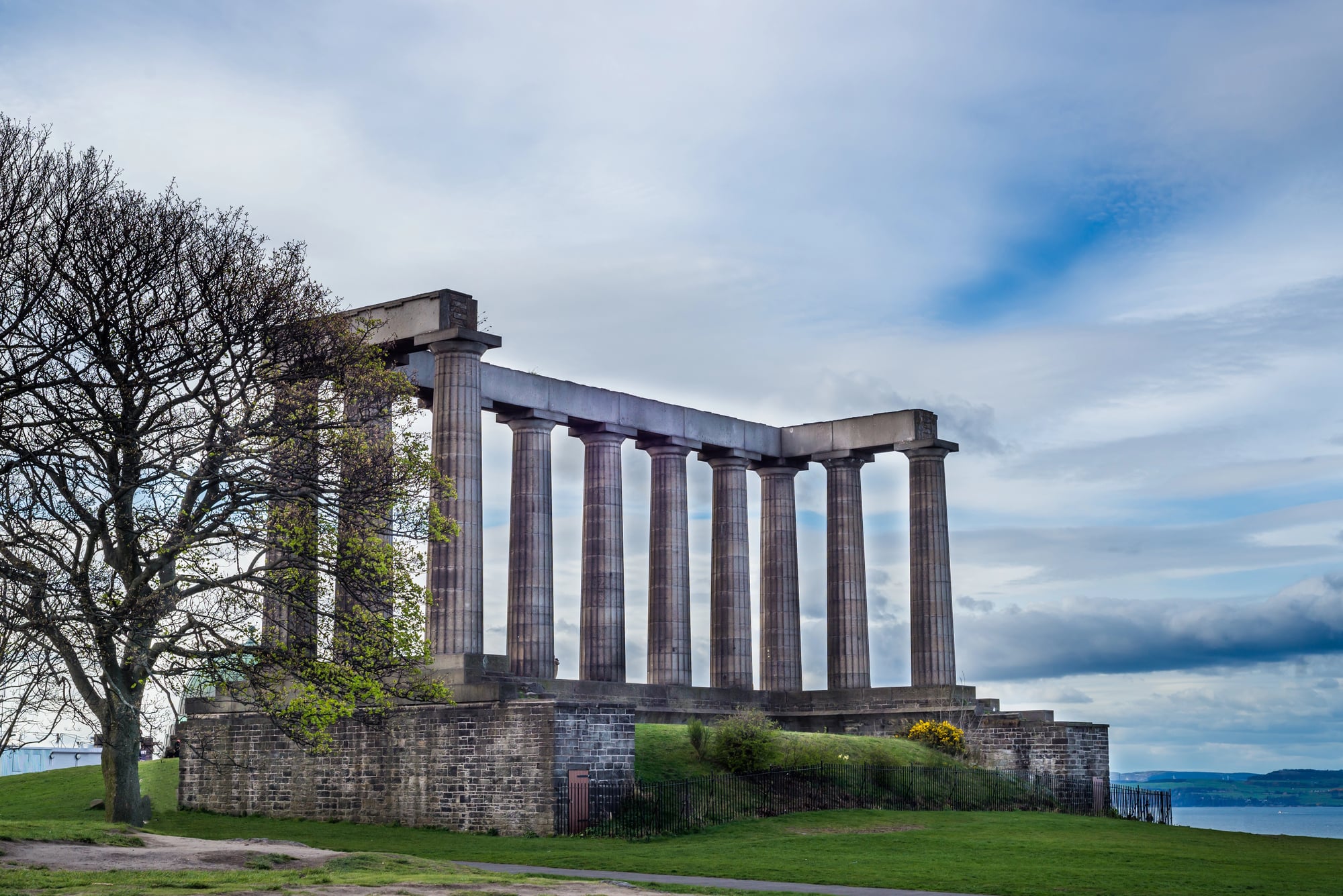
Edinburgh’s hilltop memorial began with grand ambitions in 1826 to honor Scottish soldiers who died in the Napoleonic Wars – only to run out of funds after completing merely 12 of its planned 100 columns. The imposing but obviously incomplete Parthenon-inspired structure earned the nickname ‘Scotland’s Disgrace’ and ‘Edinburgh’s Folly’ as public donations dried up within a decade of starting construction.
Despite multiple fundraising attempts throughout the 19th century, enthusiasm never recovered, leaving this prominent hillside monument permanently unfinished.
Mingun Pahtodawgyi
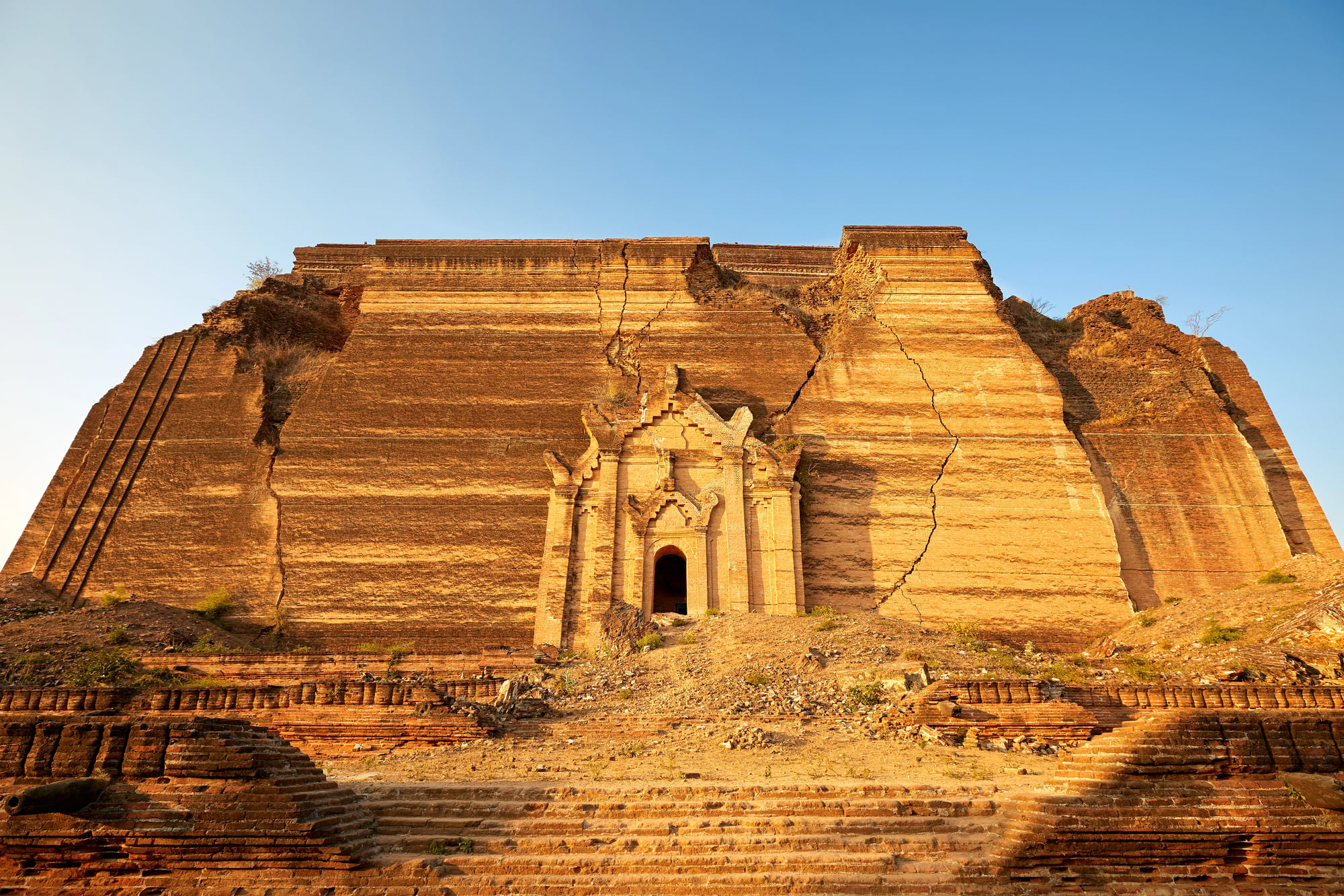
Burma’s King Bodawpaya ordered the construction of what would have been the world’s largest stupa in 1790 – before an astronomical prophecy halted the project forever. Rising 150 feet tall but reaching only one-third of its intended height, this massive brick structure cracked during an 1838 earthquake but remains standing.
Local legends claim the king abandoned the project after astrologers predicted he would die upon its completion, though financial constraints and labor difficulties likely played equally important roles in the monument’s abandonment.
Crazy Horse Memorial
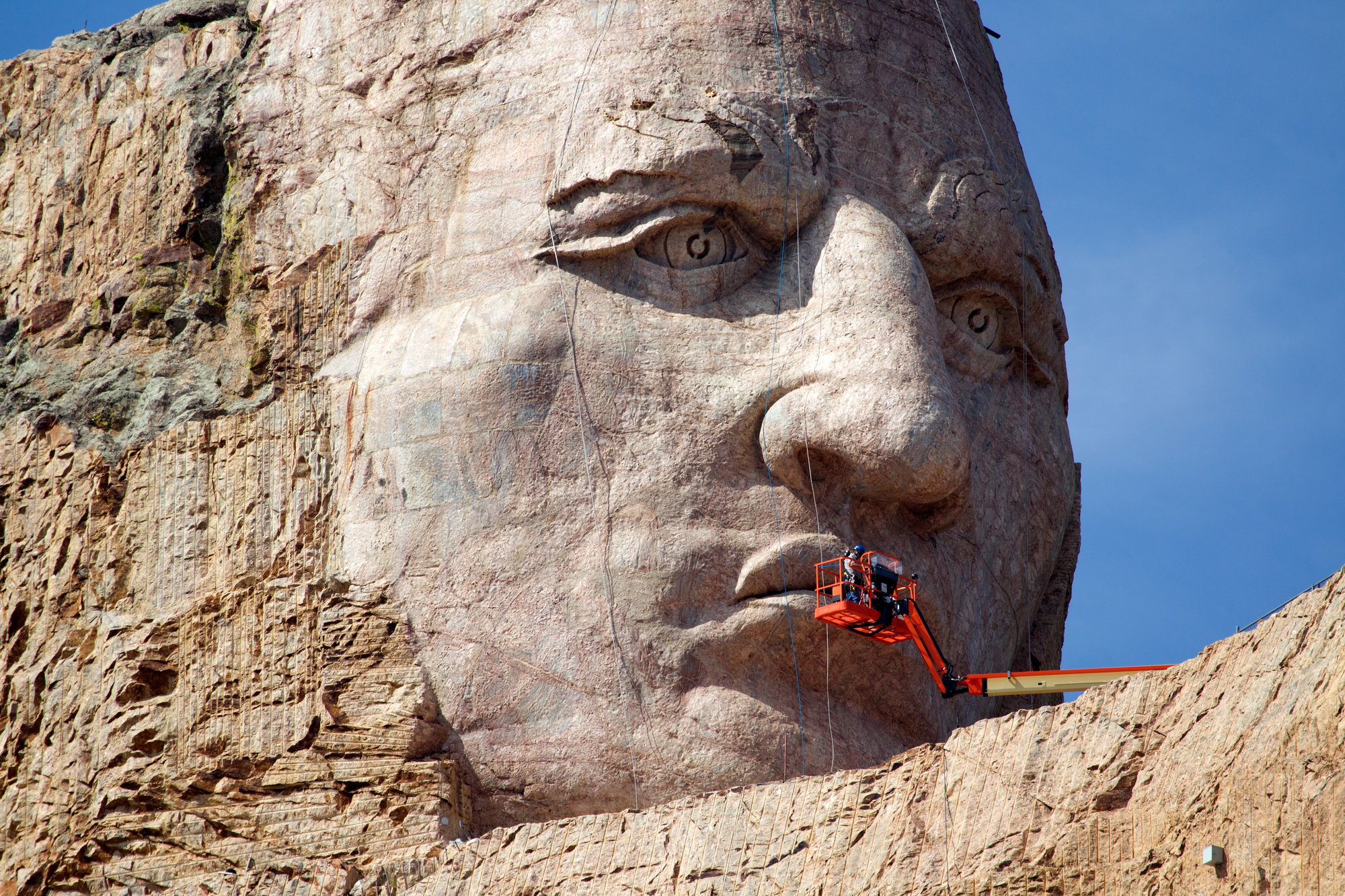
This colossal mountain carving in South Dakota began in 1948 when Korczak Ziolkowski accepted an invitation from Lakota Chief Henry Standing Bear – and continues today without government funding. Designed to depict the Oglala Lakota warrior mounted on horseback, this privately-funded monument will eventually dwarf Mount Rushmore, measuring 641 feet long and 563 feet high.
The face was completed in 1998 after 50 years of work, while the remaining horse and extended arm may require another century to complete at the current pace.
Pyramid of Neferefre
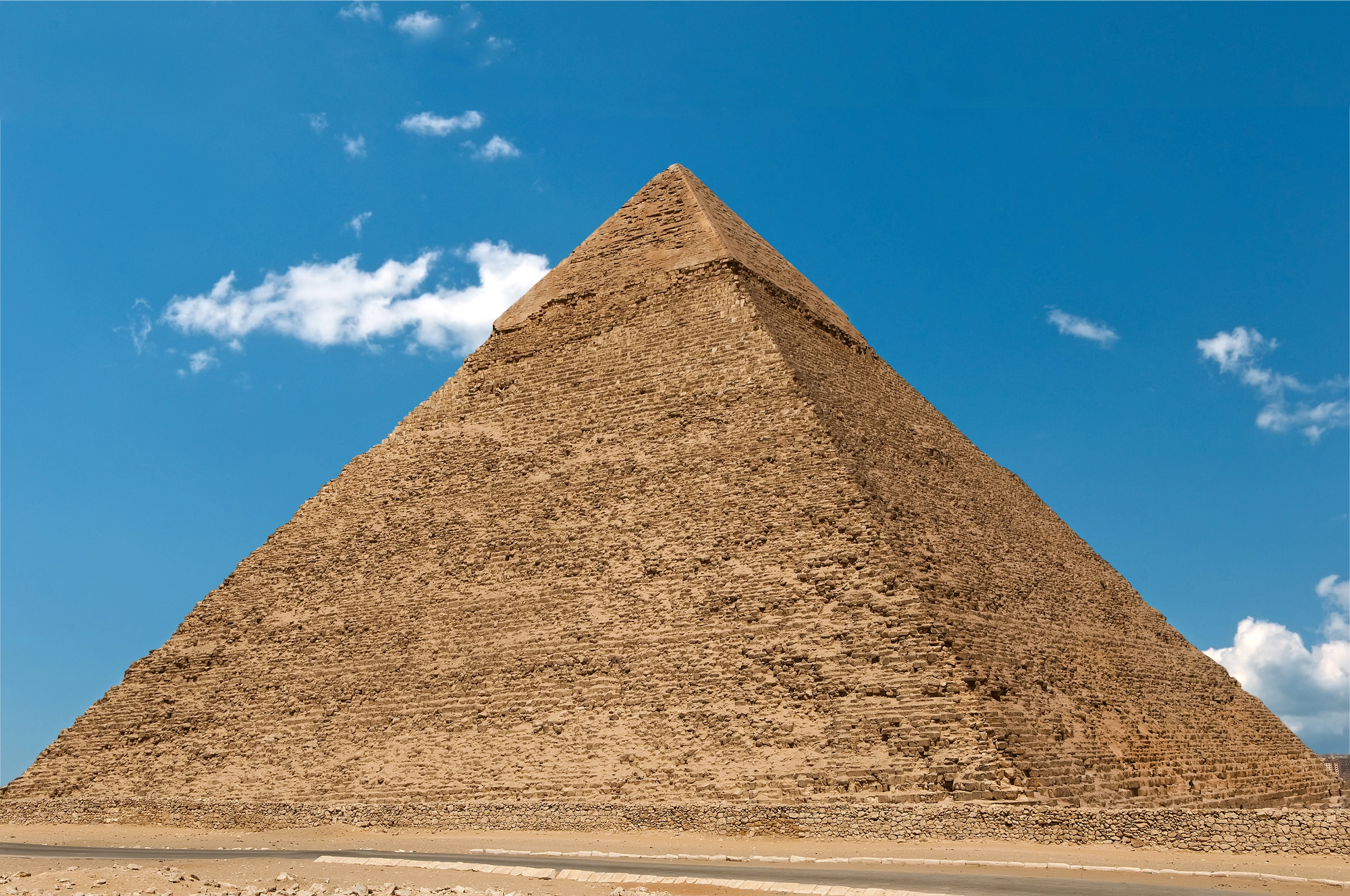
Ancient Egyptian pharaoh Neferefre’s pyramid at Abusir barely progressed beyond its base level before his unexpected early death halted construction permanently. Originally planned as a typical smooth-sided pyramid, workers had only completed the base and core of the first level when the young king died after a brief 2-3 year reign around 2458 BCE.
His successor hastily converted the unfinished base into a mastaba-like structure and completed the mortuary temple instead, leaving this monument as rare archaeological evidence of how pyramids were constructed from the inside out.
Metropolitan Cathedral of St. John the Divine
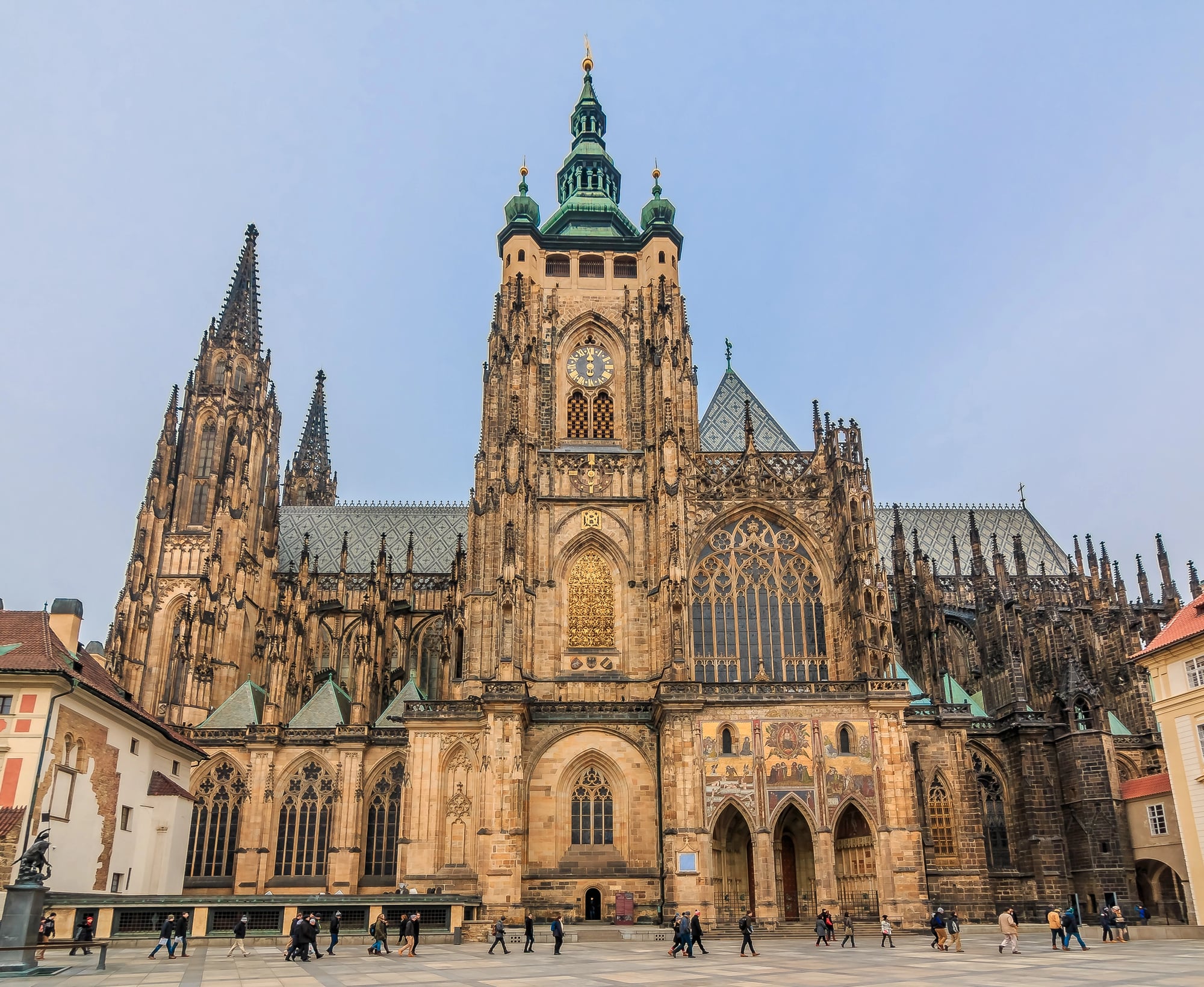
New York City’s massive Episcopal cathedral began construction in 1892 – and technically remains unfinished despite hosting regular services. Design changes, materials shortages during two World Wars, funding challenges, and even a devastating 2001 fire have repeatedly interrupted construction of what was planned as the world’s largest cathedral.
The unfinished south tower and transept give this otherwise magnificent Gothic-Romanesque structure an asymmetrical appearance that has persisted so long that many consider its incomplete state part of its character.
Palace of the Soviets
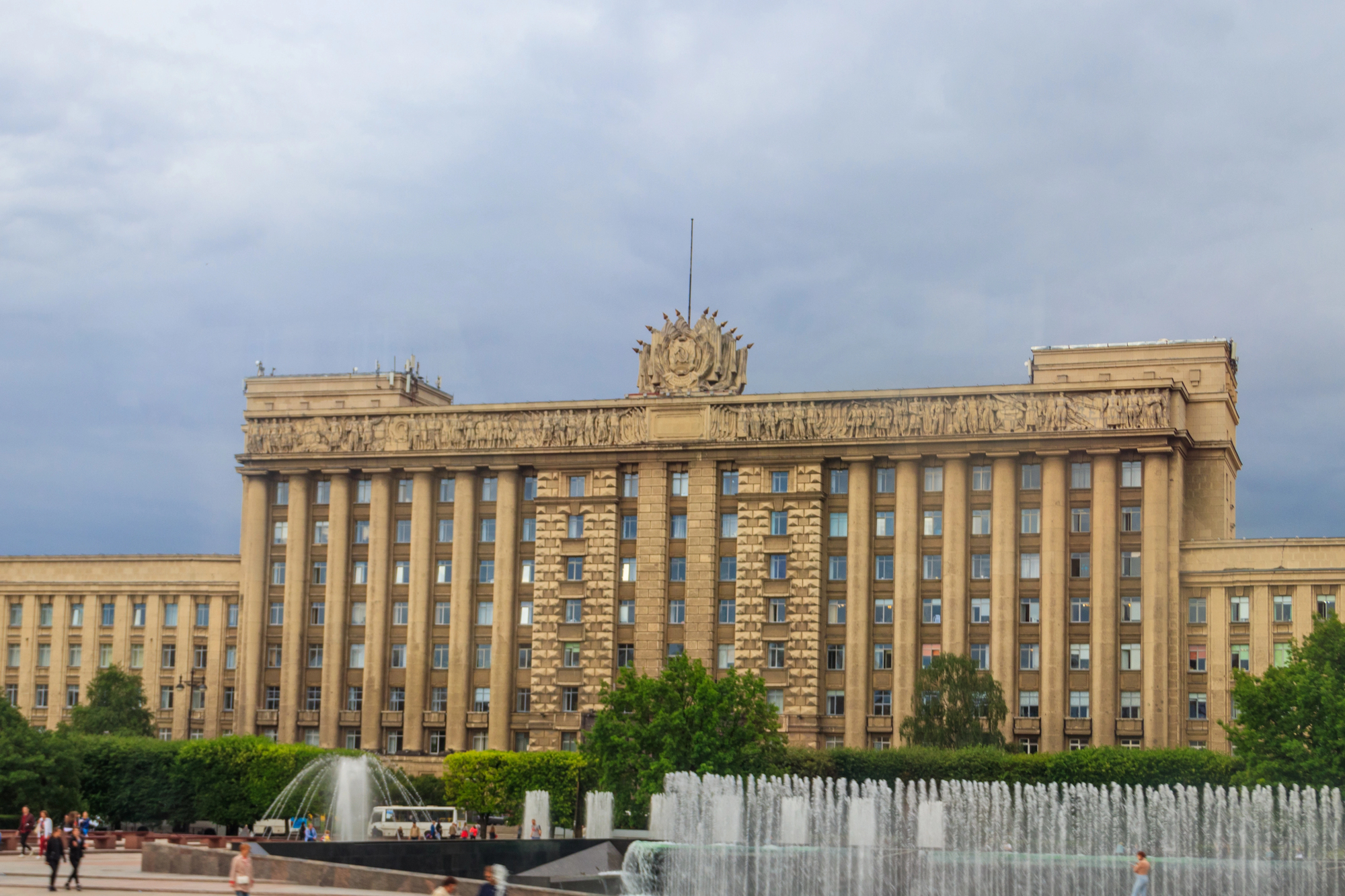
Stalin’s grandiose administrative building planned for Moscow would have become the world’s tallest structure – before World War II ended construction after only completing the foundation. Designed to reach 1,362 feet tall and crowned with a 260-foot statue of Lenin, this monument to Soviet achievement began construction in 1937 where the Cathedral of Christ the Saviour had been demolished.
German invasion diverted resources elsewhere, and the massive foundation pit eventually became the world’s largest swimming pool before post-Soviet Russia rebuilt the original cathedral on the site.
Ajanta Caves
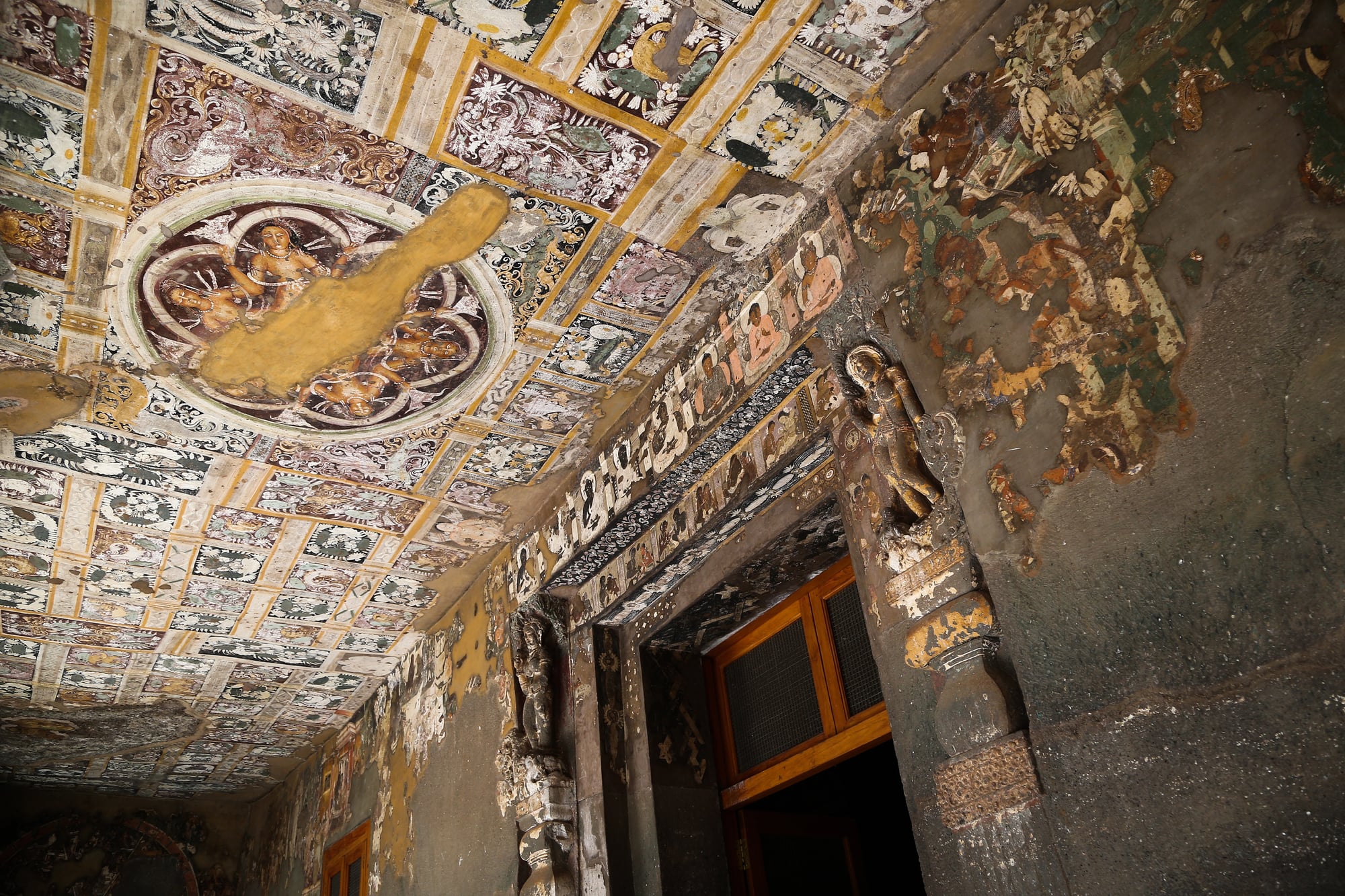
India’s remarkable Buddhist cave temples represent an astonishing 800-year project – abandoned abruptly in the 480s CE while workers were mid-carving. These ornate chambers carved into solid rock cliffs contain some of Buddhist art’s finest examples, with 30 finished caves and several unfinished ones showing exactly how artisans transformed solid rock into elaborate shrines.
The partially completed Chamber 24 reveals how craftsmen worked from ceiling to floor, leaving tantalizing evidence of their techniques permanently frozen in stone when Buddhism declined in the region.
Wat Phra Dhammakaya
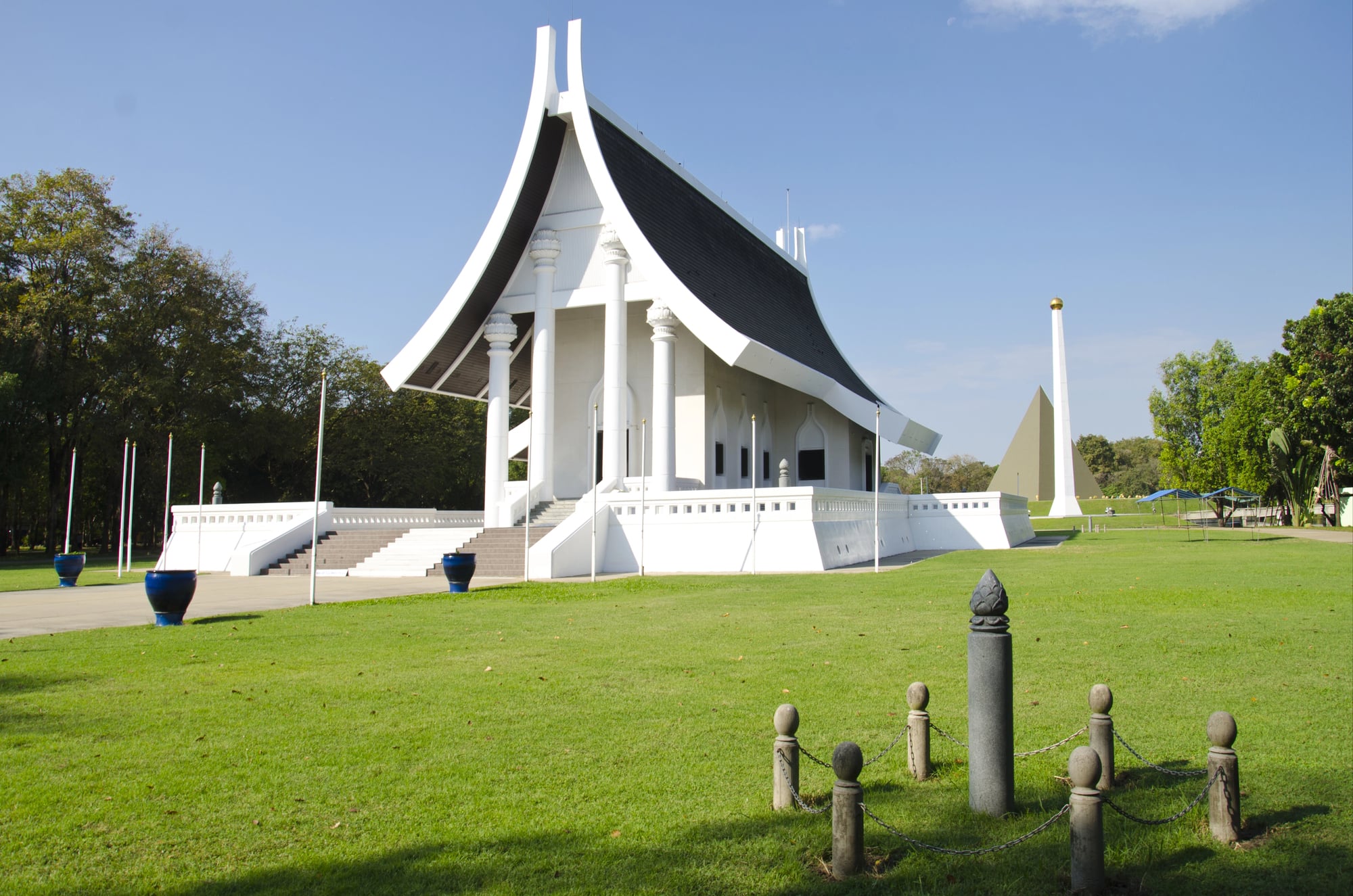
Thailand’s controversial Buddhist temple complex began expanding in the 1970s with plans for one million Buddha statues – facing repeated construction pauses due to financial scandals. The enormous flying-saucer shaped central stupa remains unfinished while the surrounding facilities continue growing to accommodate millions of followers.
Government raids targeting the temple’s founder over money laundering allegations have repeatedly interrupted construction, leaving massive concrete shells awaiting completion while legal battles continue.
Liverpool Cathedral
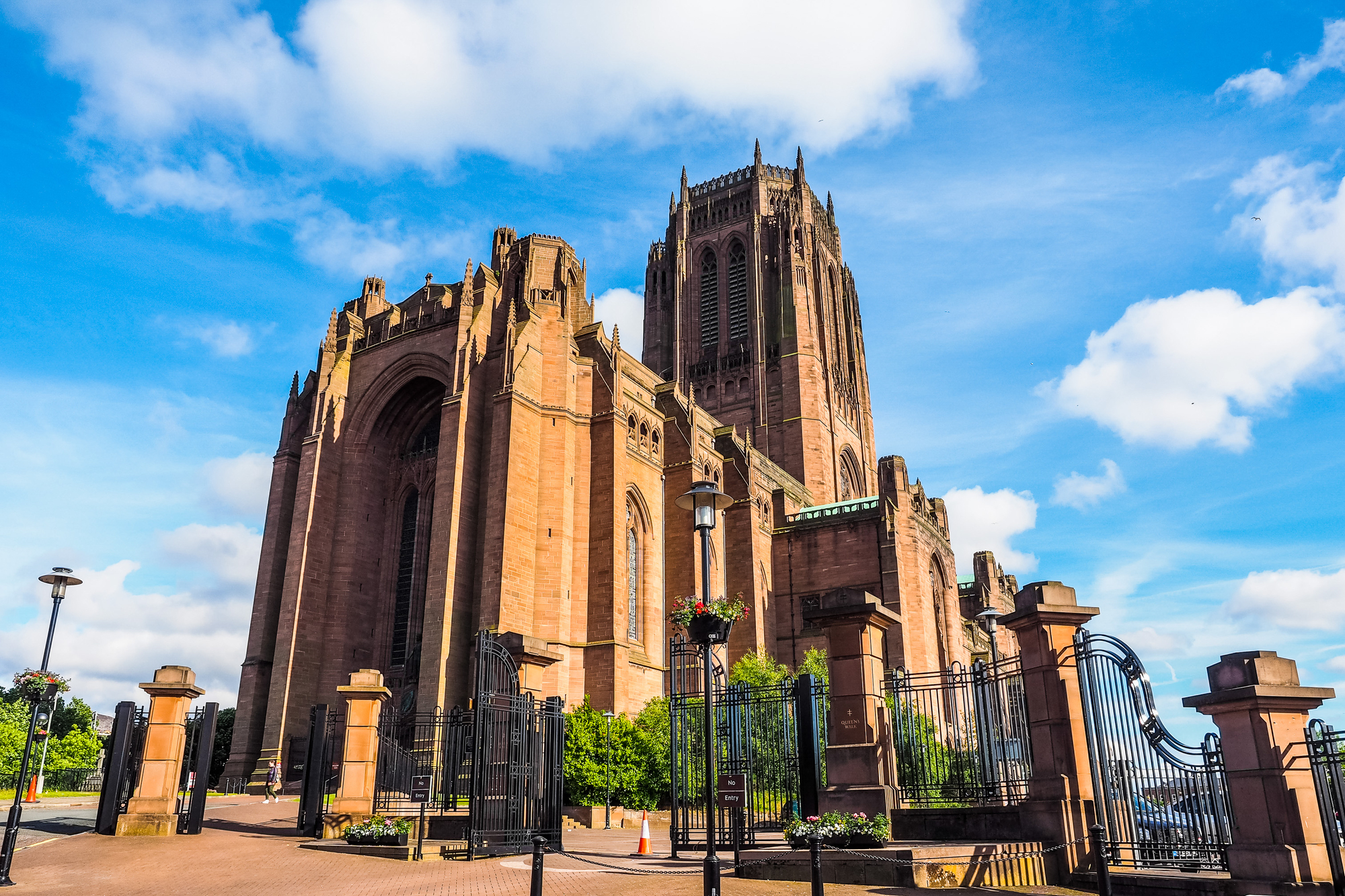
Britain’s largest cathedral took 74 years to build (1904-1978) – yet technically remains unfinished as the original design included a massive central tower never constructed. Architect Giles Gilbert Scott’s full vision would have created an even more imposing structure with a 400-foot central tower complementing the existing 331-foot tower over the central space.
Two World Wars, economic challenges, and changing architectural tastes resulted in a simplified final design, though the majestic Gothic cathedral still ranks among Britain’s most impressive religious structures despite its incomplete state.
Motherland Statue of Russia
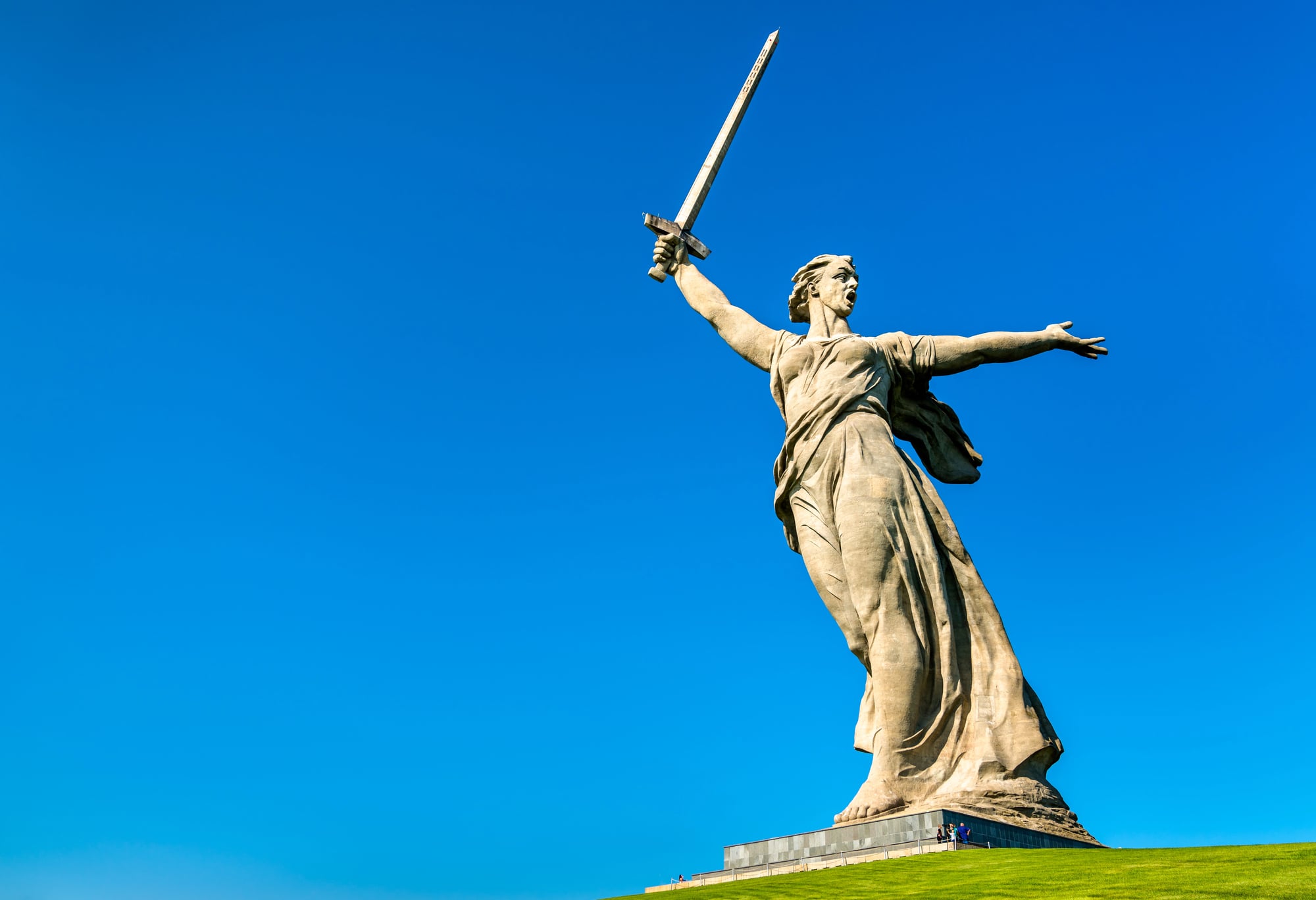
An enormous female figure planned for Saint Petersburg would have stood taller than the Statue of Liberty – but barely progressed beyond initial excavation in 1979. Intended to commemorate the Soviet victory in World War II, this 270-foot monument designed by Mikhail Anikushin would have dominated the city skyline with a woman holding aloft a wreath of glory.
Economic troubles during the USSR’s final decade halted construction after only site preparation, leaving an unused foundation where this colossal figure would have stood.
Siena Cathedral Floor Expansion
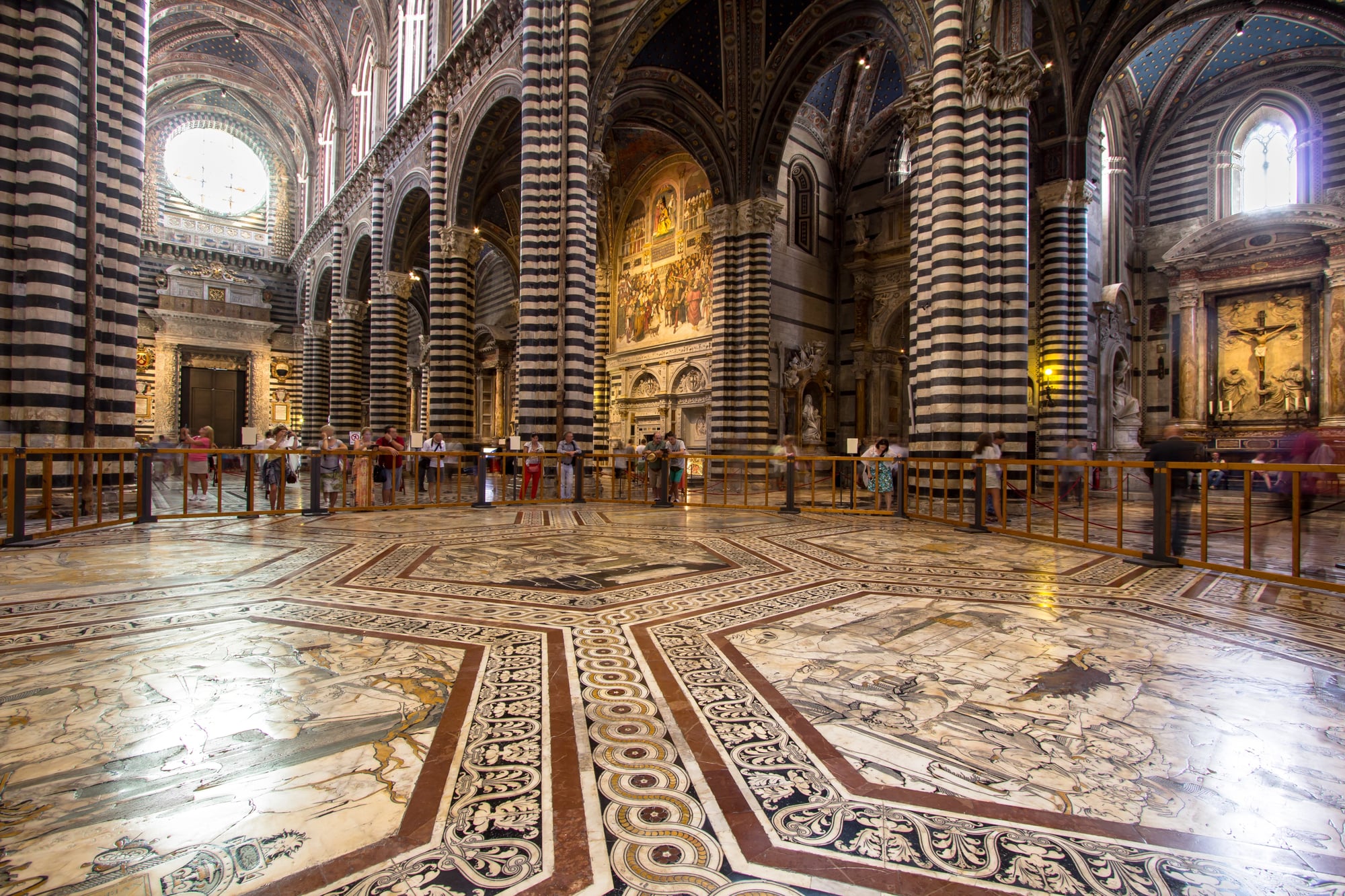
Medieval Siena began an audacious cathedral expansion in 1339 that would have created the largest church in Christendom – before the Black Death devastated Europe and ended construction forever. The existing cathedral was intended to become merely the transept of a vastly larger structure, with the unfinished outer wall still visible today.
Construction halted in 1348 when the plague killed approximately half of Siena’s population, creating a permanent economic decline that made resuming such an ambitious project impossible.
Ryugyong Hotel
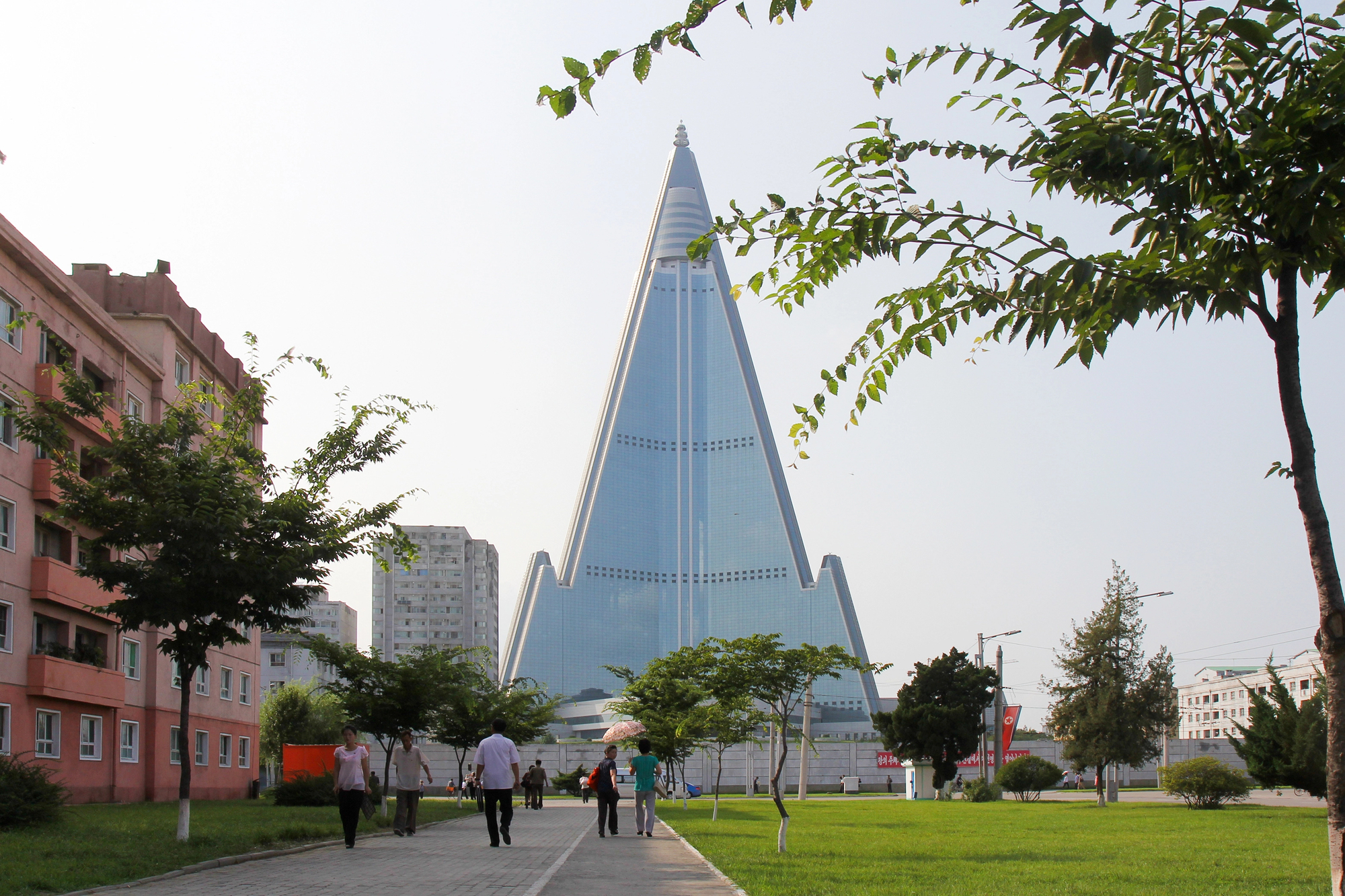
North Korea’s pyramid-shaped 105-story hotel began construction in 1987 – standing empty and unfinished for decades as the world’s tallest uninhabited building. Rising 1,080 feet over Pyongyang, this concrete monolith consumed an estimated 2% of North Korea’s GDP before economic crisis halted construction in 1992.
After a 16-year hiatus, exterior glass was finally added in 2008, though the interior reportedly remains largely unfinished despite government claims of impending completion every few years.
Palace of Fine Arts Rio de Janeiro
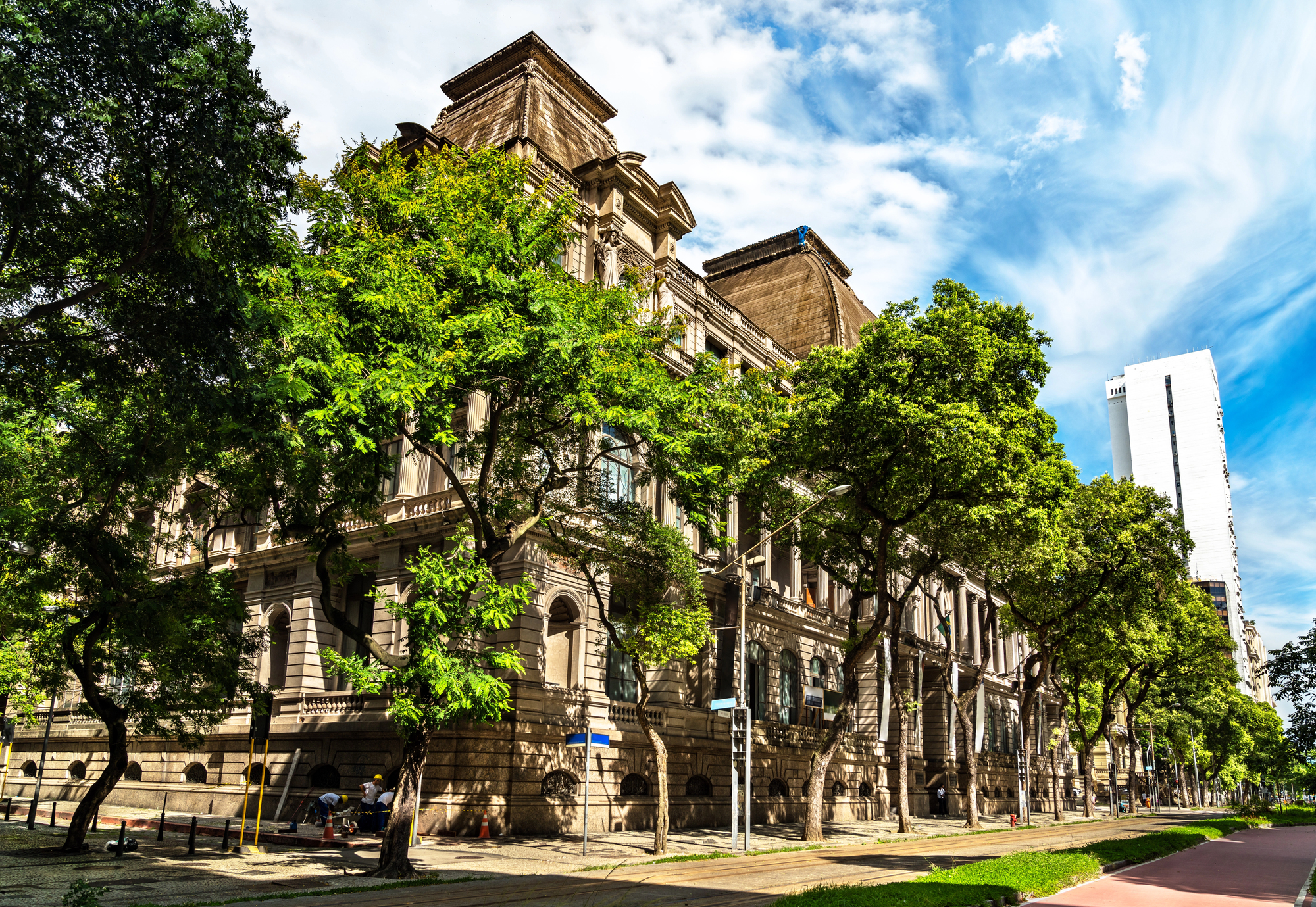
Brazil planned an enormous cultural complex following Paris’ Beaux-Arts style – but completed only one-third of the ambitious structure before funding disappeared. Construction began in 1910 under architect Adolfo Morales de los Ríos’s direction, intending to create Brazil’s equivalent to European grand cultural institutions.
The central exhibition hall and administrative building were completed, while the planned identical wings never materialized, leaving an asymmetrical structure that nonetheless serves as an important cultural venue.
Marble Arch Triumphal Gate
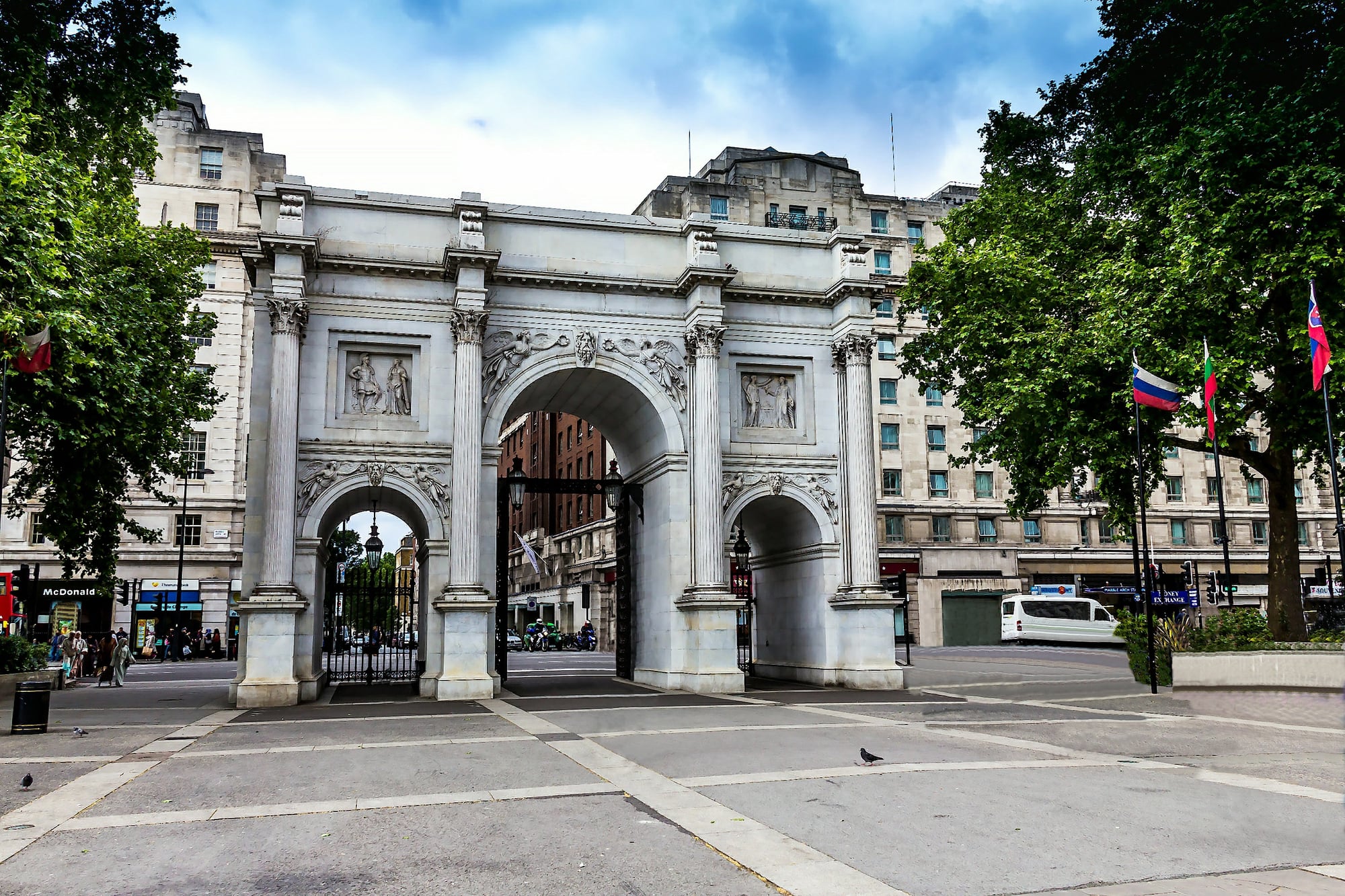
London’s famous arch was designed by John Nash as a grand palace entrance – but wound up incomplete and relocated after royal budget cuts. Originally conceived as a triumphal entrance to Buckingham Palace featuring extensive sculptural elements and a surmounting bronze equestrian statue, financial constraints forced significant downsizing.
When palace expansions required removing the entrance in 1847, the simplified arch was relocated to its current Hyde Park location, forever separated from its intended royal context.
Washington Monument
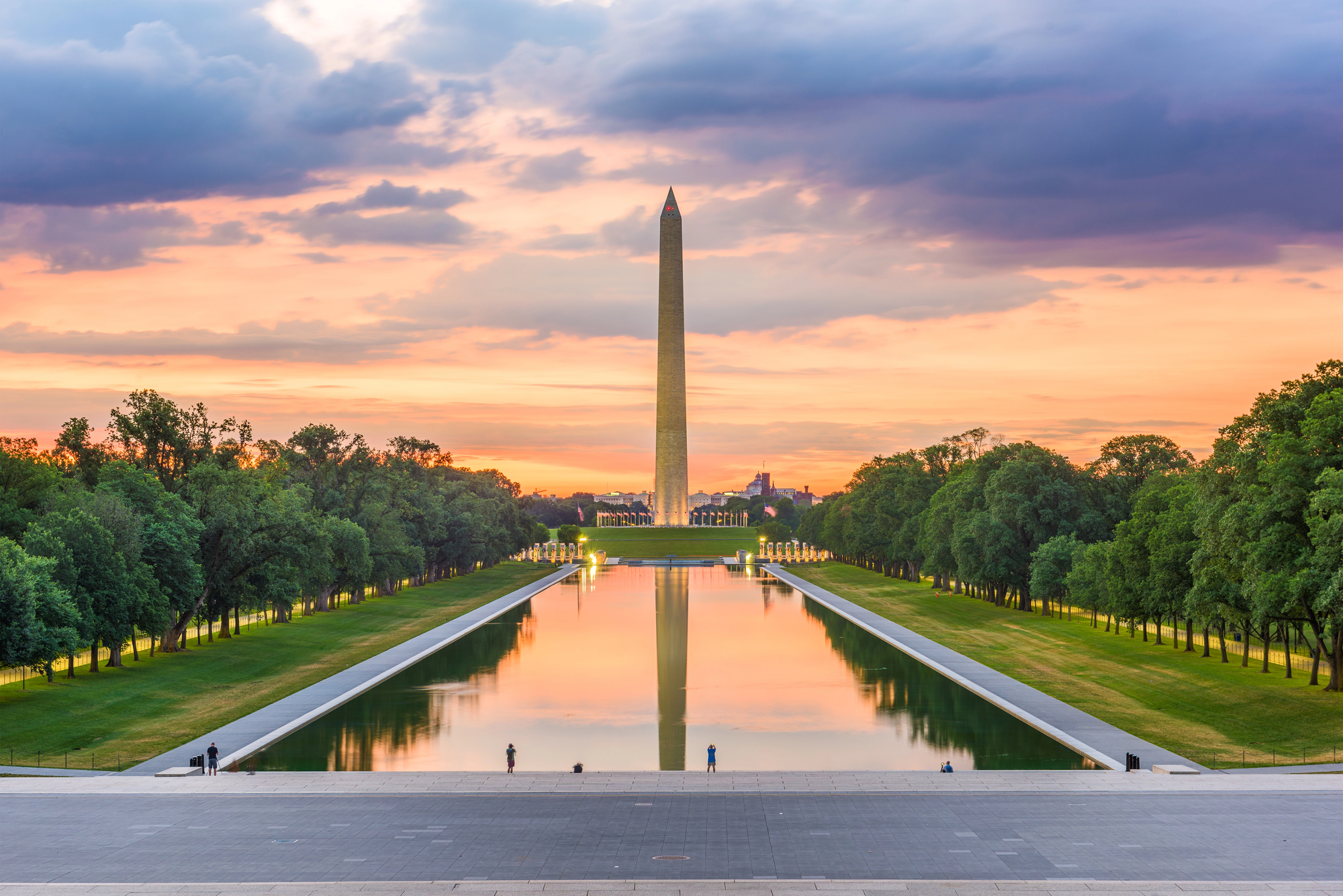
America’s iconic obelisk honoring George Washington took nearly 40 years to complete – with a visible change in marble color marking its 23-year construction hiatus. Work began in 1848 but halted in 1854 at 152 feet high when funding ran out and political tensions escalated toward Civil War.
Construction resumed in 1876 with slightly different colored marble from a new quarry, creating the distinctive two-tone appearance visible today on what finally became the world’s tallest stone structure when completed in 1884.
Fonthill Abbey
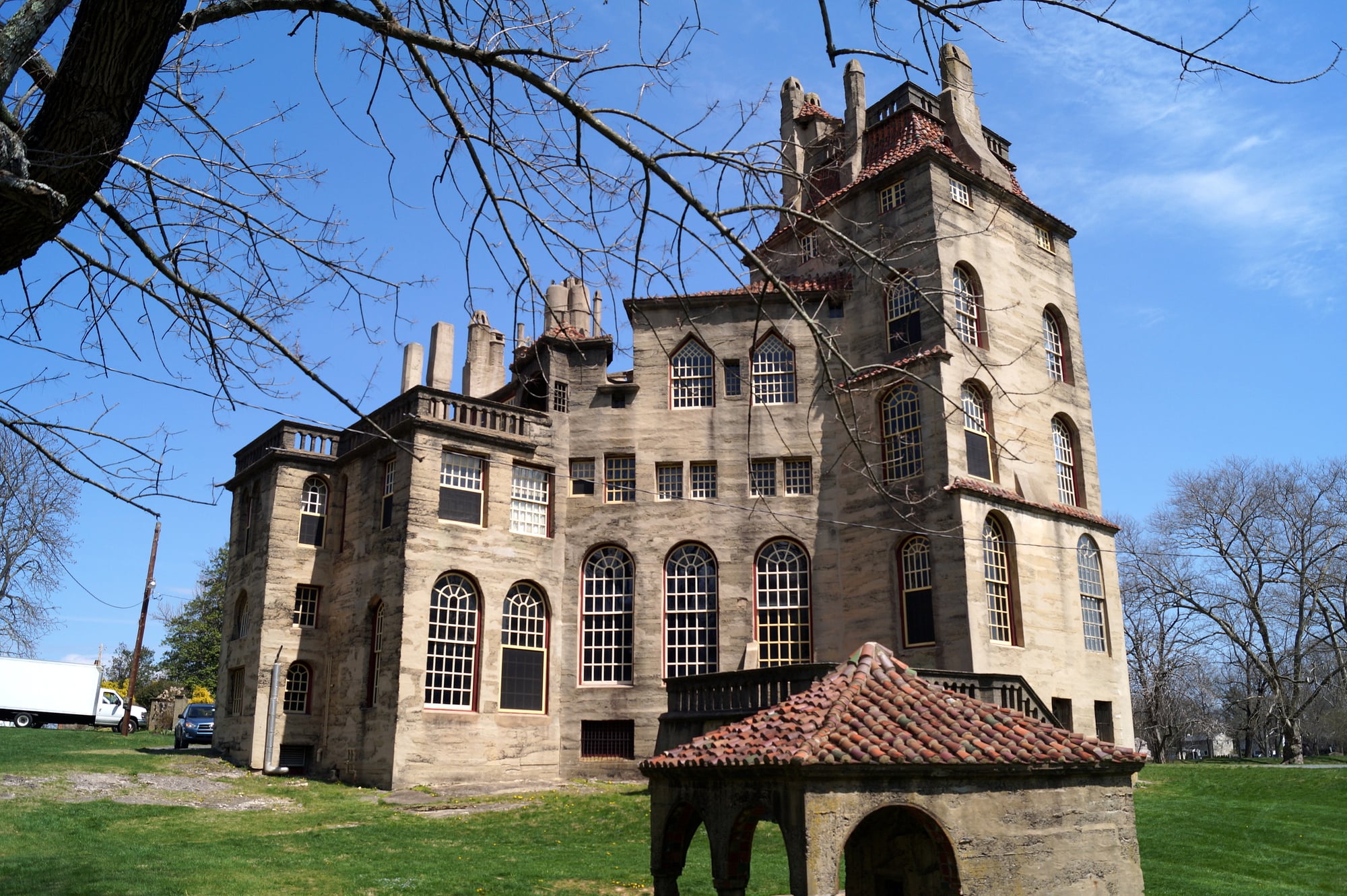
English author William Beckford commissioned a Gothic Revival abbey in 1796 that bankrupted him and partially collapsed within his lifetime. This extraordinary residence featured a central octagonal tower reaching 276 feet surrounded by elaborate vaulted halls and passages constructed with experimental and ultimately inadequate techniques.
The central tower collapsed in 1825 while Beckford was still alive, having sold the property due to financial difficulties, leaving only fragments of this once-spectacular folly standing today.
Buddhas of Bamiyan
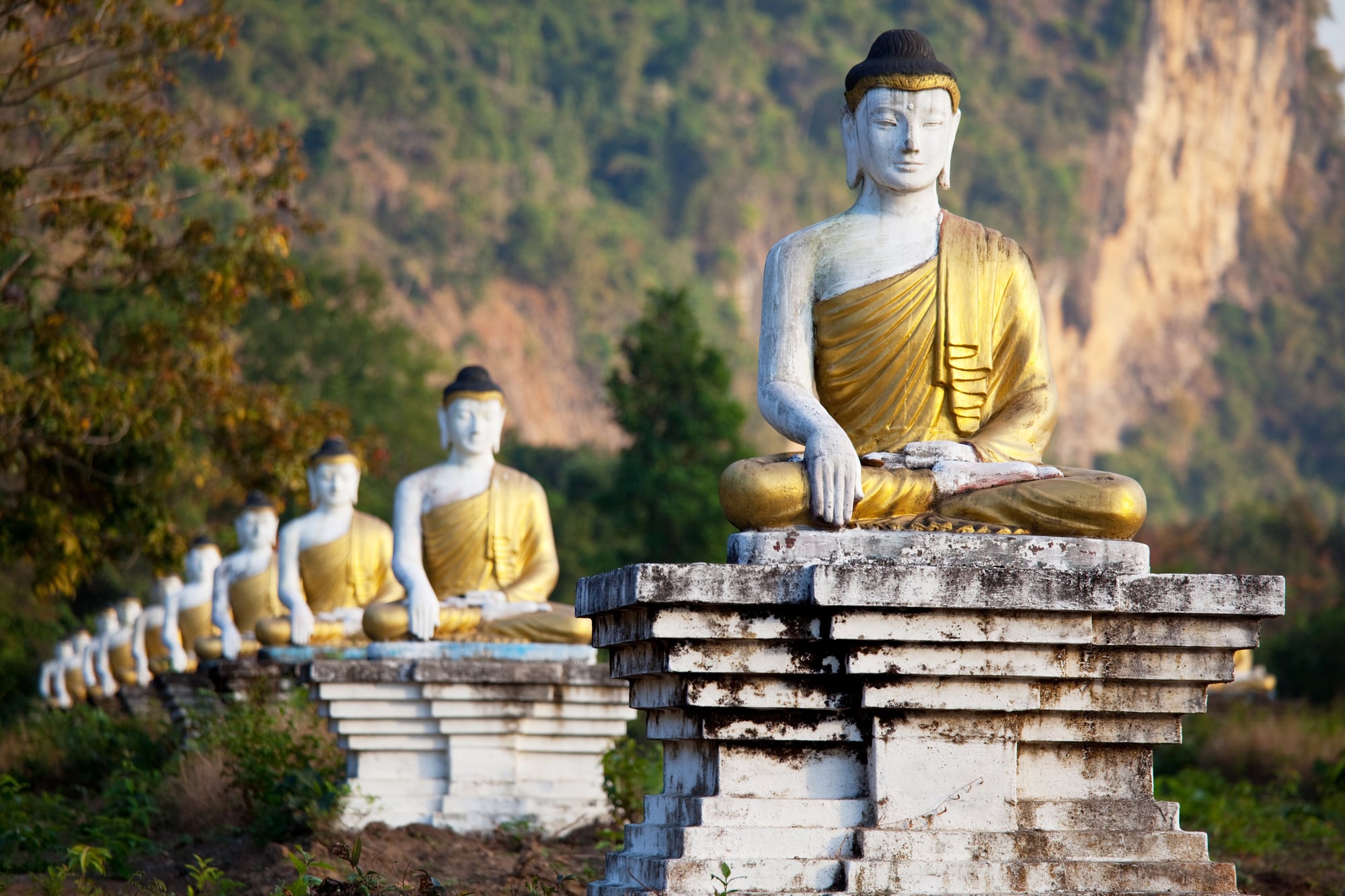
Afghanistan’s colossal Buddhas stood for over 1,500 years before destruction in 2001 – yet one was never actually completed by its 6th-century creators. The larger 180-foot Buddha figure showed evidence of never-finished details, with archaeological examination revealing that artisans abandoned work on filling sections with decorative elements.
This partially completed state persisted through centuries until the Taliban regime destroyed both figures, though international efforts continue discussing the potential reconstruction of these UNESCO World Heritage monuments.
Florence Cathedral’s Façade
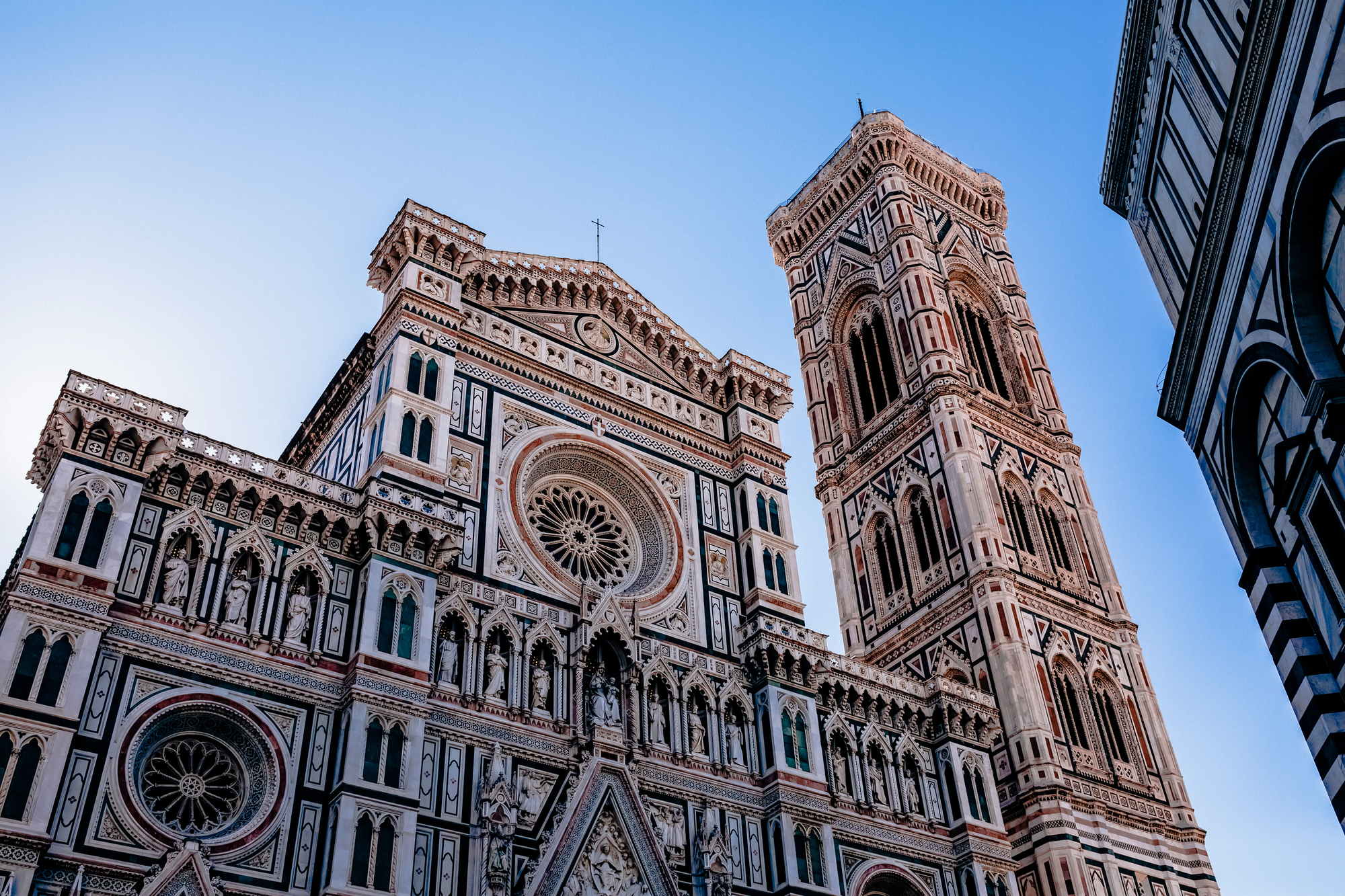
Brunelleschi’s magnificent dome crowned Florence’s cathedral in 1436 – but the church stood with an unfinished plain brick front for over four centuries. The cathedral’s original Gothic façade remained incomplete for generations until authorities actually removed the partial decorative elements in 1587, leaving a plain brick front that persisted until the 19th century.
Florence finally completed a neo-Gothic marble façade in 1887, ending one of architecture’s longest construction pauses and giving the Renaissance masterpiece its current harmonious appearance.
Tempel Concord Bridge
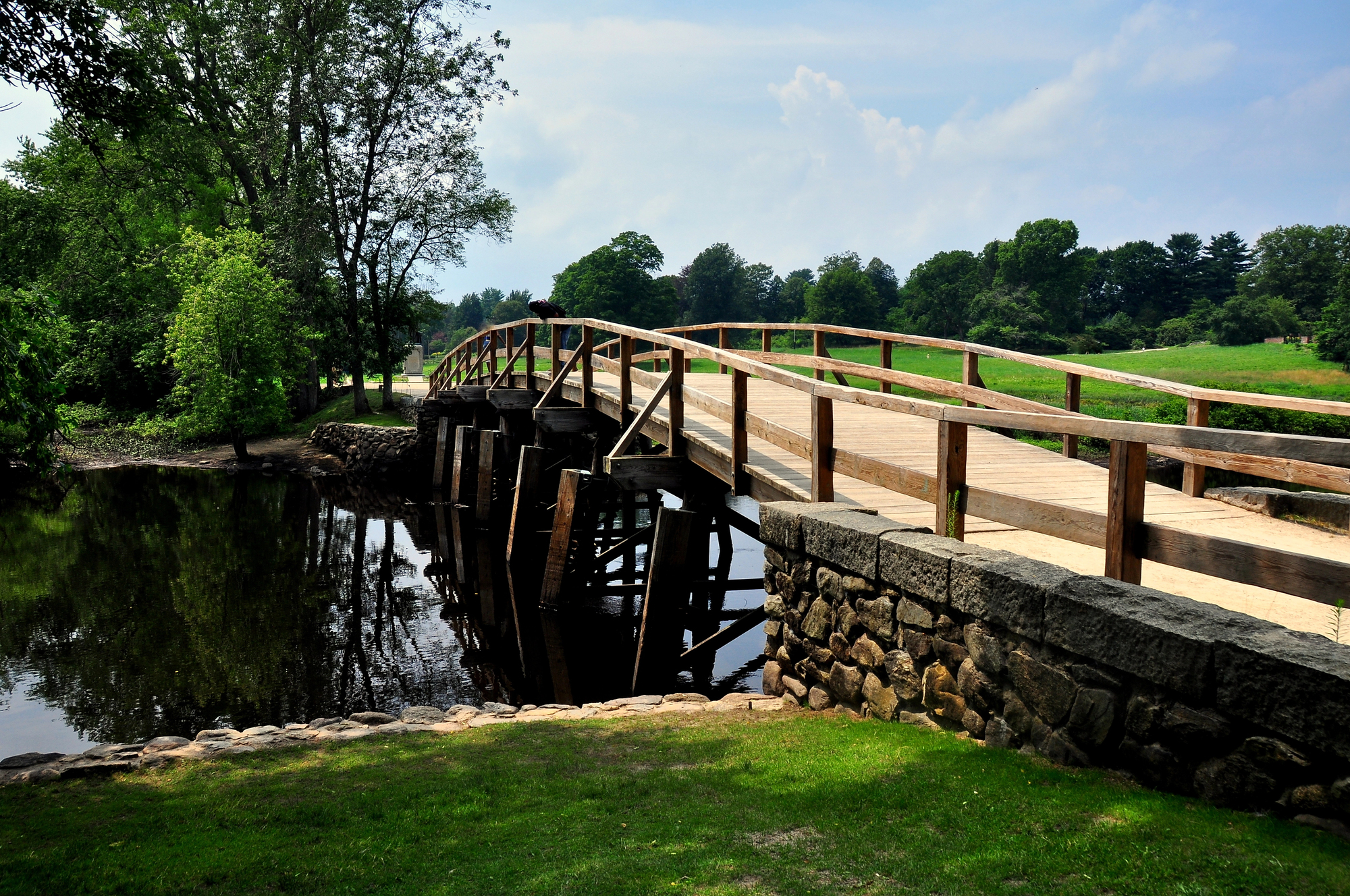
New York businessman Alfred Tempel began constructing an ambitious private bridge in 1930 to connect his estate directly to Manhattan – abandoning the project during the Great Depression. The remaining concrete supports still rise from the Hudson River, visible to commuters on nearby modern bridges.
Financial ruin forced Tempel to halt construction after completing only the main support piers, leaving these mysterious structures that locals eventually nicknamed ‘Tempel’s Folly’ as permanent reminders of pre-Depression excesses and private infrastructure ambitions never realized.
The Endless Nature of Monumental Ambition
These incomplete structures reveal something profound about the human condition and our relationship with architectural ambition. From ancient pyramids to modern skyscrapers, our grandest monuments often exceed the practical limitations of their eras, leaving subsequent generations to decide whether to abandon, complete, or reimagine these ambitious visions.
Today’s visitors often find special fascination in these unfinished works, seeing in their incomplete state a compelling honesty about human limitations. Perhaps these monuments speak more profoundly in their unfinished state than they ever could have if completed according to original plans – reminding us that the journey of creation sometimes proves more meaningful than perfect completion.
More from Go2Tutors!

- 20 Historical Artifacts That Scientists Can’t Explain
- 20 Little-Known Historical Battles That Had Huge Consequences
- 20 Weapons from the Past That Were Deemed Too Barbaric for War
- 20 Abandoned Military Bases and the Stories Behind Them
- 20 Discontinued Snacks from the 70s and 80s That We Still Miss
Like Go2Tutors’s content? Follow us on MSN.