17 Athletes Who Made History in the Most Unlikely Ways
Sports history is filled with legendary performances and record-breaking achievements, but some athletes have etched their names into the history books through truly unconventional paths. Beyond the typical tales of triumph, these competitors surprised everyone—including themselves—by making lasting impacts through bizarre circumstances, unexpected comebacks, or sheer determination against impossible odds.
Here is a list of 17 athletes who made their mark on history in the most unlikely and fascinating ways.
Bob Beamon’s Impossible Leap

Bob Beamon didn’t just break the long jump world record at the 1968 Mexico City Olympics—he shattered it by an almost incomprehensible margin. Beamon’s jump of 29 feet, 2.5 inches exceeded the previous record by nearly two feet, a quantum leap so stunning that officials had to find a manual measuring tape because their optical equipment wasn’t designed to measure jumps that long.
His record stood for an astonishing 23 years, and sports scientists still refer to extraordinary breakthroughs as ‘Beamonesque.’
Rulon Gardner’s Miracle on the Mat

American wrestler Rulon Gardner pulled off perhaps the greatest upset in Olympic wrestling history at the 2000 Sydney Games. He defeated Russian legend Aleksandr Karelin, who hadn’t lost a match in 13 years and hadn’t even surrendered a single point in six years.
Gardner, a farm boy from Wyoming with no international titles, somehow defeated the man considered the greatest Greco-Roman wrestler ever. This victory was like a local chess hobbyist defeating a grandmaster—utterly improbable yet gloriously real.
Kerri Strug’s One-Legged Gold
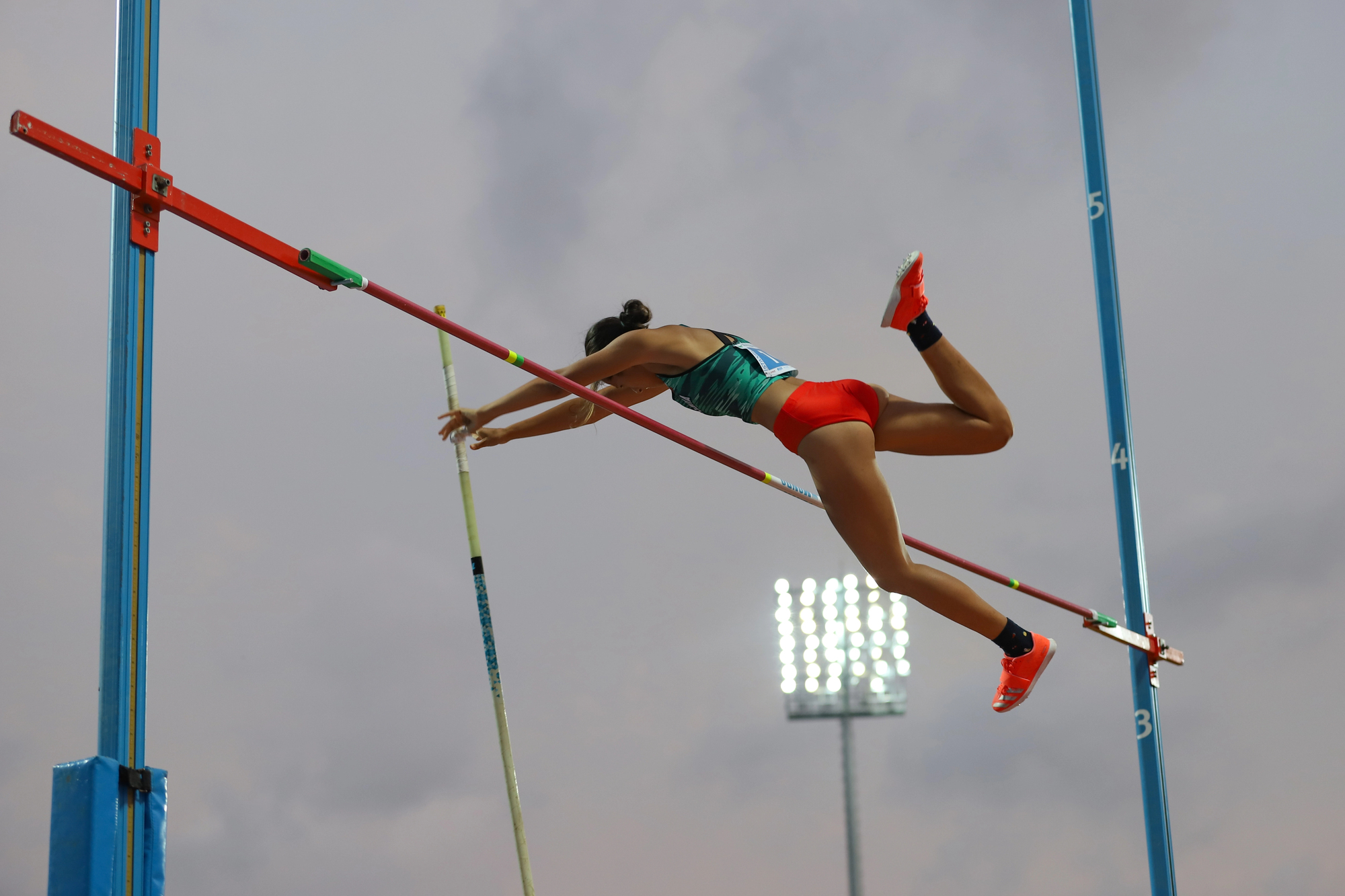
At the 1996 Atlanta Olympics, American gymnast Kerri Strug became an instant legend when she performed her final vault on an injured ankle. After badly damaging her ankle on her first attempt, Strug needed to complete a second vault for the U.S. to secure team gold.
She somehow stuck the landing on essentially one leg, then collapsed in pain. The image of her coach carrying her to the medal podium became one of the most iconic moments in Olympic history.
Eric ‘The Eel’ Moussambani
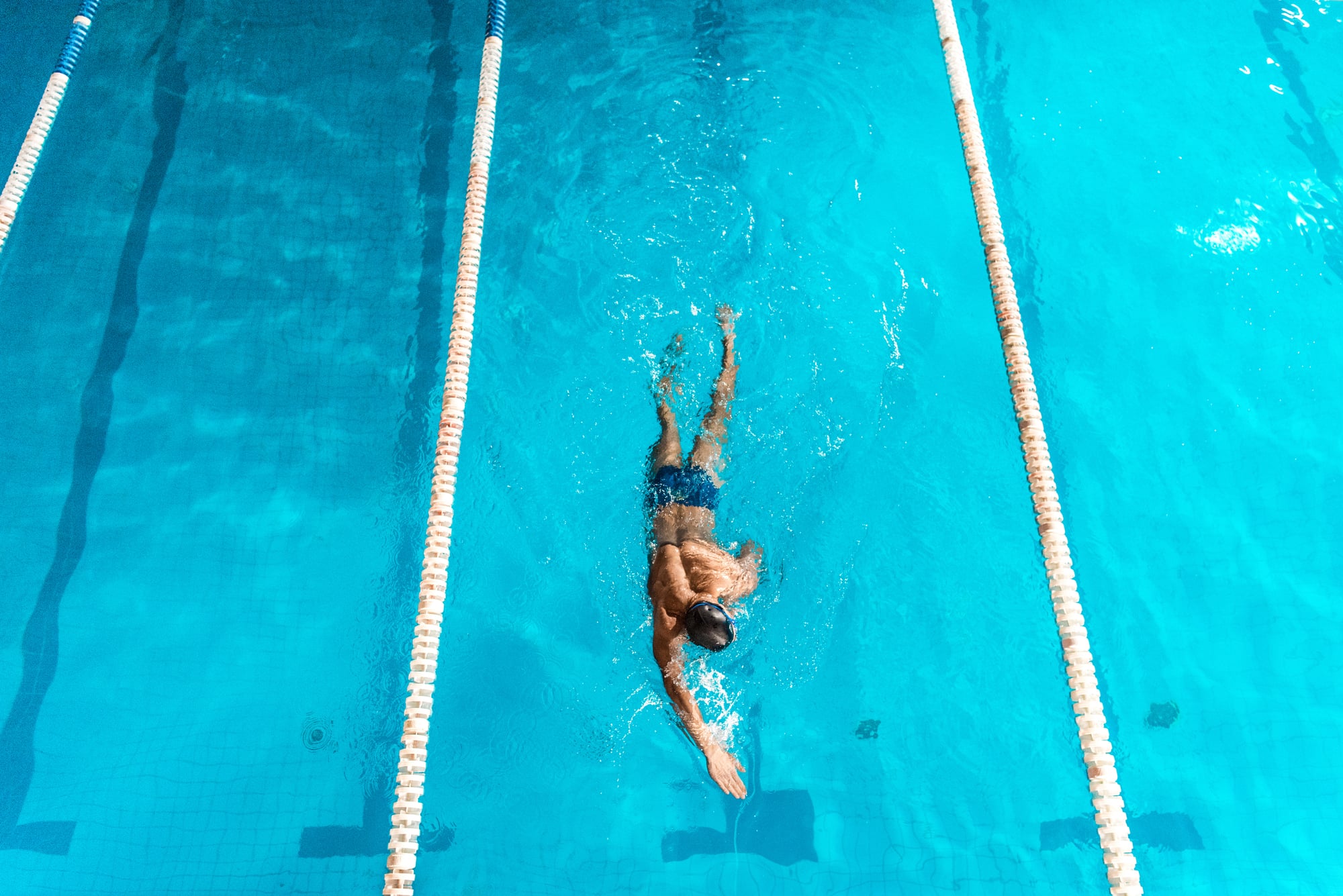
Eric Moussambani of Equatorial Guinea had never seen an Olympic-sized swimming pool before the 2000 Sydney Games. He qualified through a program designed to encourage developing nations to participate in the Olympics.
In his 100-meter freestyle heat, Moussambani finished in 1:52.72—more than twice as slow as competitive swimmers. However, his determination to finish despite having learned to swim just months earlier in a 20-meter hotel pool made him a global sensation and embodied the true Olympic spirit.
Katherine Switzer’s Pioneering Run

In 1967, Katherine Switzer became the first woman to officially run the Boston Marathon—by registering under the gender-neutral name “K.V. Switzer.” When race officials discovered a woman was running, they attempted to remove her from the course physically.
Photos of Switzer’s boyfriend shoving away an official became a defining moment in women’s sports. Her determination to finish despite active attempts to stop her changed marathon running forever, and women were officially allowed to enter the Boston Marathon five years later.
Buster Douglas Shocks the World

James “Buster” Douglas delivered the most stunning upset in boxing history when he knocked out the undefeated Mike Tyson in Tokyo in 1990. Douglas entered the fight as a 42-to-1 underdog, with most bookmakers not even taking bets on the match.
Fighting just 23 days after his mother’s death, Douglas weathered Tyson’s assault and knocked out the seemingly invincible champion in the 10th round, instantly rewriting boxing’s perceived hierarchies.
Jim Abbott’s One-Handed No-Hitter

Jim Abbott was born without a right hand, yet he managed to reach the major leagues as a pitcher. In 1993, while playing for the New York Yankees, Abbott threw a no-hitter against the Cleveland Indians.
His technique involved quickly switching his glove from his pitching arm to his other arm after delivering each pitch. Abbott’s achievement transcended baseball, showing that physical differences need not limit athletic excellence.
Wilma Rudolph’s Triumphant Transformation
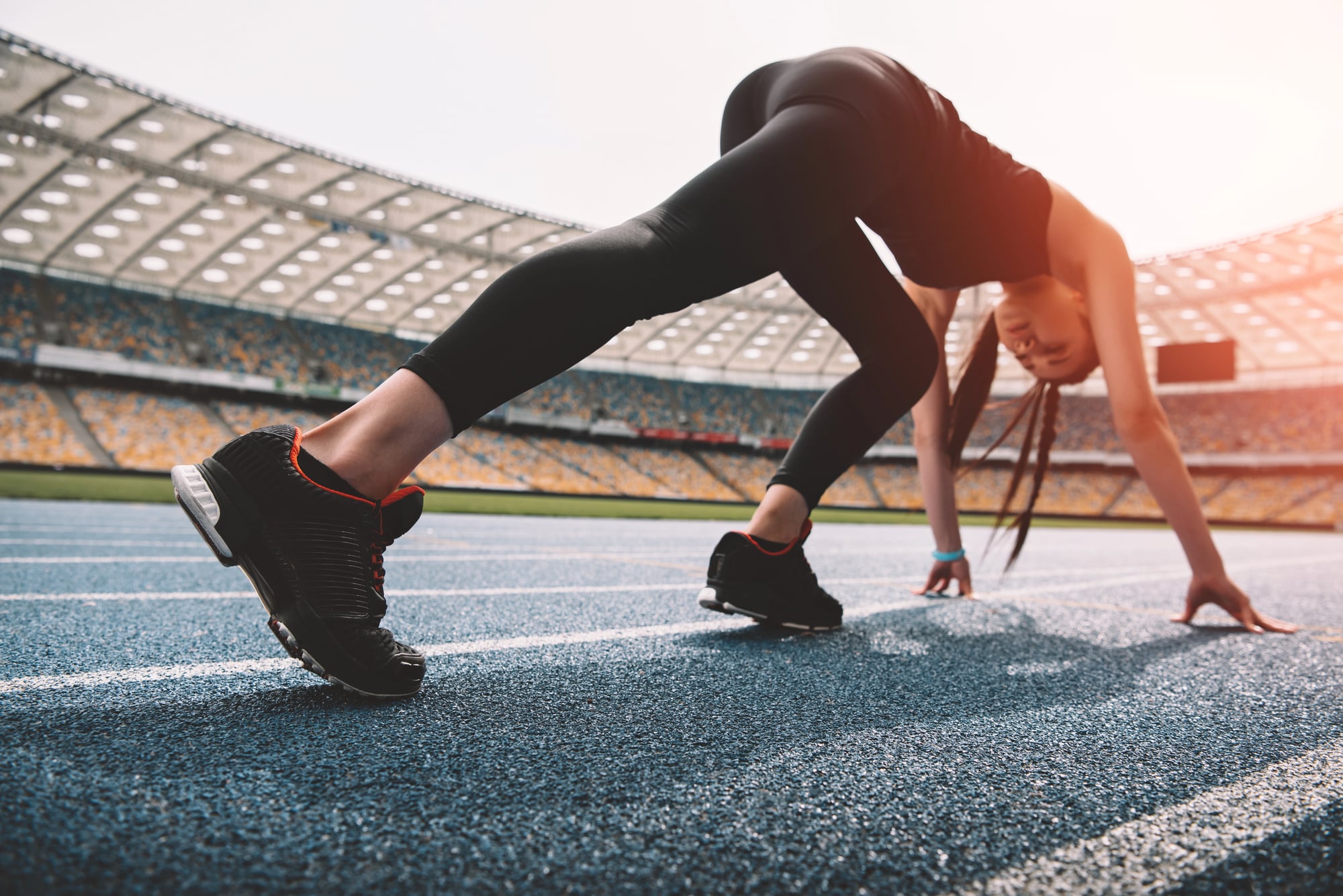
As a child, Wilma Rudolph wore a leg brace due to polio and was told she might never walk normally again. At the 1960 Rome Olympics, this same woman won three gold medals and was dubbed ‘the fastest woman in the world.’
Rudolph’s transformation from a disabled child to an Olympic sprint champion represents perhaps the most remarkable physical comeback in sports history. Her victory against both medical prognosis and racial discrimination in segregated America made her achievements doubly significant.
Kurt Angle’s Broken Neck Gold

At the 1996 U.S. wrestling trials, Kurt Angle fractured two cervical vertebrae, herniated two discs, and pulled four muscles—yet still won the trials. His doctors advised him to withdraw from the Olympics, warning of potential paralysis.
Angle competed anyway, often in excruciating pain, and won Olympic gold in freestyle wrestling. He later revealed he took no pain medication during the Games because he wanted to remain clearheaded, making his gold medal victory even more astonishing.
Anthony Robles’ Championship Journey

Born with one leg, Anthony Robles became an NCAA wrestling champion at Arizona State University in 2011. Wrestling in the 125-pound weight class, Robles developed a unique style that turned his apparent disadvantage into a strength.
His lower center of gravity and exceptionally powerful upper body made him nearly impossible to take down. Robles went undefeated in his championship season, showing how adaptation can transform perceived limitations into competitive advantages.
Bethany Hamilton’s Return to Surfing

Professional surfer Bethany Hamilton lost her left arm in a shark attack at age 13. Remarkably, she returned to her surfboard just one month later and went on to win national titles and compete at the highest levels of professional surfing.
Hamilton adapted her technique by using customized surfboards and developing extraordinary balance. Her comeback wasn’t just inspiring—it demonstrated how elite athletes can recalibrate their entire approach to their sport when necessary.
Billy Mills’ Out-of-Nowhere Victory

American runner Billy Mills produced one of the greatest Olympic upsets ever in the 10,000 meters at the 1964 Tokyo Games. Mills, a relatively unknown Marine lieutenant of Lakota Sioux heritage, wasn’t even considered the best American in the field.
In the final straightaway, Mills surged from third place to win gold, shocking even the announcers who had initially misidentified him. His winning time was almost 50 seconds faster than he had ever run before.
Sarah Thomas’ Quadruple Channel Crossing
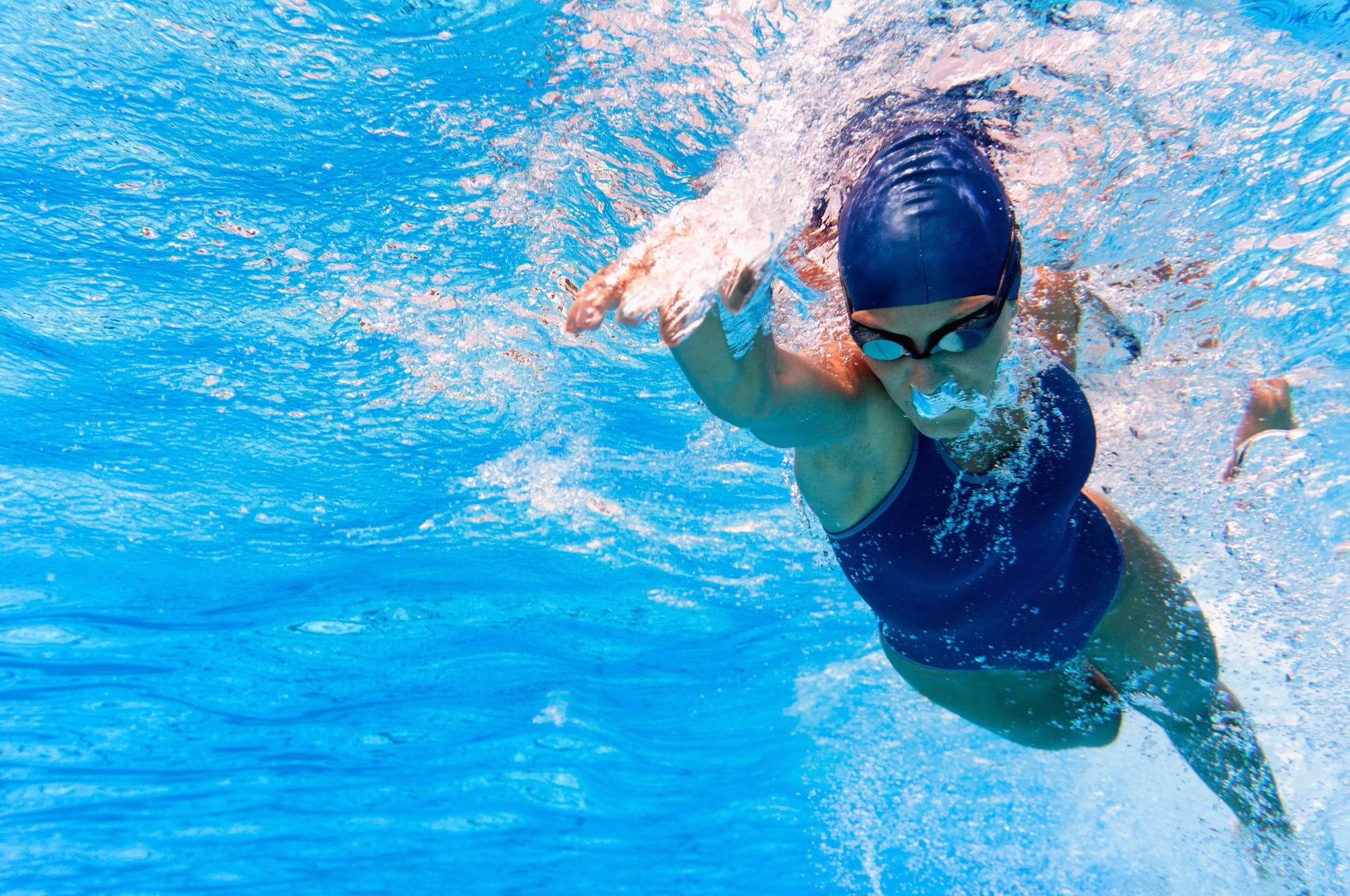
In 2019, American swimmer Sarah Thomas became the first person to swim the English Channel four consecutive times without stopping. The 134-mile swim took her 54 hours, battling strong currents and jellyfish stings throughout.
What makes this feat even more remarkable is that Thomas had completed treatment for aggressive breast cancer just a year before. Her swim redefined human endurance limits and demonstrated extraordinary mental fortitude.
Michael Edwards’ Soaring Spirit

Better known as “Eddie the Eagle,” Michael Edwards became a sensation at the 1988 Calgary Winter Olympics despite finishing last in both ski jumping events. With thick glasses and an unconventional technique, Edwards was the first British ski jumper in Olympic history.
Though he finished far behind his competitors, his enthusiasm and persistence made him an international folk hero. Edwards embodied the amateur ideal in an increasingly professional Olympic landscape.
Shaquem Griffin’s NFL Journey
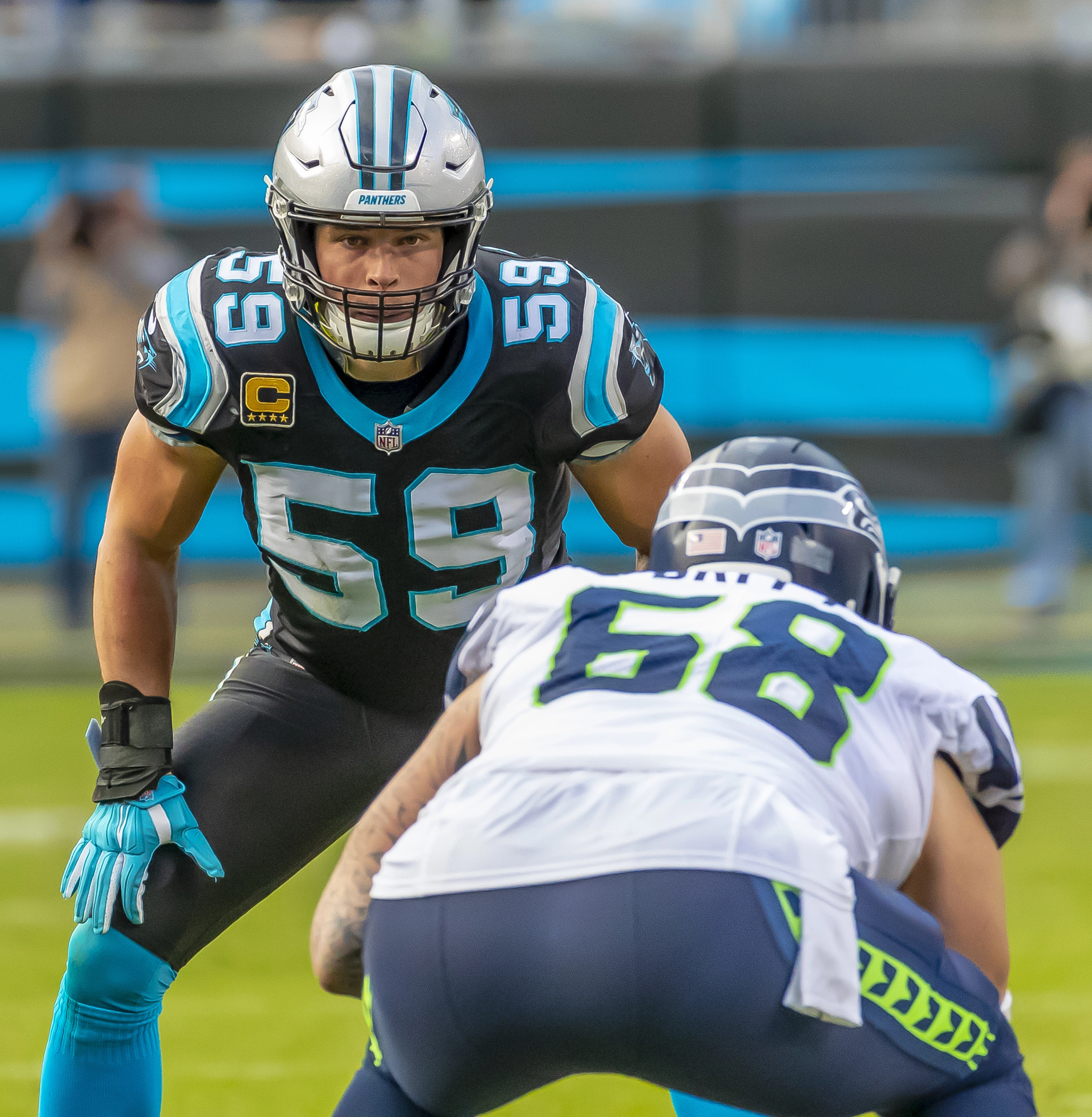
Shaquem Griffin had his left hand amputated at age 4 due to a prenatal condition, yet he became an NFL linebacker. At the 2018 NFL Combine, Griffin performed 20 bench press repetitions using a prosthetic attachment and ran the 40-yard dash in 4.38 seconds—the fastest time for a linebacker in over a decade.
His selection by the Seattle Seahawks marked the first time in modern NFL history that a one-handed player was drafted, challenging assumptions about physical requirements in professional football.
Derek Redmond’s Finish Line Moment

British runner Derek Redmond tore his hamstring halfway through the 400-meter semifinal at the 1992 Barcelona Olympics. Instead of leaving the track, Redmond hobbled in agony toward the finish line.
His father broke through security and helped his son complete the race, creating one of the most moving images in sports history. Though disqualified, Redmond’s determination turned personal disappointment into an enduring symbol of resilience.
Diana Nyad’s Fifth Attempt

After four failed attempts spanning 35 years, 64-year-old Diana Nyad became the first person to swim from Cuba to Florida without a shark cage in 2013. The 110-mile journey took nearly 53 hours through jellyfish-infested waters.
First attempting the swim at 28, Nyad finally succeeded decades later, demonstrating that athletic breakthroughs aren’t limited to youth. Her mantra during the swim—’Find a way’—became a touchstone for anyone facing seemingly impossible challenges.
The Enduring Power of Athletic Resilience

These extraordinary athletes remind us that sporting history isn’t just written by those with the most medals or championships. Through physical adaptations, psychological fortitude, and sheer human will, these competitors transcended conventional notions of athletic achievement.
Their unlikely journeys show us that sports’ most memorable moments often come not from flawless performance, but from improbable triumph over limitations that most would consider insurmountable.
More from Go2Tutors!

- The Romanov Crown Jewels and Their Tragic Fate
- 13 Historical Mysteries That Science Still Can’t Solve
- Famous Hoaxes That Fooled the World for Years
- 15 Child Stars with Tragic Adult Lives
- 16 Famous Jewelry Pieces in History
Like Go2Tutors’s content? Follow us on MSN.