15 Inventions That Solved a Problem No One Knew Existed
Many of the greatest inventions in history came about because someone identified a challenge that needed solving. Yet sometimes, the most fascinating innovations address problems most people never even realized they had.
These unexpected solutions end up changing our daily lives in ways we couldn’t have imagined before their creation. Here is a list of 15 inventions that brilliantly solved problems many people didn’t know existed until the solution appeared.
Post-it Notes

In 1968, scientist Spencer Silver at 3M accidentally created an adhesive that stuck to surfaces but could be easily removed without leaving a residue. For years, this invention was considered a failure because no one saw a practical use for partially sticky paper.
It wasn’t until colleague Art Fry realized this could solve his problem of bookmarks falling out of his hymnal that the Post-it Note was born, revolutionizing how we leave reminders and organize information.
QR Codes
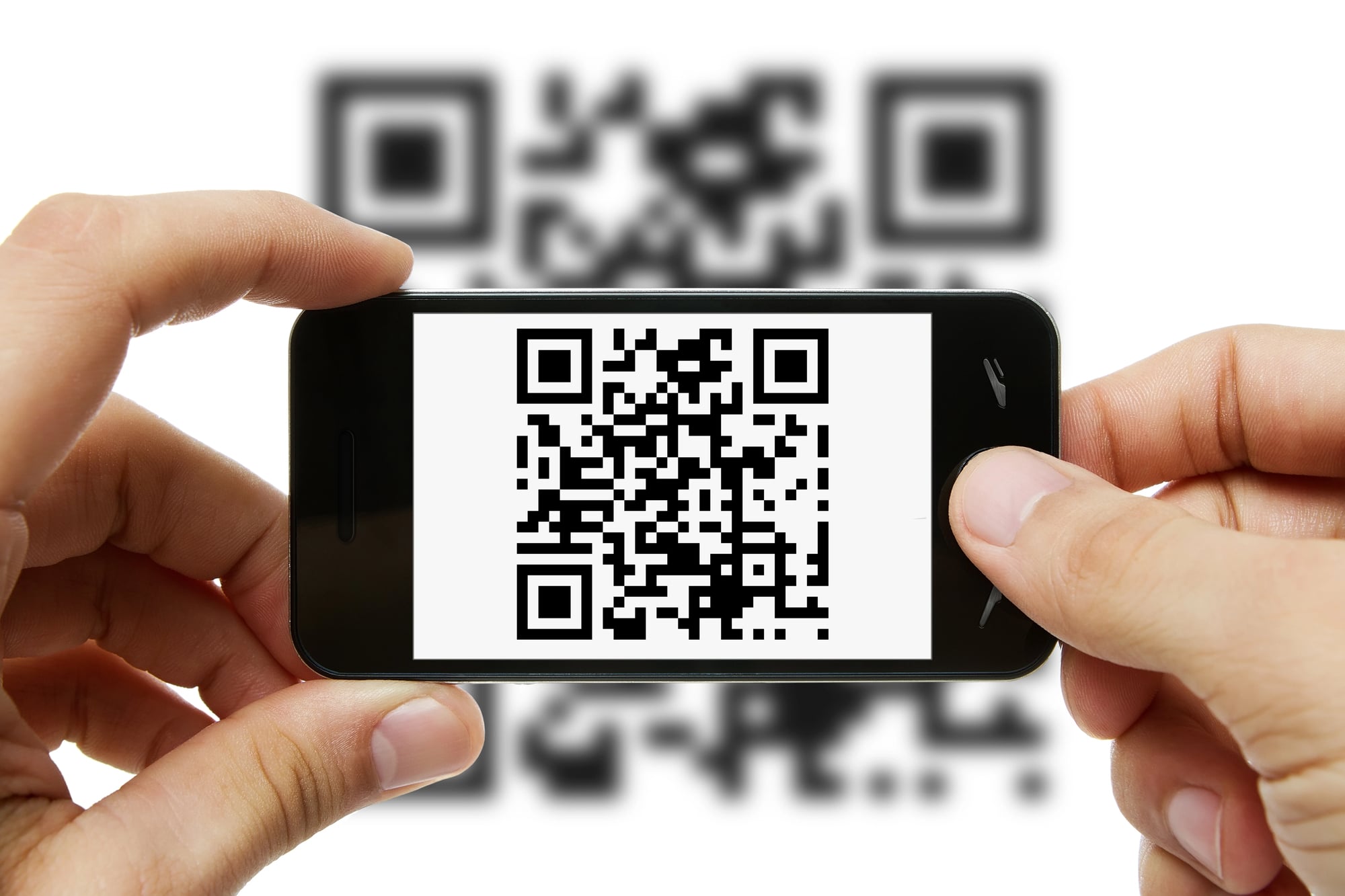
These pixelated squares were developed in 1994 by Japanese automotive company Denso Wave to track vehicle parts during manufacturing. Few imagined these codes would someday become essential for everything from contactless payments to restaurant menus.
QR codes solved the problem of needing to access digital information in physical spaces quickly, a problem consumers didn’t realize they had until smartphones made scanning them convenient.
Noise-Canceling Headphones

Engineer Dr. Amar Bose conceived the idea for noise-canceling technology during a flight in 1978 when he couldn’t enjoy the airline’s audio program due to engine noise. Before this invention, most people accepted background noise as an unavoidable annoyance.
The technology uses microphones to detect ambient sound and produces opposing sound waves to cancel it out, solving a problem many had resigned themselves to living with.
Microwave Oven
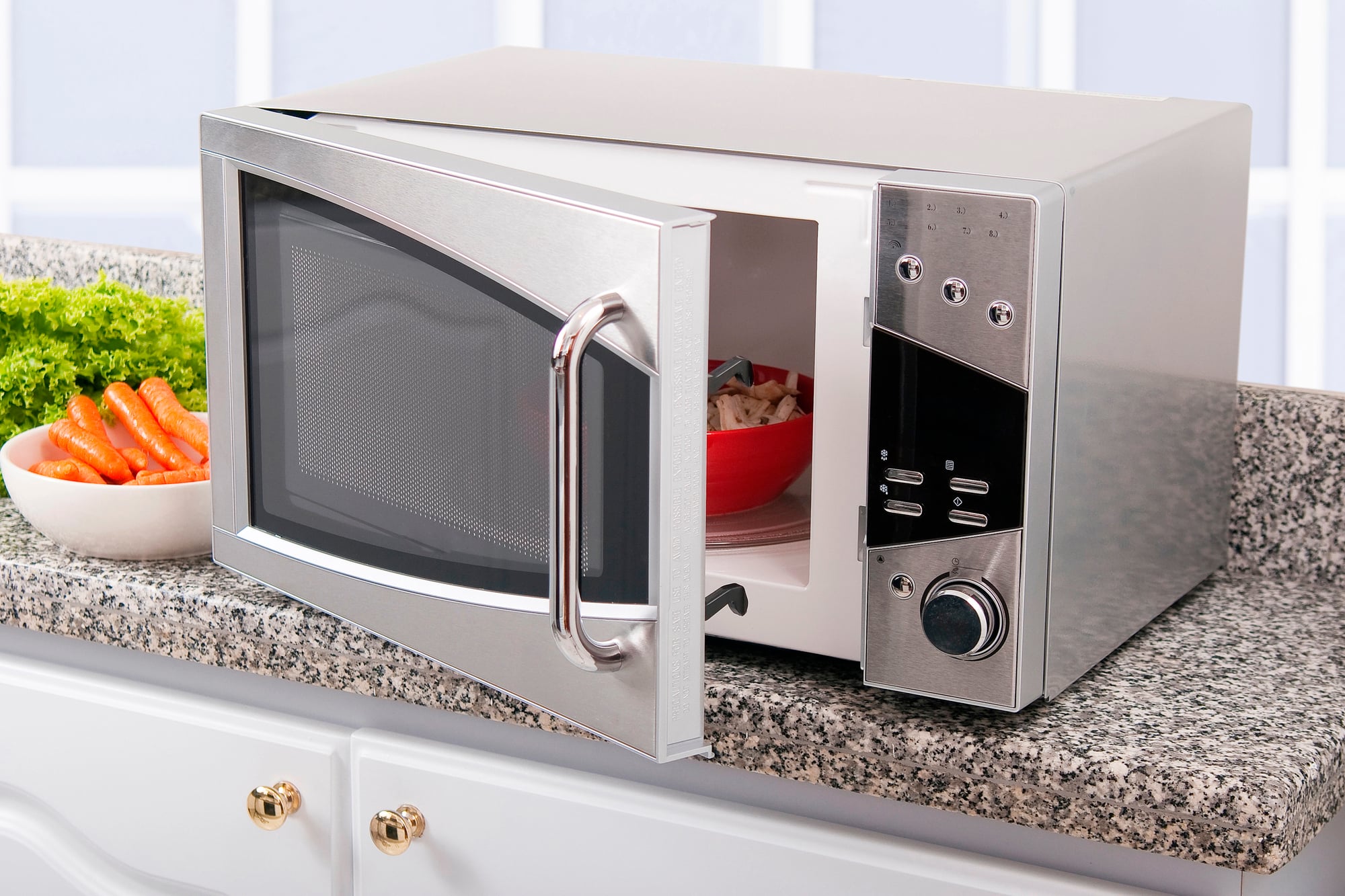
Percy Spencer wasn’t trying to revolutionize cooking when he noticed a chocolate bar melting in his pocket while working with radar equipment in 1945. His curiosity led to the development of the microwave oven, which solved the problem of quick food heating that nobody had previously considered possible.
Before microwaves, the idea of cooking a potato in minutes seemed like pure fantasy.
Velcro

Swiss engineer George de Mestral took a close look at the burrs sticking to his clothes and dog’s fur after a hunting trip in 1941. His observation led to the development of Velcro, mimicking the tiny hooks of the burrs to create a revolutionary fastening system.
People had accepted buttons, zippers, and laces as the only options, not realizing an entirely different fastening mechanism existed in nature.
Windshield Wipers

Mary Anderson noticed streetcar drivers in New York having to stop repeatedly to clear snow off their windshields in 1902. She invented the manual windshield wiper, solving a problem most drivers had simply accepted as part of bad weather driving.
Her invention seems obvious today, but it represented a breakthrough in thinking about visibility during inclement weather.
Luggage with Wheels

For decades, travelers lugged heavy suitcases through airports and train stations by hand. It wasn’t until 1970 that Bernard Sadow added four wheels and a strap to a suitcase, creating the first rolling luggage.
The invention addressed a burden people had simply accepted as part of travel, demonstrating how even the most obvious solutions can go undiscovered for years.
Sticky Lint Rollers

In the 1950s, electrical engineer Nicholas McKay Sr. improvised using masking tape wrapped around his hand to remove lint from his clothing. This simple observation led to the creation of the lint roller, addressing a common but overlooked annoyance.
Before this invention, people relied on brushes or simply lived with lint-covered clothes, not realizing a more effective solution was possible.
Memory Foam

NASA developed memory foam in 1966 to improve cushioning and crash protection for aircraft seats. Engineers weren’t trying to solve sleep problems, yet memory foam has revolutionized mattresses, pillows, and comfort across numerous products.
The material responds to heat and pressure, solving body support issues many didn’t realize their regular mattresses weren’t addressing.
Wi-Fi

When a group of Australian radio astronomers was working on detecting exploding mini black holes in 1992, they ended up developing the wireless network technology that would become Wi-Fi. The problem of needing cables for every electronic connection was so ingrained that few imagined the wireless world we now take for granted.
Their astronomical research accidentally solved one of modern life’s most fundamental connectivity issues.
Dyson Vacuum

James Dyson became frustrated with his conventional vacuum cleaner losing suction as the bag filled. After 5,126 prototypes, he created the first bagless vacuum using cyclonic separation.
People had simply accepted diminishing vacuum performance as normal until his invention showed there was a better way, solving a problem most users didn’t realize was solvable.
GPS for Civilian Use

The Global Positioning System was developed for military applications, but in 1983, President Reagan ordered it made available for civilian use after Korean Air Lines Flight 007 was shot down after straying into prohibited Soviet airspace. Before GPS became widely available, people relied on paper maps and asking for directions, not knowing that pinpoint navigation was possible.
This technology solved a problem most civilians didn’t know could be addressed.
Artificial Sweeteners

Saccharin, the first artificial sweetener, was discovered in 1879 when Constantin Fahlberg noticed a sweet taste on his hands after working in the lab. He had accidentally created a zero-calorie sugar alternative at a time when most people accepted that sweetness always came with calories.
This chance discovery solved a problem that would later become increasingly important as health consciousness grew throughout the 20th century.
The Slinky

In 1943, naval engineer Richard James was working with tension springs when one fell off his desk and continued moving. This accidental discovery led to the Slinky toy, which solved no practical problem but addressed the universal human need for simple amusement.
Before its invention, few would have identified a need for a metal coil that ‘walks’ down stairs, yet it became an iconic entertainment device.
Auto-Correct Technology

When Dean Hachamovitch at Microsoft created the first auto-correct feature in the early 1990s, few typists realized how much they needed assistance with common typos. The technology was initially viewed as an interesting feature rather than a necessity, yet it’s now integrated into virtually every text input system.
Auto-correct solved the problem of typing errors that most people had simply accepted as inevitable.
The Unexpected Impact of Innovation

The most remarkable aspect of these inventions isn’t just their cleverness but how they revealed problems hiding in plain sight. From communication to comfort, navigation to cleaning, these innovations exposed gaps in our daily experience that we hadn’t fully recognized.
They remind us that sometimes, the most valuable solutions come from identifying problems others have overlooked or accepted as unchangeable facts of life.
What makes these inventions truly special is how quickly they transition from novel curiosities to essential parts of our routines. They demonstrate the unique human ability to not only solve known problems but to discover entirely new ways of improving life that we couldn’t have articulated before seeing the solution.
More from Go2Tutors!

- The Romanov Crown Jewels and Their Tragic Fate
- 13 Historical Mysteries That Science Still Can’t Solve
- Famous Hoaxes That Fooled the World for Years
- 15 Child Stars with Tragic Adult Lives
- 16 Famous Jewelry Pieces in History
Like Go2Tutors’s content? Follow us on MSN.