Sports Equipment That Accidentally Changed Games Forever
Sometimes it isn’t strategy or skill that changes the course of a sport — it’s the gear. A tweak in design, a material swap, or even a production mistake can tilt the balance, forcing athletes, teams, and even entire rulebooks to adapt.
Here’s a list of sports equipment that reshaped games in ways no one really planned for.
Metal Baseball Bats
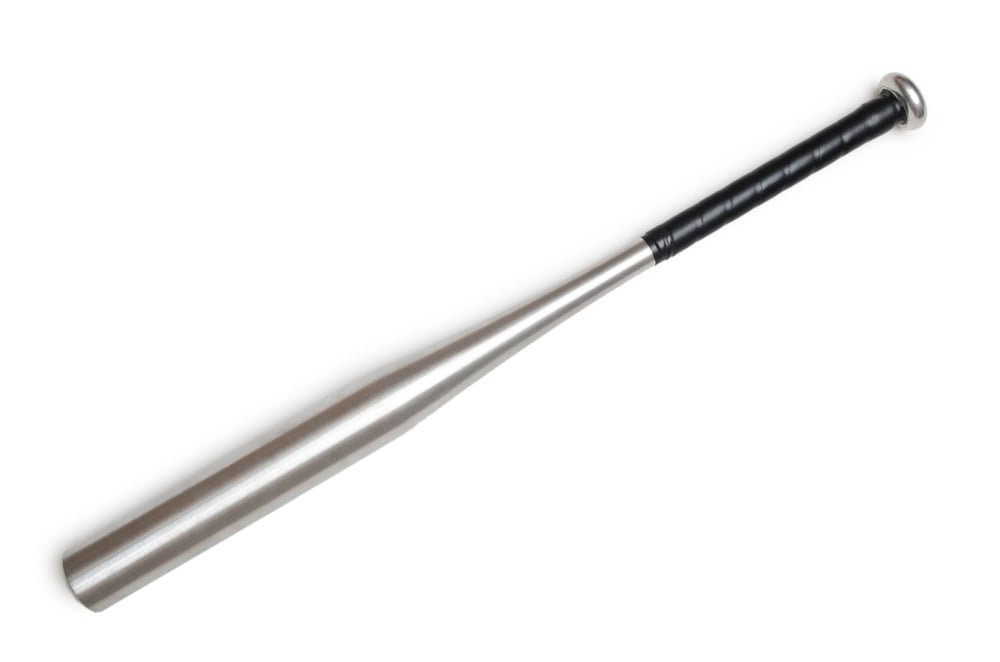
When metal bats first appeared in the 1970s, they weren’t meant to upend baseball — just to last longer than wooden ones. But their design gave hitters faster swings and harder contact. Suddenly, orbs flew farther than before.
And pitchers? Not thrilled. The power gap became so clear that most professional leagues eventually banned them.
Fiberglass Pole Vault Poles

For years, pole vaulters relied on stiff bamboo or aluminum. Then fiberglass poles entered the scene in the 1950s. Flexible, springy, and light, they catapulted athletes higher than anyone thought possible.
Records tumbled. The sport, quite literally, was lifted to a new level.
Squashballs with Different Dots
Squash players once used a single orb type. Then manufacturers introduced these with colored dots — each marking a different bounce level. A small change, but it altered tactics. Matches became slower, faster, or more technical depending on the orb chosen.
Not great if you picked the wrong one.
The Flared Tennis Racket

Wooden tennis rackets held steady for decades, until oversized graphite and aluminum models appeared in the late 20th century. One tweak — a flared head — expanded the sweet spot.
Even so, traditionalists scoffed. But once players realized they could return more shots with power and control, the flared racket became the norm.
Golf’s Solid-Core Sphere

For centuries, golfballs were stuffed with feathers, wound with rubber, or layered in odd ways. Then came the solid-core sphere in the 1990s. Straighter flight. More distance. Less spin.
Suddenly, golf courses seemed shorter. Designers had to rethink layouts to keep challenges alive.
Hockey Goalie Masks

Jacques Plante’s decision to wear a fiberglass mask in 1959 wasn’t planned as a revolution. It was self-preservation. But once other goalies followed, the position transformed.
- Safer play
- More daring saves
- Entirely new styles of goaltending
A single mask changed the face of hockey — literally.
Running Shoes with Air Pockets

When air-cushioned soles appeared in the 1970s and 80s, they weren’t marketed as performance tools so much as comfort innovations. Still, the bounce and support gave runners an edge.
So much so that some models were eventually banned in competitive racing. Too helpful.
Ping-Pong’s Sponge Paddle

Table tennis changed forever in the 1950s when paddles lined with sponge were introduced. The new surface gripped the orb, adding spin never seen before.
Matches became faster, trickier, more tactical. Old defensive players? Left scrambling.
Composite Hockey Sticks

Wooden hockey sticks splintered easily. Then came carbon-fiber composites. Lighter, more durable, and far more powerful, they allowed slap shots to rocket faster than ever.
Still, purists argue they changed the “feel” of the game. Some even claim wooden sticks had more soul.
Swimsuits that Shaved Seconds

In the late 2000s, swimmers wore full-body polyurethane suits. Suddenly, world records fell one after another. The suits reduced drag and increased buoyancy — too effective to ignore.
So effective, in fact, they were banned in 2010. But not before reshaping expectations of what times were possible.
Helmets in American Football
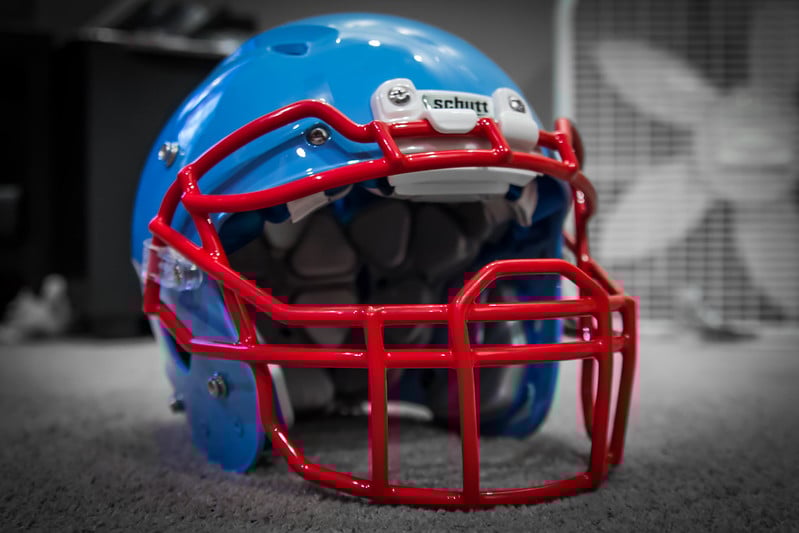
At first, leather headgear was optional. Then plastic helmets appeared in the 1930s, offering real protection. Players hit harder, tackled differently, and the game grew more aggressive.
Ironically, the safety upgrade made the sport rougher — and set the stage for debates about concussions decades later.
Where Gear Redefined the Game

— Photo by Neeraz.chaturvedi@gmail.com
From fiberglass poles to sponge paddles, these changes prove that equipment can be just as game-altering as raw talent. Sometimes the biggest revolutions don’t come from athletes at all — they come from what’s in their hands, on their heads, or strapped to their feet.
More from Go2Tutors!

- 16 Historical Figures Who Were Nothing Like You Think
- 12 Things Sold in the 80s That Are Now Illegal
- 15 VHS Tapes That Could Be Worth Thousands
- 17 Historical “What Ifs” That Would Have Changed Everything
- 18 TV Shows That Vanished Without a Finale
Like Go2Tutors’s content? Follow us on MSN.



