15 Things You Can Legally Do That Sound Completely Unbelievable
Most people are unaware of the intriguing peculiarities and unexpected privileges found in legal systems all across the world. Laws generally limit behavior, but because of past precedents, legislative oversights, or deliberate clauses that serve certain reasons, some actions that seem absurd or even suspicious are still completely legal.
Here is a list of 17 legal activities that, at first look, seem entirely implausible.
Space Ownership

You can legally buy “land” on the moon—even if it’s mostly symbolic. The 1967 Outer Space Treaty bars countries from claiming celestial bodies, but doesn’t explicitly stop individuals from making personal claims. As a result, companies exploit this loophole by selling novelty lunar deeds, even though no one can enforce them.
Self-Surgery

Operating on yourself isn’t against the law in most places. While medical laws forbid treating others without a license, they don’t usually apply to self-treatment. Some people have performed their own surgeries—from dental fixes to appendectomies—without breaking any legal rules, just plenty of medical ones.
Private Currencies

Creating your own currency is surprisingly legal. As long as it doesn’t resemble official government money, it’s fair game. Communities across the U.S. have launched alternative currencies to support local economies—proving that money doesn’t have to come from the federal mint to have value.
Tax-Free Nations

Living in a tax-free paradise is a real option. Countries like the UAE, Monaco, and the Bahamas don’t tax personal income. By changing your legal residence (not just taking a vacation), you can avoid income taxes entirely—with proper planning and paperwork, of course.
Personal Nuclear Power
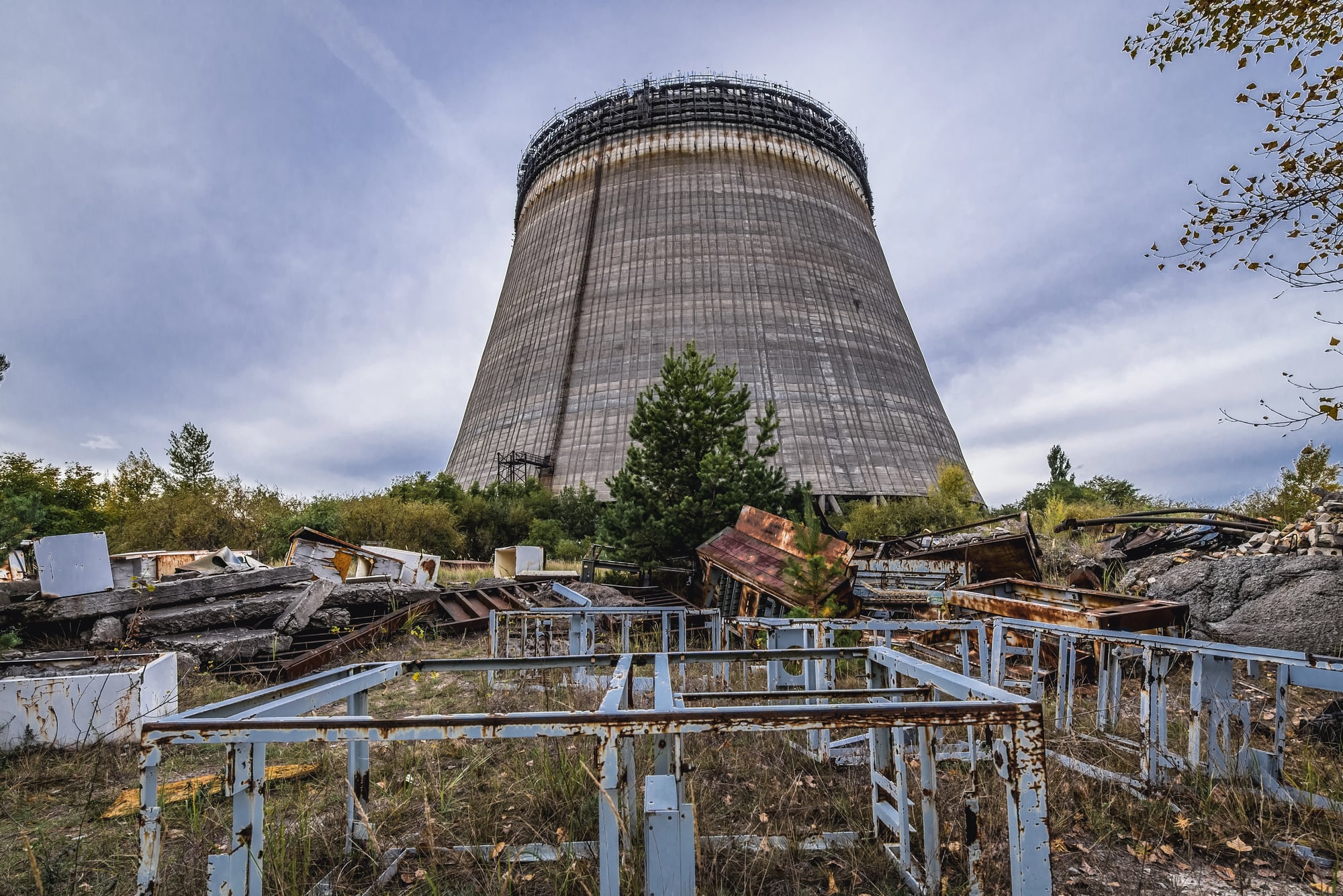
Building a fusion reactor in your garage? Totally legal in some places. Hobbyists in the U.S. have done it without violating laws—since fusion doesn’t create dangerous radioactive waste like fission. As long as you’re not handling restricted materials, regulators often don’t intervene.
Viking Funeral

Burning your body on a funeral pyre Viking-style is still legally possible in parts of the U.S. Some counties allow open-air cremations under strict conditions. With the right permits and location, you can have a fiery farewell that feels straight out of Norse legend.
Diplomatic Immunity

Diplomats can commit crimes in their host country—without prosecution. International law shields them from legal consequences, even for serious offenses. While their home country can revoke immunity, the host country often can’t touch them under the Vienna Convention.
Anonymous Cash Purchases

It’s still legal to buy expensive things with cash. While businesses must report transactions over $10,000, you can stay anonymous during the purchase itself. This loophole provides a rare slice of financial privacy in a world dominated by digital tracking.
International Waters Freedom

Once you’re 12 miles offshore, you enter international waters—and things get interesting. Local laws no longer apply, and the rules of your vessel’s home country take over. Though not a lawless zone, the legal complexity creates wiggle room not found onshore.
Extreme Speed

On some stretches of Germany’s autobahn, you can legally drive as fast as your car allows. Roughly 70% of the highway system has no speed limit. Thanks to rigorous driving standards and quality roads, these high-speed areas actually boast impressive safety records.
Royal Fish

In the UK, whales, dolphins, and sturgeons caught near shore legally belong to the monarch. This medieval law is still on the books, classifying these creatures as “royal fish.” Though rarely enforced, the Crown technically has dibs on these sea animals.
Corporate Personhood

Corporations aren’t human—but they have many of the same rights. In the U.S., businesses enjoy free speech, religious freedoms, and legal protections typically reserved for individuals. This concept, built over centuries of legal rulings, allows entities to act like people in court.
Backyard Burials

You can bury a loved one in your backyard—legally. In many U.S. states, especially rural areas, private burials are allowed with basic documentation. With the right paperwork, families can skip the cemetery and return to old-fashioned funeral practices.
National Departure

It’s legal to renounce your citizenship—even if it leaves you stateless. International law allows you to give up your nationality, though doing so without a second citizenship creates serious complications. Statelessness is rare, but legally recognized under specific conditions.
Unrestricted Architecture

You can legally build a house with no electricity, plumbing, or internet—in the right place. Some rural counties in the U.S. allow minimal-code dwellings, especially for recreational or off-grid living. It’s a legal way to escape modern utility systems altogether.
Legal Paradoxes

Laws aren’t always logical. Many strange allowances exist due to historical quirks, legal oversights, or extremely specific interpretations. These loopholes challenge our sense of what should be legal—and show how the real world of law can be stranger than fiction.
More from Go2Tutors!

- The Romanov Crown Jewels and Their Tragic Fate
- 13 Historical Mysteries That Science Still Can’t Solve
- Famous Hoaxes That Fooled the World for Years
- 15 Child Stars with Tragic Adult Lives
- 16 Famous Jewelry Pieces in History
Like Go2Tutors’s content? Follow us on MSN.