20 Ads That Were Brilliant — But Still Got Banned
Advertising has always walked a tightrope between creativity and conformity. The most memorable campaigns often push boundaries, challenging social norms and consumer expectations.
Yet even the most ingenious marketing minds sometimes create work that regulatory bodies and broadcasters deem too provocative for public consumption. Here is a list of 20 advertisements that showcased remarkable creativity and marketing brilliance but ultimately faced the ban hammer for various reasons.
Benetton’s Multiracial Campaigns
The Italian clothing brand Benetton created groundbreaking advertisements featuring people of different races and ethnicities in the 1980s and 1990s. Their ‘United Colors’ campaign was revolutionary in challenging racial stereotypes and promoting diversity long before it became a marketing standard.
However, several iterations were banned in multiple countries for imagery considered too provocative despite their positive message about unity.
Nike’s “Write the Future”
This epic World Cup commercial directed by Alejandro González Iñárritu featured football stars experiencing alternate futures based on crucial game moments. The cinematic masterpiece was banned in the UK not for its content but because it violated exclusivity agreements with the official World Cup sponsors.
The commercial demonstrated Nike’s knack for storytelling while associating their brand with football’s emotional rollercoaster.
Like Go2Tutors’s content? Follow us on MSN.
IKEA’s “Tidy Up” Ad
Ikea created a brilliant advertisement showing a messy home with cluttered storage that gradually transformed into an organized space. The Swedish furniture giant’s ad was pulled in the UK because it inadvertently resembled another company’s recent campaign.
Despite the ban, the commercial perfectly communicated Ikea’s value proposition of creating functional, organized living spaces.
Carl’s Jr.’s Paris Hilton Wash

The fast-food chain’s commercial featuring Paris Hilton washing a Bentley while enjoying a burger became an instant sensation. The advertisement was banned from daytime television for being too suggestive, yet it successfully repositioned Carl’s Jr. from a family restaurant to a brand targeting young adult males.
The controversy actually amplified its reach, with millions viewing it online.
Pot Noodle’s “Slag of All Snacks”

This British instant noodle brand created a tongue-in-cheek campaign playing on UK slang, declaring their product the “slag of all snacks.” The advertisement was clever in its self-deprecating humor, acknowledging the product’s reputation as a guilty pleasure rather than gourmet cuisine.
Regulators banned it for the derogatory terminology, but the campaign had already cemented the brand’s irreverent personality.
Like Go2Tutors’s content? Follow us on MSN.
Budweiser Frogs
The famous “Bud-weis-er” frogs became cultural icons in the 1990s. The simple yet effective campaign featuring three frogs croaking the brand name was eventually restricted in some markets for allegedly appealing to children.
The brilliance lay in its simplicity—creating a memorable audio mnemonic that consumers would associate with the beer for decades to come.
Sony’s White vs. Black PSP

Sony created a striking advertisement for their white PlayStation Portable that showed a white woman aggressively dominating a black woman. The visually arresting campaign was immediately banned for racial insensitivity, despite Sony claiming it was merely meant to highlight the product’s color contrast.
The advertisement demonstrated powerful visual design principles while completely missing cultural sensitivity.
SodaStream’s “Set the Bubbles Free”
SodaStream created an advertisement showing soda bottles spontaneously exploding whenever someone used their home carbonation device. Major networks banned the commercial after pressure from big soda companies who were explicitly targeted.
The brilliance was in directly confronting competitors while positioning SodaStream as an environmentally friendly alternative to bottled beverages.
Like Go2Tutors’s content? Follow us on MSN.
Volkswagen’s “Clean Diesel”
Volkswagen produced a series of award-winning commercials promoting their “clean diesel” technology with clever visual metaphors about emissions. These advertisements were pulled after the infamous emissions scandal revealed the company had been cheating on pollution tests.
The campaign showed marketing brilliance in crafting a compelling environmental narrative—unfortunately, one that proved entirely fictional.
Airbnb’s “Is Mankind?”
This thought-provoking advertisement questions the nature of human kindness and acceptance with beautiful imagery. The commercial was banned in some markets for appearing to lecture viewers about political beliefs.
Airbnb’s brilliance was in positioning their brand as more than a service—as a movement for human connection across cultural boundaries.
Kmart’s “Ship My Pants”

Kmart created a viral sensation with its word-play advertisement, in which customers excitedly announced they were going to “ship their pants” using Kmart’s delivery service. The commercial was restricted from television for its suggestive language despite containing nothing explicitly inappropriate.
The brilliance was using humor to transform a mundane service feature into shareable content.
Like Go2Tutors’s content? Follow us on MSN.
Guinness’ “Surfer”
This artistic black-and-white commercial compared waiting for a perfect Guinness pour to surfers waiting for the perfect wave. The advertisement was temporarily banned in some regions for supposedly encouraging excessive drinking.
The creative brilliance lies in visually representing the brand’s famous slow pour as a virtue worth waiting for rather than an inconvenience.
Hyundai’s “Pipe Job”

Hyundai created a controversial advertisement showing a man attempting to end his life with car exhaust fumes, only to fail because the vehicle produced clean emissions. The advertisement was quickly pulled worldwide after public outrage.
Despite its poor taste, the commercial demonstrated creative thinking in dramatizing a product benefit—the car’s low emissions—albeit in an absolutely inappropriate way.
GoDaddy’s Early Campaigns
GoDaddy built its brand awareness through deliberately provocative Super Bowl advertisements featuring suggestively dressed women. Many were banned or rejected from broadcast for being too risqué.
The marketing brilliance was creating outsized brand recognition for a technical service through controversy while spending relatively little on production.
Like Go2Tutors’s content? Follow us on MSN.
Australian Tourism’s “Where the Bloody Hell Are You?”
This tourism campaign featured Australians preparing for visitors before asking, “Where the bloody hell are you?” It was banned in the UK for mild profanity despite capturing Australia’s casual, friendly culture.
The brilliance was in turning typical tourism advertising on its head by having the destination question the tourists rather than simply showcasing attractions.
Axe’s “Even Angels Will Fall”
The men’s grooming brand created an advertisement showing female angels falling from heaven after smelling men wearing Axe. The commercial was banned in South Africa and restricted elsewhere for religious insensitivity.
The marketing genius was in taking the brand’s existing “attraction” positioning to mythological extremes with cinematic production values.
Metro Trains’ “Dumb Ways to Die”

This Australian public safety campaign used adorable animated characters dying in ridiculous ways to promote railway safety. Despite winning advertising awards, it was banned in some regions for potentially traumatizing children.
The brilliance was transforming a typically boring safety message into a viral sensation with a catchy song and cute characters.
Like Go2Tutors’s content? Follow us on MSN.
Heinz’s “Can Opener”
Heinz created an advertisement featuring couples of all orientations kissing while comparing them to the perfect pairing of products. The commercial was banned in the UK after complaints about the same-sex couples shown.
The brilliance was in Heinz’s positioning themselves as a progressive brand while drawing a simple parallel between romantic and culinary compatibility.
Center Shock Gum’s “Car Ride”
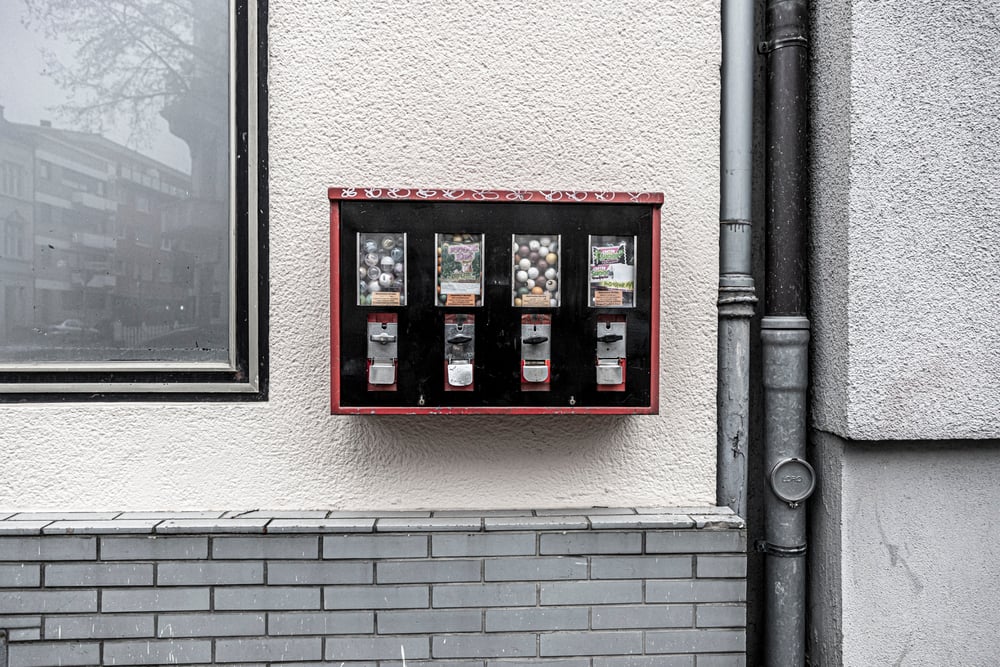
This chewing gum brand created a shocking advertisement where a driver’s extreme reaction to the sour gum causes a car accident. The commercial was banned for appearing to make light of dangerous driving.
The creative strategy brilliantly exaggerated the product’s key attribute—its extreme sourness—through unexpected physical comedy.
Cadbury’s “Eyebrow Dance”
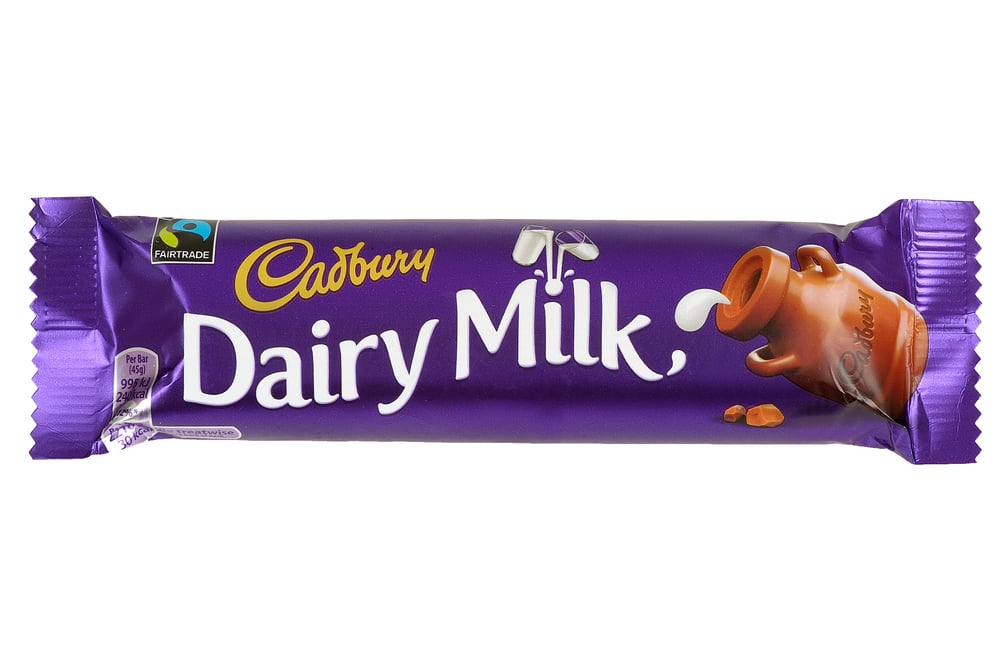
This charming advertisement featuring two children performing an elaborate eyebrow dance to a funky beat became an internet sensation. It was restricted in some markets for encouraging children to make faces.
The brilliance was in creating an advertisement so entertaining and unusual that people would share it voluntarily, extending the campaign’s reach far beyond paid placements.
Like Go2Tutors’s content? Follow us on MSN.
Legacy of Banned Brilliance

The history of banned advertisements reveals much about evolving social standards and creative risk-taking in marketing. Many of these campaigns achieved legendary status precisely because they were prohibited, gaining free publicity and cultural cachet that approved advertisements could only dream of.
These controversial commercials remind us that creativity often flourishes most vibrantly at the edges of acceptability, where brilliant ideas sometimes collide with contemporary sensibilities.
More from Go2Tutors!

- 18 Unexpectedly Valuable Collectibles You Might Have Lying Around
- 20 Little-Known Historical Battles That Had Huge Consequences
- 20 Historical Artifacts That Scientists Can’t Explain
- 15 Inventions That Were Immediately Banned After Being Created
- 20 Actors Who Were Almost Cast in Iconic Roles
Like Go2Tutors’s content? Follow us on MSN.