Facts About the Mysterious Disappearances Of 15 Powerful Royalty
Now picture this – thrones once occupied now sit empty, royal headpieces tossed aside like forgotten hats. Some top rulers of past times? Gone, not dead, not captured, just disappeared.
Think about it: these are not fairy tales whispered by elders near fires. Real gaps in time where big names dropped off maps.
Experts still scratching heads today. Theories popped up, sure, but nothing stuck.
Whole countries left holding questions instead of answers. Still puzzling folks now, certain royal vanishings stand out as mysteries never solved.
One by one, these cases refuse to let go of public curiosity.
Anastasia Romanov
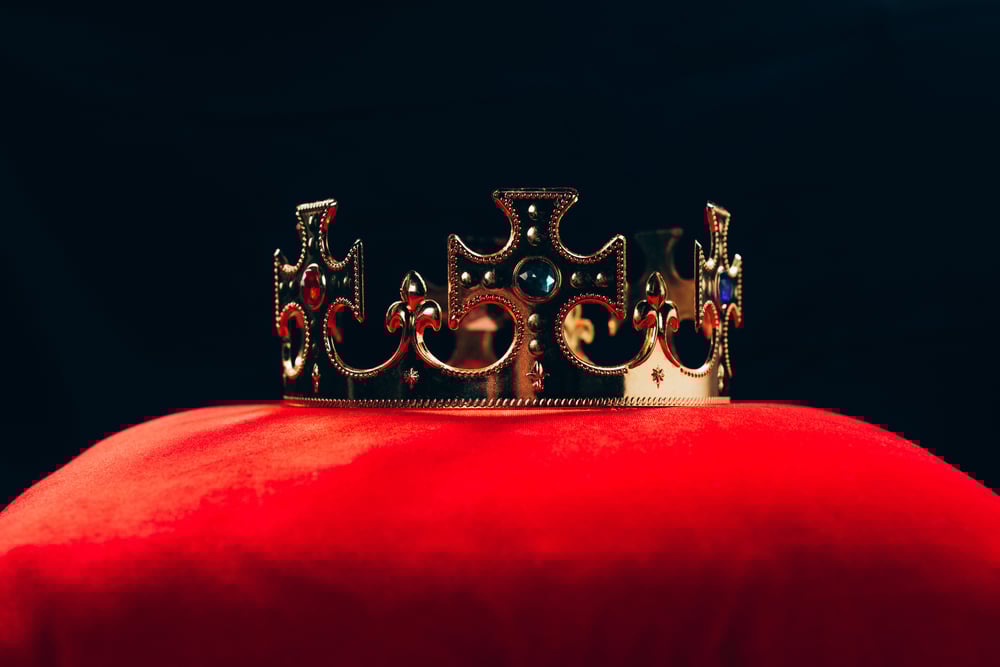
A girl once tied to an empire’s fall slipped into myth before long. Though shot dead with her kin in Yekaterinburg during dark hours, whispers said she vanished instead.
Over years, several appeared – faces shaped by sorrow or deceit – each saying I am her. One held firm longest: Anna Anderson, voice steady through winters of doubt.
Science later cut through fog when genetic checks revealed bone fragments matched royal lines exactly. Every claim crumbled under lab light.
Yet stories kept blooming anyway, fed by silence where answers should’ve stood. Films rose, pages filled, the idea outlived facts.
King Sebastian Of Portugal
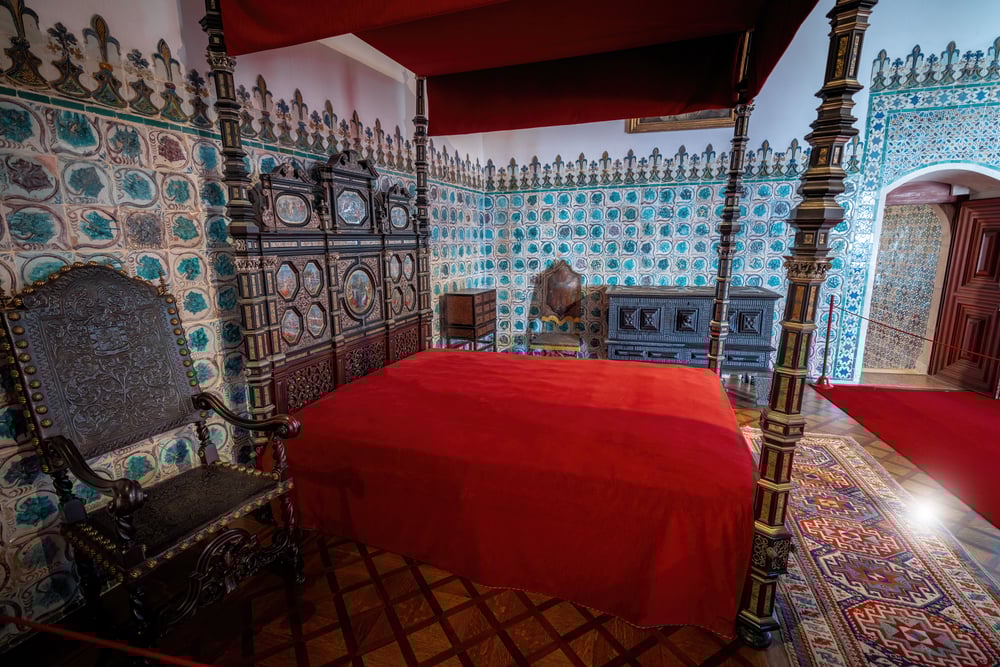
A boy ruler vanished in North Africa during war chaos, 1578. Not one corpse could be proven his, though many lay scattered across bloodied ground.
At age twenty-four, Sebastian charged into combat leading a holy war – three crowns ended broken that day. Folks back home simply would not accept he’d died.
A strange hope spread: belief he might reappear long after, which took root deeply over time. Men later stepped forward pretending to be him – one, then another, four total – all feeding a hunger for miracles.
Prince John Of England
A boy born to King George the Fifth and his wife Mary struggled with seizures, maybe also with how he understood the world. Though part of the crown’s line, few saw him, since those around shielded him from sight.
Back in 1919, while still only thirteen, he collapsed during one violent fit – this happened at a quiet house called Wood Farm, tucked inside Sandringham land. So little was said during his years alive that most people across Britain learned of him only once he was gone.
Because silence followed both his days and his end, gaps sit in what we know, making some wonder if everything told is truly complete.
Crown Prince Dipendra Of Nepal
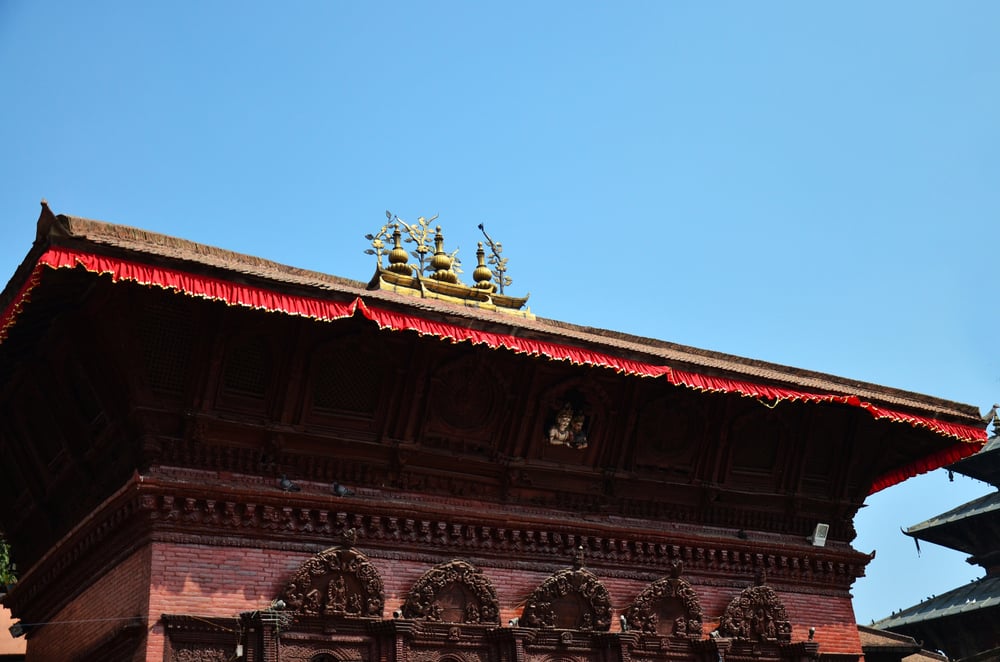
A royal banquet turned into tragedy when gunfire broke out among close relatives one evening in 2001. Though records name Dipendra as the shooter, doubts linger like smoke after a flame.
His motive? A marriage blocked by those seated across the table that night. After pulling the trigger on others, he aimed at himself – ending one life while another began under strange terms.
Officially crowned despite being unconscious, he held the title briefly before breath left his body. Yet belief wavers; some recall shaky testimonies, missing proof, doors locked too neatly.
Rumors grow where answers feel placed rather than found.
Ludwig II Of Bavaria

A strange ruler known for dreamlike palaces vanished in 1886, shortly after losing his crown due to claims of madness. Found in a small lake near Munich, Ludwig lay dead beside his doctor; odd since the spot barely reached mid-leg depth.
Though drowning seemed impossible there, officials labeled it accidental without examining the bodies closely. Some say he slipped while fleeing guards.
Others whisper about powerful enemies silencing him before he could return. A few believe he chose that ending himself.
Answers sank with them into the cold silence beneath lapping reeds.
The Princes In The Tower
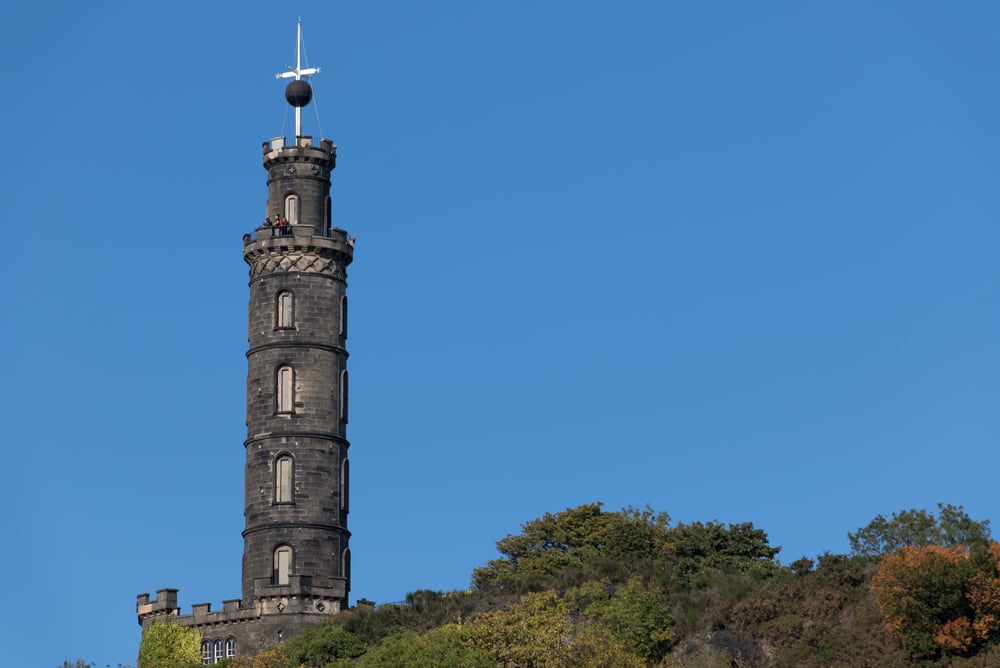
Edward V and his younger brother Richard disappeared from the Tower of London in 1483 after their uncle Richard III took the throne. The two boys, aged 12 and 9, were seen playing in the Tower grounds less and less frequently before vanishing completely.
Two small skeletons were discovered buried at the Tower in 1674, and many believe these were the young princes. However, their uncle Richard III has never been definitively proven guilty of their deaths, and alternative theories suggest other nobles with claims to the throne might have been responsible.
Empress Dowager Cixi’s Pearl Concubine
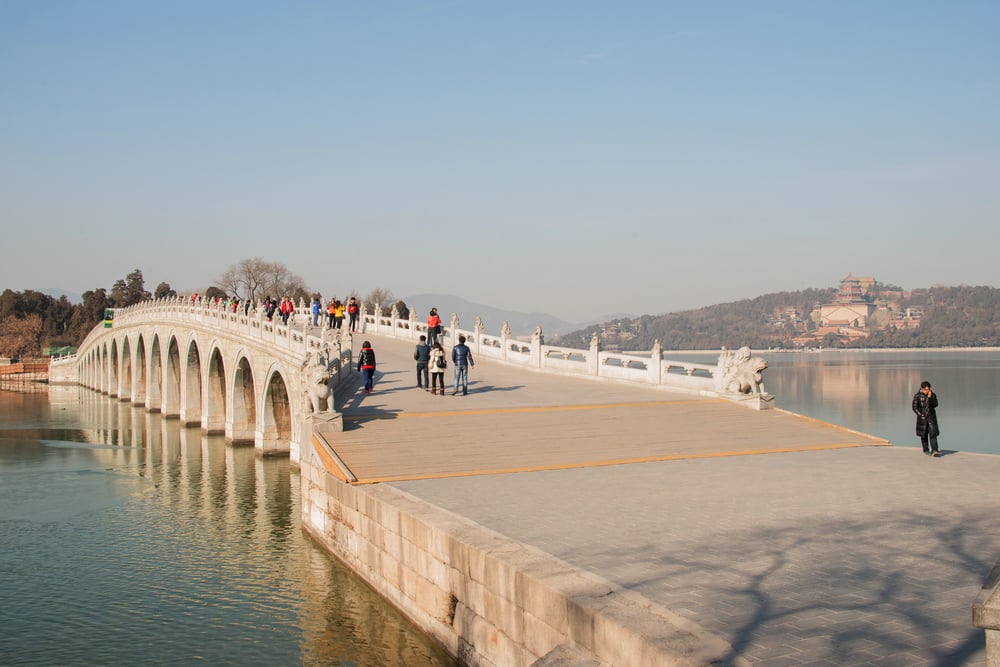
This favored concubine of China’s Guangxu Emperor disappeared during the chaos of the Boxer Rebellion in 1900 when foreign troops advanced on Beijing. According to official records, the powerful Empress Dowager Cixi ordered the Pearl Concubine thrown down a well in the Forbidden City to prevent her from falling into enemy hands.
The concubine’s body was reportedly retrieved from the well a year later, but questions remain about whether she actually died this way or if she escaped in the confusion. Some historians suggest she might have been eliminated because she supported the emperor’s reform efforts that threatened Cixi’s power.
Alfonso XIII’s Son

Prince Alfonso of Spain, heir to the throne, died in 1938 under circumstances that raised eyebrows across Europe. The 31-year-old prince was in a Miami hospital for minor surgery when he suffered a fatal reaction to anesthesia.
His death came at a remarkably convenient time for his younger brother, who then became heir apparent. The Spanish royal family’s exile status and the distance from home made investigating the death difficult.
While medical mishaps certainly happen, the timing and location have kept conspiracy theories alive about whether someone ensured the surgery wouldn’t go well.
Queen Nzinga Of Ndongo And Matamba
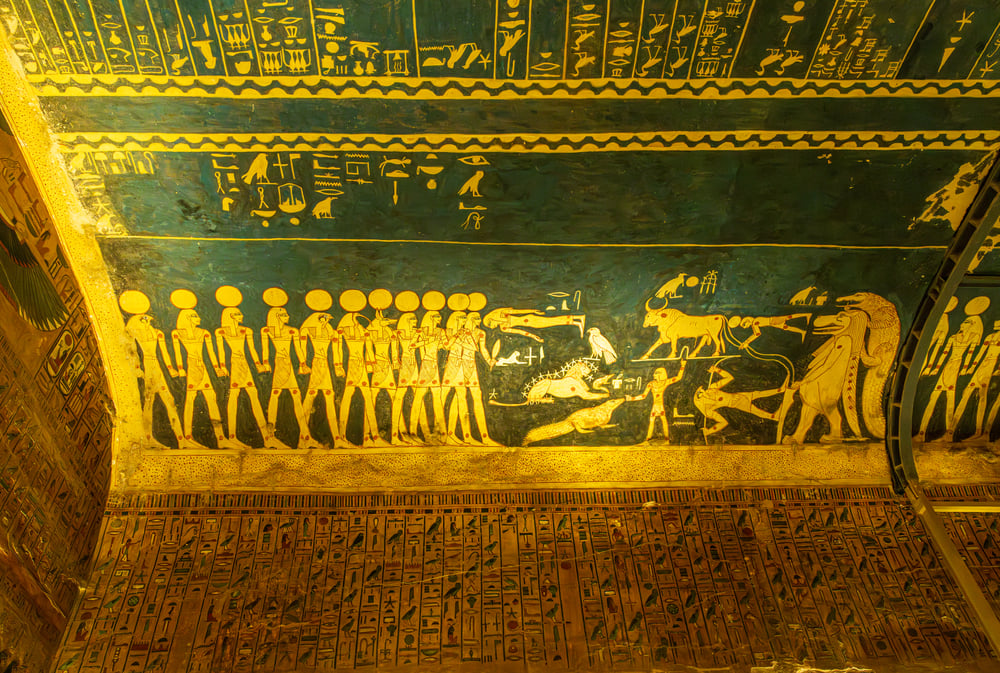
This powerful African queen who fought against Portuguese colonization in the 17th century had her final resting place lost to history. Nzinga died in 1663 at about 81 years old, an impressive age for the time, after spending her life defending her kingdoms in present-day Angola.
While her death itself isn’t mysterious, the location of her burial site remains unknown despite her significance as one of Africa’s greatest leaders. Portuguese colonial records from the era are deliberately vague about details concerning African royalty they viewed as enemies, leaving historians unable to locate where this remarkable woman was laid to rest.
Tsar Alexander I Of Russia

Russia’s emperor allegedly died of typhus in 1825 while visiting southern Russia, but his death sparked immediate suspicions. Alexander had become increasingly religious and spoke of wanting to abdicate his throne to live as a simple monk.
His coffin was sealed without allowing proper viewing, and rumors quickly spread that he’d faked his death to escape his responsibilities. A holy man named Fyodor Kuzmich appeared in Siberia a few years later bearing a striking resemblance to the late tsar and possessing detailed knowledge of court life.
The mystery deepened when the Soviet government opened Alexander’s tomb in 1926 and reportedly found it empty, though they never officially confirmed this finding.
King Arthur Of Britain
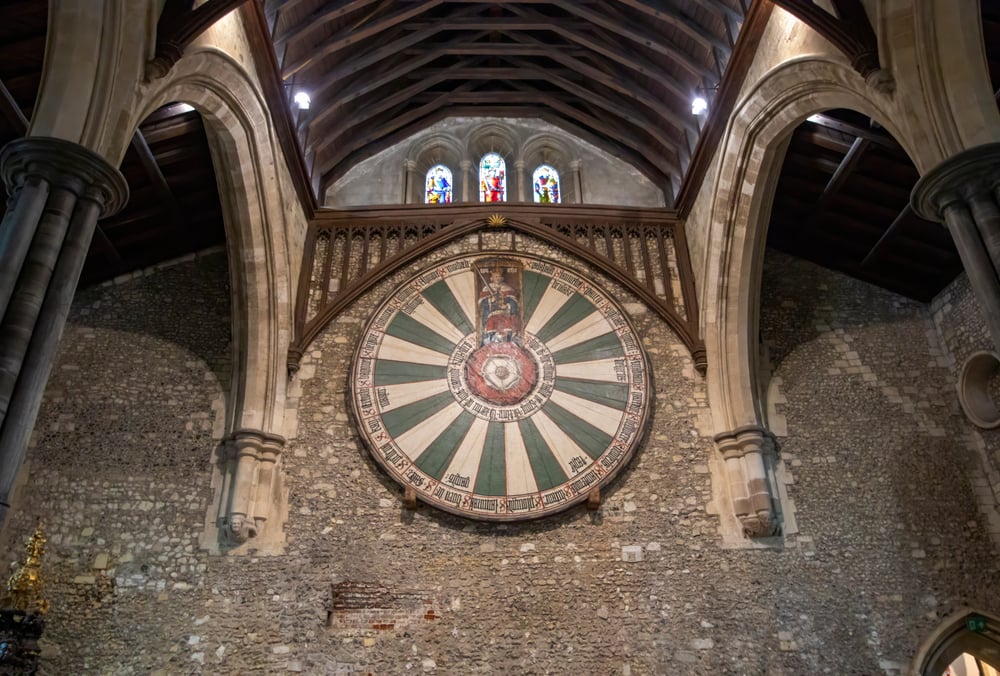
The legendary British king’s existence sits somewhere between history and myth, making his disappearance one of the oldest royal mysteries. Stories claim Arthur was mortally wounded at the Battle of Camlann around 537 AD but was carried away to the isle of Avalon to be healed.
His body was never found, leading to the prophecy that he would return in Britain’s darkest hour. While historians debate whether Arthur was a real person or a composite of several warriors, the fact remains that no grave or remains have ever been definitively attributed to him.
Multiple sites across Britain claim to be his final resting place, but none have provided conclusive proof.
King John II Of Portugal
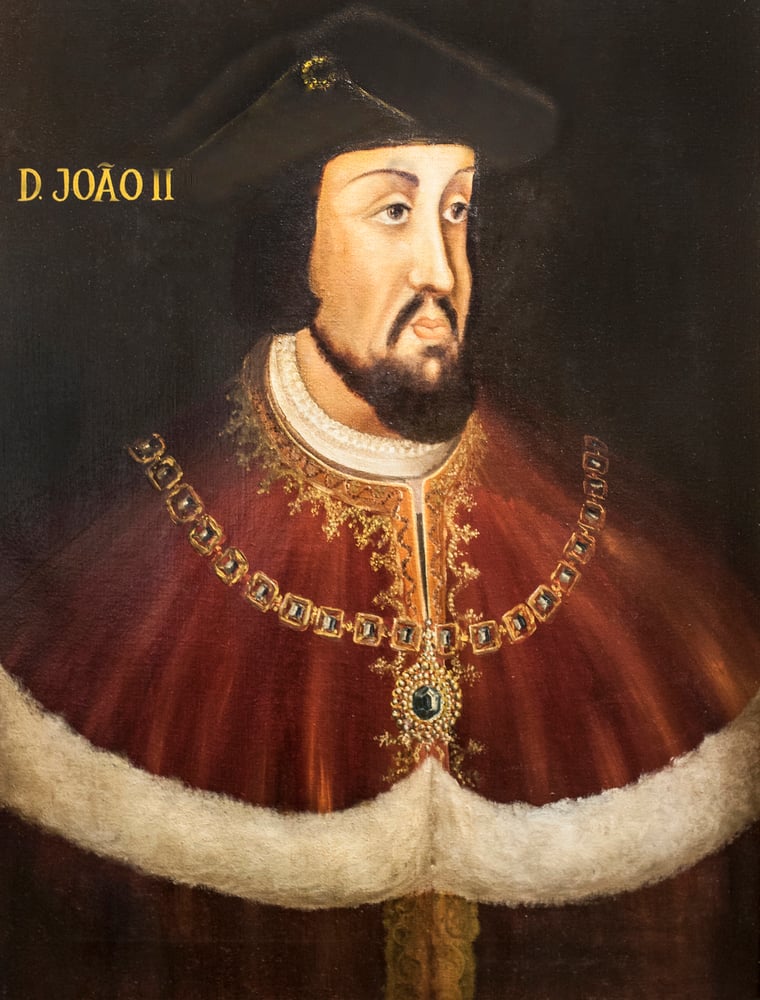
Portugal’s king died suddenly in 1495 at age 40, and the circumstances surrounding his death have never been fully explained. John collapsed after riding through Alvor and died within hours, with some accounts suggesting poisoning while others blamed natural causes.
His son and successor Manuel I had much to gain from his father’s unexpected death, as did Queen Isabella of Spain, whose daughter would marry Manuel. The speed of his decline and the lack of a clear medical explanation have kept historians wondering whether someone helped him along.
Portugal’s political situation at the time made several people benefit from John’s removal from the throne.
Emperor Xuanzong’s Consort

Yang Guifei was one of ancient China’s legendary beauties and the beloved consort of Emperor Xuanzong during the Tang Dynasty. When a rebellion forced the emperor to flee the capital in 755 AD, his guards blamed Yang Guifei for the crisis and demanded her death.
Official records state she was strangled with a silk rope, but her body was never properly identified or displayed. Alternative accounts suggest the emperor secretly helped her escape to Japan, where some believe she lived out her days in exile.
The lack of physical evidence and the emperor’s heartbroken behavior for the rest of his life have kept the mystery alive.
Crown Prince Rudolf Of Austria

Austria’s only son and heir apparent died in 1889 at a hunting lodge in what officials called a murder-and-taking-his-own-life involving his teenage mistress. Rudolf was found with his 17-year-old lover Mary Vetsera, both with fatal head wounds.
The official story claimed Rudolf shot Mary then himself, but the scene was compromised before proper investigation, and evidence disappeared quickly. Rudolf had been at odds with his father Emperor Franz Joseph over politics and had expressed liberal views that alarmed the conservative court.
Whether he actually ended his own life, was eliminated for his political stance, or died accidentally remains debated among historians who find gaps in every version of the story.
Yongle Emperor’s Favorite Wife
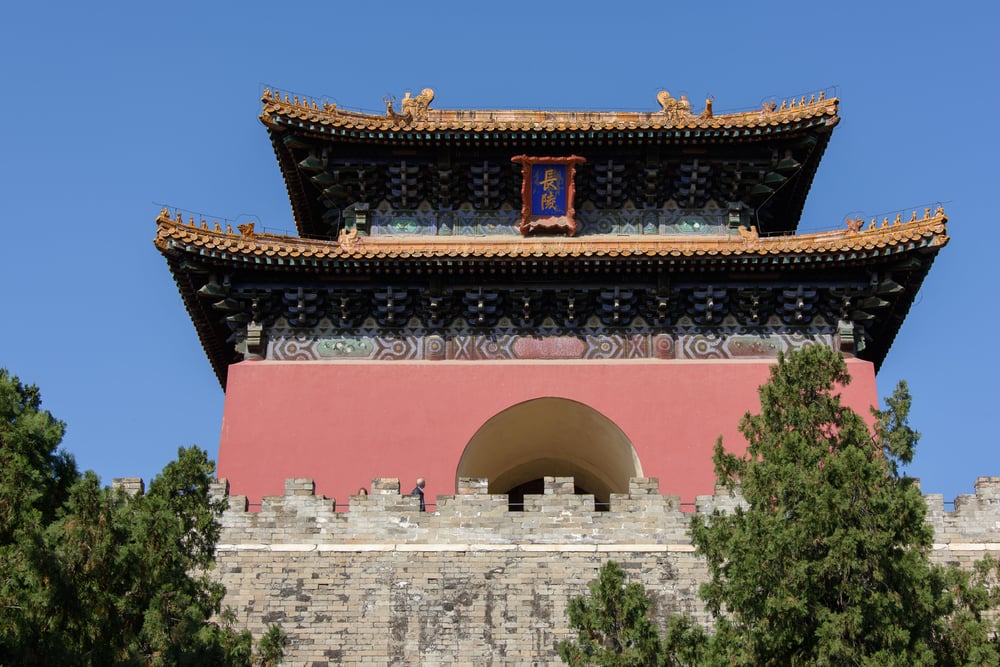
Empress Xu of China’s Ming Dynasty died in 1407, and while her death wasn’t initially mysterious, her husband’s reaction was bizarre. The Yongle Emperor became obsessed with immortality afterward and sent massive expeditions searching for mythical islands where his wife might have been reborn.
Some historians believe she actually died giving birth to a stillborn child, a fact covered up because it would have been seen as a bad omen for the dynasty. Other theories suggest she was eliminated by palace rivals and the emperor knew it.
The true circumstances of her death were buried under layers of official deception, with records from the period showing signs of alteration.
The Weight Of Empty Thrones
These vanished rulers left behind more than just empty thrones and unanswered questions. Their disappearances changed the course of history, shifted power to unexpected hands, and created legends that outlived the kingdoms they once ruled.
Some mysteries will probably never be solved because evidence was deliberately destroyed, witnesses were silenced, or too much time has passed. What remains are the stories, the theories, and the reminder that even the most powerful people can disappear, leaving the rest of us to wonder what really happened in those final moments.
More from Go2Tutors!

- The Romanov Crown Jewels and Their Tragic Fate
- 13 Historical Mysteries That Science Still Can’t Solve
- Famous Hoaxes That Fooled the World for Years
- 15 Child Stars with Tragic Adult Lives
- 16 Famous Jewelry Pieces in History
Like Go2Tutors’s content? Follow us on MSN.



