14 Famous Speeches That Were Meant to Inspire — But Did the Opposite
Throughout history, powerful speeches have changed the course of nations, rallied troops to battle, and sparked social movements. But not every attempt at rousing rhetoric lands as intended.
Sometimes, despite the best intentions and careful planning, speeches fall spectacularly flat or even backfire completely. Here is a list of 14 famous speeches that aimed for inspiration but missed the mark, creating controversy, ridicule, or unintended consequences instead.
“Mission Accomplished” Bush Speech
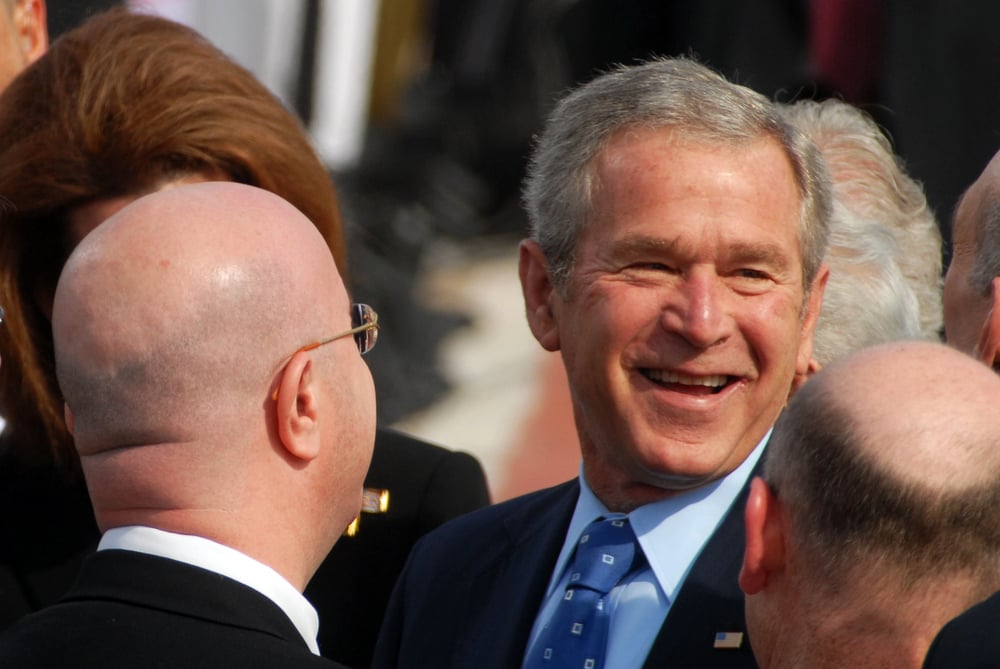
On May 1, 2003, President George W. Bush landed on the USS Abraham Lincoln aircraft carrier in a fighter jet, emerging in full flight gear beneath a massive “Mission Accomplished” banner. His speech declared major combat operations in Iraq over, suggesting victory had been achieved.
The premature declaration became a painful political embarrassment as the Iraq War continued for years afterward with increasing casualties and complexity. This moment transformed from what was meant to be a triumphant milestone into a symbol of miscalculation that haunted Bush’s presidency.
Neville Chamberlain’s “Peace For Our Time”
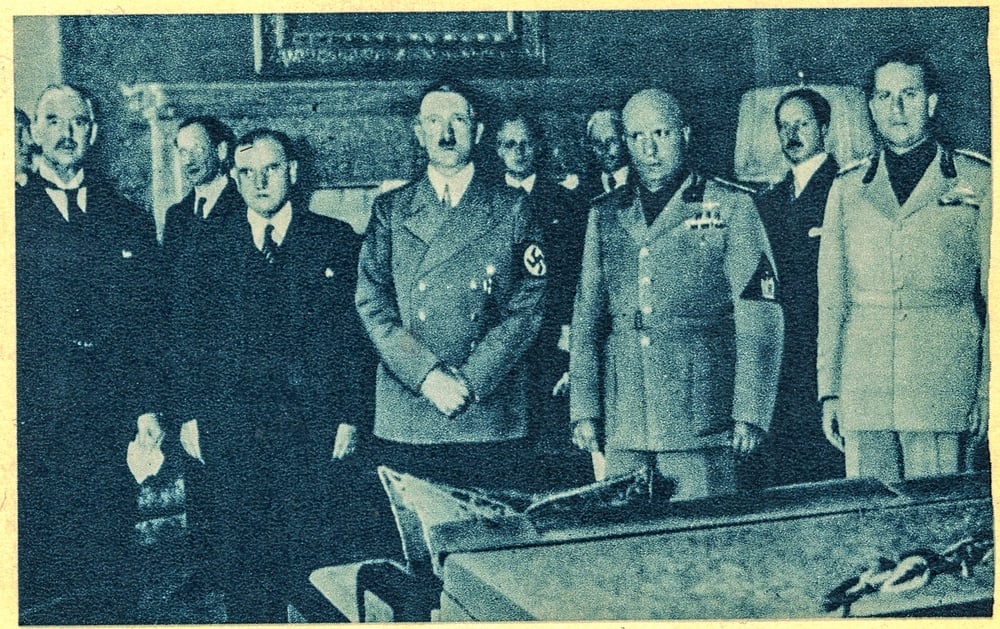
British Prime Minister Neville Chamberlain returned from Munich in 1938 waving a piece of paper and declaring “peace for our time” after negotiating with Hitler. His speech aimed to reassure a nervous British public that war had been averted through diplomacy and careful negotiation.
Barely a year later, World War II began, rendering Chamberlain’s optimistic declaration one of history’s most infamous political miscalculations. His name became synonymous with appeasement, and the speech serves as a cautionary tale about naively trusting aggressive dictators.
Nixon’s “I Am Not A Crook”
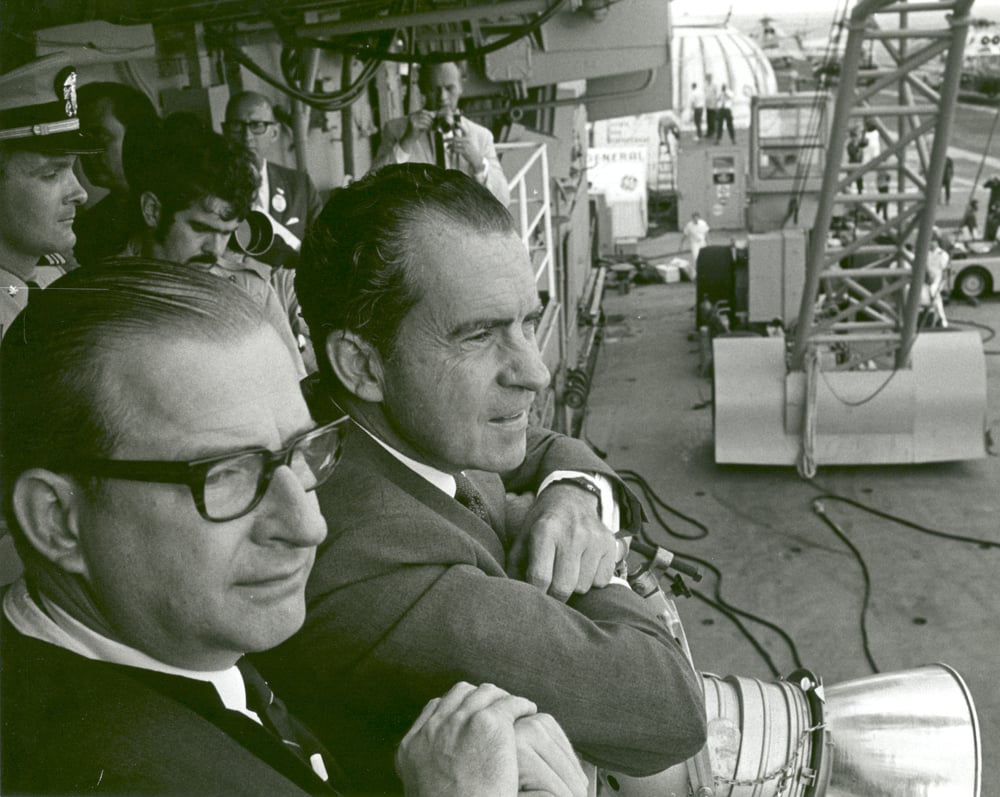
When President Richard Nixon declared “I am not a crook” during a televised press conference in November 1973, he hoped to put Watergate allegations to rest. Instead, the defensive phrasing cemented the connection between Nixon and criminality in the public mind.
The simple denial became a cultural catchphrase mocked in cartoons, comedy shows, and political discourse. Just nine months later, Nixon resigned in disgrace—the only U.S. president ever to do so—with those five words following him into the history books as an ironic epitaph to his political career.
Gerald Ford’s “Poland Is Free” Gaffe

During a 1976 presidential debate with Jimmy Carter, President Gerald Ford inexplicably declared, “There is no Soviet domination of Eastern Europe, and there never will be under a Ford administration.” This statement, made while Poland was firmly under Soviet control, left journalists and voters flabbergasted.
Ford stubbornly refused to correct his error when given the opportunity, doubling down instead. The speech was meant to project strength on foreign policy but instead raised serious questions about Ford’s grasp of geopolitical realities and damaged his credibility during a tight election he ultimately lost.
Bill Clinton’s “I Did Not Have Relations” Speech
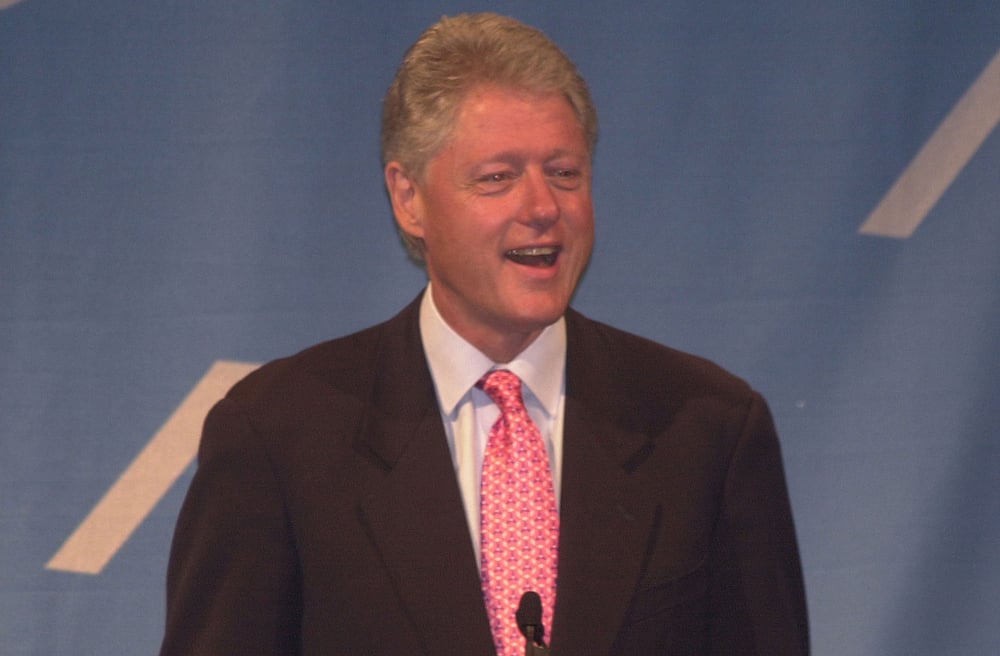
In January 1998, President Bill Clinton forcefully pointed his finger at cameras and declared, “I did not have sexual relations with that woman, Miss Lewinsky.” The emphatic denial was meant to put the scandal to rest and allow his administration to move forward.
Instead, the speech became infamous when evidence emerged contradicting his claims, leading to impeachment proceedings and nearly ending his presidency. What makes this speech particularly backfire is how the finger-wagging visual became an iconic symbol of political dishonesty, replayed countless times in news segments and comedy sketches.
Michael Dukakis’ Emotionless Death Penalty Response

During a 1988 presidential debate, candidate Michael Dukakis was asked if he would support the death penalty if his wife were raped and murdered. His emotionless, policy-focused response lacked any human feeling and reinforced his image as cold and technocratic.
What was meant to show principled consistency instead damaged his campaign irreparably. Dukakis later admitted this was a critical mistake that contributed significantly to his loss against George H.W. Bush, as it failed to connect with voters on an emotional level when that connection mattered most.
Sarah Palin’s 2008 VP Acceptance Speech
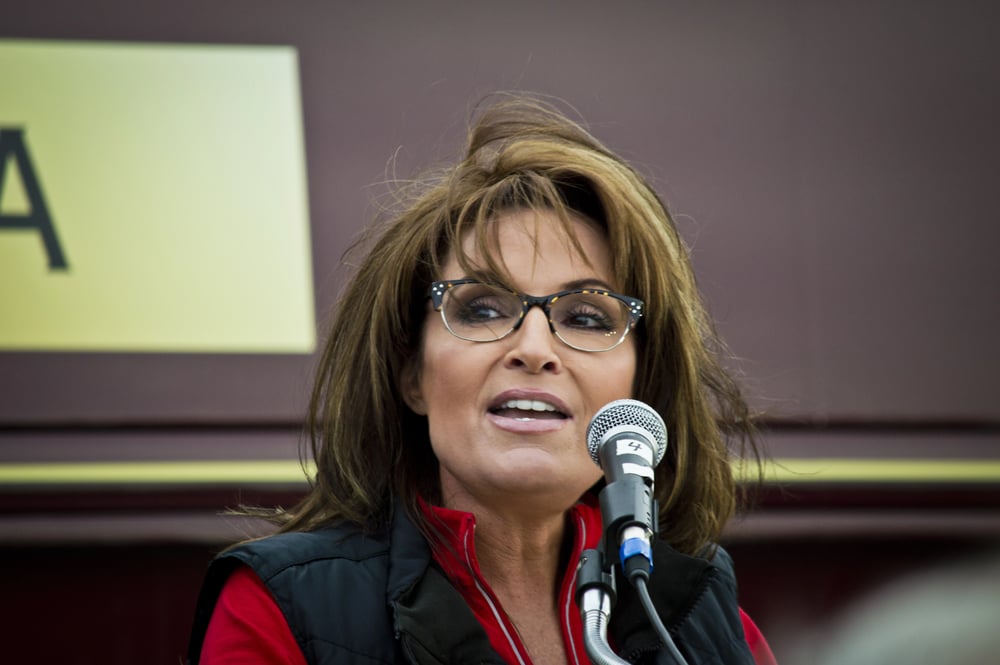
Sarah Palin’s Republican National Convention speech initially electrified the base with folksy charm and sharp attacks on opponents. The speech was meant to establish her as a serious vice-presidential contender despite her limited national experience.
However, her celebration of being a “hockey mom” and joke about the difference between pit bulls and hockey moms being “lipstick” contributed to her characterization as unserious. Rather than silencing critics concerned about her qualifications, the speech’s tone and content ultimately provided fodder for parodies that defined her public image for years to come.
Jimmy Carter’s “Crisis of Confidence” Speech
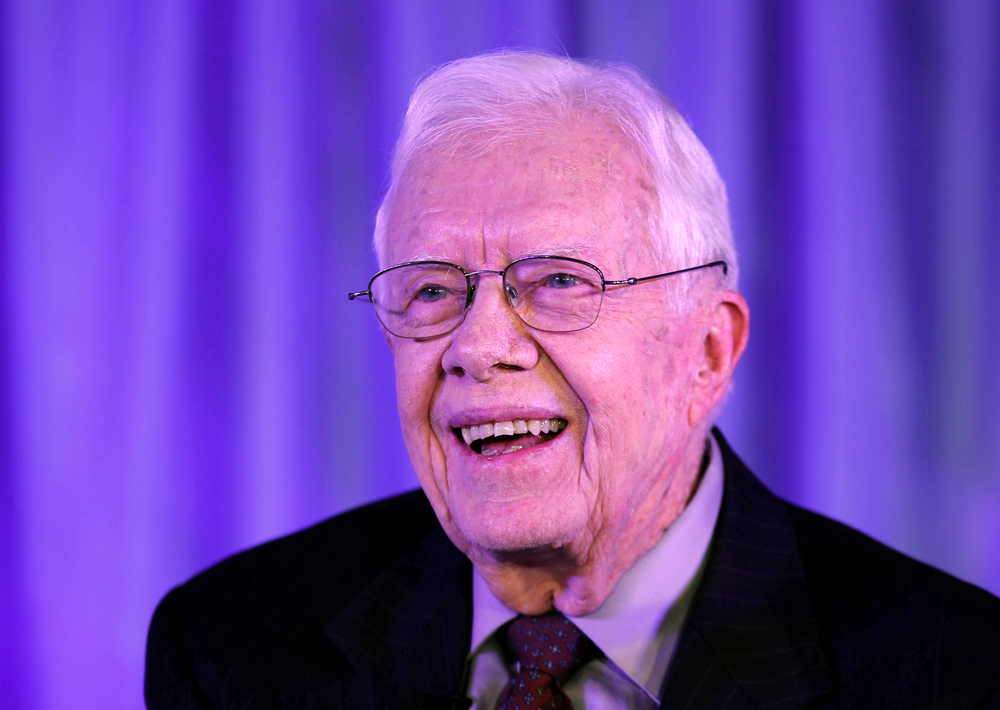
In July 1979, President Jimmy Carter delivered what became known as the “malaise” speech, though he never used that word. Intended as a rallying cry for American renewal during an energy crisis, the speech diagnosed a “crisis of confidence” afflicting the national spirit.
Carter hoped to inspire a national recommitment to core values and energy independence. Instead, many Americans interpreted the message as Carter blaming them for the country’s problems rather than providing leadership. The speech failed to reverse Carter’s declining popularity and contributed to the perception that he was ineffective at a time when people craved strong leadership.
John Kerry’s “I Actually Voted For It Before I Voted Against It”
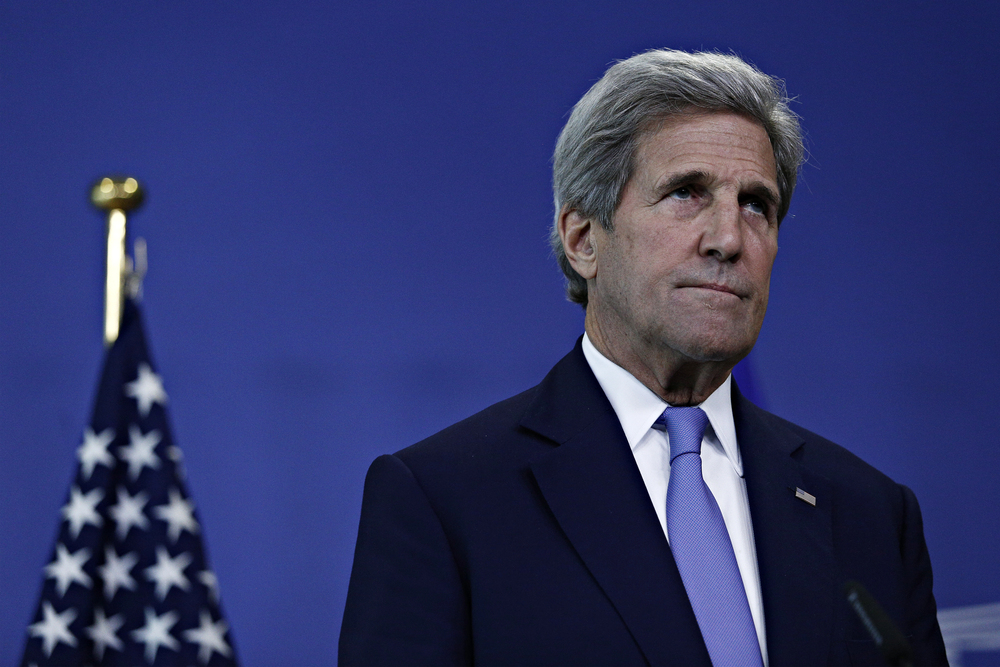
During his 2004 presidential campaign, Senator John Kerry attempted to explain his complex voting record on an Iraq War funding bill. His explanation—”I actually did vote for the $87 billion before I voted against it”—was meant to demonstrate nuanced policy understanding.
Instead, the phrase became emblematic of political flip-flopping and indecisiveness. The Bush campaign seized on the quote in devastating campaign ads, and Kerry never fully recovered from the impression that he was a waffling politician who changed positions based on political convenience rather than conviction.
Howard Dean’s Iowa Caucus “Scream”

Following his third-place finish in the 2004 Iowa caucuses, Howard Dean delivered an energetic speech meant to rally supporters and maintain campaign momentum. The speech culminated in what became known as the “Dean Scream”—a passionate, high-pitched “Yeeeaaah!” that played terribly on television.
What could have worked in an enthusiastic room fell completely flat when isolated by microphones and broadcast repeatedly. The speech which was simply intended to project passion and resilience instead became fodder for late-night comedians and effectively ended his presidential campaign, demonstrating how delivery can overshadow content in modern media environments.
George H.W. Bush’s “No New Taxes” Reversal
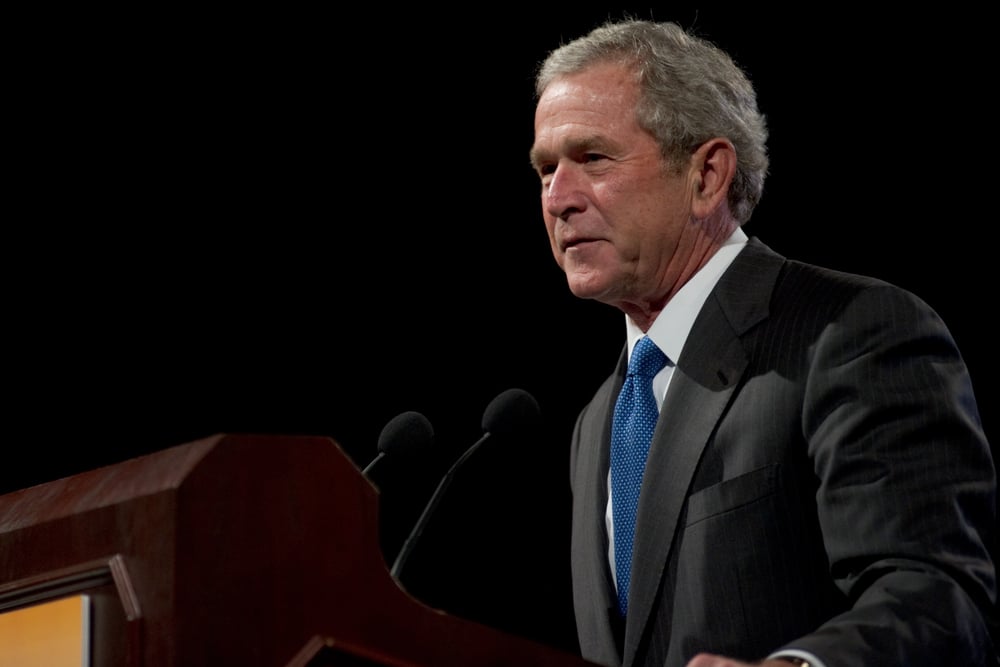
At the 1988 Republican National Convention, George H.W. Bush famously declared: “Read my lips: no new taxes.” The definitive promise resonated with voters and helped secure his election.
However, economic realities during his presidency forced him to agree to tax increases as part of a budget compromise. His reversal on this signature promise damaged his credibility with his base and provided ammunition for opponents.
What was initially an effective campaign pledge backfired dramatically when broken, contributing significantly to Bush losing his re-election bid to Bill Clinton in 1992.
Mitt Romney’s “47 Percent” Remarks
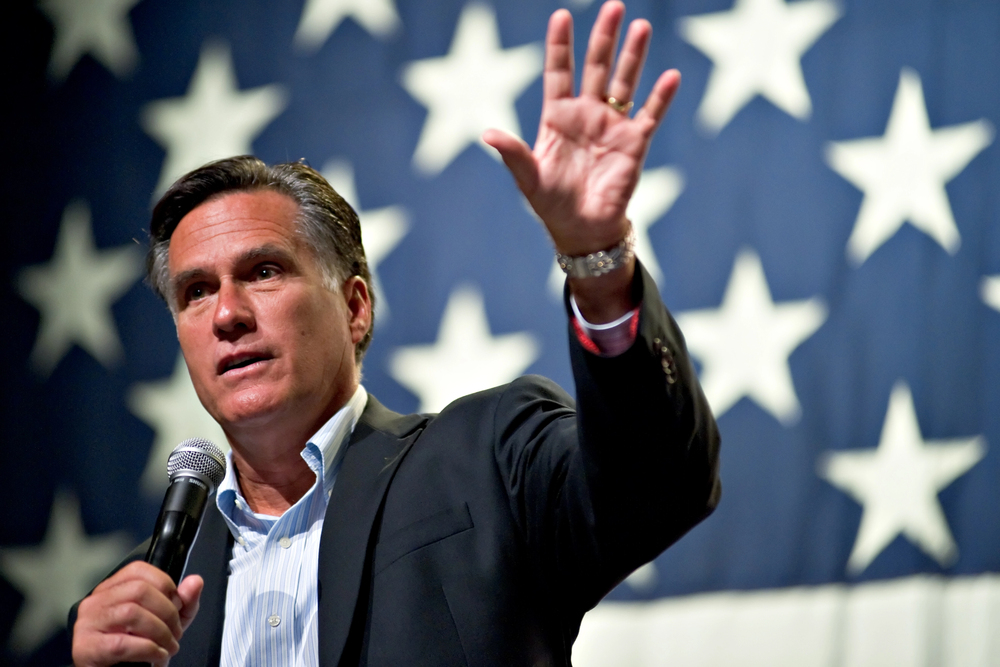
During a private fundraiser in 2012, presidential candidate Mitt Romney stated that 47% of Americans would vote for Obama because they were “dependent upon government” and “believe that they are victims.” When video of these comments leaked, Romney’s attempt to rally wealthy donors transformed into a PR disaster that reinforced perceptions he was out of touch with ordinary Americans.
The speech, never intended for public consumption, contradicted Romney’s public message of caring for all Americans and became a defining moment in a campaign he ultimately lost to Barack Obama.
Hillary Clinton’s “Basket of Deplorables” Comment
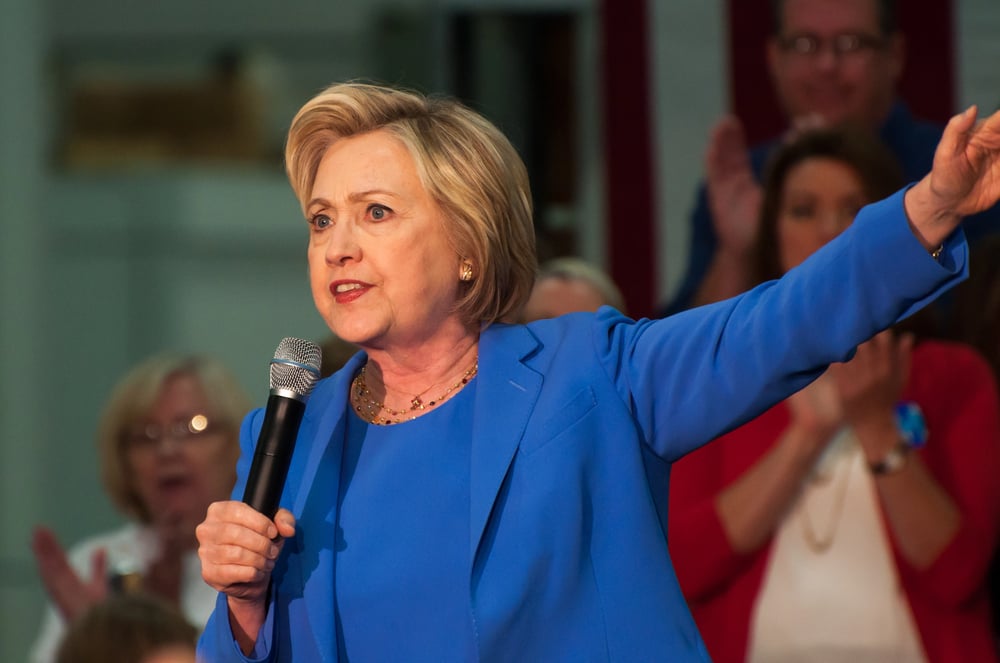
At a 2016 fundraiser, Hillary Clinton described half of Donald Trump’s supporters as belonging in a “basket of deplorables”—people with racist, sexist, and other objectionable views. The remark, meant to distinguish between different types of Trump voters, instead insulted millions of Americans and reinforced perceptions that Clinton was elitist and disconnected from everyday concerns.
Trump supporters proudly adopted the “deplorable” label, turning Clinton’s attempted criticism into a badge of honor. The backfiring speech became a rallying cry for Trump’s base and a factor in Clinton’s unexpected election loss.
Joe Biden’s Afghanistan Withdrawal Defense
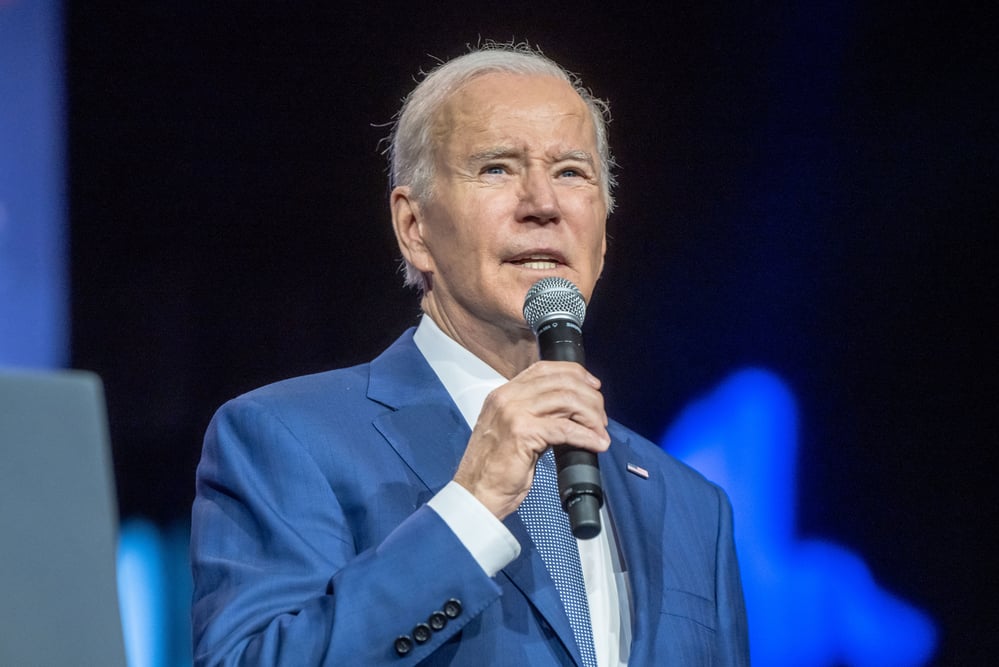
In August 2021, President Biden delivered a speech defending his decision to withdraw U.S. troops from Afghanistan despite the chaotic scenes unfolding there. The speech was meant to project decisiveness and conviction about ending America’s longest war.
Instead, Biden’s assertive tone contrasted sharply with the disturbing images of desperate Afghans clinging to departing aircraft. The address failed to acknowledge the severity of the unfolding humanitarian crisis and damaged Biden’s approval ratings.
What was intended as a moment of principled leadership became associated with poor planning and diminished America’s standing internationally.
When Words Fall Flat

History remembers powerful speeches that changed the world, but equally instructive are those that aimed high and missed spectacularly. These 14 examples demonstrate that context, timing, authenticity, and audience understanding matter tremendously in public communication.
Even carefully crafted words can backfire when they contradict reality, seem disconnected from public sentiment, or fail to read the room correctly. Perhaps the most important lesson from these oratorical missteps is that in leadership, actions ultimately speak louder than even the most eloquent, or infamous words.
More from Go2Tutors!

- The Romanov Crown Jewels and Their Tragic Fate
- 13 Historical Mysteries That Science Still Can’t Solve
- Famous Hoaxes That Fooled the World for Years
- 15 Child Stars with Tragic Adult Lives
- 16 Famous Jewelry Pieces in History
Like Go2Tutors’s content? Follow us on MSN.