11 Myths and Legends Inspired by the Lyrid Meteor Shower
For thousands of years, humans have gazed up at the night sky in wonder, particularly during meteor showers when the heavens seemed to rain down fire. The Lyrid meteor shower, which occurs each April as Earth passes through the debris trail of Comet Thatcher, has inspired some of humanity’s most enduring stories.
Ancient civilizations, lacking scientific explanations, created rich mythologies to explain these brilliant streaks across the night sky. Here is a list of 11 fascinating myths and legends from around the world inspired by the Lyrid meteor shower and similar celestial events.
Chinese Dragon Scales

According to ancient Chinese chronicles, the Lyrid meteor shower was believed to be scales falling from celestial dragons as they soared through the sky. Astronomers recorded these events, convinced that the shower’s brightness foretold the coming year’s prosperity.
Some early scholars even devoted their lives to predicting when the dragons would return. The legend gave rise to a long-lasting tradition of celestial observation rooted in myth and meaning.
Greek Fire Tears
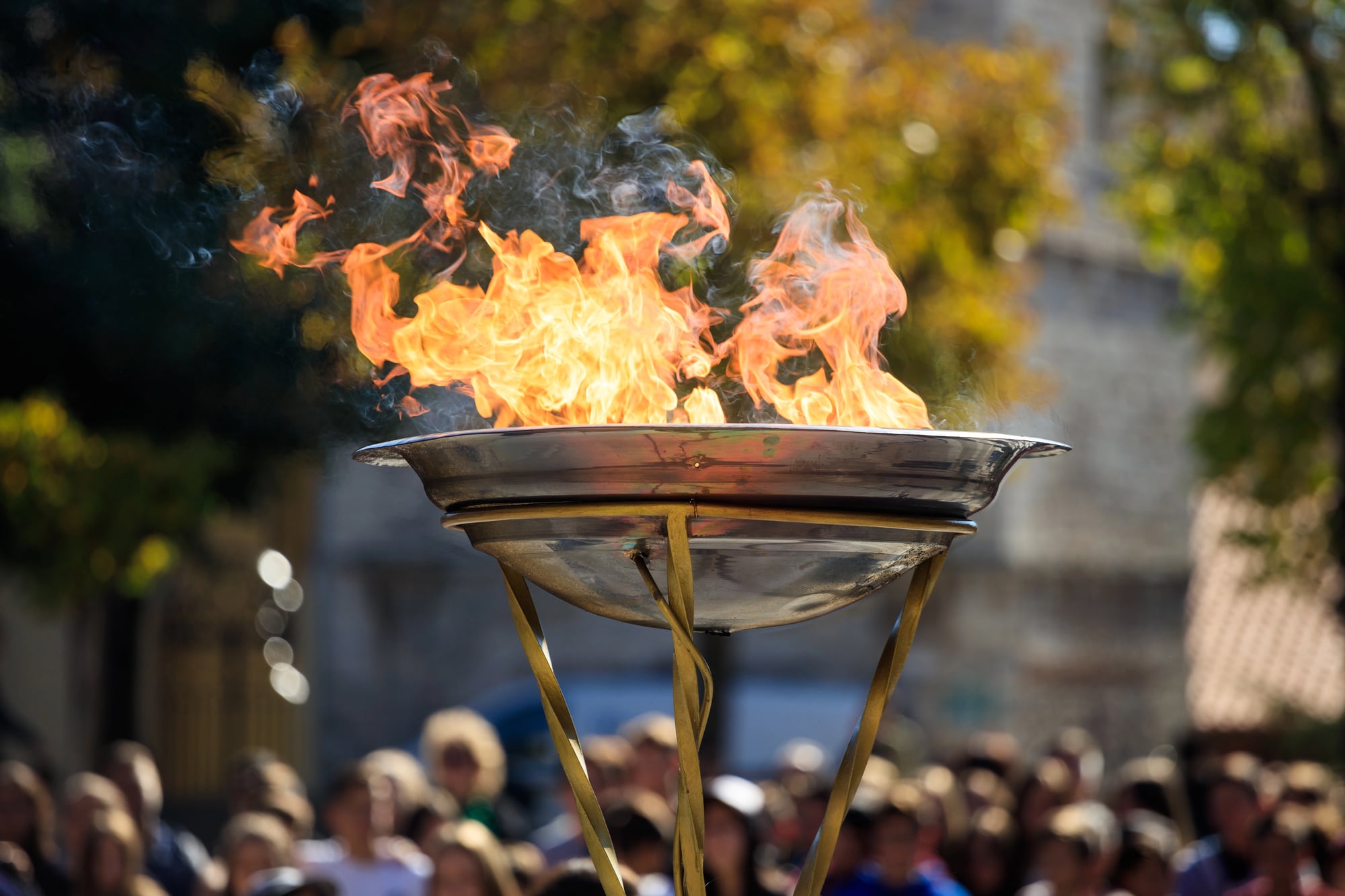
The ancient Greeks linked the Lyrid meteor shower to the sorrow of Orpheus. His tearful melodies after losing Eurydice were said to become fiery tears falling from the heavens.
These celestial tears were considered divine messages. As a result, the Greeks timed festivals to honor this annual display.
Like Go2Tutors’s content? Follow us on MSN.
Viking Spirit Bridges

In Norse mythology, the Lyrids were seen as glowing bridges allowing fallen warriors to return from Valhalla. These radiant trails across the sky symbolized the connection between realms.
Important Viking ceremonies were often planned during these showers. Some sagas even described warriors interpreting the messages hidden within the light.
Aboriginal Skylore
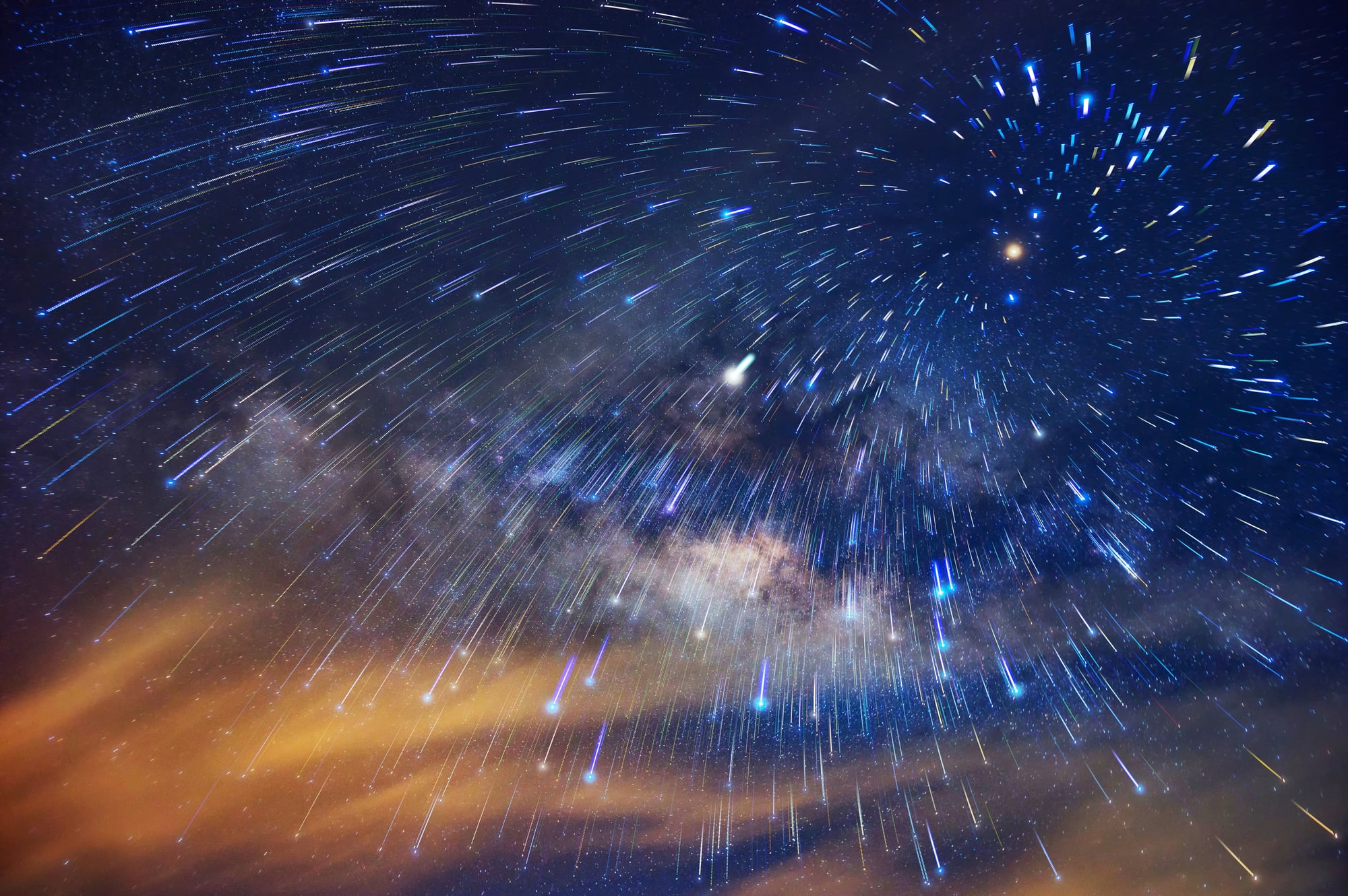
Australia’s Aboriginal peoples viewed meteor showers as cosmic campfires carried by spirits moving across the night sky. The Lyrids were seen as embers from a creator being’s torch, lighting his path through the darkness.
Elders shared stories about these sacred flames. Those who found fallen embers were believed to receive wisdom or guidance.
Roman Fertility Omens
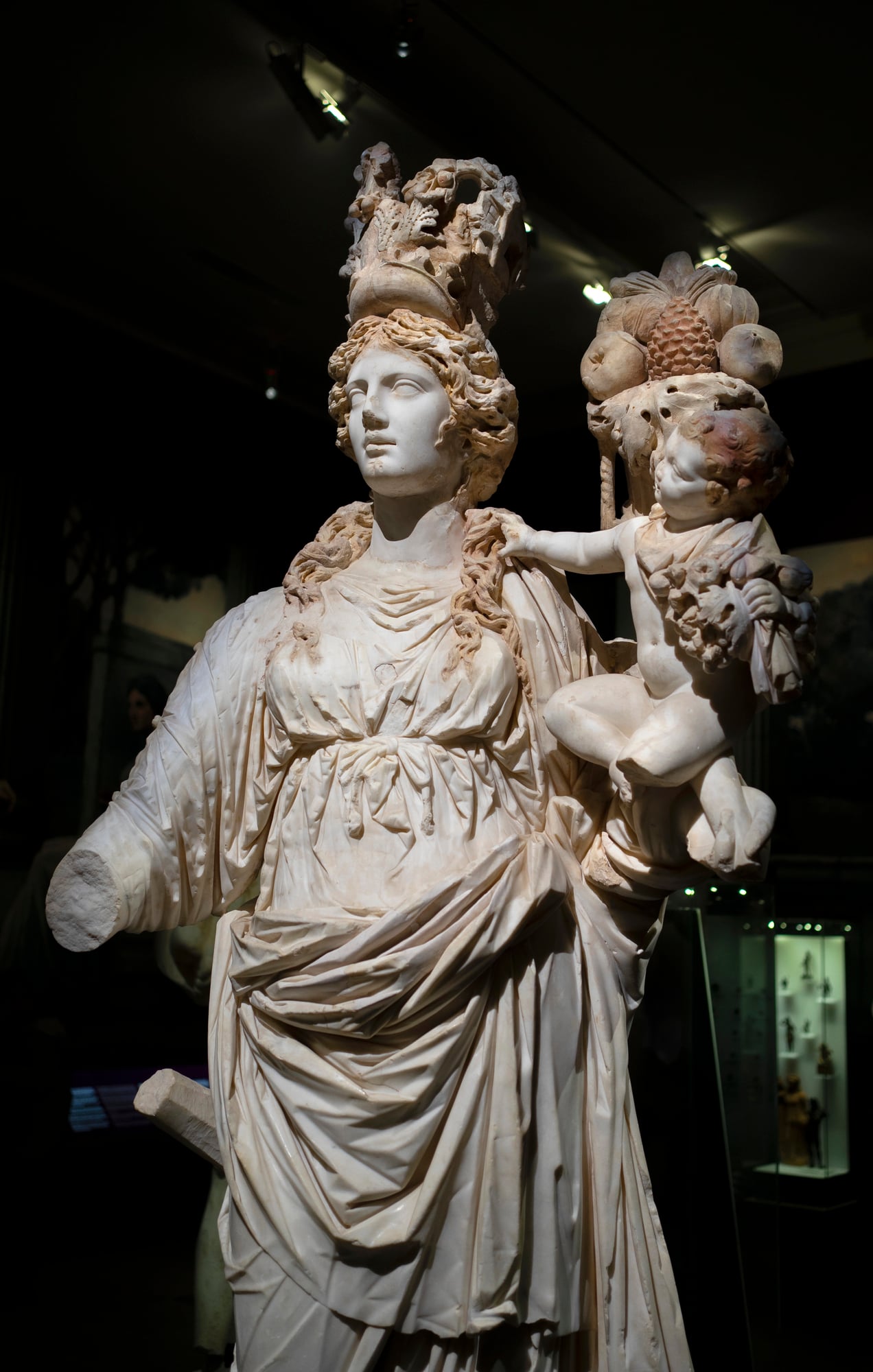
Ancient Romans believed the Lyrids were fertility signs linked to the goddess Venus. They scheduled planting seasons based on meteor activity, hoping to bless crops.
Couples hoping for children would spend nights under the meteor-laced sky. Falling stars were seen as gifts from the gods upon their union.
Like Go2Tutors’s content? Follow us on MSN.
Mayan Calendar Markers
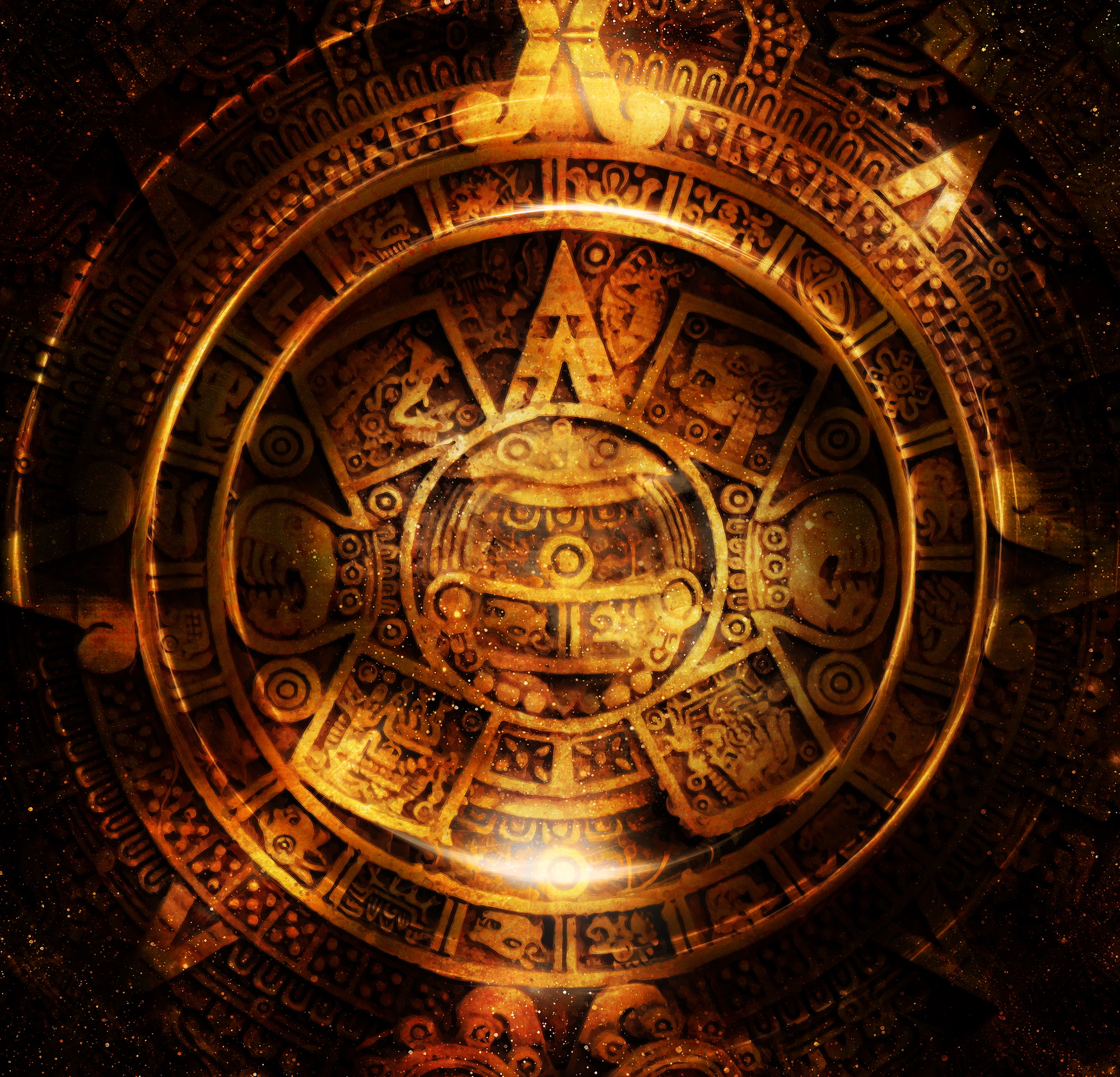
The Maya treated the Lyrids as key celestial events that marked the start of agricultural cycles. Their astronomers recorded and accurately predicted these meteor showers.
Ceremonial practices were tied to the arrival of these streaks of light. Some temples were specifically aligned for optimal viewing of the radiant point.
Persian Star Arrows
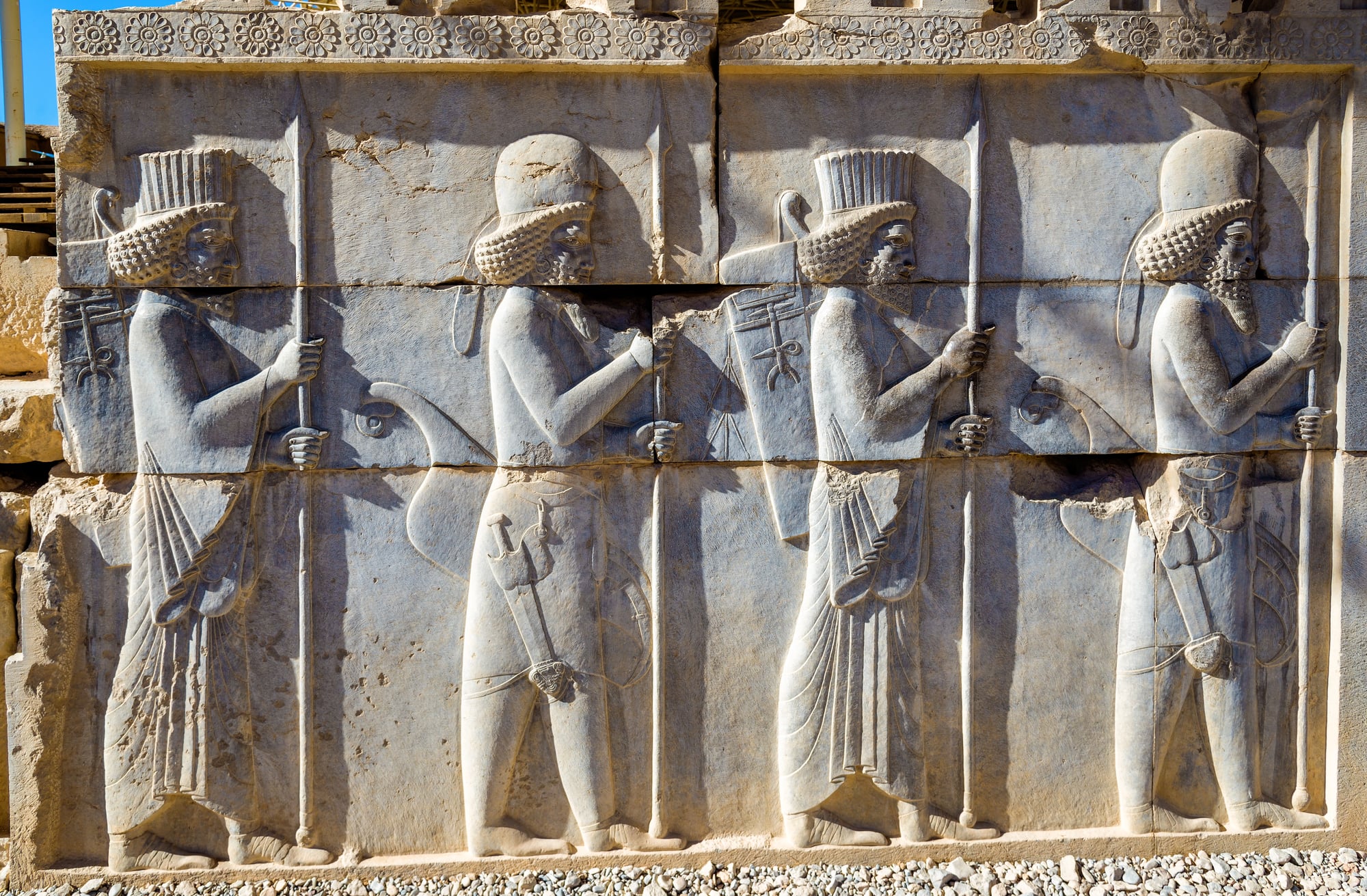
Ancient Persians described the Lyrids as arrows fired by celestial guardians defending the heavens. During these showers, warriors crafted arrows infused with spiritual power.
Such weapons were preserved as sacred heirlooms. Each generation added its victories to their mystical history.
Japanese Spirit Lights
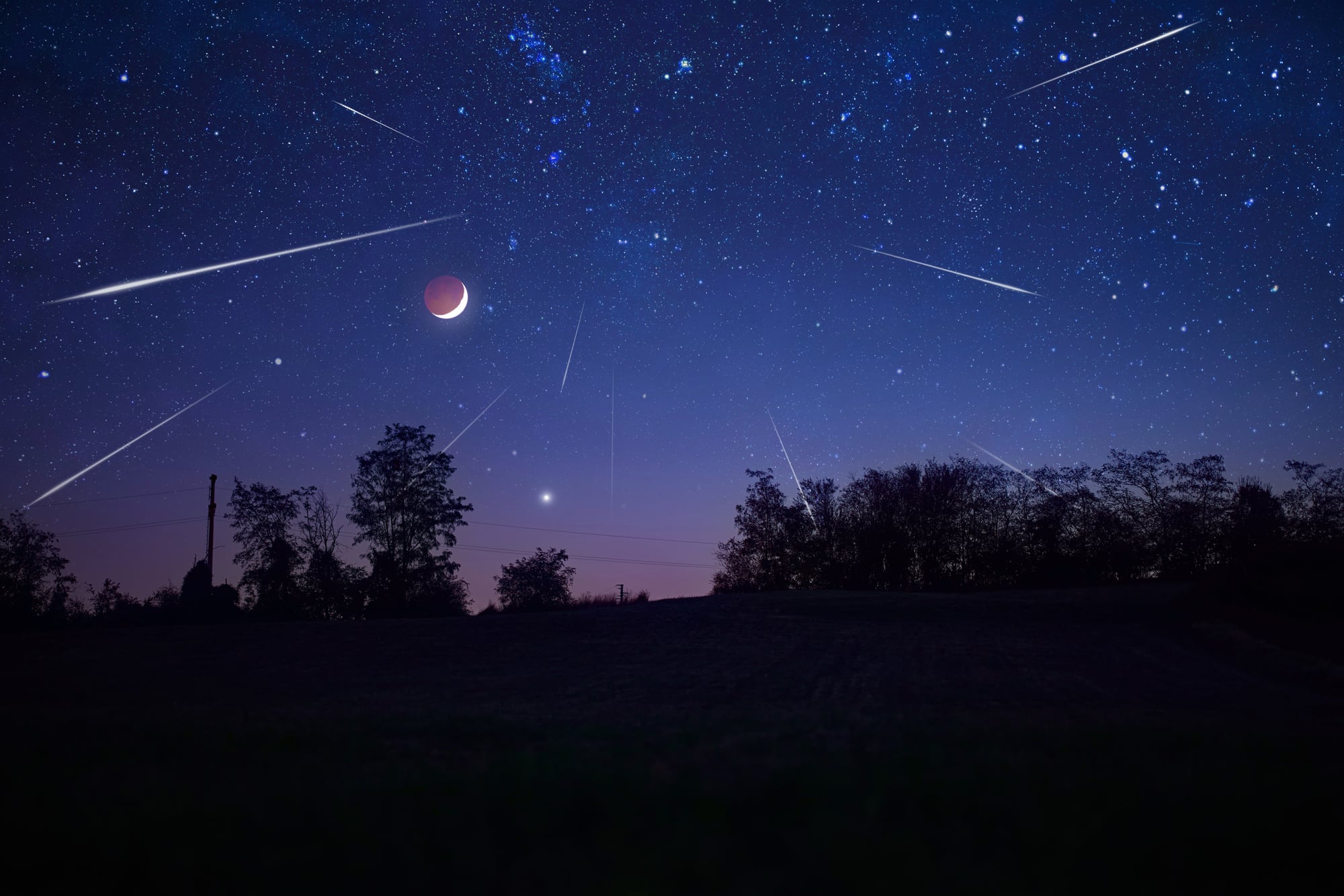
In Shinto belief, the Lyrids marked the passage of kami crossing between worlds. Shrines were built in places with clear views of the northeastern sky.
Rituals were performed by shrine maidens to honor these passing spirits. Offerings were left to welcome and appease the divine visitors.
Like Go2Tutors’s content? Follow us on MSN.
Native American Path Markers

Several Native American tribes saw the Lyrids as trail markers guiding spirits to the afterlife. The falling lights were symbols of ancestral connection.
Tribes conducted sacred ceremonies during these events. Elders shared stories meant to travel skyward with the stars.
Inuit Sky Lanterns
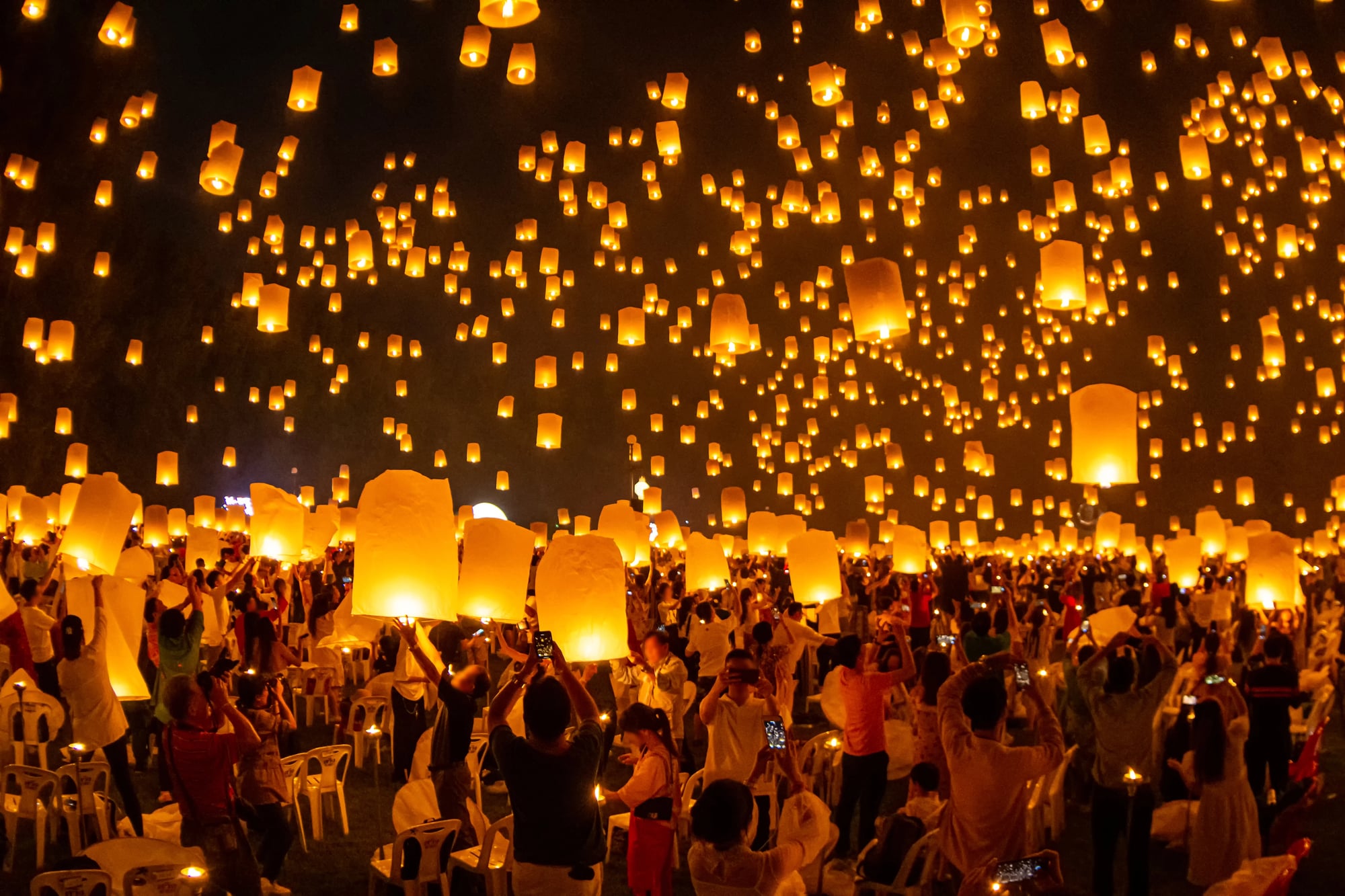
Inuit traditions viewed the Lyrids as lanterns carried by ancestors seeking lost loved ones. Families lit oil lamps to help guide spirits and living hunters alike.
Food was sometimes left outside as offerings. These acts were believed to aid the journey of visiting spirits across the sky.
Polynesian Navigator Lights

Across the Pacific, island navigators used the Lyrids as guiding lights for sea voyages. They believed the streaking stars were ancestral spirits helping chart safe courses.
This navigational wisdom was passed down through specific families. It remained a treasured and closely held tradition.
Like Go2Tutors’s content? Follow us on MSN.
Celestial Stories Continuing Today

Though science now explains meteor showers with precision, the Lyrids still ignite wonder. People continue to gather in darkness, watching streaks of light echo stories from centuries past.
These moments connect us to those who once turned upward with awe. The night sky remains a canvas for imagination, myth, and meaning across generations.
More from Go2Tutors!

- 18 Unexpectedly Valuable Collectibles You Might Have Lying Around
- 20 Little-Known Historical Battles That Had Huge Consequences
- 20 Historical Artifacts That Scientists Can’t Explain
- 15 Inventions That Were Immediately Banned After Being Created
- 20 Actors Who Were Almost Cast in Iconic Roles
Like Go2Tutors’s content? Follow us on MSN.