17 Times Parents Blamed a Product for Teen Behavior
Parents have been pointing fingers at external influences since time immemorial. Whenever teens act out or adopt concerning behaviors, it’s human nature to look for a culprit beyond normal adolescent development.
The struggle to understand rapidly changing young people often leads to blame being placed on the newest technology, entertainment, or trend. Here is a list of 17 notable instances when parents and society blamed various products for teenage behavior instead of addressing the complex reality of adolescent development.
Comic Books
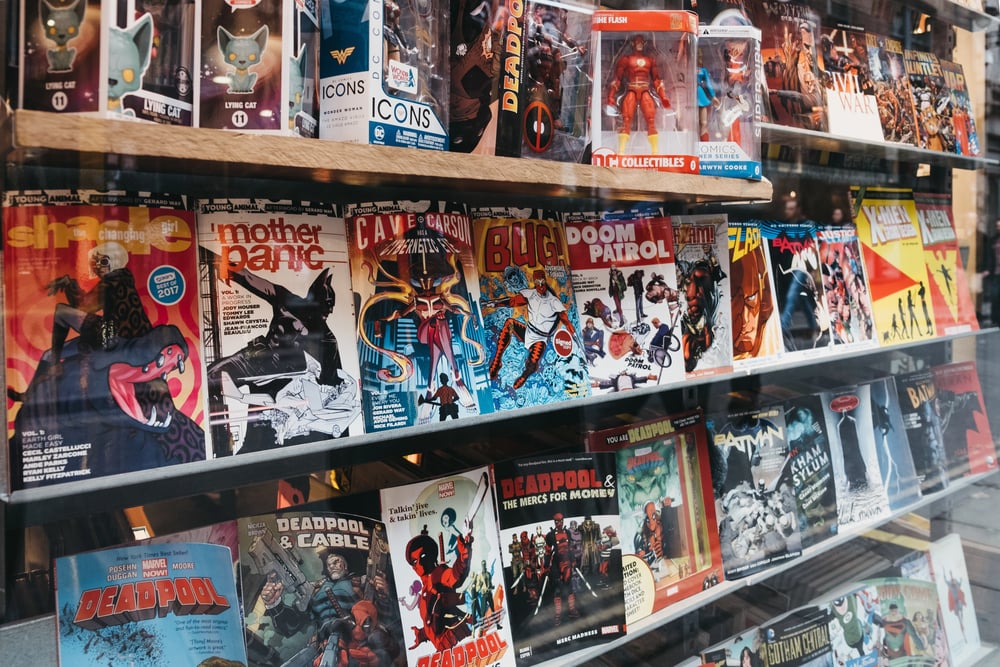
Parents and authorities began to believe that comic books were corrupting America’s young in the 1950s. Senate hearings were held to look into their alleged negative consequences because the hysteria was so bad.
In order to self-censor and eliminate anything judged too violent or rebellious for young readers, comic publishers eventually established the Comics Code Authority.
Rock and Roll Music

When Elvis Presley swiveled his hips on television in the 1950s, parents across America were certain the apocalypse had arrived. Rock music became the scapegoat for everything from declining moral standards to juvenile delinquency.
The music’s rhythm and energy were considered dangerously exciting for impressionable teens.
Like Go2Tutors’s content? Follow us on MSN.
Television

The arrival of TV in American homes sparked concerns that young people would become passive, violent, and unable to distinguish reality from fiction. Many parents in the 1960s were convinced that excessive television viewing was turning their once-active children into zombies with shortened attention spans and unrealistic expectations.
Dungeons & Dragons

The fantasy role-playing game became the target of a moral panic in the 1980s. Some parents believed the game encouraged occult practices, devil worship, and even caused teens to lose touch with reality.
The game’s imaginative elements were misconstrued as gateways to dangerous behavior despite no evidence supporting these claims.
Heavy Metal Music

Bands like Black Sabbath and Judas Priest found themselves at the center of lawsuits and Senate hearings in the 1980s. Parents claimed that hidden backward messages in songs were encouraging suicide and devil worship.
The dark aesthetics and theatrical performances of metal artists made them perfect targets for parental anxiety.
Like Go2Tutors’s content? Follow us on MSN.
MTV

Concerned parents soon found Music Television established in 1981 to be the boogeyman. Everything from teenage pregnancy to falling academic performance was attributed to the channel’s music videos with their glitzy images, eroticism, and rebellious sentiments.
Adults feared fast editing was altering teenage minds.
Video Games

From the earliest arcade games to modern console titles, video games have been blamed for aggression, social isolation, and academic failure. The 1993 congressional hearings on games like Mortal Kombat and the aftermath of school shootings consistently put video games in the crosshairs of parental concern despite contradictory research findings.
The Internet

As online access became common in homes during the 1990s, parents feared this unregulated space would expose teens to dangerous people and ideas. Chat rooms were portrayed as hunting grounds for predators, while unfettered information access was viewed as undermining parental authority and traditional values.
Like Go2Tutors’s content? Follow us on MSN.
Rap Music

Few musical genres have faced as much scrutiny as rap. Throughout the 1990s, artists like 2 Live Crew and N.W.A. were targets of boycotts and legal action.
Parents and politicians alike blamed the lyrics for promoting violence, misogyny, and criminal behavior among teenagers, often missing the social commentary within the music.
Harry Potter Books

J.K. Rowling’s beloved series faced bans and book burnings in some communities during the early 2000s. Certain religious parents were convinced the wizardry and spellcasting described in the novels would lead their children toward actual witchcraft and satanism, despite the books’ underlying messages about friendship and courage.
Social Media
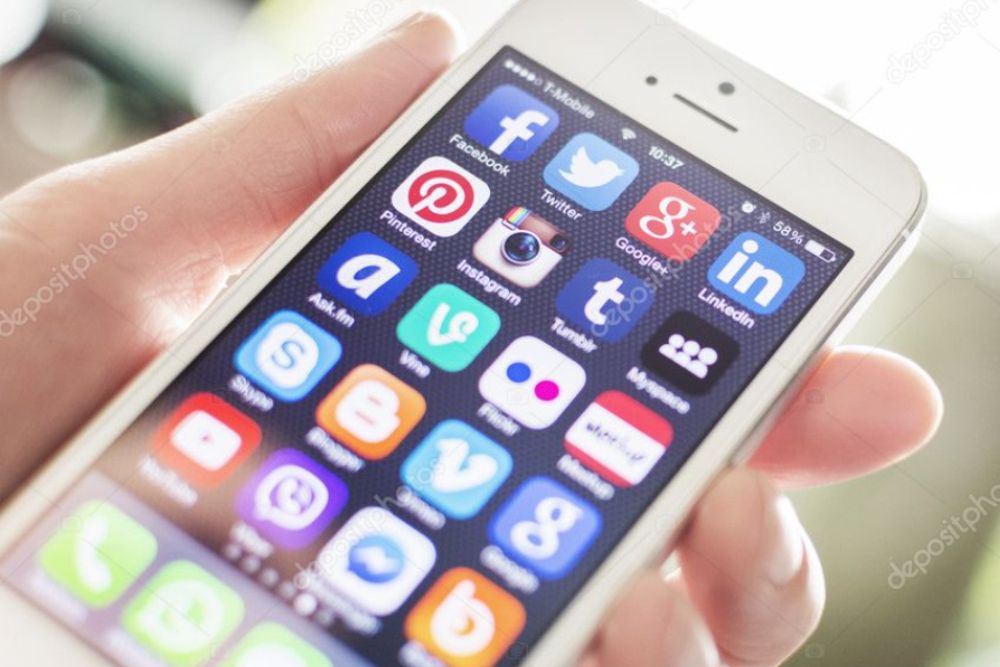
Facebook, Instagram, and other platforms have been blamed for everything from teen depression to dangerous viral challenges. Parents point to social media as the cause of decreased face-to-face interaction, poor self-image, and cyberbullying.
The platforms’ addictive nature and comparison culture have become common explanations for adolescent struggles.
Like Go2Tutors’s content? Follow us on MSN.
Energy Drinks

The proliferation of highly caffeinated beverages like Red Bull and Monster became a concern for many parents in the 2000s. These products were accused of causing hyperactivity, sleep disturbances, and risky behavior among teens.
Their marketing often targeted young people, further fueling parental anxieties about their influence.
Smartphones

The pocket-sized computers have been blamed for destroying attention spans, enabling social isolation, and exposing teens to harmful content. Many parents point to smartphone addiction as the reason their once-outdoorsy children now spend hours scrolling through content instead of engaging with the real world.
Vaping Products

E-cigarettes and vaping devices became the focus of intense parental concern in the late 2010s. Flavored vape juice and sleek designs were accused of deliberately targeting teenagers and creating a new generation addicted to nicotine.
School administrators report confiscating these devices at unprecedented rates.
Like Go2Tutors’s content? Follow us on MSN.
TikTok

The short-form video platform has been blamed for everything from dangerous challenges to information security concerns. Parents worry about the app’s algorithm feeding teens increasingly extreme content while the brief video format allegedly shrinks attention spans to mere seconds.
Violent Movies

From ‘The Wild One’ in the 1950s to modern action blockbusters, films have consistently been accused of inspiring copycat behavior and desensitizing teens to violence. Parental advocacy groups have pushed for stricter ratings and even censorship to protect impressionable young viewers from content deemed inappropriate.
Fast Fashion

The rise of inexpensive, trendy clothing brands has been blamed for promoting materialism and unsustainable consumption habits among teenagers. Parents lament the pressure their children feel to constantly update their wardrobes, pointing to social media influencers and targeted marketing as creating impossible standards.
Like Go2Tutors’s content? Follow us on MSN.
Looking Beyond Simple Answers

Throughout history, the relationship between teen behavior and cultural products has been complex and nuanced. While external influences certainly impact young people, they rarely tell the whole story.
Most experts agree that parental involvement, open communication, and understanding the developmental challenges of adolescence provide more meaningful explanations than simply blaming the latest trend or technology.
More from Go2Tutors!

- 18 Unexpectedly Valuable Collectibles You Might Have Lying Around
- 15 Things Every Teenager in the ’70s Did That Teens Today Wouldn’t Understand
- 15 Strange Things People Have Tried to Ban (And Failed)
- 15 Inventions That Were Immediately Banned After Being Created
- 20 Actors Who Were Almost Cast in Iconic Roles
Like Go2Tutors’s content? Follow us on MSN.