14 Buildings Designed to Break Records — But No One Wanted Them
Architectural ambition often pushes boundaries of height, size, and innovation as developers and designers compete to make their mark on skylines around the world. Yet the most grandiose visions don’t always align with practical realities of market demand, location value, or changing economic conditions.
Some structures reach for the stars only to find themselves without tenants, visitors, or purpose. Here is a list of 14 remarkable buildings that were designed to shatter records and make history but ultimately struggled to attract the occupants and admirers their creators had envisioned.
New South China Mall
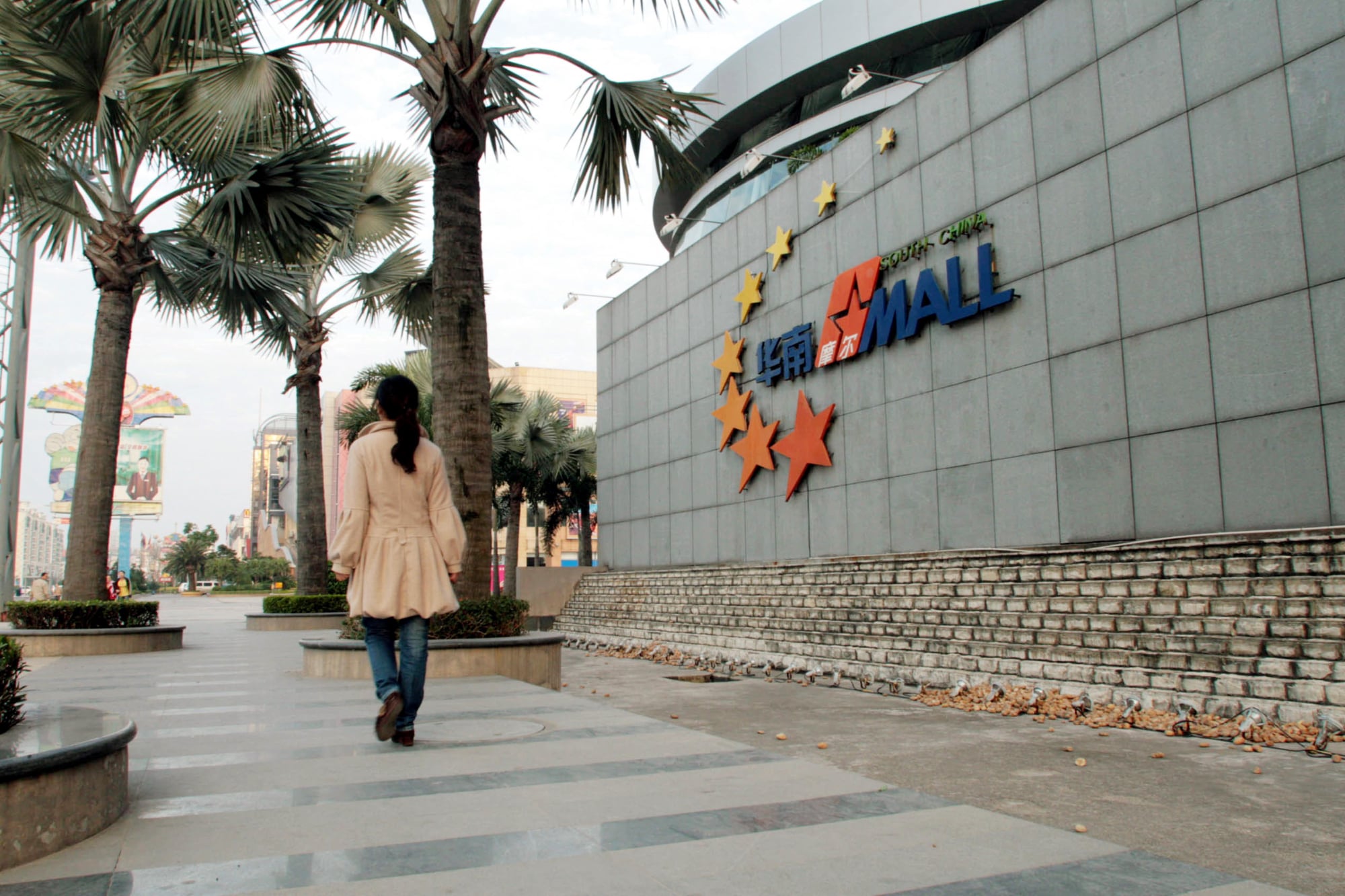
Built to be the world’s largest shopping center with millions of square feet of retail space, this behemoth in Dongguan, China opened with space for thousands of stores. For nearly a decade, occupancy hovered around a dismal fraction despite its international-themed zones and indoor amusement park.
The mall’s remote location and overestimation of the local middle-class consumer base turned what was meant to be a record-breaking retail paradise into a largely empty monument to excess.
Ryugyong Hotel

North Korea’s towering “Hotel of Doom” was designed to be the world’s tallest hotel when construction began in the late eighties. The pyramid-shaped colossus that dominates Pyongyang’s skyline stood as an empty concrete shell for decades after the country’s economic struggles halted construction.
Despite receiving a glass exterior in the early twenty-tens, the interior remains unfinished and the hotel has never hosted a single guest, making it perhaps the tallest unused building on Earth.
Like Go2Tutors’s content? Follow us on MSN.
Ciudad Real Central Airport
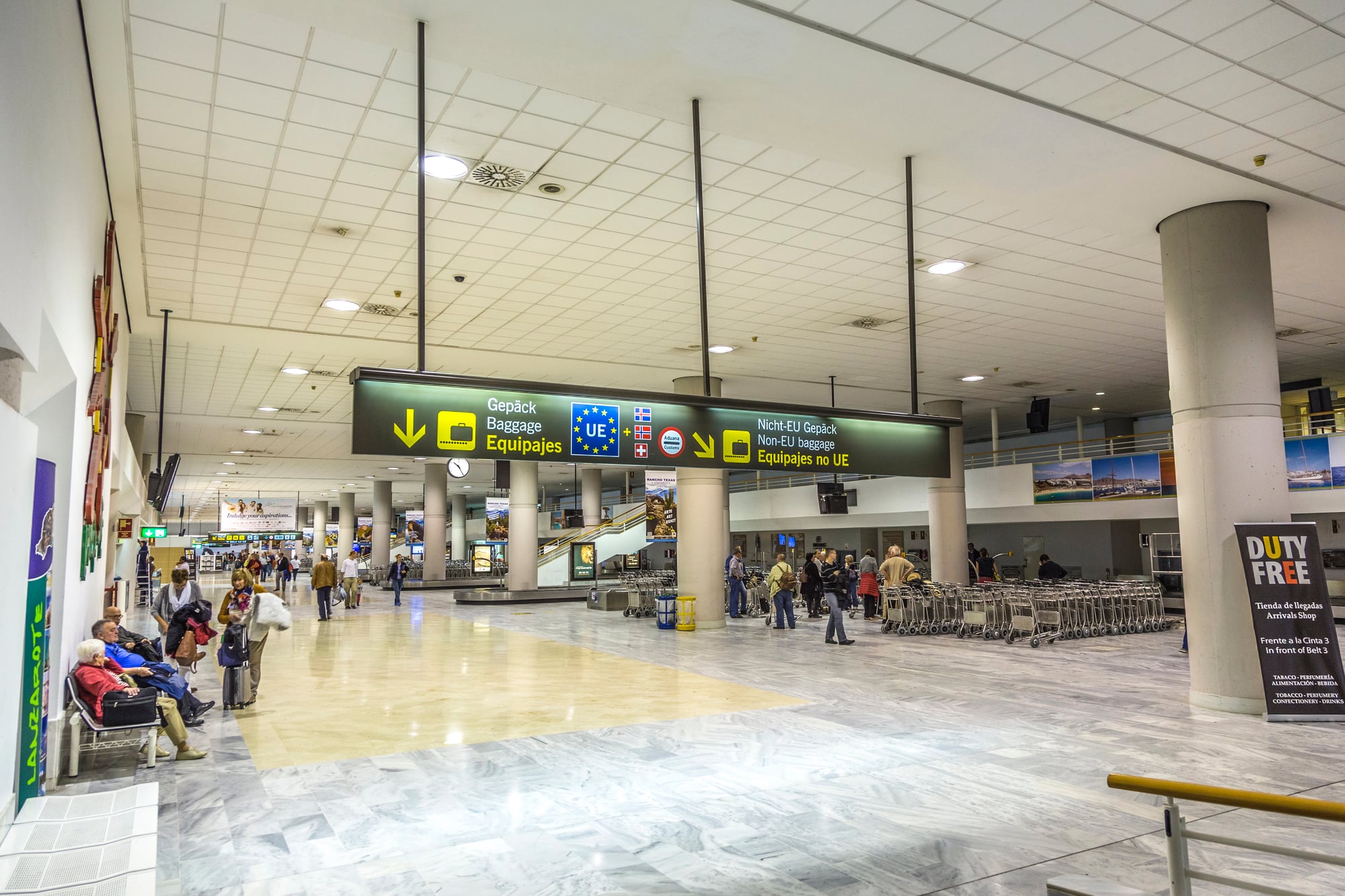
Designed to be one of Spain’s largest airports and located far from Madrid, this billion-dollar facility opened with capacity for millions of passengers annually. The airport’s runway could accommodate the largest commercial aircraft in the world.
However, it closed after attracting minimal airlines and passengers, earning the nickname ‘ghost airport’ before eventually selling at bankruptcy auction for a tiny fraction of its construction cost.
Olympic Stadium Montreal
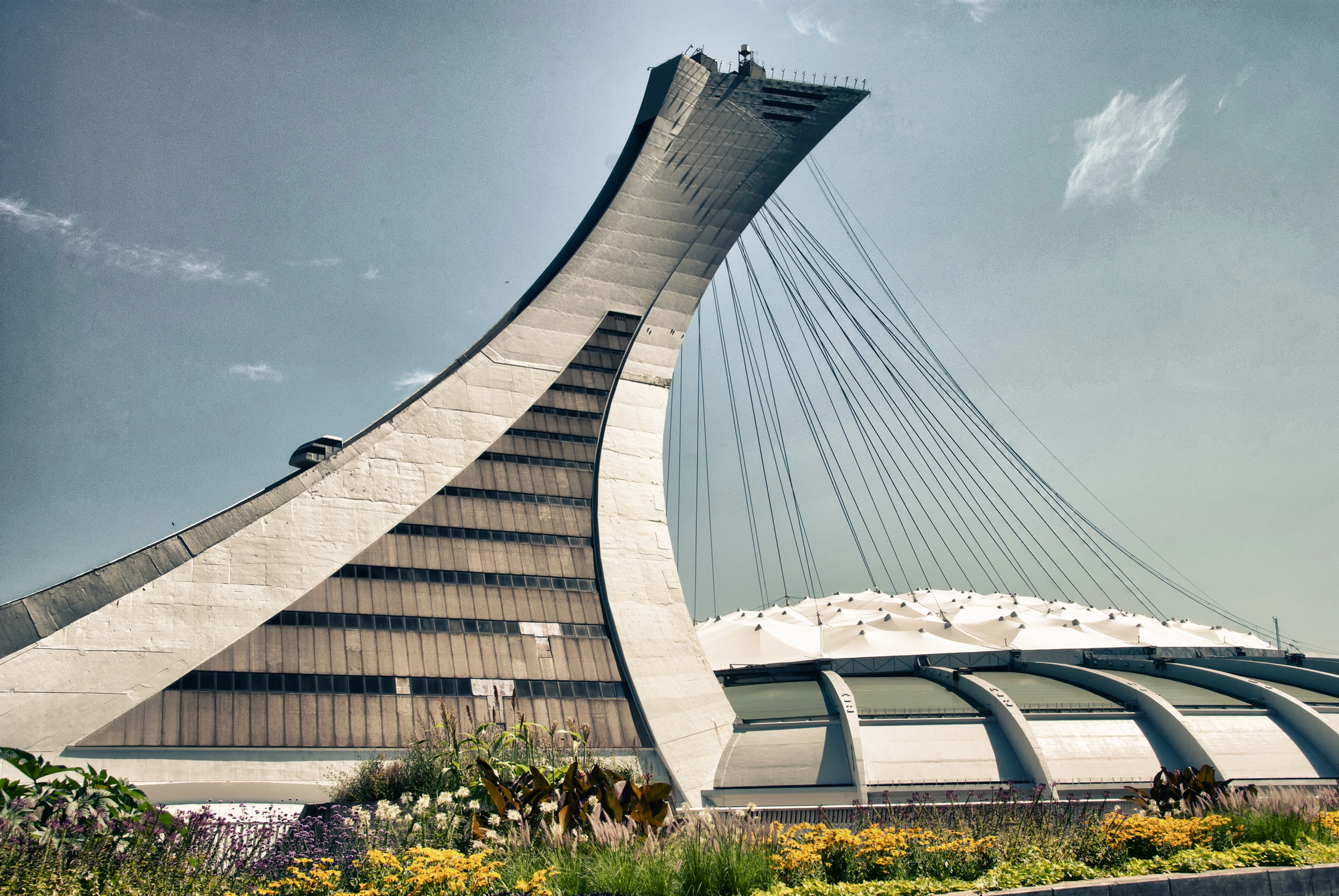
Constructed for the Summer Olympics with an innovative retractable roof design, this stadium’s distinctive leaning tower is the tallest inclined structure on earth. The project ran so far over budget it took Montreal decades to pay off its Olympic debt, while the roof never worked properly and was eventually replaced.
The stadium has struggled to find consistent use, with multiple professional sports teams abandoning it due to maintenance issues and poor spectator experience.
Istana Nurul Iman Palace
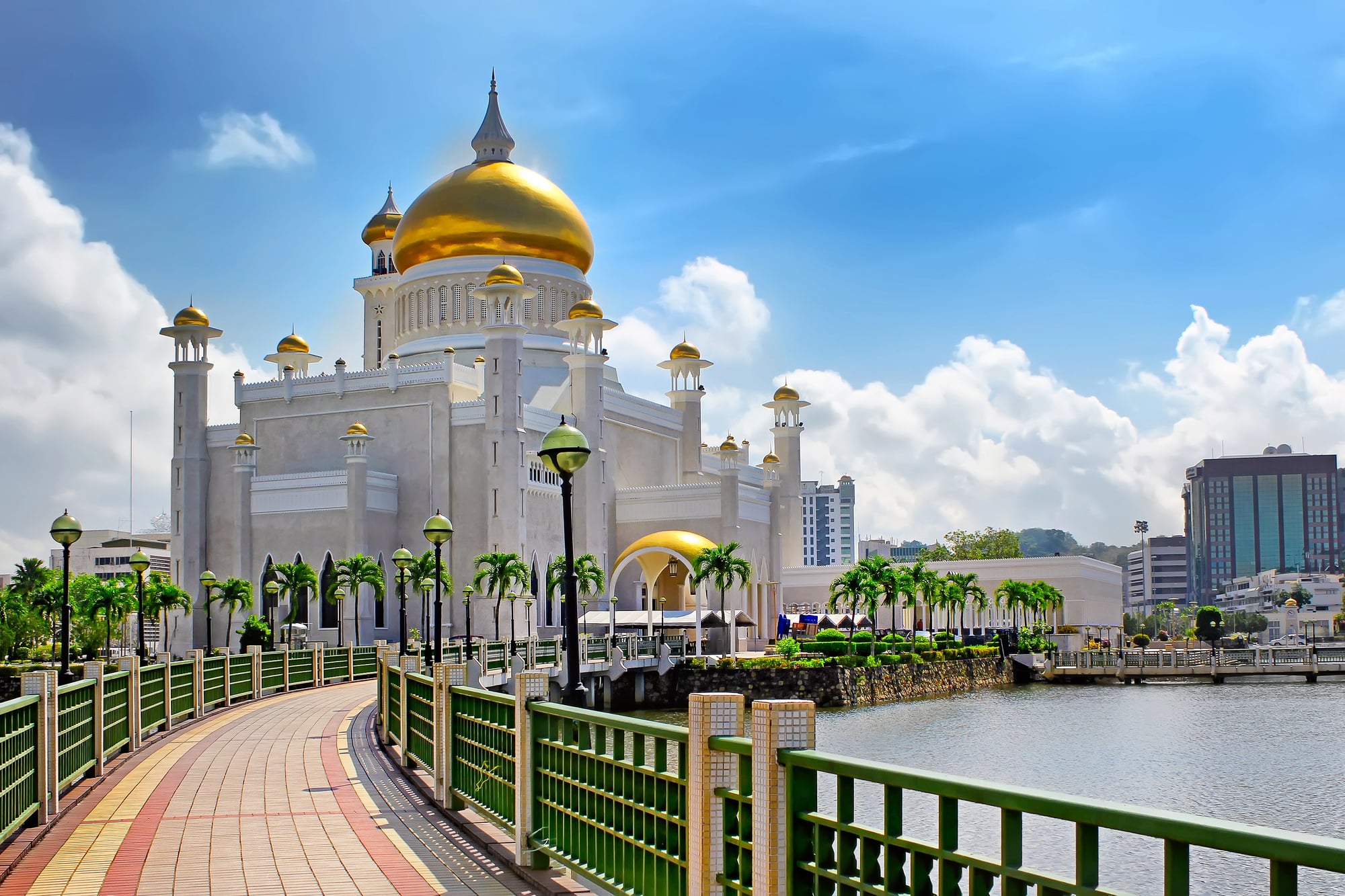
The Sultan of Brunei’s official residence holds records as the world’s largest residential palace, with thousands of rooms and bathrooms across millions of square feet of space. Built in the eighties at extraordinary cost, this gold-domed palace includes a mosque capable of holding many worshippers.
Despite its hundreds of garages and multiple swimming pools, much of the palace reportedly sits unused year-round, with entire wings maintained but largely empty except during annual celebrations.
Like Go2Tutors’s content? Follow us on MSN.
The Egg
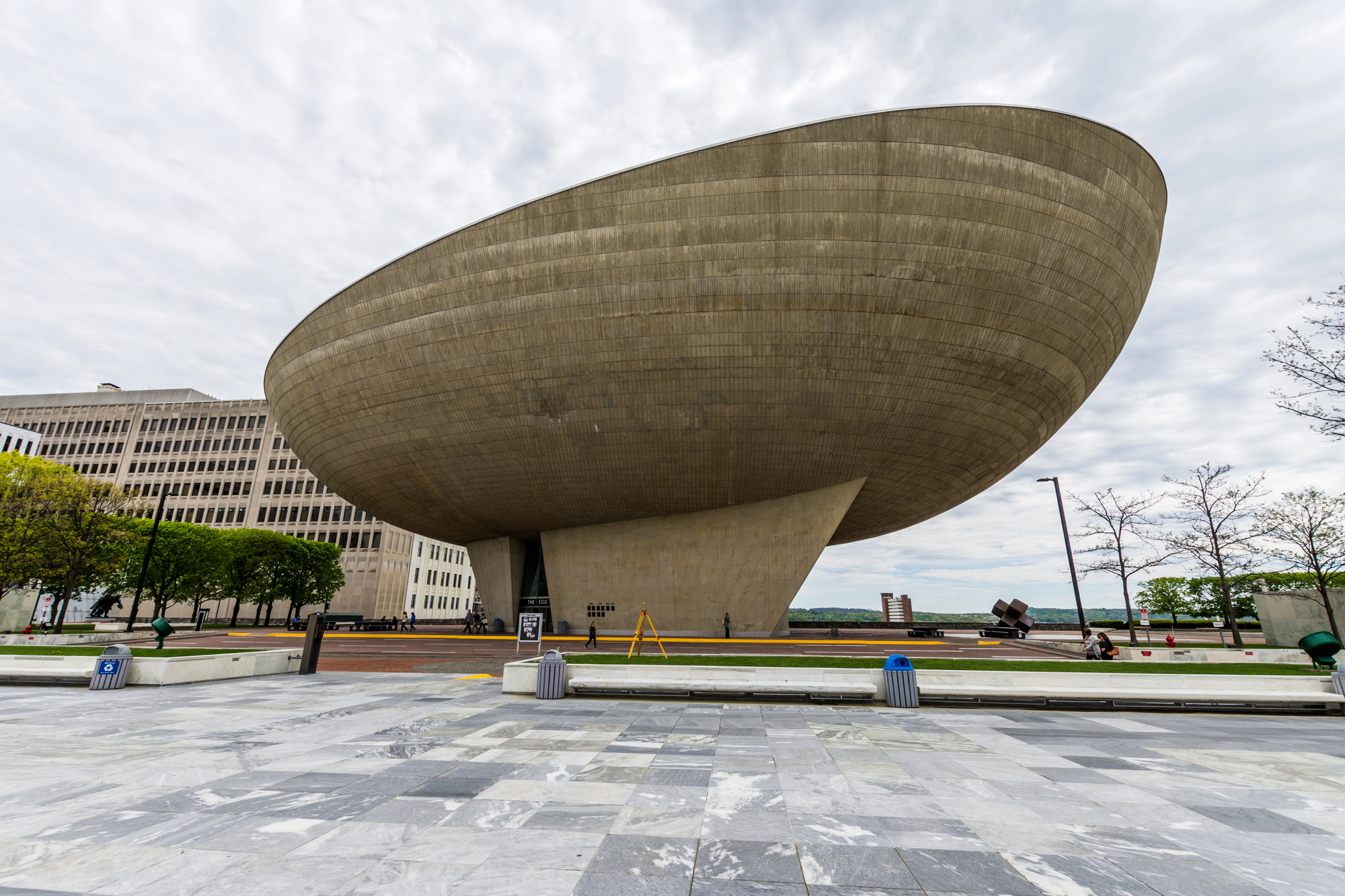
Albany’s performing arts center was designed in the sixties to be the most revolutionary theater complex in America, with its distinctive concrete elliptical shape housing multiple venues. The structure’s innovative design made it the largest unsupported concrete building in the world when completed.
Yet the venue has struggled financially for decades, with utilization rates far below capacity and maintenance expenses exceeding revenue, leading to periodic discussions about repurposing the landmark.
Ordos Kangbashi
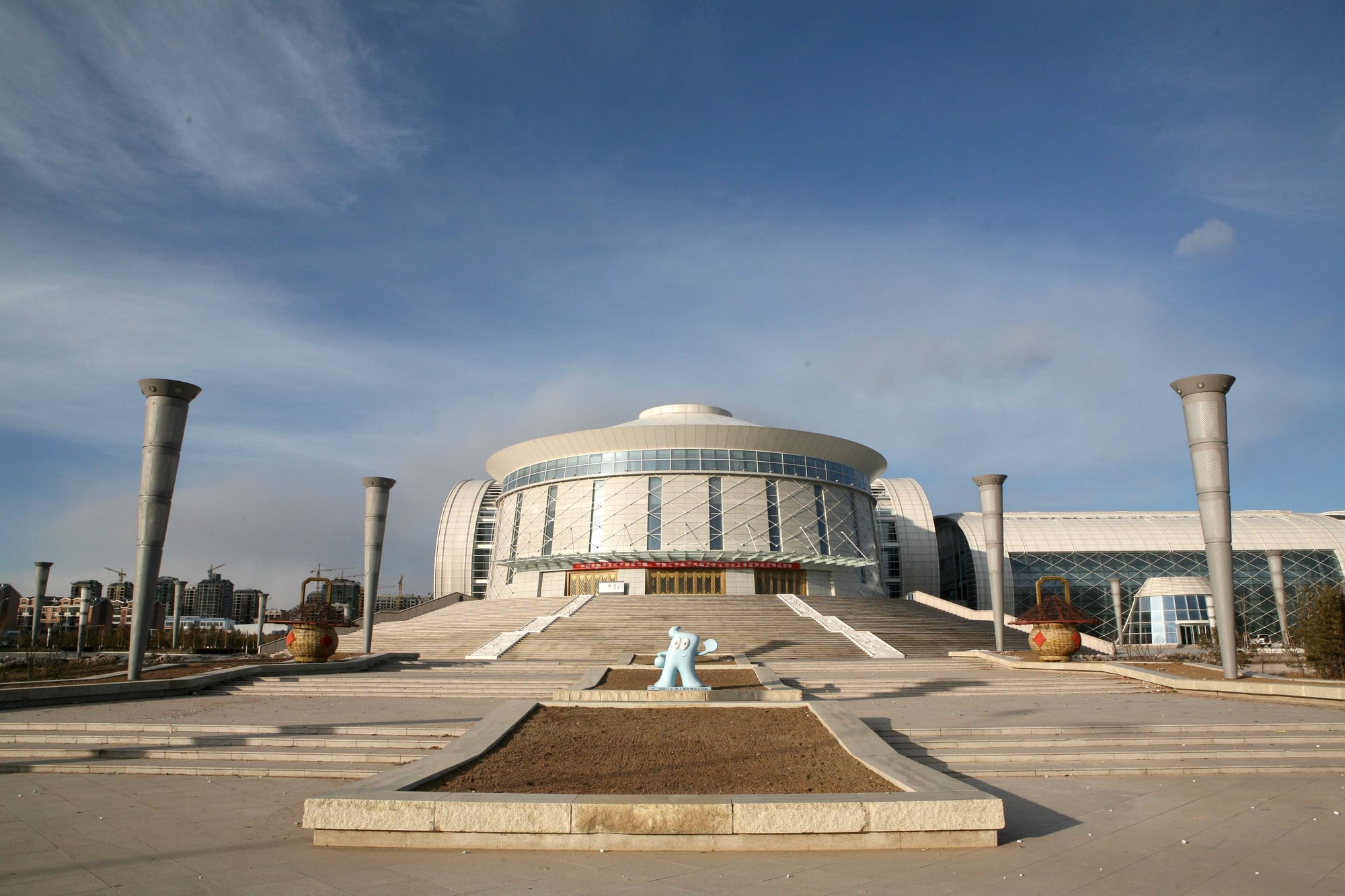
This planned city in Inner Mongolia was built from scratch to accommodate a million residents amid China’s construction boom, featuring striking modern architecture including the record-breaking Ordos Museum. For years after completion, occupancy remained extremely low despite massive investment.
The city became a global symbol of property speculation gone wrong, though occupancy has improved somewhat in recent years.
Nakagin Capsule Tower
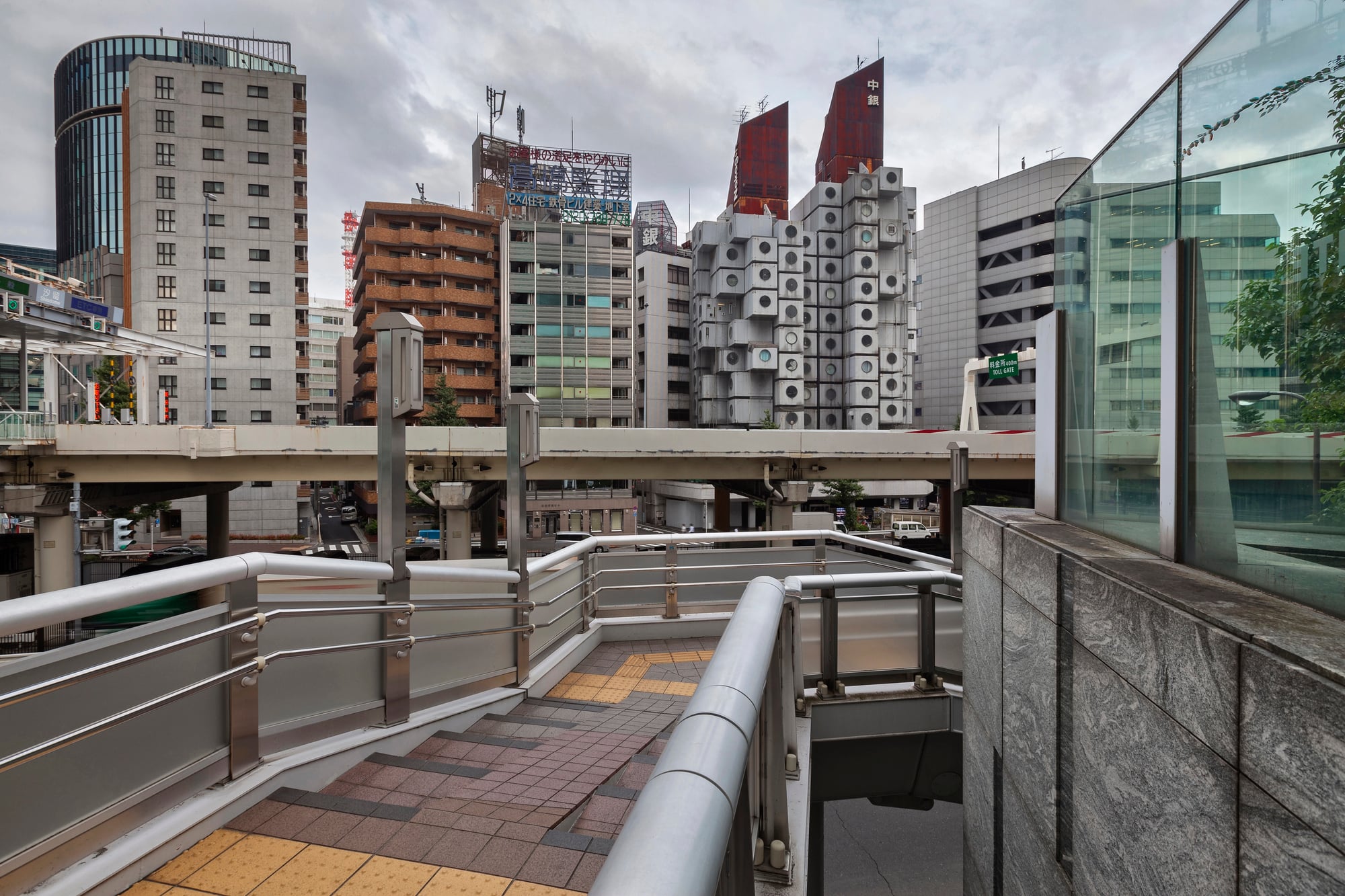
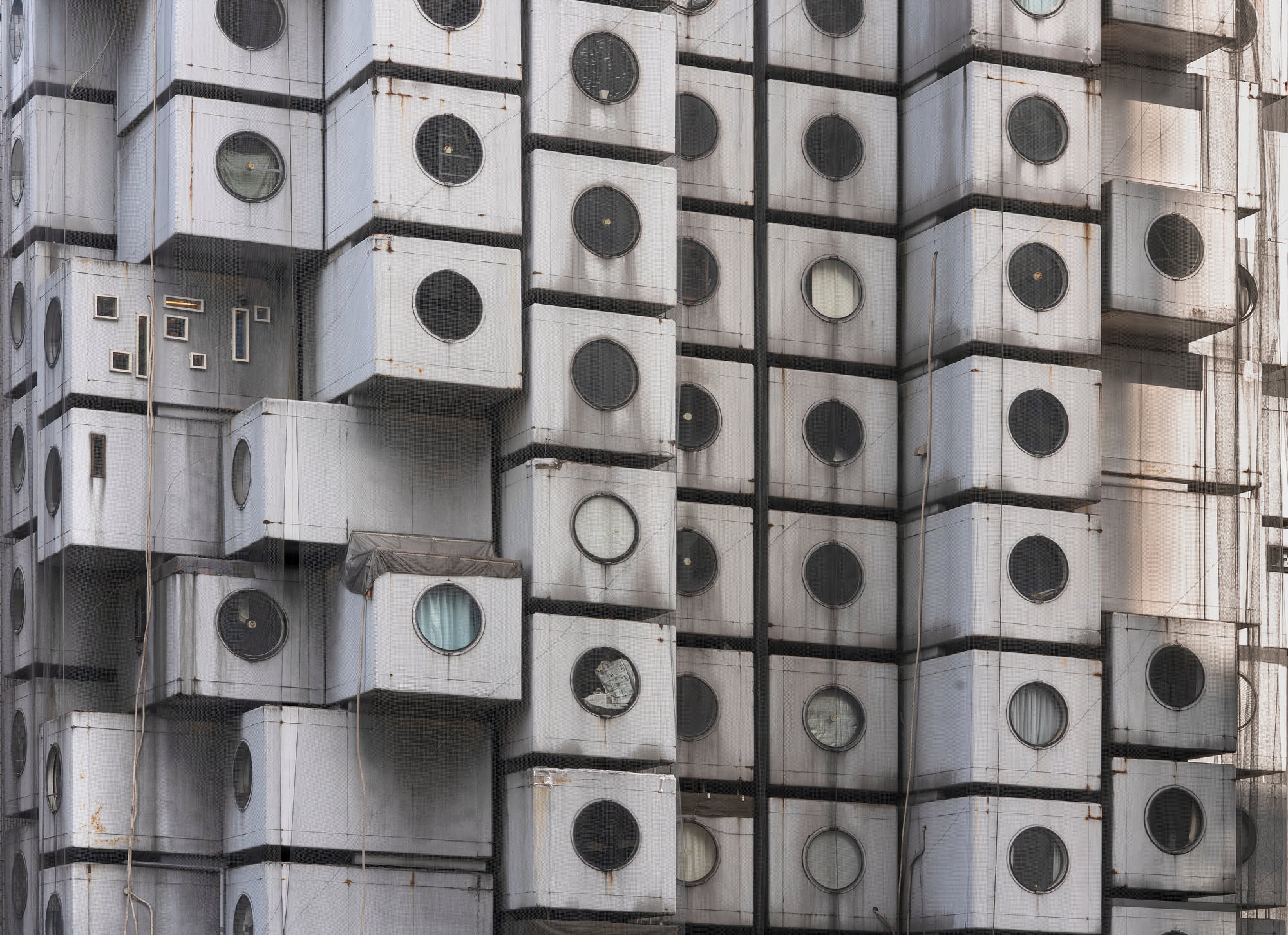
Tokyo’s metabolist marvel from the seventies was the world’s first capsule architecture built for permanent use, with prefabricated modules that could theoretically be replaced as technology evolved. The tower’s individual capsules were designed to house traveling businessmen in compact but functional living spaces.
However, none of the capsules were ever replaced as intended, maintenance issues mounted, and occupancy dwindled to a fraction before demolition despite preservationists’ efforts.
Like Go2Tutors’s content? Follow us on MSN.
Palace of the Parliament
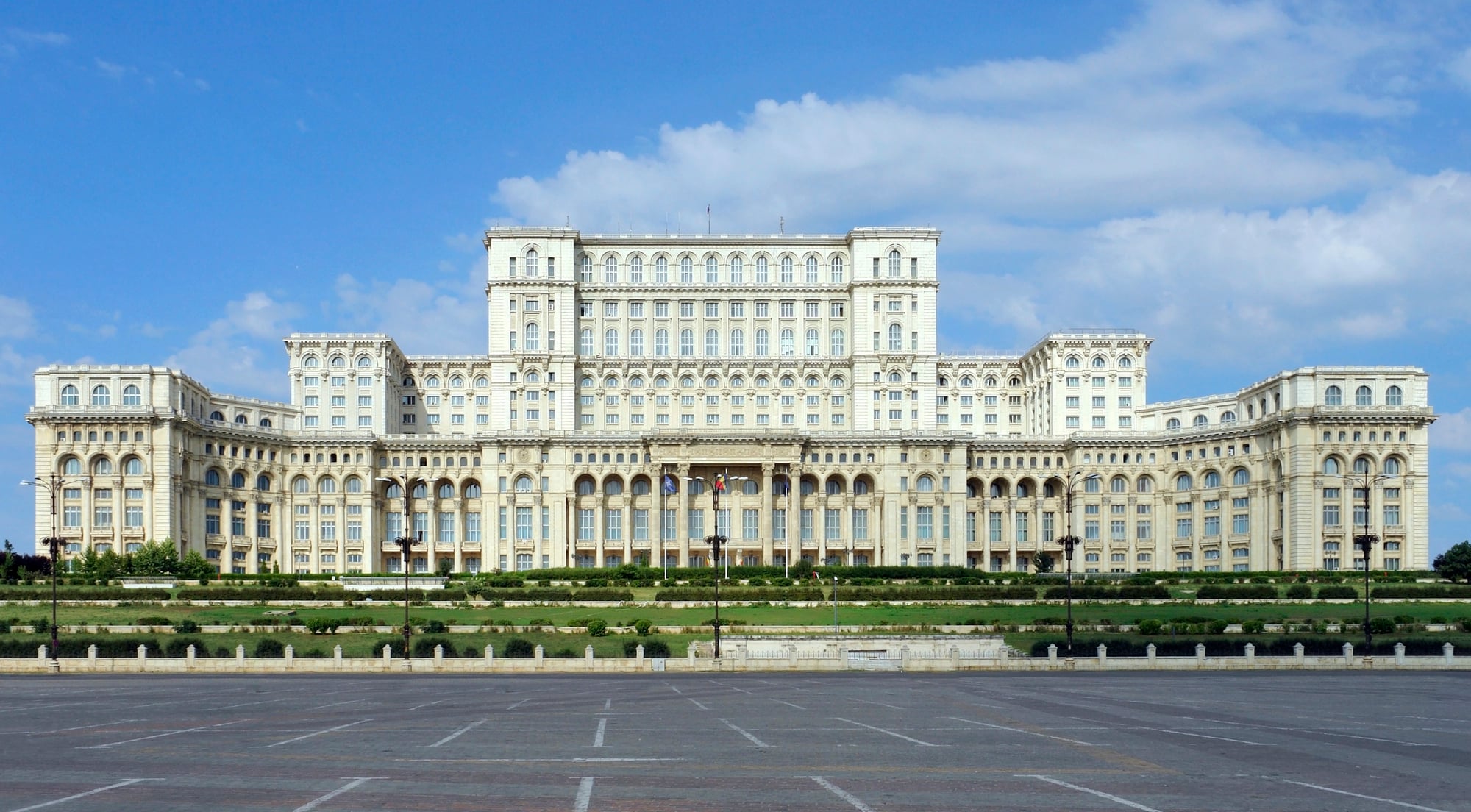
Romania’s colossal government building holds numerous world records including heaviest and most expensive civilian administrative structure. Construction began under Communist rule, requiring the demolition of much of Bucharest’s historic district.
Despite its thousands of rooms spread across millions of square feet, only a portion of the building is utilized today, with entire floors standing empty as maintenance costs drain the national budget.
Ponte City Tower
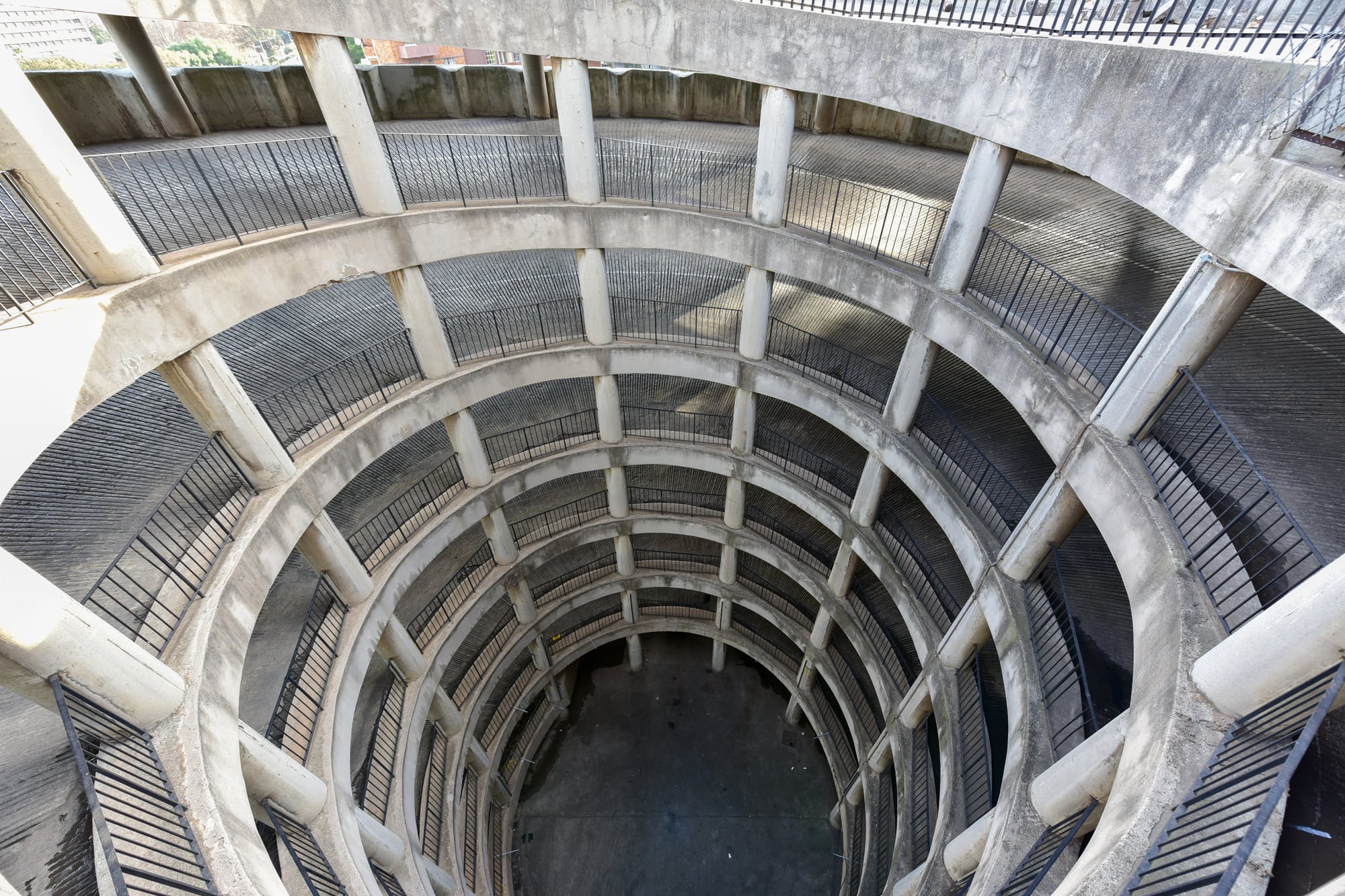
South Africa’s tallest residential building was designed to be Johannesburg’s premier luxury address, featuring a hollow core that would be the largest of its kind. The cylindrical tower included plans for an indoor ski slope and shopping mall, but the project quickly declined due to urban decay in the surrounding area.
By the nineties, the building’s hollow core had filled with several stories of garbage and the structure became a vertical slum before partial rehabilitation in recent years.
Fontainebleau Las Vegas
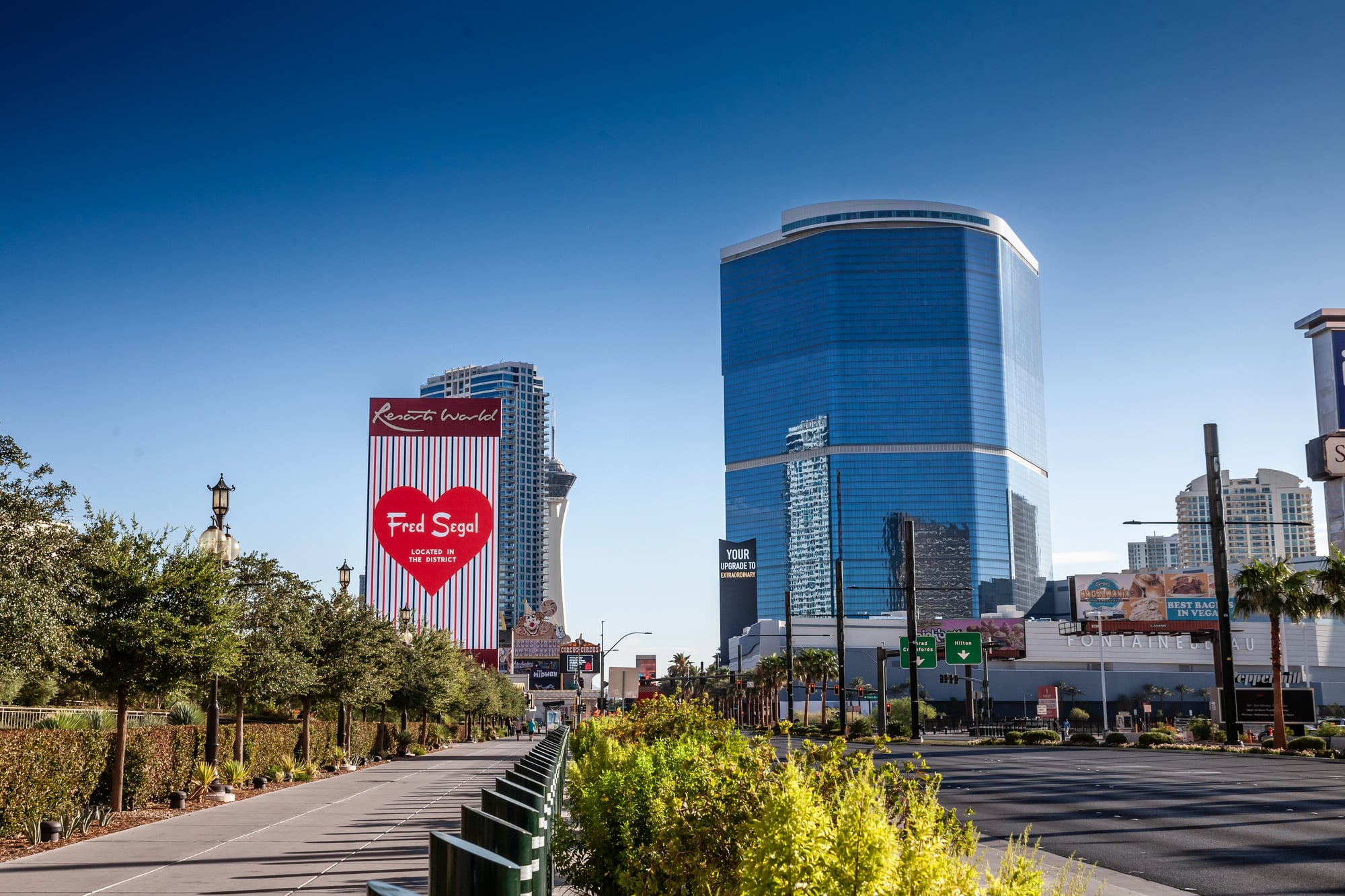
Designed to be the tallest building on the Las Vegas Strip and the most expensive resort in the city’s history, this blue-glass tower reached high into the skyline before construction halted during the financial crisis. The nearly-completed structure sat vacant for over a decade, looming over the Strip as a reminder of frozen ambition.
After multiple ownership changes, the building finally opened in the early twenties, though with significantly scaled-back amenities from the original vision.
Like Go2Tutors’s content? Follow us on MSN.
Mirny Diamond Mine Complex
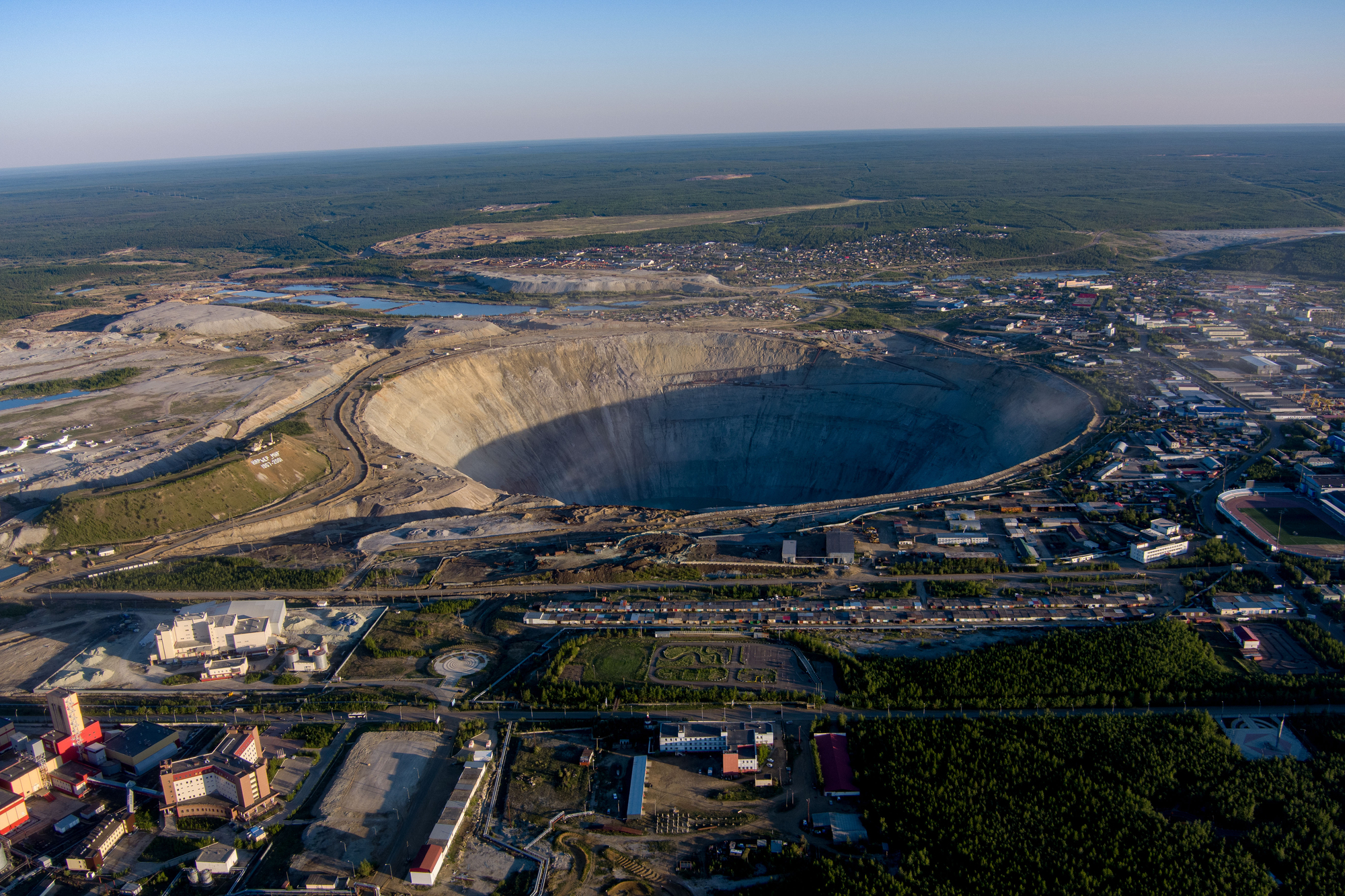
This former mining operation in Siberia was home to what was once the world’s largest open-pit mine, reaching incredible depths and width. The facility included an enormous processing plant and residential towers for workers, with airspace above the pit closed due to dangerous airflow.
After diamond reserves depleted, the massive complex largely emptied, with portions of the residential district becoming a ghost town as operations wound down.
Supertech Twin Towers
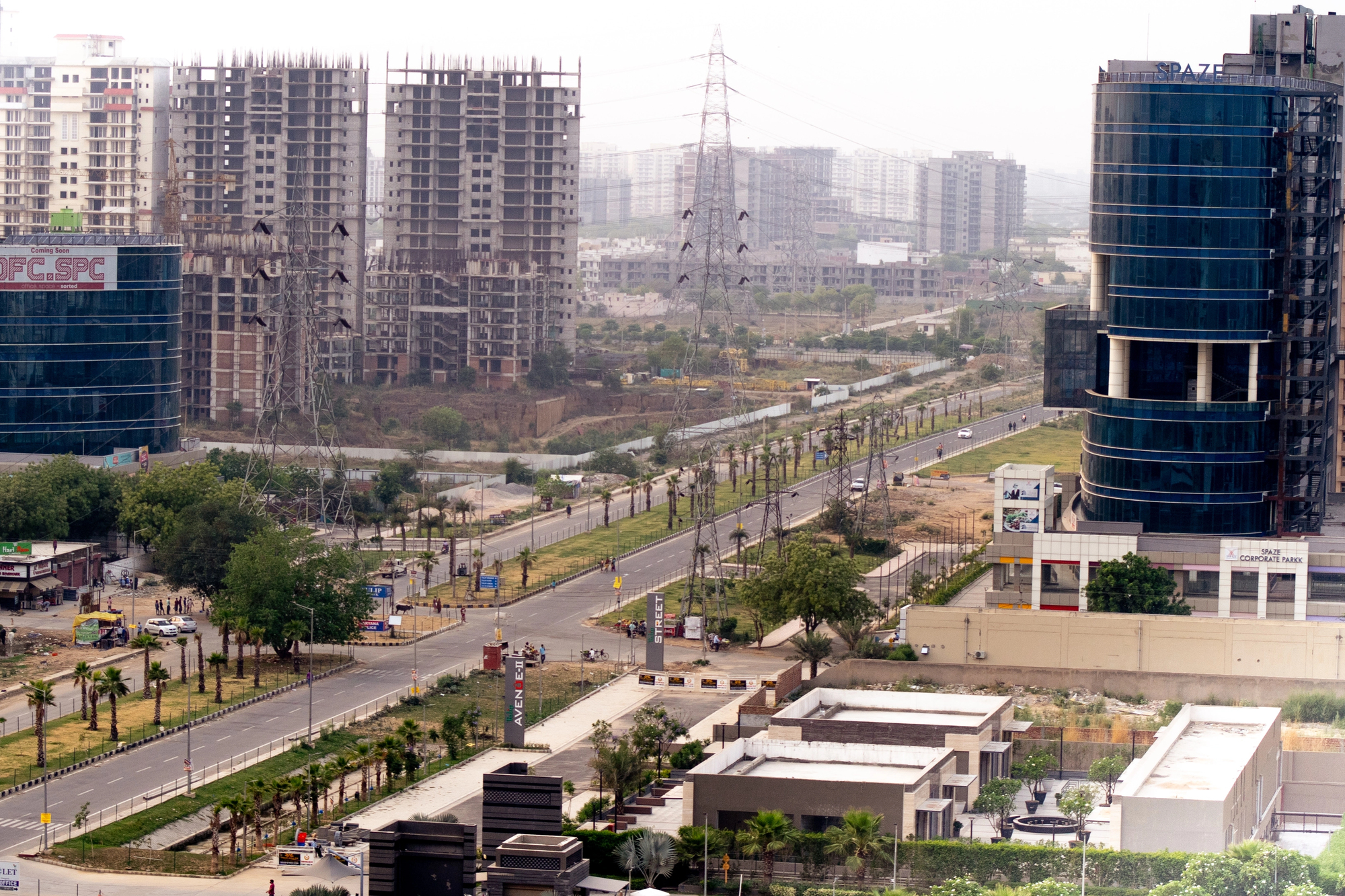
India’s planned record-breaking residential skyscrapers in Noida were designed to reach great heights with luxury apartments offering panoramic views. Despite being nearly completed, the towers never welcomed a single resident before a legal ruling found they violated building regulations.
The entire complex was demolished in one of the largest controlled implosions in Indian history, with hundreds of apartments destroyed before anyone could move in.
Spiral Minaret of Samarra
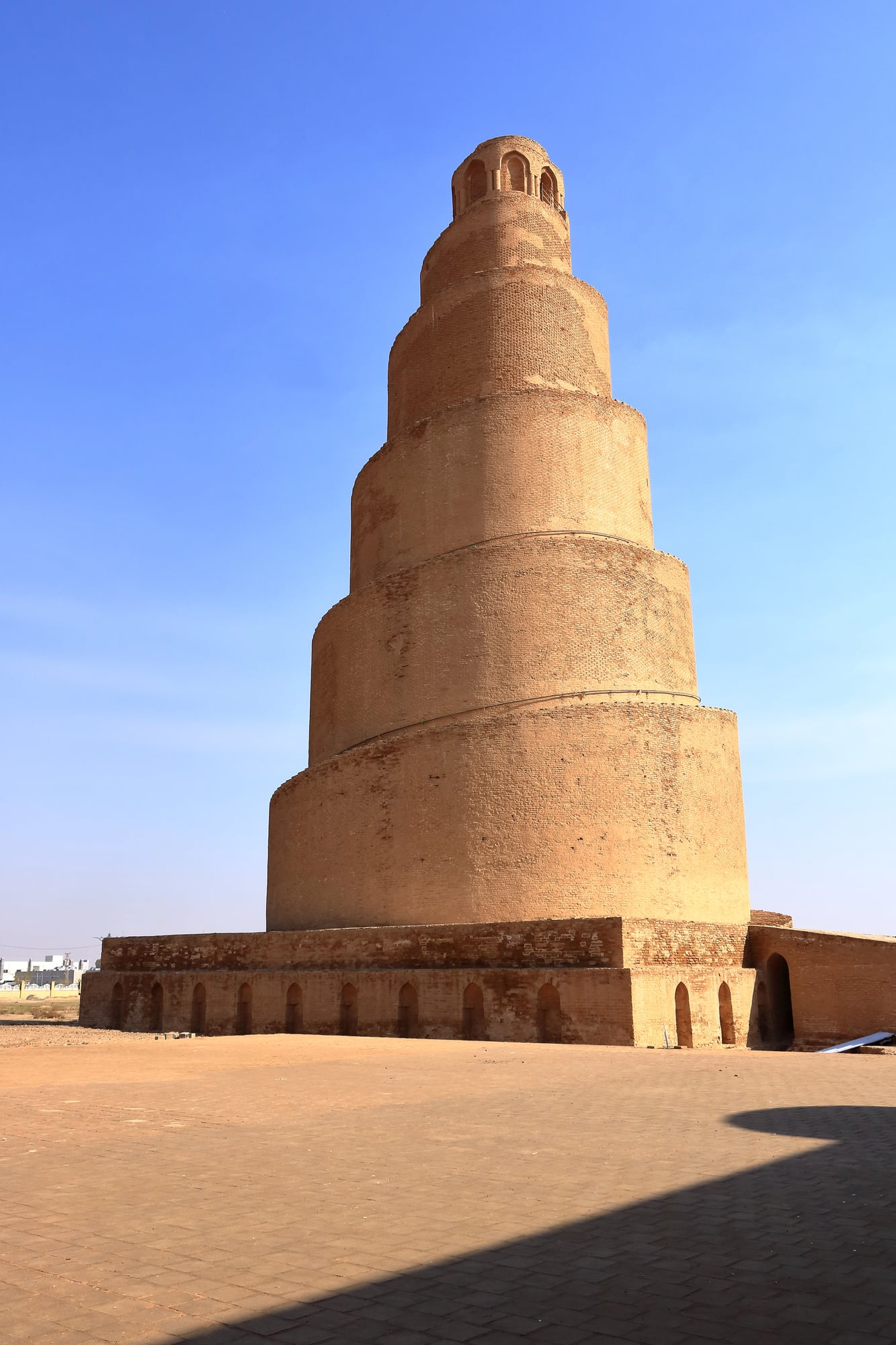
This ninth-century structure in Iraq was the world’s tallest building of its era and featured a revolutionary spiral design that influenced architecture for centuries. The unique external staircase wrapped around the tower in a consistently widening spiral.
Despite its historical significance and record-breaking height for its time, the structure fell into disuse as the surrounding city declined, losing its original function as an active minaret.
Like Go2Tutors’s content? Follow us on MSN.
Looking Beyond the Records
These ambitious structures remind us that architectural achievement requires more than engineering prowess or design innovation – it demands alignment with genuine human needs and market realities. The most impressive measurements mean little without corresponding utility and purpose.
As these buildings demonstrate, true architectural success isn’t measured in height, size, or broken records, but in how effectively spaces serve the communities around them, adapting to changing needs rather than standing as expensive monuments to unfulfilled potential.
More from Go2Tutors!

- 18 Unexpectedly Valuable Collectibles You Might Have Lying Around
- 15 Things Every Teenager in the ’70s Did That Teens Today Wouldn’t Understand
- 15 Strange Things People Have Tried to Ban (And Failed)
- 15 Inventions That Were Immediately Banned After Being Created
- 20 Actors Who Were Almost Cast in Iconic Roles
Like Go2Tutors’s content? Follow us on MSN.