17 Technology Myths Companies Started on Purpose
Technology companies have long shaped how we think about their products, sometimes bending the truth to boost sales or protect their image. Many of the ‘facts’ we accept about our devices and digital services actually began as carefully crafted corporate narratives.
Here is a list of 17 technology myths that companies deliberately created and promoted for their own benefit. These fabrications have persisted for years, influencing consumer behavior and often costing us money.
Inkjet Printers Need Brand-Name Cartridges
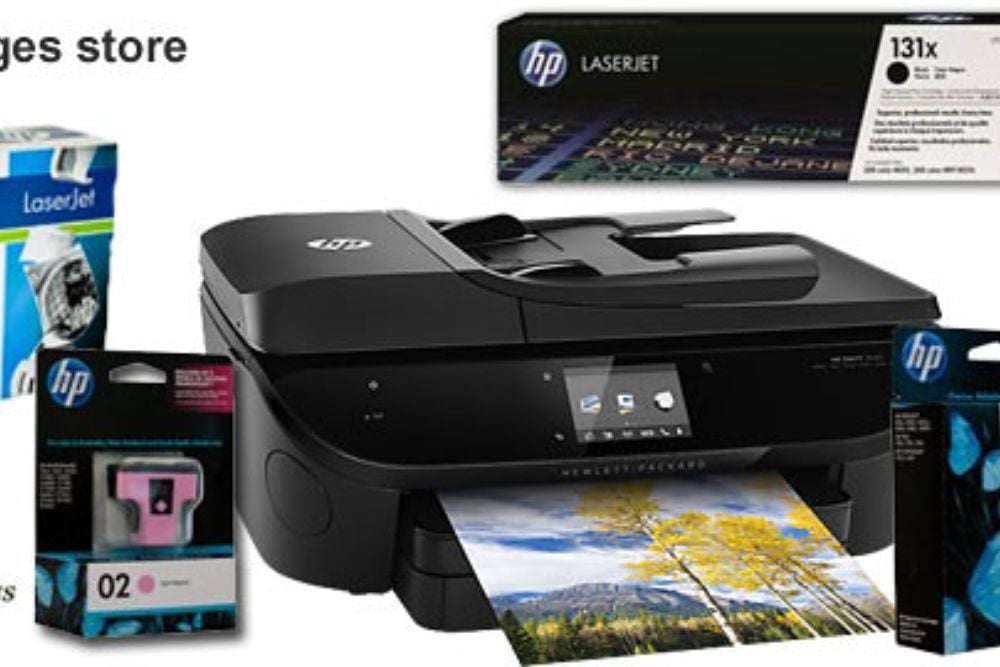
Printer manufacturers like HP and Epson have convinced millions that only their expensive branded ink cartridges will work properly in their printers. This claim helps them maintain a lucrative revenue stream since the profit margins on ink are astronomical—often higher than on the printers themselves.
In reality, many third-party cartridges function perfectly well at a fraction of the cost, but manufacturers use digital authentication chips and misleading ‘warranty void’ warnings to scare consumers away from alternatives.
More Megapixels Always Mean Better Photos

Camera and smartphone companies have perpetuated the myth that more megapixels automatically translate to better image quality. This simplified marketing message helps them sell new models with ever-increasing megapixel counts.
The truth is far more complex—factors like sensor size, lens quality, and image processing algorithms typically matter more than raw megapixel count. A 12-megapixel camera with superior optics will often outperform a 48-megapixel camera with mediocre components.
Like Go2Tutors’s content? Follow us on MSN.
You Need to Fully Discharge Batteries
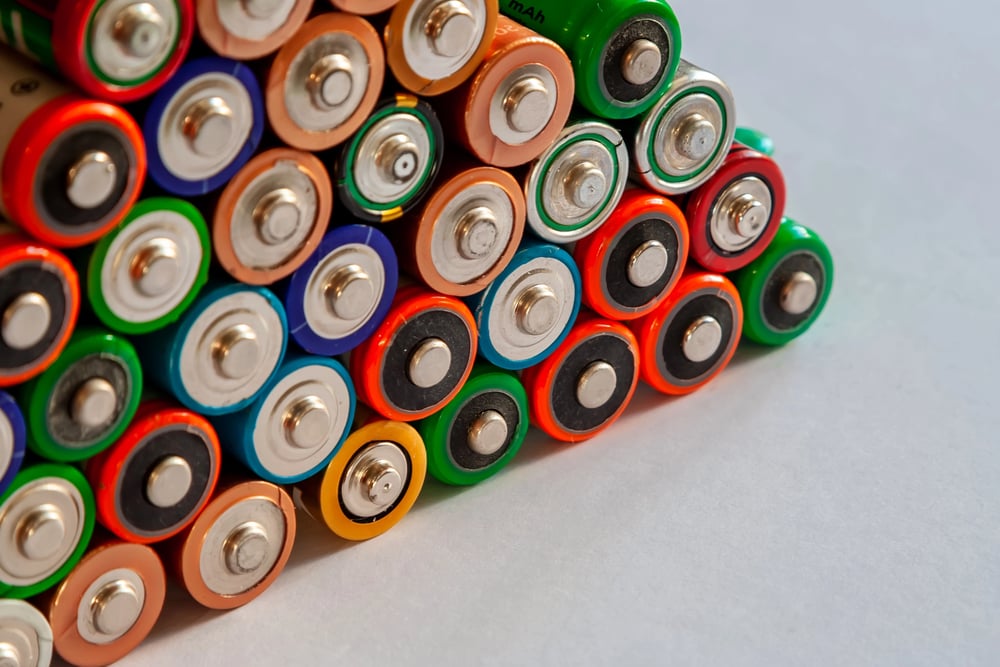
Electronics manufacturers once widely promoted the idea that you should completely drain your device’s battery before recharging it. This myth originated with older nickel-cadmium batteries but was conveniently maintained during the lithium-ion era.
The reality is that lithium-ion batteries actually last longer when kept between 20% and 80% charged. Frequent complete discharges actually shorten battery lifespan, leading to earlier replacements and more sales for device makers.
Macs Don’t Get Viruses

Apple spent years promoting the idea that its computers were immune to viruses and malware. Their famous ‘I’m a Mac’ advertising campaign explicitly stated this claim, creating a powerful selling point against Windows PCs.
The technical reality is that while macOS does have certain security advantages, Macs are absolutely vulnerable to malware—they simply had fewer attacks historically due to their smaller market share making them less attractive targets for hackers.
5G Requires New Expensive Phones
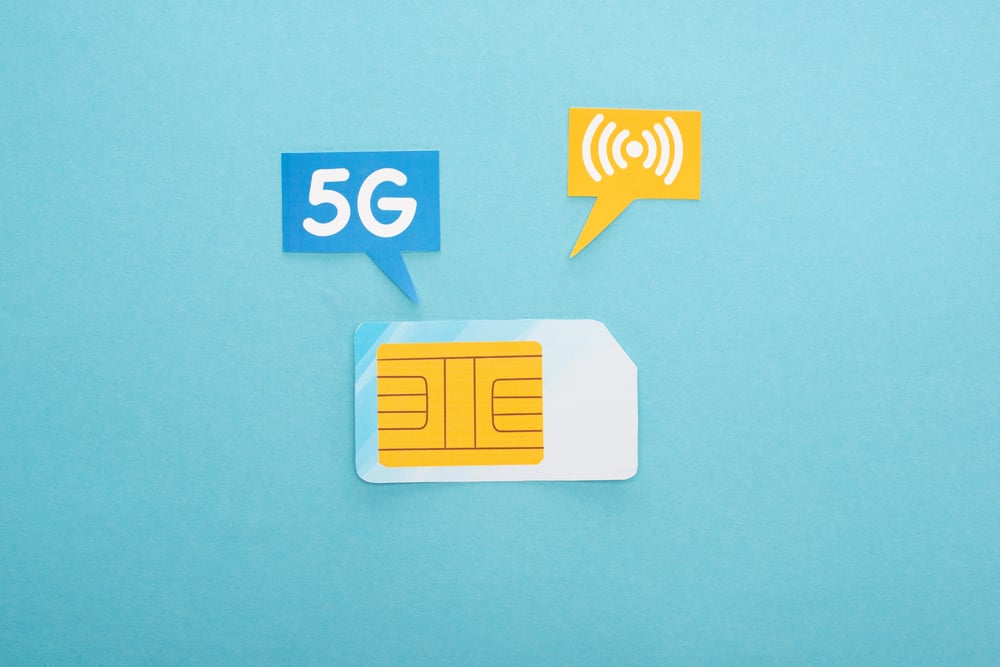
Mobile carriers and phone manufacturers created the impression that accessing 5G networks required purchasing entirely new, premium-priced devices. This manufactured urgency helped drive a massive upgrade cycle and boosted sales of flagship phones.
In truth, early 5G networks offered minimal real-world speed improvements for most users, and the technology could have been implemented in more affordable devices much sooner than it was.
Like Go2Tutors’s content? Follow us on MSN.
Private Browsing Mode Makes You Anonymous
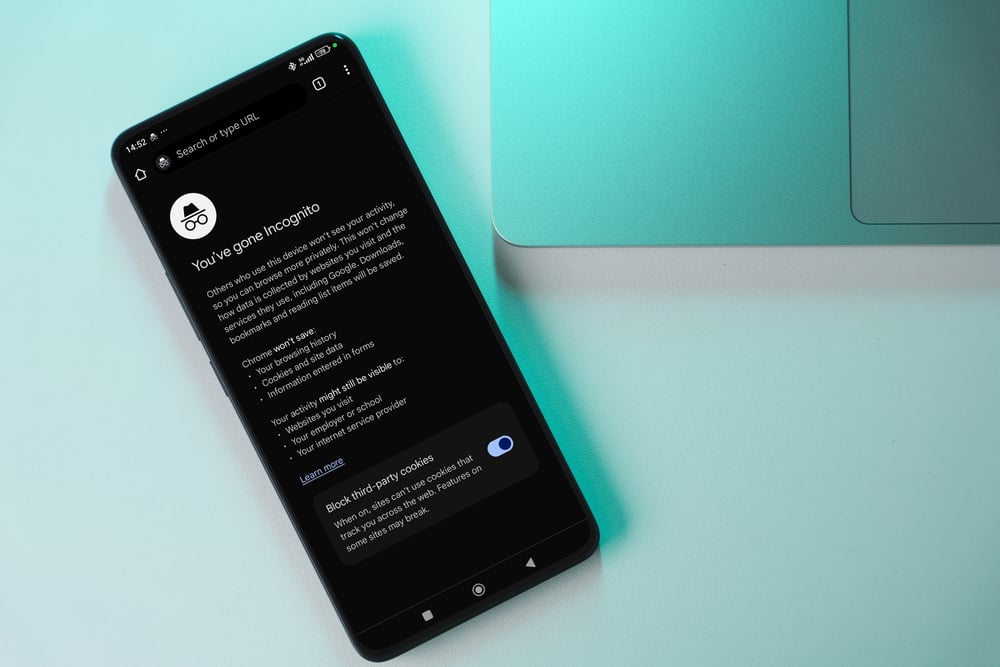
Browser companies like Google have fostered the myth that ‘incognito’ or ‘private browsing’ modes make your online activity anonymous. The small print explains otherwise, but the feature names themselves imply total privacy. In reality, these modes simply don’t save browsing history on your local device while still allowing your internet provider, employers, and websites themselves to track your activity.
This misconception benefits tech companies by creating a false sense of privacy while they continue collecting valuable user data.
More RAM Always Improves Performance
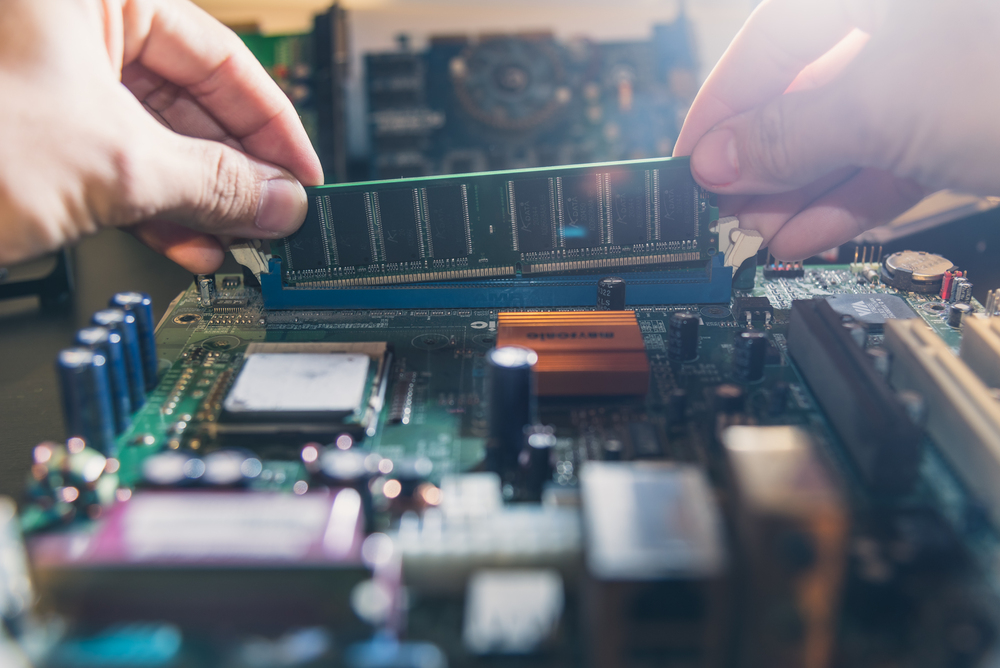
Computer manufacturers have convinced generations of consumers that adding more RAM will automatically make any computer faster. This oversimplified claim helps them upsell more expensive configurations and upgrades.
While additional memory does help with multitasking and specific memory-intensive applications, many everyday users see minimal performance gains beyond certain thresholds. System bottlenecks are often found elsewhere, like processor speed or storage type.
You Need to Close Background Apps on Phones
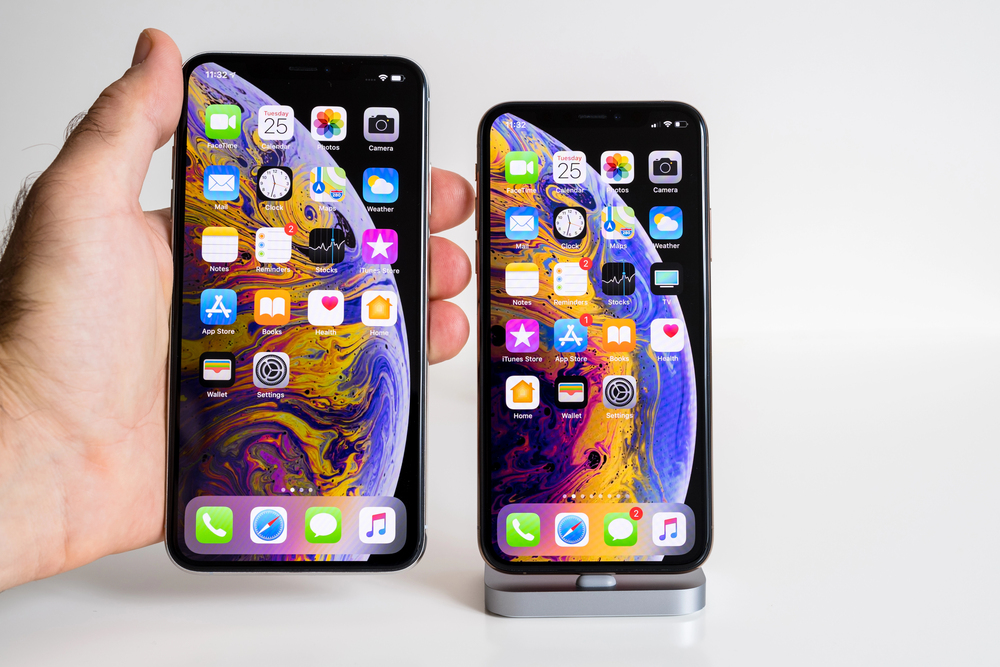
Both Apple and Android phone makers have allowed the myth to persist that manually closing background apps improves battery life and performance. This belief drives the sale of larger-capacity devices and replacement phones when battery life inevitably degrades.
Modern mobile operating systems actually manage background processes quite efficiently, and constantly closing and reopening apps can use more power than leaving them in a suspended state.
Like Go2Tutors’s content? Follow us on MSN.
Daily Defragmentation Improves Computer Speed
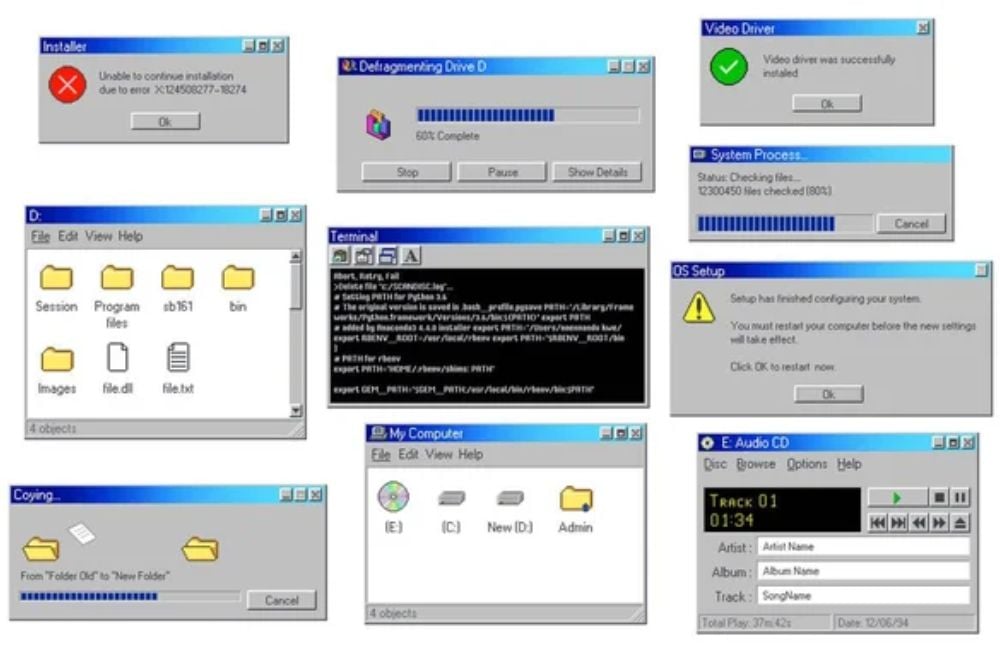
Disk defragmentation was marketed by software providers as a daily requirement for preserving computer performance. Numerous optimization tools and support services were sold thanks to this fallacy.
Defragmentation is not only superfluous for contemporary computers with solid-state drives (SSDs), but it may shorten the drive’s life. Most users found that weekly or monthly defragmentation was adequate, even for older hard disk drives.
Premium HDMI Cables Provide Better Picture Quality
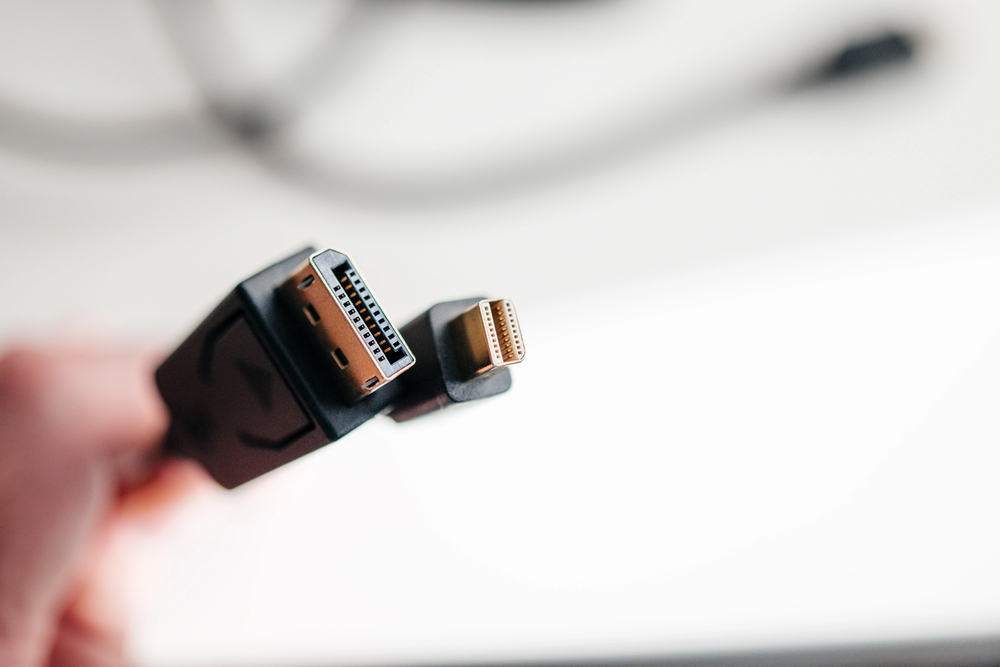
Electronics retailers have built a hugely profitable business around selling expensive, gold-plated HDMI cables with claims of superior picture quality. The digital nature of HDMI means that, unlike analog signals, the cable either works completely or doesn’t work at all—there’s no middle ground with slightly worse picture quality.
Standard cables priced at a fraction of the cost deliver identical performance to premium cables for typical home setups.
Your Phone Needs Screen Protection Film
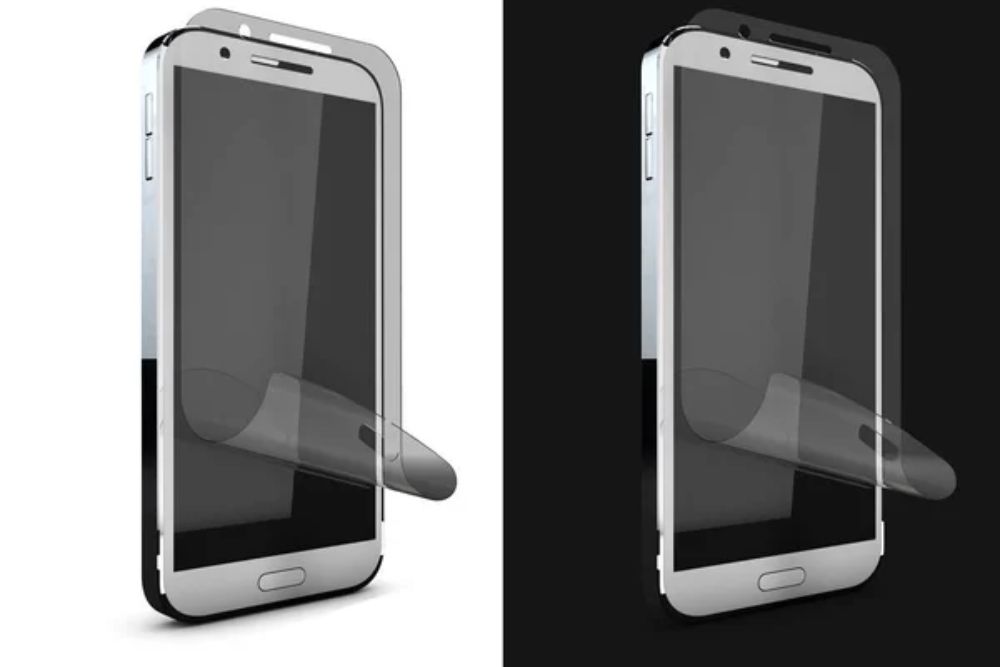
The idea that protective screen films or glass covers are necessary accessories for every new phone has been promoted by smartphone manufacturers. Sales of high-margin accessories, which may cost up to $40, are fueled by this lucrative fallacy.
For everyday use, modern smartphones are already quite scratch-resistant, especially those with Gorilla Glass or other toughened glass. Instead of real need, the protection film industry depends on customer anxiety.
Like Go2Tutors’s content? Follow us on MSN.
Cloud Storage Is Always Safer Than Local Storage
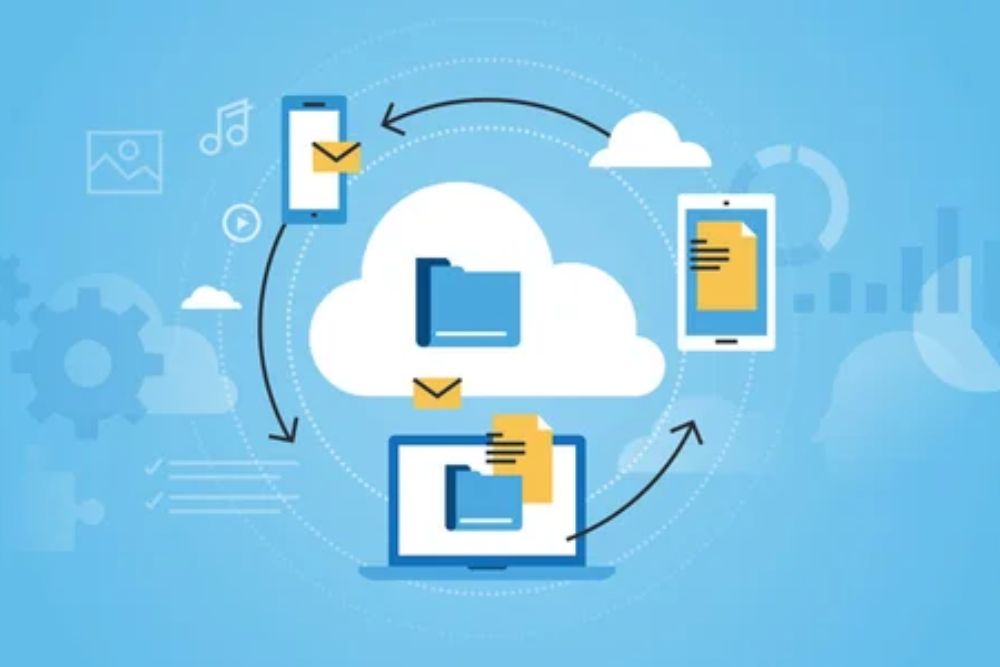
The notion that cloud storage is intrinsically more secure than local storage has been pushed by tech corporations, making it a strong selling point for subscription services. The truth is more complex; whereas cloud services provide advantages like off-site backups and redundancy, they also bring with them new security risks and privacy issues.
Although professional cloud services use cutting-edge security safeguards, they have nevertheless been the target of serious breaches that would not have compromised locally stored data.
New Computers Need Third-Party Antivirus Software

Software security companies have perpetuated the belief that every new computer requires additional third-party antivirus software beyond the built-in protections. This myth drives billions in sales of security software subscriptions and services.
Modern operating systems like Windows 10/11 and macOS come with robust built-in security features that provide adequate protection for most users, making additional software redundant for many typical computing scenarios.
Digital Cameras Need Regular Sensor Cleaning

Camera manufacturers have suggested that regular professional sensor cleaning services are necessary for proper maintenance of digital cameras. This creates recurring revenue streams for service centers and dealerships while building brand loyalty.
While sensors do occasionally need cleaning, most consumer cameras can go years without professional service under normal use conditions. Many minor dust spots can be addressed with simple air blowers rather than expensive professional cleanings.
Like Go2Tutors’s content? Follow us on MSN.
Smart TVs Need Regular Software Updates for Security

Television manufacturers have pushed the narrative that frequent software updates are primarily for security and performance improvements, making them seem essential. While updates do sometimes include security patches, they often prioritize data collection capabilities and advertising platform enhancements that benefit the manufacturer more than the consumer.
Many updates actually add unwanted features or change user interfaces that were perfectly functional beforehand.
Gaming Requires Specialized ‘Gaming’ Accessories

The gaming industry has successfully propagated the myth that serious gaming requires specialized peripherals with gaming-specific branding and design elements. Standard keyboards, mice, and headphones are portrayed as inadequate compared to their gaming counterparts, which often cost significantly more.
While some gaming-oriented features provide genuine benefits for competitive players, many casual gamers would notice little difference between standard high-quality peripherals and their gaming-branded equivalents.
You Need a New Phone Every Two Years
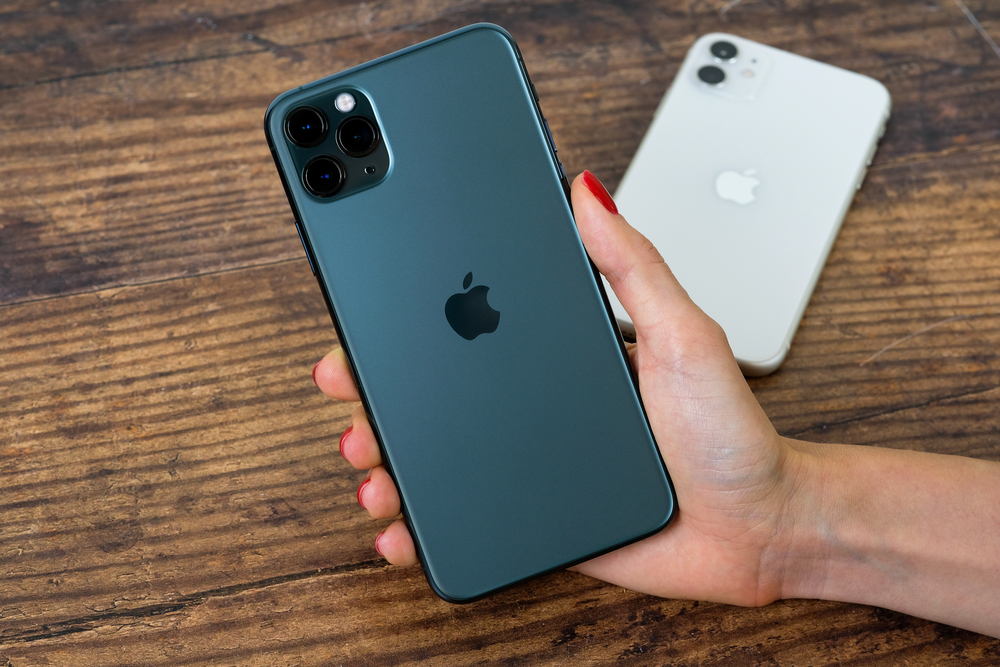
Mobile phone manufacturers and carriers have collaborated to establish the expectation that phones should be replaced every two years. This artificial replacement cycle has been reinforced through contract structures, planned obsolescence through software updates, and marketing that emphasizes incremental improvements as revolutionary changes.
Modern smartphones are technically capable of functioning well for four or more years, with battery replacement being the only major maintenance need for most users.
Like Go2Tutors’s content? Follow us on MSN.
The Digital Revolution That Wasn’t

Technology has undoubtedly transformed our lives, but the ways companies market their products often distort our understanding of what we truly need. Many of the ‘essential’ upgrades, accessories, and services we’ve been conditioned to purchase are solutions to problems that never really existed.
By recognizing these corporate-created myths, consumers can make more informed decisions about their technology purchases and avoid spending money on unnecessary products and services.
More from Go2Tutors!

- 18 Unexpectedly Valuable Collectibles You Might Have Lying Around
- 15 Things Every Teenager in the ’70s Did That Teens Today Wouldn’t Understand
- 15 Strange Things People Have Tried to Ban (And Failed)
- 15 Inventions That Were Immediately Banned After Being Created
- 20 Actors Who Were Almost Cast in Iconic Roles
Like Go2Tutors’s content? Follow us on MSN.



