14 Sports Rules That Used to Be Completely Different
Sports evolve constantly, with rules changing to improve safety, increase excitement, or adapt to modern capabilities. Many of today’s most popular games would be barely recognizable to their early participants. The gradual transformation of these rules showcases how our athletic pastimes reflect changing cultural values and technological advancements.
Here is a list of 14 sports rules that have undergone dramatic changes, sometimes altering the very nature of the games we love.
Basketball Dribbling

Early basketball players couldn’t dribble continuously like today’s stars. The original rules allowed just one bounce before requiring a pass or shot.
Players essentially played hot potato with the ball, moving it quickly between teammates. This restriction transformed basketball into something more like keep-away with occasional shots at peach baskets that still had their bottoms intact.
Football Forward Pass

Football was once purely a running game with no forward passes allowed. Teams relied entirely on muscle and formation to push the oval-shaped ball across the field.
The legalization of the forward pass came after numerous deaths and injuries prompted a demand for safety improvements. This single rule change transformed a dangerous ground-based collision sport into the strategic air-and-ground game millions watch today.
Like Go2Tutors’s content? Follow us on MSN.
Baseball Pitching Distance
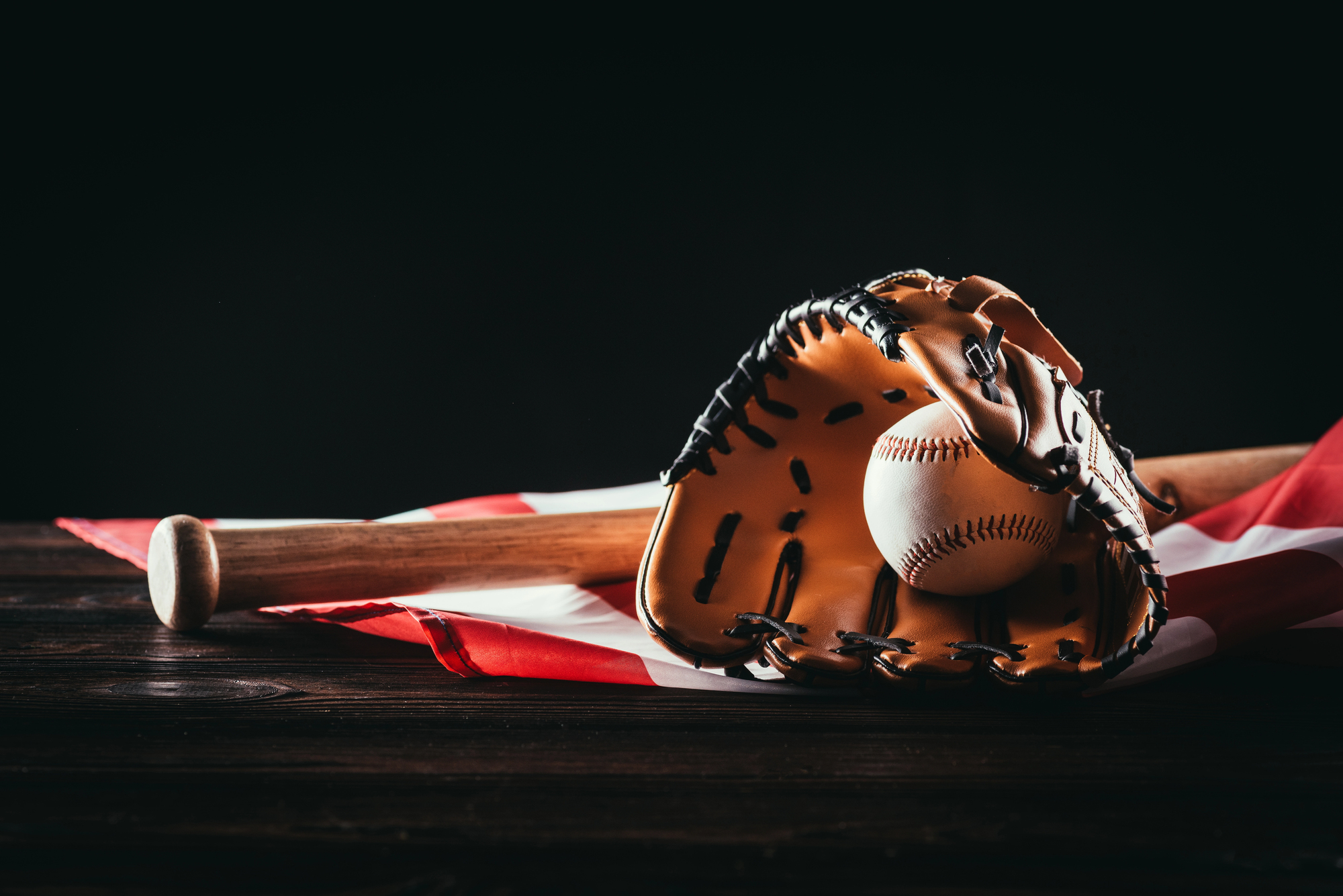
Pitchers originally threw from just forty-five feet away from home plate, standing much closer than the modern sixty feet, six inches. This shorter distance made pitches arrive faster with less time for batters to react.
The distance changed after pitchers became too dominant, creating the modern balance between offense and defense that defines baseball today.
Tennis Scoring

Tennis scoring used to involve a physical clock face with hands moving clockwise to track points. The awkward ‘forty-five’ eventually shortened to ‘forty’ for easier calling during matches.
The strange numbering system persists as a charming relic from when actual clock faces tracked game progress. Players would physically move the clock hands after points rather than relying on a scorekeeper.
Hockey Goalie Movement
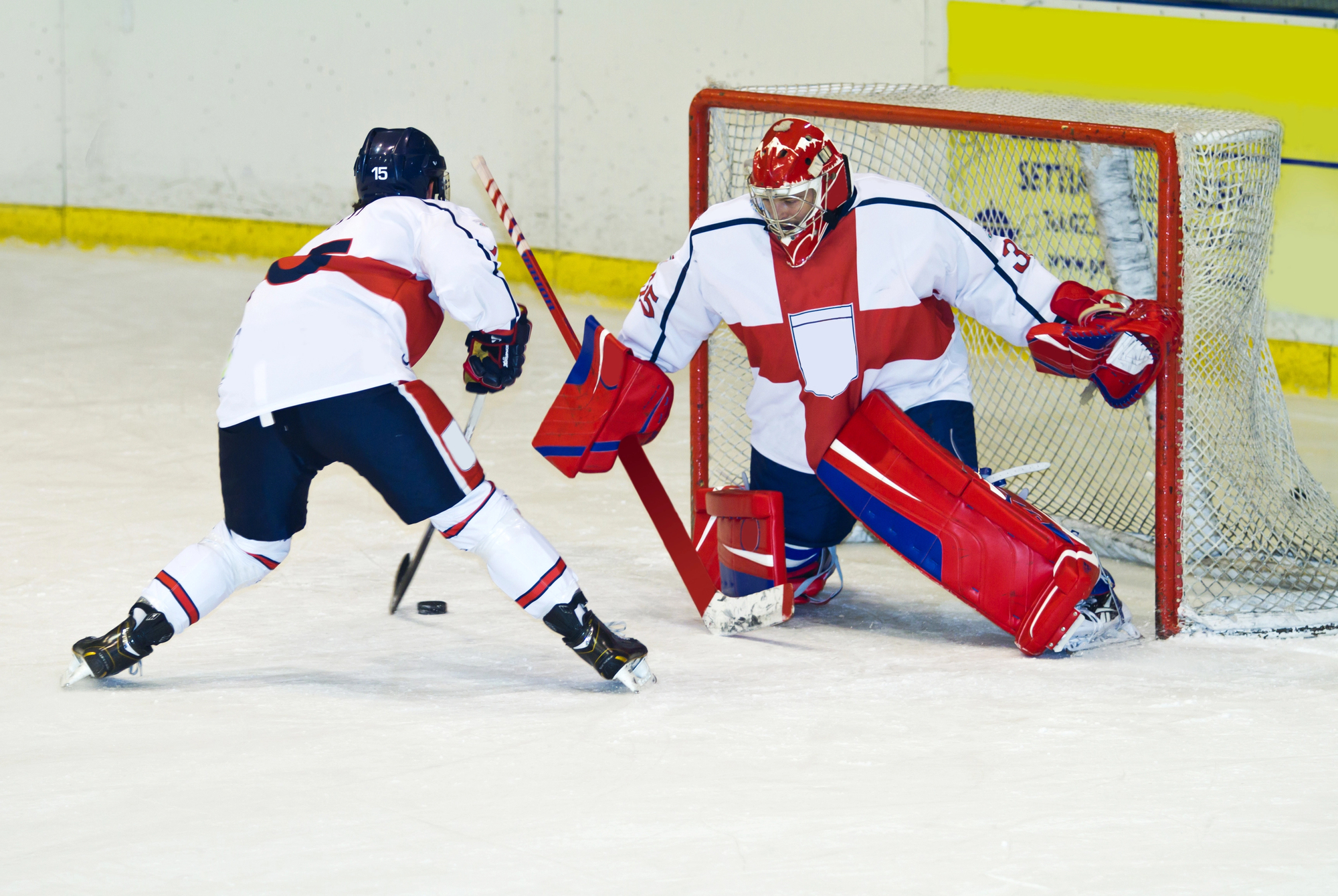
Hockey goalies were once forbidden from dropping to the ice to make saves. They had to remain standing while attempting to block shots, relying solely on their reflexes and positioning.
The introduction of the butterfly style revolutionized goaltending after rule changes permitted goalies to use their bodies more freely.
Like Go2Tutors’s content? Follow us on MSN.
Marathon Refreshments

Early Olympic marathoners received no water stations or support during their grueling runs. Race officials actually believed drinking water during long-distance running was harmful to athletes.
Competitors in the St. Louis Olympics marathon suffered terribly in high heat with only one water source along the route. Today’s carefully planned hydration stations represent a complete reversal of this dangerous misconception.
Soccer Substitutions

Soccer teams originally played without any substitutions whatsoever. If a player became injured, teams simply continued with fewer players.
This unforgiving approach meant injured athletes often remained on the field, causing further damage to themselves. Modern substitution rules allowing multiple replacements completely changed team strategies and player specialization.
Golf Balls

Early golfers played with ‘featheries’ – hand-sewn leather pouches stuffed with boiled goose feathers. These primitive balls traveled unpredictably and lost shape when wet.
The introduction of the gutta-percha ball dramatically dropped prices and improved performance. Modern multi-layer balls with aerodynamic dimples would seem like science fiction to early golf pioneers.
Like Go2Tutors’s content? Follow us on MSN.
Boxing Rounds

Boxing matches once continued without round limits until one fighter could no longer continue. These brutal endurance contests sometimes lasted over one hundred rounds.
The Marquess of Queensberry rules introduced standardized round lengths and counts, fundamentally changing boxing into a more technical combat sport.
Volleyball Rotation
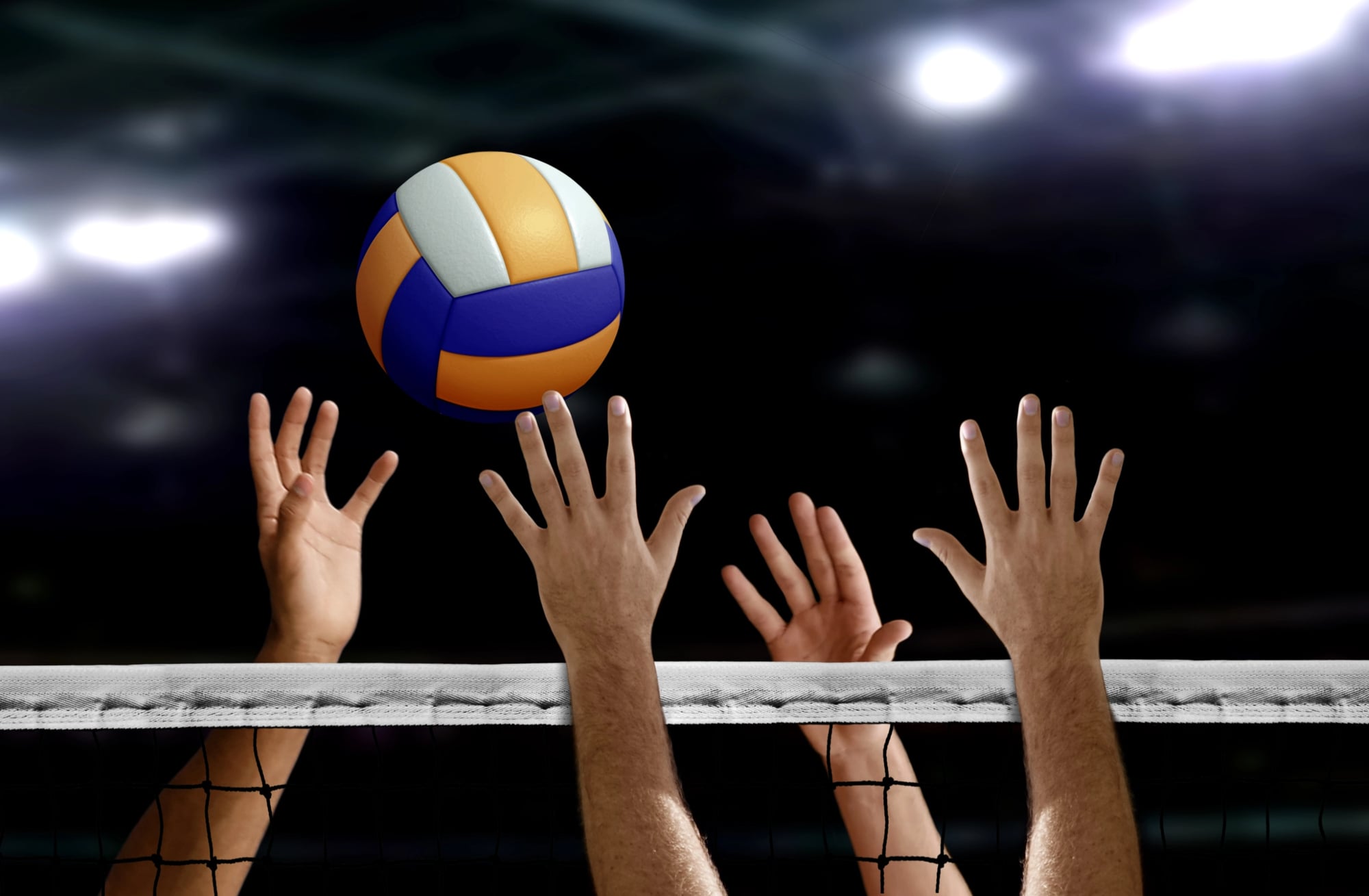
Volleyball players originally stayed in their positions throughout matches without rotating. Teams would strategically place their tallest players at the net and keep them there.
The introduction of mandatory rotation transformed volleyball into a more balanced sport requiring all players to develop multiple skills.
Basketball Shot Clock

Basketball games once featured no time limit for possessions. Teams with leads could simply hold the ball indefinitely.
The introduction of the shot clock completely transformed professional basketball into the fast-paced, high-scoring spectacle fans enjoy today.
Like Go2Tutors’s content? Follow us on MSN.
Track Starting Blocks

Sprinters once began races from standing positions or by digging small holes in cinder tracks. These makeshift starting positions provided inconsistent launching points.
The introduction of standardized starting blocks revolutionized sprinting by allowing athletes to push off with maximum force.
Football Helmets

Football players competed without head protection for decades. The first leather head harnesses appeared but remained optional.
Early helmets provided minimal protection compared to today’s high-tech designs. The evolution to mandatory helmets represents one of sports’ most significant safety transformations.
Wrestling Weight Verification

Wrestling weigh-ins originally happened just before matches. This encouraged dangerous rapid weight cutting through dehydration.
Modern wrestling conducts weigh-ins well before competition with hydration testing to prevent these practices. This change prioritized athlete health over the tradition of extreme weight manipulation.
Like Go2Tutors’s content? Follow us on MSN.
The Evolution Continues

These dramatic rule changes remind us that sports aren’t static activities but living cultural practices that adapt to new knowledge and values.
The games we watch today will likely seem equally foreign to future generations. Sports evolve alongside society, reflecting our priorities while maintaining the core elements that make competition compelling.
More from Go2Tutors!

- 18 Unexpectedly Valuable Collectibles You Might Have Lying Around
- 15 Things Every Teenager in the ’70s Did That Teens Today Wouldn’t Understand
- 15 Strange Things People Have Tried to Ban (And Failed)
- 15 Inventions That Were Immediately Banned After Being Created
- 20 Actors Who Were Almost Cast in Iconic Roles
Like Go2Tutors’s content? Follow us on MSN.