17 Science Fair Projects That Became Patents
Young innovators across America participate in science fairs every year, showcasing everything from simple baking soda volcanoes to sophisticated engineering solutions. While most projects end when the judging concludes, some exceptional student creations have evolved into groundbreaking inventions with real-world applications.
These aren’t just clever displays—they’re genuine innovations that changed lives and launched careers. Here is a list of 17 remarkable science fair projects that were so innovative they eventually became patented inventions, transforming their young creators from students into entrepreneurs.
Pancreatic Cancer Detection Tool

Jack Andraka was just 15 when he developed a paper sensor that could detect pancreatic cancer with impressive accuracy. His method was significantly cheaper and faster than existing tests, costing just three cents per test and taking five minutes to produce results.
The young scientist from Maryland secured a patent for his innovation and won the grand prize at the 2012 Intel International Science and Engineering Fair.
Hollow Flashlight
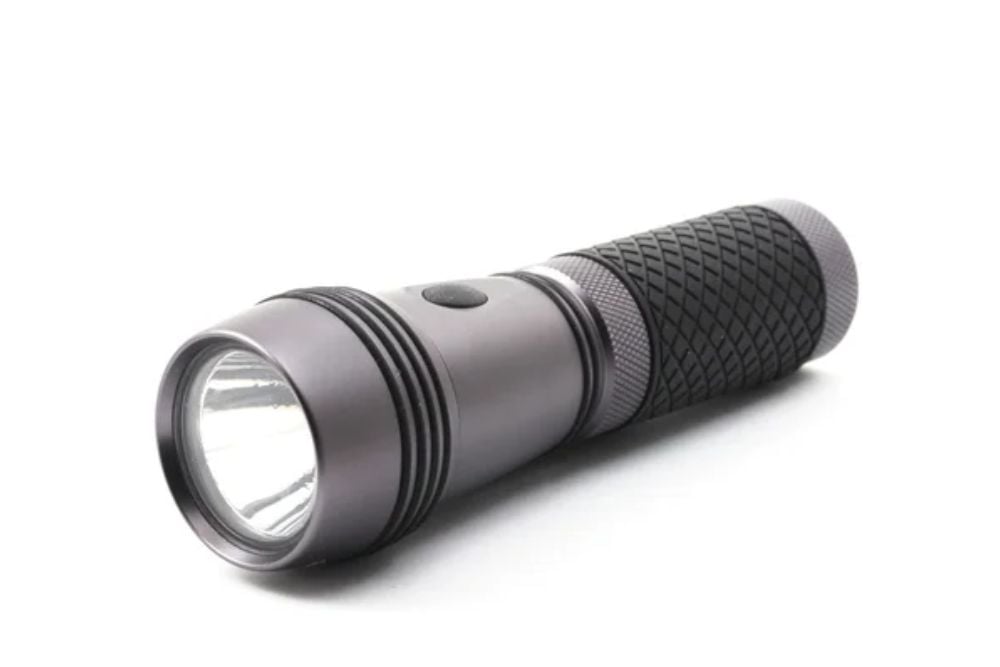
Ann Makosinski created a flashlight powered by body heat when she was 15 years old. Her invention used Peltier tiles to convert the temperature difference between the palm of a hand and ambient air into electricity.
The Canadian teen’s creation won prizes at the 2013 Google Science Fair and eventually led to a patent, proving that innovative energy solutions can come from high school laboratories.
Like Go2Tutors’s content? Follow us on MSN.
Bioplastic From Banana Peels
Elif Bilgin spent two years perfecting a method to transform banana peels into a bioplastic alternative. The Turkish teenager developed a chemical process that turned fruit waste into a material that could replace petroleum-based plastic.
Her environmentally friendly invention earned her the Scientific American Science in Action award and a patent, demonstrating how common food waste could help solve serious environmental problems.
Enhanced Disaster Relief Communication System

Kiara Nirghin created a super-absorbent polymer made from orange peels and avocado skins that could store water in soil during drought conditions. The South African teenager’s invention was both biodegradable and inexpensive, using materials that would otherwise be discarded as waste.
Her science fair project led to a patent and won the Google Science Fair Grand Prize, offering a sustainable solution for agriculture in drought-affected regions.
Solar-Powered Water Purification System

Deepika Kurup developed a solar-powered water purification system at age 14 that used sunlight to disinfect contaminated water. Her invention consisted of a composite material that, when exposed to sunlight, generated reactive chemicals that killed harmful bacteria.
The young scientist from New Hampshire received patents for her technology and won numerous awards, including the Discovery Education 3M Young Scientist Challenge.
Like Go2Tutors’s content? Follow us on MSN.
Wearable Sensor for Alzheimer’s Patients
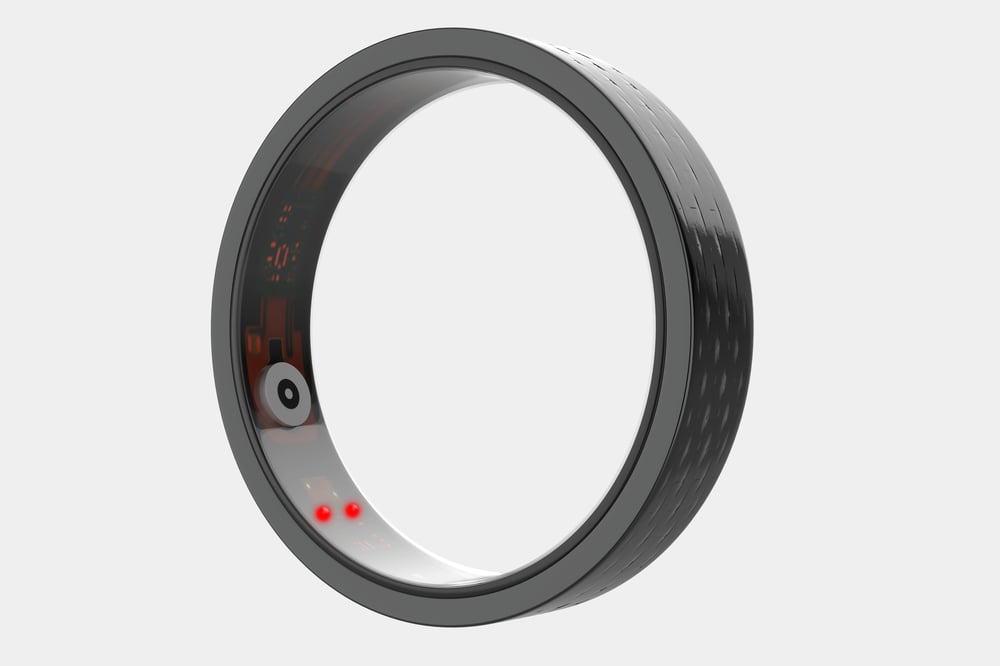
Kenneth Shinozuka invented a pressure sensor system to alert caregivers when Alzheimer’s patients wander from their beds. Inspired by his grandfather’s condition, the 15-year-old created a small wireless device that attached to a patient’s foot or sock and triggered an alert on a caregiver’s smartphone when pressure was detected.
His science fair project evolved into a patented device that has helped countless families manage the challenges of Alzheimer’s disease.
Fire Suppression Device
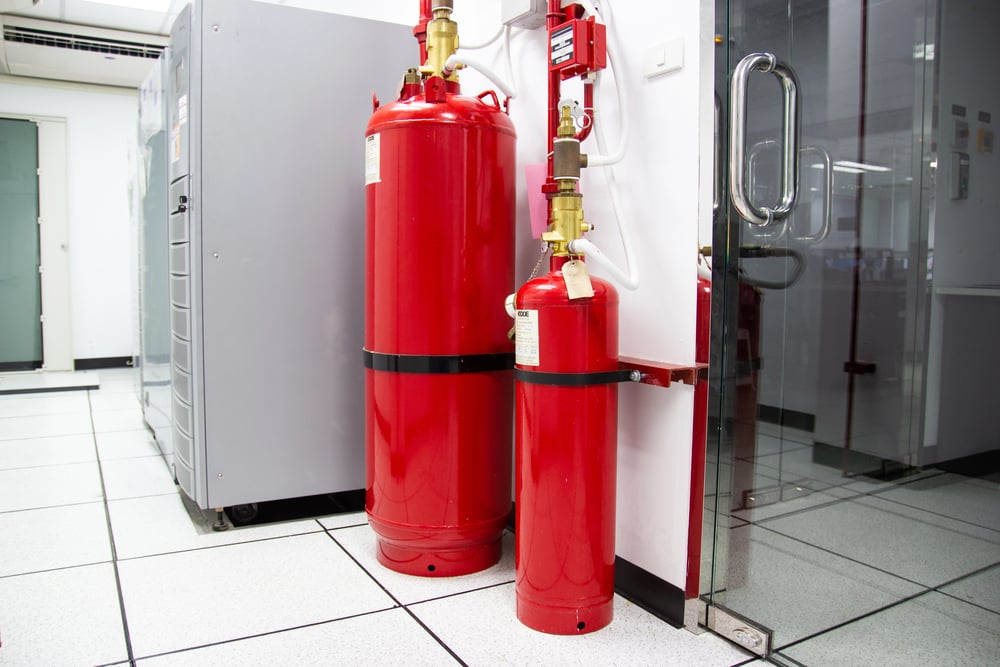
Jaylin Kobiela designed an innovative fire suppression device after witnessing a cooking fire in her neighbor’s home. The teenage inventor created a magnetized container that attached to a stove hood and automatically released fire-extinguishing powder when flames reached a certain height.
Her practical solution won awards at multiple science fairs before she secured a patent, showing how everyday problems can inspire meaningful innovations.
Improved Medical Testing Strip
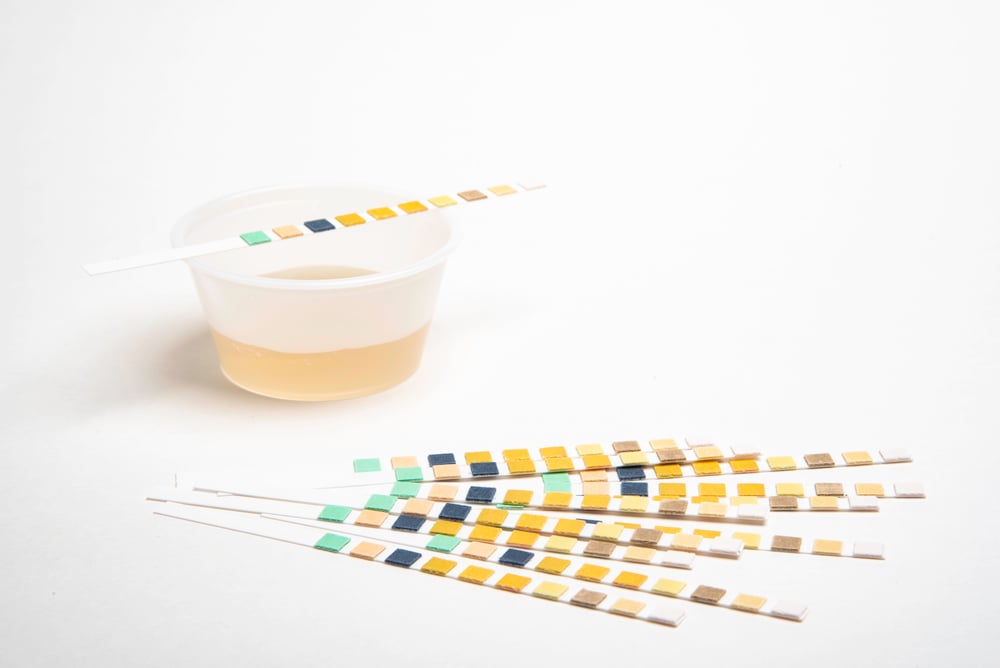
Maria Elena Grimmett developed a method to remove an antibiotic pollutant from water using specialized polymer beads. Working in her home laboratory, the teenage scientist designed an experiment that effectively filtered sulfamethazine, a common contaminant from agricultural runoff.
Her science fair project resulted in a patent and publication in a scientific journal, addressing a significant environmental concern through accessible technology.
Like Go2Tutors’s content? Follow us on MSN.
Energy-Harvesting Backpack

Angelo Casimiro created a backpack that harvested energy from walking movements to charge electronic devices. The Filipino teenager designed a system that converted kinetic energy into electrical power using piezoelectric materials in the backpack’s straps and base.
His innovative solution to portable power generation earned him recognition in international competitions and eventually led to a patent application.
Concussion Detection Helmet
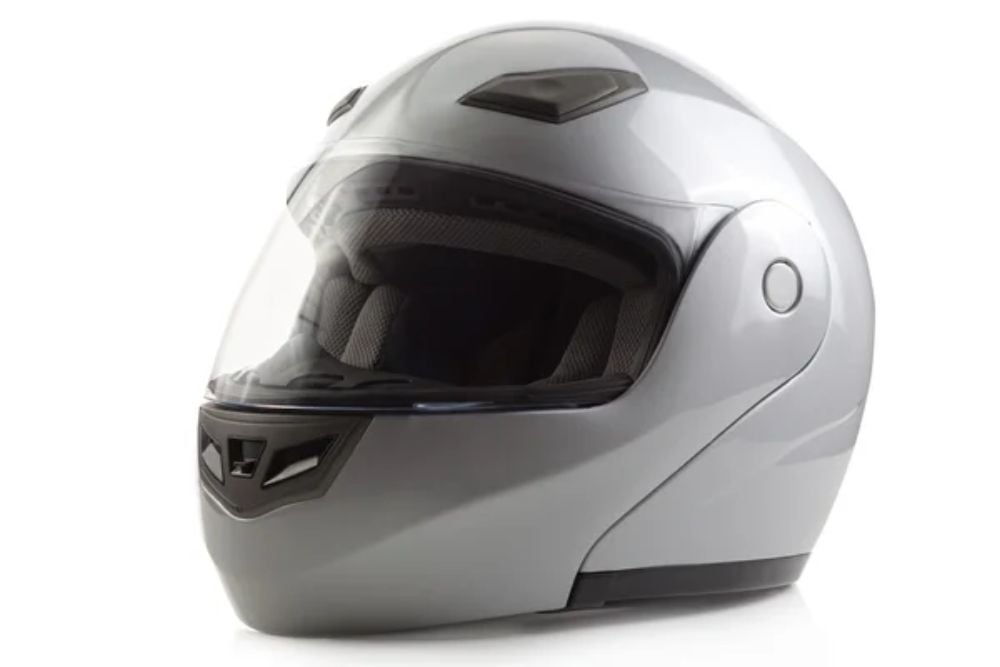
Claire Telford designed a football helmet that could detect the severity of impacts and potential concussions. The high school student incorporated acceleration sensors and wireless communication technology to immediately alert coaches and medical staff when a player experienced a dangerous hit.
Her science fair project addressed a critical health concern in sports and developed into a patented safety device that could prevent serious injuries.
Sustainable Battery Technology
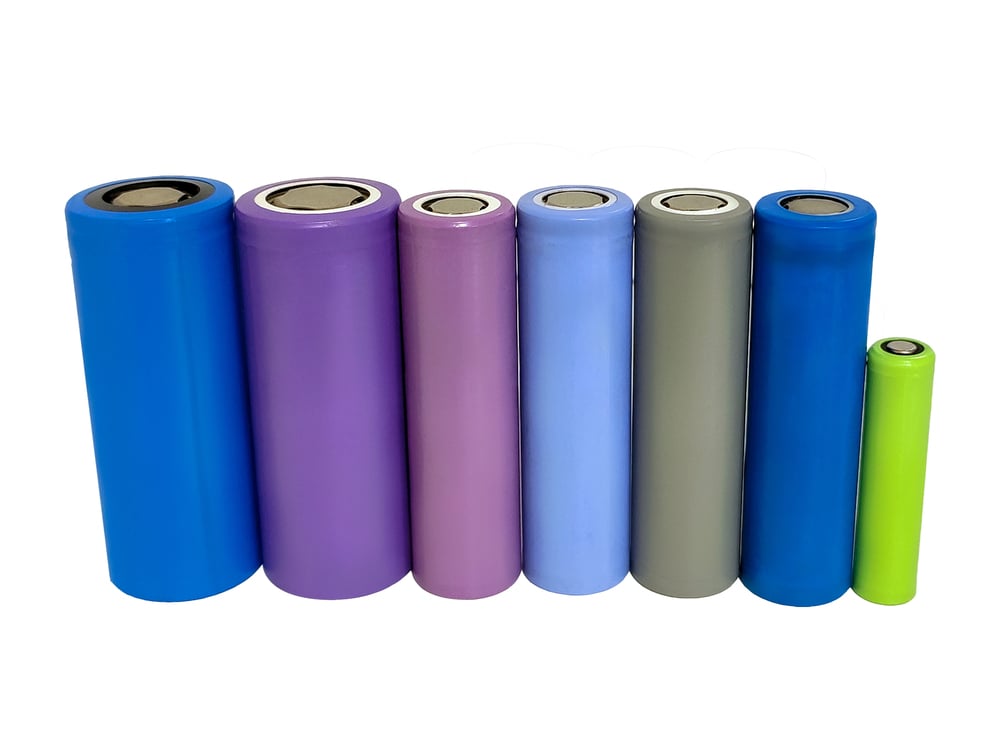
Maanasa Mendu developed an energy harvesting device inspired by trees that generated power from the sun, wind, and rain. The 13-year-old’s “HARVEST” device used piezoelectric materials and solar cells arranged in a leaf-like structure to create a renewable energy source costing just $5.
Her science fair innovation secured a patent and won the Discovery Education 3M Young Scientist Challenge, demonstrating how biomimicry can lead to affordable green technology.
Like Go2Tutors’s content? Follow us on MSN.
Medical Diagnostic App
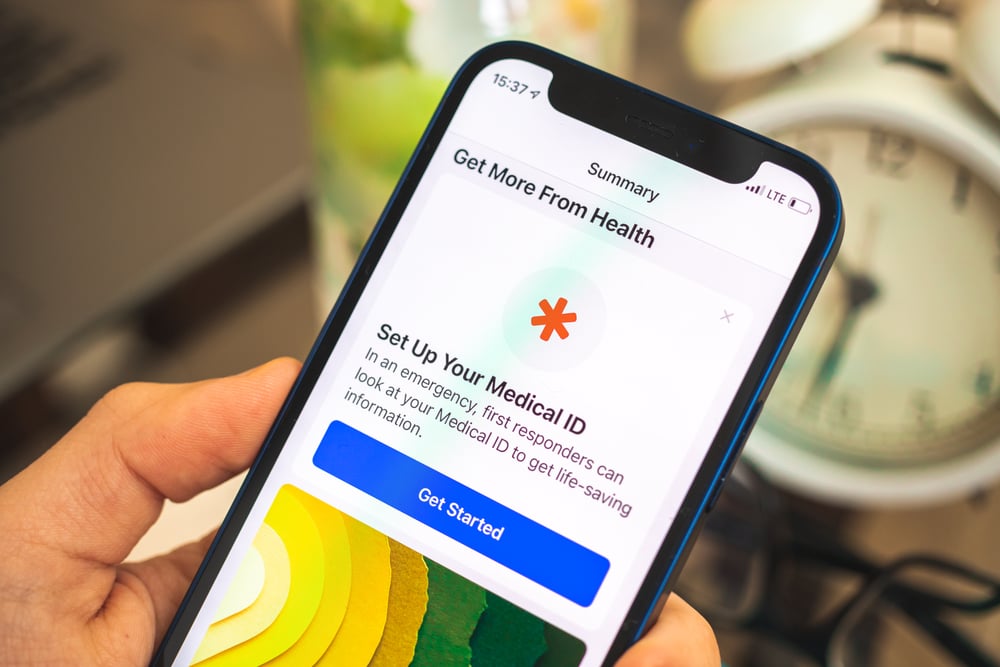
Tanay Tandon created a smartphone app that could analyze blood samples for parasitic diseases using the phone’s camera with an inexpensive attachment. The high school student’s algorithm could identify malaria parasites and other pathogens without requiring expensive laboratory equipment.
His science fair project evolved into a patented mobile diagnostic tool that could dramatically improve healthcare access in remote regions.
Improved Prosthetic Hand
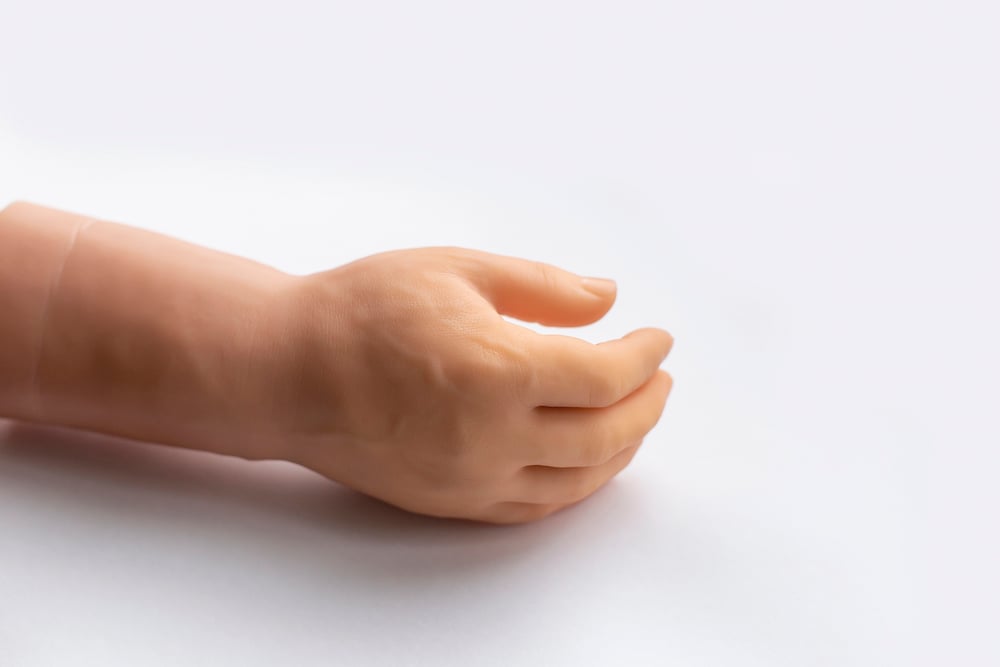
Easton LaChappelle built a robotic prosthetic hand controlled by brainwaves when he was just 14. Using 3D printing and inexpensive electronics, he created a functional prosthetic that cost a fraction of traditional medical options.
The Colorado teen’s science fair project developed into multiple patents and a company that manufactures affordable prosthetics, making life-changing technology accessible to those who couldn’t previously afford it.
Agricultural Drone System
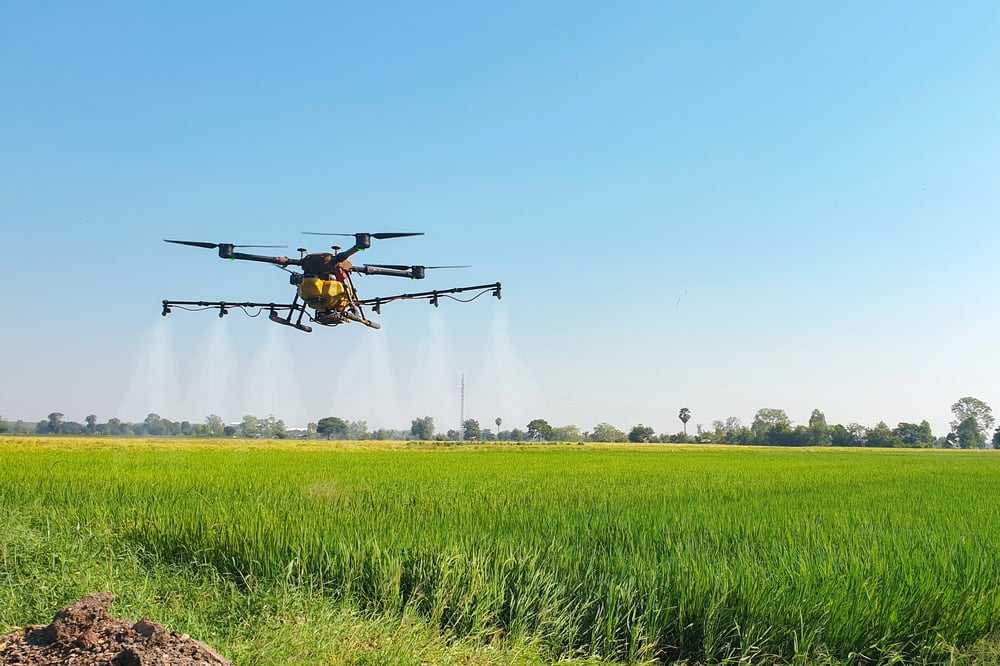
Hannah Herbst developed a probe that harvested energy from ocean currents to power water purification and other critical systems. Inspired by her pen pal from Ethiopia who faced energy shortages, the 15-year-old created an inexpensive device using recycled materials and simple components.
Her science fair project led to a patent and recognition as America’s Top Young Scientist, offering a sustainable solution for coastal communities worldwide.
Like Go2Tutors’s content? Follow us on MSN.
Biodegradable Algae Solar Cells
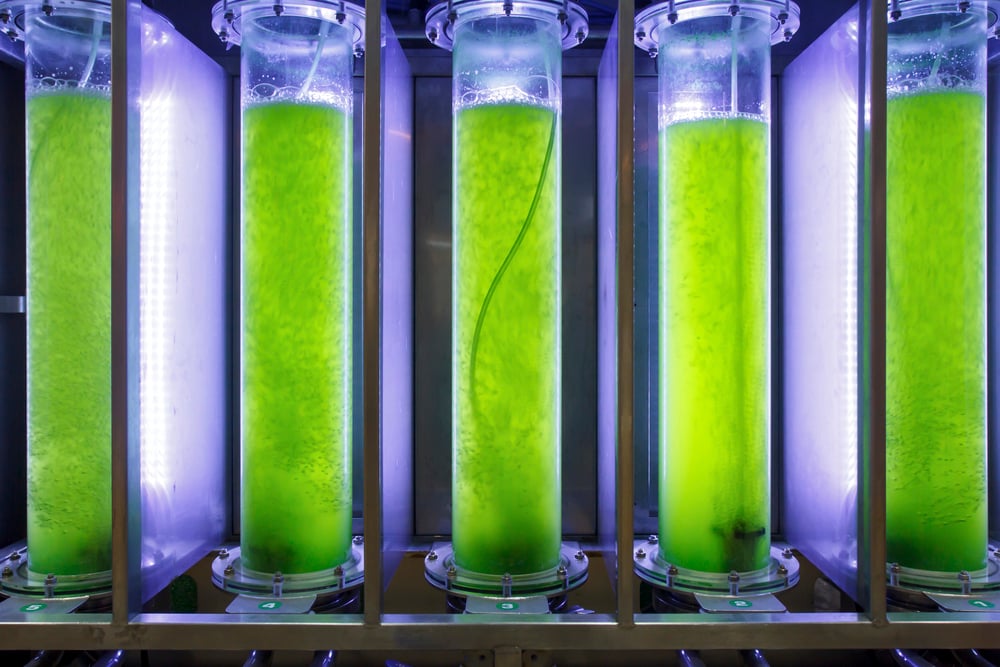
Brielle Rassler created biodegradable solar cells using algae as a photosynthetic material. The teenage scientist developed a method to harness electrons produced during photosynthesis, embedding the algae in a conductive material to generate electricity.
Her innovative approach to renewable energy received recognition at international science fairs before she secured a patent, pointing toward more sustainable alternatives to traditional solar panels.
Smart Bandage With Infection Detection

Anushka Naiknaware designed a smart bandage that monitored wound moisture levels and alerted caregivers when dressings needed changing. At just 13, she developed a printed carbon circuit and incorporated moisture sensors into a bandage prototype.
Her science fair project won the Google Science Fair LEGO Education Builder Award and led to a patent, creating a simple solution for chronic wound care that could prevent serious complications.
Digital Stethoscope Diagnostic System

Raymond Wang created an advanced air circulation system for aircraft cabins that dramatically reduced disease transmission during flights. The 17-year-old’s invention used small fins to redirect airflow, improving fresh air delivery by more than 100% while decreasing pathogen concentration by up to 55%.
His science fair project secured multiple patents and won the Intel International Science and Engineering Fair grand prize, offering a relatively simple solution to a global public health concern.
Like Go2Tutors’s content? Follow us on MSN.
From Classroom to Marketplace

These young inventors remind us that innovation doesn’t require advanced degrees or corporate research facilities—just curiosity, determination, and creative problem-solving. Their achievements demonstrate that science education goes beyond textbooks and classrooms, preparing students to tackle real-world challenges with practical solutions.
Most importantly, these success stories inspire other young minds to see their science fair projects not just as school assignments, but as potential launchpads for world-changing innovations.
More from Go2Tutors!

- 16 Restaurant Chains That Went Too Fast
- 12 Things Sold in the 80s That Are Now Illegal
- 15 Strange Things People Have Tried to Ban (And Failed)
- 16 Collectibles People Tossed Out Too Soon
- 17 Myths from Your Childhood That Were Actually Based on Real Things
Like Go2Tutors’s content? Follow us on MSN.