17 Memorial Day Facts Most Americans Forget
Memorial Day has evolved from a solemn day of remembrance into the unofficial start of summer, complete with barbecues, beach trips, and mattress sales. While there’s nothing wrong with enjoying the long weekend, the holiday’s deeper meaning and fascinating history often get lost in the shuffle of vacation planning.
Many Americans know it honors fallen soldiers, but the full story behind this important day contains surprising twists, forgotten traditions, and meaningful details that make the holiday far more complex than most people realize. Here is a list of 17 Memorial Day facts that most Americans have forgotten or never learned in the first place.
It Started as Decoration Day
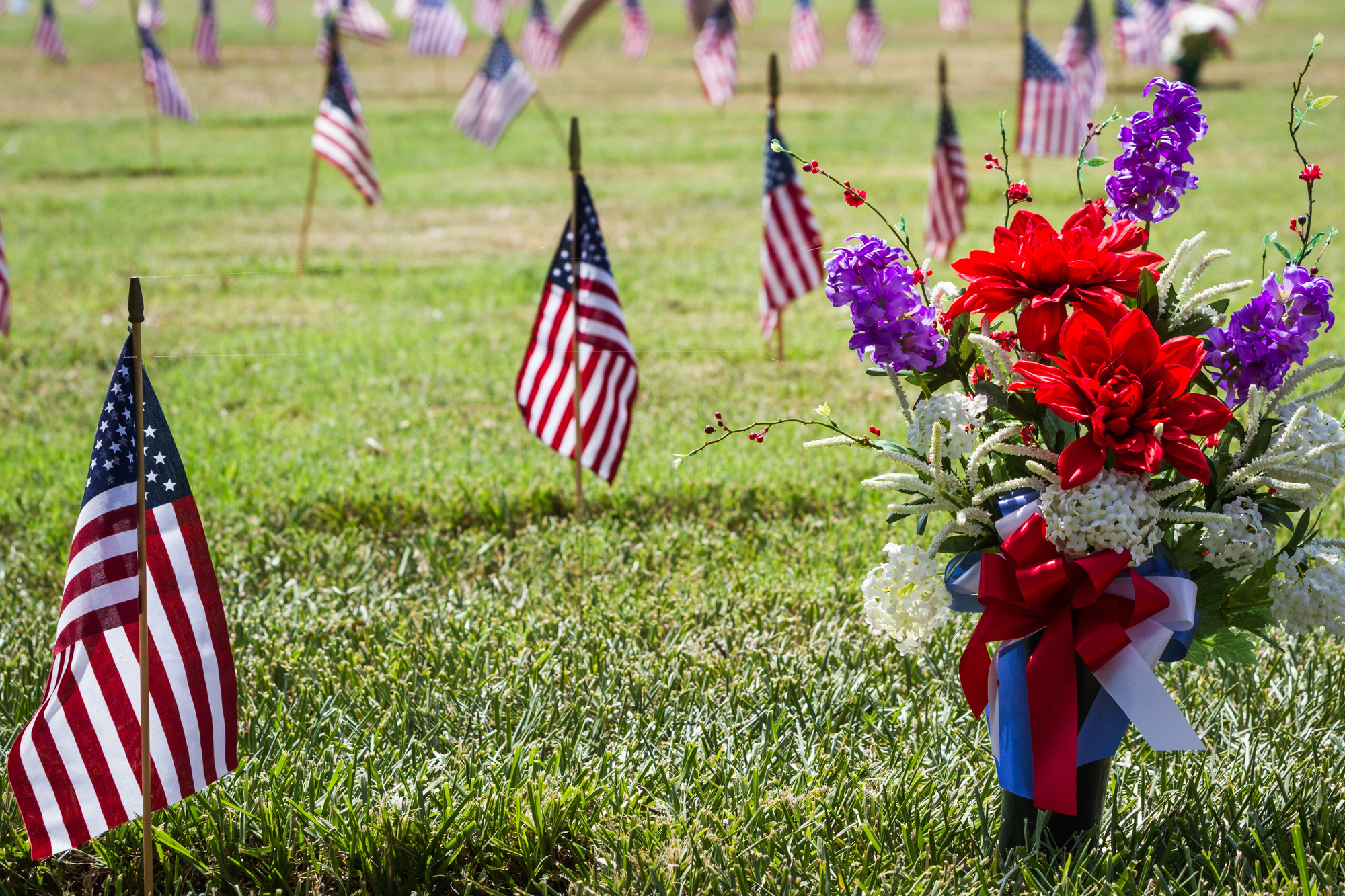
The holiday originally went by the name Decoration Day because people decorated the graves of Civil War soldiers with flowers and flags. The practice began spontaneously in various communities across the country as grieving families sought ways to honor their lost loved ones.
General John Logan officially proclaimed May 30, 1868, as the first national Decoration Day, choosing that date because flowers would be blooming nationwide. The name Memorial Day didn’t become widely used until after World War II, and it wasn’t officially adopted until 1967.
Freed Slaves May Have Started the Tradition
One of the earliest recorded Memorial Day ceremonies took place in Charleston, South Carolina, on May 1, 1865, organized by freed slaves and black schoolchildren. They gathered at a former Confederate prison camp where Union soldiers had died and been buried in unmarked graves.
The organizers reburied the soldiers properly, built a fence around the cemetery, and held a ceremony with flowers, hymns, and speeches. This gathering happened three years before the official establishment of Decoration Day, suggesting that the holiday’s roots run deeper than most history books acknowledge.
Like Go2Tutors’s content? Follow us on MSN.
The Three O’Clock Moment of Remembrance

The National Moment of Remembrance asks all Americans to pause at 3:00 PM local time on Memorial Day for one minute of silence. This tradition was established in 2000 to help restore the original meaning of the holiday and encourage people to remember the sacrifice behind the long weekend.
The time was chosen because many Memorial Day parades and ceremonies conclude around that hour, making it a natural transition from active remembrance to quiet reflection. Despite being an official observance, most Americans remain unaware of this simple yet powerful tradition.
It Used to Be May 30th Every Year
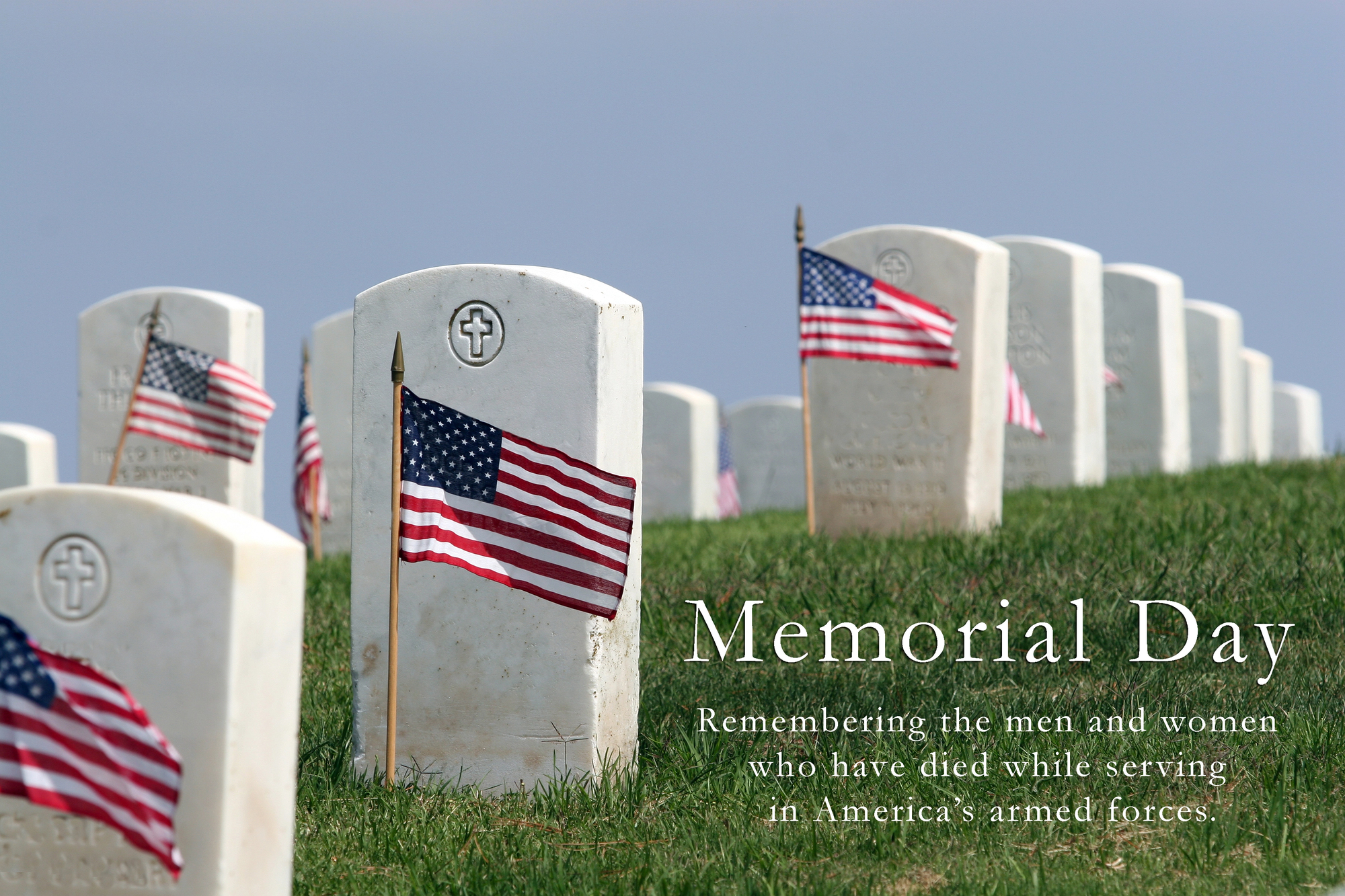
Memorial Day was always observed on May 30th from 1868 until 1971, regardless of what day of the week it fell on. The Uniform Monday Holiday Act changed Memorial Day to the last Monday in May, creating the three-day weekend that many Americans now associate with the holiday.
Veterans groups strongly opposed this change, arguing that it transformed a day of remembrance into just another excuse for a long weekend. The date change also means that Memorial Day can now fall anywhere from May 25th to May 31st, losing the historical significance of the original May 30th date.
Red Poppies Have Special Meaning
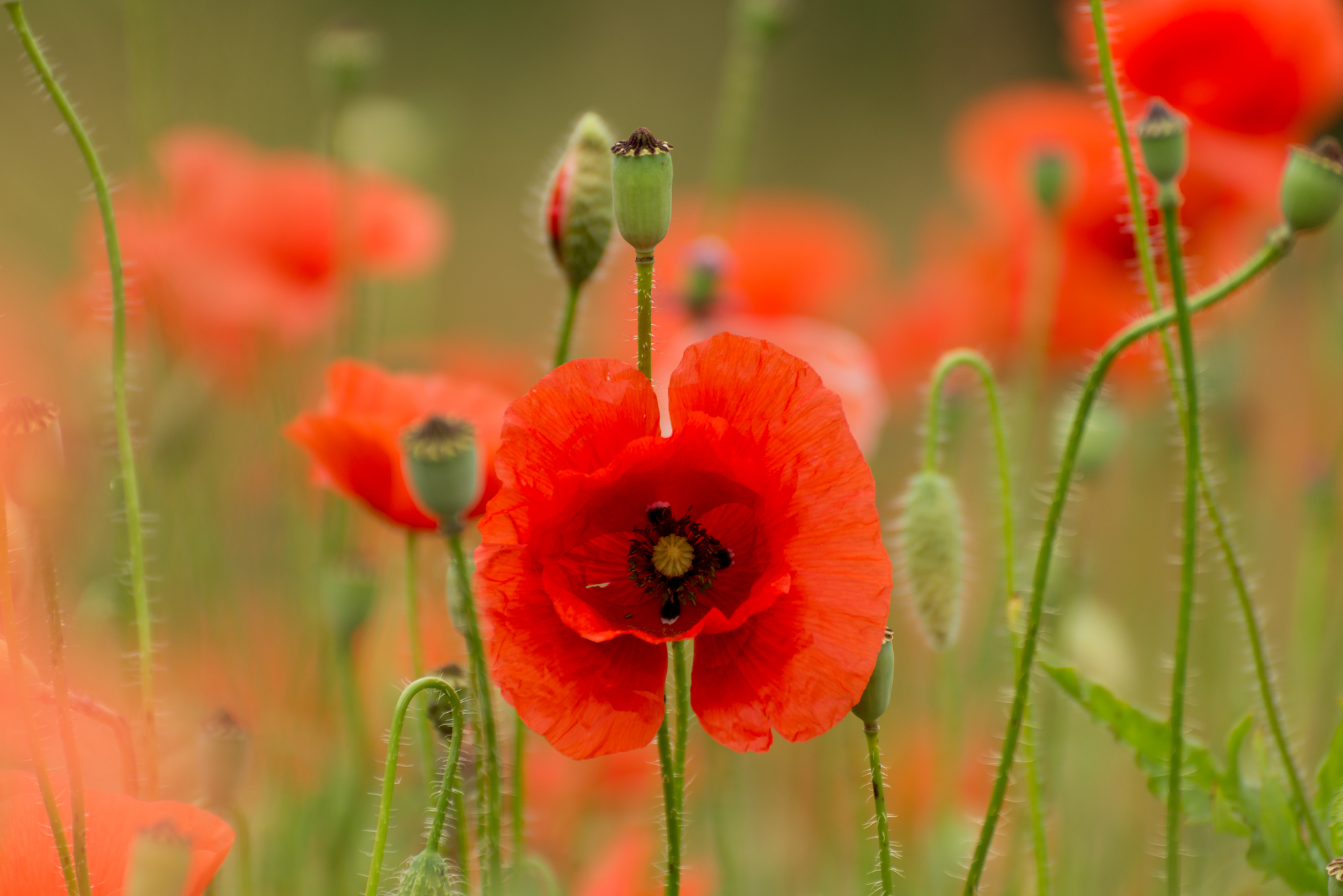
The tradition of wearing red poppies on Memorial Day comes from the famous World War I poem ‘In Flanders Fields’ by Lieutenant Colonel John McCrae. The poem describes how poppies grew over the graves of fallen soldiers in Belgian battlefields, turning the flowers into a symbol of sacrifice and remembrance.
The Veterans of Foreign Wars has distributed millions of artificial poppies since 1922, with donations supporting disabled veterans and their families. Many Americans see the red flowers but don’t understand their connection to the blood-soaked fields where soldiers gave their lives.
Like Go2Tutors’s content? Follow us on MSN.
The South Initially Refused to Participate
Southern states largely ignored the early Decoration Day observances because they honored only Union soldiers who had died in the Civil War. Instead, many Southern communities held their own separate memorial days on different dates to honor the Confederate dead.
It wasn’t until after World War I, when the holiday expanded to honor all American war dead rather than just Civil War casualties, that Memorial Day became truly national. This evolution from a divisive commemoration to a unifying tradition reflects how the country gradually healed from the Civil War’s deep wounds.
Arlington Cemetery’s Special Connection
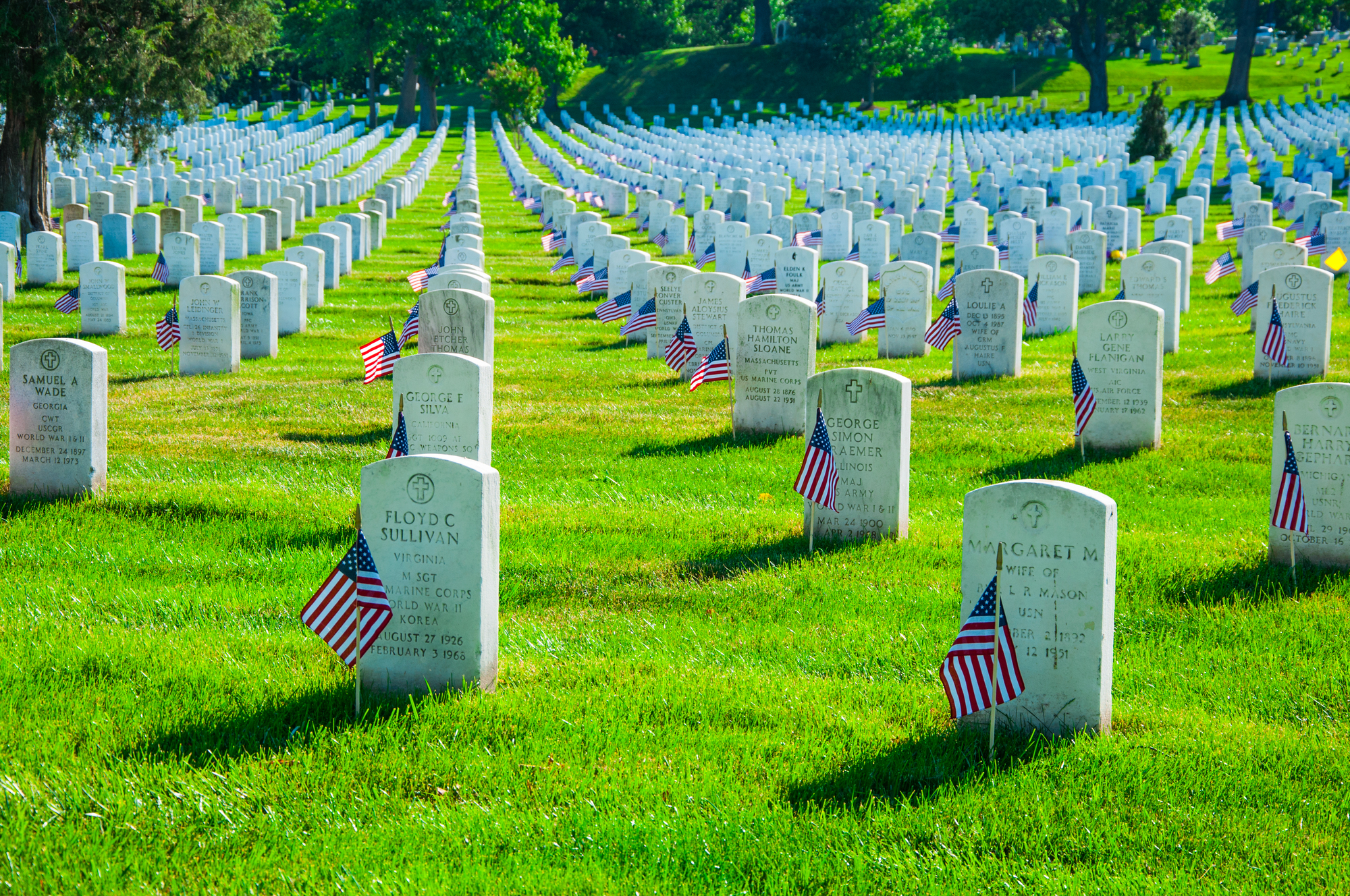
Arlington National Cemetery, the most famous Memorial Day destination, was actually built on land that once belonged to Confederate General Robert E. Lee. The federal government seized the property during the Civil War and deliberately turned it into a military cemetery, ensuring that Lee could never return to his family home.
The first soldier buried there was Private William Christman on May 13, 1864, and the cemetery now contains over 400,000 graves. The Tomb of the Unknown Soldier at Arlington has been guarded continuously since 1937, including during hurricanes and blizzards.
Indianapolis 500 Always Runs on Memorial Day Weekend
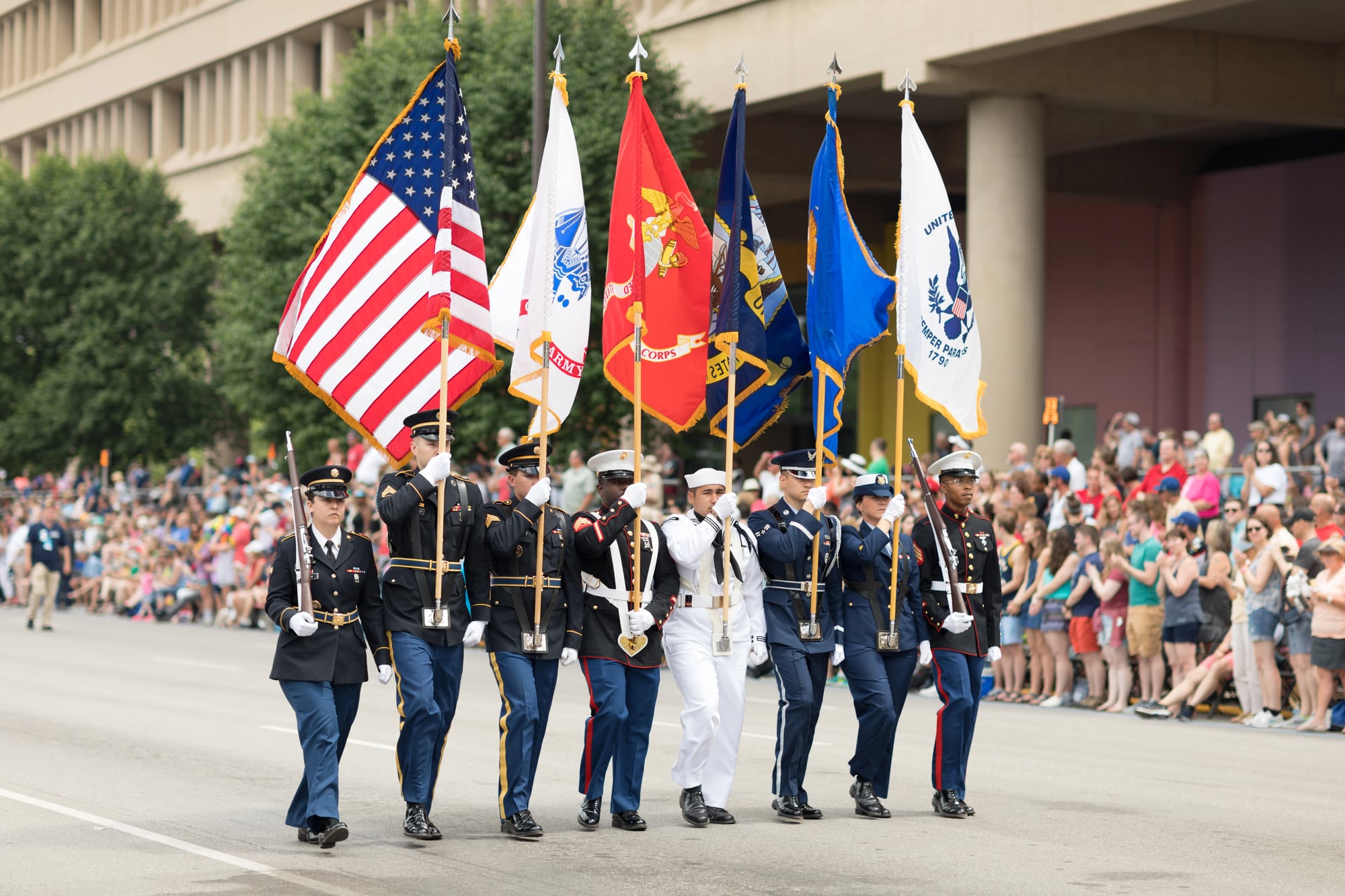
The Indianapolis 500 has been held on Memorial Day weekend since 1911, making it one of the longest-running Memorial Day traditions in America. The race actually predates the modern three-day weekend by sixty years and originally ran on May 30th when that was the fixed date for the holiday.
The race includes several patriotic traditions, including a moment of silence for fallen soldiers and the singing of ‘Taps’ before the national anthem. Many racing fans don’t realize that their favorite sporting event is intrinsically linked to honoring military sacrifice.
Like Go2Tutors’s content? Follow us on MSN.
President Lincoln’s Gettysburg Address Inspired the Holiday
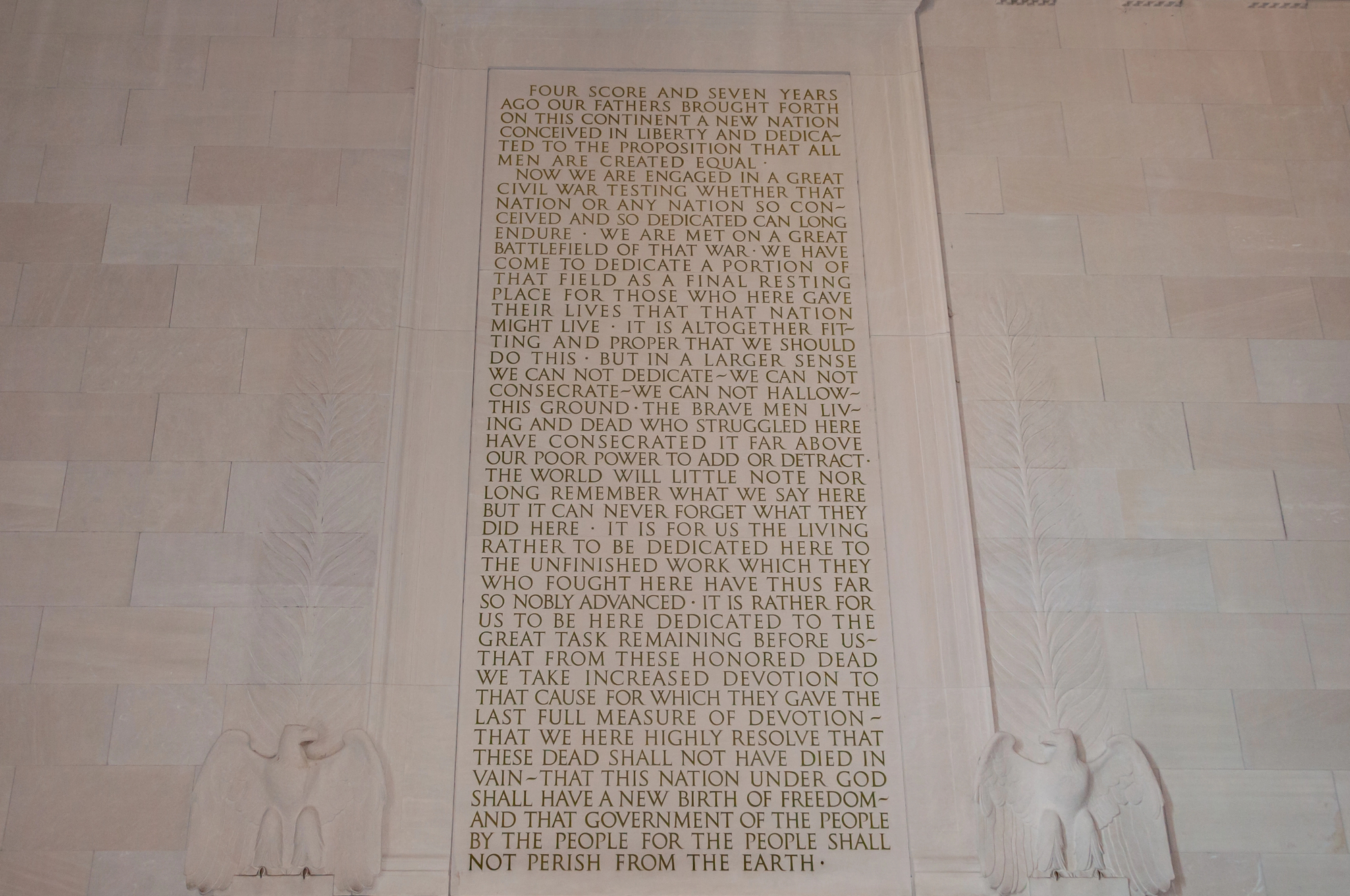
While Abraham Lincoln’s famous Gettysburg Address was delivered in November 1863, its themes directly influenced the creation of Memorial Day five years later. Lincoln’s call to ensure ‘that these dead shall not have died in vain’ became the philosophical foundation for the national day of remembrance.
General Logan quoted Lincoln’s words when establishing Decoration Day, emphasizing that honoring the fallen required more than just remembering their sacrifice. The speech’s enduring power helped transform a spontaneous outpouring of grief into an organized national tradition.
Hawaii Observes a Unique Version
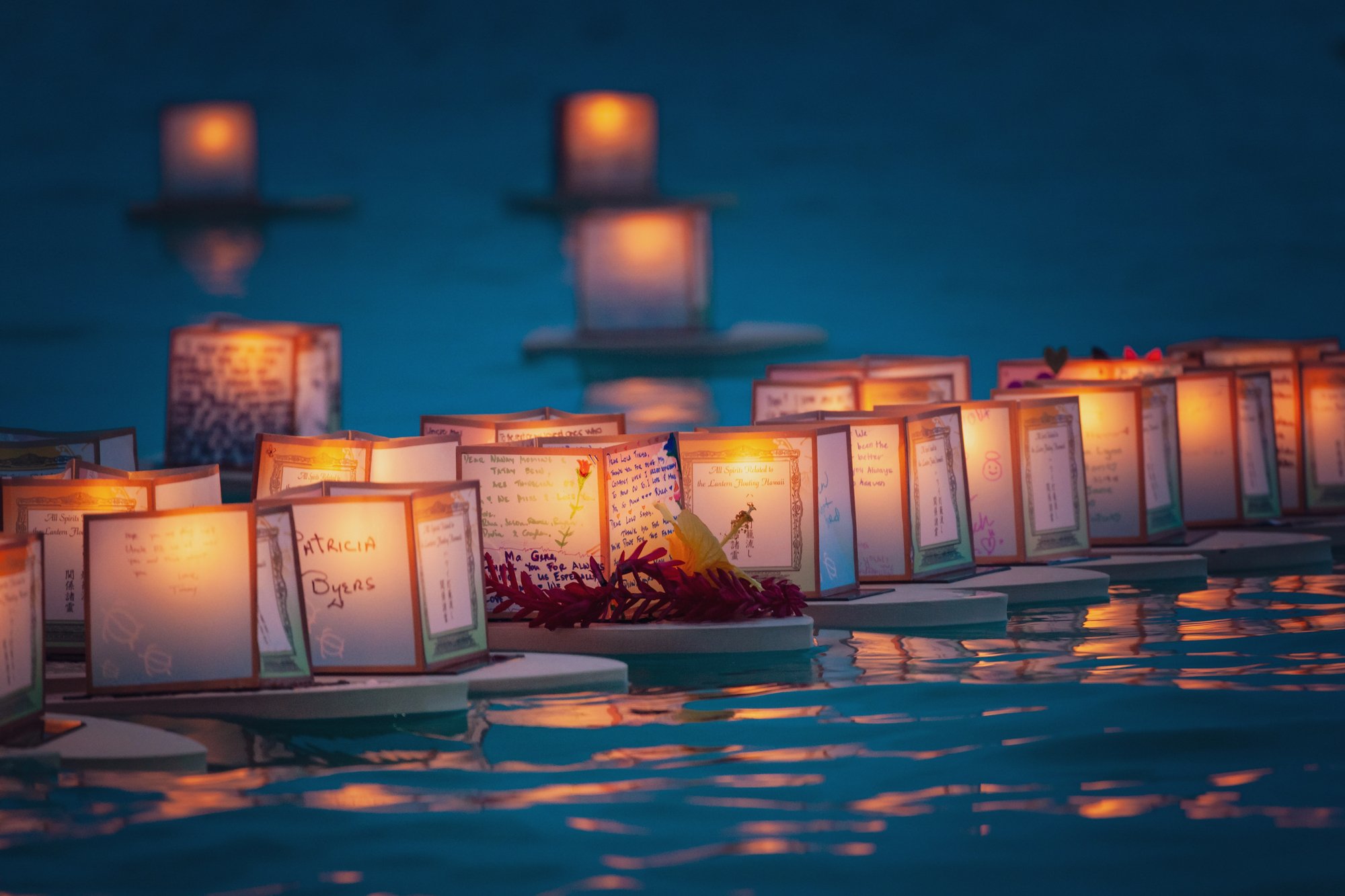
Hawaii celebrates Memorial Day but also maintains its own Memorial Day traditions that predate statehood. Native Hawaiian communities have long honored warriors who died defending their islands, and these practices merged with American Memorial Day observances after Hawaii became a state.
The result is a unique blend of military remembrance and indigenous cultural traditions, including lei-making ceremonies and traditional Hawaiian prayers. This fusion shows how Memorial Day can adapt to local customs while maintaining its core meaning of honoring those who died in service.
The Holiday Nearly Disappeared During World War II
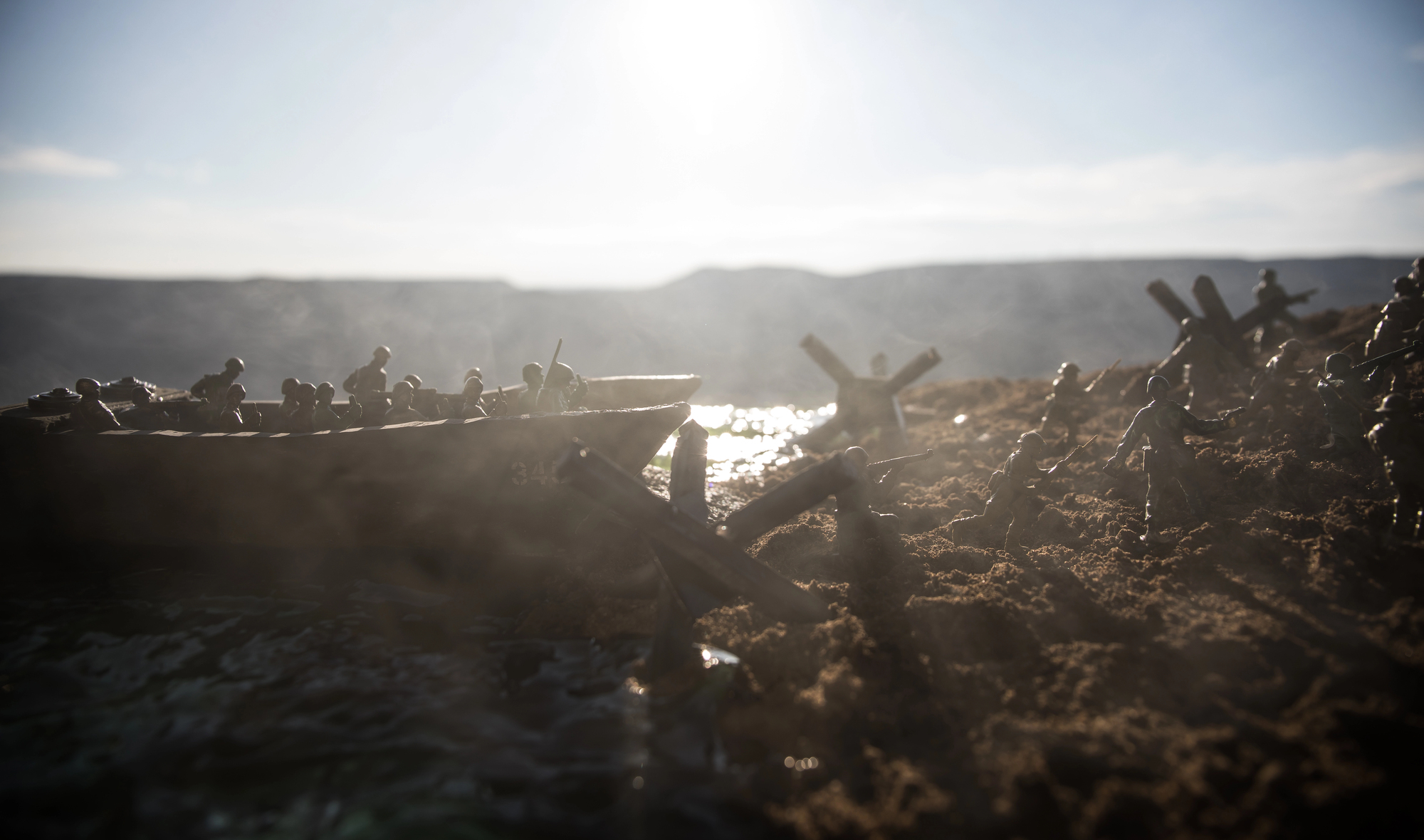
Memorial Day observances were severely curtailed during World War II due to rationing, travel restrictions, and the fact that many communities were dealing with fresh grief from ongoing losses. The government worried that large memorial gatherings might harm morale or provide targets for sabotage, leading to smaller, more private observances.
Ironically, this period when Memorial Day was least celebrated was also when the most Americans were dying in military service overseas. The holiday’s post-war revival included the newly fallen from the global conflict, dramatically expanding its scope and meaning.
Like Go2Tutors’s content? Follow us on MSN.
Sports Teams Often Wear Special Uniforms
Many professional sports teams wear special Memorial Day uniforms or patches to honor fallen service members, though casual fans often miss the significance of these details. Major League Baseball players frequently wear camouflage caps or special patches during Memorial Day games, with proceeds from sales supporting veteran organizations.
The NBA and NHL also incorporate Memorial Day themes into their playoff games when they coincide with the holiday weekend. These gestures connect America’s favorite pastimes with its most solemn day of remembrance, though the connection often goes unnoticed by spectators focused on the game.
The National Mall Fills with American Flags
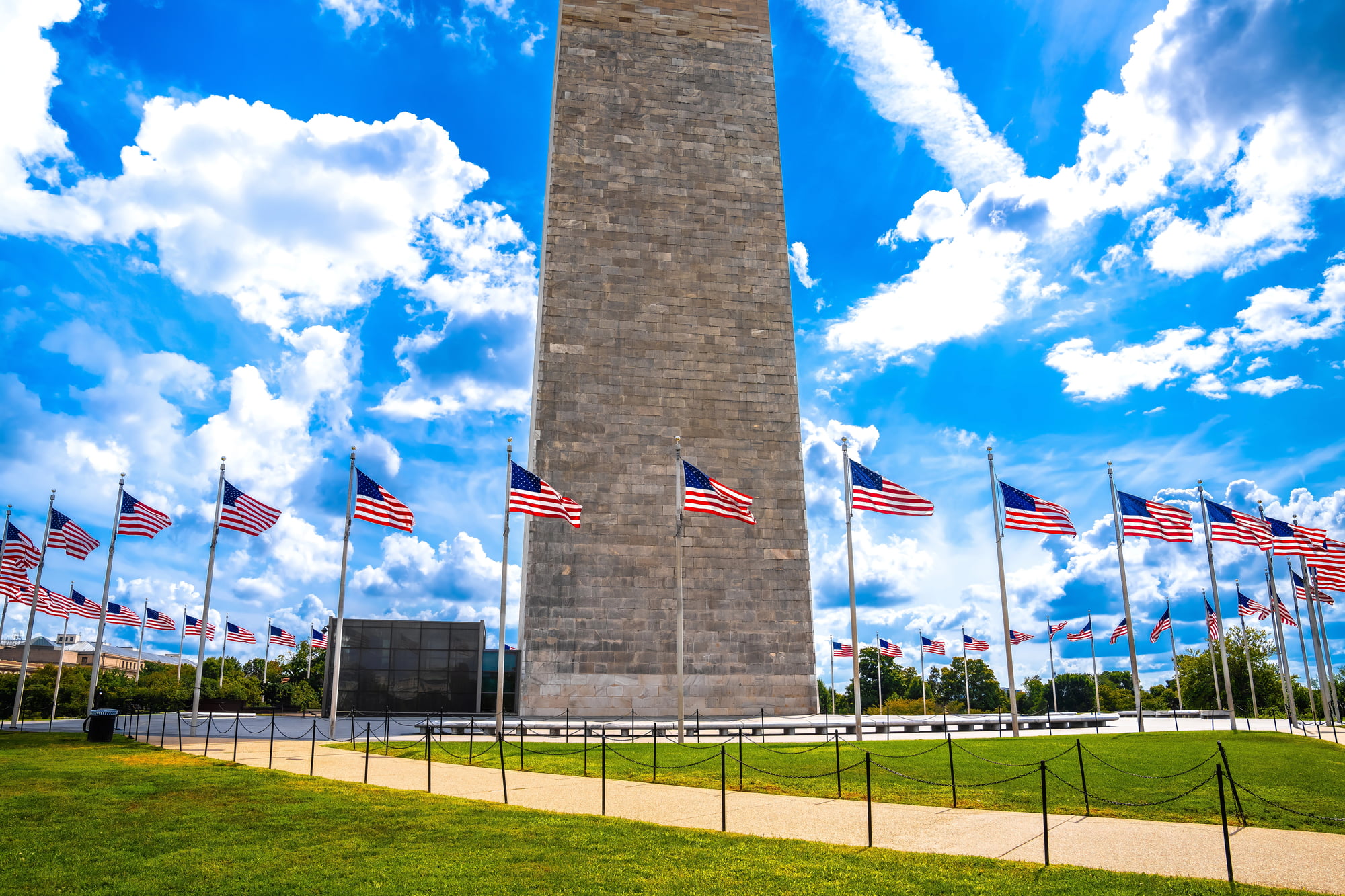
Every Memorial Day weekend, thousands of American flags are placed on the National Mall in Washington, D.C., creating a stunning visual display that few tourists understand. Each flag represents multiple fallen service members, and the display serves as a powerful reminder of the human cost of military service.
The flags are arranged in precise rows and remain up for several days, allowing visitors to walk among them and contemplate the scale of American military sacrifice. Many people photograph the impressive sight without realizing they’re documenting a memorial rather than just a patriotic decoration.
Gold Star Families Have a Special Role
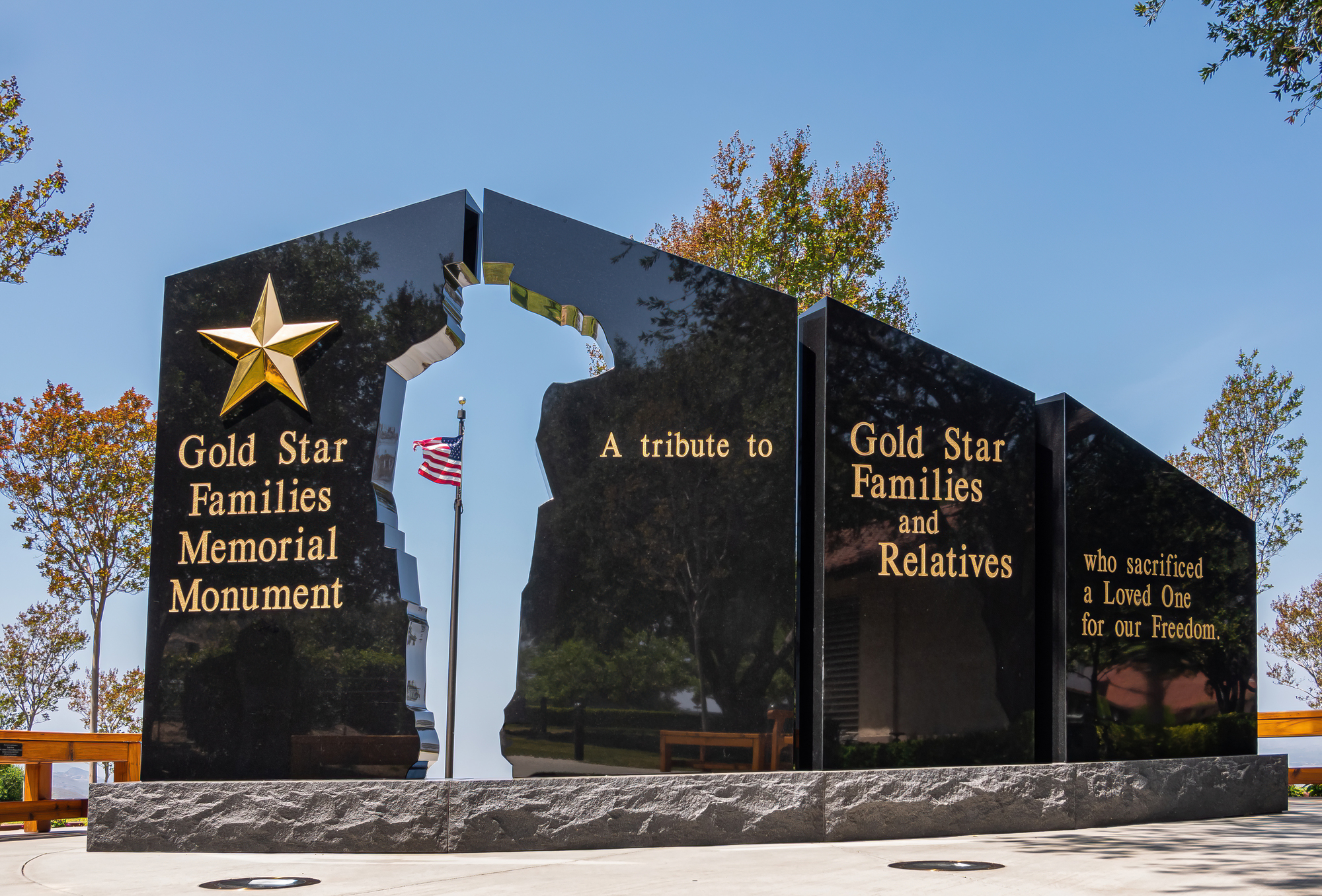
Gold Star families, who have lost immediate family members in military service, play a central role in Memorial Day observances across the country. These families often lead parades, speak at ceremonies, and participate in wreath-laying rituals at military cemeteries.
The term ‘Gold Star’ comes from the World War I tradition of families displaying service flags with stars representing family members in the military; gold stars indicated those who had died. Despite their important role in Memorial Day traditions, many Americans don’t understand the significance of Gold Star families or the profound sacrifice they represent.
Like Go2Tutors’s content? Follow us on MSN.
Confederate Memorial Days Still Exist Separately
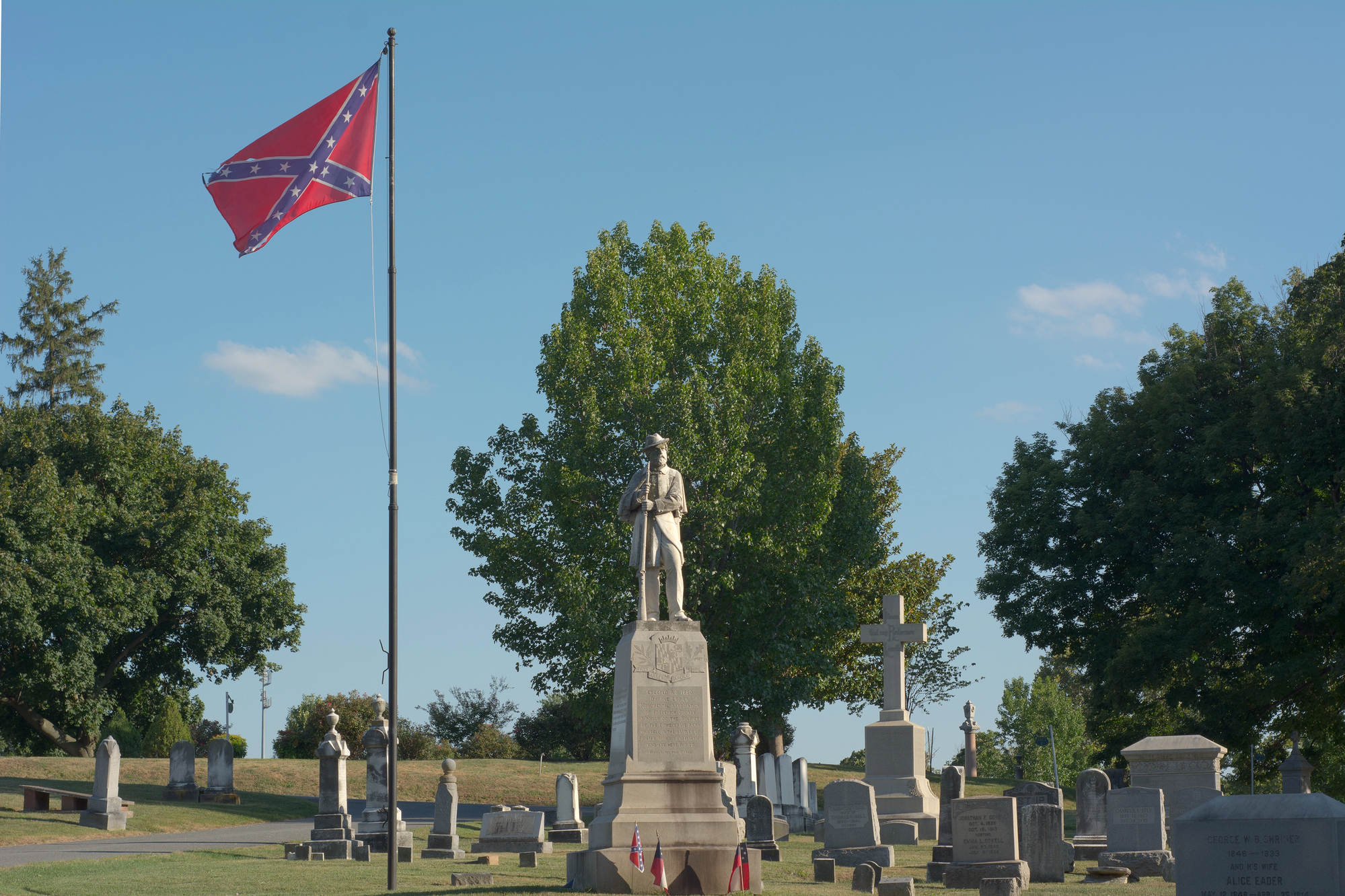
Several Southern states maintain separate Confederate Memorial Days on different dates throughout the year, distinct from the national Memorial Day. These observances honor soldiers who died fighting for the Confederacy during the Civil War, reflecting the complex legacy of that conflict in American memory.
States like Alabama, Mississippi, and South Carolina observe these separate days, often with less fanfare than the national holiday but with deep meaning for certain communities. This parallel tradition highlights how Memorial Day’s evolution from a Civil War commemoration to a broader observance didn’t completely heal all historical divisions.
Motorcycle Rallies Honor Fallen Veterans
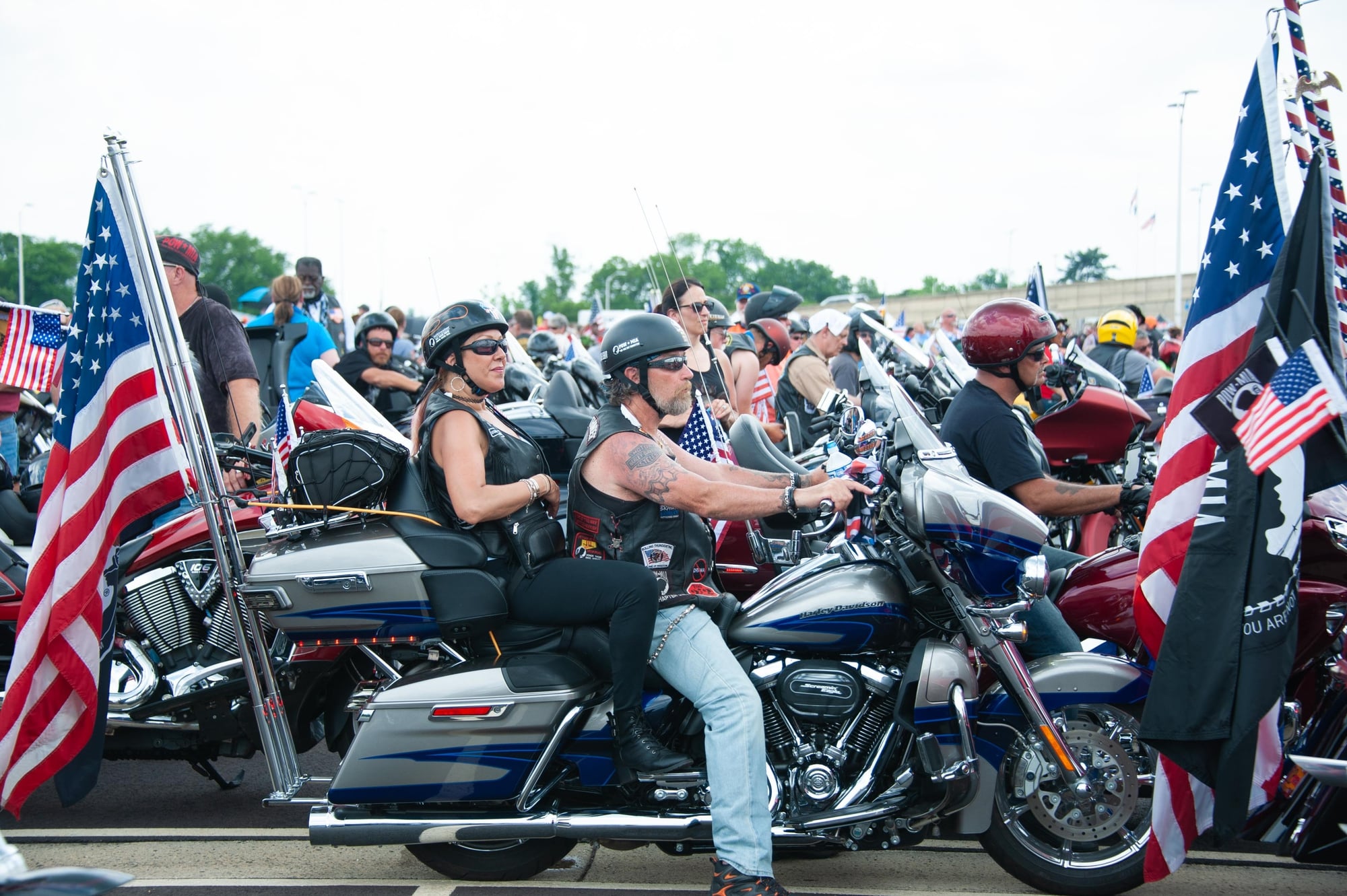
Rolling Thunder and similar motorcycle rallies have become major Memorial Day traditions, with thousands of bikers converging on Washington, D.C., and other cities to honor fallen service members. These events combine the biker community’s patriotic spirit with serious remembrance, often featuring visits to military cemeteries and meetings with Gold Star families.
The distinctive sound of hundreds of motorcycles creates a powerful auditory tribute that commands attention and respect. Many people see these rallies as mere motorcycle gatherings without understanding their deep connection to honoring military sacrifice and supporting veteran causes.
The Holiday-Inspired Memorial Day Sales

The transformation of Memorial Day into a major shopping holiday represents one of the biggest changes in how Americans observe the day. Retailers now use the long weekend to launch summer sales, particularly for mattresses, cars, and outdoor equipment, often with little or no reference to the holiday’s military significance.
This commercialization bothers many veterans and military families who feel it diminishes the day’s solemn purpose. The irony is that Americans now spend Memorial Day buying things rather than reflecting on the ultimate price that others paid for their freedom to enjoy such prosperity.
Like Go2Tutors’s content? Follow us on MSN.
Remembering What We’ve Forgotten
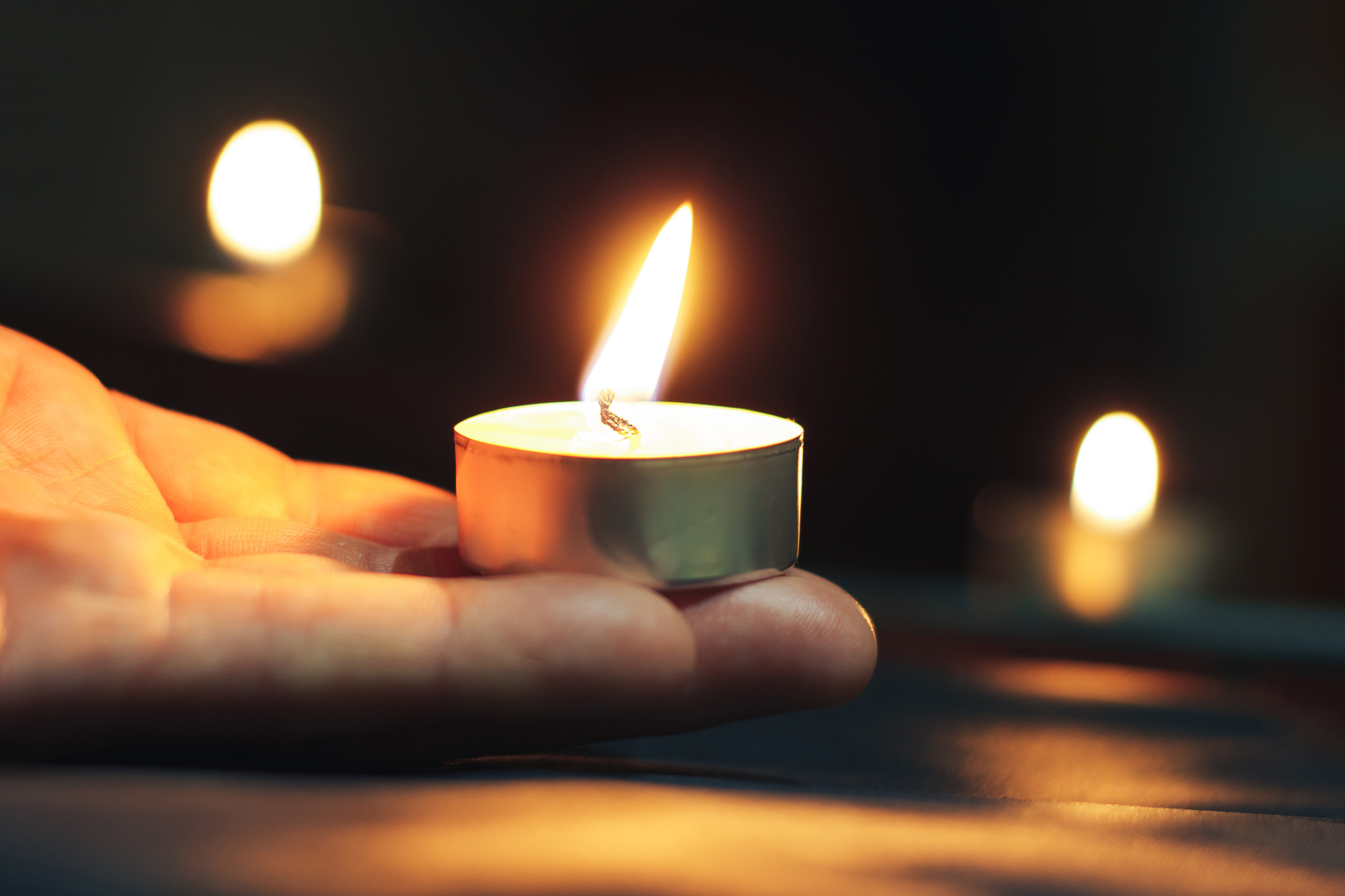
These forgotten facts reveal how Memorial Day has traveled far from its origins as a simple day for decorating graves with flowers. The holiday now carries the weight of every American military conflict, from the Civil War through current overseas operations, while simultaneously serving as the unofficial start of summer fun.
Understanding these deeper layers doesn’t require abandoning barbecues or beach trips but rather remembering that the freedom to enjoy such simple pleasures came at an extraordinary cost. Perhaps the most important forgotten fact is that Memorial Day asks nothing more of us than to pause and remember, even if just for a moment, those who never made it home.
More from Go2Tutors!

- 18 Unexpectedly Valuable Collectibles You Might Have Lying Around
- 20 Little-Known Historical Battles That Had Huge Consequences
- 20 Historical Artifacts That Scientists Can’t Explain
- 15 Inventions That Were Immediately Banned After Being Created
- 20 Actors Who Were Almost Cast in Iconic Roles
Like Go2Tutors’s content? Follow us on MSN.