15 Library Experiences Before Google Existed
Libraries functioned as the original search engines, complete with human help desks and card catalogs that demanded genuine detective work. Before the internet transformed research into a matter of seconds, locating information meant embarking on treasure hunts through towering shelves, deciphering cryptic filing systems, and mastering the art of asking librarians precisely the right questions.
These temples of knowledge offered experiences that shaped entire generations of learners, researchers, and curious minds who’d spend hours pursuing a single fact. The pre-digital library was a world unto itself — filled with rituals and discoveries that simply don’t exist anymore.
Here is a list of 15 library experiences that defined research and learning before Google changed everything.
Card Catalogs
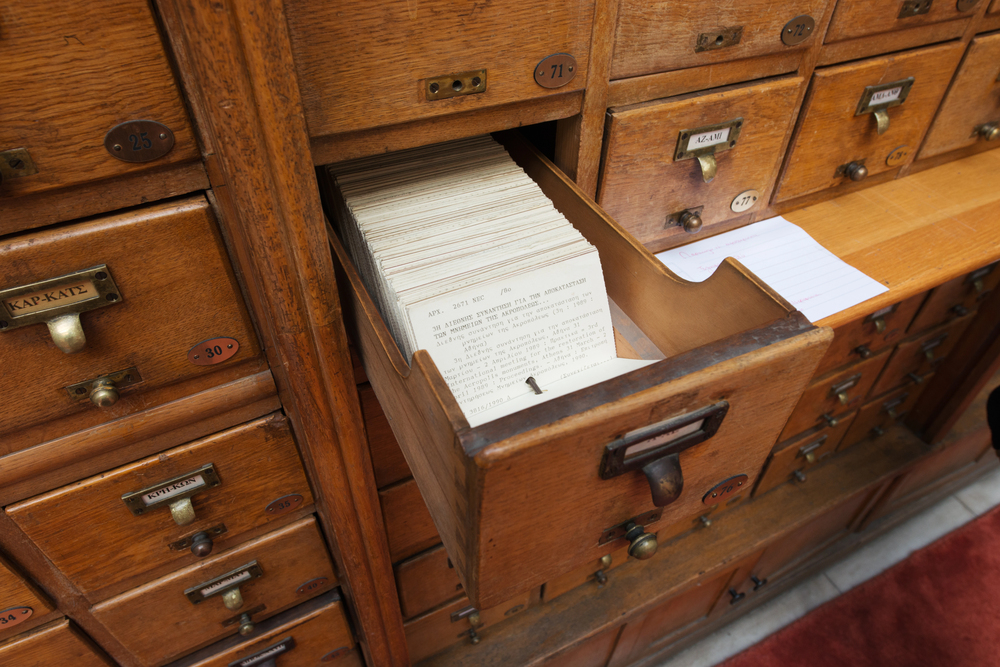
The card catalog resembled a massive wooden filing cabinet that held the keys to every book in the library. Each drawer contained hundreds of index cards, meticulously organized by author, title, and subject — complete with call numbers that would lead you to your literary destination.
Mastering the Dewey Decimal System became a rite of passage, though you’d often find yourself flipping through dozens of cards just to locate one specific book. Someone had inevitably misfiled the exact card you needed.
Microfiche Machines
These contraptions looked like something from a science lab, complete with screens and hand cranks that let you scroll through thousands of pages of newspapers and magazines stored on tiny film strips. The experience resembled detective work — examining evidence under a magnifying glass while squinting at grainy text and manually advancing frame by frame.
Finding the right article often meant spending an hour cranking through months of publications. The machines had a maddening tendency to jam at the worst possible moments.
Like Go2Tutors’s content? Follow us on MSN.
Reserve Desk Drama
The reserve desk was where professors placed their most coveted materials — creating a library economy based on scarcity and timing. Students would camp out waiting for their turn with the single copy of a crucial textbook chapter, while reserve items came with strict time limits that librarians enforced like parking meters.
Missing your pickup window meant losing your place in line to someone who’d been hovering nearby, ready to pounce on your misfortune.
Interlibrary Loan Adventures
When your local library didn’t have what you needed, interlibrary loans became your lifeline to the wider world of knowledge. The process involved filling out forms — then waiting weeks for materials to arrive from distant libraries while hoping the book would show up before your assignment was due.
Sometimes you’d receive books from universities hundreds of miles away. Each one felt like a special delivery from another academic universe entirely.
Encyclopedias as Gold Mines
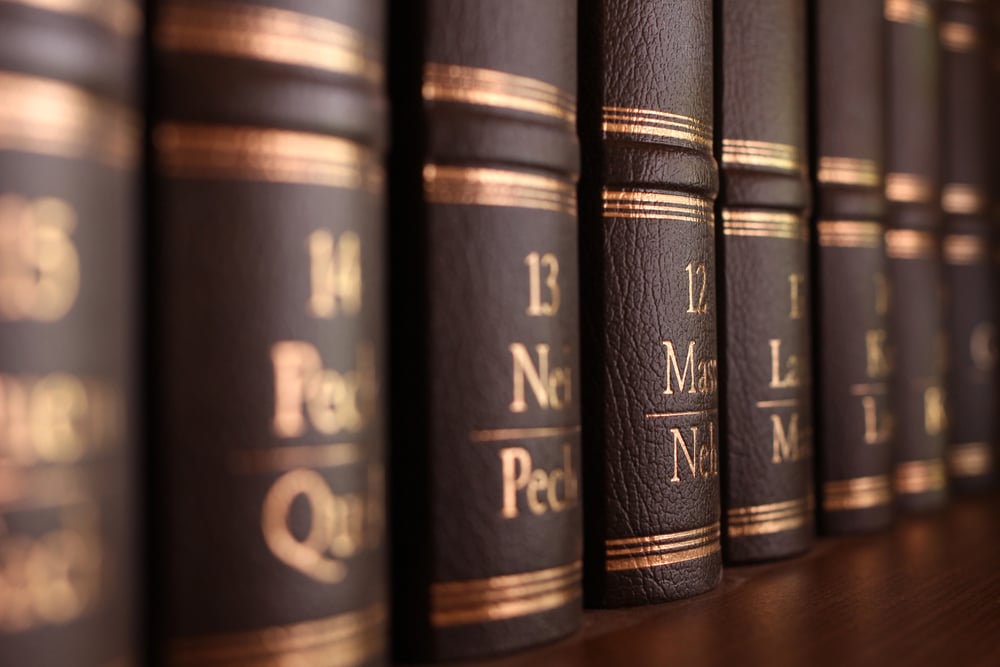
Multi-volume encyclopedia sets were the Google of their day — offering authoritative answers on virtually any topic you could imagine. Britannica and World Book were household names, though libraries housed multiple sets to handle the demand from students working on reports.
The real challenge was finding the right volume, then navigating the cross-references that would send you bouncing between different books like following hyperlinks in print form.
Like Go2Tutors’s content? Follow us on MSN.
Photocopying Pilgrimages

Making copies was an expedition that required quarters, patience — and often mechanical troubleshooting skills that weren’t part of any curriculum. Copy machines were temperamental beasts that would jam, eat your money, or produce copies so dark they looked like abstract art.
You’d stand in line behind other researchers, all clutching stacks of books while hoping the machine wouldn’t break down before your turn arrived.
Silent Study Halls
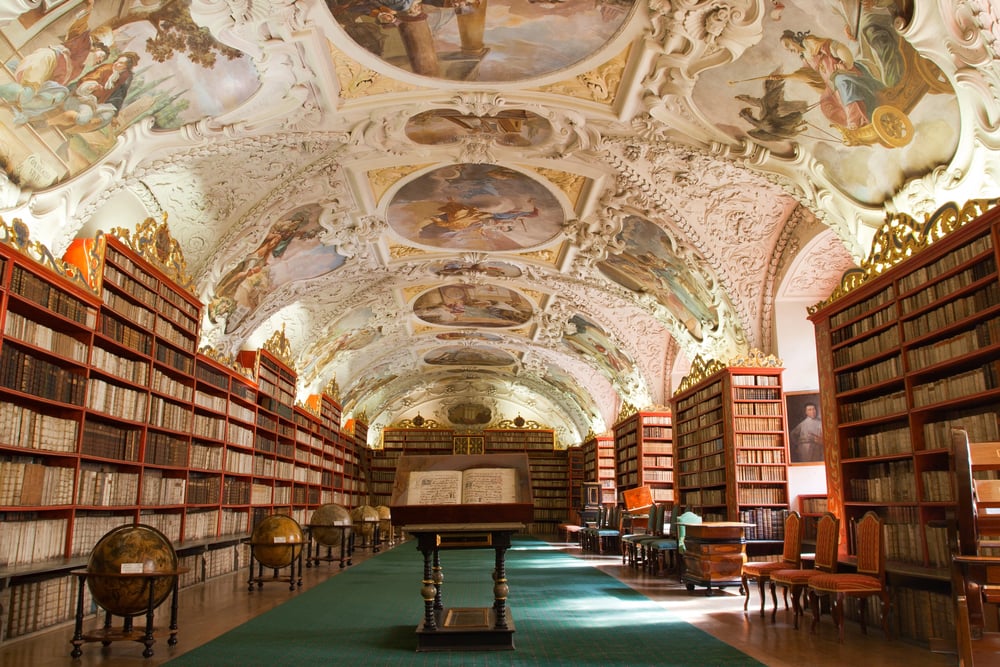
Libraries enforced silence with the dedication of monastery keepers — creating spaces where the loudest sound was the turning of pages. Librarians possessed supernatural hearing that could detect whispers from across the building, while their ‘shushing’ skills became the stuff of legend.
The quiet was so profound that dropping a pen felt like a major disruption. Everyone became masters of non-verbal communication through gestures and meaningful looks.
Physical Reference Interviews

Getting help meant actually talking to librarians face-to-face — describing your research needs while they asked follow-up questions to narrow down your search. These conversations resembled consulting sessions with information therapists who could decode vague assignment requirements.
They’d point you toward resources you never knew existed, though a skilled reference librarian could save you hours of wandering through the stacks.
Like Go2Tutors’s content? Follow us on MSN.
Handwritten Research Notes
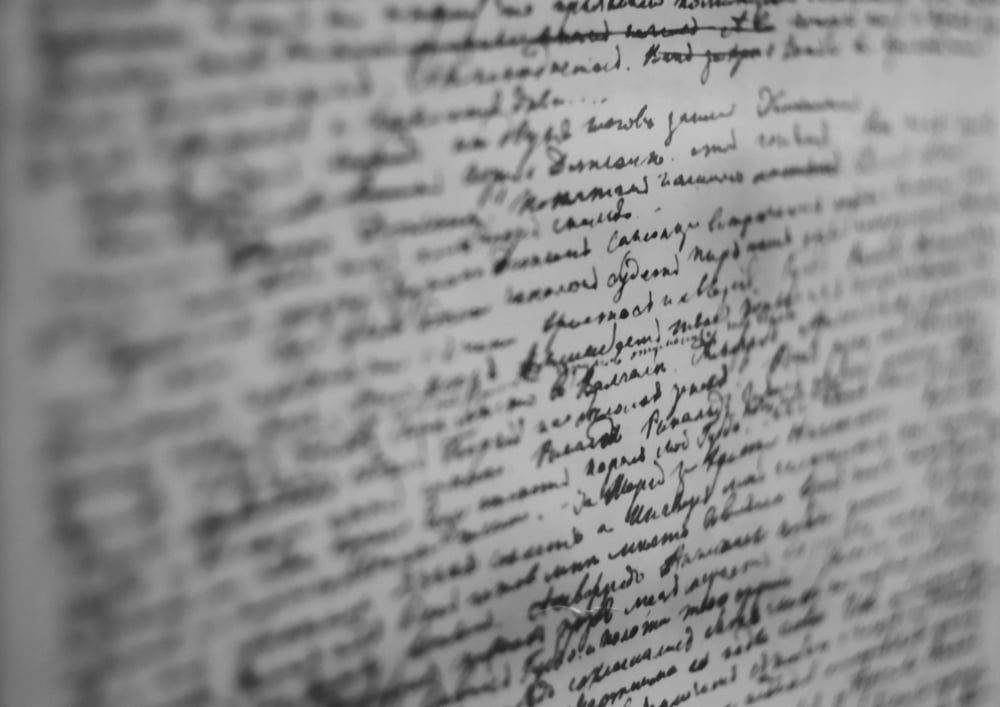
Before laptops and smartphones, research involved endless handwritten notes on index cards or legal pads — creating personal databases of information that became works of art in themselves. You’d develop your own shorthand system and color-coding methods, turning note-taking into a strategic discipline that required genuine organization skills.
Running out of paper mid-research session was a minor crisis that could derail an entire afternoon of productive work.
Call Number Navigation
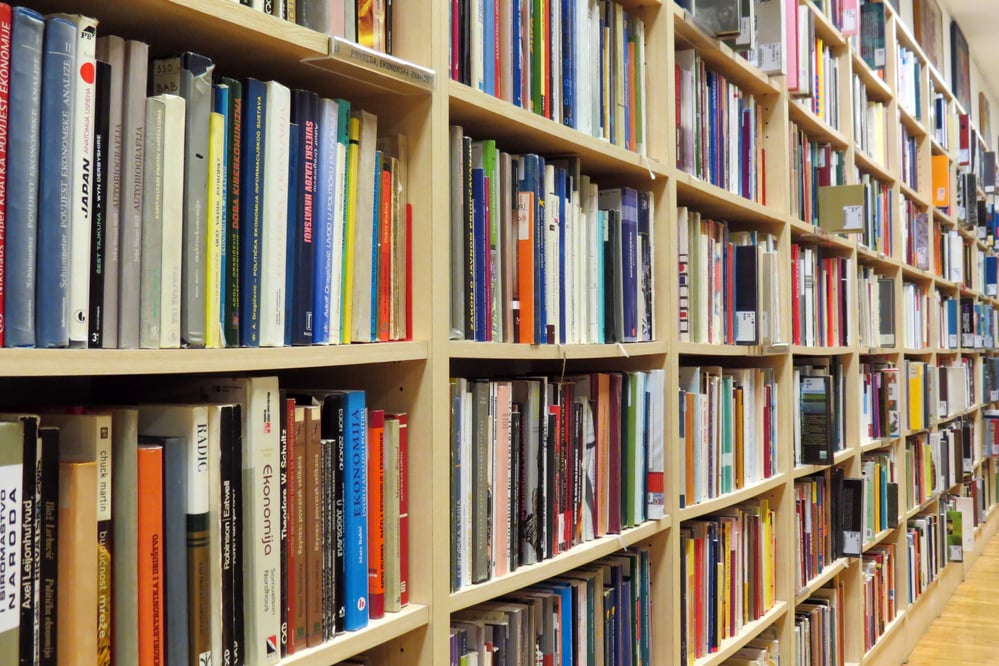
Finding books meant deciphering call numbers like 796.357 BAB — then embarking on a physical journey through the library’s maze-like layout that often felt like an adventure game. Each section had its own personality, from the musty history stacks to the bright children’s area, while you’d develop mental maps of where different subjects lived.
Getting lost in the stacks was a common experience, especially in large academic libraries where entire floors were dedicated to specific disciplines.
Closing Time Panic
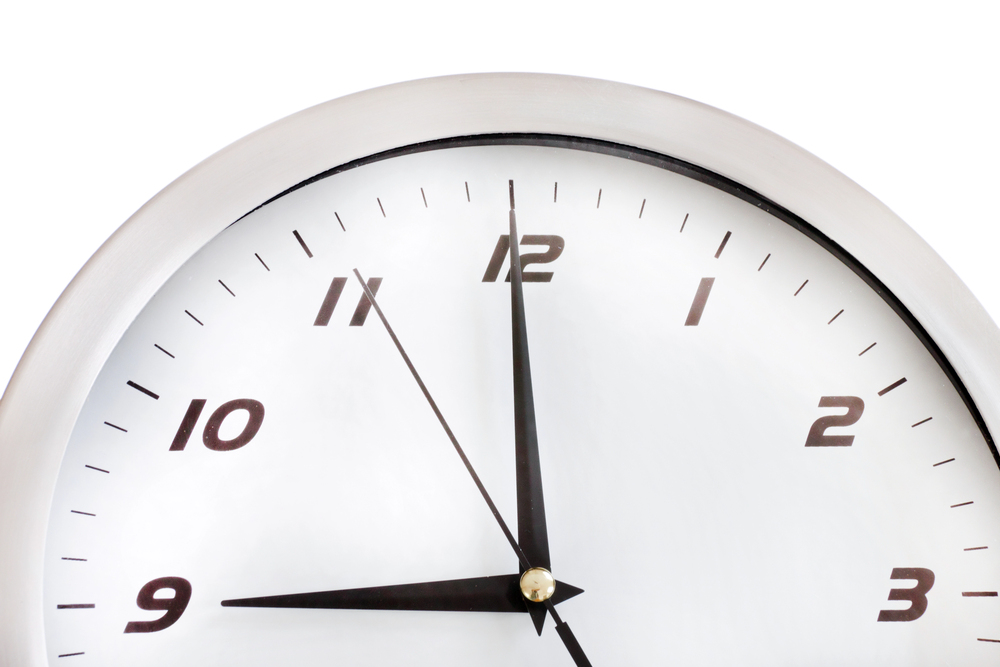
Libraries had actual closing hours that couldn’t be extended with a simple click, creating real deadline pressure for researchers who’d lost track of time. The lights would dim, librarians would start their closing announcements, yet you’d face the choice of checking out armloads of books or losing your research momentum until tomorrow.
Those final minutes before closing often produced frantic note-taking sessions as people tried to capture just one more crucial detail before the doors locked.
Like Go2Tutors’s content? Follow us on MSN.
Book Return Anxiety
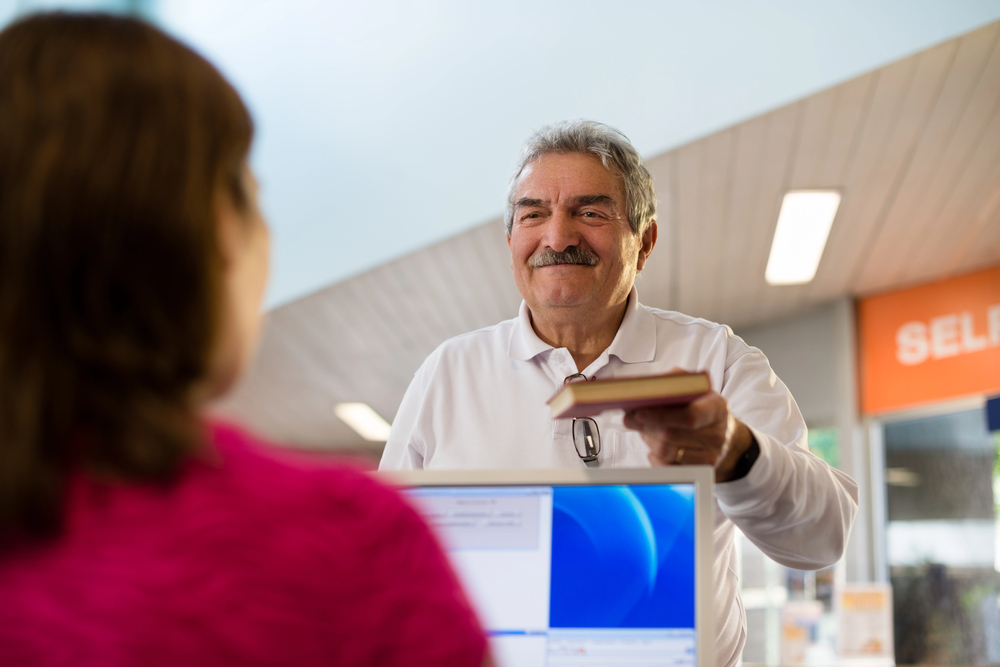
Returning books on time was a constant mental burden, especially when you’d checked out dozens of items for a major project that seemed to grow more complex by the day. Due dates were carved in stone, while late fees accumulated with the relentless consistency of parking tickets that never forgot.
Some people developed elaborate reminder systems using calendars and sticky notes, though others lived in perpetual fear of overdue notices arriving in the mail.
Magazine Archive Hunts
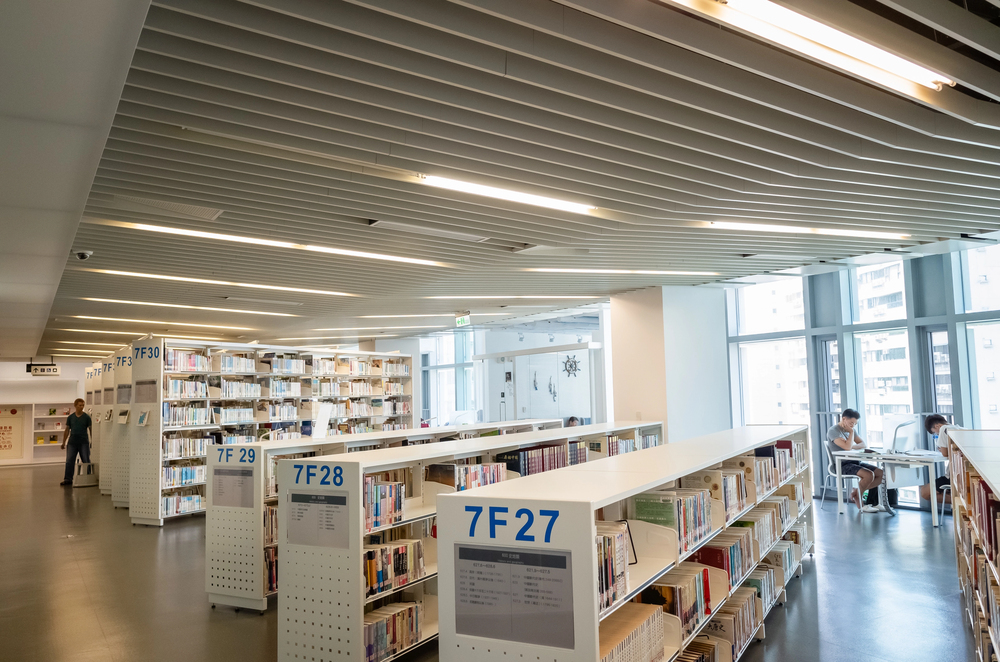
Finding specific magazine articles meant digging through bound volumes or back issues stored in basement archives that felt like archaeological expeditions into forgotten knowledge. Magazines were often missing pages, had articles torn out by previous researchers, or were filed in unexpected locations that required detective work to locate.
Popular magazines like Time and Newsweek had waiting lists, while recent issues were often held behind the circulation desk like precious commodities.
Typewriter Terminals
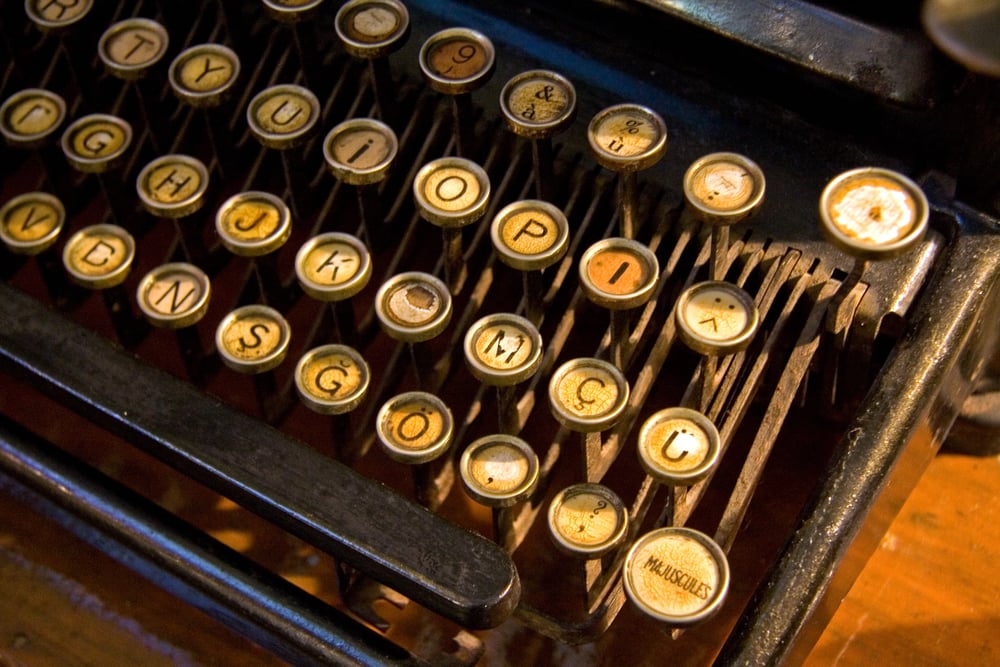
Early computer terminals in libraries were shared resources that required sign-up sheets and time limits, making digital research feel like booking appointments with the future itself. These green-screen machines connected to databases that seemed magical compared to print resources, yet they required learning special search commands and syntax that felt like programming.
Technical difficulties were common, while losing a search session due to system crashes was a heartbreaking experience that could set your research back by hours.
Like Go2Tutors’s content? Follow us on MSN.
Community Bulletin Boards

Library bulletin boards served as analog social networks where people posted everything from ride shares to apartment listings to study group invitations that created unexpected connections. These cork boards were constantly changing landscapes of human needs and connections, creating serendipitous discoveries that happened while walking to the bathroom or waiting for the elevator.
Reading the bulletin board became a form of entertainment and community engagement that revealed the diverse lives and interests of fellow library users who shared your academic space.
Where Knowledge Lives Now

The library experience has evolved from treasure hunts to instant gratification, yet something irreplaceable was lost in the translation to digital convenience that we’re only now beginning to understand. Those pre-Google libraries taught patience, research skills, and the value of information in ways that shaped how entire generations approached learning and problem-solving with methodical precision.
While we can now access more information in seconds than those libraries contained in their entire collections, the rituals and discoveries of the analog research world created a different kind of relationship with knowledge itself. The libraries are still there, quietly adapting to serve communities in new ways, though they’ll never again be the exclusive gatekeepers to the world’s information that they once were.
More from Go2Tutors!

- 16 Restaurant Chains That Went Too Fast
- 12 Things Sold in the 80s That Are Now Illegal
- 15 Strange Things People Have Tried to Ban (And Failed)
- 16 Collectibles People Tossed Out Too Soon
- 17 Myths from Your Childhood That Were Actually Based on Real Things
Like Go2Tutors’s content? Follow us on MSN.


