13 Otter Facts to Share on World Otter Day
World Otter Day happens every year on the last Wednesday of May, and it’s the perfect excuse to dive into the fascinating world of these playful aquatic mammals. Whether you’re already an otter enthusiast or just discovering how amazing these creatures are, there’s always something new to learn about our whiskered friends.
Here is a list of incredible otter facts that will make you appreciate these remarkable animals even more.
Sea Otters Hold Hands While Sleeping
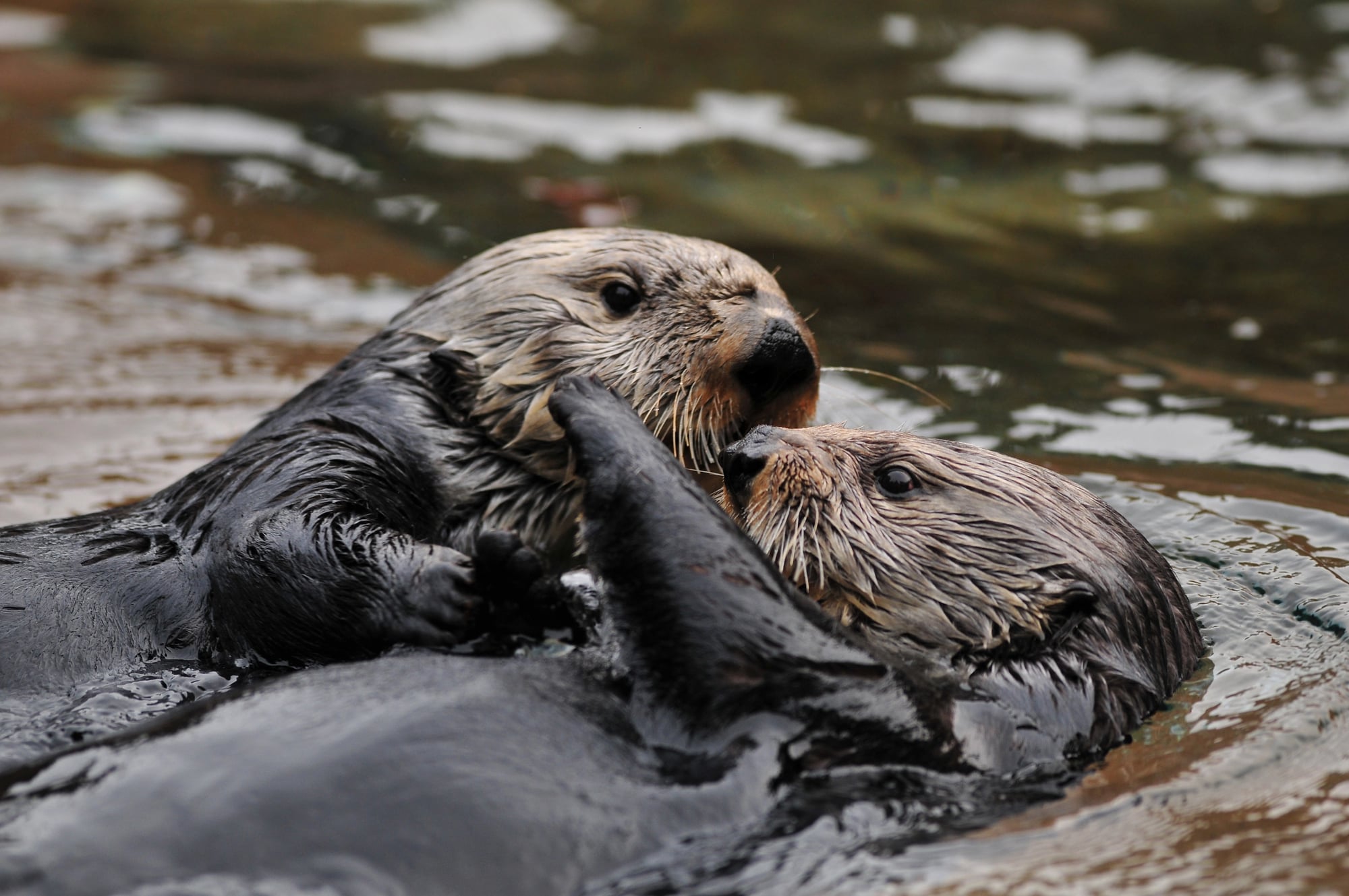
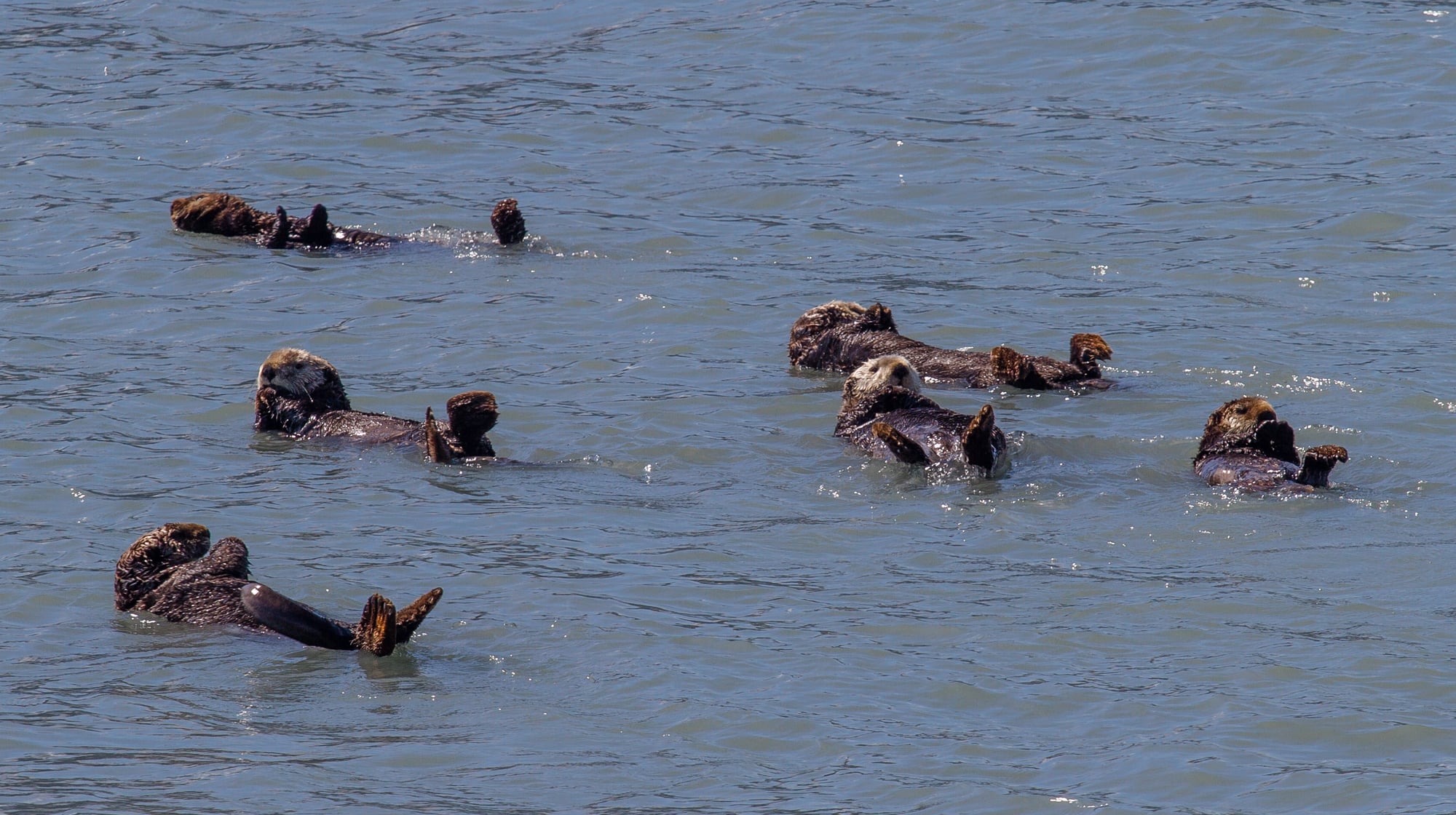
Sea otters have one of the most adorable survival strategies in the animal kingdom. They link paws while floating on their backs to prevent themselves from drifting apart while they sleep.
This behavior is called ‘rafting,’ and groups of otters can form rafts of up to 100 individuals, though smaller groups of 10-20 are more common.
They’re Tool-Using Champions
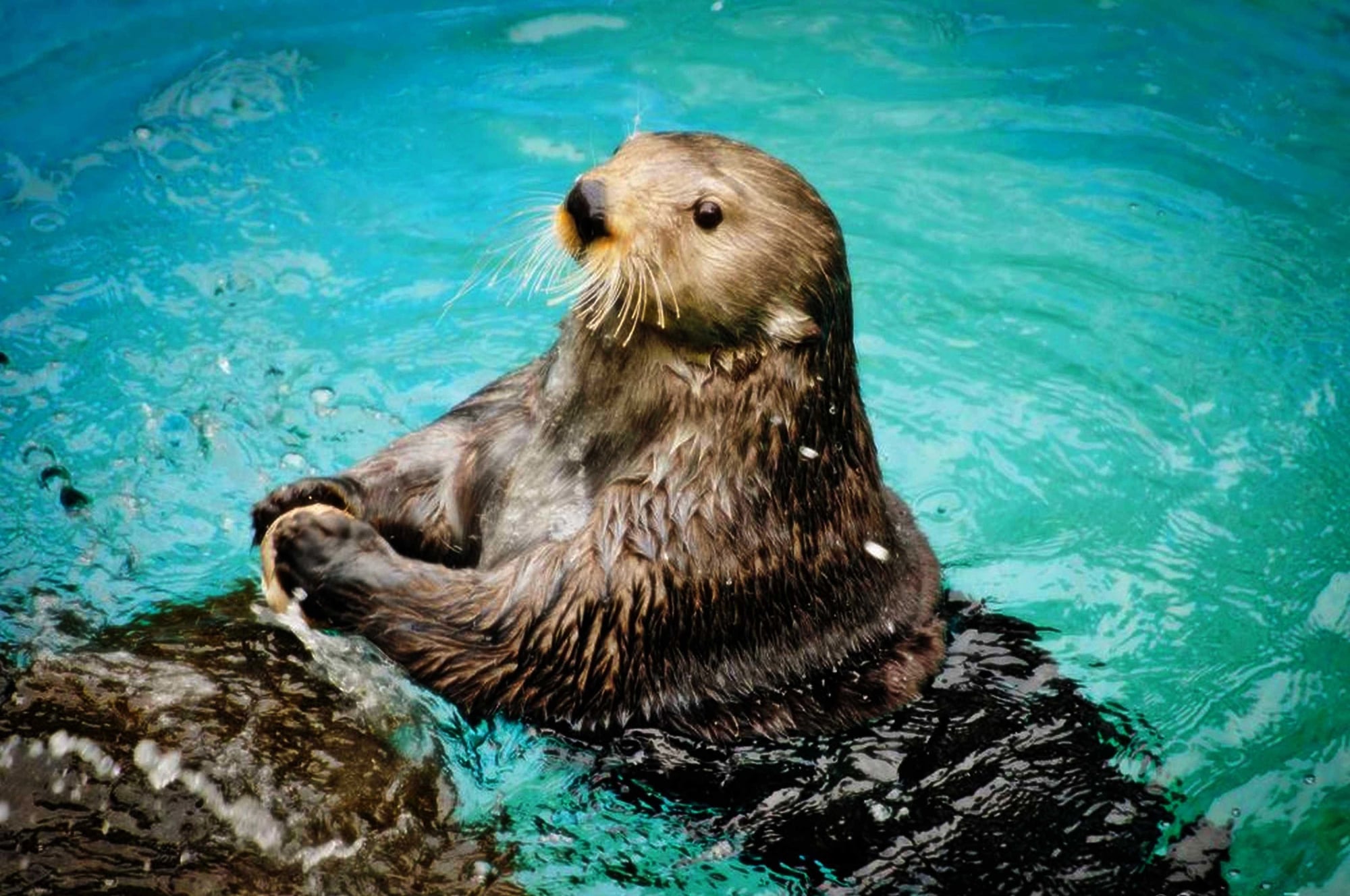
Otters are among the few animals that regularly use tools to solve problems. Sea otters are famous for placing rocks on their bellies and smashing shellfish against them to crack open their hard shells.
Some otters even keep favorite rocks tucked in their armpit pouches, like carrying around a trusty bottle opener.
Like Go2Tutors’s content? Follow us on MSN
Otter Fur Is Incredibly Dense
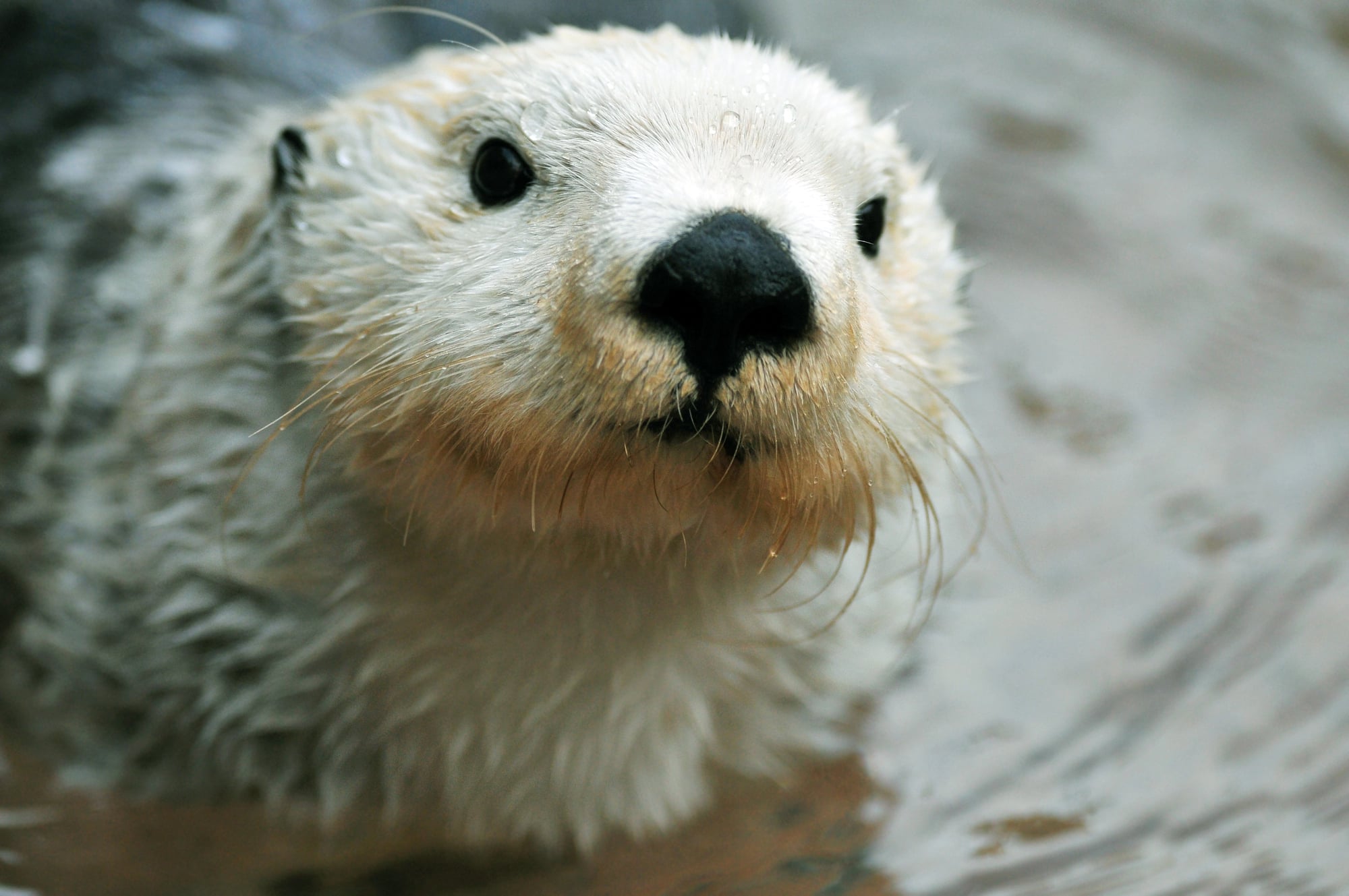
A single square inch of sea otter fur contains about 1 million hairs, making it the densest fur in the animal kingdom. This incredible insulation is essential for their survival since otters don’t have blubber like whales and seals.
Their fur is so effective that their skin never actually gets wet when they’re swimming.
They Have a Serious Appetite
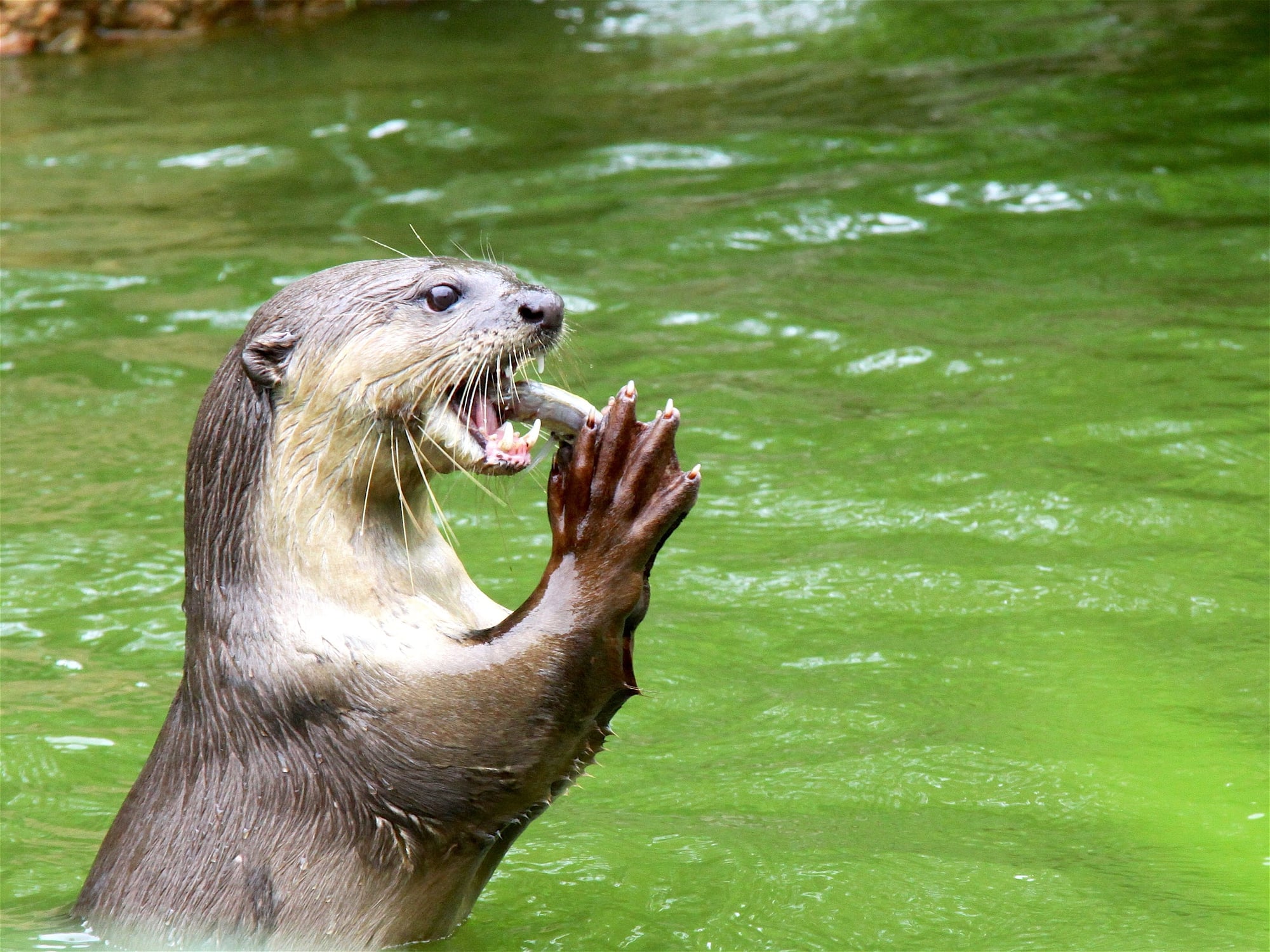
Otters need to eat about 25% of their body weight every single day just to maintain their energy levels. That’s like a 150-pound person eating 37 pounds of food daily.
Their incredibly fast metabolism is the price they pay for staying warm in cold water without a thick layer of fat.
Baby Otters Are Called Pups
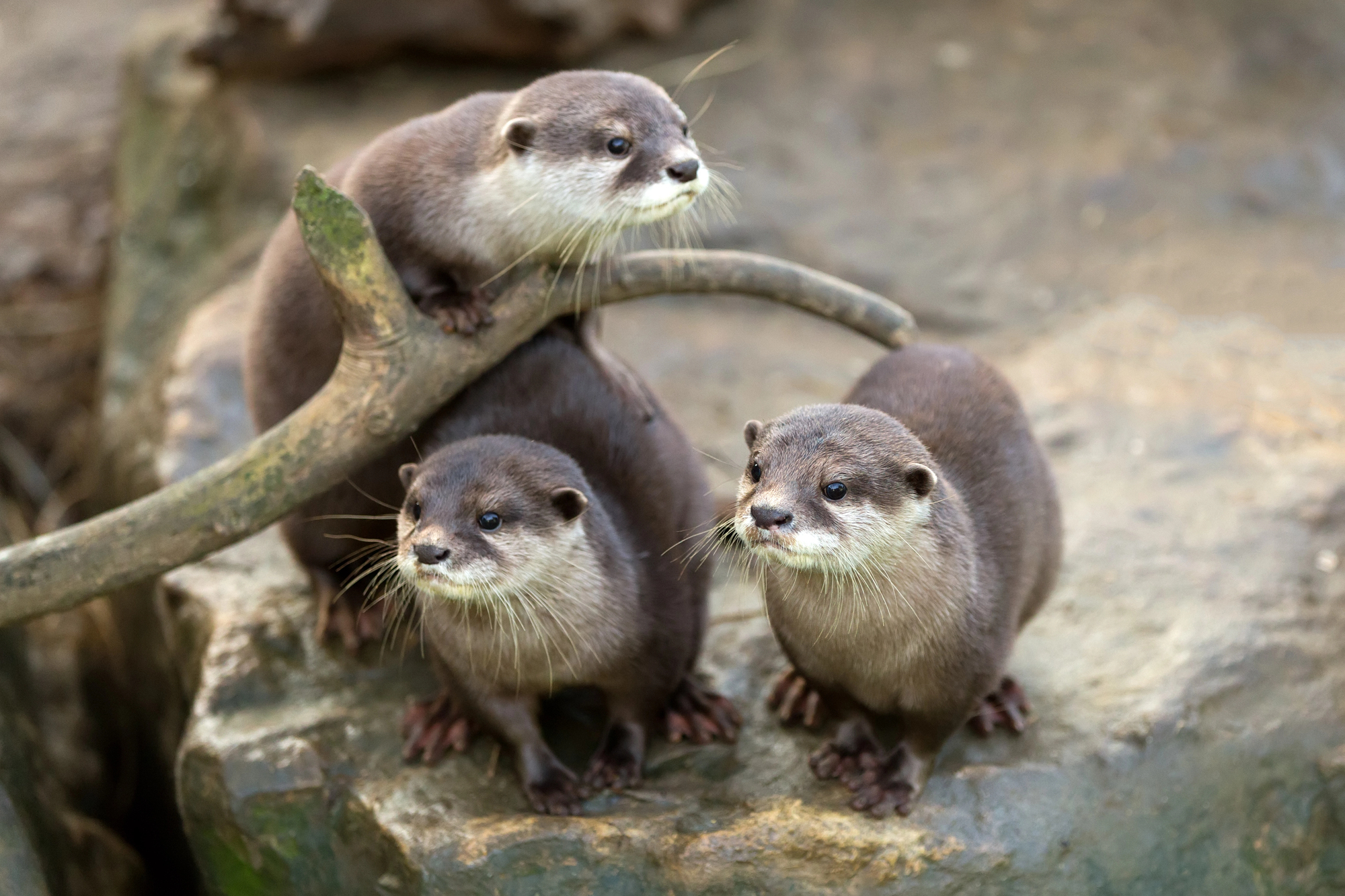
Otter babies are born blind, toothless, and completely helpless, weighing only about 4-5 ounces at birth. Sea otter mothers are incredibly devoted, spending up to 8 months teaching their pups essential survival skills like swimming, diving, and foraging.
River otter pups stay with their families for about a year before venturing out on their own.
Like Go2Tutors’s content? Follow us on MSN
They Communicate Through Scent
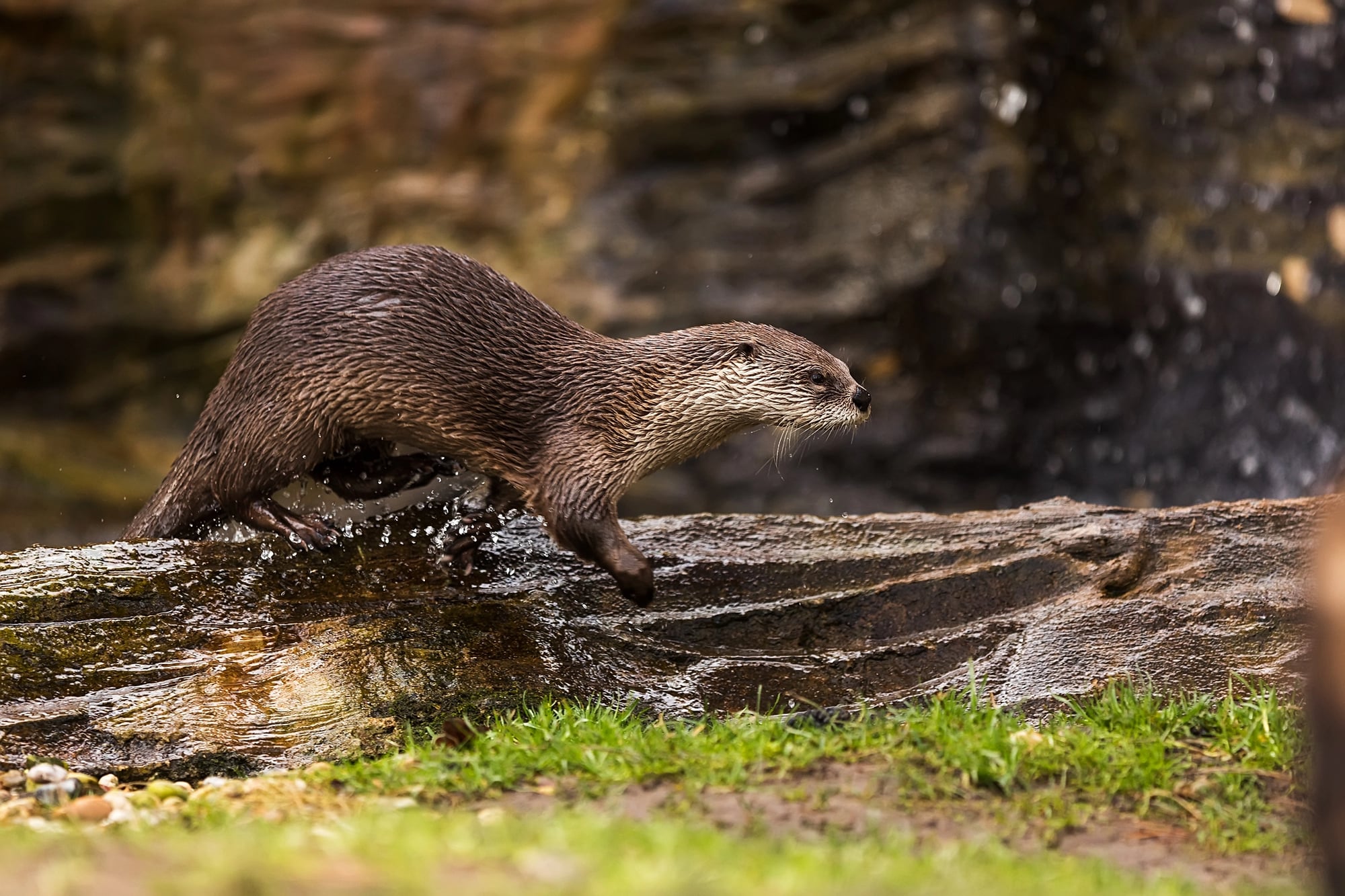
Otters have scent glands that produce a musky odor they use to communicate with other otters. They leave scent marks on rocks, logs, and riverbanks to establish territory and send messages about their identity, reproductive status, and recent activities.
Think of it as their version of social media posts.
Sea Otters Are Ecosystem Engineers
Sea otters play a crucial role in maintaining healthy kelp forest ecosystems by controlling sea urchin populations. Without otters, sea urchins multiply rapidly and can destroy kelp forests, which serve as nurseries for many fish species.
One otter can make the difference between a thriving underwater forest and a barren seafloor.
There Are Different Otter Species
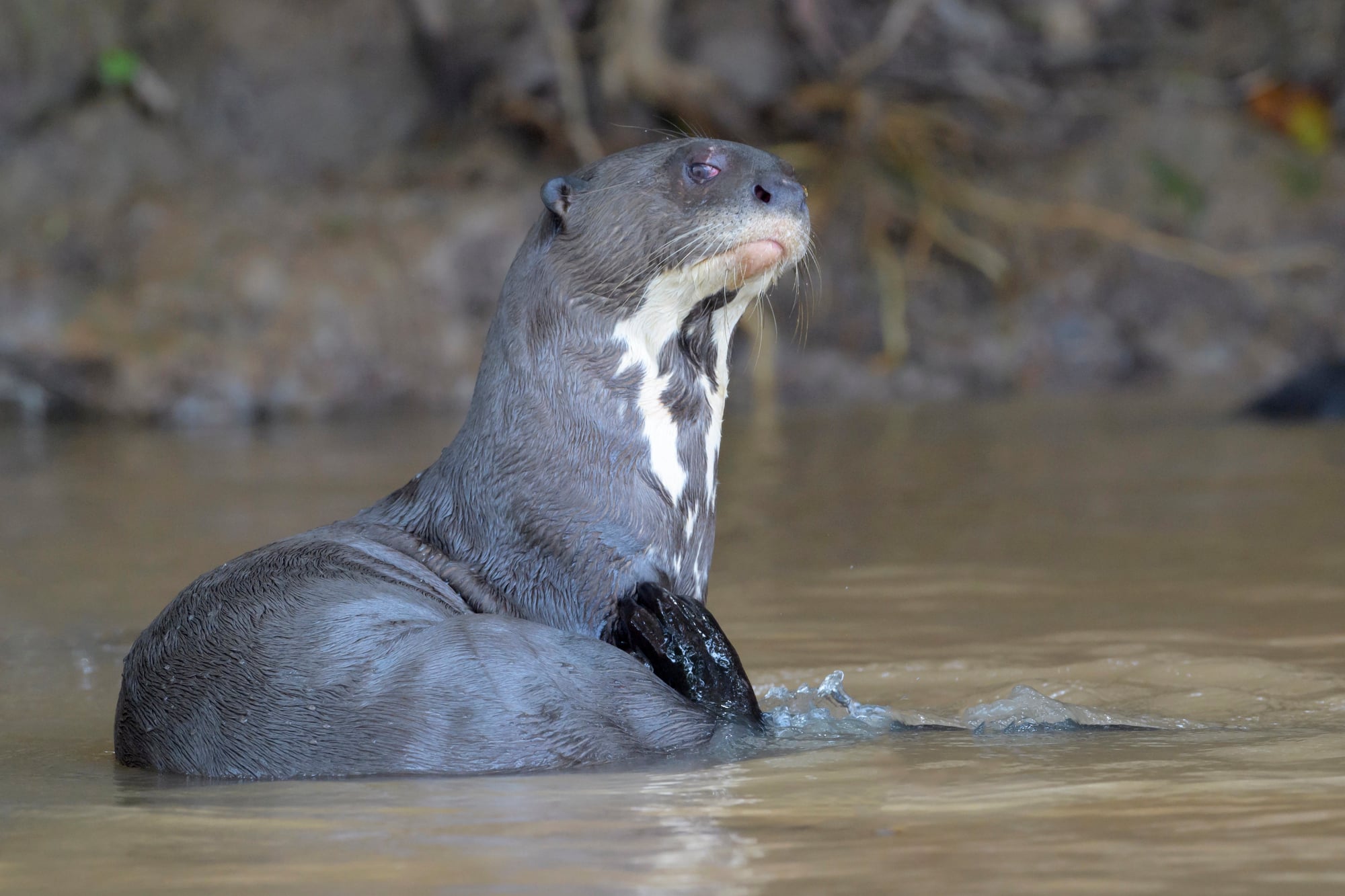
From the tiny Asian small-clawed otter weighing just 2 pounds to the giant otter of South America that can reach 6 feet in length, otters come in many shapes and sizes. Each species has adapted to its specific environment, whether that’s saltwater, freshwater, or coastal areas around the world.
Like Go2Tutors’s content? Follow us on MSN
They’re Master Architects
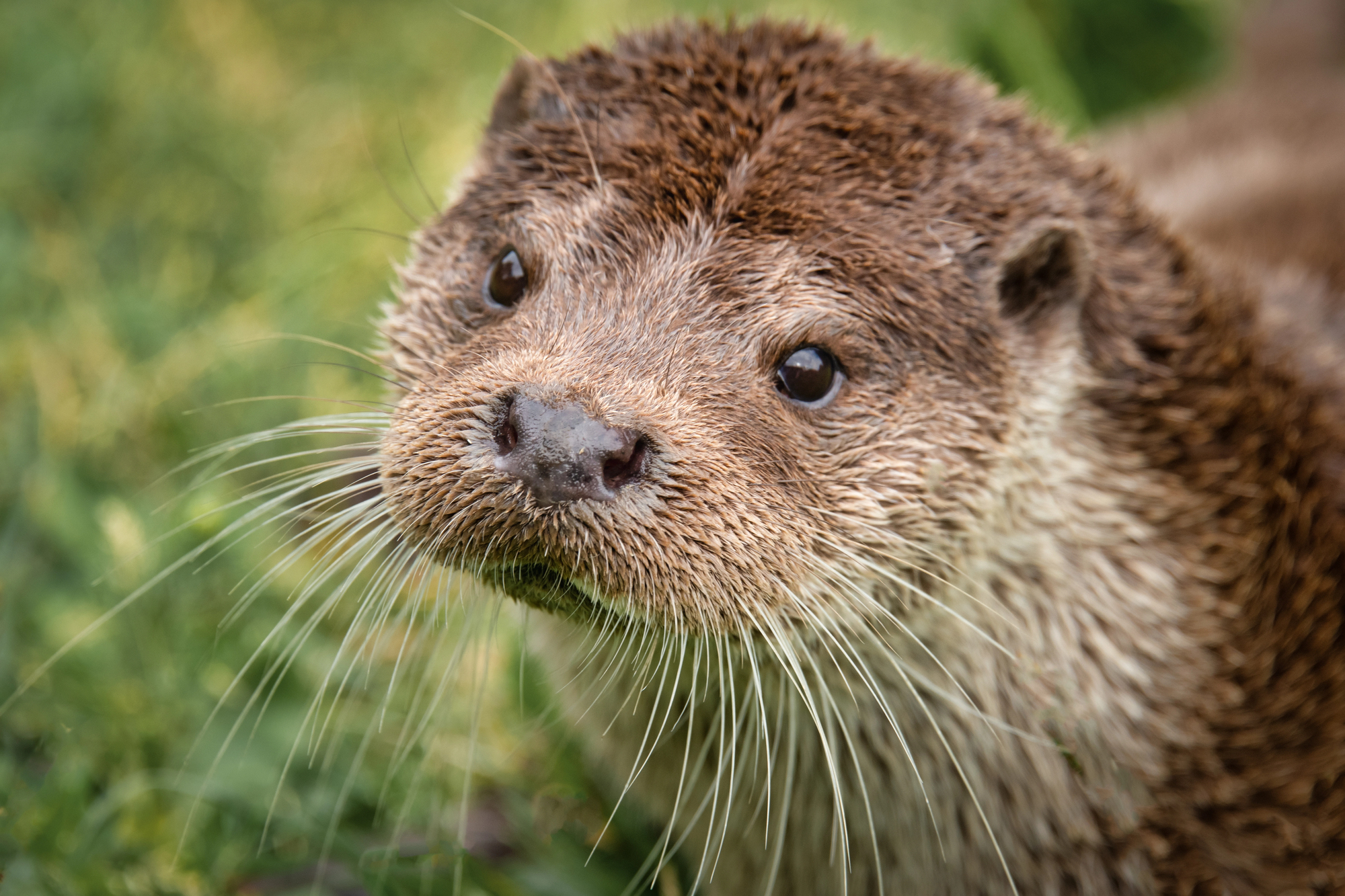
River otters create elaborate den systems called holts, which can have multiple entrances and chambers. These underground networks often include separate areas for sleeping, eating, and raising young.
Some otter families use the same den system for generations, constantly expanding and improving their aquatic real estate.
Otters Have Incredible Whiskers
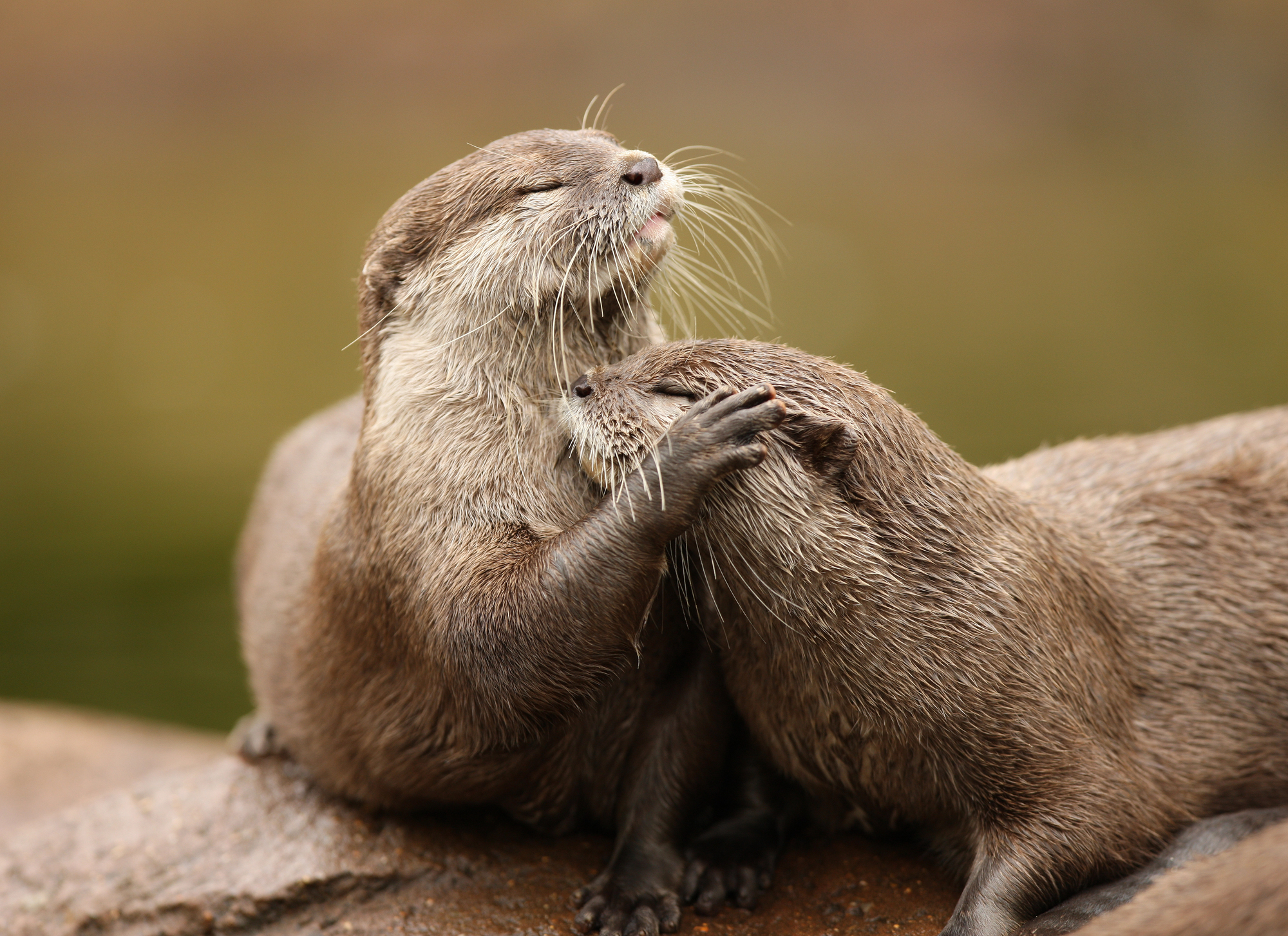
Those adorable whiskers aren’t just for show – they’re highly sensitive organs called vibrissae that help otters navigate murky water and locate prey. These whiskers can detect the slightest water movements, allowing otters to hunt successfully even in complete darkness or muddy conditions.
They’re Surprisingly Social
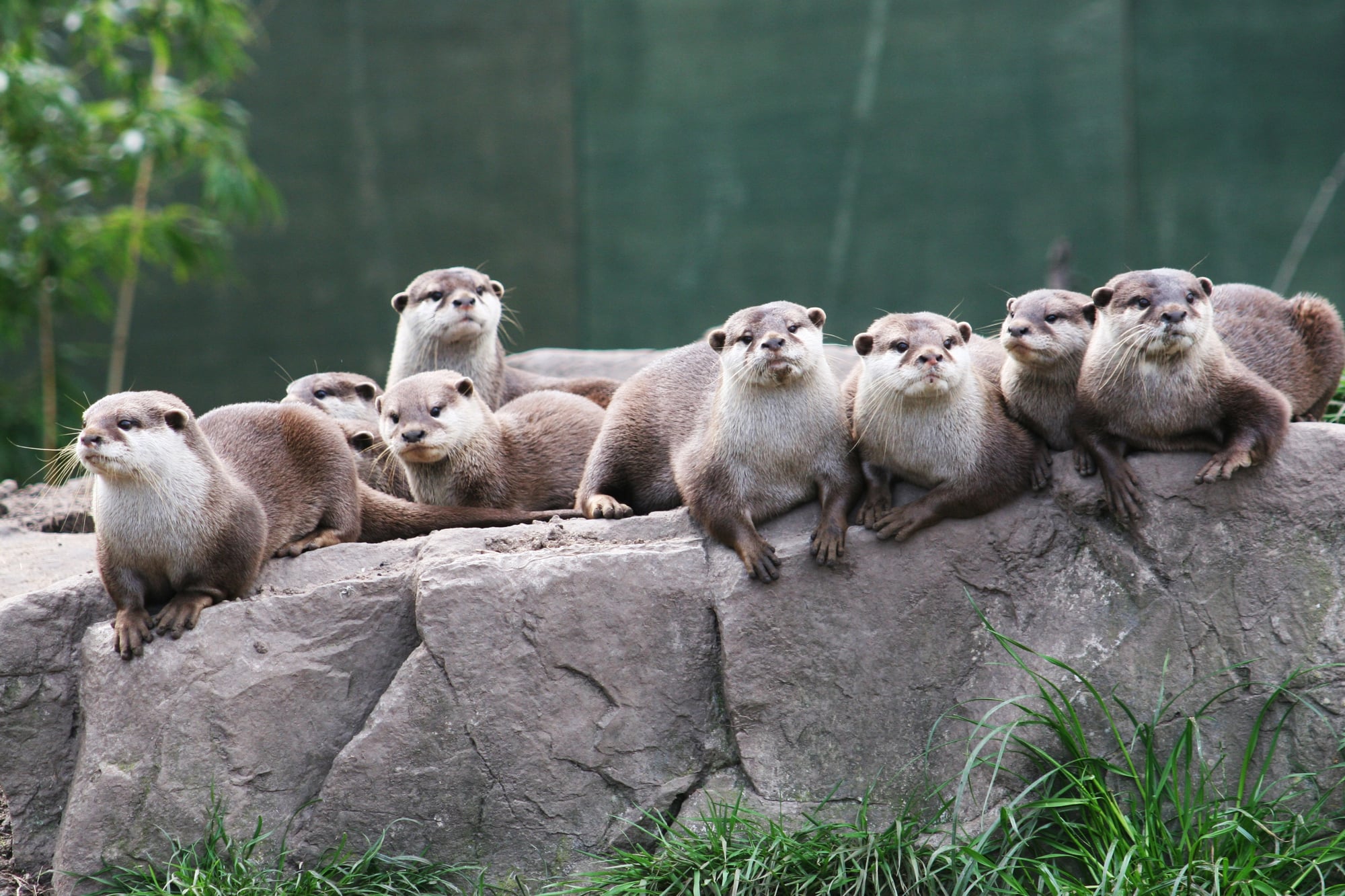
While some otter species are more solitary, many live in family groups with complex social structures. Giant otters in South America live in groups of up to 20 individuals and have been observed using distinct vocalizations to communicate with family members. They even have different calls for different situations, from danger alerts to dinner announcements.
Like Go2Tutors’s content? Follow us on MSN
Sea Otters Were Once Nearly Extinct
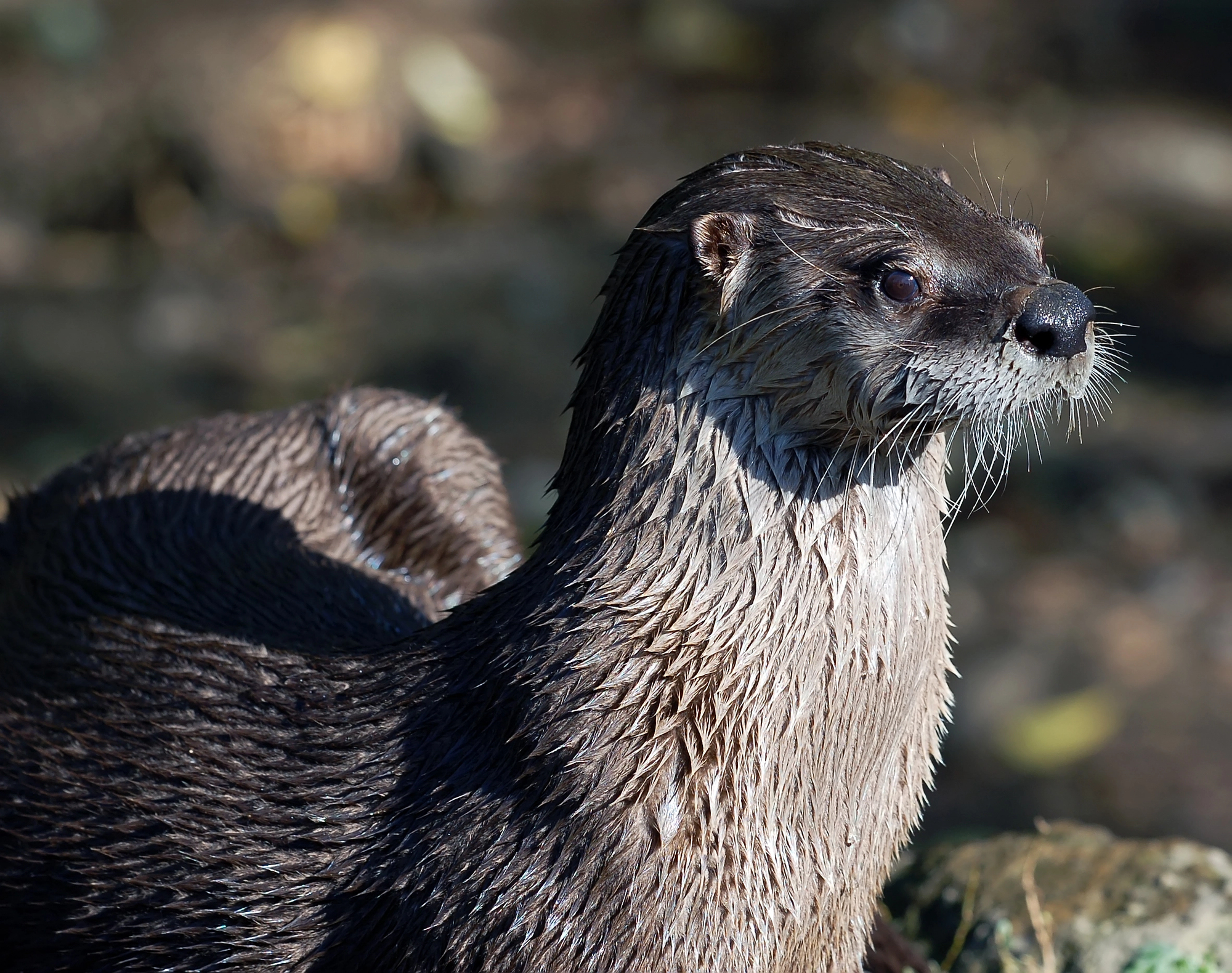
By the early 1900s, sea otters were hunted almost to extinction for their luxurious fur, with populations dropping from hundreds of thousands to just a few thousand individuals. Thanks to conservation efforts and legal protection, their numbers have slowly recovered, though they’re still considered a threatened species in many areas.
They Have Loose Skin for a Reason
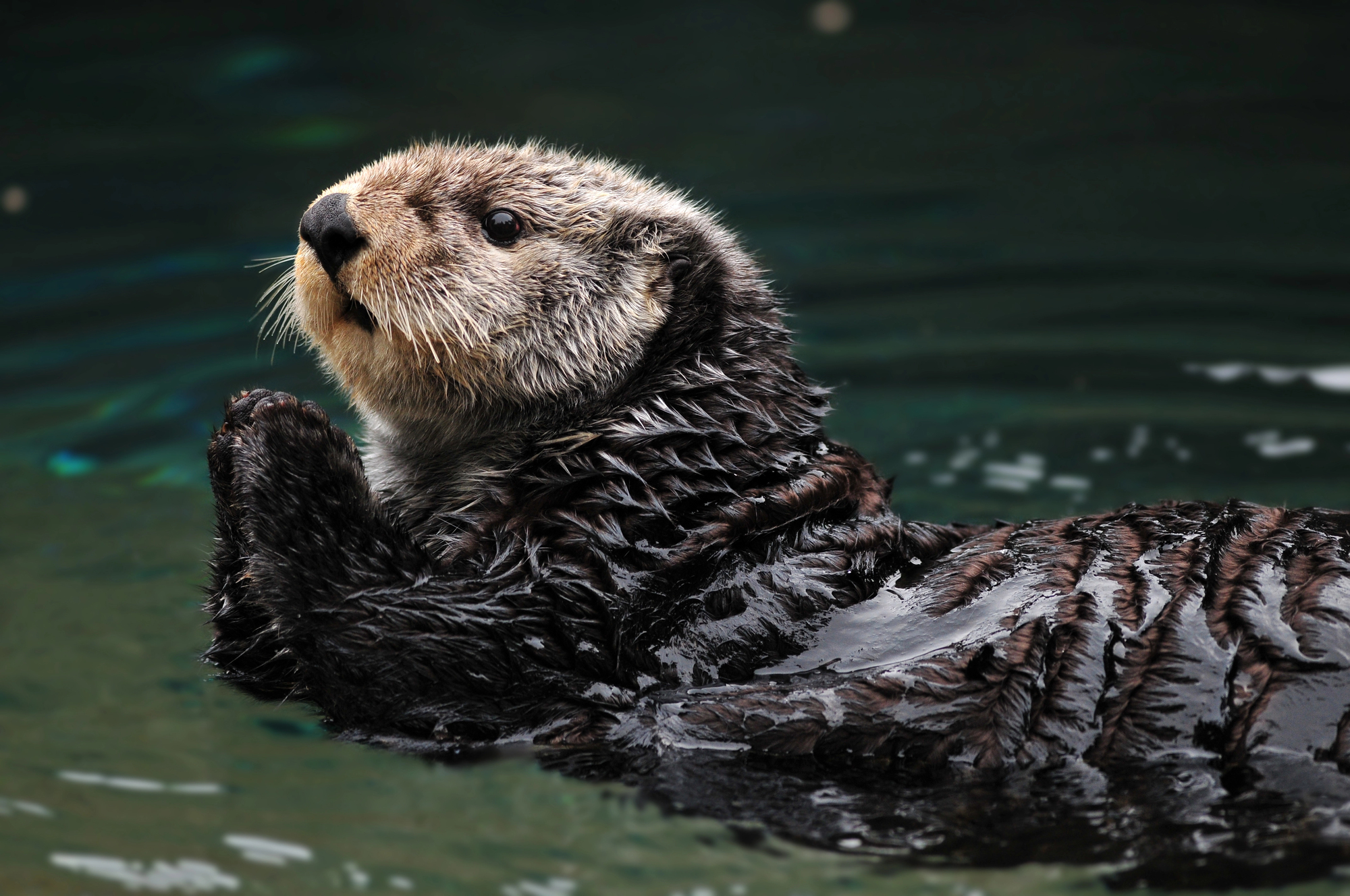
Otters have remarkably loose skin that serves multiple purposes beyond just looking cuddly. This loose skin helps them twist and turn while wrestling with prey underwater, and it also provides extra storage space for carrying food and tools. It’s like having built-in cargo pants.
Nature’s Aquatic Ambassadors
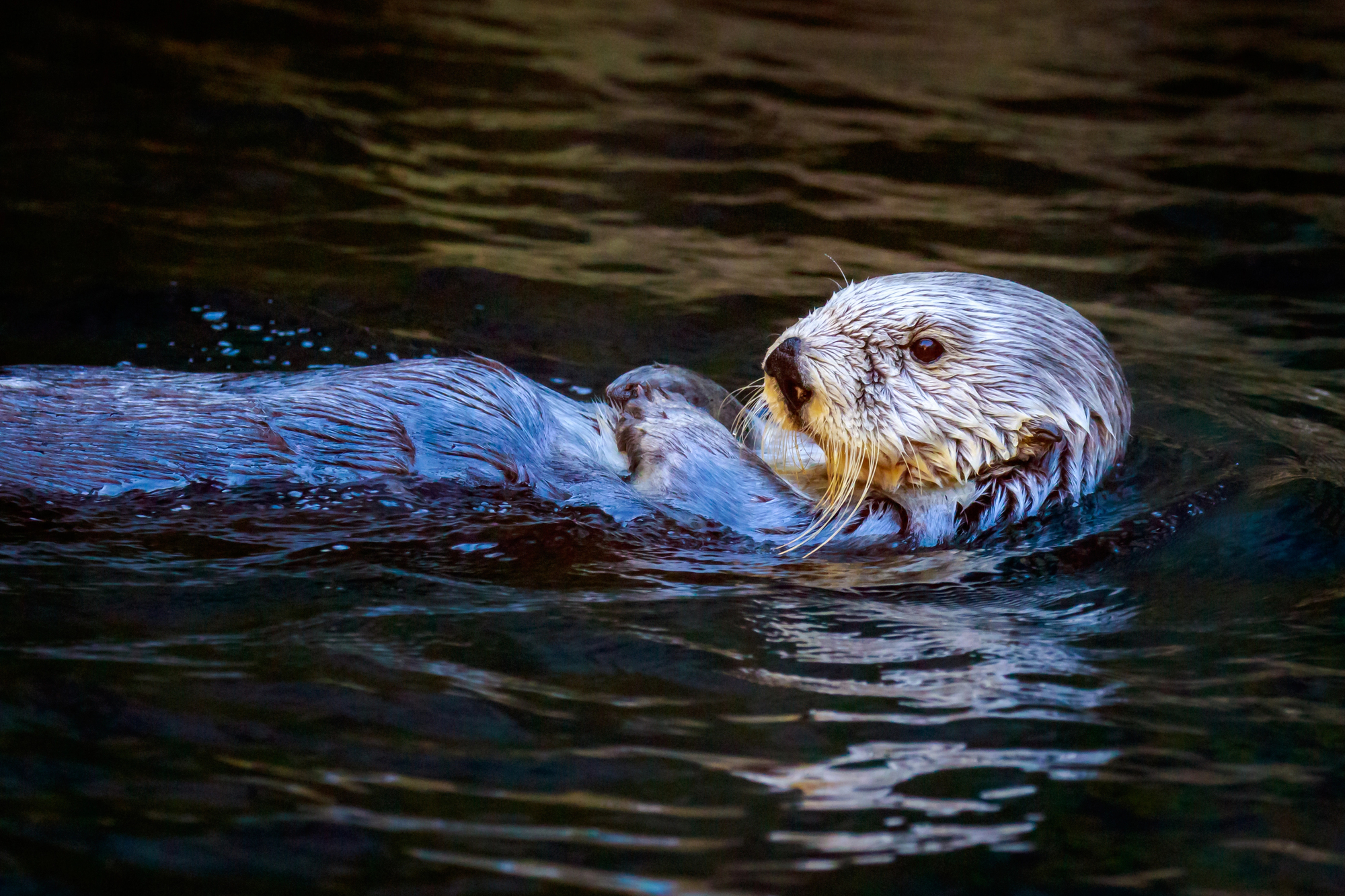
These remarkable creatures remind us that intelligence and playfulness aren’t limited to land animals. From their tool use to their family bonds, otters demonstrate that the natural world is full of surprising complexity and wonder.
The next time you see an otter playing in the water, remember that you’re watching one of nature’s most successful aquatic mammals – and they’re having way more fun than most of us at our day jobs.
Like Go2Tutors’s content? Follow us on MSN
More from Go2Tutors!

- 16 Restaurant Chains That Went Too Fast
- 12 Things Sold in the 80s That Are Now Illegal
- 15 Strange Things People Have Tried to Ban (And Failed)
- 16 Collectibles People Tossed Out Too Soon
- 17 Myths from Your Childhood That Were Actually Based on Real Things
Like Go2Tutors’s content? Follow us on MSN