17 Communication Codes That Are Still Unbroken
Throughout history, humans have developed ingenious ways to hide information from prying eyes. Some of these cryptographic puzzles have stumped experts for decades or even centuries, remaining tantalizingly out of reach despite advances in technology and cryptanalysis.
These unbroken codes represent some of humanity’s most persistent mysteries, each with its own fascinating backstory and legion of determined codebreakers. From ancient manuscripts to modern digital encryptions, these unsolved puzzles continue to challenge cryptographers worldwide.
Here is a list of 17 communication codes that remain unbroken to this day.
The Voynich Manuscript
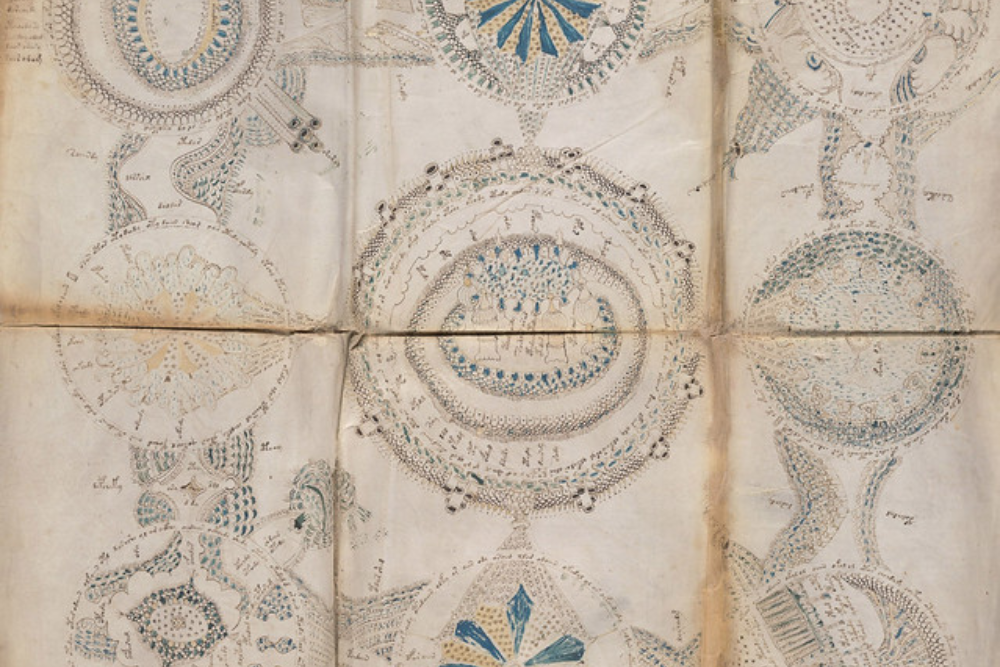
The Voynich manuscript is one of the most mysterious books in the world. The document is believed to have been written six centuries ago in an unknown or coded language that no one has ever cracked.
This medieval text contains bizarre illustrations of unknown plants, astronomical diagrams, and strange human figures, all accompanied by text in an indecipherable script. Carbon dating places it in the early 15th century, making it one of the oldest unsolved codes in existence.
Beale Ciphers
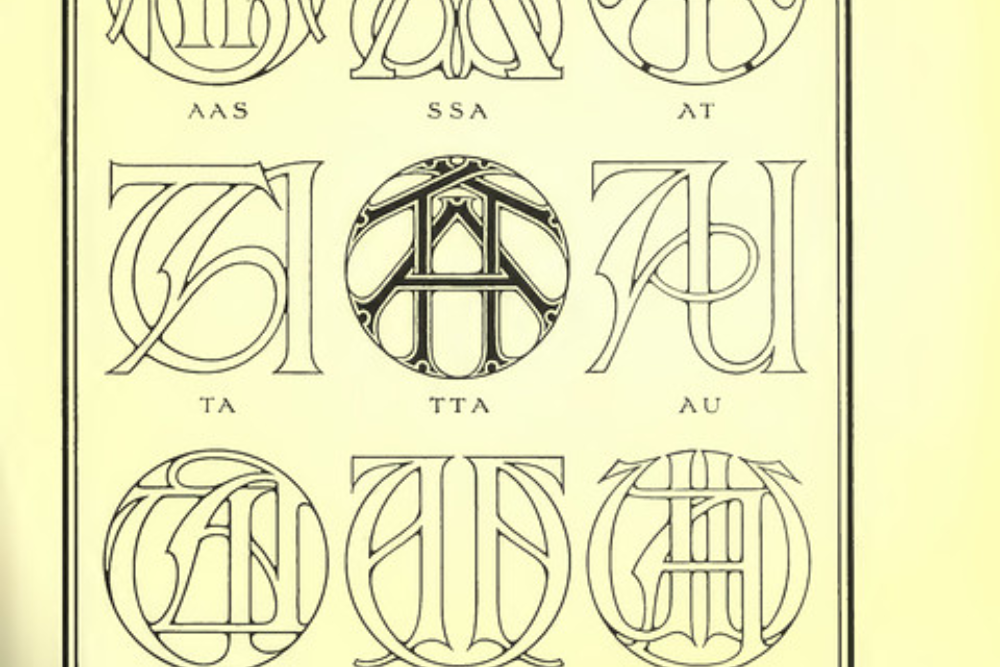
The Beale Ciphers are a series of three codes that are said to lead to a buried treasure worth millions of dollars. The origin of the ciphers is unknown, and their authenticity has been questioned.
Only one of the three ciphers has been solved, allegedly revealing the contents of a treasure buried in Virginia. The remaining two codes, which supposedly contain the location and the names of the treasure’s rightful heirs, continue to baffle treasure hunters and cryptographers alike.
Kryptos

Located at CIA headquarters in Langley, Virginia, Kryptos is a sculpture containing four encrypted messages. Three of the four sections have been solved, but the fourth panel—containing just 97 characters—has resisted all attempts at decryption since 1990.
The sculpture’s creator, Jim Sanborn, has provided a few clues over the years, but the final section remains a mystery that haunts both amateur and professional codebreakers.
The Shugborough Inscription
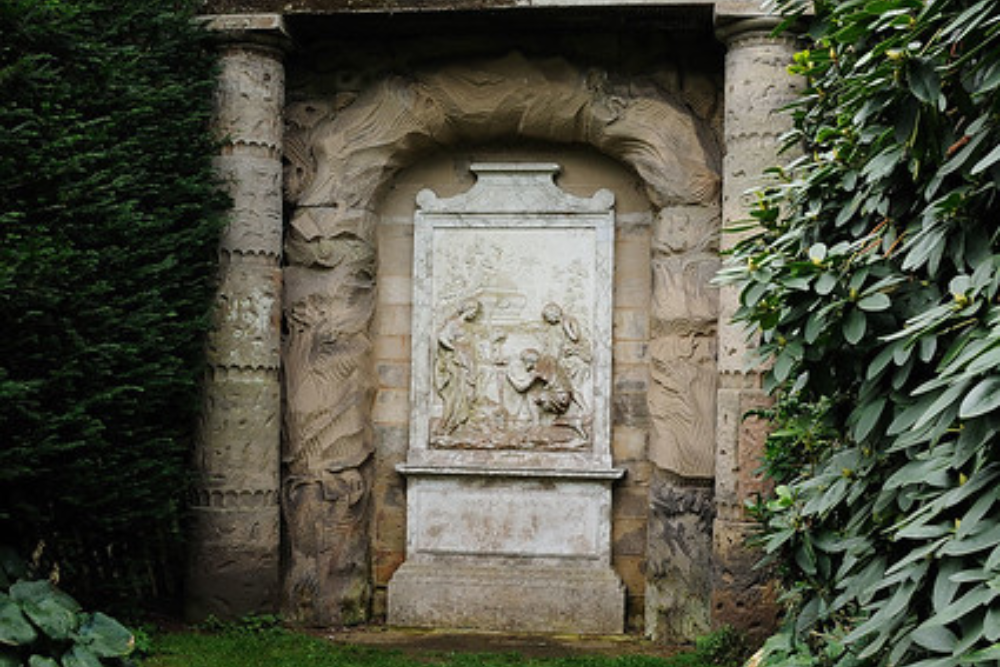
Carved into an 18th-century monument in Staffordshire, England, the Shugborough inscription consists of eight letters: O-U-O-S-V-A-V-V. These letters are carved into a stone monument on the grounds of Shugborough Hall.
Despite numerous theories linking it to everything from the Holy Grail to Masonic secrets, no one has definitively cracked this 250-year-old puzzle.
Linear A
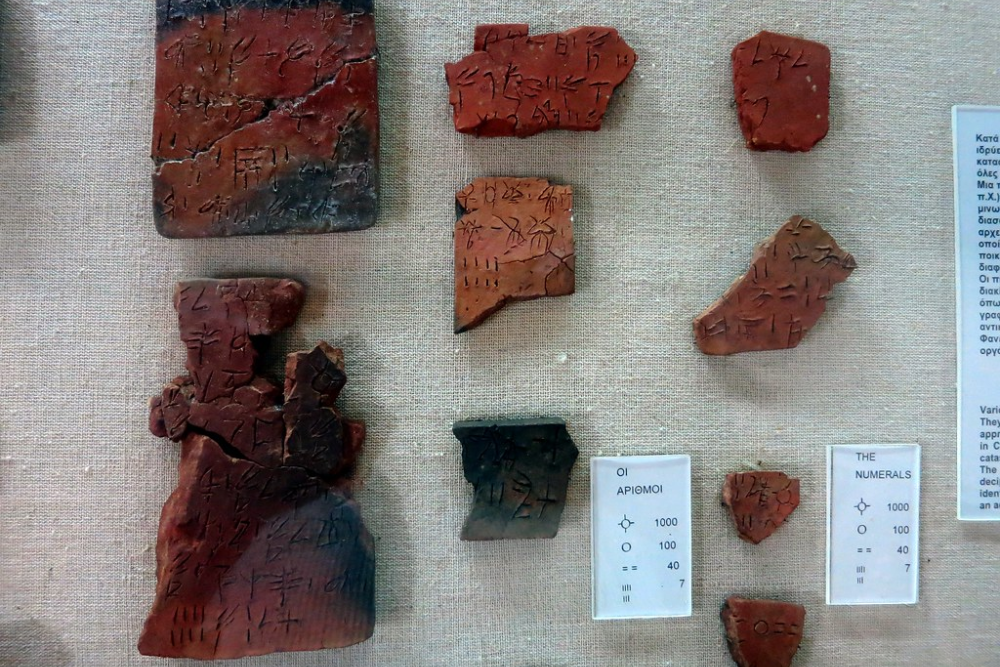
This ancient writing system was used by the Minoan civilization on Crete around 1450-1700 BCE. Unlike its successor Linear B, which was deciphered in the 1950s, Linear A remains completely unreadable.
The script appears on thousands of clay tablets, but without a bilingual text or clear understanding of the underlying language, it continues to frustrate archaeologists and linguists.
The Indus Script
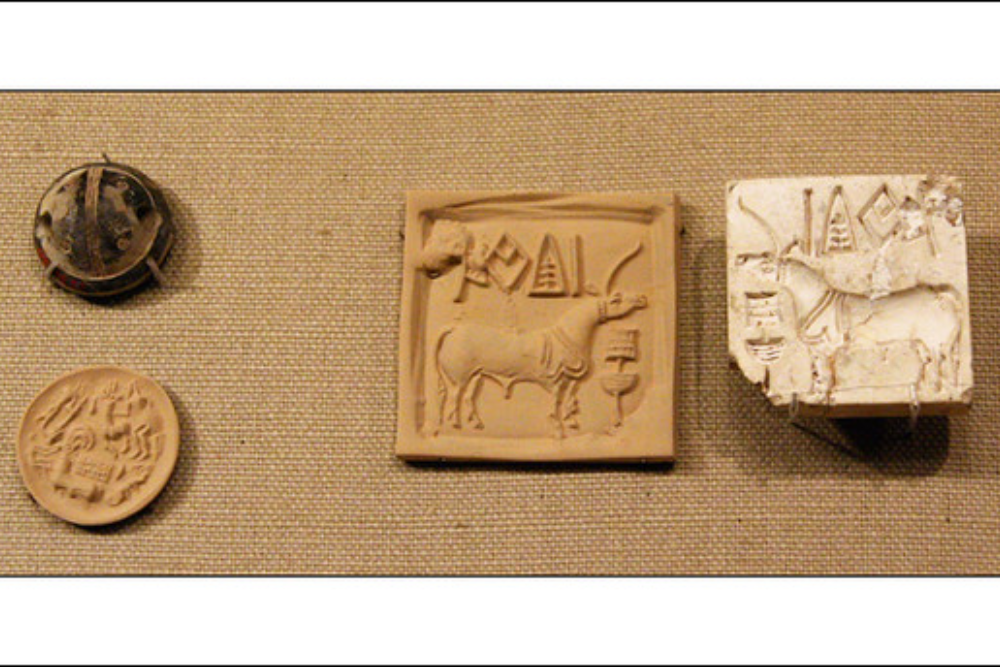
Dating back to around 2600-1900 BCE, the Indus script appears on thousands of seals and tablets from the ancient Indus Valley civilization. Despite being one of the world’s earliest writing systems, scholars can’t even agree on whether it represents a true language or is simply a collection of symbols.
The lack of lengthy texts and bilingual inscriptions makes this one of archaeology’s most enduring puzzles.
D’Agapeyeff Cipher
Published in 1939 by cryptographer Alexander D’Agapeyeff in his book ‘Codes and Ciphers,’ this 75-digit cipher was intended as an exercise for readers. Ironically, D’Agapeyeff himself forgot the solution, and despite decades of attempts by expert cryptanalysts, the cipher remains unsolved.
Some suspect it may contain an error that makes it unsolvable.
The Dorabella Cipher
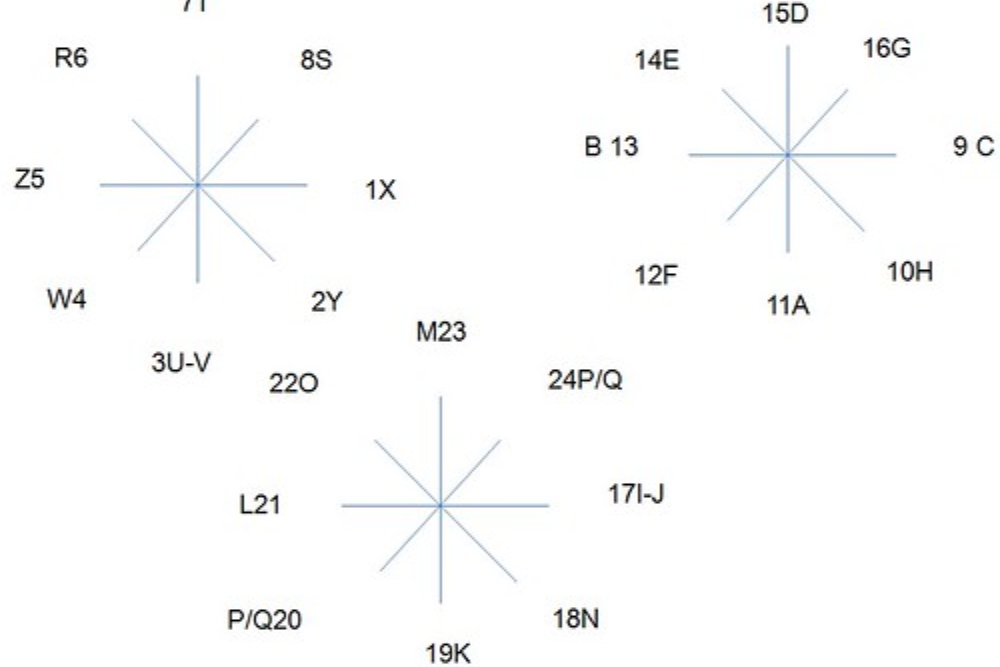
Composer Edward Elgar created this 87-character cipher in 1897 and sent it to a young woman named Dora Penny. The cipher uses a unique alphabet of curved symbols that bear no resemblance to any known writing system.
Despite Elgar’s reputation for wordplay and puzzles, this particular code has never been cracked, leading some to wonder if it was simply a romantic tease or merely a whimsical puzzle rather than a serious cipher.
Zodiac Killer Ciphers
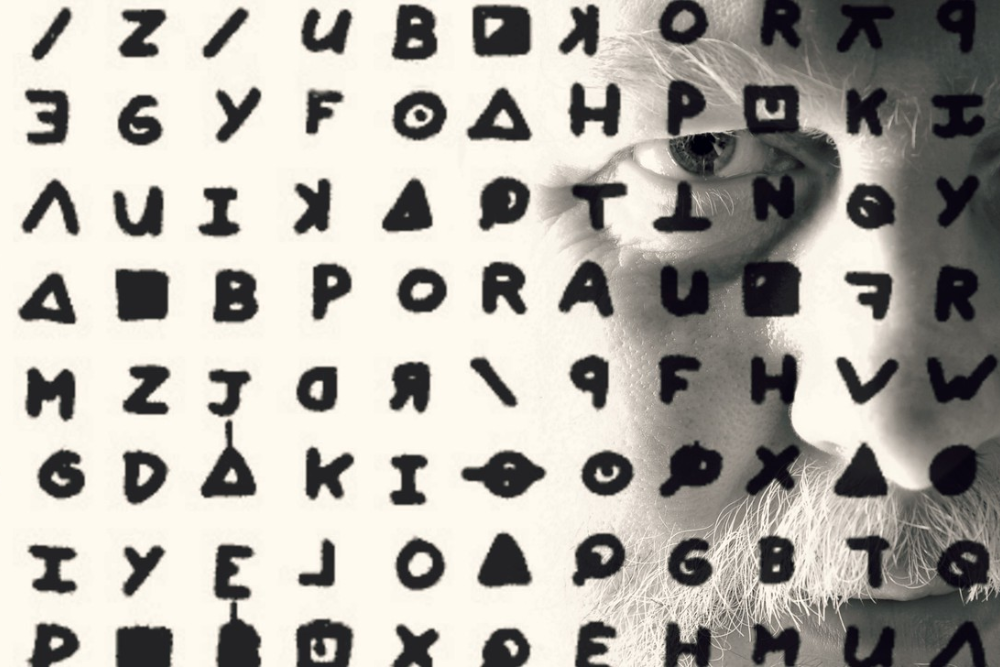
There are four main Zodiac Killer ciphers: Z408 (solved), Z340 (partially solved in 2020), Z13 (“my name is” cipher), and Z32 (the “map code”). The latter two remain unsolved. While the Z340 was solved in 2020, the shorter Z13 and Z32 ciphers remain unbroken.
These brief messages may contain the killer’s identity or location clues, making them among the most sought-after solutions in criminal history.
The McCormick Cipher

Found in the possession of a deceased man in 1999, this cipher consists of two encrypted notes. Despite extensive efforts by cryptographers and the FBI, the McCormick Code remains unsolved.
A rare fact is that the FBI released the cipher in 2011, hoping that public assistance might crack the code, but it still holds its secrets. The notes may contain information about the man’s identity or possible criminal activities, adding urgency to solving this modern mystery.
Somerton Man Code

In 1948, an unidentified man was found dead on an Australian beach with a scrap of paper bearing the words ‘Tamam Shud’ (meaning ‘finished’ in Persian). A book of poetry was later found with a phone number and an indecipherable code written in its margins.
Despite recent DNA advances that may have identified the man, the code itself remains unsolved.
The Cicada 3301 Puzzles
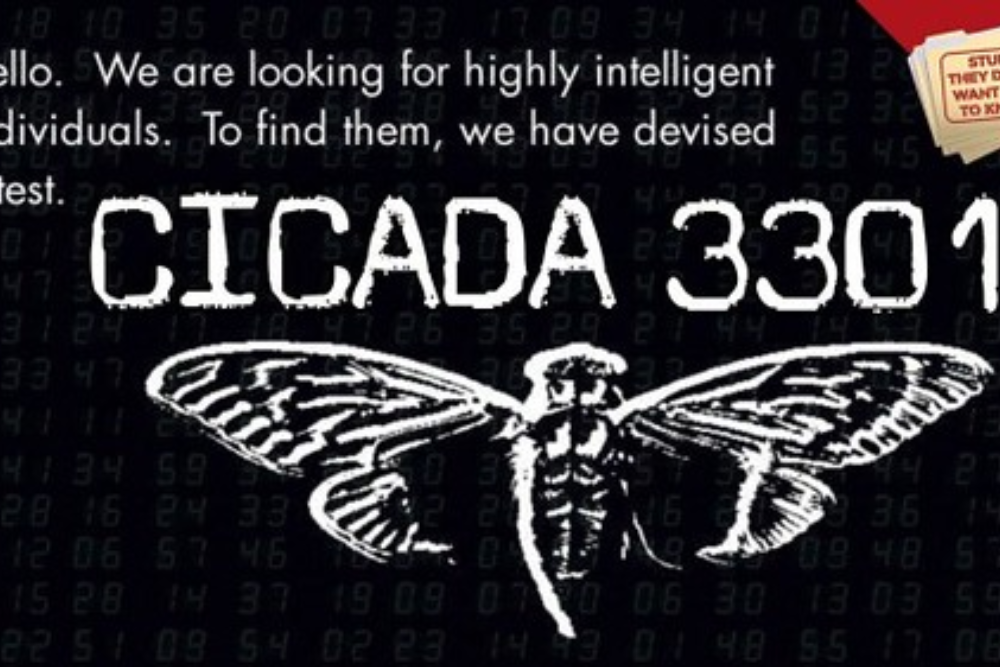
Beginning in 2012, an organization calling itself Cicada 3301 posted extremely complex puzzles online, apparently recruiting cryptographers and puzzle solvers. While some of the initial puzzles were solved, leading to further challenges, the group’s ultimate purpose and final messages remain mysterious.
The sophistication of their codes suggests military or intelligence agency involvement.
The Taman Shud Case Cipher
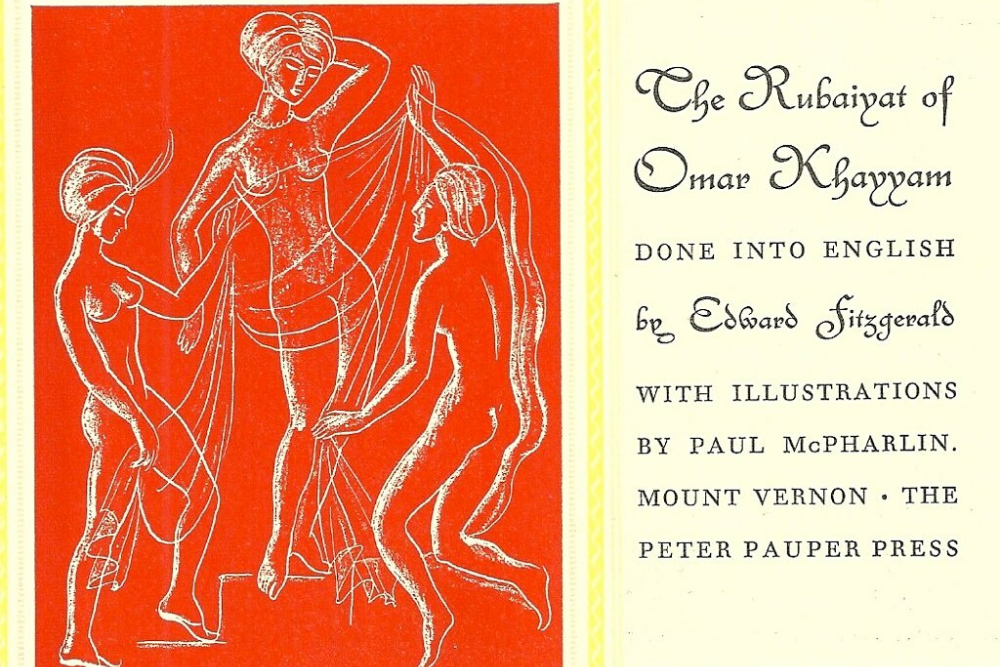
Connected to the Somerton Man mystery, this cipher was found written in a copy of the Rubaiyat of Omar Khayyam. The code consists of five lines of seemingly random letters that may represent the first letters of words in a poem or message.
Despite extensive analysis, including computer-assisted attempts, the cipher remains unreadable.
The Chinese Gold Bar Cipher
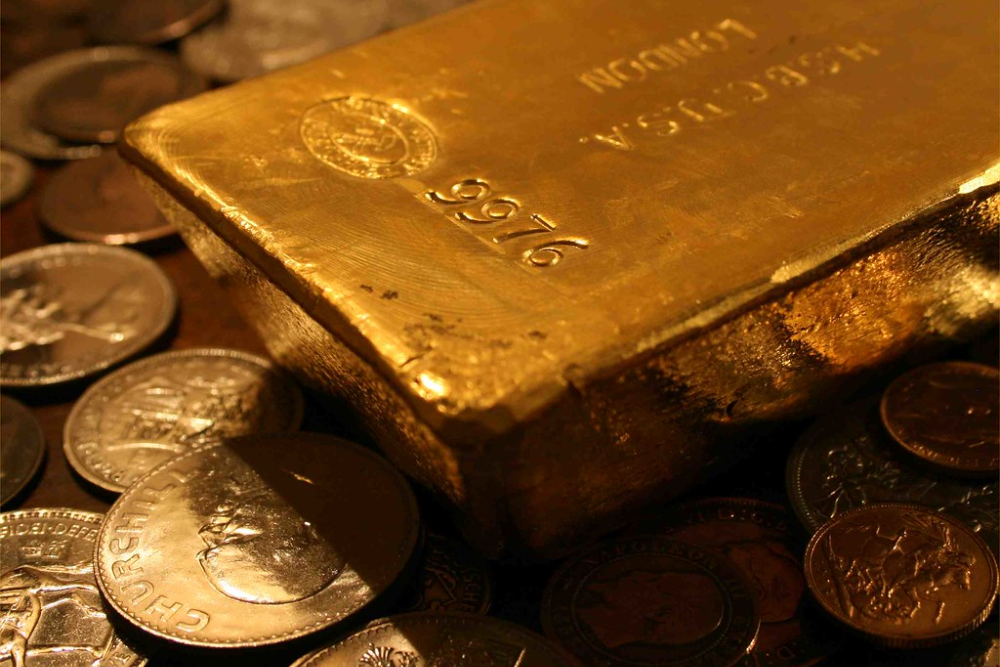
Seven gold bars discovered in China contain inscriptions that appear to be coded messages. The bars, possibly dating to the 1930s, feature a mix of Chinese characters and Western letters that don’t form coherent sentences in any known language.
The cipher may relate to buried treasure or important historical documents.
The Feynman Ciphers

Nobel Prize-winning physicist Richard Feynman was given three ciphers by a colleague in the 1980s. While he solved one, the other two remain unbroken. These ciphers are particularly intriguing because they were created specifically to challenge one of the 20th century’s greatest minds, suggesting they employ unusually sophisticated encryption methods.
The Chaocipher
Invented by John Byrne in 1918, the Chaocipher was claimed to be unbreakable. Byrne demonstrated its security by challenging cryptographers to solve sample messages, but none succeeded during his lifetime. Although the machine’s mechanics were finally revealed in 2010, some historical Chaocipher messages remain unsolved, and the full extent of its security continues to be debated.
The MIT Time-Lock Puzzle
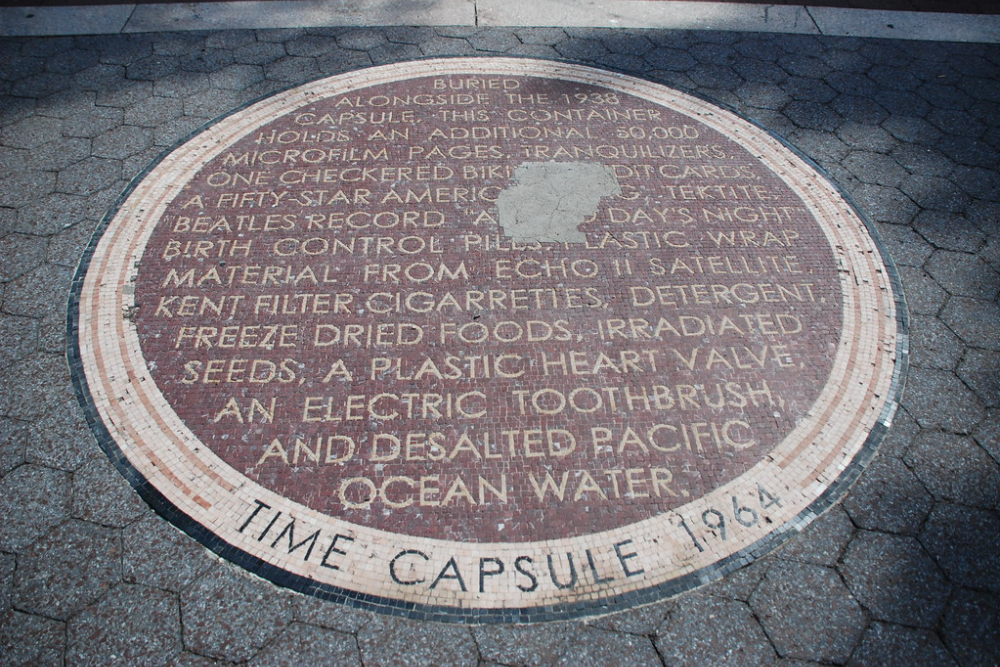
Created in 1999 as a cryptographic time capsule, this puzzle was designed to take 35 years to solve using the computational power available at the time. The cipher is supposed to reveal its contents in 2034, but advances in computing power mean it might be cracked earlier.
However, as of now, it remains locked away, waiting for either time or computational brute force to reveal its secrets.
When Codes Become Legends
These unbroken codes represent more than just unsolved puzzles—they’ve become cultural phenomena that inspire new generations of codebreakers. Some may contain historical secrets, criminal confessions, or simply the musings of their creators, while others might be elaborate hoaxes designed to frustrate rather than inform.
What makes them truly fascinating is how they continue to resist our best efforts, serving as humble reminders that human ingenuity in concealing information often outpaces our ability to reveal it. Whether solved tomorrow or remaining mysterious for centuries to come, these codes have already secured their place in the annals of cryptographic history.
More from Go2Tutors!

- The Romanov Crown Jewels and Their Tragic Fate
- 13 Historical Mysteries That Science Still Can’t Solve
- Famous Hoaxes That Fooled the World for Years
- 15 Child Stars with Tragic Adult Lives
- 16 Famous Jewelry Pieces in History
Like Go2Tutors’s content? Follow us on MSN.