15 Gardening Techniques That Actually Work
Gardening isn’t magic. It’s not some secret talent only “green thumbs” are born with—it’s the result of using smart, proven practices that have stood the test of time. Whether you’re growing heirloom tomatoes in raised beds or trying to keep a peace lily alive in your kitchen window, success usually comes down to doing a few simple things right—consistently.
In fact, what separates lush, productive gardens from ones that constantly underperform has less to do with expensive gadgets or rare knowledge, and everything to do with applying time-honored methods that deliver. Some of these give you quick wins. Others build slowly—improving soil and resilience year after year. Either way, these 15 techniques will help you grow stronger, healthier plants, no matter your experience level.
Test Your Soil First — Always
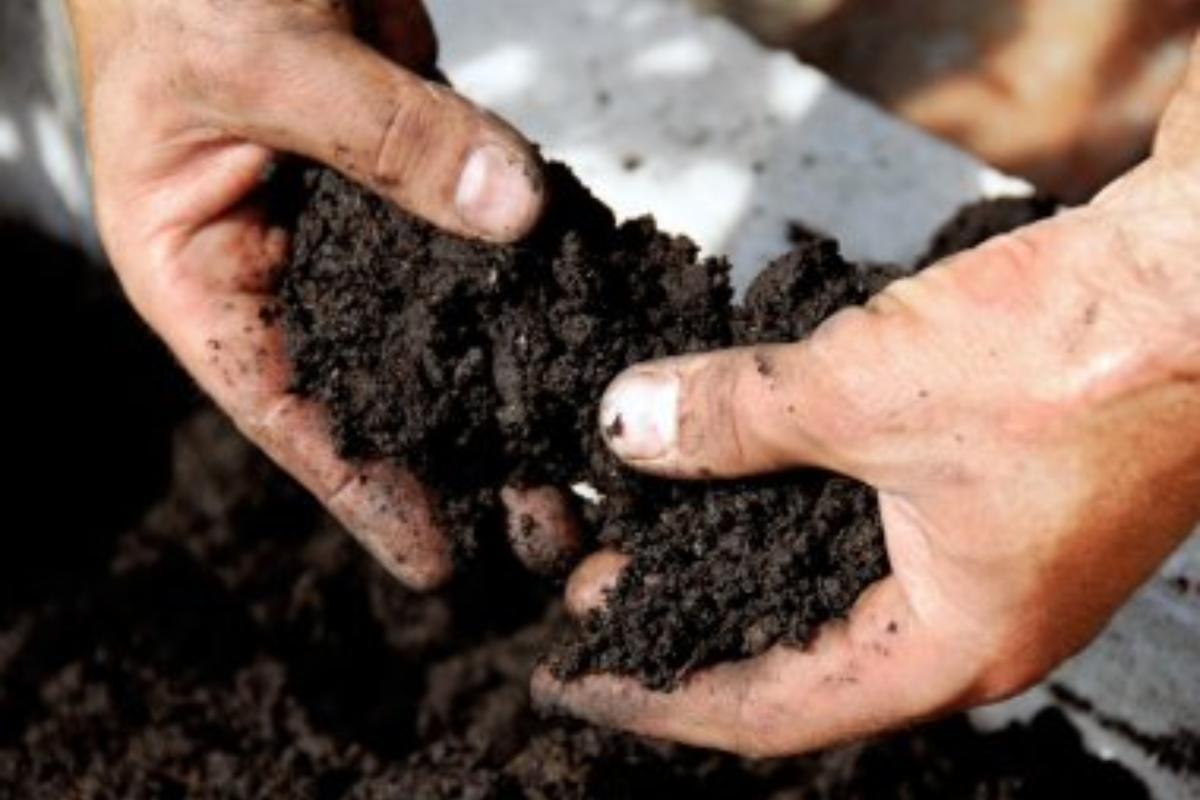
Skipping this step is like baking without measuring. Soil testing reveals what you’re working with—pH, nutrient levels, organic matter—and gives you a clear idea of what to amend. Most local extension services offer affordable testing.
One quick report can save years of frustration and failed harvests.
Give Plants Space — Even When It Feels Wrong
Tight spacing might look lush early on, but it causes problems fast—poor airflow, stunted growth, disease. Use the spacing recommendations on seed packets or tags.
It may seem like you’re wasting space at first, yet it pays off with fuller harvests and fewer headaches.
Water Deep — Not Often
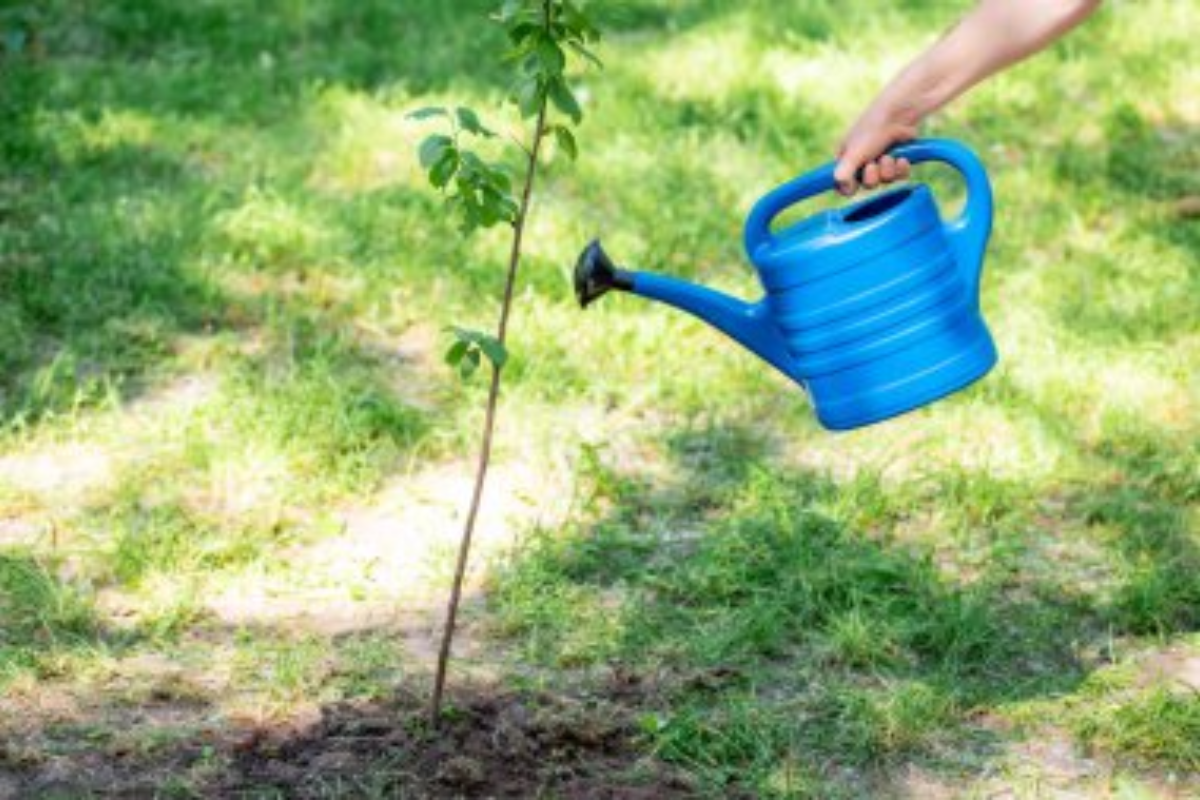
Plants need to chase water downward—not hang out near the surface. Shallow, frequent watering creates weak root systems. Instead, aim for one or two deep soakings per week.
This builds drought resistance and makes your plants tougher when weather turns dry.
Mulch Like You Mean It — But Keep It Off the Stems
A thick mulch layer does wonders—locking in moisture, reducing weeds, and enriching soil over time. Wood chips, straw, even chopped leaves work well.
Just keep mulch a few inches away from stems to avoid rot and pest trouble.
Pair Plants Strategically — Not Just Aesthetically
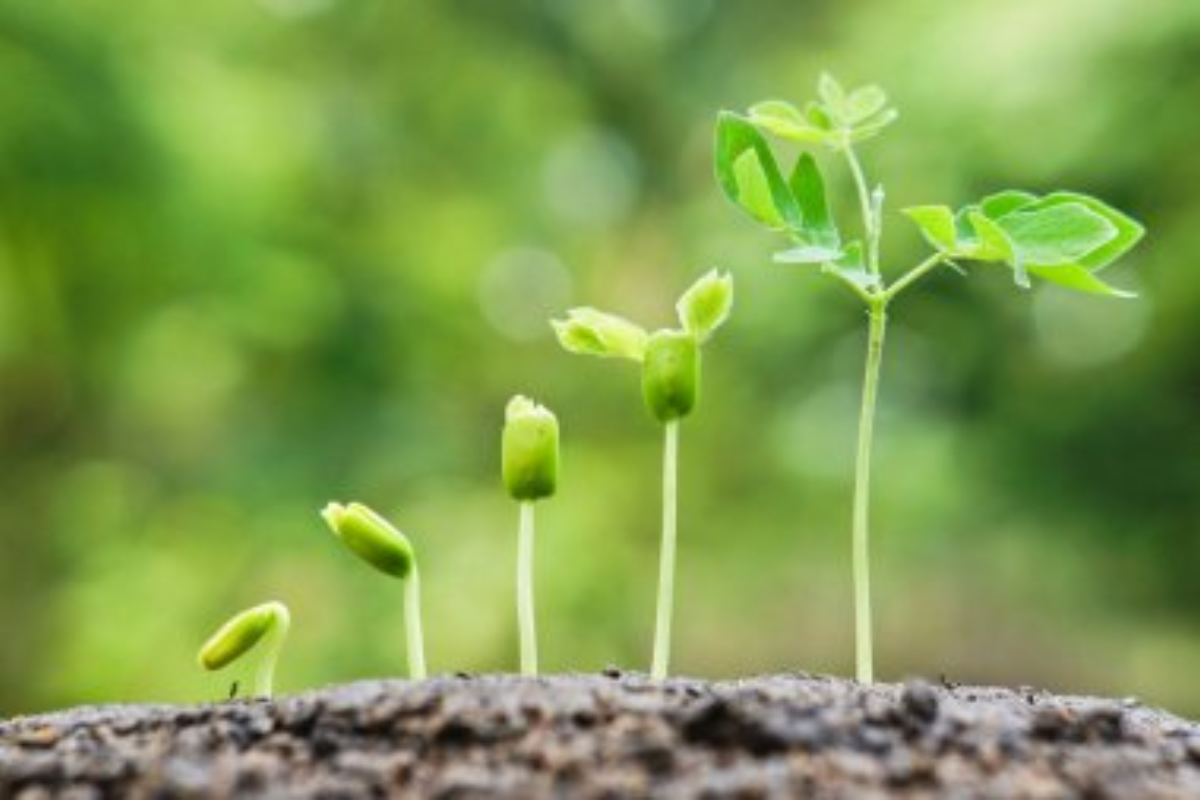
Companion planting isn’t folklore. Some plants genuinely help others grow better—repelling pests, fixing nitrogen, or offering shade. Tomatoes love basil.
Corn pairs well with beans. It’s about creating plant partnerships that benefit the whole garden.
Plant in Waves — Not All at Once

With fast-growing crops like lettuce, radishes, or bush beans, staggering your plantings every 1–2 weeks keeps the harvest rolling.
This avoids sudden surpluses and stretches your season—plus it makes maintenance feel a lot less overwhelming.
Rotate Your Crops — Yes, Even in Small Gardens
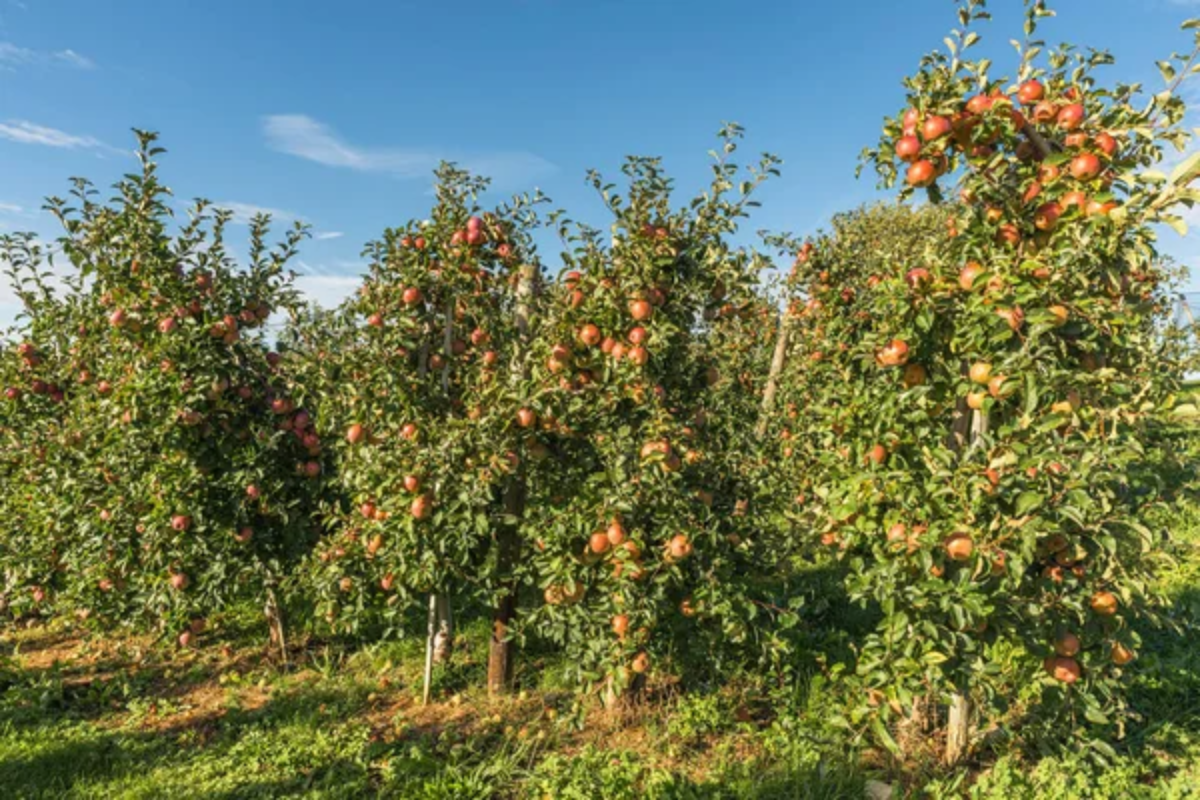
Growing the same crop in the same spot year after year invites disease and depletes soil nutrients. Rotate plant families—leafy greens, roots, fruits—so the soil has a chance to recover.
Even container gardeners can rotate by switching pot contents around.
Turn Scraps Into Soil — Compost Efficiently
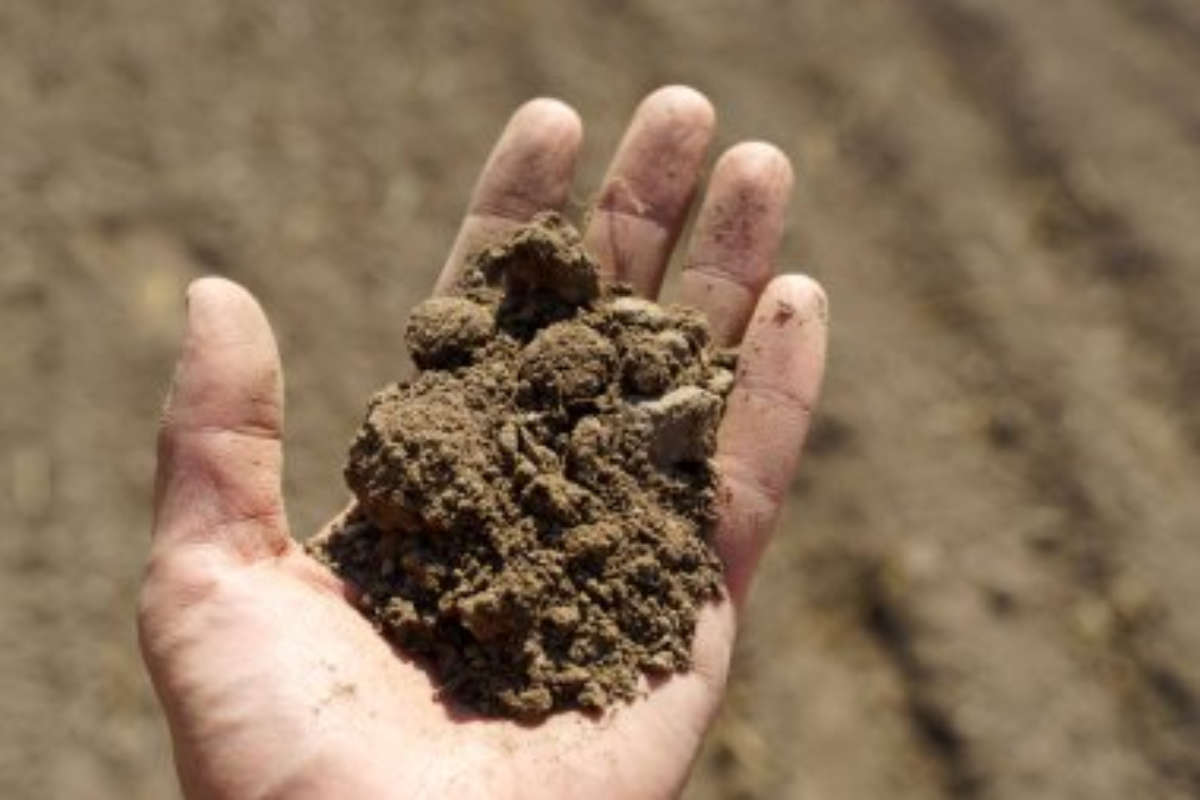
Don’t toss that banana peel or coffee filter—compost it. A simple bin or tumbler setup can turn kitchen waste and yard clippings into dark, crumbly compost.
This stuff feeds soil microbes, boosts structure, and slowly releases nutrients plants actually recognize.
Start Seeds Indoors — Beat the Calendar
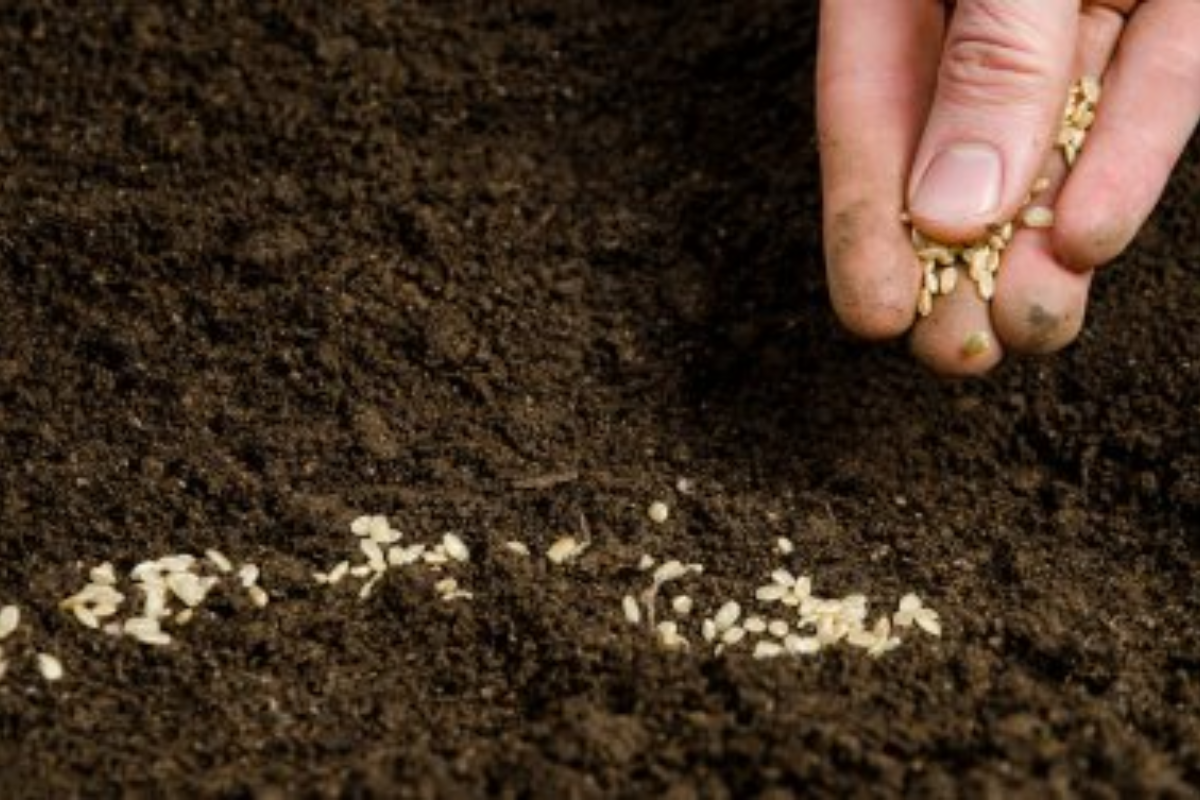
If you want a jumpstart on the season (or access to rare varieties), indoor seed-starting is the way to go. A sunny window or some cheap grow lights are all you need.
Starting early means healthier transplants—and longer, more productive harvests.
Prune Smart — Don’t Just Hack
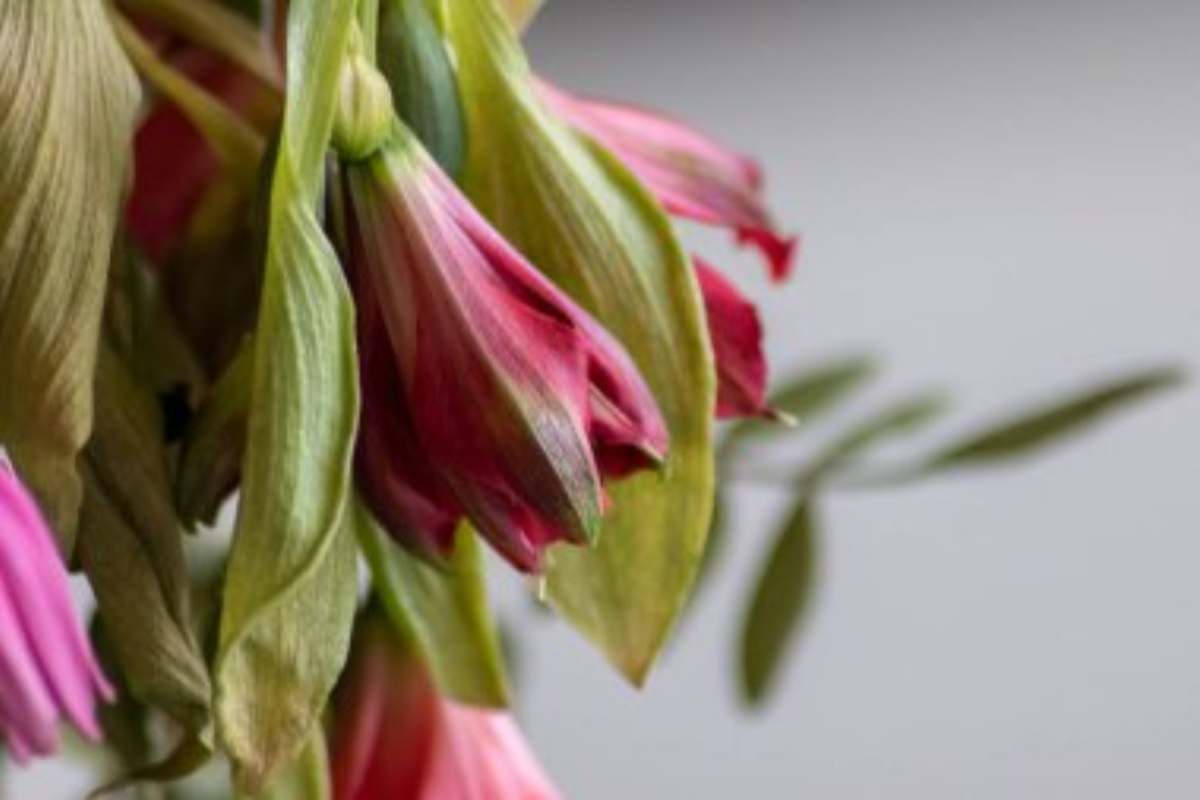
Snipping off dead flowers or damaged leaves isn’t just cosmetic—it redirects energy where it counts. Deadheading boosts blooms. Trimming excess growth improves airflow and light.
Clean, sharp tools matter here—sloppy cuts can cause more harm than good.
Map Out the Season Before It Starts

Great gardens don’t just happen—they’re planned. Use local frost dates and crop timelines to sketch out what goes where and when.
A little prep work avoids the midseason “what now?” panic and helps you make the most of your space.
Work With Nature — Not Against It

Chemical sprays might give fast results, but they also wipe out beneficial bugs that keep pests in check. Encourage ladybugs, lacewings, and birds by growing a diverse mix of flowers and herbs.
When problems arise, spot-treat rather than carpet-bomb.
Treat Tools Like They Matter (Because They Do)
Dull blades crush stems and spread disease. A few minutes of sharpening and disinfecting now and then makes every gardening task smoother—and healthier for your plants.
Well-cared-for tools last for decades, not seasons.
Pick Plants That Belong in Your Climate
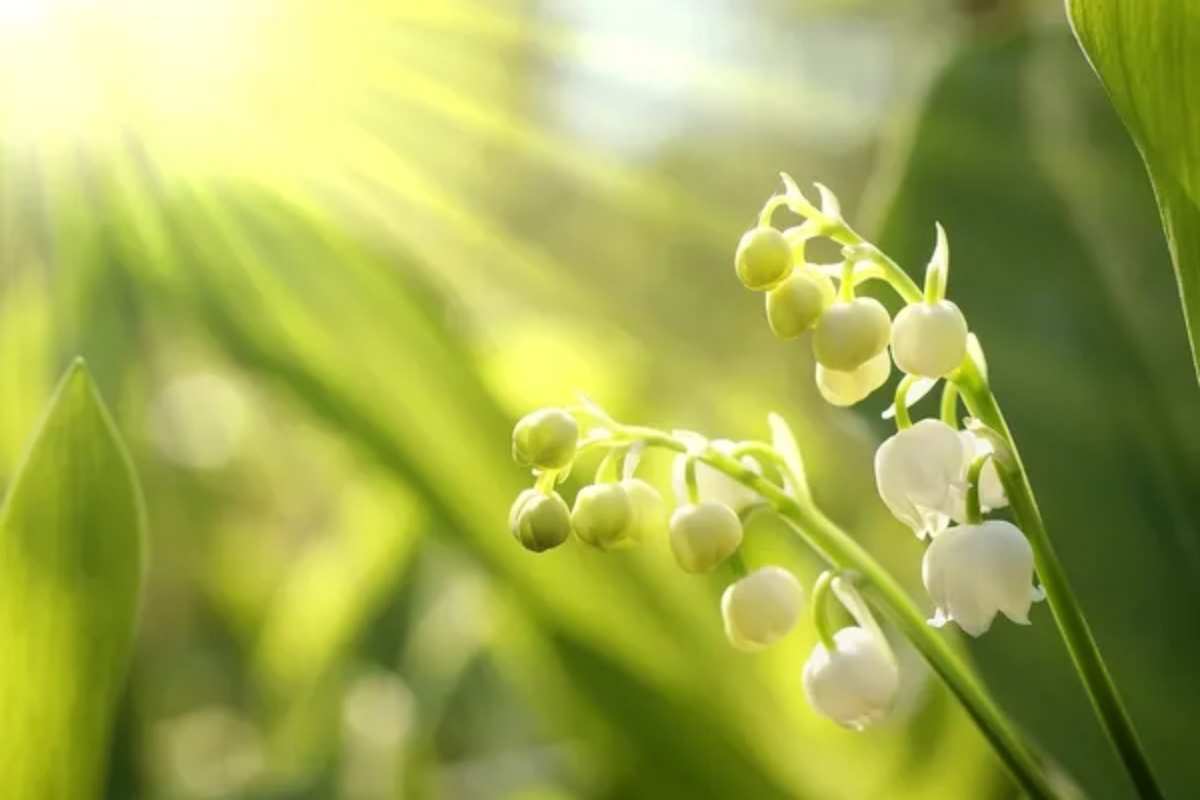
Some plants just aren’t cut out for your zone—and forcing them drains time and water. Native species and drought-tolerant varieties usually perform better with fewer inputs.
They’re adapted to local weather, pests, and soil types—so you do less babysitting.
Stretch the Season, Gently
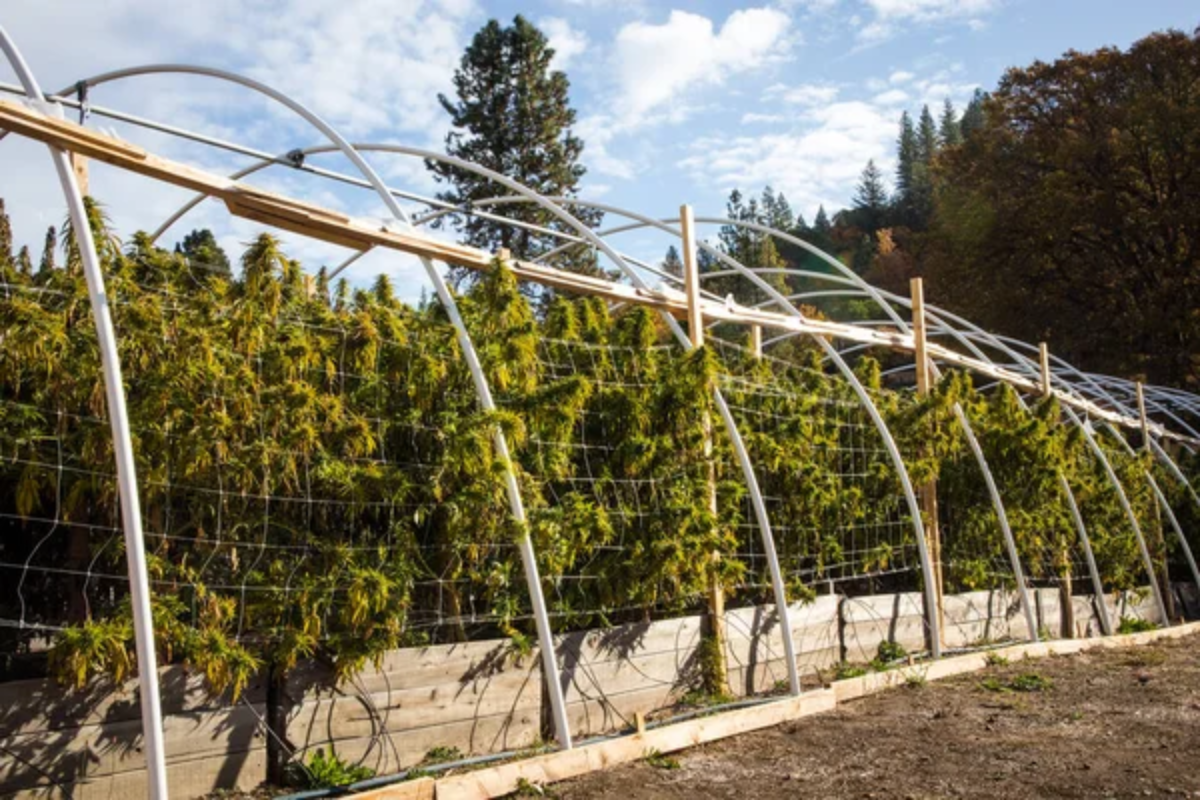
You don’t need a greenhouse to garden longer. Simple row covers, hoop tunnels, or cold frames can add weeks to both ends of the growing season.
They shield tender seedlings from cold snaps and keep fall crops producing well into the chilly months.
The Real Secret? Practice

There’s no single “perfect” technique that works in every yard or container. Gardening is part science, part observation. These methods have helped generations grow food and flowers more successfully—but adapting them to your conditions is what really makes the difference.
Try a few. See what sticks. Learn from what doesn’t. Over time, your instincts sharpen, your soil improves, and your plants start telling you what they need. That’s when gardening gets fun—not because it’s effortless, but because it’s earned. And yes, even the best gardeners started out just hoping their basil wouldn’t die.
More from Go2Tutors!

- The Romanov Crown Jewels and Their Tragic Fate
- 13 Historical Mysteries That Science Still Can’t Solve
- Famous Hoaxes That Fooled the World for Years
- 15 Child Stars with Tragic Adult Lives
- 16 Famous Jewelry Pieces in History
Like Go2Tutors’s content? Follow us on MSN.