14 Auto Insurance Myths People Still Believe
Auto insurance confuses almost everyone. The policies are packed with jargon, the coverage options seem endless, and the pricing feels completely arbitrary. This confusion creates fertile ground for myths that spread faster than wildfire through social media and family gatherings. Some of these misconceptions are harmless, while others can cost drivers thousands of dollars or leave them without coverage when they need it most.
The insurance industry hasn’t helped clarify things—their marketing often emphasizes catchy slogans over actual policy details. Meanwhile, outdated information continues circulating long after laws and practices have changed. Here is a list of 14 auto insurance myths that people still believe, despite overwhelming evidence to the contrary.
Red Cars Cost More to Insure

— Photo by everyonensk
This myth refuses to die, despite zero evidence supporting it. Insurance companies don’t even ask about your car’s color when calculating premiums—they care about make, model, year, and safety ratings. A red Honda Civic costs exactly the same to insure as a blue one with identical specs. Your driving record matters infinitely more than your paint job.
Your Credit Score Doesn’t Affect Rates

Most states allow insurers to use credit scores when determining premiums, and the impact can be substantial. People with poor credit often pay significantly more for identical coverage—sometimes double or triple the rates. The practice remains controversial, yet it’s perfectly legal in most jurisdictions. Either way, your credit report affects your car insurance bill whether you like it or not.
Comprehensive Coverage Handles Everything

The name ‘comprehensive’ tricks people into thinking it covers every possible scenario. Actually, comprehensive coverage only handles specific non-collision events like theft, vandalism, or weather damage—but it won’t pay for mechanical breakdowns or normal wear. Your engine seizing up isn’t covered under comprehensive, no matter how expensive the repair.
Older Drivers Always Pay Less

Age alone doesn’t determine insurance rates—driving record and risk factors matter more. While middle-aged drivers typically enjoy the lowest premiums, rates often increase again after age 70 due to slower reflexes and increased accident risk. A 75-year-old with recent violations might pay more than a 25-year-old with a clean record. Insurance companies care about statistical risk, not just the number of candles on your birthday cake.
Minimum Coverage Is Enough Protection
State-required minimums are often woefully inadequate for real-world accidents. Many states require only $25,000 in liability coverage—barely enough to cover a minor fender-bender in today’s market. A serious accident involving injuries can easily generate six-figure medical bills that exceed minimum coverage by huge margins. Minimum coverage protects you from legal penalties, yet it won’t protect your financial future if you cause a major accident. The bare minimum is exactly that—bare minimum.
Your Insurance Follows You, Not Your Car

This myth causes endless confusion when people lend their vehicles to friends or family members. Auto insurance primarily follows the car, not the driver—meaning your policy covers your vehicle regardless of who’s behind the wheel (with some exceptions). If you lend your car to someone who causes an accident, your insurance pays first while their coverage might provide secondary protection. The driver’s insurance only becomes primary in specific circumstances, like when driving a rental car. Your car, your insurance, your responsibility.
Filing Claims Always Raises Rates

Not all claims trigger rate increases, though many people avoid filing legitimate claims out of fear. Comprehensive claims for events beyond your control—like hail damage or theft—typically don’t affect rates since you weren’t at fault. At-fault collision claims almost certainly increase premiums, while not-at-fault accidents usually don’t. The key factor is whether the insurer considers you responsible for the incident. Some companies even offer accident forgiveness programs that waive the first at-fault claim entirely.
You Need Full Coverage for Financed Cars

Banks require collision and comprehensive coverage on financed vehicles, but ‘full coverage’ isn’t an actual insurance term. Lenders want to protect their investment—if your car gets totaled, they need assurance that the loan will be repaid. This means carrying collision and comprehensive coverage with deductibles the bank approves of—though you’ll still need liability coverage as required by state law. The term ‘full coverage’ is dealer slang that doesn’t appear in any actual policy documents.
Personal Items Are Covered in Your Car
— Photo by ifeelstock
Your auto policy typically excludes personal belongings stolen from your vehicle. That laptop, smartphone, or expensive sunglasses aren’t covered under your car insurance—you’d need to file a claim with your homeowner’s or renter’s policy instead. Auto insurance covers the vehicle itself and liability for accidents, while personal property falls under different coverage types. This gap surprises many people who assume their car insurance handles everything inside the vehicle. Always check what’s actually covered before assuming the worst-case scenario.
Parking Tickets Affect Insurance Rates
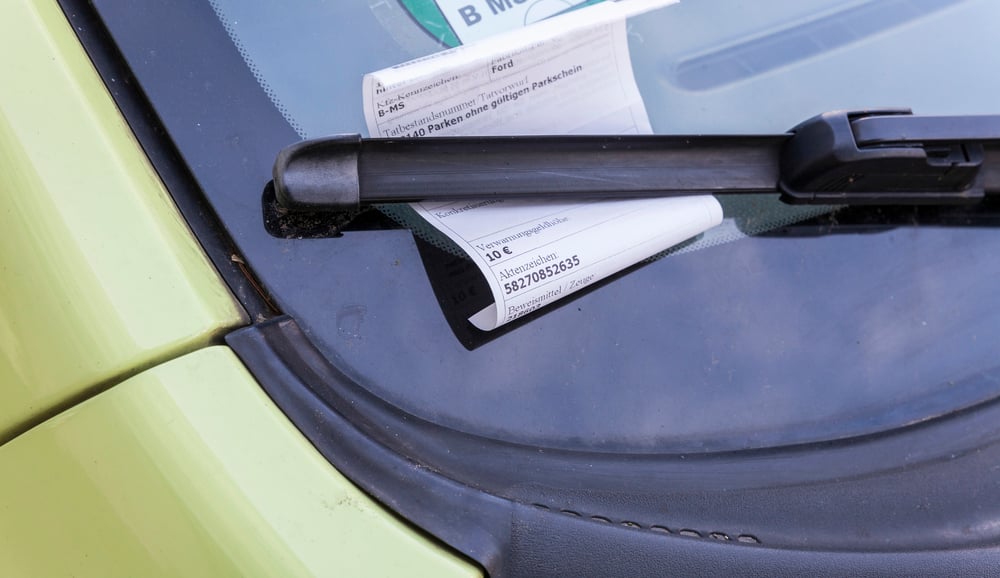
Insurance companies don’t care about parking violations because they don’t indicate accident risk. You can rack up dozens of parking tickets without affecting your premiums—though your city might eventually boot or tow your car. Moving violations like speeding or running red lights do matter since they suggest dangerous driving behavior. Insurers distinguish between parking infractions and actual traffic violations that predict future accidents. Your expired meter won’t raise your rates, though your lead foot certainly will.
Gender Doesn’t Matter for Rates

Several states have banned gender-based pricing, yet most jurisdictions still allow it. Young men typically pay more than young women due to higher accident rates and risk-taking behavior. The gap narrows significantly as drivers age, with minimal differences by middle age. Some states like California, Hawaii, and Massachusetts prohibit gender-based pricing entirely—while others allow it as one factor among many. The practice remains controversial, though actuarial data support gender-based risk differences in certain age groups.
You Don’t Need Insurance on Parked Cars

Most states require insurance on registered vehicles regardless of whether you’re driving them. Even if your car sits in the garage for months, you typically need to maintain minimum coverage or officially suspend your registration. Some states offer non-operational vehicle designations that reduce insurance requirements—though the process varies significantly by jurisdiction. Letting your insurance lapse on a parked car can result in registration suspension, fines, and higher rates when you resume coverage. Parking doesn’t equal exemption from insurance laws.
Liability Coverage Protects Your Own Car

Liability insurance only covers damage you cause to other people and their property—it won’t fix your own vehicle after an accident. This fundamental misunderstanding leaves many drivers without coverage for their own repairs after at-fault accidents. You need collision coverage to repair your car after hitting something—while comprehensive coverage covers non-collision damage like theft or weather. Liability insurance is about protecting others from your mistakes, not protecting yourself from repair bills. The distinction trips up countless drivers who discover this gap the hard way.
Insurance Rates Are Non-Negotiable

Many people accept their insurance quotes without question, assuming rates are fixed and unchangeable. Actually, most insurers offer various discounts that agents might not mention automatically. Safe driver discounts, multi-policy bundles, defensive driving course credits, and loyalty rewards can significantly reduce premiums. Different companies also weigh risk factors differently—what makes you expensive for one insurer might be perfectly acceptable to another. Shopping around and asking about available discounts can save hundreds or thousands annually.
The Truth Behind the Coverage
These persistent myths demonstrate how little most people understand about their auto insurance policies. The complexity of coverage options, combined with industry jargon and misleading terminology, creates confusion that benefits no one except perhaps unscrupulous agents. Understanding what your policy actually covers—and what it doesn’t—protects you from unpleasant surprises when filing claims. The best insurance policy is one you fully understand, not one that sounds good in a commercial or comes with the cheapest premium.
More from Go2Tutors!

- 16 Historical Figures Who Were Nothing Like You Think
- 12 Things Sold in the 80s That Are Now Illegal
- 15 VHS Tapes That Could Be Worth Thousands
- 17 Historical “What Ifs” That Would Have Changed Everything
- 18 TV Shows That Vanished Without a Finale
Like Go2Tutors’s content? Follow us on MSN.