15 Sports Statistics That Defy All Logic
Numbers define sports. Every game spits out dozens of statistics, from basic scores to those weird metrics only die-hard fans care about. Most of these figures make sense once you dig into the context—but some statistics are so bizarre they feel impossible. We’re not talking about lucky flukes or one-time accidents; these are legitimate records that make mathematicians scratch their heads in confusion.
Sports thrive on unpredictability, though certain achievements push credibility past any reasonable limit. These statistical freaks of nature prove that athletic competition can produce outcomes that shouldn’t exist according to probability theory. Here is a list of 15 sports statistics that defy all logic and continue making analysts question everything they thought they knew.
Wilt Chamberlain’s 100-Point Game
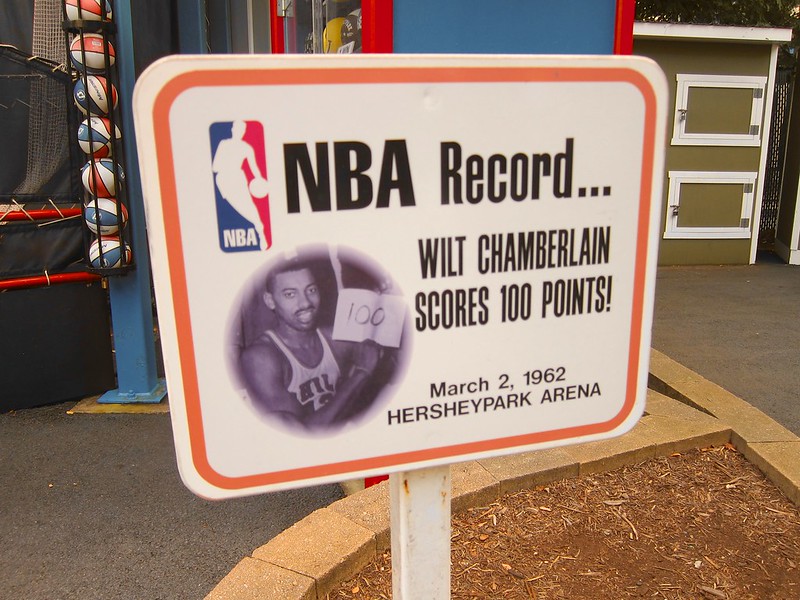
March 2, 1962: Wilt Chamberlain dropped 100 points in a single NBA game. Nobody’s even come close since—Kobe’s 81 points in 2006 felt miraculous yet fell 19 points short. Here’s the kicker: Chamberlain shot 28-of-32 from the free-throw line despite being notoriously awful at free throws. His worst skill became perfect on his greatest night—which makes zero mathematical sense.
Don Bradman’s Cricket Average

Sir Donald Bradman averaged 99.94 runs per innings in Test cricket—a number so ridiculous it looks like someone made a typo. The next-best qualified player averages around 60, making Bradman’s dominance equivalent to a baseball player hitting .500 for their entire career. His average would’ve been exactly 100 if he hadn’t gotten out for zero in his final innings—though 99.94 still represents athletic dominance that’s unmatched anywhere else.
Cy Young’s 511 Wins

Cy Young won 511 games when baseball seasons were shorter and starting rotations smaller than today’s. Modern pitchers struggle to reach 200 wins in their entire careers—making Young’s total seem completely impossible by contemporary standards. The absurdity deepens when you realize he also holds the record for most losses (316)—meaning he appeared in 827 decisions during his career.
Wayne Gretzky’s Point Total

Wayne Gretzky scored 2,857 career points in the NHL—more than any other player has managed in goals and assists combined. Remove every goal Gretzky ever scored, and his assist total alone (1,963) would still lead all-time—which is completely bonkers. The Great One reached 1,000 career points faster than anyone else reached 500, creating a pace that seems mathematically impossible.
Johnny Unitas’s Consecutive Games

Johnny Unitas threw at least one touchdown pass in 47 straight games from 1956 to 1960. This record stood for 52 years until Drew Brees finally broke it—though Unitas accomplished his streak when passing was far less common. The statistical improbability increases when you consider Unitas played with fewer games per season and more conservative offensive philosophies—yet somehow maintained perfect consistency.
Joe DiMaggio’s Hitting Streak

DiMaggio hit safely in 56 consecutive games during 1941—a streak statisticians calculate as virtually impossible to replicate. The probability of any individual player achieving this feat is roughly 1 in 4,000, even for elite hitters—which makes DiMaggio’s accomplishment feel supernatural. During the streak, he was hitting .408 and actually improving as pressure mounted.
Michael Jordan’s Playoff Scoring

Michael Jordan averaged 33.4 points per game over 179 playoff contests—a scoring rate that actually exceeded his regular season average. Most superstars see their numbers decline in postseason play due to increased defensive attention and pressure—yet Jordan somehow got better when everything was on the line. Six Finals appearances resulted in six championships with six Finals MVP awards, creating a perfect correlation between individual excellence and team success.
Babe Ruth’s Home Run Dominance
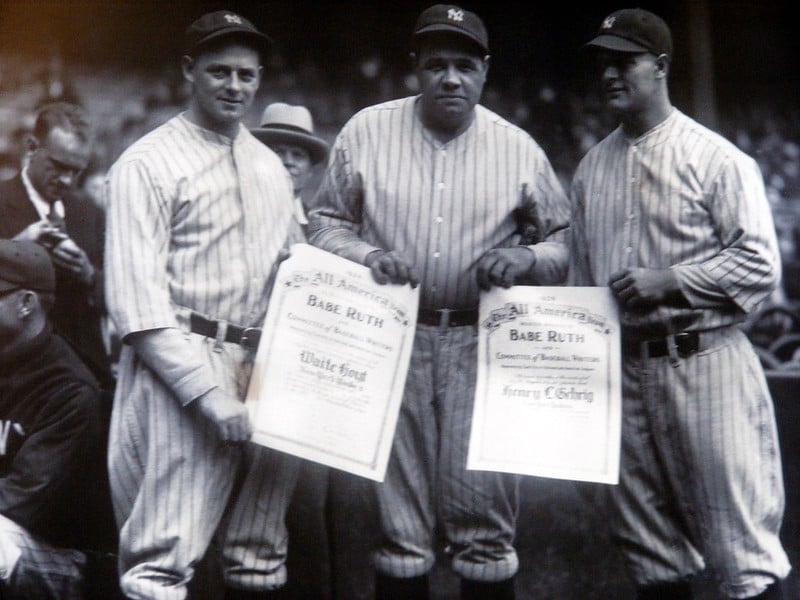
In 1920, Babe Ruth hit 54 home runs while the next-highest team total was 50—meaning Ruth individually outhomered 14 of baseball’s 16 teams. This level of individual dominance over entire organizations seems impossible in any modern context—though Ruth’s transformation from pitcher to slugger coincided with baseball’s evolution toward power hitting. His immediate dominance suggests he understood the game’s future direction decades before anyone else.
Secretariat’s Belmont Stakes

Secretariat won the 1973 Belmont Stakes by 31 lengths while setting a track record that still stands today. The margin of victory was so absurd that track announcers ran out of words to describe what they were witnessing—though the real impossibility lies in how he ran each quarter-mile faster than the previous one. Secretariat actually accelerated throughout a mile-and-a-half race when horses typically tire, defying every known principle of equine physiology.
Bill Russell’s Championships
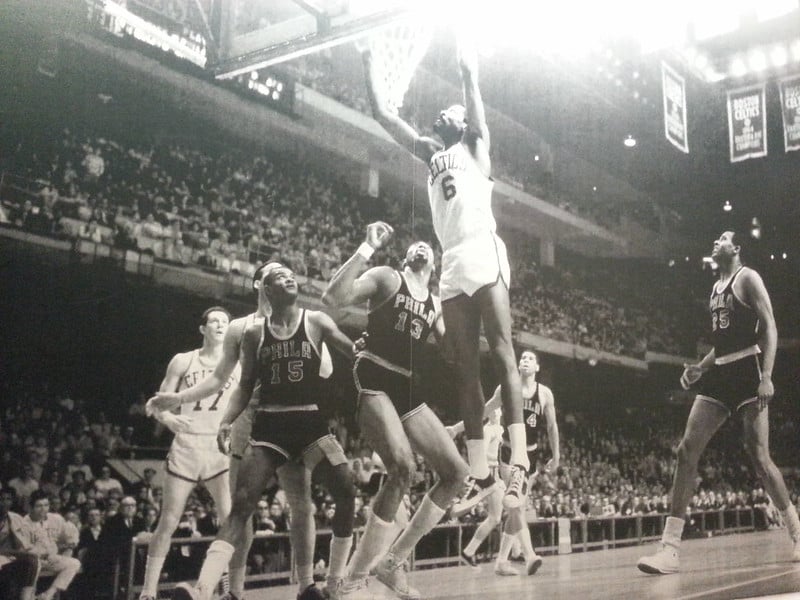
Bill Russell won 11 NBA championships in 13 seasons with the Boston Celtics—a success rate that seems impossible in any competitive environment. Russell’s teams captured eight consecutive titles from 1959 to 1966, creating a dynasty unmatched in major professional sports—though the statistical improbability increases when you consider he often faced equally talented opponents like Wilt Chamberlain. Somehow, Russell found ways to win when championships hung in the balance.
Ted Williams’s On-Base Percentage
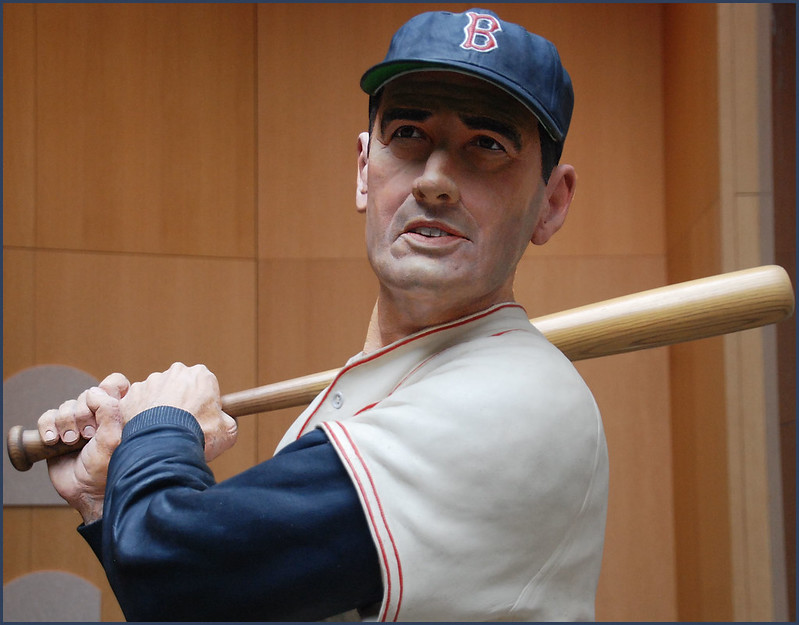
Ted Williams posted a 482 career on-base percentage, reaching base safely in nearly half of all plate appearances over 19 seasons. His 1941 season included a .406 batting average and .553 on-base percentage—numbers that seem impossible given modern pitching specialization. Williams accomplished this while missing nearly five full seasons due to military service, suggesting his statistical dominance might’ve been even greater with an uninterrupted career.
Otto Graham’s Championship Rate
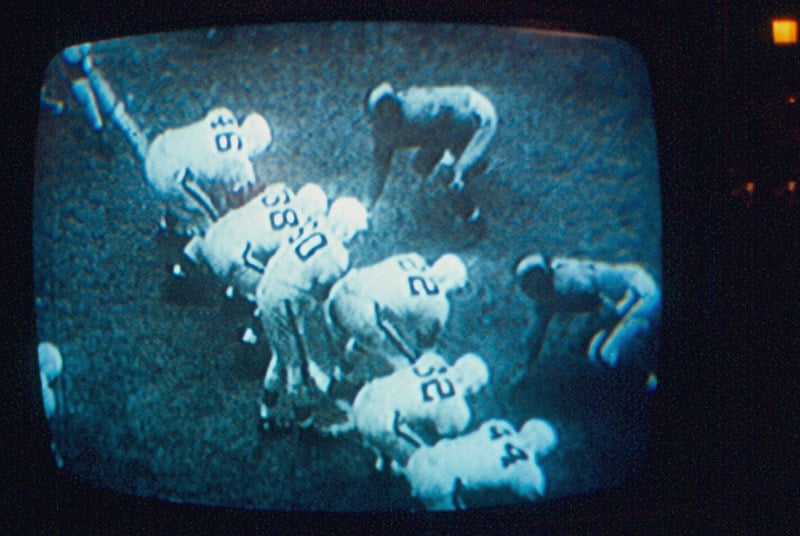
Otto Graham led the Cleveland Browns to 10 championship games in 10 seasons as their starting quarterback. The Browns won seven of those championships across two different leagues, creating a decade of sustained excellence unmatched in professional football. Graham’s teams reached the title game every single year he played, suggesting a level of consistent dominance that transcends individual talent to approach statistical impossibility.
Kareem Abdul-Jabbar’s Longevity

Kareem Abdul-Jabbar scored 38,387 career points over 20 NBA seasons while maintaining elite performance into his forties. His skyhook became virtually unblockable, allowing him to score consistently even as his athleticism declined. The scoring record stood for nearly 40 years until LeBron James broke it, though Kareem’s combination of peak excellence and sustained production across two decades remains unmatched.
Jack Nicklaus’s Major Dominance

Jack Nicklaus won 18 major golf championships while finishing second 19 times—meaning he contended for nearly 40 major titles during his career. This level of sustained excellence in golf’s biggest events defies the sport’s inherent randomness and competitive depth. Nicklaus won majors across four different decades, adapting his game to evolving equipment and course conditions while maintaining championship-caliber performance well into his forties.
Cal Ripken’s Consecutive Games

Cal Ripken Jr. played in 2,632 consecutive baseball games from 1982 to 1998—a streak encompassing over 16 full seasons without missing a single contest. The durability required to avoid any injury serious enough to sideline him for even one game seems medically impossible. Ripken’s streak occurred during baseball’s most physically demanding era, when players wore less protective equipment and played through injuries that would sideline modern athletes for weeks.
Records That Broke Reality

These statistical anomalies prove that sports can produce outcomes that challenge mathematical probability and human comprehension. The athletes who achieved these records didn’t just excel—they transcended normal performance parameters to reach levels that shouldn’t exist according to conventional logic. Modern analytics make these achievements appear even more remarkable, as we now understand precisely how improbable they truly were. Future generations will chase these records while knowing they’re pursuing standards that defy rational explanation.
More from Go2Tutors!

- 16 Historical Figures Who Were Nothing Like You Think
- 12 Things Sold in the 80s That Are Now Illegal
- 15 VHS Tapes That Could Be Worth Thousands
- 17 Historical “What Ifs” That Would Have Changed Everything
- 18 TV Shows That Vanished Without a Finale
Like Go2Tutors’s content? Follow us on MSN.