15 Ancient Civilizations That Influenced Modern Law
Law might feel like a modern invention, but its roots go way back, carved out by civilizations long gone. These ancient societies laid the groundwork for rules and justice systems that shape how we live today. From codes etched in stone to early courts, they built the foundation for fairness and order.
Here is a list of 15 ancient civilizations that crafted laws and legal ideas, many of which still echo in our legal systems now.
Sumerians
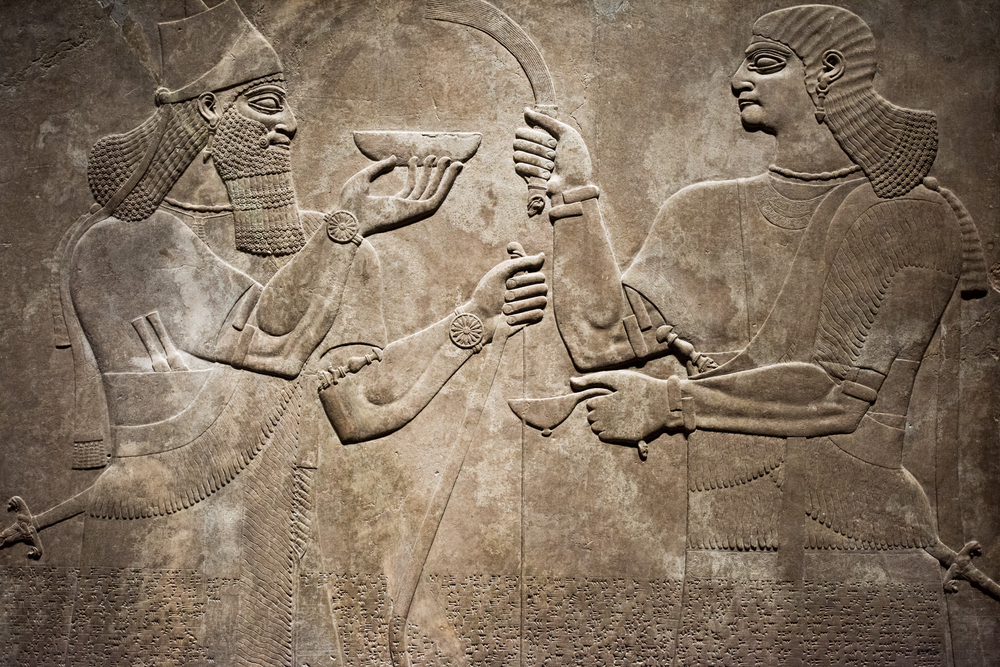
The Sumerians, living in Mesopotamia around 4,000 years ago, created some of the earliest known laws. Their legal codes governed everything from property rights and marriage contracts to trade disputes and theft.
These rules helped stabilize growing city-states and prevent chaos, showing how even in early urban centers, clear laws were essential to keep life running smoothly.
Babylonians

Famous for the Code of Hammurabi, the Babylonians set down one of the first comprehensive law codes. This collection of 282 rules was carved into stone and placed publicly, so everyone knew the law.
It emphasized fairness through the ‘eye for an eye’ principle but also included rules about business, family, and labor. Despite some harsh punishments by today’s standards, this code was a huge step in formalizing justice.
Like Go2Tutors’s content? Follow us on MSN.
Egyptians

Ancient Egypt’s laws were deeply connected to religion and the idea of cosmic balance called ‘Ma’at.’ Pharaohs were seen as divine judges who kept order between humans and gods.
Laws covered everything from property rights to crime, but justice was also a spiritual responsibility. This blend of religion and law set a tone that influenced later systems, where law wasn’t just social control but a moral framework.
Hittites

The Hittites, from what is now Turkey, had a legal system notable for its relatively mild punishments compared to other ancient codes. They often used fines as penalties rather than harsh physical punishment, which was unusual at the time.
This approach suggests they understood the importance of proportional justice, where the punishment fits the crime without unnecessary cruelty.
Assyrians
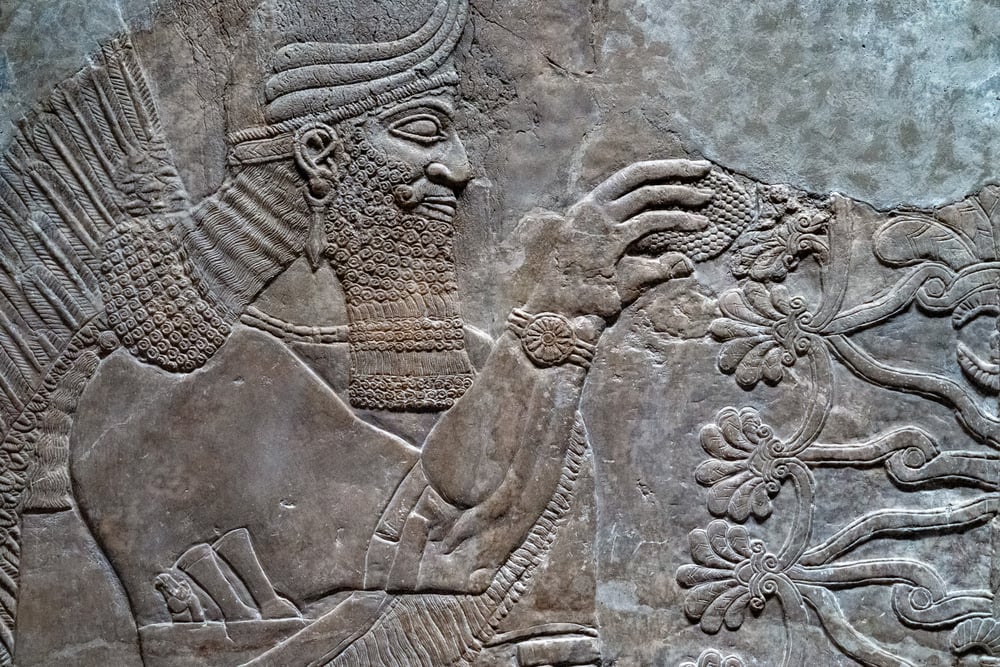
The Assyrians had a legal system shaped by their warrior culture. Their laws stressed strict social order and harsh punishments to maintain control over a large and often turbulent empire.
Crime against the state or religion was dealt with severely. Their system highlights how law often reflects the values and priorities of the society it serves, especially when power and authority are key concerns.
Like Go2Tutors’s content? Follow us on MSN.
Hebrews

The Hebrew Bible contains laws that have had a lasting influence on Western legal traditions. These laws combined moral commandments, like the Ten Commandments, with civil and ceremonial rules governing everyday life.
The emphasis on justice, fairness, and responsibility to community helped shape ethical standards that many modern laws still echo.
Greeks

Greek city-states, especially Athens, introduced groundbreaking ideas like democracy and trial by jury. They believed laws should reflect the will of the citizens and that everyone should have a say in justice.
This emphasis on public participation and debate laid important groundwork for the idea that laws are made by and for the people, not just rulers.
Romans
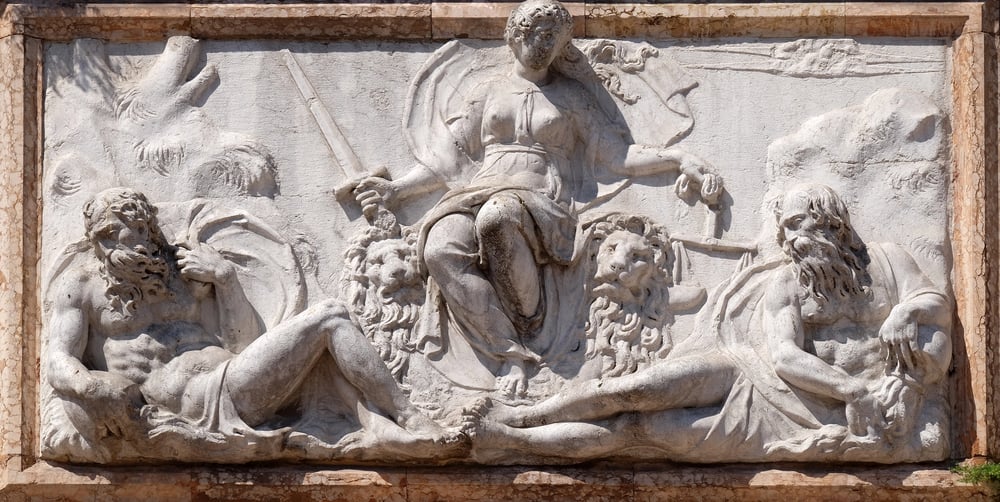
Roman law forms the foundation of many legal systems in the Western world. Their detailed and organized legal codes covered everything from property and contracts to family and criminal law.
They developed legal concepts such as ‘innocent until proven guilty’ and introduced professional judges and lawyers. The Roman system’s clarity and adaptability have made it a lasting model.
Like Go2Tutors’s content? Follow us on MSN.
Phoenicians

The Phoenicians were famous traders who needed reliable rules to manage business across different cultures. Their commercial laws helped regulate contracts, debts, and partnerships, which was essential for early international trade.
By creating legal frameworks that crossed borders, they contributed to the idea that law can facilitate economic growth and cooperation.
Chinese (Shang and Zhou Dynasties)

Ancient Chinese legalism, especially during the Shang and Zhou Dynasties, emphasized strict laws and harsh punishments to keep order. The Zhou introduced the ‘Mandate of Heaven,’ linking the ruler’s right to govern with moral authority and justice.
This concept tied law to the ruler’s legitimacy and influenced ideas about governance and accountability.
Indians (Maurya Empire)

The Mauryan Empire blended Buddhist and Hindu principles in their legal codes, promoting justice with a focus on non-violence and public welfare. Their laws were designed not just to punish but to guide moral behavior and protect the vulnerable.
This balance of law and ethics reflects a holistic view where justice supports society’s well-being.
Like Go2Tutors’s content? Follow us on MSN.
Mayans

The Mayans developed legal systems that governed community conduct and conflict resolution within their city-states. Their laws were deeply connected to religious beliefs and social roles, reinforcing the cultural fabric.
They dealt with crimes and disputes in ways that maintained harmony, showing how law was a tool for preserving social order.
Aztecs

Aztec law was detailed and strict, covering crimes like theft, murder, and social misconduct. Their system relied on community enforcement and public punishments to deter wrongdoing.
The Aztecs valued social harmony and believed law was essential to keep a complex urban society functioning smoothly.
Incas

The Incas managed a huge empire with laws focusing on collective responsibility and labor obligations. Rather than emphasizing individual rights, their system prioritized the community’s needs.
This approach kept their society organized and productive, showing that law can reflect different values depending on cultural priorities.
Like Go2Tutors’s content? Follow us on MSN.
Minoans
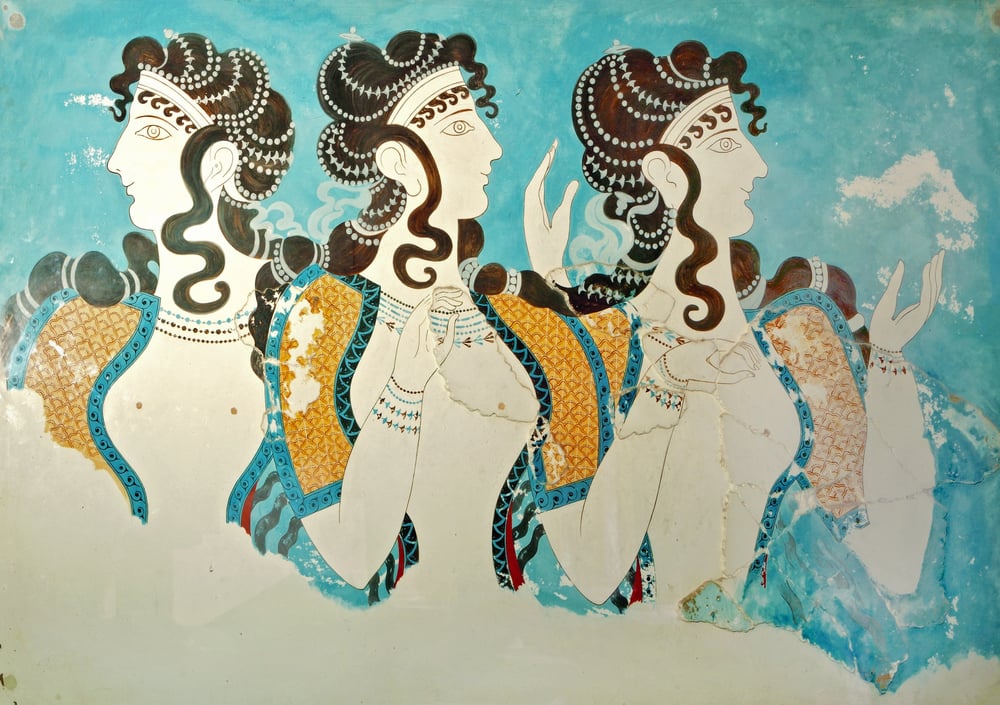
The Minoans’ trade laws were essential for their success in connecting different regions. Their legal principles helped build trust between merchants and ensured debts and contracts were honored.
This early form of commercial law laid groundwork for the modern rules that keep global markets running.
The Thread Between Ancient and Modern Law
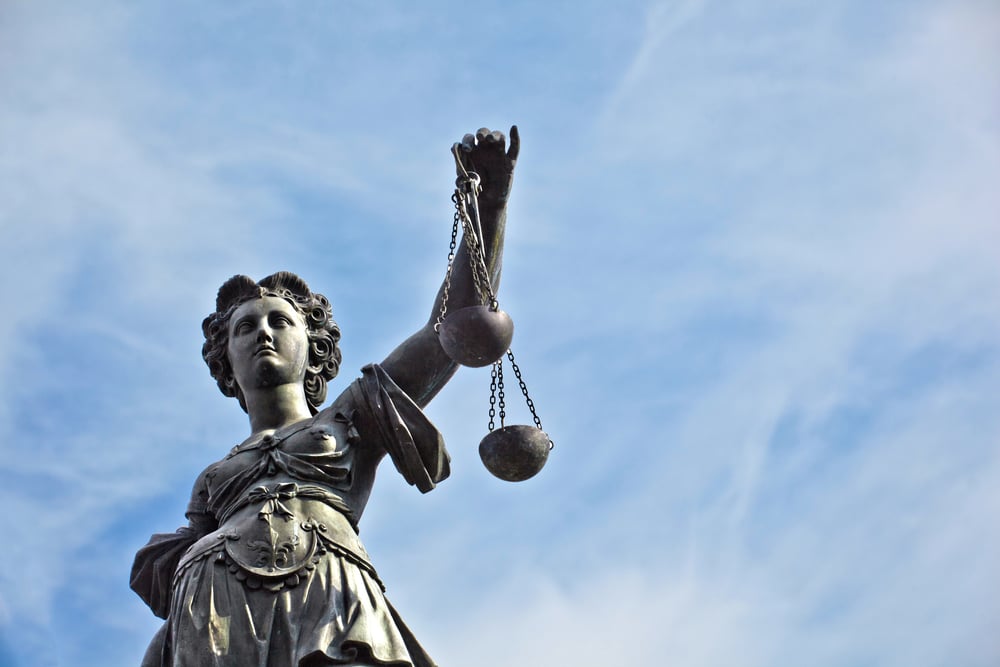
These ancient laws weren’t perfect blueprints, but they planted seeds that grew into the complex legal systems we rely on today. They balanced fairness, order, and community values in ways that still resonate.
Their innovations remind us that law is a living concept, shaped by culture and history, but always focused on managing how people live and work together.
More from Go2Tutors!

- 16 Historical Figures Who Were Nothing Like You Think
- 12 Things Sold in the 80s That Are Now Illegal
- 15 VHS Tapes That Could Be Worth Thousands
- 17 Historical “What Ifs” That Would Have Changed Everything
- 18 TV Shows That Vanished Without a Finale
Like Go2Tutors’s content? Follow us on MSN.