12 Inventors Who Died Poor While Others Got Rich From Their Ideas
Innovation has always cut both ways. While we celebrate brilliant minds who transformed the world with groundbreaking inventions, the harsh reality is that many visionaries never saw a penny from their life-changing creations. Instead, they watched from the sidelines as cunning businesspeople, patent thieves, and corporate giants turned their ideas into massive fortunes.
These forgotten inventors’ stories serve as sobering reminders that creativity and business savvy are completely different skills. Here is a list of 12 inventors who died in poverty while others became millionaires from their revolutionary ideas.
Nikola Tesla
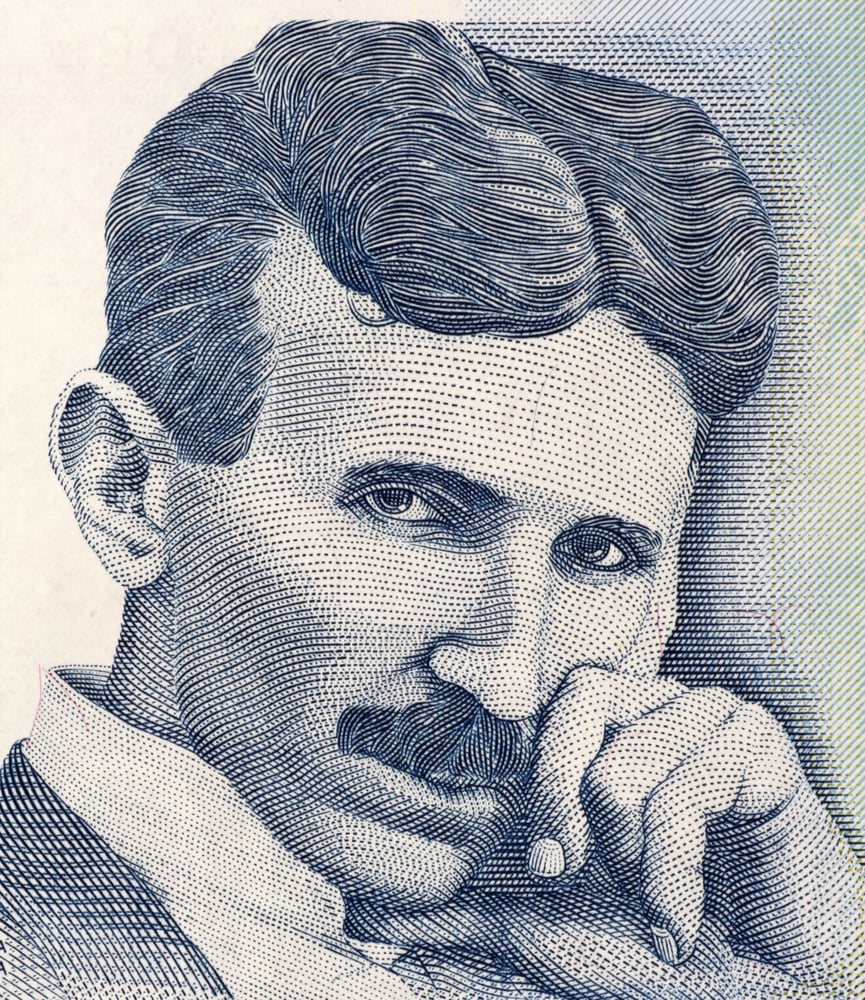
Tesla’s alternating current system literally powers our modern world—yet he died alone in a New York hotel room buried in debt. While Thomas Edison and George Westinghouse became household names and accumulated vast wealth, Tesla struggled financially his entire life. His generous nature and terrible business sense meant he often sold patents for far less than they were worth or simply gave them away. The man who invented the foundation of our electrical grid ended up feeding pigeons in Central Park during his final years.
Antonio Meucci
— Vector by fogbird
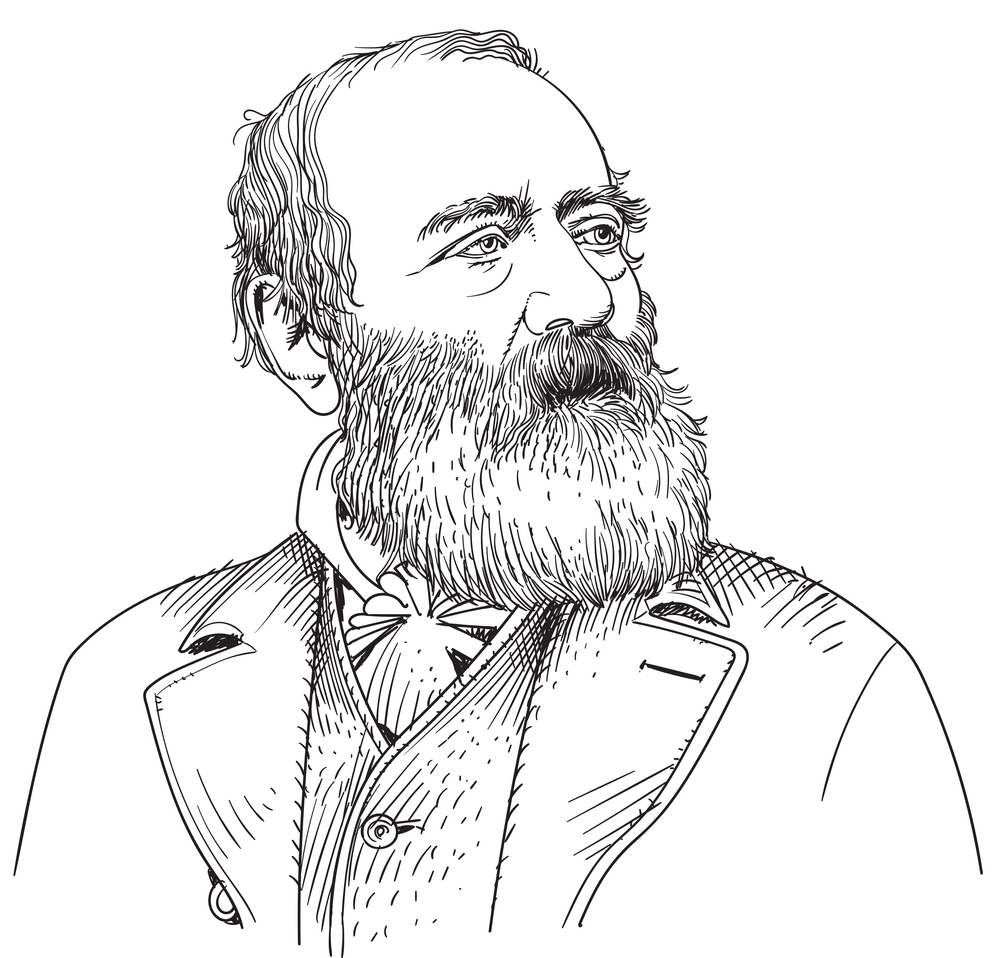
Twenty years before Alexander Graham Bell filed his famous telephone patent, Italian inventor Antonio Meucci had already created a working ‘teletrofono’ in his Staten Island home. Financial hardship forced Meucci to sell his prototype materials—and when he couldn’t afford the $250 patent renewal fee, his preliminary patent lapsed. Bell swooped in with his own application and became known as the telephone’s inventor. Meucci spent his remaining years in poverty, fighting legal battles he couldn’t afford to win.
Philo Farnsworth

— Photo by MichaelVi
At just 21, Farnsworth invented the first fully electronic television system—yet most people know the names David Sarnoff and RCA instead. Corporate giants tied him up in patent disputes for decades, draining his resources while they profited from his invention. By the time Farnsworth finally won his legal battles, his patents had nearly expired. He received minimal compensation for creating the device that would revolutionize entertainment and communication worldwide.
Garrett Morgan
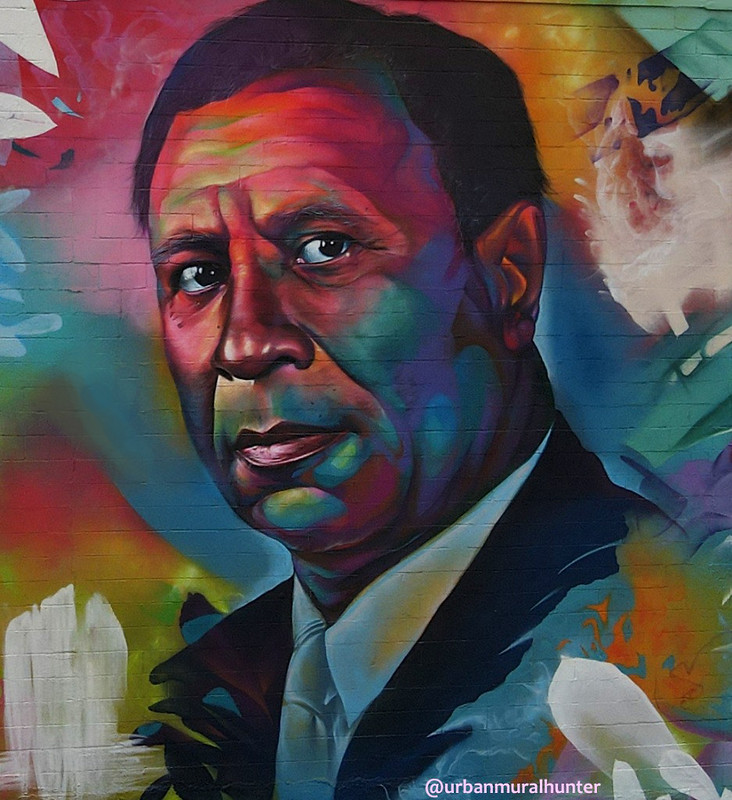
Morgan invented the three-position traffic signal that keeps our roads safe today—but racial prejudice prevented him from reaping the full rewards of his innovation. He sold his patent to General Electric for just $40,000 in 1923, a fraction of what it would generate in profits. His gas mask invention, which saved countless lives during World War I and in mining disasters, also failed to make him wealthy due to discriminatory business practices of the era.
Wilhelm Röntgen
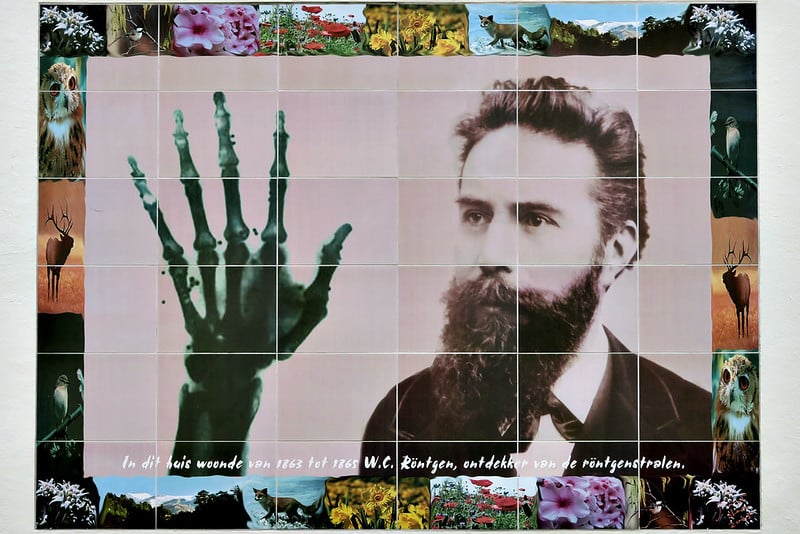
The German physicist who discovered X-rays refused to patent his revolutionary medical imaging technology—believing it should benefit all humanity. While his noble intentions were admirable, companies like General Electric and Siemens built billion-dollar empires around X-ray technology. Röntgen died in relative poverty in 1923, having never profited from one of medicine’s most important diagnostic tools.
Tim Berners-Lee

The inventor of the World Wide Web deliberately chose not to patent his creation—wanting to keep the internet free and accessible to everyone. While tech giants like Google, Amazon, and Facebook have built trillion-dollar empires on his foundation, Berners-Lee continues working as an academic. His decision to give away what could’ve been the most valuable patent in history exemplifies how inventors often prioritize progress over profit.
Elisha Gray
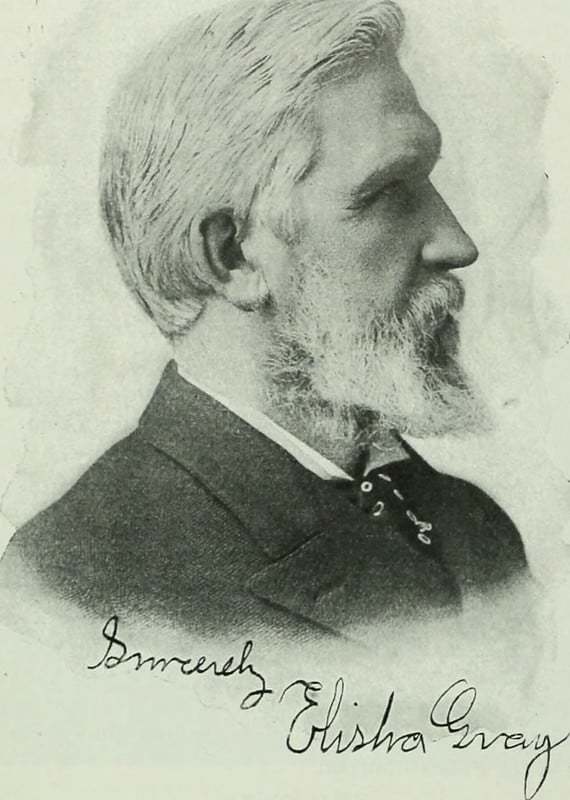
Gray filed a patent application for the telephone on the same day as Alexander Graham Bell—but Bell’s lawyer arrived at the patent office just hours earlier. This timing difference cost Gray millions as Bell’s patent became one of the most valuable in history. Gray spent years in legal battles trying to prove his priority, though he died without recognition or compensation for his telephone innovations.
Joseph Swan
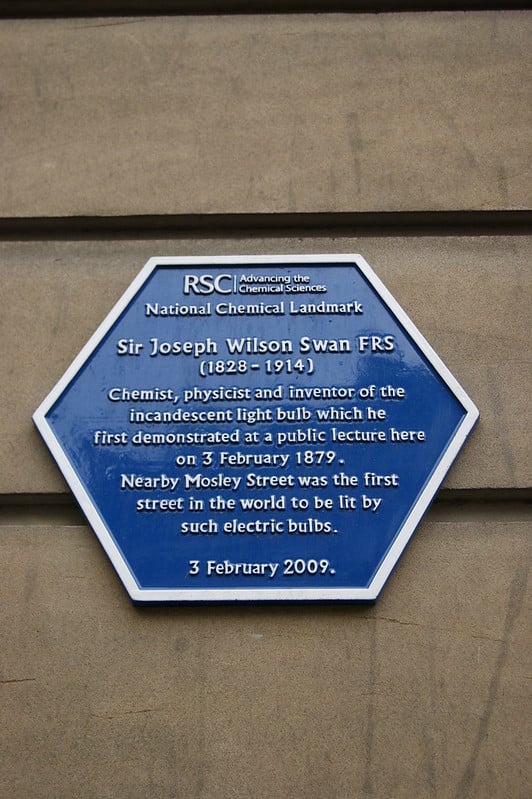
The British inventor created a working incandescent light bulb a full year before Edison’s famous version—yet Edison gets all the credit and profits. Swan’s bulb was actually superior in many ways, though Edison’s superior marketing and business connections made him the household name. Swan eventually partnered with Edison in England, but by then Edison had already cornered the American market worth millions.
John Logie Baird
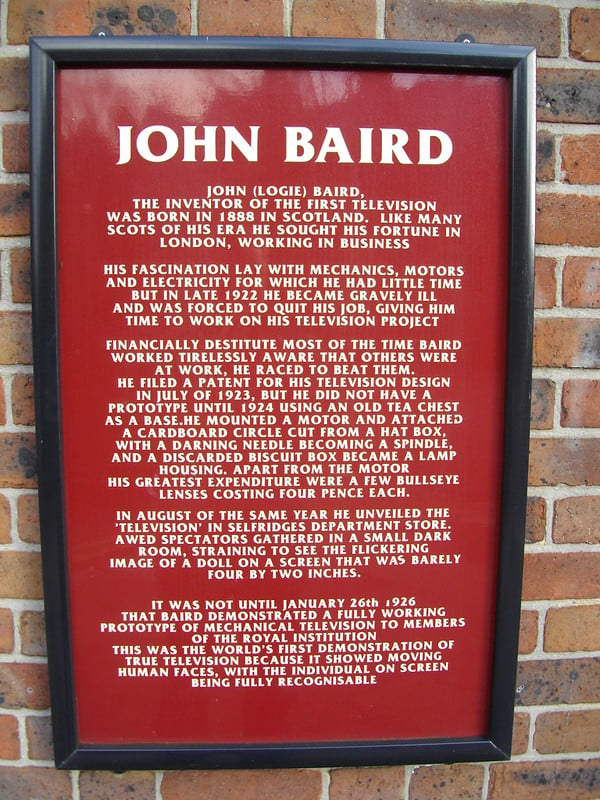
Baird demonstrated the first working television system in 1926, beating RCA and other corporate giants to the punch. However, his mechanical television system was eventually superseded by electronic versions, and he lacked corporate backing to compete with major manufacturers. While companies like RCA and Philips made fortunes from television technology, Baird died with modest savings despite pioneering the entire industry.
Ignaz Semmelweis
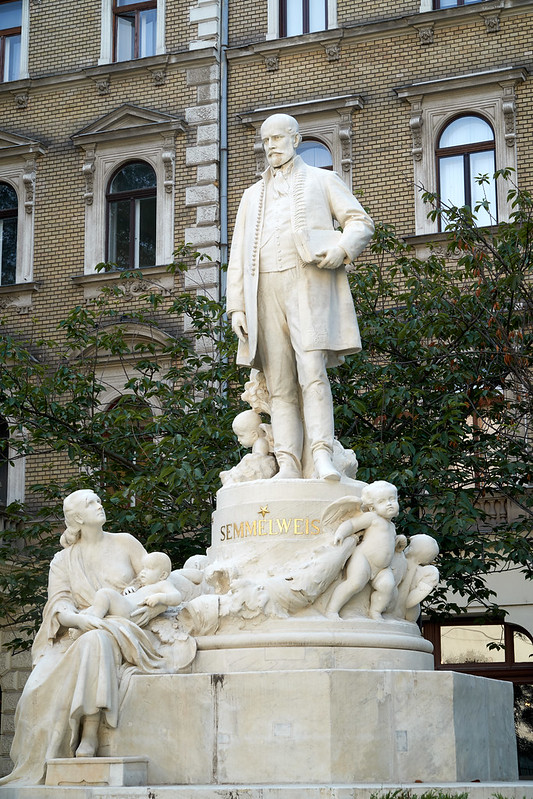
The Hungarian doctor who discovered that handwashing dramatically reduced mortality rates in hospitals faced ridicule from the medical establishment. His simple yet revolutionary idea about hygiene could’ve saved millions of lives and generated enormous profits for medical institutions. Instead, he was ostracized by his peers and died in poverty, never seeing his theories accepted or monetized.
Rosalind Franklin
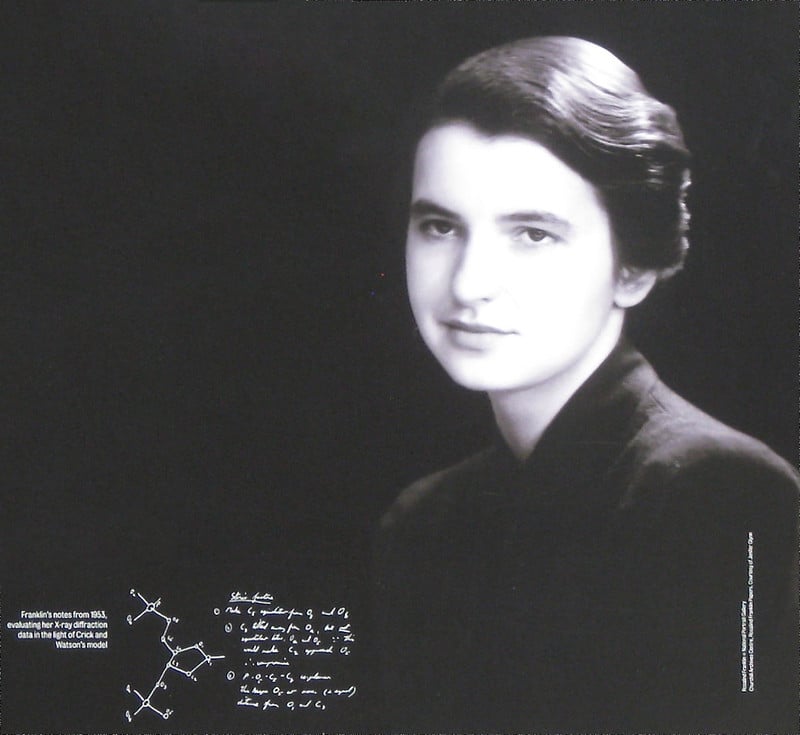
Franklin’s X-ray crystallography work was crucial to discovering DNA’s double helix structure—yet Watson and Crick received the Nobel Prize and scientific fame. Her meticulous research provided the key evidence that unlocked one of biology’s greatest mysteries. While her male colleagues built prestigious careers and lucrative consulting opportunities around DNA research, Franklin died young and unrecognized for her contributions.
Hedy Lamarr

The Hollywood actress secretly invented frequency-hopping technology that became the foundation for WiFi, Bluetooth, and GPS systems. However, the U.S. Navy classified her patent and didn’t use it until decades later. By the time tech companies built billion-dollar industries around her invention, her patent had expired. Lamarr never received compensation for creating the technology that powers our modern connected world.
When Brilliance Meets Business

These stories reveal an uncomfortable truth about innovation: people who change the world rarely get to enjoy the financial rewards of their genius. Whether through poor business decisions, discriminatory practices, corporate manipulation, or simple bad timing, history’s greatest inventors often watched others profit from their life’s work. Their legacies remind us that behind every revolutionary technology lies a human story of dreams, struggles, and too often, missed opportunities for the very people who made our modern world possible.
More from Go2Tutors!

- 16 Historical Figures Who Were Nothing Like You Think
- 12 Things Sold in the 80s That Are Now Illegal
- 15 VHS Tapes That Could Be Worth Thousands
- 17 Historical “What Ifs” That Would Have Changed Everything
- 18 TV Shows That Vanished Without a Finale
Like Go2Tutors’s content? Follow us on MSN.