18 Historical Monuments Built by Slave Labor
Many of the world’s most celebrated monuments and architectural marvels carry a hidden cost in their stone and mortar. Behind their grandeur lies the forced labor of countless enslaved people whose contributions have often been erased from historical records.
Understanding this reality doesn’t diminish the artistic or cultural significance of these structures, but it does provide a more complete picture of how they came to be. Here is a list of 18 historical monuments that were constructed using enslaved labor, revealing the human cost behind some of humanity’s most enduring achievements.
The Great Wall of China
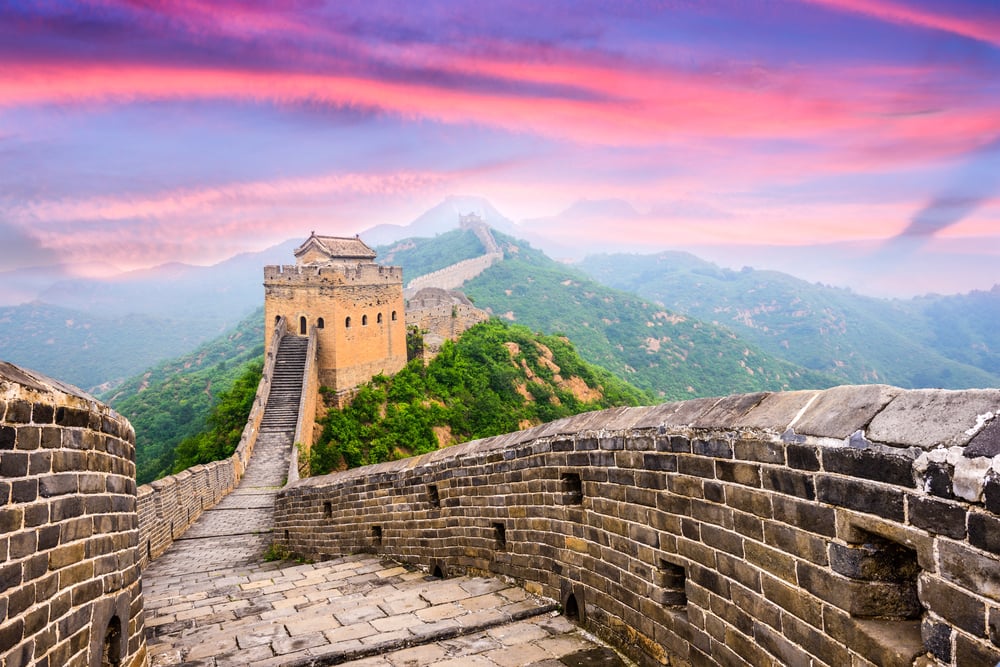
The Great Wall stands as one of history’s most ambitious construction projects, but its creation came at an enormous human cost. Millions of workers died during its construction over several dynasties, including countless enslaved prisoners of war and conscripted peasants.
The Qin Dynasty alone is estimated to have used over 300,000 enslaved laborers to connect and extend existing wall segments into the unified structure we recognize today.
The Pyramids of Giza
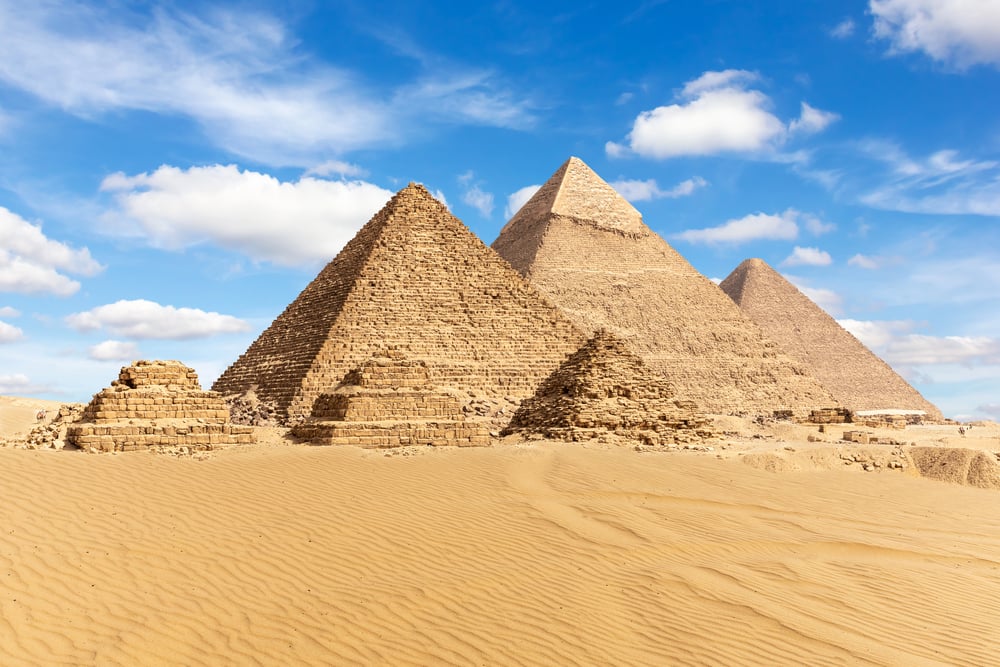
Contrary to popular belief, recent archaeological evidence suggests that the pyramids were built primarily by paid workers rather than enslaved people. However, the broader construction projects of ancient Egypt did rely heavily on forced labor from captured enemies and indentured servants.
The massive limestone blocks and precise engineering required an enormous workforce, much of which consisted of people with no choice in their participation.
The Colosseum
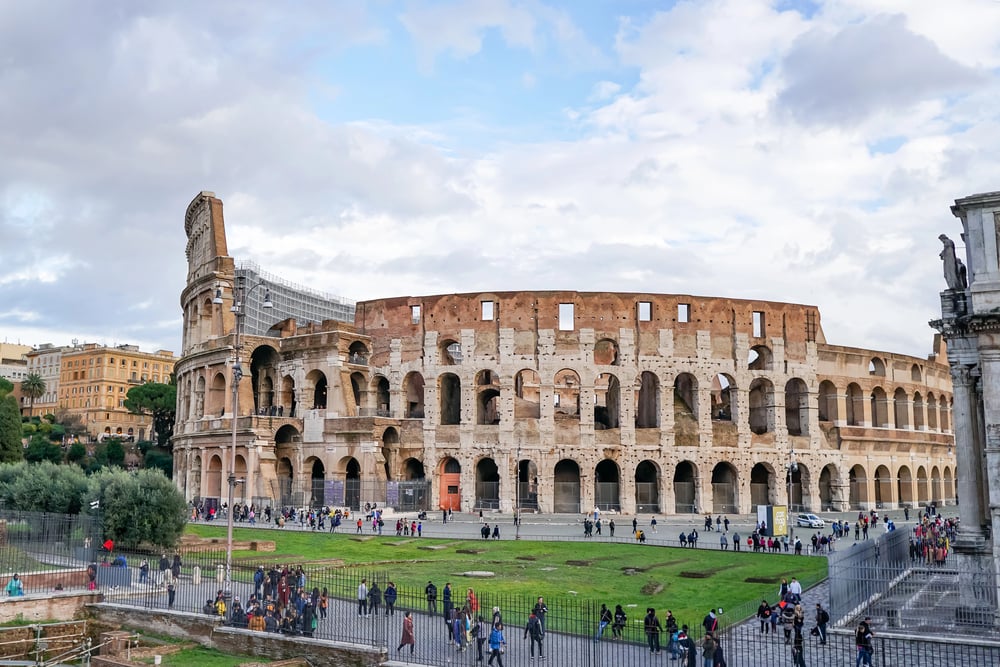
Rome’s iconic amphitheater was constructed using thousands of enslaved people captured during military campaigns across the empire. These workers quarried travertine limestone, hauled massive stone blocks, and performed the dangerous work of underground construction.
The irony is particularly stark since the completed Colosseum would later become a stage where enslaved gladiators fought for the entertainment of Roman citizens.
Angkor Wat
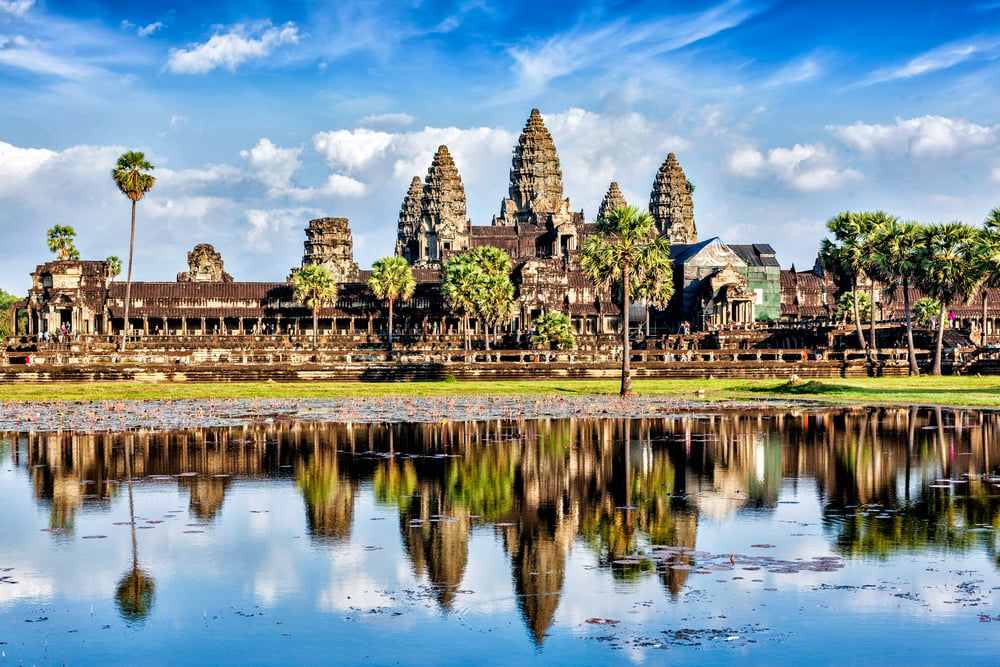
This magnificent temple complex in Cambodia was built during the Khmer Empire using a workforce that included large numbers of enslaved people. The empire’s military campaigns provided a steady supply of captives who were forced to quarry sandstone, transport materials across difficult terrain, and carve the intricate reliefs that make Angkor Wat so remarkable.
The scale of construction required approximately 300,000 workers over three decades.
Machu Picchu
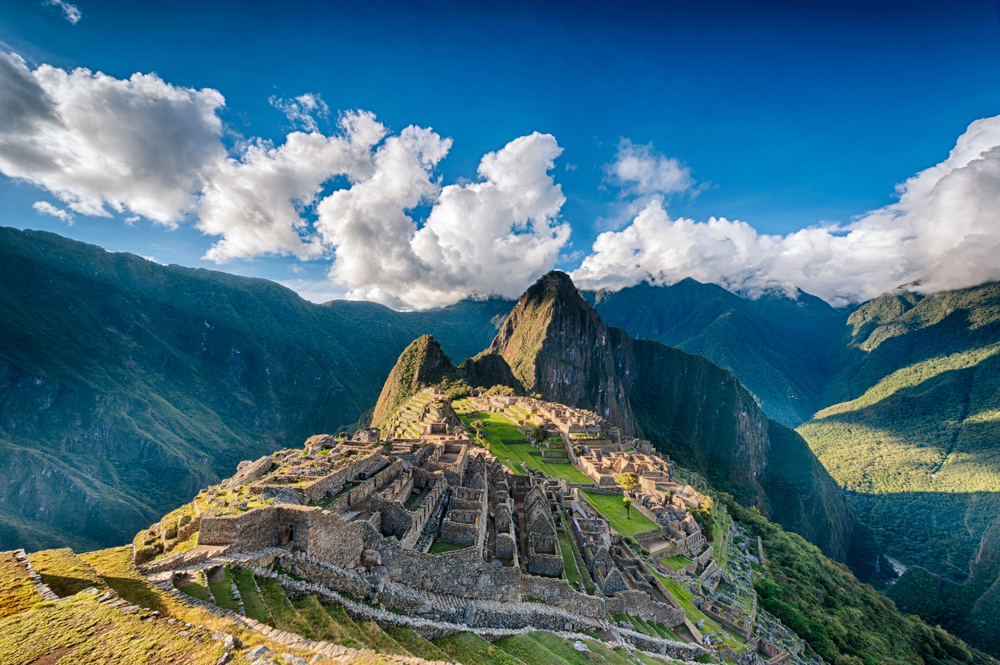
The Inca Empire’s mountain citadel was constructed using the mit’a system, a form of tribute labor that was essentially legalized enslavement. Local populations were required to provide workers for state projects, and these laborers had no choice but to participate in the backbreaking work of cutting and moving massive stone blocks up treacherous mountain paths.
The precision of the stonework reflects both remarkable engineering skills and the forced dedication of countless workers.
The White House
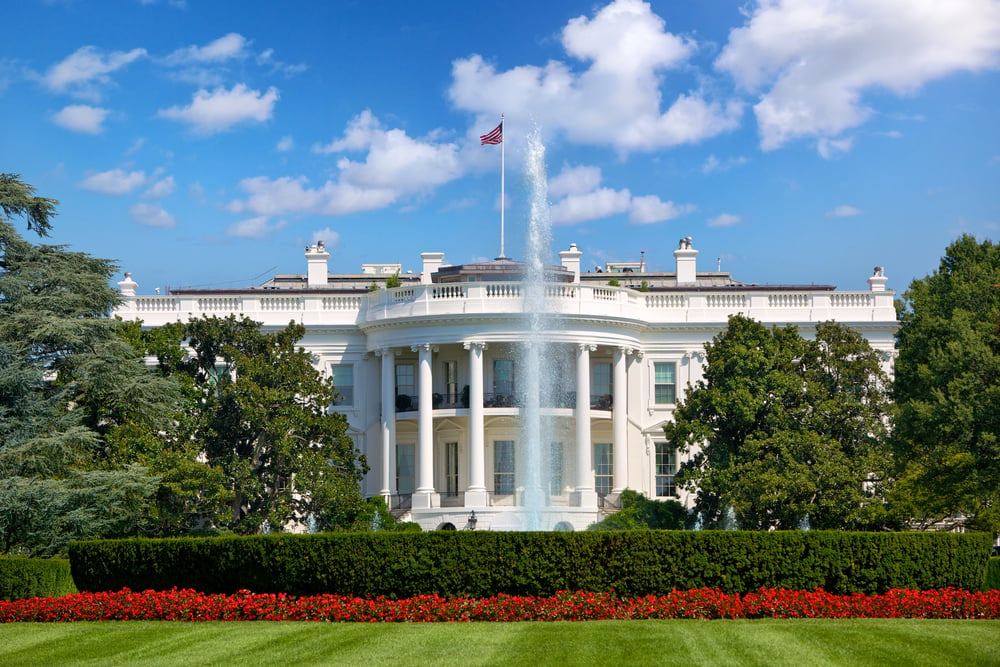
America’s most famous residence was built between 1792 and 1800 using both enslaved and free labor. Enslaved people quarried and cut the sandstone, fired the bricks, and performed much of the skilled carpentry work.
Records show that the government paid enslavers for the use of their human property, highlighting how deeply embedded forced labor was in early American construction projects.
The U.S. Capitol Building
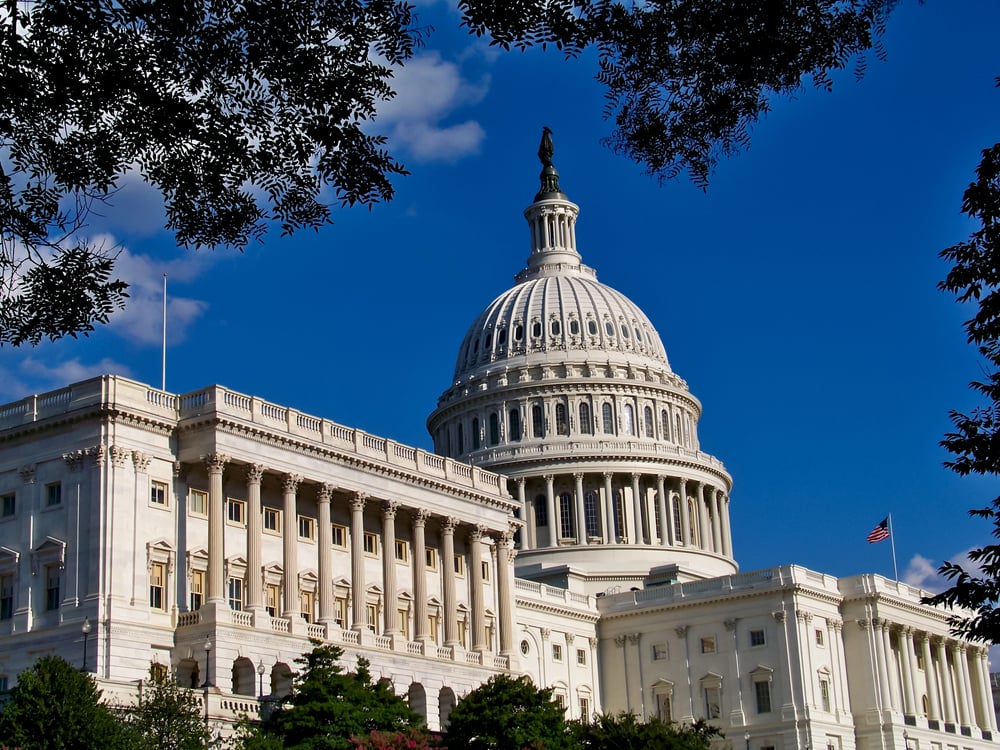
The seat of American democracy was constructed largely through enslaved labor, with detailed records showing payments made to enslavers for their workers’ time. Enslaved people quarried the stone, hauled materials, and worked as skilled craftsmen throughout the building process.
The Capitol’s construction spanned several decades, and enslaved workers contributed to nearly every phase of the project.
Mount Rushmore
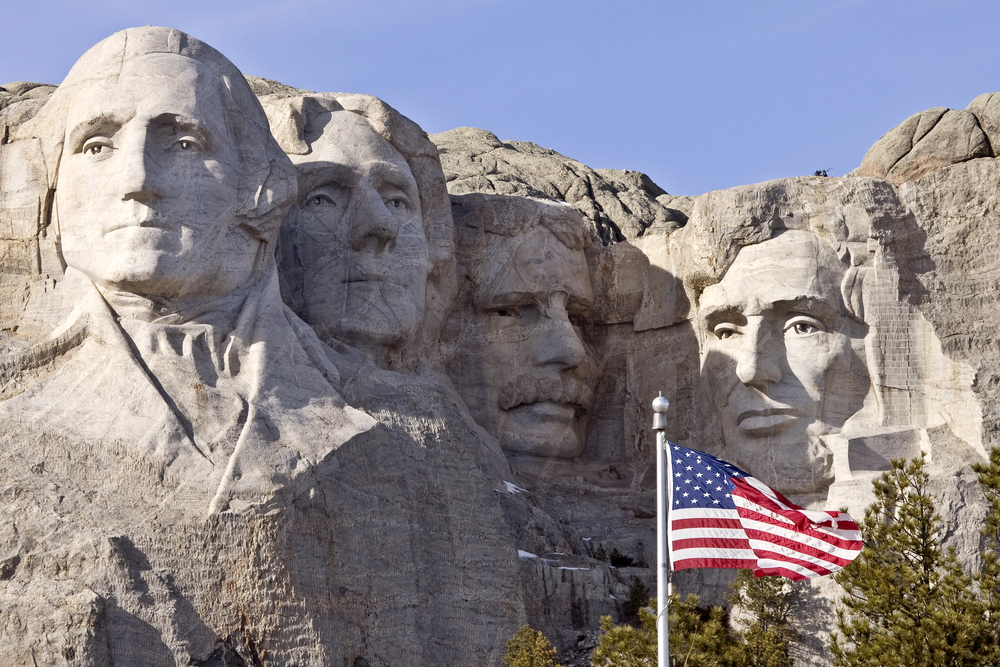
While carved in the 20th century, Mount Rushmore’s construction relied on workers from the nearby Pine Ridge Reservation who were essentially forced into labor due to economic desperation and government policies. The monument itself was carved into the Black Hills, a sacred site that was illegally taken from the Lakota people.
The workforce included many Native Americans who had little choice but to participate in defacing their own sacred landscape.
The Acropolis
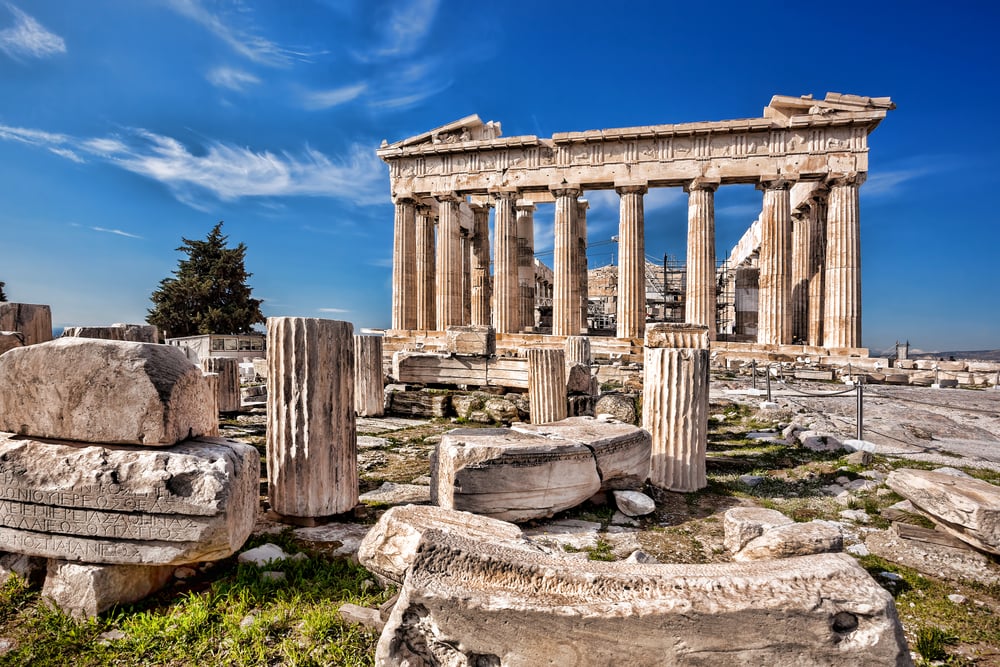
Ancient Athens’ crowning architectural achievement was built using enslaved labor alongside citizen workers. The Athenian economy depended heavily on enslaved people captured in wars, and these workers provided much of the manual labor for quarrying marble, hauling materials up the steep hill, and assisting skilled craftsmen.
The contrast between the Acropolis as a symbol of democracy and freedom and its construction through forced labor remains historically significant.
Neuschwanstein Castle
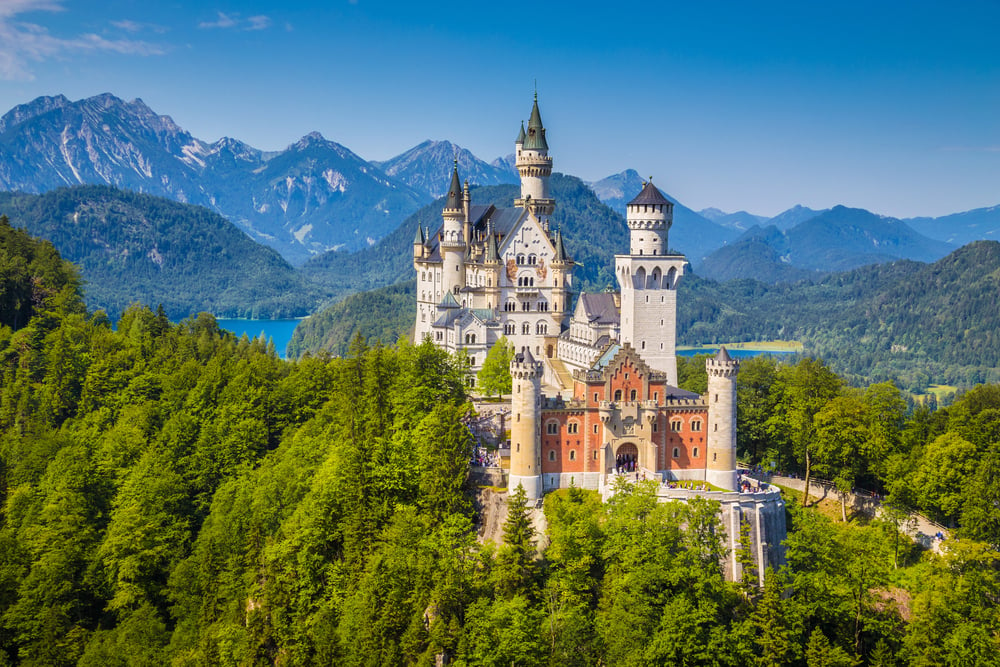
Though built in the 19th century, Bavaria’s fairy-tale castle relied on workers who faced conditions that amounted to forced labor. King Ludwig II’s ambitious construction timeline and remote location meant that workers were essentially trapped on-site with little choice but to continue working under dangerous conditions.
While not technically enslaved, the workers’ freedom was severely restricted, and many died during the castle’s construction.
The Taj Mahal
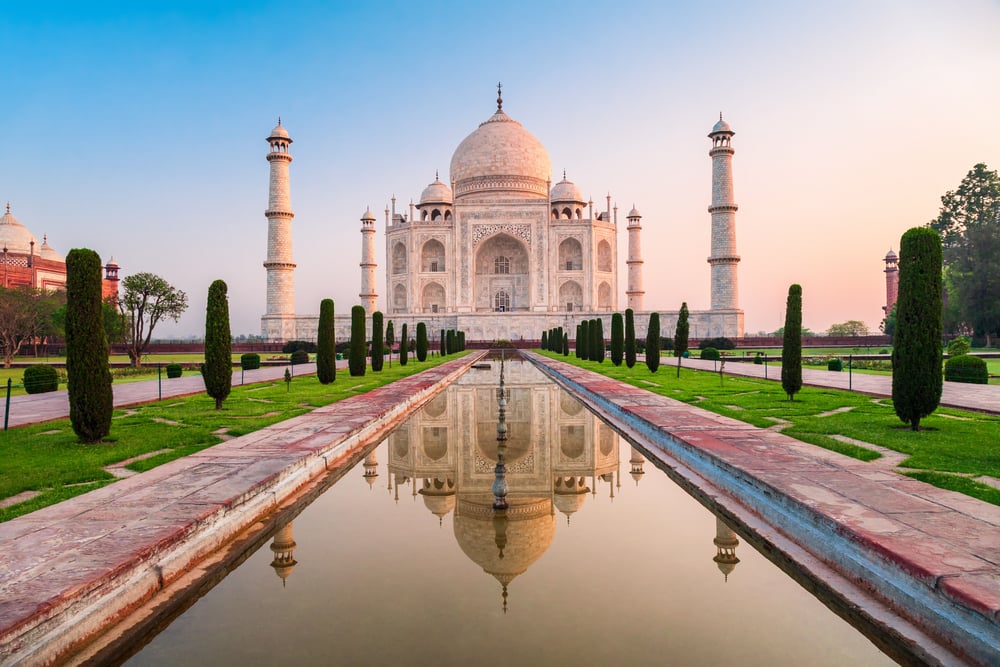
India’s most famous monument was constructed using a workforce that included many enslaved artisans and laborers. The Mughal Empire’s military campaigns provided captives who were forced to work on the mausoleum’s construction.
Shah Jahan employed approximately 20,000 workers over 22 years, and historical accounts suggest that many of these workers had no choice in their participation.
The Palace of Versailles
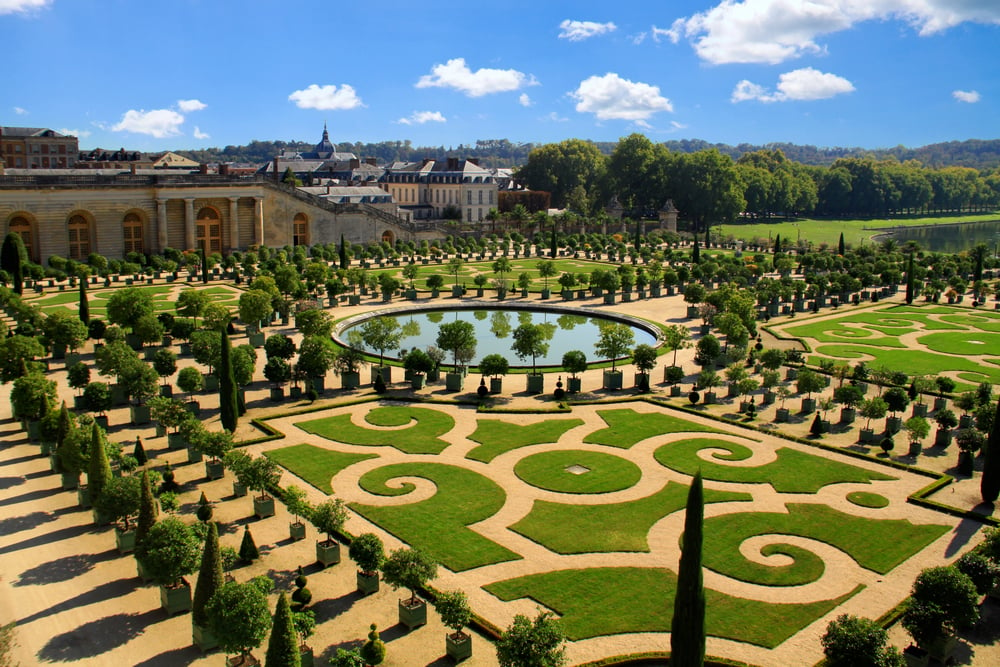
France’s opulent palace was built and maintained using forced labor from various sources, including prisoners, conscripted peasants, and captured enemies. The massive construction project required an enormous workforce to quarry stone, transport materials, and perform the skilled work of creating the palace’s elaborate decorations.
The contrast between the palace’s luxury and the conditions of its builders reflects the stark inequalities of 17th-century France.
The Forbidden City
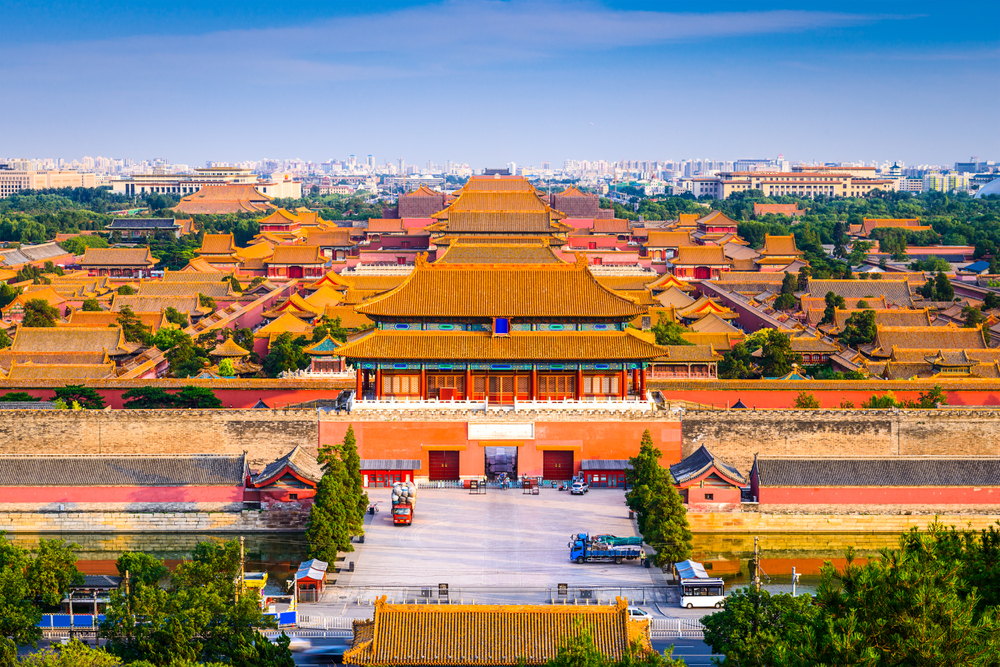
China’s imperial palace complex was constructed using millions of conscripted workers who were essentially enslaved for the duration of the project. The Ming Dynasty mobilized workers from across the empire, and these laborers had no choice but to participate in the massive undertaking.
The project required specialized skills for working with the complex wooden architecture and elaborate decorations that characterize Chinese imperial buildings.
Petra
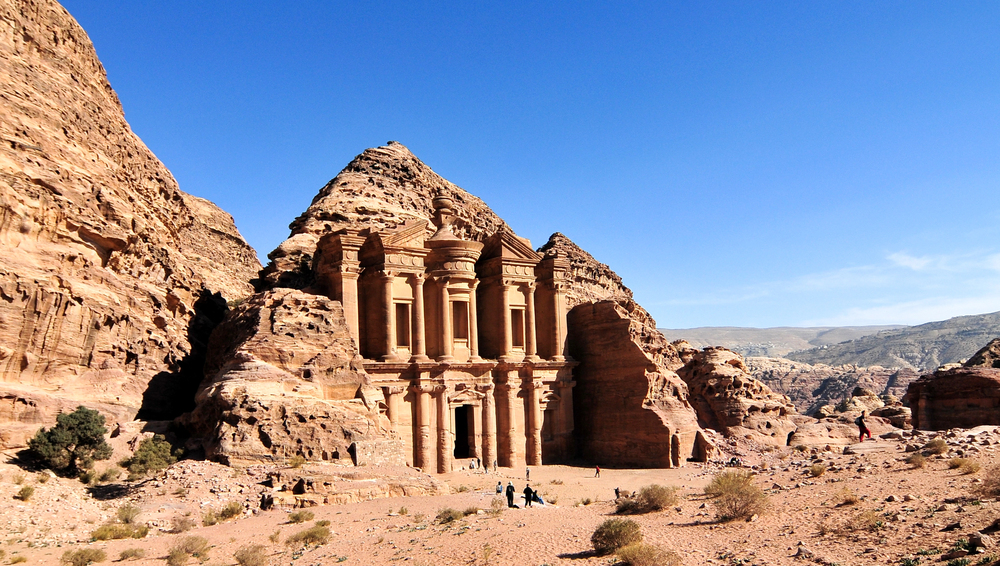
The ancient Nabataean city carved into rock cliffs was built using enslaved workers captured during military campaigns and trade disputes. The intricate facades and complex water management systems required skilled labor, much of which was provided by people who had been forced into service.
The remote location and difficult working conditions made escape nearly impossible for the enslaved workforce.
The Leaning Tower of Pisa
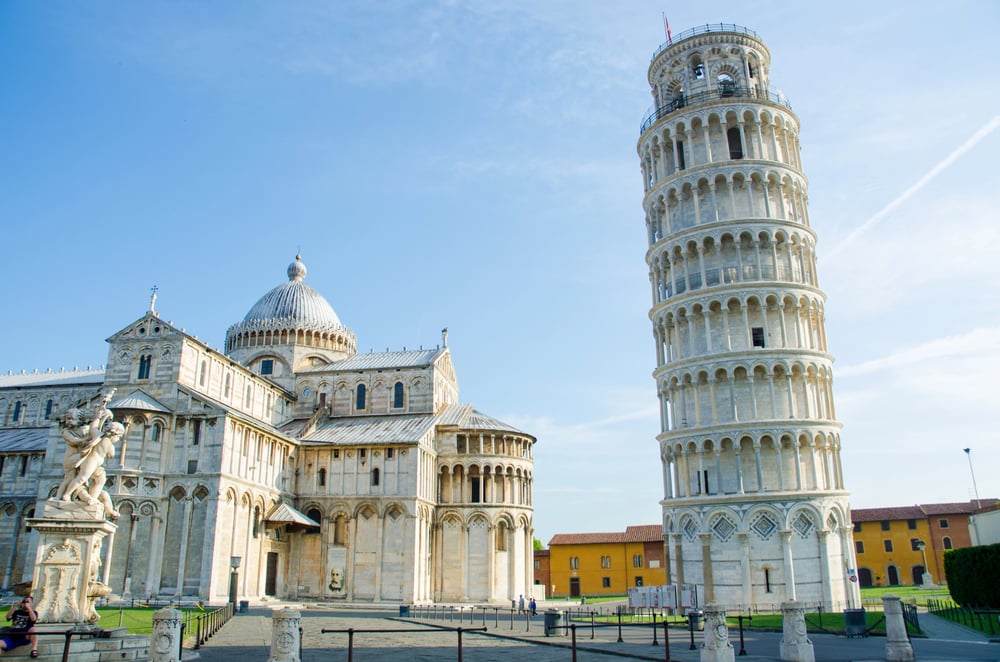
Italy’s famous tower was constructed using laborers who included enslaved people captured during maritime conflicts in the Mediterranean. The tower’s construction spanned nearly 200 years, and throughout this period, forced labor contributed to the quarrying of marble, the transportation of materials, and skilled stonework.
The tower’s eventual tilt was partly due to the rushed construction timeline that pushed workers to dangerous limits.
Chichen Itza
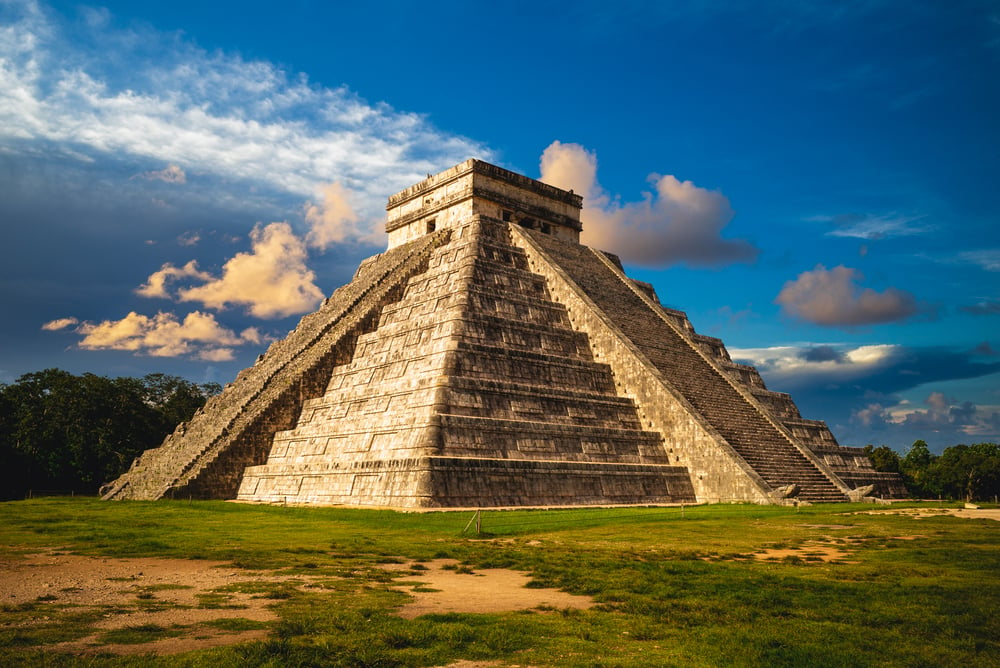
The Maya city’s impressive pyramids and temples were built using enslaved captives from rival cities and regions. Maya warfare often aimed to capture prisoners who would be forced to work on construction projects before being sacrificed in religious ceremonies.
The El Castillo pyramid and the Great Court required enormous amounts of quarried limestone, much of which was cut and transported by enslaved workers.
The Temple of Karnak
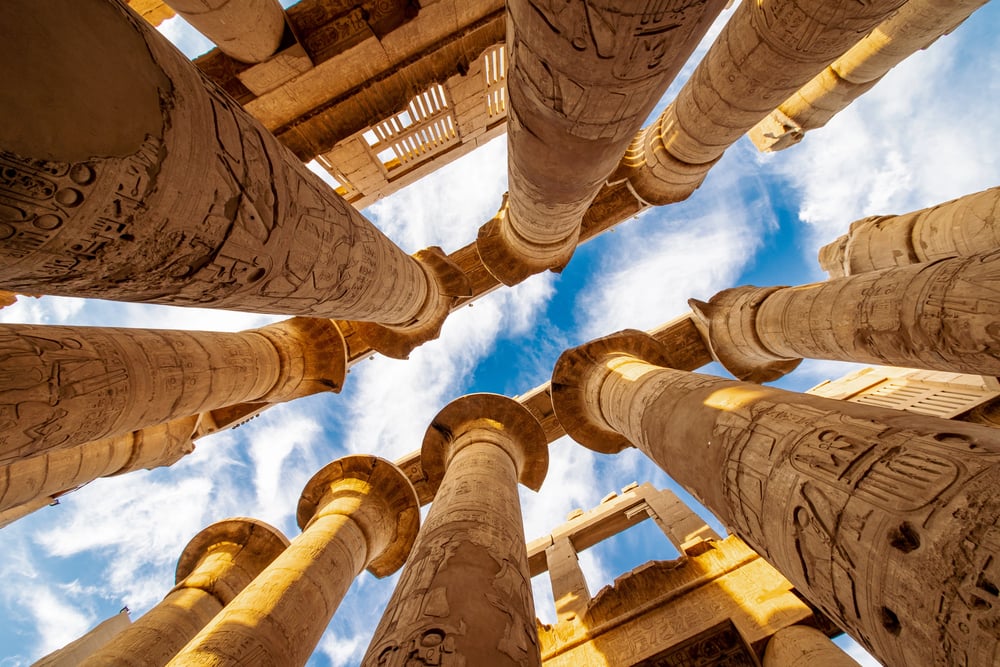
Egypt’s largest temple complex was built and expanded over many centuries using enslaved laborers captured during military campaigns. The massive columns and intricate hieroglyphic decorations required both skilled artisans and manual laborers, many of whom were prisoners of war with no choice in their participation.
The temple’s construction involved moving enormous stone blocks and creating precise alignments that required a large, dedicated workforce.
Westminster Abbey
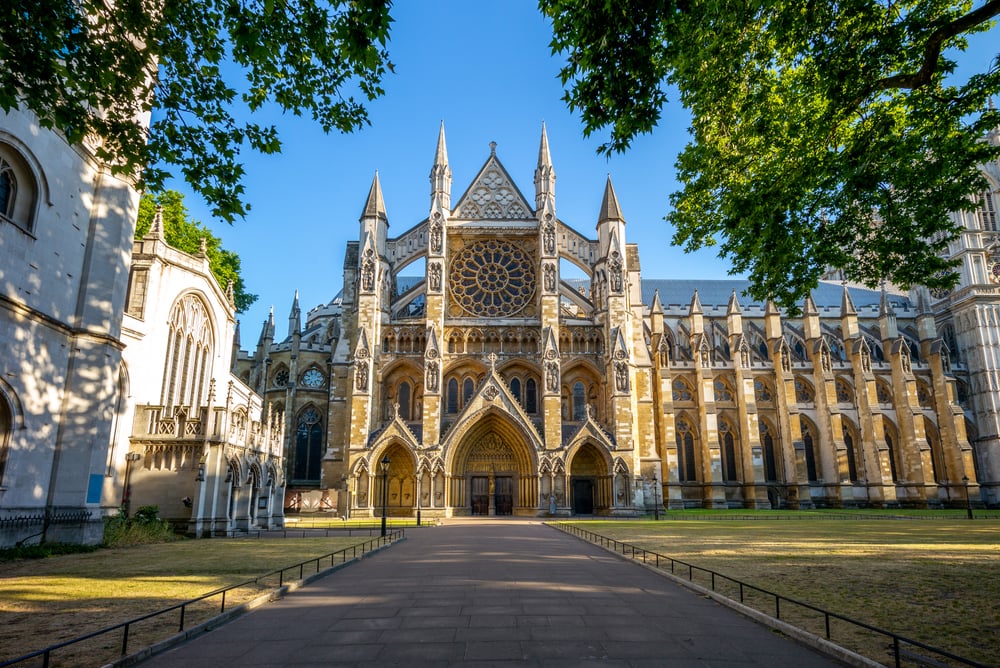
England’s coronation church was built using forced labor from various sources, including prisoners and conscripted workers who had little choice in their participation. The abbey’s construction and numerous renovations over the centuries relied on workers who faced conditions that amounted to enslavement.
The skilled stone carving and complex architectural elements required artisans who were often bound to their work through debt or legal obligation.
Remembering the Builders
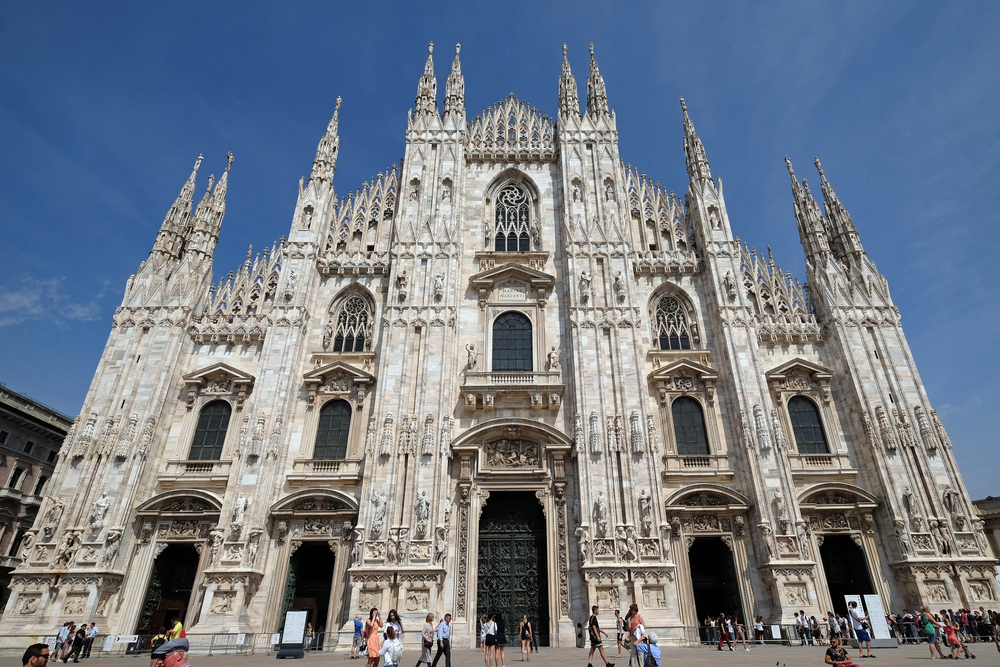
These monuments continue to inspire millions of visitors each year, but their stories remain incomplete without acknowledging the human cost of their creation. The skilled hands that carved stone, hauled materials, and risked their lives to build these structures belonged to people whose names we’ll never know.
Their forced labor helped create lasting symbols of human achievement, even as their own humanity was denied. Understanding this history doesn’t require us to stop appreciating these architectural marvels, but it does ask us to remember that behind every great monument are the countless individuals who built it, whether by choice or by force.
More from Go2Tutors!

- The Romanov Crown Jewels and Their Tragic Fate
- 13 Historical Mysteries That Science Still Can’t Solve
- Famous Hoaxes That Fooled the World for Years
- 15 Child Stars with Tragic Adult Lives
- 16 Famous Jewelry Pieces in History
Like Go2Tutors’s content? Follow us on MSN.