18 TV Plotlines Recycled Across Series
Television writers face an impossible challenge — creating fresh stories week after week, year after year. With thousands of shows produced over decades, original ideas become increasingly rare. What happens when inspiration runs dry?
Writers start borrowing. Sometimes it’s subtle, other times it’s basically copy-paste with different character names.
Here’s a list of 18 TV plotlines that have been recycled so often, they’ve become the comfort food of television writing.
The Body Swap Episode

Characters wake up in each other’s bodies and hilarity ensues. ‘Freaky Friday’ made this concept famous, but TV shows can’t resist the comedy goldmine.
Shows like ‘Buffy the Vampire Slayer,’ ‘Smallville,’ and ‘The X-Files’ all did their own versions — complete with actors trying to mimic each other’s mannerisms. The episode practically writes itself: confusion, awkward situations, then everyone learns to appreciate what others go through.
Christmas Episode Gone Wrong

Every sitcom needs a Christmas special, but writers love throwing curveballs into holiday cheer. The family gathering turns into disaster, presents get mixed up, or someone gets snowed in with people they can’t stand.
‘Friends,’ ‘The Office,’ and ‘How I Met Your Mother’ all mined this territory extensively. These episodes work because audiences expect warm fuzzy feelings, then get chaos instead.
The Clip Show
Budget running low? Time for a clip show.
Characters sit around remembering past adventures while the audience watches recycled footage from previous episodes. ‘Seinfeld’ made this technique famous with their backwards episode and finale clips, but shows from ‘Cheers’ to ‘Community’ have used this lazy writing crutch.
Evil Twin Reveals

Long-lost evil twins show up to wreak havoc on established characters’ lives. Soap operas perfected this storyline, but it jumped to primetime faster than you’d expect.
‘Dallas,’ ‘Dynasty,’ and countless other dramas used this plot device when ratings needed a boost. The formula never changes: mysterious newcomer, strange behavior, big reveal, family drama explosion.
Time Loop Madness

‘Groundhog Day’ gave TV writers the ultimate recycling opportunity — literally repeating the same day over and over. ‘Supernatural,’ ‘The X-Files,’ ‘Smallville,’ and ‘Star Trek: The Next Generation’ all trapped characters in temporal loops.
Writers love this concept because they can reuse sets, jokes, and scenarios while exploring how people might handle infinite do-overs.
Pregnancy Scare Episodes

Nothing shakes up a TV show quite like an unexpected pregnancy storyline. Whether it’s teenagers dealing with consequences or adults questioning their life choices, this plot device creates instant drama.
Shows from ‘Glee’ to ‘Friends’ to ‘Scrubs’ have used pregnancy scares to force character development. The emotional stakes write themselves, and audiences always get invested.
The Amnesia Plot
Someone gets bonked on the head and forgets everything — including the people they love most. This medical impossibility became television gold because it lets writers reset relationships and create fresh dynamics.
‘Days of Our Lives’ probably holds the record for amnesia storylines, but shows like ‘Smallville’ and ‘Buffy’ used it too. Doctors on TV shows apparently never heard of how amnesia actually works.
Trapped in an Elevator

Budget-friendly bottle episodes often stick characters in confined spaces to force conversations they’d normally avoid. The elevator breakdown is the classic version — people who hate each other get stuck together and have to work through their issues.
‘Grey’s Anatomy,’ ‘The Office,’ and ‘How I Met Your Mother’ all used this setup. Small space, big emotions, minimal sets required.
The Makeover Episode

Ugly duckling gets a makeover and suddenly becomes the most popular person around. This storyline teaches valuable lessons about inner beauty while giving costume departments something fun to do.
Teen shows especially love this plot — ‘Saved by the Bell,’ ‘Glee,’ and countless others proved that new clothes and contact lenses solve everything. The moral always involves learning that looks aren’t everything, right after showing how much looks actually matter.
Secret Revealed Episodes

Someone’s been keeping a massive secret, and it all comes out in one explosive episode. The bigger the secret, the more dramatic the fallout — hidden parentage, secret marriages, or double lives work best.
Shows like ‘Desperate Housewives,’ ‘Pretty Little Liars,’ and ‘Lost’ built entire seasons around secret reveals. Writers love these because they can plant hints for months before the big payoff.
The Musical Episode

Characters spontaneously break into song and dance numbers, usually explained by dreams, magic, or mass hysteria. ‘Buffy the Vampire Slayer’ pioneered this concept with ‘Once More, with Feeling,’ but shows from ‘Scrubs’ to ‘Grey’s Anatomy’ jumped on the musical bandwagon.
These episodes require extra budget but generate massive fan engagement and Emmy submissions.
Bottle Episodes in Diners

When budgets get tight, characters end up having deep conversations in cheap locations like diners or cars. ‘Seinfeld’ made dinner conversations an art form, but shows like ‘Supernatural’ and ‘Breaking Bad’ used similar setups when they needed character development without expensive action sequences.
Two people, one location, heavy dialogue — the cheapest drama money can buy.
The Dream Episode
Everything that happens turns out to be someone’s dream, nightmare, or drug-induced hallucination. This lazy writing technique lets shows explore wild scenarios without consequences.
‘Dallas’ famously used this to erase an entire season, but shows like ‘Buffy,’ ‘The Sopranos,’ and ‘Lost’ made dream episodes into art forms. Audiences either love the creativity or feel cheated by the fake-out.
Parallel Universe Stories
Characters discover alternate versions of themselves living different lives in parallel dimensions. ‘Fringe’ built an entire mythology around this concept, but shows like ‘Supernatural,’ ‘Community,’ and ‘The Flash’ all explored what might have been.
Writers love parallel universe episodes because they can show familiar characters in completely new situations without permanent consequences.
The Blackout Episode
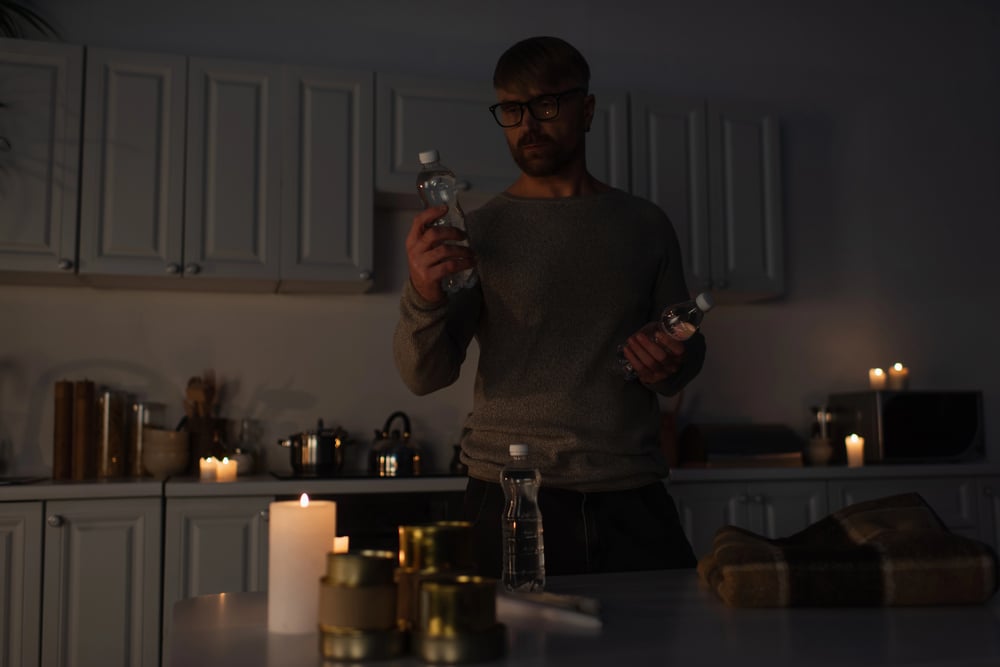
Power goes out and characters are forced to interact without their usual distractions. ‘Friends’ did this with their famous blackout episode, creating intimate conversations and romantic tension.
Shows like ‘The West Wing’ and ‘Grey’s Anatomy’ used citywide blackouts to strip away modern conveniences and force raw human interaction. Candles and flashlights become the entire lighting budget.
Characters Get Drunk Together

Alcohol loosens tongues and creates situations characters would never find themselves in while sober. Truth comes out, inhibitions disappear, and relationships change forever.
‘How I Met Your Mother,’ ‘The Office,’ and ‘New Girl’ all used alcohol as a plot device to push storylines forward. These episodes write themselves — just add booze and watch characters make terrible decisions.
The Funeral Episode
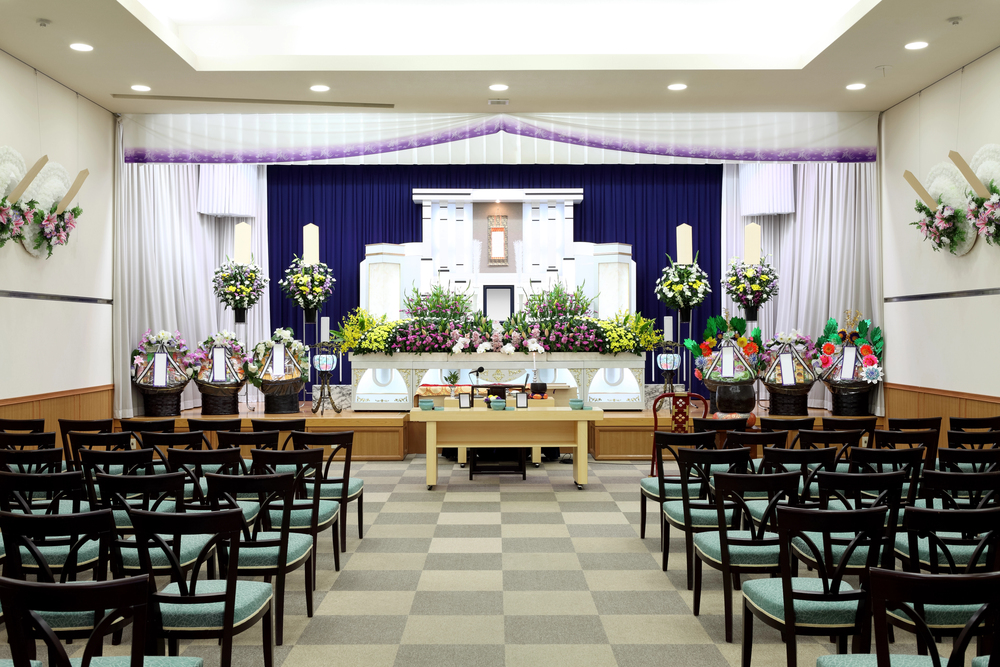
Someone dies and the funeral brings together characters who’ve been avoiding each other. Old conflicts resurface, family secrets emerge, and everyone learns valuable lessons about life being too short for petty arguments.
‘Six Feet Under’ made funeral episodes an art form, but shows from ‘The Sopranos’ to ‘This Is Us’ used death as a catalyst for character growth and relationship resolution.
Game Show Parody Episodes
Characters find themselves contestants on ridiculous game shows, usually as punishment or by accident. These episodes let writers parody popular game show formats while putting beloved characters in humiliating situations.
‘The Simpsons,’ ‘Family Guy,’ and ‘Community’ all created memorable game show episodes. The format provides built-in structure and opportunities for both comedy and character development.
When Writers Run Out of Steam

Television’s greatest recycling program isn’t about aluminum cans — it’s about plotlines that work too well to abandon. These 18 storylines keep appearing because they tap into universal human experiences that audiences never tire of watching.
Body swaps make us laugh, time loops make us think, and evil twins make us gasp — even when we’ve seen it all before.
The real magic happens when skilled writers take these familiar frameworks and find fresh angles. Sure, everyone’s done the Christmas episode, but each show brings its own characters and perspective to the table.
That’s not lazy writing — that’s understanding what makes television comfort food so satisfying. Sometimes the best stories are the ones we’ve heard before, just told by different voices.
More from Go2Tutors!

- The Romanov Crown Jewels and Their Tragic Fate
- 13 Historical Mysteries That Science Still Can’t Solve
- Famous Hoaxes That Fooled the World for Years
- 15 Child Stars with Tragic Adult Lives
- 16 Famous Jewelry Pieces in History
Like Go2Tutors’s content? Follow us on MSN.